2027 Forensic Science Careers That Reward Strong Lab Skills

Co-Founder and Chief Data Scientist
Facing a backlog of complex DNA samples, many forensic analysts confront the challenge of maintaining precision under pressure while navigating evolving lab technologies. This bottleneck isn't just a workflow hurdle-it's a public safety and judicial integrity risk. The U. S. Bureau of Labor Statistics projects a 14% growth in forensic science technician roles over the next decade, reflecting increasing reliance on skilled lab practitioners. Simultaneously, the rise of flexible, hybrid educational models facilitates upskilling for working professionals balancing unpredictable schedules. These shifts demand strategic choices about where and how to develop strong lab competencies that align with employer expectations and certification requirements. This article outlines key forensic science careers rewarding advanced lab skills and guides on effective educational pathways tailored to these practical demands.
Key Things You Should Know
- Advanced lab skills in forensic science correlate with 12% higher starting salaries, but require costly specialized certifications, elongating time-to-employment by an average of six months as reported by the National Institute of Justice 2024 workforce analysis.
- Employers increasingly prioritize hybrid expertise in digital forensics and chemical analysis, pressuring candidates to balance cross-disciplinary training with core lab competence, complicating credential planning per the 2024 FBI forensic workforce survey.
- Federal and state lab vacancies rose 9% in 2023, yet budget constraints limit raising entry salaries, forcing candidates to weigh immediate unpaid internships against delayed but stable government positions, per Department of Justice workforce data.
What forensic science careers use strong lab skills?
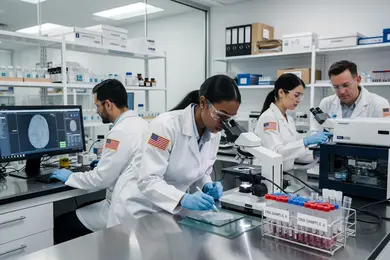
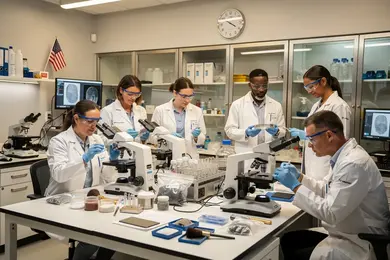
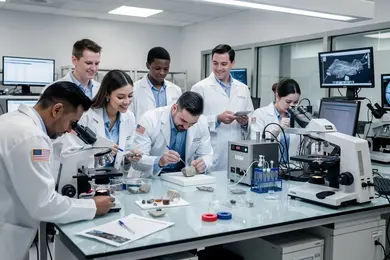
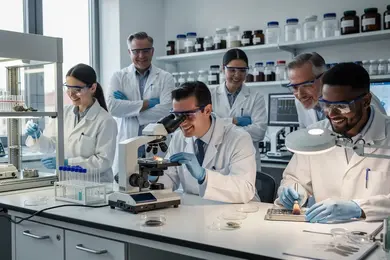
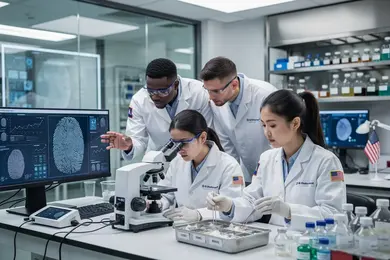
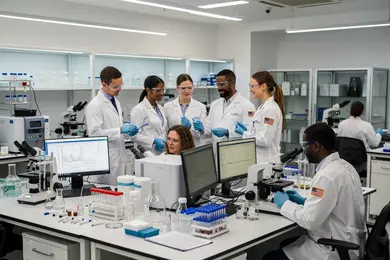
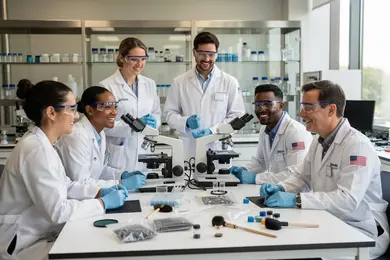
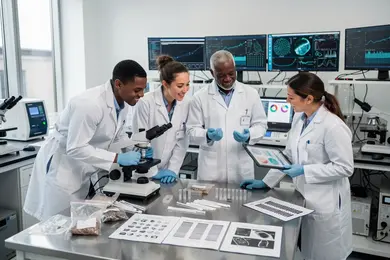
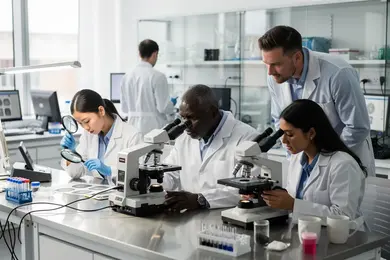
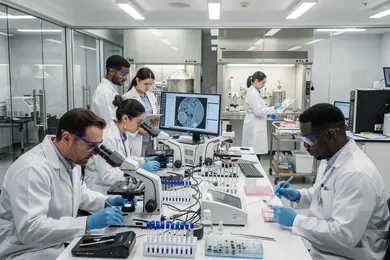
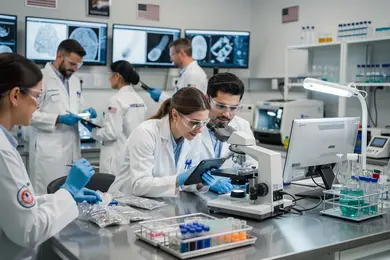
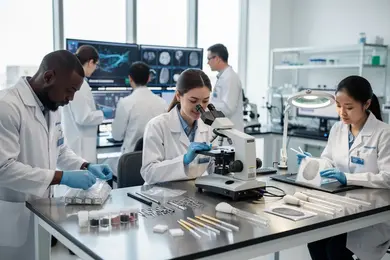
Positions in forensic science lab careers in the US demand a precise blend of technical skills and procedural rigor, notably within roles such as forensic science technicians, forensic chemists, DNA analysts, toxicologists, and forensic biologists. Proficiency in laboratory methodologies-including chemical assays, DNA extraction, and chromatographic techniques-is essential, alongside strict compliance with chain-of-custody standards. For instance, forensic chemists frequently confront heavy caseloads requiring rapid, error-minimized substance classification, while DNA analysts manage time-intensive PCR and electrophoresis processes to produce valid profiles under operational pressure.
Employment outcomes correlate strongly with demonstrated laboratory capabilities. Entry-level forensic science technicians earned a median wage of $67,440 in May 2024, according to the U.S. Bureau of Labor Statistics, though salaries vary widely based on skill depth and agency demand. Toxicologists uniquely influence both criminal justice and public health sectors by interpreting biological assays for toxins and drugs with clinical accuracy.
Careers requiring strong forensic science laboratory skills also entail ongoing adaptation to evolving technologies and standards. Candidates face a workload balancing hands-on laboratory duties with detailed documentation and courtroom preparation. Practical experience-often secured through internships or accredited programs-is a key determinant in employability, as employers prioritize candidates with tangible laboratory problem-solving under pressure.
Students pursuing this path often research options for affordable education tailored to forensic science careers. Evaluating the cheapest online forensic science degree programs can provide strategic advantage for those managing cost while seeking relevant training.
What degrees do forensic science careers require?
A bachelor's degree in forensic science or a closely related natural science such as chemistry, biology, or biochemistry is the baseline for most forensic science careers, particularly for lab-based roles. Employers-especially federal agencies and specialized crime labs-value candidates with rigorous training in analytical chemistry and molecular biology because these skills directly affect the accuracy of evidence processing. Degrees combining coursework in statistics, criminal justice, and instrumentation add practical value given the technical complexities of crime lab work.
Educational requirements for forensic science jobs often differentiate between general science graduates and those with targeted forensic training. For instance, a pure chemistry degree holder working in a state crime lab averages around $69,540 annually but typically needs additional forensic-specific coursework or certifications to qualify for advanced roles. Federal forensic professionals earning mean wages of $119,630 generally have degrees from accredited forensic science programs coupled with hands-on internships and specialized certifications. This wage gap reflects the market premium for applied forensic expertise and practical experience.
Advanced forensic roles like DNA analyst or toxicologist almost always require at least a master's degree due to higher complexity and legal accountability. Graduate-level research skills and familiarity with emerging lab technologies are standard expectations for these positions, especially at federal agencies. Prospective students must balance entering the workforce earlier with a bachelor's versus investing additional time in graduate education that can improve salary prospects and job stability.
Key degree planning steps include:
- Selecting undergraduate programs with accredited forensic science curricula or natural science degrees supplemented by crime lab internships.
- Pursuing master's degrees or targeted certifications aligned with desired forensic specialties.
- Gaining practical laboratory experience through internships or entry-level forensic roles.
Evaluating the broader educational landscape alongside forensic-specific pathways reveals nuanced choices affecting employability and career trajectory. For students also interested in broader analytical skills, considering related fields like data science degrees may provide complementary competencies increasingly relevant to forensic applications.
Which forensic science programs are accredited?
FEPAC accreditation remains the defining credential for forensic science programs accredited by the American Academy of Forensic Sciences in the United States, directly shaping graduate employability in public crime labs and federal agencies. Graduates of non-FEPAC programs frequently encounter hurdles demonstrating essential technical competencies, especially involving evidence handling and instrumentation, which can extend their route to entry-level forensic analyst positions.
Since digital and cyber forensic roles increasingly demand hybrid expertise, programs with ABET accreditation-typically aligned with computer science or information systems-offer alternative pathways that align with current market demands. This is particularly relevant given the rapid expansion of the digital forensics sector, which grew from approximately $4.95 billion between 2016 and 2022, fueling employer demand for interdisciplinary skills. For those pivoting to digital forensics, accredited credentials act as gatekeepers for high-level government and corporate positions that require security clearances and verified technical proficiency.
Practical considerations when evaluating top accredited forensic science degree programs in the United States include:
- Regional employer preferences for FEPAC accreditation versus dual accreditation or recognized cybersecurity certifications
- Program duration and cost relative to real-world training opportunities such as internships and lab rotations
- Tradeoffs between program focus areas to align with targeted forensic disciplines
For students balancing forensic science with broader health and science interests, an online degree in exercise science may provide a complementary track or alternative specialization to support career agility within allied forensic or investigative contexts.
Should you choose online or campus forensic science programs?
Choosing between a forensic science degree online versus campus programs profoundly impacts a graduate's readiness for demanding forensic roles. Campus-based programs provide critical hands-on training with specialized lab equipment and real case simulations, essential for positions like forensic pathologists who can earn over $300,000 annually depending on jurisdiction, according to Salary.com data summarized by UC Davis. This practical depth aligns tightly with employer expectations and licensure requirements, which increasingly mandate demonstrable lab proficiency.
Online forensic science programs, while flexible for working adults, often necessitate independently arranged in-person lab experiences, complicating logistics and extending time to competency. Students pursuing online degrees should weigh these tradeoffs carefully against career timelines and costs.
Consider a forensic analyst targeting a metropolitan medical examiner's office: a campus forensic science program with integrated internships and high-fidelity labs more reliably fulfills hiring prerequisites and accreditation demands. Conversely, online degrees frequently require additional certifications or extra practical hours, delaying job entry.
Key considerations include:
- Access to advanced forensic labs for biological, chemical, and digital evidence handling
- Program accreditation and employer recognition impacting licensure eligibility
- Internship integration with forensic labs or medical examiner offices
- Additional time and financial commitments linked to online program supplemental labs
Students prioritizing practical mastery should focus on the best campus forensic science programs for hands-on lab experience, while those seeking foundational knowledge might explore online options with added preparation steps. For those evaluating broader flexible degree paths, an affordable online computer science degree might offer alternative strategies within STEM fields.
What forensic science courses build lab skills?
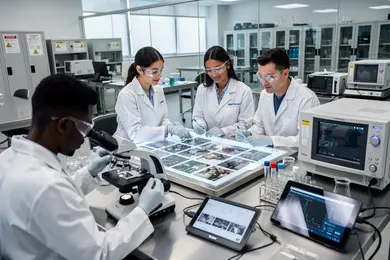
Lab-focused forensic science courses align closely with the operational demands of forensic technician roles, which rely heavily on validated chemical, biological, and trace evidence analysis methods. Core curricula commonly feature forensic chemistry techniques such as gas chromatography-mass spectrometry (GC-MS) and atomic absorption spectroscopy, essential for identifying substances in complex crime scene matrices. Molecular biology components center on DNA extraction and PCR amplification, reflecting the ongoing need for forensic genetics expertise in real casework.
Practical toxicology training emphasizes chromatographic and immunoassay procedures to detect toxins and drugs-skills crucial for definitively establishing causes of death or impairment. Serology lab work involves blood typing, blood spatter interpretation, and antigen detection, directly influencing crime scene reconstruction accuracy. Trace evidence analysis hones microscopic comparison of fibers, hair, and gunshot residue, routinely required in forensic investigations.
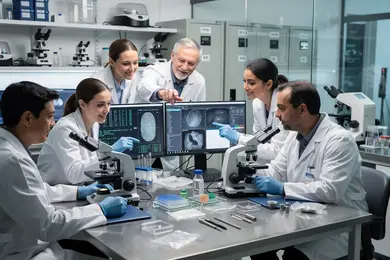
Government data report nearly 10,000 forensic science technicians employed federally, highlighting competitive entry that favors applicants with documented proficiency in sample handling, chain-of-custody protocols, and laboratory information management systems (LIMS). Students should prioritize programs providing accredited laboratories with modern instrumentation and case simulation exercises, as these experiential components reinforce compliance with strict quality control standards. Without exposure to hands-on workflows mirroring forensic lab environments, graduates risk under-preparation for federal or state lab demands.
Internships and research methods courses that simulate operational case scenarios represent critical differentiators, equipping individuals to navigate procedural rigor and evidence integrity expectations encountered in professional settings.
What are the admission requirements for forensic science programs?
Admission to forensic science programs demands more than foundational science knowledge; practical laboratory proficiency often defines a candidate's employability. Undergraduate applicants typically need coursework in biology, chemistry, physics, and algebra with a GPA around 3.0 or higher. However, employers-especially in private labs making up 38% of UK forensic science jobs per the Warwick Institute for Employment Research-favor candidates with hands-on lab experience and familiarity with instrumentation and quality protocols. This reality contrasts with some academic-centric admissions that rely heavily on standardized tests like the SAT or ACT.
Graduate programs require a bachelor's degree in forensic science or related disciplines such as biochemistry or molecular biology, plus transcripts evidencing advanced study in genetics, toxicology, or analytical chemistry. Letters of recommendation should emphasize technical skill and adherence to forensic ethics.
Career changers must anticipate bridging gaps via certification courses or associate degrees designed for forensic-specific lab competencies. Crucially, hiring committees assess candidates' understanding of stringent chain-of-custody procedures and documentation-skills that are non-negotiable in forensic lab environments but less emphasized in conventional science roles.
- Solid natural science and math foundation with a strong GPA
- Practical laboratory experience valued over theoretical knowledge
- Graduate studies focusing on specialized analytical coursework
- Certification paths to address skill gaps for career pivots
- Compliance with forensic standards critical for employability
How long does a forensic science degree take?
The decision to pursue a forensic science degree hinges on a practical evaluation of time investment versus labor market outcomes. A bachelor's degree, typically requiring four years, opens entry-level lab opportunities but usually limits upward mobility and salary potential. Graduate education-a master's adding two years or a doctoral program extending three to five more-aligns with roles involving technical specialization or courtroom testimony, such as forensic toxicologists or DNA analysts.
Job data from the American Academy of Forensic Sciences reveals a wide salary spectrum: starting salaries range from around $40,000 for technician roles to over $140,000 for advanced scientific analysts, with medical forensic specialists exceeding $200,000. This disparity reflects employer preference for candidates with graduate credentials, specialized skills, and applied experience.
Those targeting rapid workforce entry must weigh short-term gains against future earning power. For example, securing forensic technician jobs often demands only a bachelor's supplemented by strong lab skills and on-the-job training, while aspiring forensic toxicologists face longer education timelines but greater income and courtroom impact.
Pragmatically, programs integrating internships or partnerships with law enforcement and medical examiner offices foster critical exposure, enhancing employability. Prospective students should audit such offerings carefully, recognizing that technical proficiency alone rarely substitutes for formal qualifications in this evidence-driven sector.
What jobs can you get with a forensic science degree?
A degree in forensic science positions graduates for technically demanding roles that revolve around precise laboratory analysis and evidence management. The typical entry point-positions like forensic science technician-requires expertise in chemical, biological, and digital assay procedures, along with mastery of lab equipment and rigorous documentation standards. Specialized roles such as forensic toxicologists or DNA analysts necessitate a deeper focus on substance identification and genetic profiling respectively.
Practical work environments extend beyond forensic crime labs. Forensic science professionals increasingly fill roles in private consulting, fraud examination within financial institutions, and pharmaceutical quality control. For instance, forensic chemists can be pivotal in detecting counterfeit medications, whereas digital forensics analysts support cybercrime investigations. Each context requires adaptation of core skills to distinct operational protocols, especially relating to chain-of-custody and technical reporting.
Educational prerequisites generally include a bachelor's degree in forensic science or a related STEM discipline, combined with applied internships. Further certifications or training become essential for certain advanced tracks like serology or latent print examination. Regionally, salary disparities carry strategic importance: California offers some of the highest wages, often exceeding $100,000 annually for technicians, per UC Davis May 2023 data, which drives relocation decisions but simultaneously sharpens local competition.
Prospective professionals should weigh these financial incentives against certification mandates and moving costs, recognizing how state-specific licensure demands influence career mobility and long-term employment stability.
How much do forensic science careers pay?
Wages for forensic science technicians demonstrate significant variance based on employer type, location, and specialization, influencing both career strategy and educational planning. Median annual pay hovers around $61,000, but entry-level roles in smaller jurisdictions may start near $40,000, while experienced specialists in urban or federal labs often surpass $80,000. This divergence highlights the importance of geographic and sector targeting for realistic salary expectations.
Projected 13% employment growth through 2034 translates to roughly 2,900 new jobs per year, fueled by expanding forensic technology demands. However, increased hiring can also moderate wage inflation, especially in areas with growing supply but less demand for niche expertise.
Candidates weighing certifications or advanced degrees should consider a nuanced cost-benefit analysis:
- Additional credentials can boost starting salaries by 15% to 30%, especially in high-technical fields like DNA analysis or digital forensics.
- Master's degrees often unlock supervisory roles paying over $90,000 but require balancing tuition costs, time investments, and competitive markets.
Professionals in private or federal labs generally earn more than those at local enforcement agencies, but face heavier workloads and longer hours. Regional pay differentials-such as in California and New York-reflect cost-of-living adjustments that must factor into salary evaluations. Strategic educational and geographic decisions remain vital for optimizing compensation within forensic science careers.
What certifications help forensic science graduates?
Certification in forensic science often serves as a critical differentiator in a labor market where practical evidence of skill outweighs academic credentials alone. Forensic employers, particularly laboratories and law enforcement agencies, frequently require or give significant hiring preference to candidates holding recognized certifications such as those from the American Board of Criminalistics (ABC) or the International Association for Identification (IAI). For instance, a forensic toxicologist lacking certification may find their job prospects and salary potential notably limited compared to certified peers, despite similar educational backgrounds.
These certifications typically require documented casework experience-usually two to five years-and passing rigorous examinations, imposing a notable time and financial investment. Candidates who underestimate these requirements risk delayed entry into critical roles or stagnation in early career stages. Choosing the right certification aligned with one's specialty is also essential; forensic pathologists pursue board certification through the American Board of Pathology, while forensic accountants seek the Certified Fraud Examiner (CFE) credential.
Salary data illustrates the tangible benefit of certification: forensic scientists average $74,687 annually, with certified professionals tending toward the higher spectrum of $51,932 to $107,412, reinforcing the practical return on investment.
- Certification enhances courtroom credibility and adherence to standardized protocols.
- Planning internship or entry-level roles to accumulate case experience is crucial.
- Misaligned certification choices can limit career progression.
Other Things You Should Know About Forensic Science
The forensic science job market remains highly competitive due to a steady supply of qualified graduates and limited entry-level laboratory positions. Employers favor candidates with hands-on lab experience and often require internships or practicum hours, which many academic programs do not guarantee. Prioritizing programs with strong industry connections and mandatory in-person lab components improves hiring prospects significantly.
Specialized training in areas like toxicology or DNA analysis can increase your marketability in those niches but may limit flexibility if job availability shifts. A general forensic science education offers broader skills, allowing quicker adaptation to diverse lab roles. For students early in their career, starting broad and then pursuing focused certifications or experience is often more cost-effective and better aligned with fluctuating employer demands.
ASCLD/LAB and ANAB-aligned quality training can strengthen applications, especially for crime laboratory jobs that use ISO/IEC 17025 standards. Employers also value certification in latent prints, DNA, toxicology, or firearms analysis from recognized professional bodies such as the IAI, plus documented chain-of-custody and evidence-handling experience.
References
- 2025 Most Popular Online Forensic Science Degrees https://www.onlineu.com/degrees/forensic-science
- EQS course search - The Chartered Society of Forensic Sciences https://www.csofs.org/quality-standards/accredited-course-search/
- Lab & Forensic Pathway https://healthsciencehub.com.au/lab-forensics/
- Accredited Programs in Forensic Science https://www.collegexpress.com/lists/list/accredited-programs-in-forensic-science/1620/
- Forensic scientist https://gradireland.com/careers-advice/job-descriptions/forensic-scientist
- How To Become a Forensic Scientist: Requirements & Steps https://www.forensicscolleges.com/blog/htb/how-to-become-forensic-scientist
- Careers in Forensic Science https://www.aafs.org/careers-forensic-science
- How Much Does A Forensic Scientist Make? A Salary Overview https://www.salemu.edu/blog/how-much-does-forensic-scientist-make/
- Top Skills You Learn During BSc + MSc Forensic Science https://lifs.co.in/blog/skills-bsc-msc-forensic-science.html
- Forensic Scientist Salary in AU (July, 2026) – SEEK https://au.seek.com/career-advice/role/forensic-scientist/salary