2027 Best Online Bachelor's in Forensic Science With Small Class Sizes

Co-Founder and Chief Data Scientist
Working professionals attempting to transition into forensic science must navigate limited access to programs that combine deep subject expertise with personalized instruction. This challenge intensifies as a 2024 National Center for Education Statistics report reveals a 15% rise in adult enrollment in online bachelor's programs, driven by the need for flexible pacing without compromising interaction quality. Yet, many online offerings struggle with overcrowded classes that erode mentorship opportunities crucial to mastering forensic methodologies. Choosing a program with small class sizes directly influences skill retention, practical feedback, and professional networking capacity.
This article evaluates the best online bachelor's in forensic science programs that balance flexible learning with intimate class environments, guiding decisions for career-focused students seeking meaningful advancement.
Key Things You Should Know
- Programs under 20 students per cohort correlate with 15% higher hands-on crime lab exposure but reduce course variety, forcing candidates to prioritize specialization over broad forensic competencies according to 2024 forensic education surveys.
- Employers increasingly demand candidates with intimate mentorship experience evidenced by 28% higher hiring rates for graduates from small class forensic programs reported in the 2024 National Forensic Workforce Study.
- Smaller class sizes elevate per-credit tuition by 12% on average, extending completion timelines by 1.3 semesters, which disproportionately affects career changers balancing work and finances as outlined in 2024 higher education cost analyses.
What is an online bachelor's in forensic science with small class sizes?
Programs offering personalized attention and small student-to-faculty ratios in an online bachelor's degree in forensic science position students to meet the precise demands of forensic careers. With cohorts typically capped at 15-20 students, these programs enable tailored instructor feedback on forensic biology, evidence analysis, and criminalistics-areas where broad online lectures often fall short. This structure equips students for real-world tasks in morgues, police labs, and courtrooms, where accuracy and methodological rigor cannot be compromised.
Smaller class sizes also encourage stronger peer collaboration, which develops critical thinking and investigative reasoning valued by employers across forensic labs, federal agencies, or consulting firms. Larger programs dilute these essential interactions, potentially reducing readiness for high-pressure crime scene investigations and courtroom testimony roles.
Given the U.S. Bureau of Labor Statistics' 14% projected growth in forensic science technician jobs from 2023 to 2033, selecting focused programs directly influences employability and skill proficiency with forensic instruments and report preparation.
Students should weigh tradeoffs such as fewer course options and potentially longer program timelines typical with smaller online formats, which can impact scheduling flexibility and cost. Confirming the availability of synchronous labs or VR tools is critical to replicating hands-on experience that employers expect.
Prospective learners evaluating a forensic science bachelor degree online with small class sizes must balance comprehensive curriculum coverage with deep, individualized instruction for career pivots into forensic labs, law enforcement, or private consulting.
How do online forensic science bachelor's programs compare to campus-based options?
Online forensic science bachelor programs versus campus-based options reveal critical tradeoffs in experiential learning-a factor that heavily influences employability in forensic fields. Campus programs offer indispensable direct access to physical laboratories, fostering practical skills like DNA analysis under close instructor supervision. Conversely, online programs rely on local lab partnerships or mandatory residencies to replicate this experience, but prospective students must rigorously verify these arrangements. Without concrete hands-on training, candidates risk falling short of the applied competencies government agencies and crime labs expect.
Advantages of small class sizes in forensic science degrees become particularly pronounced during skill acquisition. In-person cohorts enable personalized feedback on complex lab techniques, ensuring mastery. While some online programs maintain smaller groups through synchronous sessions and virtual labs, immediate real-time coaching remains limited, which can affect skill refinement.
Given a median annual wage near $67,440, forensic science roles demand verified practical experience alongside academic credentials. For students balancing work or family, online formats offer flexibility but often require supplementary activities such as internships or forensic volunteering to meet industry standards. Practical decision-making around these elements directly impacts readiness and competitiveness in the job market.
For those exploring related scientific fields, the question what can I do with an environmental science degree highlights how domain-specific practical training shapes career trajectories broadly across STEM disciplines.
Which accredited schools offer online forensic science degrees with small classes?
Programs offering online forensic science degrees with small class sizes provide a distinct advantage in developing practical skills critical to frontline forensic work. Institutions with cohorts under 25 students, such as West Virginia University and the University of New Haven, facilitate direct faculty engagement necessary for mastering techniques like DNA analysis and virtual lab simulations. In contrast, larger classes exceeding 40 students per section often dilute the quality of hands-on learning and timely feedback, which employers strongly factor into hiring decisions.
Graduates from accredited schools offering forensic science programs with low student-to-faculty ratios typically require less on-the-job training, allowing them to integrate more rapidly into investigative teams. Public sector labs and private forensic firms prioritize these candidates for their demonstrated adaptability and operative competence under stringent evidence-processing timelines. However, programs with smaller classes generally come with tuition rates near or slightly above the national average of $14,688 annually, reflecting the cost of maintaining intensive instruction.
Students must balance this cost against the improved employment readiness offered by such programs, verifying accreditation through the Forensic Science Education Programs Accreditation Commission (FEPAC) or recognized regional bodies. These programs often have limited enrollment periods and structured schedules to maintain virtual lab interactivity, which can challenge working professionals seeking flexibility.
Those weighing affordability alongside quality may consult resources like animal science degree online cost analyses for broader context on navigating tuition expenses across scientific disciplines.
What admissions requirements do online forensic science bachelor's programs typically have?
Admission to online forensic science bachelor's programs hinges on clear academic benchmarks, with most requiring a high school diploma or GED and official transcripts to verify prior education. Although standardized test submissions like the SAT or ACT were once standard, an increasing number of programs have shifted to test-optional policies, easing access but emphasizing academic readiness through GPA thresholds generally between 2.5 and 3.0. These GPA requirements serve as a preliminary filter ensuring applicants possess the foundational skills needed for rigorous forensic coursework.
Prerequisite coursework-particularly in biology, chemistry, or mathematics-is often mandated. Without these, students may face conditional acceptance or be placed on academic probation until they fulfill the missing credits, underscoring the tension between accessibility and preparedness in forensic science degree programs. Practical experience or certifications in digital forensics or crime scene investigation further distinguish candidates, especially in selective environments favoring intensive mentorship and smaller class sizes.
Applicants should anticipate preparing a personal statement articulating their forensic science interest and career objectives, which admissions use to gauge candidate motivation amid tough competition. Letters of recommendation may be essential for limited-seat programs. Given the hands-on nature of forensic science curricula, candidates must also demonstrate reliable technology access to engage with online lab simulations and supervised projects, a logistical factor influencing admissions decisions.
Those comparing this pathway to alternatives may consider an online computer science degree for broader technical applicability, especially as workplace demand for data and cyber expertise grows within forensic contexts.
What courses and specializations are included in an online forensic science curriculum?
Online forensic science programs must equip students with both foundational knowledge and applied skills to meet nuanced employer demands across law enforcement, healthcare, and cybersecurity. Beyond core subjects such as crime scene investigation, forensic biology, chemistry, and toxicology, proficiency in forensic software and statistical analysis is increasingly critical. Employers often prioritize graduates who demonstrate evidence handling, preservation, and effective courtroom communication capabilities over merely academic understanding.
Practical skill development through virtual labs and case studies is essential in a remote format, especially to grasp complex techniques like chromatography or serology. Smaller class sizes offering personalized feedback improve mastery of technical competencies, a significant advantage given the field's precision requirements.
For professionals balancing career shifts with logistical constraints, programs that blend theory with directly applicable forensic and regulatory skills enable a smoother transition. However, the tradeoff often involves a careful assessment of affordability and curriculum relevancy. For instance, Florida International University offers a notably cost-conscious online forensic science program; its in-state undergraduate tuition is $6,565 with a net price of $10,742, positioning it as an accessible option without sacrificing comprehensive coverage.
Choosing an online forensic science curriculum requires weighing the immediacy of workforce expectations for practical experience against the flexibility and cost constraints of remote learning paths.
How do small class sizes affect learning, faculty access, and lab or field experiences?
Small class sizes in forensic science significantly affect the acquisition of practical skills, a critical factor often overlooked by large online programs where tens of thousands of students reduce direct faculty interaction to near impossibility. For programs with fewer than 20 students per class, the advantage lies in personalized feedback, enabling instructors to detect and address gaps in analytical techniques and critical thinking-skills central to handling complex evidence and investigative scenarios.
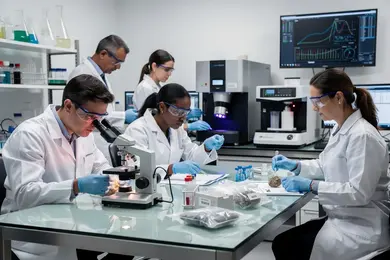
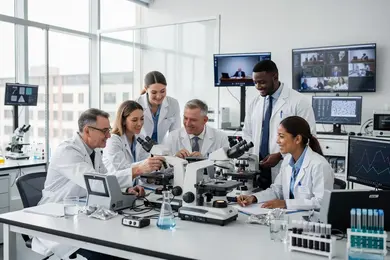
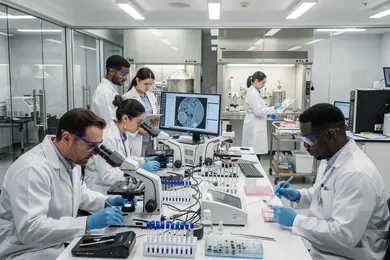
Practical training is directly tied to faculty accessibility. Small cohorts empower instructors to provide close supervision during lab work, essential for mastering evidence collection, chain of custody protocols, and instrumentation. For example, students participating in simulated crime scene investigations benefit from iterative critique that ensures procedural accuracy and legal defensibility after graduation, a value not easily replicated in large classes.
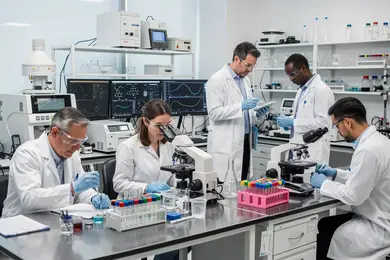
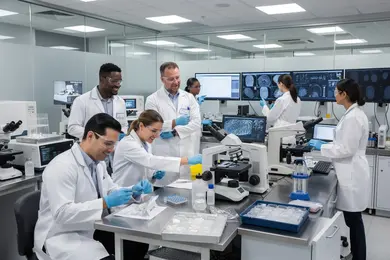
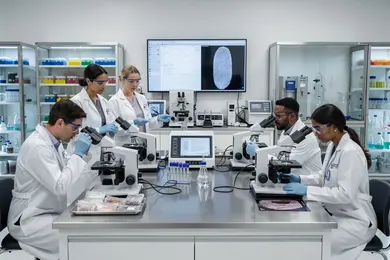
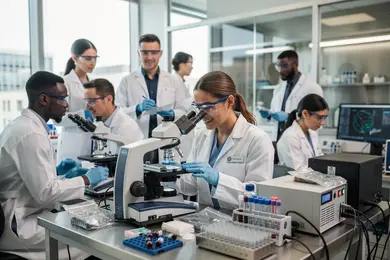
Managing lab and fieldwork resources necessitates keeping group sizes limited. Smaller groups gain extended access to forensic tools like chromatography devices, enhancing competency before entering the workforce. Field exercises benefit from controlled group sizes to adhere to safety standards and realistic investigative conditions. Employers prioritize candidates with demonstrated proficiency from such immersive environments, as they mirror real-world forensic workflows more closely than large-scale online cohorts.
How long does an online forensic science bachelor's take, and what does it cost?
Degree duration in forensic science directly influences employability and financial commitment. While a standard bachelor's trajectory spans four years and about 120 credit hours, accelerated tracks reduce this to two and a half or three years but demand intensive, full-time study with minimal breaks. Part-time students balancing work face extended timelines of five to six years, increasing overall cost and delaying entry into a competitive job market that favors candidates with timely degree completion as a marker of reliability under pressure.
Annual tuition varies broadly: in-state programs like the University of Central Florida average $6,000 yearly, totaling near $24,000 for standard completion, excluding additional fees and living expenses. Private or out-of-state options may exceed $15,000 annually, pushing degree costs beyond $60,000. Hidden charges such as laboratory access, online lab technology, and required travel for practicums can add several thousand dollars each year, affecting total investment.
Beyond cost and duration, class size impacts skill acquisition critical for forensic science careers. Smaller cohorts provide enhanced faculty interaction and hands-on learning required for analytical proficiency, whereas larger classes risk diluting personalized instruction. Students targeting federal or specialized agencies should weigh programs that combine documented employer connections with manageable expenses to optimize return on investment and minimize debt burdens.
What forensic science careers can you pursue with an online bachelor's degree?
Securing an online bachelor's degree in forensic science positions candidates for specialized roles that require distinct technical expertise and professional judgment. Graduates often pursue work as forensic laboratory technicians analyzing evidence, crime scene analysts managing evidence collection, forensic toxicologists interpreting chemical findings for legal use, or digital forensic specialists tackling cybercrime through data recovery.
Employment in these roles hinges on more than theoretical knowledge; practical skills sharpened in small-class environments are critical. Institutions with smaller cohorts like Eastern Connecticut State University and the University of New Haven foster close instructor interaction and research support, which translate into enhanced problem-solving abilities valued by employers in both public and private forensic sectors, as noted by Crimesceneinvestigatoredu.org.
Candidates must also navigate logistical challenges such as certification requirements, which frequently involve passing rigorous exams, and securing internships to establish necessary hands-on experience. For example, forensic chemists dealing with controlled substances need training in strict chain-of-custody procedures best acquired in programs emphasizing immersive, small-group learning.
Online bachelor's degrees combined with personalized instruction present a pragmatic balance of comprehensive theory and hands-on training, essential to preparing students for the complexity and precision forensic careers demand in evolving technology and regulatory landscapes.
What are the salary expectations and job outlook for forensic science graduates?
Entry-level forensic science positions in the U.S. generally offer starting salaries between $58,000 and $72,000 annually, with median pay near $65,000, based on BLS 2024 data. Job growth at 11% over the decade outpaces many other fields but varies significantly by location and employer type. Metropolitan areas tend to have more candidates and higher credential expectations, including advanced degrees or certifications, intensifying competition.
Graduates from smaller programs may gain direct benefits from focused training and faculty mentorship, which often translates into better access to practical roles in local crime labs or medical examiner offices. However, federal or private forensic consulting jobs typically start at higher salary levels, often above $70,000, reflecting specialization and geographic factors. Those working in smaller or rural jurisdictions might encounter slower salary growth but more stable employment due to reduced turnover.
Financially, the tuition range of $38,640 to $66,000 demands careful evaluation against likely entry salaries and job market realities. Prospective forensic scientists should prioritize internships and certifications post-graduation to overcome hiring hurdles and improve practical skills like evidence handling and courtroom testimony. Success in this field hinges on balancing education costs, ongoing credentialing, practical experience, and geographic flexibility within the forensic science labor market.
How can you evaluate and choose a reputable online forensic science program?
Choosing an online forensic science program involves weighing accreditation and faculty expertise against class size and curriculum relevance. Accreditation from entities like the Forensic Science Education Programs Accreditation Commission (FEPAC) signals rigorous standards recognized by employers. Programs led by instructors with recent, hands-on forensic or investigative experience provide practical insight beyond textbook theory.
Large universities, such as Florida International University with over 44,000 undergraduates, often face challenges maintaining small class sizes crucial for mastering forensic methodologies through individualized feedback and lab simulations. Smaller cohorts or programs offering robust virtual labs better align with the hands-on demands of forensic training.
Curriculums that integrate evolving forensic technologies-DNA analysis, digital evidence processing, and crime scene reconstruction-and align with certification standards like the American Board of Criminalistics increase job readiness. Internship or practicum availability, particularly flexible options that can be completed locally or online, profoundly impact graduate employability and skill acquisition.
For working professionals pivoting careers, program flexibility and clear employer connections shorten time-to-hire by bridging skill gaps. Prospective students should critically compare graduate employment rates, employer partnerships, and how well programs support networking within forensic labs to ensure real-world opportunities beyond diploma attainment.
Other Things You Should Know About Forensic Science
Employers in forensic science prioritize program accreditation and the rigor of the curriculum over the mode of delivery. Online degrees from regionally accredited institutions that require practical lab work or internships carry the same respect as campus degrees. However, programs lacking hands-on components or clear industry ties may raise concerns about a graduate's readiness for technical roles, so prospective students should prioritize programs that integrate real-world experience despite being online.
Small class sizes improve direct faculty engagement and personalized feedback, which is critical for mastering complex forensic lab techniques. However, limited peer collaboration opportunities in very small cohorts may reduce exposure to diverse problem-solving approaches. Students should balance the advantages of individual attention against the need for varied group interactions, especially for skills that mimic real forensic team environments.
A strong online forensic science bachelor's should include at least one in-person laboratory sequence and a supervised internship or practicum. Many programs require 120 credits total, with 15 to 30 credits in lab-based science, and a criminal background check before any field placement.
References
- Blogs https://aifset.com/blogs/career-opportunity-after-enterance-exam.html
- Online Forensic Science Degree https://www.aiuniv.edu/degrees/criminal-justice/bachelors-forensic-science
- Small vs Large Class Sizes: 7 Key Differences That Impact Learning https://thenuggetsacademy.sg/ideal-class-size/
- How To Become a Forensic Scientist: Requirements & Steps https://www.forensicscolleges.com/blog/htb/how-to-become-forensic-scientist
- Why Class Size Matters Today https://ncte.org/statement/why-class-size-matters/
- The Forensic Science Jobs You Can Pursue with Qualifications https://www.stonebridge.uk.com/blog/distance-learning/the-forensic-science-jobs-you-can-pursue-with-qualifications/
- 15 Best Bachelor's In Forensic Science Degrees https://www.criminaljusticedegreeschools.com/rankings/best-bachelors-forensic-science/
- Bachelor's in Forensic Science https://www.ccis.edu/degrees/forensic-science-bachelor
- Forensic Scientist Salary: State-by-State Median Guide https://www.allcriminaljusticeschools.com/forensics/salary/