2027 Best Forensic Science Degrees for DNA and Biology Careers

Co-Founder and Chief Data Scientist
When evidence hinges on DNA analysis, delays in accessing qualified forensic science experts can stall high-stakes investigations, risking case integrity and public safety. This sector faces a widening gap: a U.S. Department of Justice study shows forensic biology positions are growing 20% faster than the pipeline of trained professionals, exacerbated by rigid program structures that limit working adults' access.
Meanwhile, the surge in flexible and online degree offerings-now comprising nearly 40% of enrollments according to NCES-reveals shifting student priorities toward balancing career entry speed with comprehensive training. Choosing the right forensic science degree demands navigating these tradeoffs with an eye on employability and program accessibility. This article analyzes top forensic science degrees aligned with DNA and biology careers to provide actionable guidance for making informed education decisions that advance forensic career goals efficiently.
Key Things You Should Know
- Graduate programs emphasizing wet-lab DNA analysis require 2+ years and $30K-$50K, delaying workforce entry but boosting eligibility for upper-tier lab roles with 15% higher median pay per BLS 2024 data.
- Employers prioritize candidates with integrated biology and bioinformatics skills; 72% of forensic labs report difficulty hiring professionals adept in both areas, intensifying competition and credential inflation.
- Accreditation by the Forensic Science Education Programs Accreditation Commission correlates with 40% higher job placement at federal agencies, pressuring applicants to weigh costlier specialized programs against broader access options.
What are the best forensic science degrees for DNA and biology-focused careers?
Employers in forensic laboratories prioritize candidates with degrees that deeply integrate molecular biology alongside forensic science, as this specialization directly aligns with the technical demands seen in crime labs and medical examiner offices. Candidates holding generic forensic science degrees with limited biology coursework face reduced employability, especially for roles emphasizing DNA extraction, PCR amplification, and sequencing technologies.
For those evaluating the best forensic science degrees for dna analysis careers, programs offering concentrations in forensic biology or molecular biology provide essential practical exposure through internships and practicum rotations in actual crime lab settings. This hands-on experience mitigates common workforce hurdles such as understanding chain of custody procedures and minimizing sample contamination-critical operational skills rarely covered in general forensic programs.
Graduates possessing these specialized degrees are also better positioned for certification routes like the American Board of Criminalistics credentialing, which increasingly emphasize advanced molecular biology competencies. Programs lacking this focus can introduce delays in credential attainment and limit upward mobility in forensic biology roles. The U.S. Bureau of Labor Statistics projects a 13% job growth rate for forensic science technicians over the coming decade.
For professionals seeking to navigate this evolving labor market, evaluating the top biology and forensic science programs for career advancement requires balancing rigorous science preparation with applied molecular techniques to meet employer expectations. Careers in forensics frequently hinge on these nuanced educational distinctions.
How do forensic biology and DNA analysis specializations differ within forensic science programs?
Choosing between forensic biology degree programs in the United States and specialized DNA analysis tracks involves more than curriculum differences; it shapes career trajectories and job market positioning. Forensic biology demands versatility across biological evidence such as blood, bodily fluids, hair, and tissue samples, requiring interdisciplinary knowledge in biochemistry, ecology, and microbiology.
This broad scope suits roles involving diverse evidence collection and multidisciplinary crime scene analysis, particularly in agencies with limited access to advanced DNA technologies. By contrast, DNA analysis specializations narrow focus to genetic material extraction and interpretation, utilizing sophisticated lab techniques like PCR amplification and STR profiling.
These roles typically exist within centralized forensic laboratories where molecular biology expertise is paramount. Consequently, DNA specialists often command higher salaries, aligning with the Bureau of Labor Statistics data showing the top 10% of forensic science technicians earning above $107,490 annually.
Practical factors weigh heavily in program selection. Access to advanced sequencing technology, availability of hands-on internships reflecting authentic forensic casework, and laboratory resources critically impact employability and skill development. Employers prefer candidates proficient in complex laboratory protocols, data interpretation, and regulatory compliance.
Prospective students must evaluate how each specialization aligns with desired work environments and technical focus. The strategic choice affects long-term employability within forensic science fields. For an enhanced understanding of cross-disciplinary data skills relevant in modern forensic contexts, consider reviewing data science degrees.
What education and training do you need to work in forensic DNA or biology roles?
Forensic DNA and biology roles demand a strategic combination of scientific education and applied laboratory skills, with a minimum of a bachelor's degree in forensic science, biology, molecular biology, genetics, or a closely related field complemented by extensive lab experience. Employers prioritize candidates proficient in DNA extraction, PCR amplification, and STR analysis-techniques fundamental in forensic labs.
Access to training programs for forensic DNA and biology careers that include integrated internships or cooperative education placements significantly improves readiness by providing direct exposure to crime lab protocols and evidence handling. Advancement beyond entry-level roles typically necessitates a master's degree or higher, especially for complex DNA interpretation, quality assurance, or lab management positions.
Candidates must navigate state and federal certification requirements, with federal positions offering a mean annual wage of $119,630 compared to approximately $70,000 at local and state levels. This wage disparity illustrates a practical tradeoff: more education and specialized skills are required to access higher pay and job complexity.
Prospective students evaluating forensic science education requirements in the United States should prioritize programs offering accredited lab modules and forensic partnerships to develop critical data interpretation and legal reporting skills. Balancing formal education and hands-on internships is essential since technicians spend significant time translating biological results into court-admissible evidence.
Given evolving technologies like next-generation sequencing, ongoing training is imperative to maintain professional relevance. For those considering related fields, an online nutritionist degree exemplifies how specialized programs can also blend practical internships with theoretical coursework, offering a useful comparison of structured workforce preparation.
How do online forensic science degrees compare to campus programs for DNA and biology?
Online forensic science degrees vs campus programs for DNA careers reveal a critical tradeoff: flexibility at the expense of essential hands-on training. The biological and DNA-focused facets of forensic science demand practical lab experience, which is difficult to replicate fully in an online setting. Campus programs typically grant supervised access to specialized equipment and live case simulations unavailable through remote learning.
This disparity affects graduate readiness for forensic laboratories and law enforcement roles where errors in DNA analysis can have severe legal consequences. Employers prioritize forensic biology applicants who have verified applied skills, often gained through in-person labs and internships. Graduates from programs with strong university lab facilities are more likely to pass technical competency evaluations and secure critical internship placements.
On the other hand, fully online pathways may hinder candidates, requiring proactive pursuit of hybrid options or local residencies to gain credibility and practical experience. Labor market data from the U.S. Bureau of Labor Statistics via UC Davis Career Outlook reports a median salary of $67,440 and a 13% job growth for forensic biology professionals, emphasizing the premium on hands-on DNA expertise for career advancement.
Candidates considering online forensic science degrees must weigh these limitations carefully or complement their studies with substantial real-world exposure. In biology studies, advantages of online forensic science degrees exist largely in flexibility and accessibility, but these benefits often fall short unless coupled with practical components secured externally.
For students also exploring adjacent fields, understanding how an online forensic program compares to options like a degree in library science can clarify strategic educational choices.
What should you look for in accreditation and quality standards for forensic science programs?
Programs for forensic science roles that lack rigorous foundational coursework in genetics, biochemistry, and molecular biology place graduates at a tangible disadvantage. For example, Albuquerque crime laboratories require a minimum of 9 credit hours in these core sciences, reflecting the technical precision necessary for DNA and biology-related positions. Without this depth, candidates often struggle with the hands-on lab demands and molecular techniques crucial to modern forensic workflows.
Accreditation from bodies like the American Academy of Forensic Sciences (AAFS) and the Forensic Science Education Programs Accreditation Commission (FEPAC) objectively signals that a program meets essential scientific and procedural standards. This includes ensuring students receive laboratory practicums and training in evidence handling aligned with actual crime lab protocols.
Programs without such recognition often leave students ill-prepared for compliance-heavy employment environments. Key factors employers look for beyond accreditation include faculty with active forensic research or consulting backgrounds and access to contemporary lab technologies such as DNA sequencing and analytical instrumentation. Conversely, graduates from theory-heavy or outdated programs frequently face steep learning curves trying to meet immediate job requirements.
Additionally, coursework covering forensic ethics, chain of custody, and courtroom testimony skills is indispensable. Forensic biology professionals often encounter regulatory complexities and legal scrutiny where technical knowledge alone is insufficient. Choosing a program that balances FEPAC accreditation, robust molecular science curriculum, and practical experience is a strategic decision with direct implications for employability and long-term career sustainability in forensic biology and DNA analysis.

What courses and lab experiences are included in forensic science degrees focused on DNA and biology?
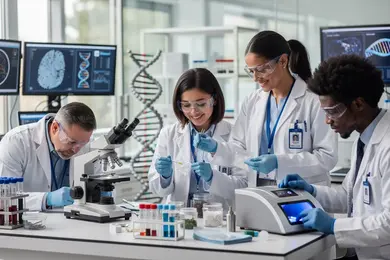
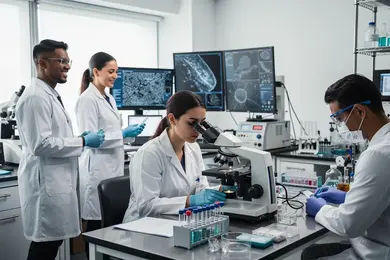
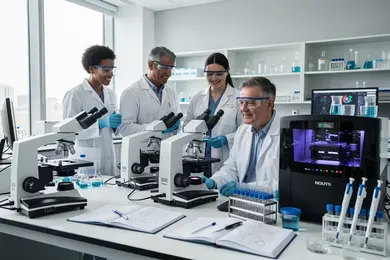
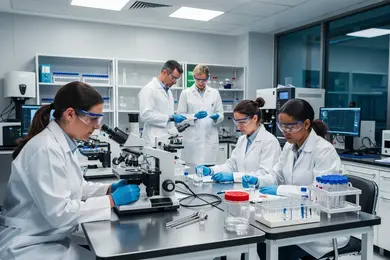
Forensic science degrees emphasizing DNA and biology demand intensive lab work and technical training, often requiring a substantial time commitment and access to advanced equipment. Core curriculum elements include DNA analysis techniques, forensic molecular biology, human anatomy, and biostatistics, paired with hands-on labs in DNA extraction, quantification, amplification, and sequencing.
These practical skills are essential for roles in crime labs, especially when processing complex evidence like mixed DNA samples, a task that simulated casework labs replicate to build real-world competence. Students frequently encounter bioinformatics applications, regulatory compliance, and ethical management of genetic data, addressing critical employer expectations for privacy and chain-of-custody integrity.
Training also covers forensic serology and population genetics, which are practical for paternity testing or mass disaster victim identification. Mitochondrial DNA analysis training expands applicability, particularly in cold cases with degraded nuclear DNA. Graduates equipped with these proficiencies face a competitive job market where over 90% job placement within six months reflects strong alignment with workforce needs.
However, program limitations include the variability in institutional resources and lab access, making internships or partnerships with crime labs vital for translating academic experience into employability.
- Intensive lab focus develops technical precision but raises access and scheduling challenges.
- Bioinformatics training meets the growing demand for digital evidence analysis skills.
- Ethical and regulatory instruction prepares candidates for sensitive data handling in legal contexts.
- Mitochondrial DNA analysis training broadens forensic specialization opportunities.
What are typical admission requirements and program lengths for forensic science majors?
Admission to forensic science programs requires more than basic academic credentials; practical lab experience and subject-specific proficiency critically influence employability. Bachelor's programs typically expect a minimum 3.0 GPA, strong skills in biology, chemistry, and mathematics, and often ask for letters of recommendation and relevant extracurricular involvement such as internships in crime labs.
Graduate programs add the necessity of a related bachelor's degree, GRE scores, and professional or research experience, reflecting the field's demand for technical rigor. The time investment for these degrees varies significantly, affecting career entry timelines. A bachelor's degree usually spans four years with intensive lab components, while master's degrees condense specialized expertise-such as DNA analysis-into 1.5 to 2 years.
Doctoral studies, oriented toward research and high-level analytical roles, extend from four to six years. Choosing a program length involves balancing urgency for workforce entry against the depth of preparation. Forensic science technicians earn a median salary of $67,440 nationally, underlining market demand for candidates with demonstrated laboratory competencies and analytical precision.
Applicants lacking practical experience often face extended job searches, emphasizing the strategic value of programs linking students directly to law enforcement agencies or crime labs through internships. Advanced certifications in DNA and biology techniques provide measurable advantages, particularly as employers prioritize candidates able to handle complex forensic evidence efficiently.
How much do forensic DNA and biology professionals earn, and what affects salary?
Income for forensic DNA and biology professionals varies widely depending on employer type, location, educational attainment, and experience. Federal and state positions generally pay more due to funding and case complexity, with some national crime lab scientists in expensive metropolitan areas earning beyond $80,000 annually.
In contrast, smaller jurisdictions often offer $50,000 to $60,000. A master's or PhD in forensic science, molecular biology, or genetics typically enables access to supervisory roles or specialized research, which command higher compensation. Entry-level roles frequently start near the median wage of $67,440, with growth tied to skill acquisition in casework management and forensic technology applications.
Public sector jobs may include shift differentials and overtime pay, reflecting 24/7 lab demands. Certifications, such as those from the American Board of Criminalistics, can also enhance salary prospects. Practical career planning requires balancing the cost and time of advanced degrees against diminishing salary returns without progressive credentialing or managerial responsibilities.
Professionals aiming for salary growth should consider geographic markets with competitive pay and institutions or agencies engaged in ongoing research initiatives. This strategic positioning can significantly impact long-term financial outcomes and job stability in forensic science.
What are the main forensic science career paths that use DNA and biological evidence?
Practical hiring realities in forensic science demand more than academic credentials, especially for DNA analysts and forensic biologists focused on biological evidence. While 67% of DNA analysts hold bachelor's degrees in biology, chemistry, or forensic science, the distinction between qualification and employability often lies in hands-on skills and specialized certifications.
For example, a DNA analyst tasked with interpreting complex STR profiles must navigate quality control challenges that directly affect case outcomes, emphasizing the criticality of laboratory proficiency over theoretical knowledge. Forensic biologists expand their role beyond DNA typing to include identifying bodily fluids and blood spatter analysis-tasks that require not only scientific rigor but courtroom communication skills to effectively support legal teams.
The necessity for certifications or immersive lab experience often limits entry to those who have invested significant time mastering evidence handling and legal protocols. Crime scene investigators specializing in biological evidence face a distinct operational challenge: maintaining sample integrity from collection through laboratory submission. This role demands acute attention to chain-of-custody rules and contamination prevention.
Applicants who combine internships or forensic work experience with academic credentials outpace those relying solely on degrees. Advancing to supervisory or specialist roles often requires graduate-level education or credentialing. The forensic science workforce realistically favors candidates demonstrating practical DNA extraction and amplification competencies alongside bioinformatics familiarity.
What certifications, licenses, or professional standards apply to forensic DNA and biology careers?
Forensic biology roles hinge almost entirely on obtaining targeted certifications that serve as gatekeepers for advanced responsibilities. Without credentials like those offered by the American Board of Criminalistics (ABC)-including Forensic Biology and Forensic DNA Analyst certifications-candidates typically remain confined to technician tasks with limited case involvement.
These certifications validate not just theoretical knowledge but practical laboratory competence. Licensing and quality standards further complicate entry for forensic biologists, with many states enforcing compliance with the FBI's Quality Assurance Standards (QAS). Non-adherence to QAS or lapses in certification can result in revoked lab accreditation and job termination-making compliance a continuous operational challenge rather than a one-time credential.
Practical career navigation also involves meeting OSHA safety certifications and, for more specialized roles, qualifications like Certified Crime Scene Investigator (CCSI) or mitochondrial DNA expertise. Employers explicitly prioritize candidates who combine verified training, regulatory compliance, and hands-on proficiency, which explains why the anticipated increase of nearly 2,900 forensic science positions annually favors credentialed professionals.
Early planning for forensic certification must weigh substantial time and financial investments, including documented experience hours and ongoing education. Prospective candidates should critically evaluate degree programs against opportunities for practical lab exposure to avoid credential bottlenecks that can slow or stall career momentum.
Other Things You Should Know About Forensic Science
A bachelor's degree in forensic science with a focus on DNA and biology can qualify candidates for entry-level technician roles, but many employers prefer or require a master's degree for specialized positions or advancement. Graduate programs often provide deeper lab experience and exposure to current research methods, which significantly improves employability in competitive markets. For those aiming at federal labs or forensic research careers, prioritizing a master's degree is advisable. However, individuals targeting local crime labs or DNA analyst trainee positions might find a well-rounded bachelor's program sufficient.
Hands-on lab experience is critical and often distinguishes candidates during hiring. Labs teach practical skills in DNA extraction, PCR, and microscopy that employers expect on day one, while theoretical coursework alone does not guarantee proficiency. Programs with integrated internships or cooperative education provide a better return on investment by improving technical competence and building professional networks. Students should prioritize programs with substantial, supervised lab components over those that emphasize mostly classroom lectures.
Choose a program accredited by the Forensic Science Education Programs Accreditation Commission (FEPAC) if possible. FEPAC reviews curriculum, faculty, laboratory training, and assessment standards. Employers also look for regional accreditation, but FEPAC is the main specialized credential for forensic science programs in the United States.
References
- 15 Top Forensic Biology Programs https://www.forensicscolleges.com/blog/resources/15-top-forensic-biology-programs
- Study Forensic Science Abroad: Top Colleges, Costs, Careers https://www.aeccglobal.com/study-abroad/courses/forensics
- Forensic Biologist https://explorehealthcareers.org/careers/technologists-and-technicians/forensic-biologist/
- Forensic Scientist Salary: State-by-State Median Guide https://www.allcriminaljusticeschools.com/forensics/salary/
- Careers in forensic science https://www.justice-ni.gov.uk/articles/careers-forensic-science
- Forensic Science Course Salary: What Can You Earn? https://purchase.andlight.dk/andlight-news/forensic-science-course-salary-what-can-you-earn-1767648256
- Forensic Science and Forensic Biology: What Is Forensic Science and How to Start a Career in NZ https://www.superprof.co.nz/blog/understanding-the-concepts-of-forensic-biology/
- Forensic | Standards Council of Canada https://scc-ccn.ca/accreditation-scheme/forensic
- Alabama Department of Forensic Sciences https://adfs.alabama.gov/about/accreditation
- Biology – Canadian Society of Forensic Science https://www.csfs.ca/what-we-do/disciplines-sections/biology/