2027 Best Forensic Science Degrees by Lab Readiness, Cost, and Career Fit

Co-Founder and Chief Data Scientist
When a forensic analyst faces a backlog of cases requiring advanced lab techniques, the gap between academic preparation and real-world readiness becomes urgent. Although demand for forensic professionals is projected to grow 17% through 2032 according to the U. S. Bureau of Labor Statistics, many graduates struggle with underdeveloped laboratory skills and costly degree programs that delay employment.
Compounding this, more than 40% of forensic science students in 2024 opted for flexible or hybrid programs reflecting shifting adult learner priorities around accessibility and career mobility. This article evaluates degree options by lab readiness, cost, and alignment with evolving career trajectories to guide strategic education choices.
Key Things You Should Know
- Graduates from lab-intensive forensic science programs report 22% higher employment rates within 12 months, but extended in-person coursework elevates tuition by 18%, limiting affordability for adult learners balancing jobs, according to 2024 NCES data.
- Employers prioritize candidate experience with chain-of-custody protocols and advanced instrumentation, creating a 35% hiring gap for graduates lacking accredited crime lab practicums, per the 2024 American Academy of Forensic Sciences labor survey.
- Online or hybrid forensic science degrees reduce upfront costs by 15% but correlate with 12% lower competency scores in practical skill assessments, forcing career entrants to invest in costly postgrad certifications, based on 2024 forensic workforce readiness reports.
What are the best forensic science degree programs for lab readiness and real-world training?
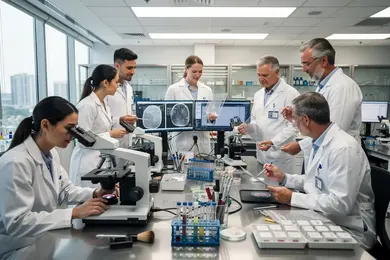
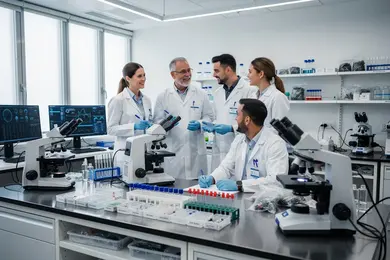
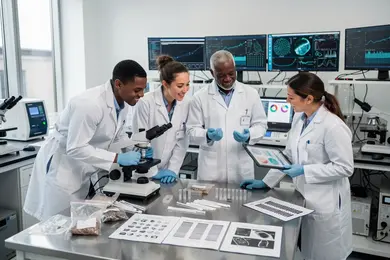
Employers in forensic science prioritize candidates who demonstrate hands-on lab expertise and the ability to navigate real-world investigative scenarios. The best forensic science degree programs for hands-on lab experience integrate structured internships and practical training with crime labs, enabling students to apply theory to live evidence cases. For example, internships at local crime labs expose students to critical protocols such as chain-of-custody handling - a competency seldom mastered through coursework alone.
Data from the U.S. Bureau of Labor Statistics indicates that forensic science technicians earned a median annual wage of $67,440 in May 2024, with a projected 13% job growth from 2024 to 2034 and approximately 2,900 openings annually. This growth reflects employer demand for graduates with strong analytic and problem-solving skills acquired in authentic lab environments.
Programs charging higher tuition often offset costs by providing extensive field placement opportunities, a key factor for job placement in top forensic roles. Geographic location plays a pivotal role since degrees offered near urban forensic hubs offer broader networking prospects compared to remote campuses, which may limit access to modern equipment and partnerships.
Top forensic science degrees with practical real-world training emphasize multidisciplinary curricula blending biology, chemistry, and criminal justice to mirror workplace realities. Capstone projects focused on DNA, toxicology, or digital forensics with active data sets further deepen readiness for unpredictable evidence analysis.
Prospective students aiming for long-term employability should also review salary benchmarks such as the forensic profiler salary to align expectations with investment and career objectives.
How do forensic science degrees differ by level (associate, bachelor's, master's) and career goals?
Choosing between associate, bachelor's, and master's forensic science programs requires weighing immediate workforce entry against long-term growth. Associate degrees primarily prepare candidates for technical roles in crime scene processing and lab assistance, offering a quicker, lower-cost path but limiting advancement potential. Bachelor's degrees, often required for forensic examiner or analyst jobs, blend broader scientific foundations with substantial laboratory experience, qualifying graduates for full-time roles in many federal and state crime laboratories. Master's programs specialize in areas like toxicology or digital forensics and target supervisory, research, or policy positions where advanced technical skills and leadership are expected.
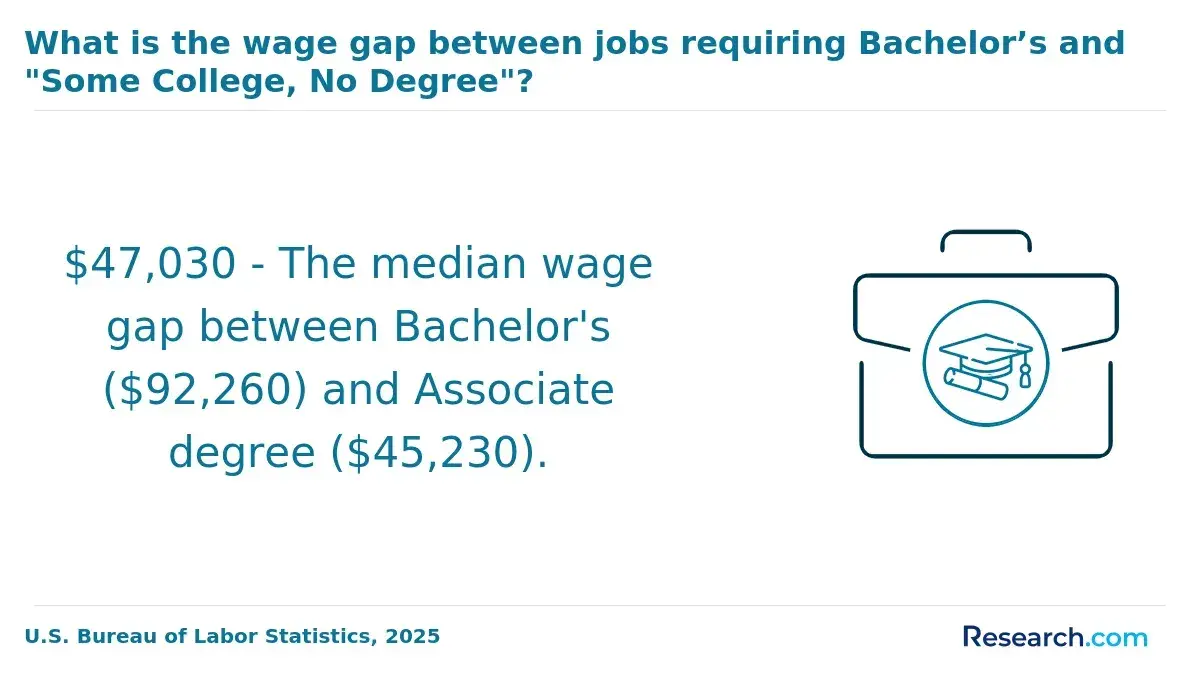
The practical implications of selecting a degree level are significant: associate-level graduates face defined salary ceilings and narrower career trajectories, while bachelor's graduates command median national salaries around $64,940, with experienced forensic technicians exceeding $107,000. Master's degree holders typically enter more complex roles, justifying additional investment. Program accreditation and hands-on components strongly influence employability, making cost efficiency a factor but not the sole consideration.
For students evaluating forensic science degree levels and career outcomes, understanding these tradeoffs can guide more strategic decisions tailored to workforce realities. For example, an online forensic science bachelor's degree accredited by FEPAC, such as that at Arizona State University costing about $3,969 per year, balances affordability with essential lab readiness.
Prospective candidates from diverse backgrounds might also explore related pathways, as seen in jobs with elementary education and environmental science degree, underscoring the value of aligning education with market demand.
How should students compare online vs campus-based forensic science programs with lab requirements?
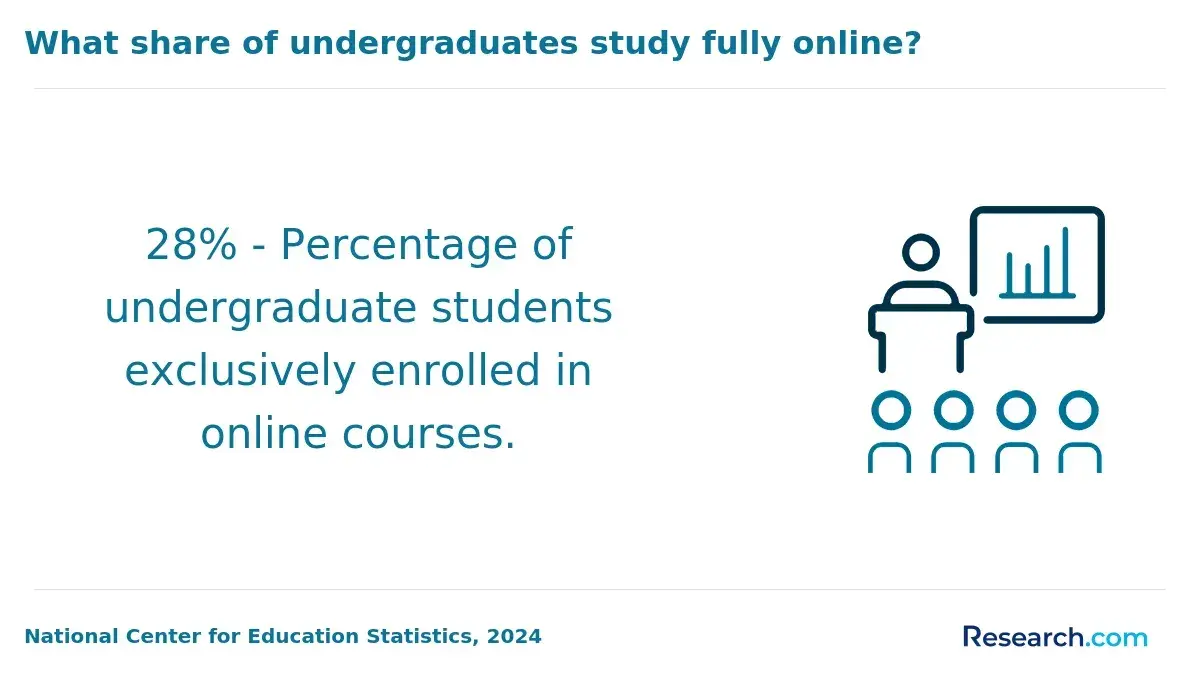
Prioritizing rigorous lab requirements is essential when you compare online forensic science programs lab requirements, as practical competencies directly influence employability. Fully online degrees generally substitute in-person work with virtual simulations or require a hybrid model where students complete hands-on components at local affiliated labs. This hybrid approach adds complexity through travel demands, scheduling conflicts, and potential out-of-state restrictions, often extending time to graduation and raising incidental expenses.
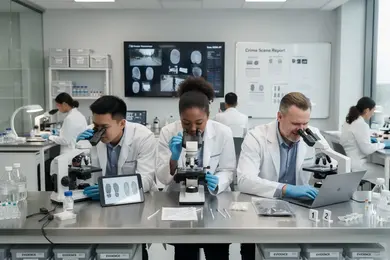
Campus-based vs online forensic science degrees with labs differ notably in access and employer validation. Campus settings guarantee regular, supervised hands-on training with standardized equipment and instructors experienced in field standards. Such training aligns with hiring prerequisites in crime labs, where demonstrated expertise with evidence collection and chemical analysis tools must be certified through in-person experience, a standard difficult to verify remotely.
Cost disparities exist across programs, with total expenses ranging roughly from $2,760 to $16,600 among over 100 accredited forensic science associate degrees, compared to a median forensic technician salary near $64,940. Online students may face extra fees or delays due to lab access limitations, while traditional campus programs often incorporate lab fees into tuition, mitigating unpredictable costs.
Professionals balancing work with training must weigh accessibility of hands-on components against logistical and financial tradeoffs. Those without proximity to a lab or flexibility might find campus programs more structured, but this can conflict with job schedules. For a broader perspective on accelerated academic pathways, consider reviewing an accelerated computer science degree as an alternative field with distinct practical requirements and timelines.
What accreditation and program quality standards matter most for forensic science degrees?
Regional institutional accreditation combined with programmatic accreditation from the Forensic Science Education Programs Accreditation Commission (FEPAC) remains the essential credential for forensic science degrees in the United States. Employers, especially in government and private forensic labs, prioritize graduates from FEPAC-accredited programs because these ensure alignment with current labor market requirements and enforce rigorous standards for lab and field training. Without FEPAC accreditation, candidates often encounter barriers when pursuing state certification exams or federal forensic roles that demand specialized competencies such as evidence handling and forensic chemistry.
Key quality benchmarks for forensic science degree programs include extensive hands-on laboratory experience and integration of technologies like DNA sequencing and digital forensics tools. For instance, a graduate with embedded internships in accredited crime labs typically meets employer expectations for immediate operational readiness more effectively than a student from a non-accredited online program with minimal lab exposure.
Cost considerations often lead students to online forensic science programs charging around $10,000 annually before financial aid reduces costs below $5,000. However, these affordability benefits may come at the expense of program credibility and practical skill development, directly affecting employability in specialized forensic niches. Prospective students should carefully assess faculty credentials, applied research opportunities, and agency partnerships, as these elements substantially influence both skill acquisition and networking potential.
For a strategic pivot to forensic science, comparing the practical value of accredited programs against less costly alternatives is crucial. Additionally, individuals exploring educational options may also consider a computer science online degree as a complementary pathway to enhance technical competencies applicable in digital forensics and related fields.
What core courses, lab work, and specializations are included in forensic science curricula?
Choosing a forensic science program involves balancing specialized coursework and practical training against distinct career demands and labor market realities. Programs divide broadly into two pathways: crime lab science and crime scene investigation (CSI), each cultivating different skill sets with direct employment consequences.
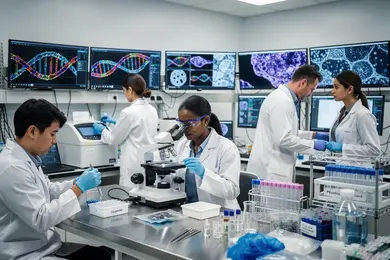
Crime lab tracks prioritize rigorous lab competencies-such as DNA analysis, toxicology screening, and techniques like gas chromatography-mass spectrometry-preparing graduates for roles that pay median wages around $67,440 and align with a 13% projected growth through 2034 according to CrimeSceneInvestigatorEdu. This path suits those who excel in precise, repeatable laboratory work under regulatory frameworks.
Alternatively, CSI-focused programs emphasize evidence collection, chain of custody documentation, investigative protocols, and scene reconstruction. These require observational acuity, field readiness, and communication skills essential for courtroom testimony and dynamic scene challenges.
Employers expect graduates to demonstrate practical competence via internships or partnerships with crime labs and law enforcement. Limited lab seats and field placements commonly restrict access to hands-on experience-critical for competitive candidacy and long-term career viability.
Prospective students must assess program emphases relative to their career goals, recognizing that a mismatch between training focus and job market demands may hinder employability or professional adaptability.
What admissions requirements and prerequisites do forensic science programs typically expect?
Admission into forensic science programs hinges on more than baseline science proficiency; it requires deliberate alignment with practical workforce demands. Candidates must typically have college-level credits in biology, chemistry, physics, and often calculus or statistics, with a competitive GPA above 3.0 to 3.5. Yet, academic preparation alone is insufficient where laboratory skills and ethical clearances become decisive, especially in programs linked closely with criminal justice agencies.
Applicants targeting higher-paying roles-such as crime lab technicians in states with median salaries over $80,000-need to prioritize programs that integrate hands-on training and local enforcement partnerships. Practical experience, whether through internships or relevant employment, increasingly substitutes some academic prerequisites, reflecting hiring managers' emphasis on job-ready competencies.
Additional requirements frequently include standardized test scores, though a shift toward test-optional policies is occurring. Letters of recommendation and essays must substantiate scientific aptitude and an understanding of forensic science's interdisciplinary complexity. Working professionals pivoting careers face tradeoffs: completing prerequisites post-admission extends timelines and increases costs, complicating the balance between short-term investment and long-term salary gains.
Key factors for prospective students:
- Strong science and math foundation with a GPA ideally above 3.0-3.5
- Demonstrable lab or practical forensic experience
- Compliance with background and ethical review processes
- Strategic alignment of program offerings with targeted job markets and salary expectations
How long do forensic science degrees take, and what are typical tuition and total costs?
Choosing between bachelor's and master's degrees in forensic science depends heavily on intended roles and realistic career trajectories. Entry-level forensic technicians typically require a bachelor's degree, which usually takes four years and combines general education with hands-on forensic labs. However, these roles often offer limited salary growth compared to advanced positions.
Master's degrees compress specialized analytical and lab skills into 18 to 24 months full-time but come with significant tuition costs-for example, Pace University's MS program charges $61,800 in total. Graduates earning a median forensic technician salary of about $67,440 can recoup tuition within a year, but actual pay varies widely by specialization and geography. Part-time master's programs extend completion time and delay wage increases.
Beyond tuition, additional fees for laboratory supplies, certification exams, and more specialized training raise total expenses by 10-20%. Candidates pursuing niches like forensic chemistry or pathology face longer credentialing timelines and higher cumulative costs, while programs focused on crime scene investigation are typically cheaper but correspond with lower starting salaries.
- Master's degrees enable advancement into supervisory or expert analytic roles.
- Bachelor's degrees suffice for many technician positions but limit upward mobility.
- Programs emphasizing lab readiness improve employability at median or above wages.
Prospective students must weigh upfront costs, time investment, and workforce entry timing against realistic salary progression and role expectations when selecting a forensic science pathway.
What forensic science careers can graduates pursue, and which degrees fit each role?
Choosing the right forensic science degree directly impacts employability and career trajectory, especially given the field's specialization demands. Crime lab analysts thrive on a foundation in chemistry or biology, whereas forensic toxicologists require a focus on pharmacology and biochemistry. Digital forensics roles hinge on degrees integrating computer science and cybersecurity, often coupled with certifications such as CISSP for federal positions like FBI digital forensics experts.
Employers prioritize candidates with substantial hands-on laboratory experience using current forensic technologies; programs lacking this risk producing graduates who struggle to compete for government or private sector jobs. Furthermore, pursuing advanced medical degrees is essential for forensic pathologists, as bachelor's programs alone won't qualify candidates for required licensure and residencies.
Salary progression illustrates the value of targeted, skill-specific education: Indian graduates at Amity University start between ₹3.5 and ₹5 lakh annually, advancing to ₹8-₹12 lakh within five years, despite modest tuition ranging from ₹40,000 to ₹1.5 lakh per year. U.S. students must similarly weigh tuition costs against practical preparation for their chosen forensic sector.
Prospective students should strategically select degrees aligned with job requirements and licensing expectations to optimize outcomes, recognizing that a mismatch-such as a broad forensic science degree without specialization-may slow salary growth and reduce job opportunities.
What are the salary ranges and factors affecting earnings in forensic science careers?
Salary disparities within forensic science reflect the direct impact of specialization and educational attainment on market positioning. Forensic pathologists, with extensive postgraduate credentials, earn a median salary of approximately $252,850, notably eclipsing the $63,740 median for general forensic scientists. This disparity underscores the necessity of evaluating the return on investment for advanced degrees versus entry-level roles.
Key determinants of income include:
- Specialization: Positions such as forensic pathology or toxicology require advanced education but yield substantially higher wages.
- Educational background: Bachelor's degrees typically secure entry-level jobs; master's or doctoral degrees are requisites for specialized, better-compensated roles.
- Employment setting: Federal labs and metropolitan medical examiner offices usually offer more competitive salaries compared to rural or state agencies.
- Geographic location: Urban centers provide higher nominal pay but often involve greater living expenses, affecting net financial benefit.
For instance, a forensic toxicologist with a master's degree working in a large city medical examiner's office can earn $35,000-$50,000 more annually than a bachelor-level forensic scientist employed in a rural crime lab. Such differences necessitate weighing the costs of extended education and urban living against potential earnings. Additionally, regions experiencing crime surges may increase pay to attract or retain qualified personnel.
Students and professionals must rigorously assess specialization demands and regional salary trends to align educational choices with realistic financial and workforce outcomes.
Are there certifications, licensing, or professional standards for forensic scientists and related roles?
Employers in forensic science increasingly demand credentials beyond a bachelor's degree, emphasizing certifications that reflect verified technical competence and maintain legal defensibility in court. Forensic science technicians typically require state or agency certifications, with the American Board of Criminalistics (ABC) credential recognized widely for specialties like toxicology and crime scene analysis. Holding such certification can directly affect employability and compensation, especially where advanced forensic technologies and court admissibility standards apply.
Licensing and certification requirements vary significantly among states and employers. Public crime labs may require formal licenses, while others adopt accreditation standards such as ISO/IEC 17025 to ensure lab quality and reliability. Practical workforce implications include mandatory proficiency testing and ongoing recertification to validate skills and uphold data integrity.
Job market growth is fueled by expanding digital and automated forensic tools, which shift employer preference toward candidates with certified expertise in these areas. In real-world settings, forensic scientists must balance continued education, costly recertification, and in some federal positions, additional security clearances and stringent chain-of-custody protocols.
- Certification linked to clear job market advantages and higher wages
- Variable state licensing complicates uniform credentialing
- Essential ongoing training and recertification impose time and financial costs
- Specialized federal or security roles require layered clearances beyond academic credentials
This complex credential landscape should guide strategic education choices, where integrated certification preparation can enhance both technical readiness and competitive positioning in forensic science employment.
Other Things You Should Know About Forensic Science
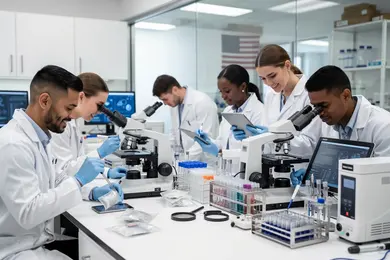
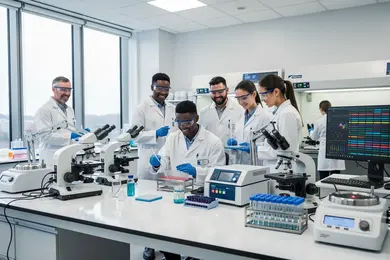
Employers in forensic science prioritize candidates with substantial hands-on lab experience because it directly translates to practical skills needed in casework. Theoretical knowledge alone does not prepare students for the realities of evidence handling, instrumentation, and report writing under pressure. When choosing a program, prioritize those with integrated lab practicums, internships, or forensic case simulations to improve job readiness and reduce the need for extensive on-the-job training.
Specialized forensic science programs offer deeper technical training but may limit flexibility if you later decide to shift career focus. Broader criminal justice degrees provide wider career options but often lack the detailed lab and scientific skills employers seek. For students certain about forensic science careers, specialized programs yield stronger employer recognition and clearer pathways to lab-based roles, while broader degrees suit those prioritizing diverse law enforcement or administrative roles.
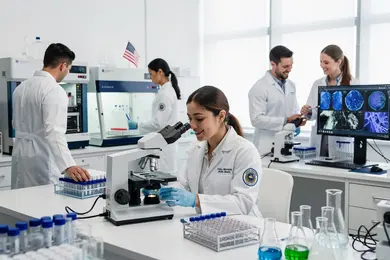
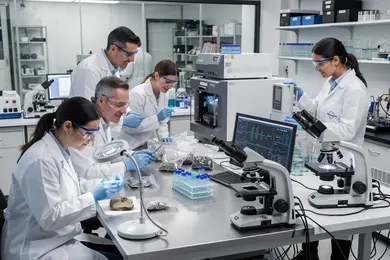
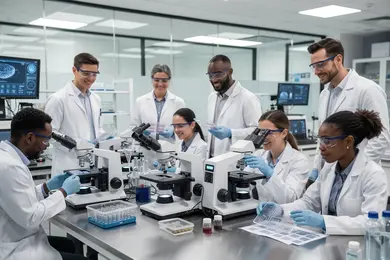
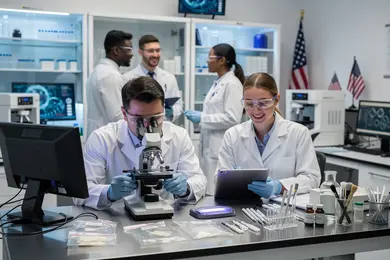
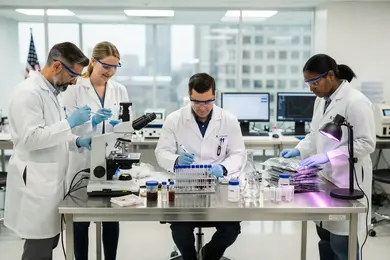
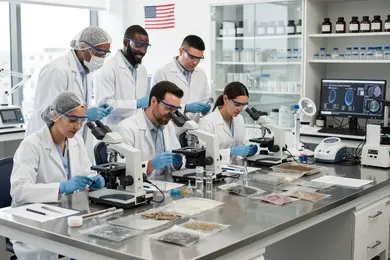
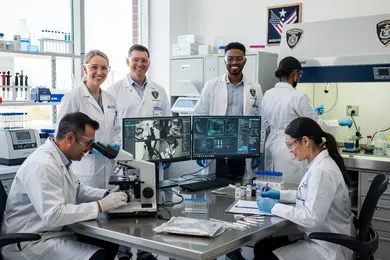
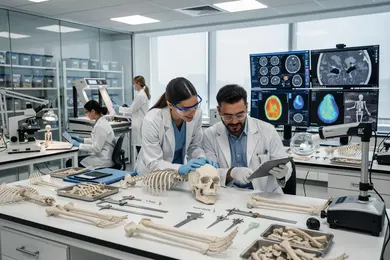
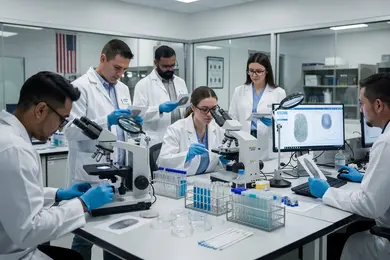
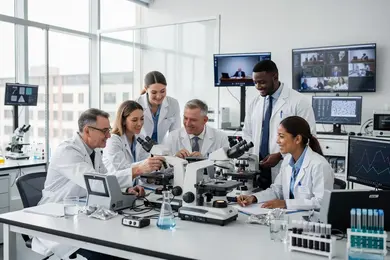
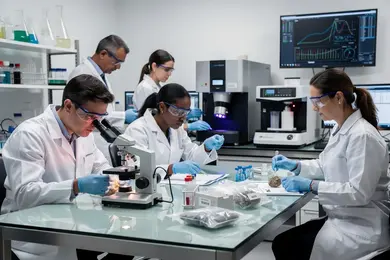
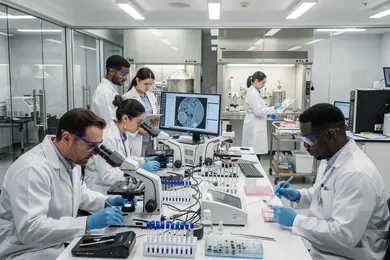
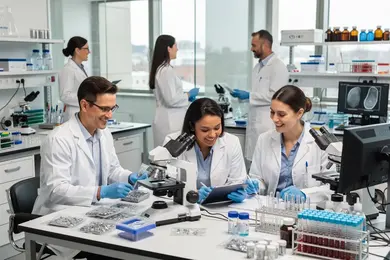
A strong program should provide access to a crime lab setting, evidence handling space, and core instruments such as microscopes, spectrophotometers, DNA analysis tools, and latent print equipment. Programs aligned with 2027 lab readiness standards also include chain-of-custody procedures and mock casework using documented evidence protocols.
References
- Educational Standards (EQS) - The Chartered Society of Forensic Sciences https://www.csofs.org/quality-standards/educational-standards/
- Forensic Scientist Salary: State-by-State Median Guide https://www.allcriminaljusticeschools.com/forensics/salary/
- TJB | FSC | Licensing | Mandatory Legal and Professional Responsibility Course https://www.txcourts.gov/fsc/licensing/mandatory-legal-and-professional-responsibility-course/
- Forensic Science Careers UK Requirements: Complete Guide to Professional Entry and Advancement https://pathologylabtraining.co.uk/biomedical-sciences/forensic-science-careers-uk-requirements
- Associate in Forensic Science Degrees and Careers https://www.criminaljusticeprograms.com/specialty/associate-in-forensic-science/
- Complaint Procedure https://thefsab.org/about/
- Study Forensic Science Abroad: Top Colleges, Costs, Careers https://www.aeccglobal.com/study-abroad/courses/forensics
- Forensic Science Degree Program: What to Know https://pinnacleforensics.co/forensic-science-degree-program/
- How to Get Admission in Forensic Science After 12th (Complete Guide) https://lifs.co.in/blog/forensic-science-admission-after-12th-guide.html