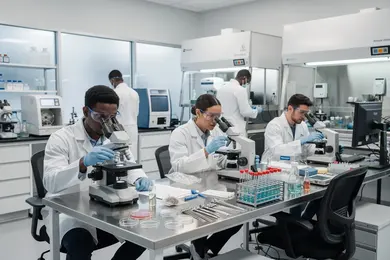
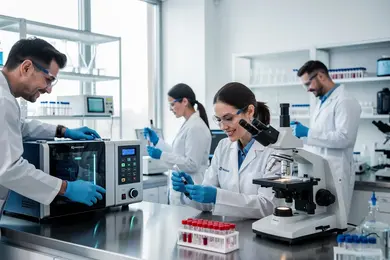
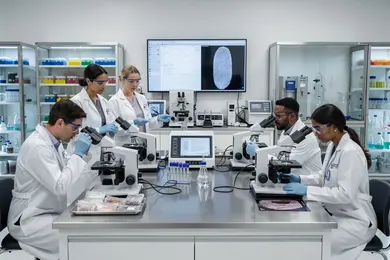
2027 Best Online Forensic Science Degrees for Broad Forensic Laboratory Preparation

Co-Founder and Chief Data Scientist
Forensic science professionals face the pressing challenge of acquiring comprehensive laboratory skills while managing demanding schedules or geographic constraints. With nearly 40% of adult learners enrolled in fully online degree programs according to the National Center for Education Statistics, the growth of accessible digital education directly addresses such barriers. However, not all online forensic science degrees equip students with the breadth of practical lab experience employers require, complicating hiring prospects.
As agencies increase demand for candidates adept across multiple forensic disciplines, selecting a program that balances rigorous hands-on training with flexible delivery becomes vital. This article outlines the best online forensic science degrees constructed specifically to prepare students broadly for forensic laboratory work and strategic career advancement.
Key Things You Should Know
- In 2024, Bureau of Labor Statistics data shows forensic science technician jobs grow only 7%, below average; prioritizing programs with integrated lab internships improves employment success but limits geographically flexible options.
- Employer surveys from 2023 indicate a preference for graduates versed in both chemical analysis and digital forensics, creating tension for curricula that split focus between traditional lab skills and emergent tech competencies.
- Median total program costs exceeded $60,000 in recent NCES reports, pressuring career-changers to weigh immediate debt against 2-3 year time-to-employment cycles in increasingly credentialed forensic lab markets.
What is an online forensic science degree and how does it prepare students for lab work?
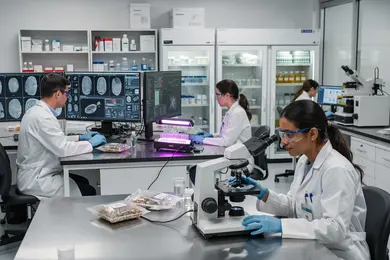
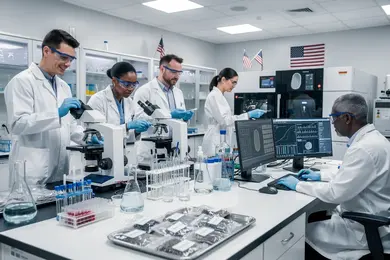
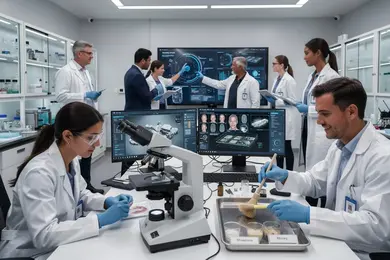
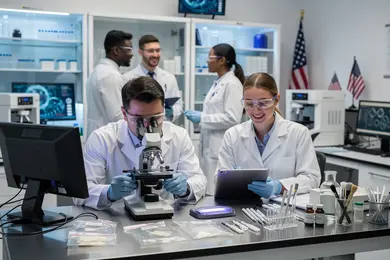
Online forensic science degrees designed for lab preparation face inherent challenges replicating hands-on experience, yet program designs increasingly incorporate remote lab simulations, virtual evidence analysis tools, and case-based learning to simulate investigative workflows. Students develop competencies in processing digital evidence and biological samples aligned with agency and courtroom protocols, addressing how online forensic science programs prepare students for laboratory work with practical, workforce-oriented methods rather than theory alone.
Employers expect candidates who can navigate cross-disciplinary data, uphold rigorous chain-of-custody standards, and apply advanced instrumentation techniques critical to legal admissibility. Many online programs mitigate distance limitations by requiring supervised internships or partnering with local labs, acknowledging that true proficiency depends on direct, supervised application.
The labor market rewards digital forensics fluency, exemplified by Champlain College's online BS graduates earning a median of $89,716 one year post-graduation, reflecting strong demand for professionals capable of managing complex digital evidence and forensic protocols. Realistically, aspiring forensic professionals must weigh the tradeoff between convenience and the necessity for in-person practical experience to meet employer standards and forensic accreditation norms.
Those considering this pathway should also explore specialized roles such as profiling; additional insights into the profiler job highlight the multifaceted skills required beyond laboratory work.
How do online forensic science programs compare to campus-based programs for laboratory preparation?
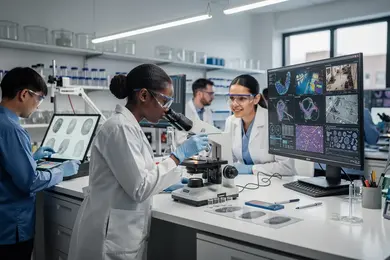
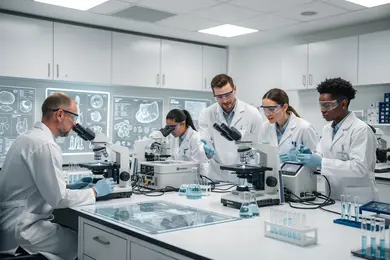
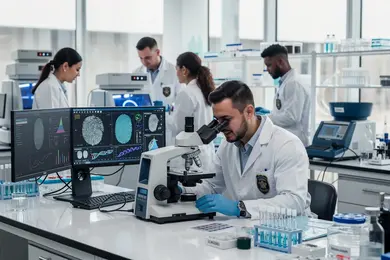
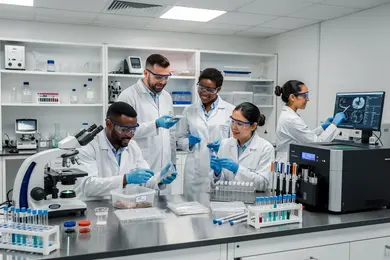
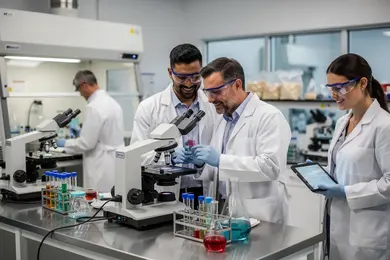
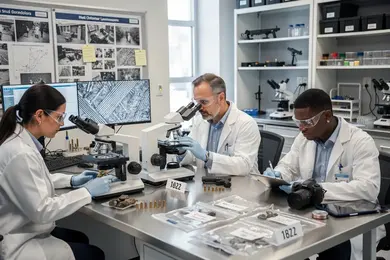
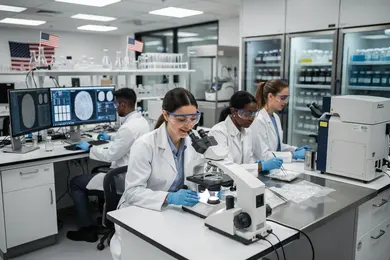
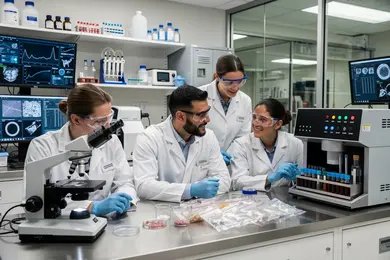
Online forensic science degree laboratory preparation often falls short compared to campus-based programs, particularly regarding hands-on experience with crucial instruments like gas chromatographs and forensic microscopes. These tools require direct manipulation and expert guidance to build proficiency, which virtual simulations or limited local partnerships struggle to replicate. This gap creates tangible tradeoffs for students seeking job readiness in an evolving market where forensic science technician roles are growing 11% faster than average labor sectors between 2021 and 2031.
The contrast between online and campus-based options becomes stark in criminal justice or pharmaceutical forensic labs, where physical operation of sensitive equipment under professional supervision directly affects employment potential. Campus programs integrate structured lab coursework with faculty mentorship that aligns closely with workplace quality controls and protocols. Consequently, students relying solely on online platforms must proactively secure internships or externships to bolster their practical skills and competitive resumes.
Employers-especially in federal and state forensic labs-prioritize demonstrated hands-on competence, requiring online students to address logistical challenges early. Evaluating each program's laboratory partnerships and in-person residency options is essential for career viability. In specialties like DNA analysis or toxicology, the difference between simulated familiarity and actual laboratory dexterity often dictates hiring outcomes and long-term career success.
Professionals exploring this pathway might also consider complementary advanced degrees such as an online doctorate data science to enhance analytical capabilities critical to modern forensic work.
What accreditation should online forensic science degrees have for forensic lab careers?
Regional institutional accreditation combined with FEPAC programmatic accreditation directly shapes employment prospects in forensic lab careers. Most forensic laboratory employers prioritize FEPAC accreditation because it confirms that curricula, faculty expertise, and lab training align with national forensic standards necessary for practical laboratory roles. For example, a forensic science technician applying to a state crime lab with an online degree lacking FEPAC accreditation risks early disqualification due to inadequate hands-on training or outdated methodologies. This dynamic illustrates a common workforce reality: degrees with only regional accreditation fall short in preparing candidates for forensic credentialing boards or laboratory certification.
Federal and state government labs, which hire a significant portion of forensic science technicians, often require FEPAC-accredited degrees to ensure candidates have experience with validated forensic techniques and casework standards. Regional accreditation alone, while essential for federal aid eligibility and credit transferability, does not guarantee the forensic-specific rigor employers demand. Prospective students should seek programs blending these accreditation types to avoid investing in degrees with limited recognition in forensic science laboratory communities.
Regarding costs, the most affordable accredited online forensic science degrees in 2026 start at $3,969 annually. Considering the median national forensic science technician pay of $64,940 (and over $107,000 for experienced technicians), the return on investment is contingent on graduation from an employer-recognized program. Selecting a non-accredited or solely regionally accredited program can severely limit job eligibility and career growth.
Students weighing these decisions might also compare salary prospects across disciplines, including an online animal science degree salary, to understand economic tradeoffs and regional accreditation standards for online forensic science programs.
What degree levels and pathways lead to forensic science and laboratory careers?
Forensic laboratory careers demand a strategic approach to education that balances credentialing with practical skill development. Bachelor's degrees in forensic science, biology, chemistry, or criminal justice provide solid theoretical foundations and lab experience essential for certification eligibility. However, advancing into roles requiring nuanced evidence interpretation or leadership typically necessitates master's degrees, which deepen technical expertise and forensic case management capabilities.
Entry points such as associate degrees or certificates in crime scene investigation or forensic technology enable immediate access to roles like evidence technician but often stall advancement within forensic labs. Mid-career professionals frequently benefit from hybrid or fully online programs offering flexible scheduling and faster completion, aligning with full-time work obligations while maintaining training rigor.
Programs accredited by the Forensic Science Education Programs Accreditation Commission (FEPAC) are critical for employer recognition and practical readiness. For instance, online FEPAC-accredited forensic science degrees support roles with favorable job growth and competitive salaries. Students should carefully evaluate the availability of hands-on labs, internships, and faculty expertise-especially for specialized areas such as toxicology or DNA analysis, where in-person training remains indispensable.
Prospective students with varied backgrounds and goals must weigh each educational pathway's scalability to ensure alignment with their intended forensic laboratory career trajectories. Those unfamiliar with degree planning may ask "is library science a good degree" to compare diverse academic options. Navigating these decisions critically affects long-term employability and adaptation within the forensic science field.
Forensic science degree options in the United States frequently present a tension between accessibility and comprehensive preparation, which shapes workforce outcomes and professional mobility.
What courses and hands-on experiences are included in online forensic science curricula?
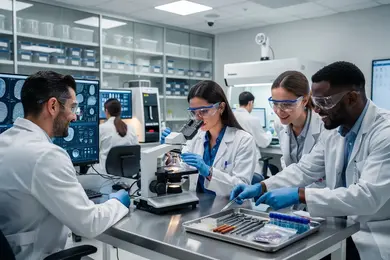
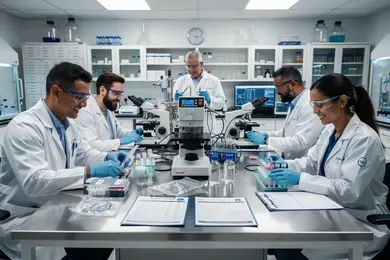
Practical laboratory proficiency is often the decisive factor for employment in forensic science roles. While comprehensive coursework covering evidence analysis, toxicology, DNA profiling, and instrumental techniques lays a necessary foundation, employers prioritize demonstrable hands-on skills with specific instruments like gas chromatography-mass spectrometry (GC-MS). Programs relying heavily on virtual labs without in-person training risk producing graduates ill-equipped to meet these technical demands.
Direct sample handling experience through partnerships with local crime labs or intensive workshops enhances job readiness and often differentiates candidates in competitive forensic STEM fields. For example, students who have processed mock evidence or completed DNA analysis scenarios are better positioned to pass standardized proficiency tests and meet employer expectations.
Cost considerations significantly impact access to these critical practicum opportunities. Liberty University's per-credit rate of $390 reflects a pay-for-what-you-take model that may slow hands-on exposure, whereas Colorado State University Global's flat $8,400 tuition offers a different pricing structure but may or may not include comparable lab experiences. Prospective students need to balance tuition models against curriculum design to understand how they align with workforce demands.
In forensic science education, a curriculum that integrates thorough technical theory with robust applied components shapes employability beyond entry-level roles, equipping graduates with skills essential for evolving crime lab environments.
What are typical admission requirements for online forensic science bachelor's and master's programs?
Admission to online forensic science programs often presents a practical crossroads for applicants balancing academic prerequisites with workforce realities. Bachelor's entry typically requires a high school diploma or GED and a minimum GPA between 2.5 and 3.0, plus foundational coursework in chemistry, biology, and math. Although SAT/ACT scores are increasingly optional, competitive candidates often still provide them for scholarships or standing. A personal statement and recommendation letter remain consistent requirements, emphasizing relevant experience or aptitude.
At the master's level, candidates must hold a bachelor's degree in forensic science or a closely related STEM field with a GPA of at least 3.0. Practical experience in labs, research, or law enforcement significantly improves admission chances, as employers and programs alike value applied skills over theory alone. Typically, applicants submit a statement of purpose and two to three professional or academic references. GRE requirements vary, but many programs are waiving them, shifting toward holistic evaluations.
Transfer students or career changers frequently face delays due to prerequisite science coursework gaps. Some programs offer credit for relevant professional experience, but this is inconsistent and affects time and cost investments. According to data from Niche's 2025 rankings, over 70% of online forensic science students report that their coursework directly advanced their employment outcomes, underscoring the tight link between admission rigor, program content, and job market relevance.
How long do online forensic science degrees take and what do they cost?
Completing a bachelor's degree in forensic science online commonly spans 3 to 4 years, though accelerated formats can reduce this to about 2.5 years. Master's programs usually take 1.5 to 2 years, with part-time or professional options extending duration depending on student pace. These timelines reflect unavoidable requirements such as comprehensive coursework plus virtual labs or regional field placements, which employers and certifying bodies typically mandate to verify practical competence.
Cost varies materially by institution type, residency, and program design. Undergraduate tuition averages range from $12,000 to $35,000 annually across accredited U.S. programs. Additional fees for lab kits or mandatory in-person practicums may add $500-$2,000, impacting total investment. For graduate degrees, overall costs often fall between $20,000 and $45,000. Students must factor in opportunity costs and credentialing delays imposed by requisite background checks and security clearances crucial for forensic lab roles.
The workforce implications differ sharply within forensic science specialties. For example, crime scene investigators earn approximately $72,060 annually, while clinical trial managers with forensic biology expertise can command around $167,220. This pay differential justifies longer, costlier master's programs for those targeting specialized lab or managerial roles. However, prospective students should balance part-time study demands with employment and accreditation standards, particularly since fieldwork scheduling is regionally constrained. Employer tuition reimbursement and federal aid can offset expenses but require strict adherence to application and compliance deadlines.
What forensic laboratory roles can graduates pursue with an online forensic science degree?
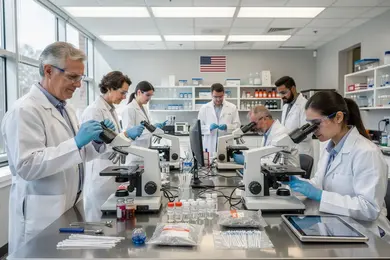
Graduates of online forensic science degrees typically target laboratory roles demanding precise expertise in evidence handling and analysis. Positions such as crime scene analysts, DNA analysts, and trace evidence examiners require mastery of specialized techniques, often involving microscopic or chemical methods applied to both physical and digital evidence. For example, a DNA analyst in a public forensic lab rigorously processes biological samples, interpreting genetic information critical for judicial outcomes. This contrasts with trace evidence examiners who scrutinize minute materials like fibers or paint fragments relevant to property or assault investigations, emphasizing detail orientation and technical proficiency.
The hiring market prioritizes candidates with demonstrable, hands-on experience alongside academic credentials. Many online programs attempt to bridge this gap through partnerships offering internships or lab-based externships; however, students must proactively secure these opportunities to meet the practical standards employers expect. Absent this, even well-credentialed graduates may face challenges entering the field competitively.
Compensation varies in direct correlation with certifications and applied laboratory exposure, with entry barriers eased by programs incorporating substantial experiential learning. Subsequent advancement often hinges on focused specialization or graduate studies, which build deeper competencies aligned with evolving casework demands.
Cost per credit hour ranges significantly, from approximately $235.57 in-state to $648.87 out-of-state at certain institutions, while others charge between $270 and $525 per credit. Prospective students must weigh these financial factors against program quality, outcome metrics, and geographic proximity to internship or employment hubs to optimize return on investment.
What salary ranges and job outlook can forensic science graduates expect?
Selecting a forensic science educational path requires anticipating distinct roles and income brackets rather than assuming uniform outcomes. Salaries diverge sharply: forensic scientists average approximately $62,325 annually, while forensic science technicians-often entry-level positions with technical or support duties-earn around $37,755. Meanwhile, detectives with forensic expertise can surpass $81,000. This gap reflects differences in responsibility, skill integration, and employer expectations.
Career progression demands weighing initial salary limitations against the time and cost investments for certifications or advanced degrees. For instance, technicians without further qualifications face slow upward mobility. Conversely, shifting into detective or criminal investigator positions involves broader law enforcement training, which commands significantly higher compensation but requires navigating competitive police or federal hiring processes.
Workforce trends add another layer of complexity. Forensic science technician roles anticipate roughly 5% growth through 2030, driven by crime lab workloads, while detective positions are expected to grow at about 3%, constrained by budget and hiring practices. Regional factors also matter: urban centers may provide more forensic analyst jobs but come with increased competition.
Graduates should seek programs offering flexibility, clear pathways to certification, and practical internships that align with these differentiated salary and advancement trajectories. Strategically, understanding how forensic science education funnels into varied career routes-each with distinct employer demands and labor market conditions-enables more informed decision-making.
How can students evaluate and choose a reputable online forensic science program?
Selecting a forensic science program without verifying recognized accreditation risks investing time and money in credentials that employers may not value. Accreditation by entities such as the Forensic Science Education Programs Accreditation Commission or regional bodies ensures curricula align with industry standards, improving graduate credibility.
Program outcomes provide a tangible metric of return on investment. For instance, Champlain College Online charges $335 per credit for its computer forensics & digital investigations program, yet its graduates earn a median salary of $89,716-39% above the 2026 national median of $64,940 for forensic science technicians reported by OnlineU and Crimesceneinvestigatoredu.org. This disparity underlines that cost alone does not guarantee favorable job market results.
Prospective students must balance theoretical foundations with applied experience; programs offering hands-on training through virtual labs, case simulations, or internships better prepare graduates for real-world demands, including handling forensic software and legal documentation. Geographic flexibility may conflict with state-specific licensing requirements, especially for careers in government or law enforcement.
Technical support quality and faculty expertise notably impact learning outcomes, particularly in remote delivery modes. Choosing programs staffed by practitioners current in forensic workflows helps narrow gaps between academic theory and workplace expectations.
Specialization matters: a digital forensics track suits technology-focused roles, while generalized forensic science degrees might broaden career options but could dilute skill specificity, influencing employability and career progression.
Other Things You Should Know About Forensic Science
Certification can outweigh degree level in certain forensic roles, particularly for technical or specialist positions where proven proficiency matters more than academic rank. Certifications from professional bodies signal job-ready skills and commitment to standards, which many employers prioritize for advancement. Prospective students should invest in programs that prepare them for certification exams alongside degree completion to optimize career growth opportunities.
Choosing a broad forensic science degree offers flexibility across multiple lab roles but may reduce depth in any one technique or discipline, potentially limiting immediate job readiness in specialized labs. Conversely, specialized programs deliver targeted expertise valued by niche employers but may constrain career mobility if job availability dries up. Decision-makers should weigh long-term versatility against short-term competitive advantage based on their career goals and local job markets.
An online forensic science degree should come from a regionally accredited institution, and a lab-focused program should also be recognized by the Forensic Science Education Programs Accreditation Commission, or FEPAC. FEPAC accreditation applies to specific forensic science programs and signals that coursework, laboratory training, and faculty meet field standards.
References
- Blogs https://aifset.com/blogs/career-opportunity-after-enterance-exam.html
- Forensic Science Careers In South Africa https://www.forensicacademy.africa/forensic-science-careers-in-south-africa
- Forensic Science Careers UK Requirements: Complete Guide to Professional Entry and Advancement https://pathologylabtraining.co.uk/biomedical-sciences/forensic-science-careers-uk-requirements
- Top Online Forensic Science Degree Programs https://www.forensicscolleges.com/online
- Online Forensic Science Degree https://www.aiuniv.edu/degrees/criminal-justice/bachelors-forensic-science
- Compare Forensic Scientist Schools & Training Programs https://www.criminaljusticeprograms.com/specialty/forensic-science-degrees/
- Online Degree Programs from GMC Online https://online.gmc.edu/programs/forensic-laboratory-technology/
- European Forensic Institute Bachelor's and Masters programmes https://eufor.eu/programmes/
- Forensic Investigation Degree Program | Washburn University https://www.washburn.edu/academics/college-schools/forensics/forensic-investigation.html
- Forensic Scientist Salary: State-by-State Median Guide https://www.allcriminaljusticeschools.com/forensics/salary/