2027 Questions to Ask Before Enrolling in an Online Forensic Science Degree

Co-Founder and Chief Data Scientist
Facing the challenge of balancing full-time employment with advancing a forensic science career through education forces many professionals to navigate a labyrinth of program credibility, flexible scheduling, and practical training availability. Recent data from the National Center for Education Statistics reveals a 12% rise in online STEM degree enrollments among adult learners since 2024, emphasizing a shift toward programs that accommodate working students without sacrificing rigor.
This trend pushes candidates to weigh accessibility against industry recognition and employability outcomes carefully. This article examines critical questions to ask before enrolling in an online forensic science degree, guiding informed decisions that optimize career impact and timeline management.
Key Things You Should Know
- Only 15% of forensic science graduates pass specialized lab accreditation exams within six months post-graduation, signaling a significant skill gap and challenging immediate employability in credential-sensitive roles according to 2024 ASCLD data.
- The 2024 DOJ workforce report shows 38% of forensic labs prioritize candidates with in-person internship experiences, making fully online degrees less competitive without coordinated practicum partnerships.
- Average online forensic science program costs increased 8% in 2024 despite stagnant federal financial aid eligibility, pressuring time-to-completion tradeoffs as longer programs risk higher debt without commensurate wage premium.
What should you look for in an accredited online forensic science degree program?
Accreditation from recognized bodies such as the Forensic Science Education Programs Accreditation Commission (FEPAC) or regional accreditors is non-negotiable when evaluating accredited online forensic science degree programs in the United States. Without this, graduates risk limited credit transferability and diminished eligibility for certifications or federal employment.
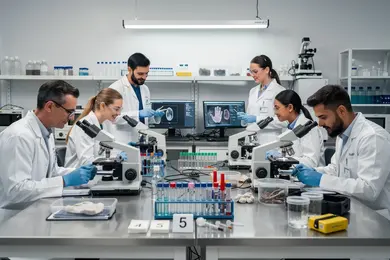
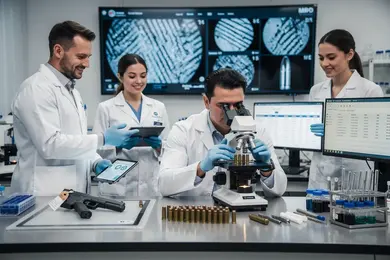
Beyond accreditation, practical curriculum elements like immersive crime scene analysis and evidence processing are essential; programs lacking hands-on training or virtual labs leave students underprepared for the exacting demands of forensic roles where procedural precision is paramount. Faculty expertise directly influences program relevance.
Instructors actively engaged in forensic casework or interdisciplinary areas-biology, chemistry, criminal justice-ensure curricula mirror real-world case complexities. This breadth reflects the multifaceted nature of forensic science workplaces from law enforcement to medical examiner offices, and omitting it can restrict graduate employability.
Structured internships or practicum partnerships dramatically enhance job prospects amid a projected 13% employment growth for forensic technicians through 2032 according to the U.S. Bureau of Labor Statistics. Those programs that lack such connections place students at a distinct disadvantage in a market prioritizing verified applied skills. While flexibility in pacing benefits working professionals, reduced synchronous interaction or limited lab access may constrain learning outcomes.
Prospective students should scrutinize graduate employment rates in forensic disciplines as a critical indicator of alignment with employer needs and economic realities. For candidates assessing program affordability alongside quality, reviewing forensic psychology graduate programs online can offer comparative insights relevant to their educational investment.
How does an online forensic science degree compare to a campus-based program?
Employers in forensic fields rigorously prioritize hands-on experience, making campus-based forensic science education more aligned with workforce expectations than many online programs. While an online forensic science degree offers flexibility, it generally lacks the essential, supervised laboratory exposure and direct crime lab access that campus programs provide. This distinction heavily affects readiness for roles requiring evidence collection, physical sample analysis, and courtroom testimony.
Forensic science degrees from campus settings often include internships and professional networking opportunities critical for advancing into higher-paying federal positions with median salaries around $120,790. Online graduates frequently must seek external practicums or apprenticeships to match this practical exposure, adding time and financial costs.
This makes program selection a crucial factor for those targeting competitive technician jobs paying roughly $60,590 or aiming for jobs demanding certifications and verified hands-on training. Choosing between an online and campus program involves tradeoffs: online formats provide schedule adaptability but can underdeliver on practical skill development, while campus programs foster immersive, skill-based learning environments.
Prospective students looking to pivot or enhance their careers with a forensic science degree should also compare program accreditation, lab supervision availability, and employer affiliations before committing. Those evaluating career options linked to environmental fields may draw useful parallels with an environmental science degree, where similar considerations about practical experience and industry connections influence employment outcomes.
What admission requirements and prior coursework are needed for online forensic science degrees?
Admission requirements for online forensic science degree programs impose significant practical considerations for candidates balancing rigorous science prerequisites with the format's inherent constraints. Bachelor's applicants typically need a high school diploma or GED plus foundational coursework in biology, chemistry, and mathematics. Without this, students often face remedial classes that increase both time and financial burdens.
Master's programs require a relevant bachelor's degree-commonly in forensic science, biology, or criminal justice-with some programs enforcing minimum GPA and demonstrated quantitative skills. This admission rigor directly impacts a candidate's ability to succeed in complex subjects such as toxicology and DNA evidence. Prior coursework needed for forensic science programs generally includes organic chemistry, microbiology, genetics, and introductory statistics or data analysis.
These courses are essential for interpreting crime scene data and toxicological results. Candidates lacking formal science backgrounds risk slower progress or failure to meet workforce entry standards. Moreover, hands-on lab components often mandate regional residencies or partnerships, adding logistical and financial tradeoffs. Prospective students must budget for travel and housing beyond standard tuition expenses, which can range from $9,700 at public universities to nearly $39,000 annually at private nonprofits.
Employers emphasize measurable lab experience alongside academic rigor, favoring graduates from programs that clearly enforce admission standards and provide verified access to practical components. Online options vary widely in how they handle these requirements, so careful program selection is critical. For professionals comparing pathways, including accelerated formats, reviewing such factors alongside career goals is essential.
Those considering an accelerated bachelor's degree computer science online should note the tradeoffs between pace and foundational depth, which similarly apply in forensic science admissions and outcomes.
What core courses and specializations are typically offered in online forensic science programs?
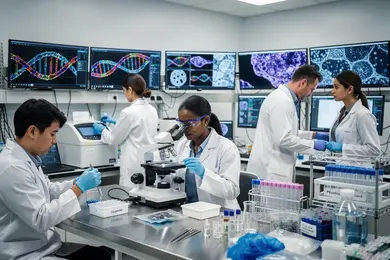
The core courses in online forensic science degree programs must do more than checklist technical topics; they need to develop practical competence in DNA analysis, forensic microscopy, toxicology, and evidence collection to meet real employer standards. Programs with lax hands-on training risk producing graduates who struggle with certification and courtroom readiness since legal and ethical skills-like expert testimony preparation and chain-of-custody protocols-are non-negotiable in practice.
Given only a few dozen accredited nationwide programs exist, alignment with these rigorous curricular elements directly affects employability. Specializations offered in forensic science online programs enhance market differentiation by targeting sector-specific roles. For instance, forensic toxicology prepares candidates for roles in private or medical examiner labs through specialized lab skills and certifications, while digital forensics focuses on cybercrime investigations, appealing primarily to law enforcement or corporate security.
Prospective students should weigh the value of each track against their career goals and available practical experiences, as inadequate fieldwork-either virtual labs or partnerships with agencies-often limits job prospects in jurisdictions requiring documented training. Strategically navigating these educational choices can define workforce integration speed and career trajectories.
Those exploring interdisciplinary or adjacent fields might consider programs like master's in library science for complementary analytic skills, underscoring the importance of aligning program design with occupation-specific competencies.
How long does it take to complete an online forensic science degree, and what does it cost?
A bachelor's degree remains the most common and practical credential for entering forensic science roles, demanded by government employers and certification boards. Accelerated paths reducing the typical four-year timeframe to three years impose heavy full-time study loads, often unrealistic for working adults aiming to balance job and education.
Cost considerations significantly influence the decision: public universities offer in-state online tuition ranging from $7,000 to $15,000 annually, while private institutions exceed $20,000 yearly. Total costs for a bachelor's span approximately $28,000 to over $80,000, excluding software and virtual lab fees, which may or may not be included.
Choosing between bachelor's and master's programs depends on career objectives and workforce demands:
- Criminal lab technician positions typically require a bachelor's and prioritize speed of completion for faster employment entry.
- Forensic analyst roles aiming at supervisory or specialized technical work benefit from master's level depth but must accept an additional two years of study and narrower job openings initially.
Financial planning must factor in entry-level salaries generally ranging from $50,000 to $60,000, where student debt impacts early career flexibilities. Credit transfer policies and institutional support affect degree progression time and, ultimately, employment timing. Practitioners should align their program choice not only to credential requirements but also to realistic timelines and total cost burdens.
What careers can you pursue with an online forensic science degree?
Completing an online forensic science degree generally matches the four to five-year timeline of traditional programs, presenting a significant commitment for students balancing jobs or family. This extended duration reflects the depth of training required to qualify for roles primarily in crime labs, law enforcement, and investigative agencies.
However, possessing the degree alone often falls short of immediate employability. Entry-level positions frequently prioritize candidates with practical experience-internships, on-site training, or certifications in crime scene procedures. For example, a crime scene investigator candidate working in a local police department may need substantial supplementary hands-on training to align with departmental expectations.
Beyond typical pathways like forensic lab technician and digital forensics analyst, roles such as forensic toxicologist demand further specialization. Forensic pathologists require additional medical education, indicating that the degree functions as only one step within a broader professional trajectory. Similarly, private sector jobs like forensic accounting show how foundational investigative skills from the degree can diversify career options.
The fully online format accommodates those unable to relocate but requires disciplined time management and active development of forensic technology competencies, such as familiarity with analytical software. Demonstrated proficiency through portfolios and continued education is increasingly essential for meaningful workforce integration and future advancement in forensic sectors.
What is the salary outlook and job demand for forensic science professionals?
A realistic assessment of forensic science career prospects must consider the substantial variation in salaries and employment conditions shaped by specialization, geography, and education. Median wages hover around $63,000 annually, but reaching six figures typically demands targeted expertise, particularly in DNA analysis or toxicology within urban crime labs. Conversely, rural or state agencies often present fewer openings with slower wage growth, influencing relocation or certification decisions.
Job opportunities are poised to expand at a rate of 14% through 2032, driven by forensic applications beyond traditional criminal justice-such as cybersecurity and insurance fraud sectors-which frequently require high STEM competency. Entry-level salaries range between $40,000 and $50,000, emphasizing the importance of strong academic preparation.
Employers favor candidates with more than a general criminal justice background, expecting a GPA above 3.0 and prior coursework in chemistry, biology, and physics to ensure readiness for forensic demands. This academic rigor correlates directly with employability and the ability to advance within five to seven years, combining education and experiential learning.
- Specialized training can lead to prioritized hiring and higher pay.
- Urban versus rural agency disparities affect career trajectories.
- Aligning education with employer expectations reduces employment friction.
Are there certifications or licensing requirements for forensic scientists in the United States?
Certification, not universal licensing, shapes the practical entry and progression landscape in forensic science across U.S. jurisdictions. While no federal mandate enforces credentials, state and local crime labs frequently require certification from bodies such as the American Board of Forensic Toxicology or the International Association for Identification, reflecting real-world employer preferences.
Candidates without such certifications often face hiring delays or start in lower-tier evidence technician roles rather than direct analytic positions. The 13% projected job growth for forensic science technicians by the Bureau of Labor Statistics signals increasing competition, making these credentials a de facto threshold for employability. Licensing requirements remain confined to niche areas like forensic pathology or forensic nursing, which further demand state medical or nursing licenses combined with specialty training.
Forensic science degree programs vary in how effectively they prepare students for these certifications. Some omit integrated exam preparation, requiring substantial self-study or external courses, and prospective students must plan for recurring costs and continuing education demands not always disclosed upfront.
- Certification acts as a proxy for experience and validates adherence to standardized protocols.
- Failure to obtain or maintain certification risks career stagnation and limited entry-level roles.
- States increasingly require continuing education to maintain examiner proficiency, influencing long-term professional planning.
Careful evaluation of programs against certification pathways, local regulations, and employer expectations is crucial for prospective forensic science students aiming to reduce friction in workforce entry and advancement.
How do online forensic science programs provide labs, fieldwork, and hands-on training?
Online forensic science programs with significant virtual components, such as those enrolling tens of thousands of students, rely heavily on simulations and scenario-based exercises to mimic crime scene analysis and laboratory procedures. While these virtual labs provide foundational skills in evidence processing and procedural accuracy, they cannot replicate the variability and unpredictability of real-world forensic environments.
Fieldwork remains indispensable. Genuine exposure through partnerships with local crime labs, law enforcement, or medical examiners is critical for mastering jurisdictional differences in protocols, handling specialized instrumentation, and developing interprofessional collaboration skills. Students who opt for purely online training without such practical placements risk missing essential hands-on competencies that employers prioritize and often verify during hiring.
Programs offering hybrid or localized internship pipelines allow ethical, supervised practical experience, which aligns with accreditation requirements and credentialing standards like those from the American Board of Criminalistics.
Prospective students should prepare for logistical challenges in securing and documenting field hours, understanding that these efforts directly influence eligibility for certification and long-term career viability. The balance of virtual simulation and authentic experience shapes not only skill proficiency but also employers' trust in graduates' readiness for high-stakes forensic responsibilities.
How can you evaluate the quality and outcomes of a specific online forensic science program?
Graduate employment rates and verified median salaries provide the clearest indicators of an online forensic science program's real-world value. For instance, Champlain College's Bachelor of Science in Computer Forensics & Digital Investigations reports a median graduate salary of $89,716, suggesting alignment with employer compensation standards. Prospective students should weigh such data against national benchmarks like those from the Bureau of Labor Statistics to assess competitiveness within specialized forensic roles.
Accreditation by bodies like the Forensic Science Education Programs Accreditation Commission (FEPAC) or regional agencies is critical, as it affects both curriculum rigor and employer recognition. Without this, program graduates risk entering a market where credentials may lack weight. Curriculum relevance matters equally: programs must reflect evolving forensic methodologies, cybersecurity challenges, and law enforcement requirements.
Transparent graduate placement data is essential when evaluating programs. A high enrollment number with weak job placement can indicate misalignment between training and employer needs, which may hinder career transitions. Flexible scheduling and credit transfer policies should also be considered, especially for working professionals balancing education with job responsibilities-accelerated tracks can help but must retain technical depth.
Employer feedback is an underutilized resource; forensic roles vary widely from digital forensics in corporate cybersecurity to crime lab analysis, necessitating programs to tailor skill development toward targeted employment sectors.
Other Things You Should Know About Forensic Science
The workload in forensic science degrees is often heavy due to complex scientific material and technical assignments. For working adults, this requires disciplined time management and may limit the ability to take on additional commitments. Choosing programs with flexible pacing and clear support services improves completion odds, but students should realistically assess their capacity to balance study with job duties and personal responsibilities.
Recognition of online forensic science degrees varies considerably by employer and sector. Law enforcement agencies and forensic labs often prefer degrees accredited by specific bodies or with demonstrated hands-on training components. Graduates should assess whether their target employers have preferences for on-campus experience or certain accreditations and tailor their program choice accordingly to avoid limiting job prospects.
Most programs require a reliable computer, a webcam, a microphone, and access to data-analysis software such as Excel, SPSS, or case-management tools. Some courses also require a virtual lab platform, and a few may ask students to complete proctored exams with lockdown-browser software.
References
- List of Bachelors in Forensic Science Programs - Campus & Online https://yescollege.com/degrees/bachelors-in-forensic-science/
- Top Online Forensic Science Degree Programs https://www.forensicscolleges.com/online
- Forensic Science https://icieducation.com/courses/law-justice/forensics/
- Forensic Science Degree Programs https://www.criminaljusticedegreeschools.com/degrees/forensic-science-degree/
- Online and Offline Forensic Science Courses for Students & Professionals https://iesr.in/forensic-science-courses-online-offline/
- Forensic Science Majors https://www.hamline.edu/academics/undergraduate/forensic-science
- Becoming a Forensic Scientist in Texas (Career Guide) https://www.allcriminaljusticeschools.com/forensics/texas/
- Certification https://www.criminalistics.com/certification.html
- TJB | FSC | Licensing https://www.txcourts.gov/fsc/licensing/