2027 Best Online Bachelor's in Food Industry Management With the Best Fit for Busy Professionals

Co-Founder and Chief Data Scientist
Choosing an online bachelor's in food industry management is a practical decision for workers who want to move from front-line food service into operations, purchasing, quality, or leadership roles. The timing matters: the National Restaurant Association projected U. S. restaurant sales would top $1 trillion in 2024, signaling a large market that needs trained managers. This guide explains program formats, costs, accreditation, admissions, careers, salaries, and red flags so busy professionals can compare options and choose a degree that fits their schedule, budget, and career goals.
Key Things You Should Know
- Online food industry management bachelor's programs are best for working adults who want management, supply chain, food service, or hospitality operations roles without leaving their current jobs.
- Cost varies widely: College Board reported average published tuition and fees of $11,610 for in-state public four-year colleges and $43,350 for private nonprofit four-year colleges in 2024-25, before aid, housing, and online fees.
- The U.S. Bureau of Labor Statistics reported a 2024 median annual wage of $65,310 for food service managers, but salaries vary by employer, region, experience, and whether the role is in restaurants, institutional dining, lodging, retail food, or corporate operations.
What is an online bachelor's in food industry management and who is it best for?
An online bachelor's in food industry management is a four-year undergraduate degree focused on the business side of food systems. Depending on the school, it may be housed in a business, hospitality, agriculture, food science, or professional studies department. The common thread is that students learn how food moves from suppliers to customers while meeting cost, safety, staffing, quality, and service expectations.
The degree usually blends management coursework with food-focused topics such as purchasing, menu strategy, food safety, restaurant operations, consumer behavior, logistics, and revenue management. It is different from a culinary arts degree, which emphasizes cooking technique, and different from a food science degree, which is more technical and lab-based.
This degree is usually a strong fit for learners who already understand the pace of food service or food retail and want to qualify for supervisory or corporate roles. It can also work for students coming from hospitality, grocery, institutional dining, catering, or military food service backgrounds. If your goal is broader hotel, event, or lodging leadership, comparing hospitality management courses online can help you decide whether a wider hospitality path is a better match.
The degree may be a good fit if you want to build toward these kinds of responsibilities:
- Managing restaurant, catering, grocery, institutional dining, or food distribution teams
- Controlling food, labor, inventory, purchasing, and operating costs
- Applying food safety, sanitation, and compliance practices in high-volume settings
- Using point-of-sale, inventory, scheduling, and analytics tools to improve operations
- Moving from shift lead, assistant manager, cook, server, or buyer roles into higher-level management
It may not be the best option if you want to become a registered dietitian, food scientist, chef-instructor, or licensed health information professional. Those paths usually require different coursework, supervised practice, certifications, or specialized accreditation.
How does an online food industry management bachelor's compare to campus-based programs?
For busy professionals, the main advantage of an online program is schedule control. The trade-off is that you need to be more self-directed, especially if the program includes group projects, internships, labs, or field experiences arranged near your location.
The table below compares the main decision points. Use it to decide whether online learning supports your work and family responsibilities or whether a campus-based format would give you better access to facilities, networking, and hands-on activities.
| Decision factor | Online bachelor's format | Campus-based format | Best fit |
| Schedule | Often asynchronous or evening-friendly, with weekly deadlines | Fixed class meeting times and campus attendance | Online is usually better for full-time workers and caregivers |
| Hands-on learning | May use simulations, local internships, employer-based projects, or virtual labs | May offer campus kitchens, labs, dining operations, and live events | Campus can be stronger for students who need structured in-person practice |
| Networking | Built through discussion boards, virtual teams, faculty office hours, and local employers | Built through campus events, student clubs, and regional employer visits | Both can work, but online students must be more intentional |
| Transfer credits | Often designed for adult learners with community college, military, or prior college credits | May be more traditional and cohort-based | Online may be better for degree completers |
| Cost control | Can reduce commuting and relocation costs; tuition varies by school | May include more housing, transportation, and campus fees | Online can be more affordable if transfer credits and employer tuition help apply |
Online does not automatically mean easier or lower quality. A reputable online program should have the same institutional accreditation as campus programs, clear faculty access, transparent technology requirements, and meaningful assignments tied to real food industry decisions.
Campus programs may be worth considering if you are early in your career, want a traditional college experience, need access to specialized facilities, or live near a school with strong restaurant, hospitality, or food manufacturing employer partnerships. Online programs usually make more sense when you already have workplace experience and need a flexible path to finish the credential.
What accredited schools offer online bachelor's degrees in food industry or food service management?
The number of fully online bachelor's programs with the exact title "food industry management" is limited, so busy professionals should compare both direct programs and closely aligned degrees. Relevant options may appear under business, food service management, hospitality management, food and beverage entrepreneurship, food science and industry, or restaurant management.
The examples below show the kinds of accredited U.S. schools and program titles students commonly review. Program names, formats, tuition, and admissions policies can change, so verify details directly with the school before applying.
| School | Example online or flexible program area | Why it may fit food industry management goals | Accreditation check |
| Arizona State University | Business with a food industry management focus | Useful for students who want business training connected to food retail, supply chains, and consumer markets | Confirm institutional accreditation and business school accreditation where relevant |
| Kansas State University | Food science and industry | Better for students interested in product quality, food systems, safety, and technical food industry roles | Confirm institutional accreditation and whether the curriculum matches management or technical goals |
| Johnson & Wales University | Food and beverage, hospitality, or entrepreneurship-related online study | Useful for learners interested in restaurant ownership, beverage operations, and hospitality business models | Confirm institutional accreditation and online program availability in your state |
| SUNY Delhi | Hospitality management or related online completion pathways | May fit students with associate-level culinary, hospitality, or food service credits who want a bachelor's completion route | Confirm institutional accreditation and transfer-credit policies |
| ECPI University | Food service management or culinary-related management study | May appeal to students seeking career-focused food service operations training | Confirm institutional accreditation, program modality, total cost, and outcomes disclosures |
Accreditation is the first filter. Look for institutional accreditation recognized by the U.S. Department of Education or the Council for Higher Education Accreditation. Programmatic accreditation is less standardized in food industry management than in fields such as nursing or dietetics, so students should focus on institutional legitimacy, curriculum relevance, transferability, faculty experience, and employer recognition.
A common mistake is choosing a school because the program title sounds perfect without checking whether the coursework actually supports the intended role. For example, a food science-heavy degree may be excellent for quality assurance but less aligned with restaurant general management; a hospitality degree may be strong for service leadership but lighter on food manufacturing, procurement, or supply chain topics.
What courses and concentrations are typically included in an online food industry management curriculum?
Most online bachelor's programs require general education, business foundations, major courses, electives, and a capstone or internship. Students with an associate degree may enter as transfer students and focus mainly on upper-division requirements.
The table below summarizes common curriculum areas and why each one matters. Exact course titles vary, but a strong program should connect business decisions to real food industry constraints such as perishability, labor scheduling, customer experience, safety, and margins.
| Curriculum area | Typical topics | Why it matters for busy professionals |
| Food service operations | Restaurant systems, front-of-house and back-of-house coordination, service quality, menu planning | Builds the operational judgment needed for assistant manager, general manager, or district support roles |
| Business core | Accounting, finance, marketing, management, business law, economics | Helps students connect daily decisions to profit, cash flow, staffing, and customer demand |
| Food safety and sanitation | Hazard prevention, regulatory basics, allergen awareness, safe handling, inspection readiness | Supports compliance-heavy roles where mistakes can affect customers, staff, and brand reputation |
| Purchasing and supply chain | Inventory control, vendor selection, procurement, forecasting, logistics | Useful for roles in restaurants, grocery, institutional dining, distribution, and multi-unit operations |
| Leadership and human resources | Hiring, training, conflict management, labor law basics, performance management | Prepares students for people-management responsibilities in high-turnover environments |
| Analytics and technology | POS data, scheduling tools, dashboards, revenue analysis, inventory software | Reflects employer demand for managers who can interpret data, not just supervise shifts |
| Capstone or internship | Applied project, employer-based analysis, practicum, or strategic plan | Lets working adults connect coursework to their current employer or local industry |
Concentrations may include restaurant management, food and beverage entrepreneurship, hospitality management, retail food operations, supply chain, food safety, or nutrition-related business. If your long-term goal is clinical nutrition, wellness program leadership, or dietetics-adjacent graduate study, compare this degree with an online masters nutrition pathway because the prerequisites and career outcomes can be very different.
Students should look for evidence that online courses use realistic assignments. Strong examples include building a labor schedule, analyzing food cost variance, writing a food safety corrective action plan, comparing vendors, interpreting guest satisfaction data, or creating a business plan for a food concept.
What admission requirements do online food industry management bachelor's programs usually have?
Admission requirements depend on whether the program accepts first-year students, transfer students, or only degree-completion applicants. Many online programs are built for adults who have prior college credits, military training, or professional experience, but this is not universal.
Before applying, check whether you are entering as a first-time undergraduate or as a transfer student. The documents below are commonly requested because they help schools evaluate college readiness, transfer standing, and eligibility for financial aid.
- High school diploma, GED, or equivalent for first-year applicants
- Official transcripts from all colleges previously attended
- Minimum GPA requirement, often with flexibility for adult learners depending on the school
- Transfer-credit evaluation for associate degrees, culinary credits, hospitality coursework, military learning, or prior college classes
- Application form and fee, although some online programs waive the fee during admissions events
- English proficiency documentation for applicants whose prior education was not in English
- FAFSA submission if the student plans to use federal financial aid
Standardized tests are less common for adult-focused online bachelor's programs than they once were, but some universities still request them for certain applicants. Schools may also require placement assessments if the student has not completed college-level math or writing.
The most important admissions question for busy professionals is not simply "Can I get in?" It is "How much time and money will I save through transfer credit?" A generous transfer policy can shorten the path substantially, while a restrictive policy can make a seemingly affordable program more expensive than expected.
How long does it take to finish an online food industry management bachelor's, and what does it cost?
A bachelor's degree typically requires about 120 semester credits. First-time students often need about four years of full-time study, while transfer students with an associate degree may finish in about two years if the credits apply cleanly. Part-time students often take longer, but the slower pace may be more realistic for those working full time.
The table below shows common timeline scenarios. Use it to estimate your own completion window before you compare tuition because the real cost depends on both price per credit and the number of credits you still need.
| Student profile | Typical remaining credits | Common completion pace | Decision point |
| First-time bachelor's student | About 120 credits | About four years full time; longer part time | Look closely at total tuition, general education requirements, and support for online beginners |
| Associate degree graduate | About 60 credits if transfer is efficient | About two years full time; two to four years part time | Confirm whether culinary, hospitality, or business credits apply to the major |
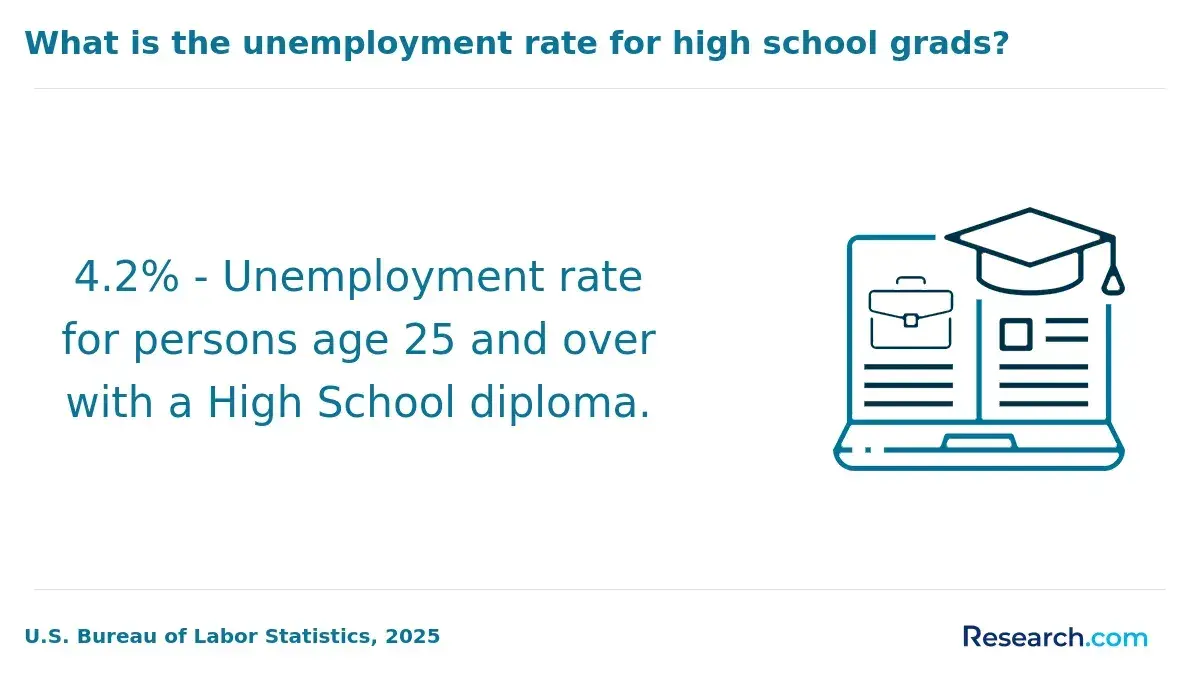
| Some-college, no-degree adult learner | Varies widely | Depends on transfer evaluation and course load | Request a written degree plan before enrolling |
| Working manager taking one or two courses per term | Varies widely | Often slower but more sustainable | Prioritize predictable course rotations and asynchronous access |
Published tuition is only one part of cost. College Board's 2024-25 figures show how large the difference can be across institution types: average published tuition and fees were $11,610 for in-state students at public four-year colleges and $43,350 at private nonprofit four-year colleges. Online students may avoid housing and commuting costs, but they still need to compare fees, books, technology, and the cost of retaking courses.
When estimating total cost, ask schools to separate each expense clearly. The most common cost categories are:
- Tuition per credit or per term
- Online learning, technology, student service, or proctoring fees
- Textbooks, digital course materials, software, and exam platforms
- Food safety certification, uniforms, lab kits, or local practicum expenses if required
- Transfer-credit limits that may force students to repeat similar coursework
- Lost income if the course load becomes too heavy to maintain work hours
To reduce cost, start with a transcript review before committing, ask whether employer tuition assistance applies, compare public universities in your state, and check whether the school accepts credits from community colleges, military transcripts, CLEP exams, or prior learning assessment. Avoid choosing the fastest program unless you are confident you can handle the pace; failed or withdrawn courses can erase the savings from acceleration.
What careers can graduates of online food industry management programs pursue?
Graduates can pursue roles across restaurants, hotels, grocery chains, institutional dining, catering, food distribution, school food service, senior living, corporate dining, and food-related entrepreneurship. The degree is most useful when paired with work experience because employers in food operations often value demonstrated reliability, leadership, and cost-control ability.
The table below summarizes common career directions. It does not imply that a bachelor's degree is the only path, but it shows where management-focused food industry training may be relevant.
| Career path | Typical responsibilities | Where the degree helps most |
| Food service manager | Oversees staff, service, safety, purchasing, guest experience, and operating results | Builds business, leadership, sanitation, and cost-control skills |
| Restaurant general manager | Manages daily operations, budgets, hiring, training, sales, and customer satisfaction | Supports advancement from assistant manager or shift supervisor roles |
| Food and beverage manager | Coordinates beverage, dining, catering, banquets, or hotel food operations | Combines hospitality service knowledge with inventory and revenue management |
| Purchasing or procurement coordinator | Works with vendors, pricing, inventory, quality, and supply availability | Applies coursework in supply chain, forecasting, and food cost control |
| Quality assurance or food safety coordinator | Supports sanitation systems, documentation, audits, training, and corrective actions | Works best when the program includes strong food safety and regulatory coursework |
| Corporate or multi-unit operations support | Analyzes performance, supports store managers, rolls out procedures, and improves consistency | Requires a combination of operations experience, analytics, and leadership skills |
| Food entrepreneur | Develops a restaurant, catering company, packaged food concept, or specialty food business | Helps with planning, pricing, compliance, marketing, and operations design |
Some students discover that they prefer data, compliance, records, and systems work over customer-facing food operations. If that sounds like you, an online CAHIIM accredited health information management degree may be a more direct fit for healthcare information roles, while food industry management remains more aligned with operations, service, supply chain, and food business leadership.
To improve career mobility while enrolled, build evidence of applied skill. Examples include a cost-reduction project, a ServSafe Manager credential if relevant to your state or employer, a scheduling analysis, a vendor comparison, a food safety audit checklist, or a capstone tied to your current workplace.
What are the typical salary ranges for food industry management roles in the United States?
Salary depends heavily on the role, employer size, location, bonus structure, and experience. A bachelor's degree may help with advancement, but it does not guarantee a specific wage. Use salary data as a planning tool, then compare it with job postings in your metro area and target industry.
The table below uses U.S. Bureau of Labor Statistics wage categories that are closely related to food industry management. BLS categories do not map perfectly to every job title, but they provide a useful national benchmark.
| Role or occupational benchmark | Relevant BLS category | 2024 median annual wage | How to interpret the figure |
| Restaurant or food service manager | Food service managers | $65,310 | A useful baseline for restaurant, institutional dining, and food service leadership roles |
| Lodging-based food and beverage leader | Lodging managers | $73,230 | Relevant when food and beverage work is tied to hotels, resorts, or lodging operations |
| Food safety, quality, or product-focused role | Agricultural and food scientists | $80,190 | More relevant to technical food industry roles that may require science-heavy coursework |
| Operations analyst or supply chain support role | Management analysts | $101,190 | Applies more to corporate analysis roles, usually requiring strong data, process, and business skills |
Food service management salaries often include variables that do not show up clearly in national medians, such as bonuses, tips in some environments, profit-sharing, shift expectations, relocation, and holiday or weekend work. Corporate food retail, regional management, and procurement roles may offer different compensation structures than single-unit restaurant roles.
For ROI, compare the program's total net price against realistic local wages for the first role you are targeting, not only the highest role you hope to reach later. A degree can be worthwhile when it unlocks promotion eligibility, improves transferability across employers, or helps you move into less physically demanding operations roles, but the payoff depends on your starting credits, cost, and career timing.
What is the job outlook and industry demand for food industry management professionals?
Demand for food industry managers is shaped by consumer spending, labor availability, automation, delivery models, food safety expectations, and cost pressures. The market is large, but management jobs can be competitive because employers often promote experienced workers who already know the operation.
The U.S. Bureau of Labor Statistics projects employment for food service managers to grow more slowly than the average for all occupations over the 2023-2033 period. For readers, this means the degree should be treated as a career-positioning tool, not a shortcut; experience, leadership record, scheduling flexibility, and measurable operational results still matter.
Several current trends influence the value of the degree. AI-enabled forecasting, digital ordering, kitchen display systems, inventory platforms, and labor scheduling software are changing what managers do. Employers increasingly need managers who can interpret data, train teams on technology, reduce waste, and maintain service quality with lean staffing.
Food safety and transparency are also becoming more visible. Managers may need to document procedures, respond to allergen concerns, oversee sanitation training, and coordinate with vendors more carefully. This makes coursework in compliance, quality, and operations more valuable than a curriculum focused only on general hospitality theory.
Busy professionals should also consider career resilience. A degree with broad business coursework can make it easier to move between restaurants, food retail, institutional dining, corporate dining, supply chain, and customer experience roles. A very narrow program may be useful for a specific promotion but less portable if you later change sectors.
How can busy professionals choose a reputable, flexible online food industry management program?
The best program is not simply the cheapest, fastest, or highest-ranked. It is the accredited option that accepts the most relevant credits, fits your weekly schedule, teaches skills tied to your target roles, and has a total cost you can justify based on realistic career outcomes.
Use the following steps before enrolling. They are designed to prevent the most common mistakes adult learners make when comparing online bachelor's programs.
- Verify institutional accreditation through the school's accreditor and federal recognition sources before discussing price or start dates.
- Request a written transfer-credit evaluation showing exactly which credits apply to general education, electives, and major requirements.
- Ask for a degree map that shows course sequence, prerequisites, term length, and whether required courses are available every term.
- Compare total net price after grants, employer assistance, transfer credits, military benefits, and fees, not just advertised tuition.
- Review the curriculum against your target job postings to confirm it includes the right mix of operations, finance, safety, leadership, technology, and supply chain coursework.
- Ask how internships, practicums, capstones, or employer-based projects work for online students who already have full-time jobs.
- Check student support, including advising hours, tutoring, faculty access, career services, and technical support outside standard business hours.
- Look for transparent outcomes information, but avoid assuming that schoolwide salary or employment figures predict your personal result.
The comparison below highlights red flags and better alternatives. It can help you slow down when a program sounds convenient but lacks the details needed for a sound investment.
| Red flag | Why it matters | Better sign |
| The school pressures you to enroll before providing a transfer review | You cannot estimate time or cost accurately without knowing remaining credits | You receive a written evaluation and degree plan before committing |
| The program title sounds relevant, but the curriculum is mostly unrelated electives | You may graduate without the operations skills employers expect | Courses clearly cover food operations, finance, safety, leadership, technology, and supply chain |
| Online classes require frequent live attendance during work hours | The format may not be realistic for shift workers or managers | Asynchronous access is available, or live requirements are predictable and limited |
| Total fees are hard to find | Low tuition can be offset by technology, course material, or proctoring fees | The school provides a full cost estimate by term or by remaining credit |
| Career claims sound guaranteed | No degree can promise promotion, salary, or employment | The school explains career support, employer connections, and limitations clearly |
If you like food operations but want a broader management credential, compare the curriculum with business, supply chain, and operations-focused degrees. For example, a project manager bachelor degree may fit better if your goal is process improvement, logistics, implementation, or cross-functional operations outside the food sector.
The smartest final step is to compare three written degree plans side by side. Include remaining credits, total net cost, estimated weekly workload, graduation timeline, required live sessions, career services, and how each program connects to your target job. This turns a vague "best program" search into a practical fit decision.
Other Things You Should Know About Food Industry Management
It can be worth it if you already work in food service, retail food, hospitality, or supply chain and need a bachelor's degree for promotion or corporate roles. It may be less worthwhile if the program is expensive, accepts few transfer credits, or does not match your target career path.
In 2027, Arizona State University offers the best online Bachelor's in Food Industry Management. Their program is designed with flexibility in mind, allowing busy professionals to balance their careers while pursuing a degree. This program's curriculum emphasizes leadership, operations, and market trends in the food industry.
Food industry management focuses more directly on food operations, purchasing, safety, supply chains, and food business decisions. Hospitality management is broader and may include lodging, events, tourism, guest services, and food and beverage operations.
Yes, many online programs are designed for working adults, but workload still matters. Ask about asynchronous courses, weekly time expectations, live meeting requirements, course rotation, and whether capstone or internship requirements can be completed through your current employer.
References
- Food and Beverage - Workforce Transitions and Trends https://www.gray.com/insights/future-forecast-food-beverage-workers/
- How to choose a culinary and restaurant management course? https://insights.ehl.edu/choosing-culinary-and-restaurant-management-course
- Tips To Help You When Choosing A Career In The Food Industry https://reviewnprep.com/blog/tips-to-help-you-when-choosing-a-career-in-the-food-industry/
- Food Business Leadership https://www.ciachef.edu/cia-online-food-business-leadership-bachelors-degree-program/
- How Long Does It Take to Get a Business Management Degree? | University of Phoenix https://www.phoenix.edu/blog/how-long-does-it-take-to-get-a-business-management-degree.html
- Master in Food & Beverage Management Online | Rome Business School https://romebusinessschool.com/master-online-in-food-and-beverage-management/
- What are the highest salaries in US Food Production?|The Sterling Choice https://thesterlingchoice.com/blog/the-top-paying-positions-in-us-food-production/
- Study Food Industry Management in the USA https://www.studyusa.com/en/field-of-study/395/food-industry-management
- Food Business Management https://www.ualberta.ca/en/undergraduate-programs/bachelor-of-science-in-agricultural-food-business-management.html
- The Changing Face of Food Manufacturing: What the Next Generation of Workers Want https://www.recruitmint.com/the-changing-face-of-food-manufacturing-what-the-next-generation-of-workers-want