2027 Nursing Education Master's Degree vs Graduate Certificate: Which Is Better?

Co-Founder and Chief Data Scientist
Choosing between a nursing education master's degree and a graduate certificate poses a critical dilemma for many healthcare professionals. The two credentials differ markedly in cost, time-to-completion, admission criteria, and employer recognition, factors that directly influence career trajectories.
For instance, nurses with a master's degree in nursing education earn an average of 15% higher salaries nationwide compared to those holding only graduate certificates, according to 2024 Bureau of Labor Statistics data.
This article explores these contrasts in detail, examining how each option aligns with varied professional goals, financial considerations, and the evolving demands of nursing education careers to guide an informed decision.
Key Things to Know About Which Is Better: A Nursing Education Master's Degree or a Nursing Education Graduate Certificate
- A nursing education master's degree usually demands a greater financial investment, often double the cost of a graduate certificate, reflecting its comprehensive curriculum and extended faculty support.
- Completion times differ significantly: master's programs typically require two years, whereas graduate certificates can be finished within one year or less, appealing to those seeking rapid skill acquisition.
- Employers tend to recognize master's degrees more favorably, correlating with a 15% higher average salary, while certificates mainly enhance specific teaching skills without guaranteeing broader career advancement.
What Is the Difference Between a Nursing Education Master's Degree and a Nursing Education Graduate Certificate?
A nursing education master's degree offers an advanced academic experience requiring 30 to 45 credit hours.
Its curriculum includes foundational nursing education theory, curriculum development, assessment techniques, and often a research or capstone project. This program aims to prepare graduates for leadership roles in academic and clinical education settings and may qualify them for doctoral study.
By contrast, a nursing education graduate certificate typically involves 12 to 18 credit hours with a focus on targeted skills such as instructional design or clinical teaching methods. Certificates provide a faster pathway to enhance practical teaching abilities without the extensive theoretical depth of a full master's program.
A master's degree suits recent undergraduates, career changers, and certificate holders aiming to deepen their education. Graduate certificates benefit those wanting targeted skill enhancement without the extended time and cost commitment.
A graduate certificate is not merely a shortened master's degree. It stands as an independent credential with distinct academic recognition, often classified as professional development. Still, credits from certificates can sometimes be stacked toward a master's degree, which complicates direct comparisons.
Prospective students interested in efficient academic paths might also consider relevant nurse practitioner programs online as complementary options when planning their healthcare education careers.
What Are the Typical Admission Requirements for a Nursing Education Master's Program Compared to a Nursing Education Graduate Certificate?
Admission standards for nursing education master's programs generally demand stronger academic preparation and clearer professional commitment than those for graduate certificates, reflecting the deeper, broader scope of master's-level study.
Typical master's requirements include a minimum undergraduate GPA around 3.0 on a 4.0 scale, though some flexibility exists depending on applicants' other strengths. Foundational coursework in nursing, such as pharmacology, health assessment, and pathophysiology, is often required with specified grade minimums to ensure readiness for advanced topics.
- Standardized Tests: Certain master's programs request GRE scores or other evaluations to assess academic aptitude, though this is not universal.
- Letters of Recommendation: Two to three letters from faculty or professional supervisors are usually expected to support the applicant's academic capabilities and nursing potential.
- Personal Statement: A detailed statement of purpose is required, providing insight into the candidate's career goals and motivation for pursuing nursing education at the graduate level.
In contrast, nursing education graduate certificate admission criteria are typically more flexible, suited to working professionals aiming for focused skills enhancement or entry-level graduate study. Graduate certificates may not enforce strict GPA thresholds and often waive extensive prerequisite coursework, focusing instead on a valid nursing license and basic nursing qualifications.
The distinction between nursing education graduate certificate versus master's program admission requirements matters greatly for students still building their academic records. Certificates serve as an effective academic on-ramp, allowing candidates to demonstrate competence in nursing education topics and strengthen their profiles before applying to more competitive master's programs.
For those weighing next steps, exploring the best self paced online college can also offer flexible pathways tailored to diverse career and learning needs.

What Is the Minimum GPA Requirement for a Nursing Education Master's Program?
Minimum GPA standards for nursing education master's programs generally fall between 3.0 and 3.5 on a 4.0 scale. These thresholds act as a basic measure of readiness for graduate-level work and indicate a candidate's academic consistency and critical thinking skills.
Highly selective programs tend to set GPA requirements closer to 3.3 or 3.5, reflecting the competitive nature of their applicant pools and rigorous expectations. These institutions use GPA cutoffs not just as barriers but as indicators of applicants' capability to handle advanced coursework and research demands.
In contrast, programs focused on professional practice or with open enrollment policies may accept candidates with GPAs nearer 3.0, placing more weight on relevant experience alongside academic records. It's important to note that listed minimum GPAs often represent the lowest acceptable standards-most admitted students exceed these thresholds significantly.
Conditional or provisional admission options sometimes exist for applicants whose GPAs fall slightly below stated minimums. These offers typically require candidates to meet performance criteria, such as maintaining a specific grade in early courses or completing extra coursework, to ensure academic success. This pathway allows borderline candidates to demonstrate their potential while minimizing institutional risk.
A nursing education professional who completed his master's shared that although his GPA was initially just below one program's requirement, the conditional acceptance allowed him to enroll with stipulations to maintain certain grades. He described the process as "challenging but motivating," adding that this opportunity pushed him to organize his time effectively and seek academic support early on.
"It felt like the school believed in my potential despite the numbers," he recalled, emphasizing that such pathways can offer valuable second chances for dedicated students aiming to strengthen their credentials and achieve career goals.
How Long Does It Take to Complete a Nursing Education Master's Degree Versus a Nursing Education Graduate Certificate?
Master’s programs in nursing education typically require more time to complete than graduate certificate programs. This variation is influenced by the broader academic requirements and the inclusion of advanced-level coursework in master’s studies.
- Master's Degree: Full-time enrollment typically demands about two years to finish, while part-time students often extend their studies to three or four years. Some accelerated master's programs condense coursework and practicum into intensive sessions, though these are especially rigorous. The extended duration is driven by a larger credit load, commonly 30 to 45 credits, and inclusion of thesis, comprehensive exams, and clinical teaching experiences.
- Graduate Certificate Program: Designed for swift completion, most nursing education graduate certificate programs take 6 to 12 months full-time, with part-time options lasting up to 18 months. These certificates focus exclusively on practical teaching skills, often requiring just 12 to 18 credits and omitting research-heavy components, facilitating a faster credentialing path.
- Program Structure: Nursing education master's degrees demand mastery over broad nursing education theories, research methodologies, and leadership abilities, along with capstone projects or theses. Certificates prioritize specific instructional competencies, enabling students to avoid extensive research elements and velocity through essential topics efficiently.
- Working Professionals' Decisions: Individuals balancing full-time jobs often prefer certificates to reduce time away from employment, securing quick skill enhancement. Conversely, those aiming for comprehensive academic credentials, career mobility, or leadership roles usually invest in master's degrees despite their longer completion timeline.
- Life Circumstances Mapping: Factors like employment status, family duties, and financial resources shape credential choices.
Graduate certificates suit immediate career shifts or upskilling needs, while master's degrees require a substantial time commitment but typically yield broader professional recognition. For example, exploring options like PMHNP programs illustrates tailored paths aligned with career urgency.
How Much Does a Nursing Education Master's Degree Cost Compared to a Nursing Education Graduate Certificate?
Compared to graduate certificates, Nursing Education master’s degrees often come with higher total tuition costs. The difference stems from the additional coursework, academic depth, and program duration required for a full degree.
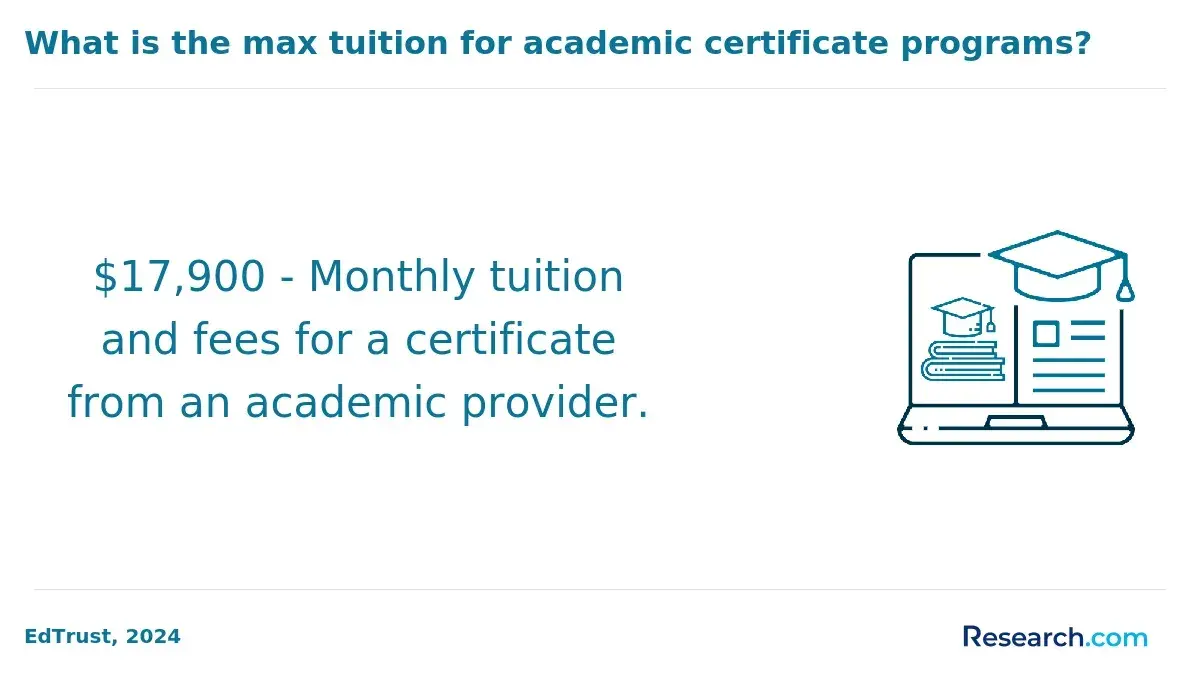
- Cost Ranges: A Nursing Education master's degree typically entails a higher financial investment than a graduate certificate. For public institutions, in-state master's programs usually cost between $20,000 and $40,000, while out-of-state options climb to $40,000-$70,000. Private universities often charge $50,000 to upwards of $90,000. Graduate certificates, however, present a more affordable alternative, with public in-state prices generally from $5,000 to $15,000, public out-of-state ranging from $10,000 to $20,000, and private certificates costing between $15,000 and $25,000.
- Cost Drivers: The master's degree commands a premium mainly because of its longer duration and the higher number of required credit hours. Added factors include more extensive coursework, such as thesis requirements or clinical practicums, along with increased institutional overhead expenses. These elements contribute to the comprehensive experience and justify the greater cost.
- Financial Aid: Master's students often have access to a wider range of financial support options, including graduate assistantships, fellowships, and employer tuition reimbursement programs. These benefits can significantly reduce overall expenses but require students to apply and verify eligibility. Conversely, certificates offer more limited financial aid due to their shorter, more focused nature.
- Hidden Costs: Beyond tuition, pursuing a master's degree may involve indirect expenses like lost income from extended full-time study and postponed career advancement opportunities. Certificates typically allow quicker workforce reentry, minimizing these opportunity costs but possibly resulting in a narrower impact on long-term earnings or career growth.
- Return on Investment: Evaluating the true value of either credential means considering net costs rather than simply sticker prices. Tools available online help prospective students weigh financial outlays against expected salary improvements and career goals, supporting smarter, data-driven decisions.
A nursing educator who completed her master's degree reflected on the journey: "Balancing school with work was tough, especially managing clinical hours alongside assignments. The financial aid I secured helped, but the biggest challenge was sacrificing income during those two years. Still, the deeper knowledge and connections I gained were invaluable."
"It's a significant commitment, but it opened doors I hadn't anticipated." This experience highlights the realities behind the numbers and the personal dedication required to succeed.
How Does Earning a Nursing Education Master's Degree Affect Salary Compared to a Nursing Education Graduate Certificate?
Salary impacts in nursing education often vary depending on whether an individual holds a master’s degree or a graduate certificate. While both credentials can improve earning potential, master’s degrees are more frequently linked to higher long-term salary trajectories.
- Salary Premium: Median earnings for nursing education professionals with a master's degree consistently surpass those holding only a graduate certificate, according to data from the Bureau of Labor Statistics and Georgetown University. This wage advantage reflects not only the credential but also the deeper expertise that master's-level training imparts.
- Industry Variation: The financial benefit of a master's degree is especially prominent in large hospital systems, academic institutions, and government healthcare agencies, where advanced degrees often correlate with leadership or administrative roles. Smaller clinics and nonprofit organizations tend to show less distinction in pay related to educational level.
- Employer Type: Academic medical centers and research hospitals generally offer larger salary increments for a master's credential compared to private practices or continuing education providers. Master's graduates commonly qualify for supervisory posts and curriculum design roles, which command higher compensation.
- Career Tracks: Roles such as nurse educator and clinical nurse specialist demonstrate a stronger income premium with a master's degree, while specialized graduate certificate holders, especially in fields like informatics or simulation training, may earn competitive salaries by leveraging technical expertise.
- Return on Investment: Graduate certificates typically require less than a year to complete and involve lower upfront costs, enabling quicker salary improvements for targeted skill upgrades. However, over time, master's degree holders often enjoy greater cumulative earnings and increased access to senior or policy-influencing positions.
- Career Advancement: Advancement into roles involving educational leadership or health policy is more accessible with a master's degree. Graduate certificates support modest pay increases but rarely substitute for the credential needed for such positions.
As of 2024, professionals with master's-level nursing education credentials report approximately 15% higher median salaries compared to those with certificates, highlighting the enduring value of advanced academic qualifications within the workforce.
Which Nursing Education Career Paths Favor a Master's Degree Over a Graduate Certificate?
Several nursing education career tracks strongly favor a master's degree over a graduate certificate due to the depth of knowledge, leadership training, and research skills embedded in full degree programs.
Employers and licensure boards often require or highly prefer master's-level credentials for positions demanding advanced clinical expertise, theoretical grounding, and abilities in curriculum development.
- Leadership Roles: Positions like director of nursing education or academic program coordinator usually require a master's degree. These roles involve curriculum design, faculty supervision, and policy formulation, areas where comprehensive academic preparation is essential.
- Licensed Professions: Many state boards mandate a master's degree for nurse educators seeking licensure or certification beyond basic credentials, especially when clinical responsibilities or advanced teaching licenses are involved.
- Research-Intensive Positions: Roles focused on nursing education research, such as clinical outcomes assessment and pedagogical innovation, prioritize candidates with master's degrees due to their strong methodology and critical analysis training.
- Promotion and Specialization: Numerous healthcare institutions use the master's degree as a formal requirement for advancement or entry into specialized nursing education tracks, making the degree structurally necessary rather than merely preferable.
Data from the Bureau of Labor Statistics in 2024 reveals that over 60% of nurse educators in higher education hold at least a master's degree, underscoring its importance in qualifying candidates for advanced roles.
For aspiring nurse educators targeting leadership, licensure, or research paths, pursuing a master's degree significantly enhances career prospects and professional growth.
Which Nursing Education Career Paths Favor a Graduate Certificate Over a Master's Degree?
Certain nursing education career opportunities for graduate certificate holders outperform master's degrees when employers emphasize practical, applied skills over broader academic credentials.
Job posting data from sources such as Lightcast and LinkedIn Workforce Insights indicate roles in nursing education where graduate certificates are treated as equally valid or even preferred by hiring managers, particularly in positions demanding precise technical expertise or rapid workforce adaptation.
- Technical Specialization: Roles focused on clinical simulation, curriculum design, or health informatics solutions value certificates showcasing targeted skills rather than extensive theoretical knowledge.
- Rapid Workforce Adaptation: Professionals aiming for a quick, affordable credential upgrade, especially those with prior bachelor's or master's degrees, benefit from certificates to fill immediate competency gaps without enrolling in time-intensive master's programs.
- Employer Preferences: Healthcare institutions and educational organizations often prioritize certification for nurse trainers and clinical educators who demonstrate practical mastery that aligns with job requirements.
- Mid-Career Advancement: Nurses seeking to enhance specific competencies in areas like measurement and evaluation often find graduate certificates better tailored to incremental career growth trajectories.
- Career Changers: Those transitioning from related healthcare or education fields use certificates as a fast track to meet credential requirements before considering a master's degree.
Nursing education graduate certificates provide a strategic advantage by delivering targeted expertise suited for roles where applied skills and shorter completion times meet employer demands.
Working professionals exploring the best nursing education roles suited for graduate certificate vs master's degree often find the certificate path maximizes return on investment. Additionally, for those curious about compensation in related healthcare fields, understanding how much do drug reps make can offer valuable insight into career prospects and salary impact.
Is a Nursing Education Graduate Certificate Stackable Toward a Master's Degree?
Many accredited universities offer stackable credentials, allowing graduate certificate coursework to be applied toward a master's degree in the same or a related nursing education field. This pathway lets students begin with a focused certificate and later build their credentials if they pursue a full master's degree.
The concept of a nursing education graduate certificate stackable with master's degree programs is increasingly relevant for those seeking flexible academic progress.
- Institutional Policy: Stackability depends on each institution's specific rules. Some schools allow credits from nursing education graduate certificates to transfer into their master's programs, while others maintain separate tracks without credit overlap.
- Grade Thresholds: Programs often require a minimum grade for certificate coursework to count toward a master's degree; lower grades may disqualify transfer credits.
- Time Limits: Transferability usually requires completing the master's degree within a certain timeframe, often five to seven years after finishing the certificate.
- Program Matching: Stackability typically applies only when both credentials are from the same institution or have formal transfer agreements; credits from unrelated schools or unaligned programs are generally excluded.
- Risk Mitigation: Pursuing a graduate certificate initially can be a practical, lower-risk option for students uncertain about committing fully to a master's degree, letting them gauge the academic environment and financial investment before advancing.
- Verification: Prospective students should always confirm stacking policies with their program's graduate admissions office, as rules vary widely and may not be publicly posted.
For those exploring entry points into healthcare education, options like easy admission LPN programs offer accessible pathways before considering advanced credentials. Understanding how to transfer nursing education certificate credits to a master's program can significantly affect your academic planning and career trajectory.
How Do Employers in the Nursing Education Field Perceive a Master's Degree Versus a Graduate Certificate?
Employers in nursing education exhibit varying preferences between candidates holding a master's degree and those with a graduate certificate, shaped largely by industry demands and specific job roles.
Data from surveys such as the NACE Job Outlook Report and LinkedIn Talent Insights indicate that highly regulated environments, especially academic and healthcare sectors, predominantly favor master's degrees as the definitive credential. These environments regard the master's degree as a marker of comprehensive knowledge and preparedness for leadership or instructional responsibilities.
Conversely, sectors with more flexible credential standards may value graduate certificates, particularly when these certificates demonstrate targeted expertise that matches immediate skill needs. This approach aligns with organizations prioritizing practical skills enhancement rather than broad academic preparation.
Positions involving teaching or management typically demand a master's degree, while certificates are more appropriate for specialized roles focusing on skill refinement or continuing education. Credentials from accredited and well-known programs carry significant influence; a certificate from a prestigious institution can outweigh a master's from a less established university.
Employer evaluations often center on how well a candidate's qualifications mesh with organizational goals and job requirements, emphasizing contextual fit beyond the credential's title.
Can a Nursing Education Graduate Certificate Help Someone Transition Into the Field From a Different Background?
For professionals transitioning from unrelated fields, a nursing education graduate certificate offers a streamlined, cost-effective alternative to a full master's degree, enabling rapid acquisition of core competencies essential for entry into the field.
- Accelerated Pathways: Certificate programs are intentionally crafted for career-changers, featuring condensed timelines that reduce completion time compared to master's degrees.
- Stackable Credentials: Many certificates allow accumulation of credits transferable toward advanced degrees, providing flexibility to continue education without starting anew.
- Applied Learning: Curricula emphasize practical projects and portfolio-building, equipping students with demonstrable skills that appeal to employers despite limited prior experience.
- Cost Efficiency: Graduate certificates typically demand less financial investment, helping reduce student debt while still granting professional credibility.
- Limitations: Though valuable for entry and mid-level roles, certificates lack the comprehensive depth and formal recognition that senior or specialized nursing education positions require.
- Supplemental Experience: Pairing the certificate with volunteer teaching, curriculum design, or other applied engagements enhances employability and signals tangible expertise to hiring managers.
While a nursing education graduate certificate serves as an essential stepping stone for many career-changers, those targeting advanced roles should consider progressing to a full master's degree to meet higher credentialing standards and broaden career prospects.
What Graduates Say About Which Is Better: A Nursing Education Master's Degree or a Nursing Education Graduate Certificate
- Judy: "When deciding between a nursing education master's degree and a graduate certificate, cost was a major factor for me. The certificate was significantly more affordable, making it an attractive option at first. However, I quickly realized the master's degree opened more doors with employers and had a noticeably stronger impact on my salary, so ultimately, the extra investment paid off."
- Jessica: "I had to weigh time-to-completion against career goals carefully. The nursing education certificate was much quicker, something I valued since I was eager to advance my teaching skills without a long hiatus. That said, I found the master's program better suited for long-term career utility. Its depth and recognition by academic leaders are unmatched, which I really appreciate after graduation."
- Cameron: "Reflecting on admission requirements, I found the certificate program much more accessible since it didn't require as many prerequisites. This was a relief as I was making a career shift. Still, the master's degree carried more weight with employers and gave me a broader scope for leadership roles in nursing education, something that became clear the further I advanced professionally."
Other Things You Should Know About Nursing Education Degrees
Both online nursing education master's programs and graduate certificates can offer high-quality instruction, but master's programs generally provide a more comprehensive curriculum and in-depth clinical or educational experience. While graduate certificates are often valued for their focused, skill-specific training, employers and academic institutions typically recognize a master's degree as a more substantial credential that opens broader career opportunities.
Holding a nursing education master's degree generally improves prospects for admission to doctoral programs or advanced certifications, as it demonstrates a deeper foundation of knowledge and research experience. Graduate certificates, while valuable for skill enhancement, usually do not fulfill prerequisite coursework or research requirements for most doctoral programs.
The nursing education master's degree is best suited for individuals seeking leadership roles in academic nursing, curriculum development, or policy, and for those aiming at long-term career advancement. Conversely, graduate certificates are ideal for practicing nurses or professionals looking for a targeted skill upgrade or a quicker credential to enhance teaching capabilities without committing to a full degree program.
References
- Graduate Certificate in Nursing Areas https://www.graduatecertificate.org/nursing/
- Master of Science in Nursing Education https://www.niagara.edu/programs/ms-ed-nursing-education/
- An MSN Degree Can Boost Your Knowledge and Earnings https://www.allnursingschools.com/msn/salary/
- Master's Education https://www.aacnnursing.org/students/nursing-education-pathways/masters-education
- Certification vs Degree: Which Advanced Nursing Route is Right For You? https://online.norwich.edu/online/about/resource-library/certification-vs-degree-which-advanced-nursing-route-right-you
- Post Master’s Certificate - Nursing Education (Nurse Educator) https://www.herzing.edu/nursing/post-masters-certificate-ne