2027 Is Demand for Animal Science Degree Graduates Growing or Declining?

Co-Founder and Chief Data Scientist
Many students face uncertainty about the future job market when considering an animal science degree. Despite growing awareness of sustainable agriculture and animal welfare, questions remain about whether graduates will find relevant employment. According to the U. S. Bureau of Labor Statistics, employment in agriculture and food science occupations is projected to grow 4% from 2022 to 2032, reflecting moderate demand. This article examines current labor market trends and industry needs, providing a clear outlook to help prospective students and professionals make informed decisions regarding the value and career potential of an animal science degree.
Key Things to Know About the Demand for Animal Science Degree Graduates
- Employment for animal science degree graduates is stable, with jobs concentrated in agriculture, research, and wildlife management sectors.
- The U.S. Bureau of Labor Statistics projects about 5% job growth for related animal care occupations through 2031, reflecting steady demand.
- Specializing in biotechnology or veterinary technology enhances career prospects due to advancing industry technologies and increasing focus on animal health.
What Factors Are Driving Demand for Animal Science Degree Professionals?
Recognizing the forces shaping workforce demand helps students evaluate the long-term value and stability of an animal science degree. These factors highlight evolving career opportunities and hiring trends. Below are key drivers impacting demand:
- Industry Growth: Increasing global food demands and the emphasis on sustainable livestock practices drive the need for professionals who enhance productivity and ensure animal welfare. This growth contributes to a consistent rise in job openings within agriculture and food production sectors.
- Technological Advancement: Innovations like genetic testing, precision farming, and biotechnology require skilled specialists to apply and manage these tools effectively, broadening the scope of roles available to animal science graduates.
- Regulatory Changes: Stricter animal welfare laws and environmental policies create a need for experts who ensure compliance and implement sustainable practices, directly influencing employment prospects in this field.
- Demographic Shifts: Urbanization and shifting consumer preferences toward ethically sourced and healthy animal products foster markets that value animal science expertise, expanding career pathways.
- Evolving Employer Skills: Employers increasingly demand graduates who combine traditional animal husbandry skills with data analysis and strong communication abilities, reflecting the impact of modern interdisciplinary approaches and accreditation standards for animal science degree programs in the US that emphasize comprehensive training.
Such trends underscore the importance of program quality, as the impact of program accreditation on animal science graduate employability remains significant for job competitiveness. For those balancing education and career, exploring options like rn to bsn no clinicals programs illustrates how flexible pathways support professional advancement alongside rigorous training.
Which Animal Science Occupations Are Seeing the Highest Growth Rates?
Growth rates offer valuable insight for students evaluating animal science career growth by occupation, indicating which fields are expanding and likely to offer stability. Employment in related sectors is projected to grow approximately 8% from 2022 to 2032, outpacing the average for all occupations. This trend highlights strong demand for expertise in specific roles, which are detailed below.
- Animal Caretakers: With a 16% projected growth rate, this role benefits from rising pet ownership and increased awareness of animal welfare. Typically, a high school diploma or certificate is sufficient for entry.
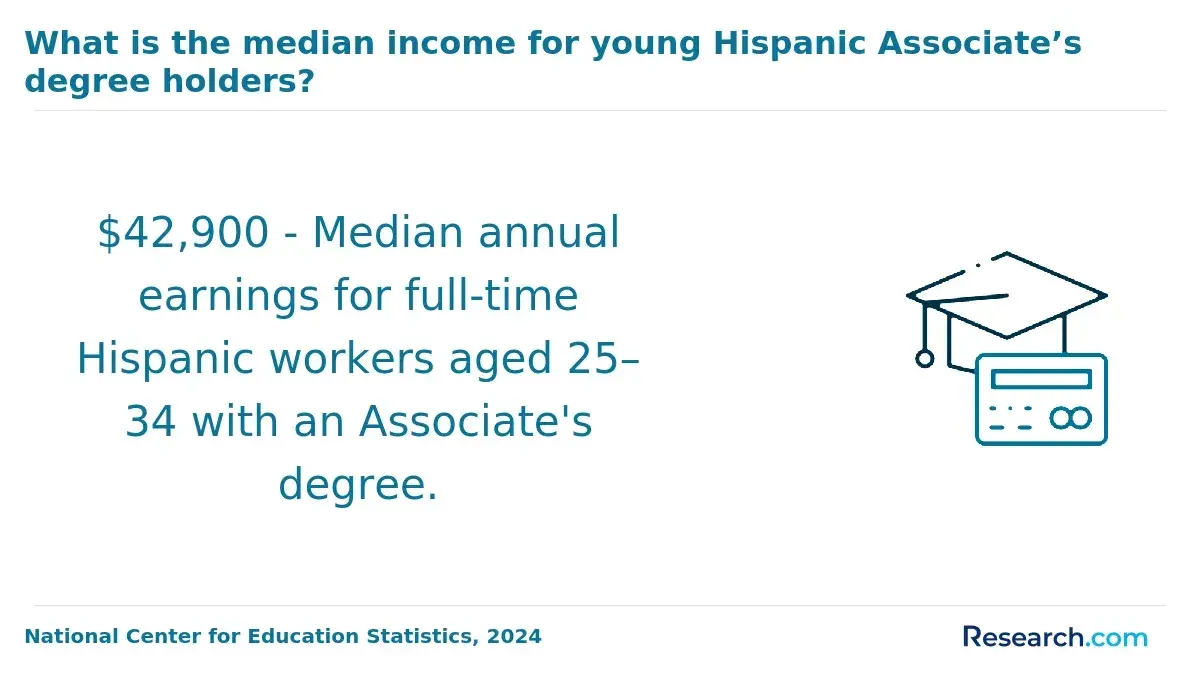
- Veterinary Technologists and Technicians: Expected to grow by 19%, this occupation is driven by the adoption of advanced veterinary technologies, requiring an associate degree.
- Animal Scientists: These professionals are projected to experience 6% growth, supported by innovations in livestock genetics and sustainable farming practices. A bachelor's degree or higher is generally required.
- Zoologists and Wildlife Biologists: With an 8% growth rate tied to expanding conservation efforts, these positions usually require a bachelor's degree.
Prospective students interested in expanding their career options may also explore complementary fields such as medical billing and coding through available resources on medical billing and coding online schools. These options can enhance versatility in the job market alongside traditional animal science roles.
Understanding the top growing animal science jobs in the US can help students and professionals make informed decisions aligning education with job market opportunities.
Which Industries Hire the Most Animal Science Degree Graduates?
Knowing which industries employ the most animal science graduates helps students focus their job search and evaluate long-term career prospects. Below are key sectors that commonly recruit graduates with this expertise.
- Agriculture and Livestock Production: Graduates often fill roles such as animal nutritionists, breeding coordinators, or farm supervisors. This sector's growth is propelled by the need to enhance animal health and productivity while satisfying rising food demand.
- Biotechnology and Pharmaceuticals: Many graduates work in research and development, contributing to the creation of vaccines, drugs, and animal health solutions. Their background in genetics and physiology is critical for advancing innovations in this industry.
- Veterinary Services: Positions like veterinary technicians and laboratory support staff are common here. The steady demand reflects the ongoing importance of animal healthcare in clinical and hospital settings.
- Government and Regulatory Bodies: These roles focus on animal disease prevention, health monitoring, and enforcing compliance with safety regulations. Graduates apply their knowledge to safeguarding public and environmental health related to animal populations.
- Feed and Nutrition Industry: Developing and testing animal feeds requires expertise in nutrition science and metabolism. This field links academic studies to practical efforts that improve animal welfare and production efficiency.
Breakdown of Private Fully Online Nonprofit Schools

Job prospects for animal science graduates differ widely across the United States due to regional factors that influence job availability, market competitiveness, and career advancement opportunities. These geographic variations stem from elements like industry presence, urbanization, and local economic conditions.
- High-Demand States: States such as Texas, California, Iowa, Nebraska, and Wisconsin lead in animal science job openings thanks to their substantial livestock, dairy, and equine industries. These areas sustain large-scale agricultural operations that require skilled professionals in animal health, nutrition, and breeding management.
- Regional Industry Concentration: The Midwest and Southern regions show strong growth projections for animal science roles, benefiting from hardy agricultural activity. Job types often reflect these local economies, with farm-centric roles dominating more rural settings.
- Urban vs. Rural Roles: Urban centers frequently provide employment in research institutions, biotechnology companies, and regulatory bodies. Conversely, rural locations emphasize hands-on farm work, veterinary care, and animal husbandry, offering different career experiences and salary ranges.
- Cost of Living Impact: Variations in housing and living expenses influence graduates' decisions on where to seek jobs. In higher cost states or metros, salary expectations may need adjustment, affecting overall compensation negotiations and job selection.
- Remote and Hybrid Opportunities: Although some scientific research positions in animal science are adapting to flexible work environments, many roles still require physical presence due to the nature of animal care and farm management, limiting widespread remote work availability.
The level of education, such as bachelor's, master's, or doctorate degrees, greatly affects job prospects, career advancement, and competitiveness within animal science fields. Different degrees provide varying access to roles and industry sectors. Below is a comparison of common animal science degree levels and their career implications.
- Associate Degree: Typically prepares graduates for technician or assistant positions in laboratories, farms, or veterinary clinics. This qualification allows quick workforce entry but usually limits upward mobility in animal science careers.
- Bachelor's Degree: Serves as the standard credential for many animal science jobs, including animal health technicians, research assistants, and lab managers. It offers a solid foundation with moderate competition in the job market, reflecting how degree level impacts employability in animal science careers.
- Master's Degree: Provides opportunities for more specialized roles such as supervisory positions, research, or government and industry-related jobs. This advanced degree enhances employability and often correlates with higher salaries compared to bachelor's holders.
- Doctorate Degree: Geared toward academic roles, high-level research, and leadership within large organizations. It delivers the strongest professional competitiveness and job security, especially relevant to those considering animal science degree levels and job opportunities in the United States.
Employment for animal scientists holding a master's degree or above is expected to grow 8% between 2020 and 2030, outpacing average occupational growth. For students exploring educational pathways, resources like the easiest nursing schools to get into illustrate how degree selection can impact one's future, a principle equally applicable when evaluating animal science degrees.
Recognizing the skills most valued by employers is vital for securing a role and progressing in animal science careers. These competencies equip graduates to meet industry demands and innovate within their fields. Below are key abilities that enhance a graduate's professional appeal:
- Technical Expertise: Mastery of core topics such as genetics, nutrition, and disease control enables graduates to support sustainable and efficient farming operations.
- Analytical Ability: Proficiency in evaluating research data and operating scientific software drives evidence-based improvements in animal production and welfare.
- Effective Communication: Conveying complex information clearly is essential for working with diverse groups, including farmers, veterinarians, and scientists, ensuring smooth collaboration.
- Innovative Problem-Solving: Identifying issues within livestock systems and generating practical, research-backed solutions is highly regarded by employers seeking proactive team members.
- Flexibility and Growth Mindset: Embracing new technologies and adapting to evolving practices promotes sustained career success in this rapidly changing sector.
When I spoke with a recent graduate from an animal science program about the skills employers emphasize, he described how adapting to unexpected challenges made a significant difference early in his career. "Working on a project to improve herd health, I had to learn new diagnostic software quickly," he recalled. "At first, it was overwhelming, but mastering that tool helped me provide better insights to the team."
He also mentioned that effective communication was key to gaining trust and coordinating efforts across departments, which often meant translating technical jargon into understandable terms. "Employers want someone who can think critically while staying open to new ideas," he added, reflecting the importance of combining knowledge with adaptability in the field.
Fluctuations in job demand strongly influence starting salaries, wage growth, and long-term earning potential for animal science graduates by changing the balance between employer needs and available qualified candidates. According to the U.S. Bureau of Labor Statistics, salary growth for agricultural and food science occupations, including animal science professionals, is projected at about 5% from 2022 to 2032, reflecting moderate demand. This dynamic affects compensation in several important ways.
- Starting Salaries: When demand rises, employers offer higher entry-level pay to attract top talent swiftly, making initial salary offers more competitive.
- Wage Growth: Sustained demand supports faster salary increases as graduates gain experience and specialized skills, rewarding career development.
- Long-term Earnings: In fields with strong demand, animal science graduates often find better career advancement opportunities, which leads to higher lifetime earnings.
- Market Competition: An oversupply of graduates relative to job openings typically suppresses wages and slows progression, as employers face less pressure to increase salaries.
Higher demand means employers compete by boosting wages to secure the best candidates, while lower demand results in wage stagnation or decline. Understanding how these market forces shape employment prospects is crucial for those considering a career in animal science.
Rapid advancements in artificial intelligence are redefining workforce needs within animal science, with the U.S. Bureau of Labor Statistics projecting an 8% job growth in AI-driven agriculture roles over the next decade. This evolution is impacting how professionals are hired and the skills they must possess. The main effects of AI on employment in animal science include:
- Automation of Routine Tasks: AI streamlines data collection and monitoring through sensors and imaging, reducing the need for manual labor but increasing demand for workers who can manage these technologies efficiently.
- New Specialized Roles: Positions such as AI system coordinators and animal health data analysts have emerged, requiring expertise in both animal science and advanced technology.
- Shifts in Skill Requirements: Employers now seek candidates with programming abilities, data analysis skills, and knowledge that blends biology with digital tools to optimize animal welfare and productivity.
- Industry Hiring Trends: The focus is increasingly on versatile professionals who integrate AI innovations with traditional animal science caregiving, leading to greater job stability and career growth.
When I spoke with a recent graduate of an animal science degree program, she shared how adapting to AI has been both challenging and rewarding. "Learning the technical side wasn't easy at first," she explained, "especially balancing biological knowledge with coding and data interpretation."
However, she emphasized that gaining these digital skills opened doors to roles she hadn't anticipated and made her feel more confident about long-term prospects. She noted, "Understanding AI tools allowed me to contribute in ways beyond standard animal care, making my work feel more impactful." This blend of education and adaptability, she said, is key to thriving in today's animal science landscape.
Long-term career stability is a critical consideration for students and professionals evaluating animal science career paths, as it impacts their future job security and growth potential. Several key factors influence this stability, shaping how well an animal science degree supports enduring employment prospects.
- Long-Term Employment Trends: The job market for animal science graduates in North America shows consistent growth due to expanding agricultural, food production, and biotechnology industries. These sectors continually need expertise to improve livestock health, productivity, and sustainability, making this field a promising choice for long-term career prospects for animal science graduates.
- Industry Reliance: Animal scientists play vital roles in research, veterinary support, nutrition, and environmental management. Their broad applicability strengthens job stability by making these roles less vulnerable to economic fluctuations compared to narrower careers.
- Adaptability to Change: Incorporating advanced biotechnology, data analytics, and sustainable farming requires animal science professionals to continuously learn and adapt. This ability to evolve with technological and economic shifts supports ongoing relevance and job security within the field.
- Career Advancement and Reskilling: Many positions offer pathways into specialized research, management, or regulatory roles, supported by continuing education. Such opportunities for reskilling and progression provide a durable foundation for those pursuing long-term careers in animal science.
Those considering different educational routes related to animal science might also explore options like cheap online fnp programs for additional healthcare career paths.
The demand for animal science degree graduates remains generally stable, with modest growth projected in specialized sectors such as veterinary services, livestock management, and animal nutrition. Labor market data anticipates employment for agricultural and biological scientists to grow about as fast as the average for all occupations over the coming decade.
This steady growth suggests reliable opportunities, though competition may vary by region and field. Prospective students evaluating the animal science degree job outlook in the US should consider these trends carefully alongside their personal career objectives.
Job prospects improve significantly with advanced degrees and specialized skills aligned to industry needs, such as biotechnology, sustainable agriculture, and animal welfare standards. Graduates with bachelor's degrees may access entry-level roles in food safety, research support, or farm management, while those with master's or doctoral qualifications often qualify for research or academic positions.
The degree's value as a long-term investment depends on skill development and targeted job searches, especially as the animal science field overlaps with sectors like pharmaceuticals and environmental conservation. For those interested in further education, exploring options such as the cheapest dnp online program may provide additional career pathways.
What Graduates Say About the Demand for Their Animal Science Degree
- Truce: "Pursuing an animal science degree was one of the best decisions I've ever made. It provided me with both the theoretical foundation and practical skills needed to excel in veterinary research. The return on investment is clear in my career advancement and job satisfaction."
- Jorge: "Choosing an animal science degree wasn't just about a passion for animals; it was a strategic move for my career growth. The degree equipped me with knowledge and credentials that opened doors in agricultural consulting. Reflecting back, the experience was invaluable for my professional development."
- Luca: "My animal science degree has been instrumental in shaping my career as a livestock nutritionist. The comprehensive curriculum and hands-on opportunities gave me confidence and credibility in the field. I value the degree not just for what I learned, but for how it transformed my perspective and professional path."
Other Things You Should Know About Animal Science Degrees
The U.S. Department of Agriculture’s Food Safety and Inspection Service oversees meat and poultry inspection, while the Animal and Plant Health Inspection Service handles animal health and disease control. Many federal animal science roles require a bachelor’s degree, background checks, and compliance with agency-specific hiring rules.
Yes, certifications such as the Certified Animal Scientist (CAS) or veterinary technician credentials can improve employment opportunities. Specialized certifications often depend on the career focus, like livestock management or animal welfare, and demonstrate professional commitment and expertise. These credentials can set candidates apart in a competitive job market.
Industry regulations related to animal welfare, food safety, and environmental standards can influence job demand in animal science. Increased regulatory oversight often leads to a heightened need for qualified professionals to ensure compliance. Graduates knowledgeable about current laws and best practices are frequently in higher demand by employers.
- Top 10 High-Paying Animal Care Jobs to Start in 2026 – The Animal Care https://theanimalcare.org/top-10-high-paying-animal-care-jobs-to-start-in-2026/
- Animal science — GrowNextGen https://grownextgen.org/careers/animal-science
- Inflation continues to dampen gains in veterinarian salaries, fewer new grads entering full-time employment | American Veterinary Medical Association https://www.avma.org/news/inflation-continues-dampen-gains-veterinarian-salaries-fewer-new-grads-entering-full-time
- Jobs Working with Animals: Career Growth for Professionals https://www.mackinnon-bruce.com/insights-hub/blog/jobs-working-with-animals--career-growth-for-professionals/
- Artificial Intelligence and the Wellbeing of Animals with Dr. Sonja Olson & Dr. Liz Barton | VETgirl Veterinary Continuing Education Blog https://vetgirlontherun.com/artificial-intelligence-and-the-wellbeing-of-animals-with-dr-sonja-olson-dr-liz-barton-vetgirl-veterinary-continuing-education-blog/
- Graduates in Animal Health – Know your Worth - The Aicila Group https://aicila.com/graduates-in-animal-health-know-your-worth/
- AI's Impact on Veterinary Medicine & Professional Well-being https://digitail.com/blog/ais-impact-on-veterinary-medicine-and-professional-well-being/
- 7 Best Tips for Landing an Animal Science Job in 2023 https://continentalsearch.com/7-best-tips-for-landing-an-animal-science-job-in-2023/
- 15 Best States for Animal Scientists https://www.insidermonkey.com/blog/15-best-states-for-animal-scientists-566477/
- From Narrow AI to Super Intelligence: Shaping the Future of Animal Health https://theanimalecho.woah.org/en/from-narrow-ai-to-super-intelligence-shaping-the-future-of-animal-health/