2027 Is a 2-Year Animal Science Degree Worth It: Accelerated Bachelor's ROI & Time Trade-Offs

Co-Founder and Chief Data Scientist
Many prospective students face uncertainty when weighing a 2-year animal science degree against committing to a full bachelor's program. According to the National Center for Education Statistics, accelerated degree programs show a 15% higher completion rate within four years compared to traditional tracks.
Yet, questions remain about how this shorter timeframe impacts earnings and career advancement. This article analyzes the financial return on investment and time trade-offs associated with accelerated animal science degrees. It offers data-driven insights to help students determine if this pathway aligns with their professional ambitions and financial expectations.
Key Benefits of a 2-Year Animal Science Degree
- Accelerated 2-year animal science degrees reduce time to workforce entry by up to 50%, enabling faster income generation and career progression.
- Lower tuition costs improve ROI compared to traditional 4-year programs, with graduates often earning competitive salaries in agriculture and research fields.
- Focused curriculum emphasizes practical skills and internships, enhancing job readiness and increasing employment rates shortly after graduation.
How Do 2-Year Animal Science Programs Work?
Two-year animal science programs offer an accelerated pathway for students aiming to quickly build foundational knowledge or transition to a bachelor's degree. Understanding the structure of these programs is crucial for prospective students who want to align their time commitment with career goals.
Below is a breakdown of how accelerated animal science degree curriculum programs typically function.
- Accelerated pacing: These programs condense material into shorter terms, requiring students to handle heavier credit loads-often 15 to 18 credits per term compared to traditional 12-15 credits. This faster pace demands greater focus and time management.
- Year-round enrollment: Many programs allow enrollment throughout the year, including summer and winter sessions, enabling students to take continuous courses without long breaks and complete requirements sooner.
- Condensed course terms: Classes cover the same material as four-year programs but in compressed time frames, leading to more intensive study periods and frequent assessments.
- Credit load expectations: Students are expected to manage heavier credits per term to keep up with accelerated schedules, which can be challenging but efficient for motivated learners.
- Instructional format: A blend of in-person labs and online lectures accommodates different learning styles, while hands-on experiences with animal handling, nutrition, and genetics are essential components.
- Assessment methods: Frequent quizzes, midterms, final exams, and practical evaluations ensure students maintain mastery in a shorter timeframe.
- Curriculum progression: Courses start with general biology and chemistry, advancing to specialized animal science topics. Maintaining academic discipline is critical in an accelerated format.
These programs provide a streamlined education model aligned with workforce demand. According to the Bureau of Labor Statistics, employment in animal science-related roles is expected to grow 4% to 7% over the next decade, and median wages for graduates average around $65,000.
For those exploring efficient degree completion options, knowledge of accelerated pathways and alternatives such as programs optimized for working adults, like RN to BSN without clinicals, can be valuable in planning their educational journey.
What Are the Admission Requirements for a 2-Year Animal Science Degree?
Knowing the admission requirements for a 2-year animal science degree program helps prospective students plan their academic path effectively, especially those aiming to pursue an accelerated bachelor's in animal science. Meeting these criteria can enhance the chances of acceptance and smooth progression through degree programs.
The following points outline key aspects typically considered during admission.
- Prior Education: A high school diploma or GED equivalent is generally required. Meeting this baseline is essential for enrolling in most associate degree programs in animal science.
- GPA Expectations: Programs often seek a minimum cumulative GPA, usually around 2.0 to 2.5 on a 4.0 scale. Some schools may have higher standards depending on program competitiveness and resources.
- Standardized Tests: While less common for community college-based animal science associate degree admission, SAT or ACT scores can sometimes influence decisions at certain institutions.
- Prerequisite Coursework: Foundational classes in biology, chemistry, and mathematics are frequently required. Certain programs also expect prior knowledge or coursework in agricultural science to prepare students for technical topics.
- Experience: Work or volunteer experience with animals or in agricultural settings is rarely mandatory but can strengthen an application and showcase relevant skills.
Students interested in combining their animal science studies with advanced nursing options may also explore BSN to DNP programs as alternative accelerated pathways.
What Does a Typical Week Look Like in a 2-Year Animal Science Program?
Knowing the weekly demands of an accelerated animal science program helps prospective students gauge whether they can manage the intensive schedule alongside personal commitments. This insight is crucial for making an informed decision about pursuing the degree.
Below is an overview of what a typical week entails in such a fast-paced program.
- Class Sessions or Lectures: Students attend daily lectures covering key topics like animal physiology, nutrition, genetics, and husbandry, with each session varying in length depending on the subject complexity.
- Assignments and Assessments: Frequent quizzes, field reports, and project deadlines are designed to reinforce learning and test practical comprehension, making regular study essential.
- Group Work: Collaboration through group projects and study sessions is common, helping students develop teamwork and communication skills necessary for real-world scenarios.
- Independent Study Time: Outside of class, students dedicate several hours weekly to reading, research, and exam prep, which is vital for mastering course material in a condensed timeframe.
- Instructor Interaction: Access to professors often occurs via scheduled office hours or online forums, providing opportunities for personalized guidance and clarifying complex topics.
- Time Management Expectations: The accelerated pace demands strong organizational skills as students balance practical labs, coursework, and personal life effectively to avoid burnout.
I spoke with a professional who completed his bachelor's degree in animal science within two years to understand his experience. He described the journey as "both thrilling and overwhelming," highlighting how the rapid pace meant "there was no room for procrastination." He recalled late nights spent synthesizing lecture notes and preparing for back-to-back assessments while trying to maintain some semblance of personal time.
Despite the intensity, he emphasized that "staying organized and seeking help during office hours were game changers," enabling him to absorb the material deeply and succeed. His reflection underscores the realities behind the structured weeks and the resilience required to finish the program on time.
Delivery format plays a crucial role for students pursuing an accelerated animal science degree, affecting flexibility, accessibility, and how they manage their time. Choosing the right format can influence the balance between convenience and hands-on experience essential for this field.
Below is an overview of key aspects related to online 2-year animal science programs.
- Fully online vs. hybrid formats: Some programs are entirely online, while others mix virtual coursework with limited on-campus labs to provide practical skills. This blend allows students to benefit from hands-on experience without compromising flexibility.
- Asynchronous and synchronous learning: Many courses combine self-paced study with live sessions for real-time interaction and discussions, helping maintain engagement and support diverse learning styles.
- Technology requirements: Students need a reliable computer, stable internet connection, and occasionally specialized software for virtual labs or simulations to fully participate in these programs.
- Student support services: Robust academic advising, tutoring, and technical support are often available online to assist students and enhance their chances of success in accelerated timelines.
- Impact on pacing and engagement: Online delivery can speed up completion by allowing self-directed progression, potentially reducing time by up to 25%, though staying motivated can be challenging when hands-on activities are limited.
Evaluating the total cost is crucial for measuring the return on investment (ROI) of an accelerated animal science degree, especially since shorter programs often involve intensified schedules. These costs go beyond tuition and impact the overall financial commitment required to complete a 2-year animal science degree effectively.
Below is a detailed cost breakdown illustrating what prospective students should expect.
- Tuition Structure: Tuition fees for accelerated animal science programs can vary widely, with some schools charging per credit hour and others offering flat rates per term. Understanding how tuition is assessed is vital to estimating total expenses accurately.
- Additional Fees: Besides tuition, students often face fees for registration, technology, and lab access, which add to the total cost. These fees can fluctuate depending on course requirements and institution policies.
- Textbooks and Learning Materials: Specialized textbooks and up-to-date scientific resources are essential in animal science, often creating a significant expense. Access to current research and materials supports academic success but can increase the budget.
- Technology and Lab Costs: Hands-on components in animal science courses may require lab fees or access to specialized equipment, contributing further to the financial investment.
- Accelerated Pacing Impact: Accelerated programs condense traditional study timelines, often leading to higher short-term costs due to more concurrent courses. However, completing a degree faster can reduce overall living expenses and lost earnings, improving long-term ROI.
Students considering an animal science degree alongside other career pathways might also explore fields with shorter certifications, like medical billing and coding certification online, which can offer different financial and time commitments.
Financial aid is a crucial factor for students weighing their options in accelerated animal science degree programs, especially given the condensed timelines involved. Understanding the types of aid available and how program pacing influences eligibility helps students plan both academically and financially.
Below is a breakdown of common financial support options suited for 2-year animal science pathways and how they interact with accelerated formats.
- Federal Student Aid Eligibility: Accredited 2-year animal science programs qualify for Pell Grants and Direct Loans. Accelerated pacing often changes how and when funds are disbursed, requiring students to maintain strict academic progress within shorter periods to keep aid intact.
- Scholarships and Grants: Many institutions offer scholarships specifically for agricultural and animal science fields. These awards typically don't need repayment and can substantially lower tuition burdens, providing a vital source of non-loan funding.
- Employer Tuition Assistance: Workers already employed in related industries frequently have access to tuition reimbursement programs. Such employer support can cover partial or full costs, making it easier to balance work with education.
- Payment Plans: Schools sometimes provide flexible payment options to spread tuition costs over the program's duration. This can be especially helpful for accelerated degrees where rapid enrollment and compressed schedules might strain budget timing.
A professional who completed an accelerated bachelor's in animal science shared her perspective after I asked about her experience with financial aid.
She recalled that navigating the federal aid process with the faster pace was initially overwhelming, as payment schedules differed from traditional programs. However, institutional scholarships made a significant difference by easing financial pressure, and employer tuition reimbursement covered nearly half the cost.
"Balancing accelerated coursework with managing aid deadlines was tough," she said, "but once I understood the system, it became a manageable part of my routine." Her story highlights how strategic use of available aid can successfully support an accelerated animal science education.
Evaluating career outcomes is crucial when considering the value of an accelerated animal science bachelor's degree. Knowing the range of job prospects available with a 2-year animal science degree helps prospective students assess how this education aligns with their professional goals and time investment.
Below is an overview of common career paths and how the program supports early-career development.
- Animal Care Technician: These entry-level roles involve hands-on work with animal health, nutrition, and behavior. Graduates assist in daily husbandry tasks and support veterinary teams, applying foundational skills learned during the degree.
- Livestock Assistant: Working directly on farms or ranches, livestock assistants help manage herd health and productivity. This role benefits from practical knowledge in animal science practices and prepares individuals for supervisory positions.
- Farm Manager's Aide: Supporting farm managers, aides are involved in operational tasks and data collection related to animal welfare and production. The accelerated program's focus on practical skills enhances readiness for these responsibilities.
- Laboratory Animal Caretaker: Graduates may find opportunities in research facilities where they care for laboratory animals and assist with data gathering related to animal studies. Experience gained through the degree supports accuracy and compliance in these settings.
- Veterinary Support Roles: Many roles serve as stepping stones to advanced veterinary careers, including veterinary assistants and technicians. The combination of technical skills and industry knowledge offered by a 2-year animal science associate degree careers program allows for workforce entry while pursuing further education.
Employment growth in animal-related careers remains steady, with opportunities extending to zoos, feed supply companies, and agricultural firms. For students exploring educational options, exploring affordable online nursing programs can provide insights into accelerated degree benefits and planning.
Salary outcomes play a critical role in evaluating the return on investment (ROI) between accelerated and traditional educational paths in animal science. Understanding these differences helps prospective students balance time commitment with financial benefits.
The following points compare earnings and career impacts for graduates with 2-year animal science degrees versus traditional bachelor's degrees.
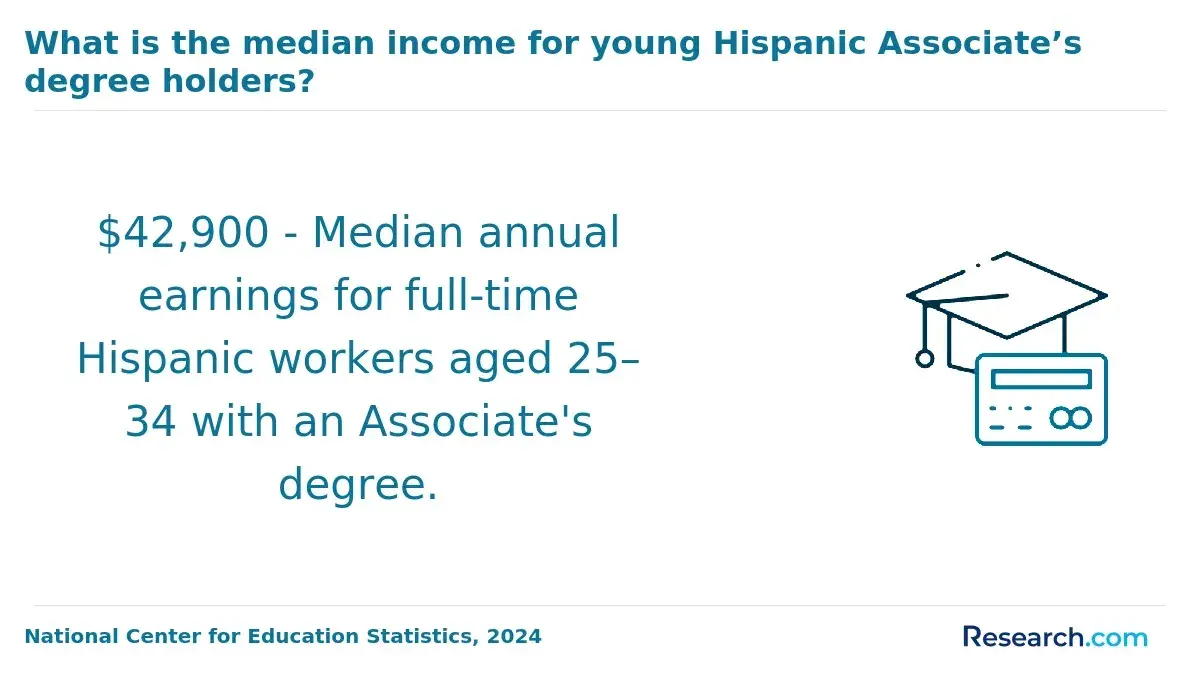
- Early-Career Earnings: Graduates with an associate degree in animal science often start with a median annual wage around $42,000, while bachelor's degree holders typically earn closer to $62,000 early in their careers. This reflects the deeper technical knowledge and theoretical training of four-year programs.
- Long-Term Earning Potential: Over time, the gap widens as bachelor's graduates are more likely to access supervisory or specialized roles. Reports indicate lifetime earnings for bachelor's degree holders exceed those with associate degrees by approximately $700,000, depending on industry and experience.
- Employer Perception: Employers generally view a bachelor's degree as a more versatile qualification, enhancing opportunities for promotion and job security. While associate degrees provide earlier workforce entry, many higher-level roles favor or require a four-year credential.
- Career Progression Timelines: Those pursuing an accelerated animal science degree earnings path benefit from entering the job market up to two years sooner, potentially building experience ahead of bachelor's graduates. This can partly offset initial salary differences through cumulative earnings early on.
- Access to Opportunities: Higher qualifications in fields related to animal science such as agricultural management and veterinary technology often unlock steady employment growth and better salary scales, making bachelor's degrees more advantageous long term.
Prospective students should carefully weigh immediate income with the longer horizon of earning potential when considering these degree options. These factors show why the animal science associate degree salary comparison is essential for informed decision-making about career paths and educational investments.
For those interested in maximizing educational efficiency, exploring programs such as cheap RN to BSN online programs may offer insight into how accelerated credentials can minimize opportunity costs while maintaining career growth potential.
Evaluating the return on investment (ROI) is essential for students considering accelerated animal science degree programs because it balances educational costs against potential career benefits. With a variety of financial and professional factors at play, understanding these elements helps prospective students make informed decisions.
The following points highlight the main aspects that impact ROI.
- Time-to-completion: Accelerated programs typically reduce the standard four-year duration by 25% to 50%, enabling students to enter the workforce sooner. This reduction not only shortens study time but also lessens the financial burden from extended years without full employment income.
- Tuition and total cost: While per-credit tuition might be comparable to traditional degrees, the compressed schedule often lowers overall expenses related to housing and living costs. However, the demanding pace may restrict part-time work options, influencing how much students can offset tuition fees.
- Opportunity cost savings: By finishing faster, students avoid losing wages they might have earned working full-time, improving net financial gains. The shorter study period also minimizes lost time, which is a critical economic consideration in determining true ROI.
- Employment outcomes and salary growth: Animal science graduates generally experience steady job growth and increasing salaries over time. Entry-level salaries start near $60,000, with advancement into specialized, research, or management roles offering higher compensation potential.
- Industry demand: Skills acquired in accelerated animal science programs, such as genetics, nutrition, and biotechnology, are valuable across agriculture, pharmaceuticals, and environmental sectors. High demand for these technical competencies supports stronger career prospects.
- Transferability of skills and credits: Programs allowing credit transfers from prior coursework or community colleges can reduce both duration and cost. Additionally, versatile skills broaden career options, enhancing long-term ROI by increasing employability in diverse fields.
Choosing whether a 2-year animal science degree fits your needs requires reflecting on your personal and academic readiness. Consider if you thrive in a fast-paced learning environment since accelerated programs demand quicker absorption of material and more study hours.
Your current schedule plays a crucial role. Ask yourself whether you need to start working soon or not. Career goals also influence this decision. Some roles may accept an associate degree, while others prefer more advanced qualifications. Assessing these factors helps determine if an expedited program aligns with your urgency and learning style.
Financial and practical elements are equally important when deciding on this degree. Tuition costs tend to be lower than four-year programs, but median salaries with a bachelor's degree are often higher, impacting return on investment.
The job market for animal science shows steady growth, yet many employers favor candidates with bachelor's degrees or higher credentials. Additionally, if you plan to continue your education later, check whether credits from the 2-year program transfer smoothly. Balancing these considerations ensures your choice supports both immediate and future career prospects.
What Graduates Say About Their 2-Year Animal Science Degree
- Krizsha: "Choosing a 2-year accelerated bachelor's degree in animal science was a game-changer for me because I wanted to fast-track my education without compromising quality. The intense schedule was demanding, but I managed by staying highly organized and prioritizing my coursework. Since graduating, the degree has opened doors to roles in sustainable agriculture that I could only dream of before. Plus, the average cost of attendance made it a smart financial decision. "
- Lester: "I decided on a 2-year animal science program because balancing work and studies was crucial for me. The compact curriculum required excellent time management, but the focused classes kept me engaged and motivated. Reflecting on my career now, this degree gave me practical skills and credibility in veterinary support that truly set me apart. Considering the affordable average cost, it was an investment that paid off. "
- Ally: "My choice to pursue a 2-year accelerated animal science degree was driven by a need for efficiency and relevance in today's competitive job market. The rigorous schedule demanded discipline, which I developed through consistent study routines and strong support from faculty. Professionally, this degree has been invaluable in securing a research assistant position, and the reasonable average cost of attendance made it accessible without burden. "
Other Things You Should Know About Animal Science Degrees
Gaining work experience during or after a 2-year animal science degree can significantly enhance career prospects by providing practical skills, industry connections, and real-world experience. This can make graduates more competitive in the job market, where employers value hands-on experience along with academic credentials.
Most bachelor’s programs require an accredited 2-year degree, a minimum 2.0 GPA, and transfer of 60 semester credits or about 90 quarter credits. Core courses such as general chemistry, biology, and animal nutrition must match the receiving school’s degree plan for full transfer.
Pursuing a 2-year degree first can reduce the total time spent on an accelerated bachelor's degree by allowing transfer of credits. Many accelerated bachelor's programs recognize associate degrees, enabling students to complete upper-division coursework faster. However, stacking degrees may extend the overall timeline if not carefully planned, so students should consult academic advisors to optimize their path.
- Master of Animal Science https://online-distance.ncsu.edu/program/master-of-animal-science/
- Associate of Applied Sciences https://animalscience.uconn.edu/undergraduate/associates/
- Animal Science https://www.caspercollege.edu/program/animal-science/
- Animal Science A.A.S. https://www.northlandcollege.edu/academics/programs/animal-science-aas/
- Animal Science Requirements https://www.aims.edu/degrees-certificates/animal-science/requirements
- Veterinary Online Programs https://cvm.missouri.edu/veterinary-online-programs/
- Animal Science Scholarships https://www.collegescholarships.com/major-degree/animal-science-scholarships