2027 Can You Study Christian Leadership Master's Programs Part-Time? Options & Duration

Co-Founder and Chief Data Scientist
The structure of part-time master's programs in christian leadership varies widely, affecting how students navigate academic and professional demands. Institutions differ on course sequencing, cohort involvement, and required internships or practicum experiences, all of which influence typical completion times and scheduling flexibility.
Graduates must consider employer expectations regarding credential timelines and how part-time enrollment impacts licensure or ministry requirements. Managing workload alongside family and financial commitments often means trade-offs in pacing and access to support services.
This analysis explores these programmatic variations and their practical implications, aiding students in making decisions informed by realistic timelines and career objectives.
Key Benefits of Studying Christian Leadership Master's Programs Part-Time
- Part-time Christian Leadership master's study often extends program length, requiring careful scheduling but allowing sustained employment; this tradeoff challenges time management yet supports practical leadership experience alongside academics.
- Employers increasingly value advanced leadership degrees for ministry roles; part-time study signals commitment but may delay credential completion, affecting eligibility for promotions or specialized positions in competitive religious organizations.
- Online part-time Christian Leadership programs increase accessibility but can incur higher cumulative tuition and tech costs over time, influencing budgeting decisions for candidates balancing financial and family responsibilities.
Can You Study a Christian Leadership Master's Program Part-Time?
Part-time study in a christian leadership master's degree program is most viable when program design aligns with the student's external commitments, such as work and family obligations. Institutions that structure courses with flexible sequencing, evening or weekend classes, and limited residency requirements can support part-time enrollment without compromising academic rigor. However, the practicality of part-time christian leadership graduate programs duration varies substantially depending on discipline-specific demands-especially where project-based coursework, internships, or research components require sustained, concentrated effort. Students must evaluate how cohort pacing and credit-hour expectations fit within their schedules, recognizing that some programs integrate clinical or professional licensing pathways that may diminish part-time feasibility.
The tradeoffs of pursuing a christian leadership master's part-time extend beyond flexibility, influencing time-to-completion, networking, and skill acquisition pace. While extended duration can aid retention and allow integration of learning with ongoing professional roles, it may also delay key career milestones and reduce immersion in collaborative learning environments vital for leadership development. Employer expectations for consistent progression and updated competencies can shift over multi-year enrollments, potentially impacting the value of a lengthened path. Additionally, prolonged degree completion might limit timely access to emerging ministry practices or organizational strategies, underscoring the need to weigh immediate flexibility against long-term professional currency.
Part-time pathways best serve working professionals actively engaged in ministry or nonprofit sectors who need to balance advancement with immediate job responsibilities. Career changers or students managing significant personal commitments gain strategic advantage by pacing coursework to accommodate transitions and avoid burnout. However, those seeking accelerated entry into leadership roles or aiming for programs with intensive residency requirements may find full-time study more advantageous. For prospective students evaluating part-time study, a critical decision factor should include how program delivery and progression policies intersect with evolving career goals and personal capacities, rather than assuming flexibility as an inherent benefit.
Prospective learners might also consider how credentials integrate with broader options like online certification programs that complement a Christian leadership master's degree part-time options portfolio.
How Long Does It Take to Complete a Part-Time Christian Leadership Master's Degree?
Completion times for part-time Christian Leadership master's degrees commonly fall between three and six years, but these timelines are far from uniform. Enrollment intensity, with many students averaging 6 to 9 credits annually, directly influences how quickly programs advance. Program design also plays a major role: some institutions offer more flexible course sequencing and frequent term starts, while others limit access to required classes, extending duration. A 2024 survey by the National Association of Graduate Enrollment Management reported that 57% of part-time graduate students finish in about five years, which aligns with observed trends in Christian Leadership cohorts balancing study with work and family.
Structural factors such as the availability of core and elective courses, prerequisite chains, and internship or practicum requirements often introduce delays. Programs with ministry placements or leadership internships necessitate coordination beyond classroom hours, and these experiential components may lengthen time to degree more than credit load alone. On a personal level, full-time employment and caregiving responsibilities force students to stretch their academic commitments over longer periods. Students must navigate restricted scheduling options, potential course caps, and sometimes mandatory pause periods, which influence whether progression is steady or intermittent.
Longer completion timelines carry strategic considerations: while extended study reduces immediate income loss, it postpones credential attainment needed for certain leadership roles and may risk skill obsolescence in rapidly evolving ministry environments. Employers typically value both academic credentials and demonstrated leadership experience, creating tension between accelerating degree completion and gaining practical exposure. Prospective students should weigh how flexibility affects both their financial planning and timing for career transitions, recognizing that shorter programs may demand sacrifices in work or family balance.
One part-time Christian Leadership student recalled applying during a rolling admissions period while juggling a full work schedule and family commitments. The uncertainty around course start dates and prerequisites created hesitation about when to enroll, as delays in acceptance could push their timeline back by a semester or more. After consulting advisors and reviewing program pacing, they opted to defer enrollment briefly to better align coursework with work cycles. This decision, though frustrating, ultimately allowed a more manageable balance between academic progress and personal responsibilities.
How Are Part-Time Christian Leadership Master's Courses Structured?
Part-time Christian Leadership master's programs are intentionally designed to balance flexibility with sustained academic rigor, recognizing that students often juggle work, family, and other responsibilities. Variation in structure across institutions can significantly influence how students manage workload, collaborate, and translate learning into professional contexts.
- Extended Program Duration: These programs typically span three to six years, allowing the curriculum to be stretched out to reduce immediate workload pressure. While this slower pace offers flexibility critical for working adults, it demands long-term commitment and consistent motivation, which can impact knowledge retention and momentum.
- Modular Course Scheduling: Coursework is commonly arranged so students take one or two courses per term instead of a full load. This modular approach helps mitigate burnout by limiting weekly demands, yet it requires effective time management to maintain steady progress and integration of concepts across terms.
- Blended Learning Formats: A mix of asynchronous content and scheduled synchronous interactions-such as live seminars or group discussions-facilitates both flexible study and meaningful peer engagement. Although recorded lectures accommodate diverse schedules, maintaining active participation in real-time sessions is crucial for developing communication and leadership skills pertinent to faith-based settings.
- Professional Experience Integration: Assignments often incorporate students' work contexts, emphasizing applied learning over purely theoretical study. This design enhances relevance and helps cultivate practical problem-solving abilities valued by employers in nonprofit and religious organizations but may also require balancing workplace demands with academic deadlines.
- Rigorous Academic Expectations: Despite extended timelines, students face substantial expectations involving critical readings, case analyses, and capstone projects that demand steady intellectual engagement. According to the National Center for Education Statistics (2024), 63% of part-time graduate students value flexible access to learning materials, underscoring the need for programs to support disciplined self-study alongside institutional scaffolding.
Can Students Work Full-Time While Earning a Part-Time Christian Leadership Master's Degree?
Balancing full-time work while pursuing a part-time Christian Leadership master's degree can be achievable if the program offers sufficient flexibility. Programs that leverage asynchronous learning formats and maintain predictable course schedules reduce conflicts with work hours, helping students integrate study into their routines. Additionally, students with prior professional experience in related fields often face fewer learning curve challenges, enabling more efficient assimilation of graduate-level content. This adaptability aligns with trends in flexible part-time Christian Leadership graduate programs for working students designed to accommodate complex schedules.
However, managing both demands intensifies cognitive load and can limit engagement with networking and ministry opportunities critical to leadership development. Extended time to degree completion is common, resulting in slower academic progression, while conflicting deadlines may heighten stress and increase burnout risk. A 2024 report from the National Center for Education Statistics notes that roughly 38% of master's students working full-time pursue online degrees part-time, underscoring the widespread challenge of balancing these commitments. Successful navigation requires strategic prioritization and often employer support, as career and academic demands compete for limited personal time.
Which Universities Offer the Best Part-Time Christian Leadership Master's Programs?
Choosing the best part-time online Christian Leadership master's program requires evaluating factors that directly impact long-term career flexibility, employability, and advancement rather than simply selecting prestigious schools. The most suitable programs depend on individual career phases, workload capacities, and specific leadership focus areas, making "best" a highly contextual determination.
- Curriculum Alignment and Practical Application: A curriculum that integrates real-world leadership challenges with ministry-specific scenarios enhances skill transferability to nonprofit and faith-based organizations. Programs emphasizing applied projects or internships better prepare students for immediate workplace impact and leadership roles.
- Faculty Expertise and Industry Engagement: Access to faculty with active leadership roles in ministry or nonprofit sectors enriches learning through relevant mentorship and current perspectives. Faculty network strength often correlates with internship opportunities and post-graduate employment pathways.
- Flexible Pacing and Course Accessibility: Programs designed for asynchronous study with options to accelerate or decelerate coursework accommodate working professionals juggling employment and family, reducing dropout risk. NCES data from 2024 shows part-time theological students often take up to six years to graduate, highlighting the need for adaptable structures.
- Accreditation and Academic Recognition: Accreditation by recognized bodies like ATS or regional agencies ensures quality standards, aiding employer confidence and eligibility for federal financial aid. Accreditation status affects transferability of credits and acceptance in further academic endeavors.
- Alumni Outcomes and Career Support: Strong programs track graduate employment patterns and provide career services, signaling better alignment with ministry job markets. Positive alumni trajectories indicate curriculum relevance and effective professional skill development.
A graduate who pursued a part-time Christian Leadership master's degree recalled the challenge of navigating rolling admissions alongside work deadlines. Initially hesitant due to incomplete application materials and uncertainty about program start dates, they strategically delayed submission to better prepare, risking lost enrollment windows. Ultimately, the ability to communicate directly with admissions staff and confirm flexible start options influenced their choice and minimized stress, demonstrating how admissions responsiveness can critically affect decision timing for working applicants.
How Much Does a Part-Time Christian Leadership Master's Degree Cost?
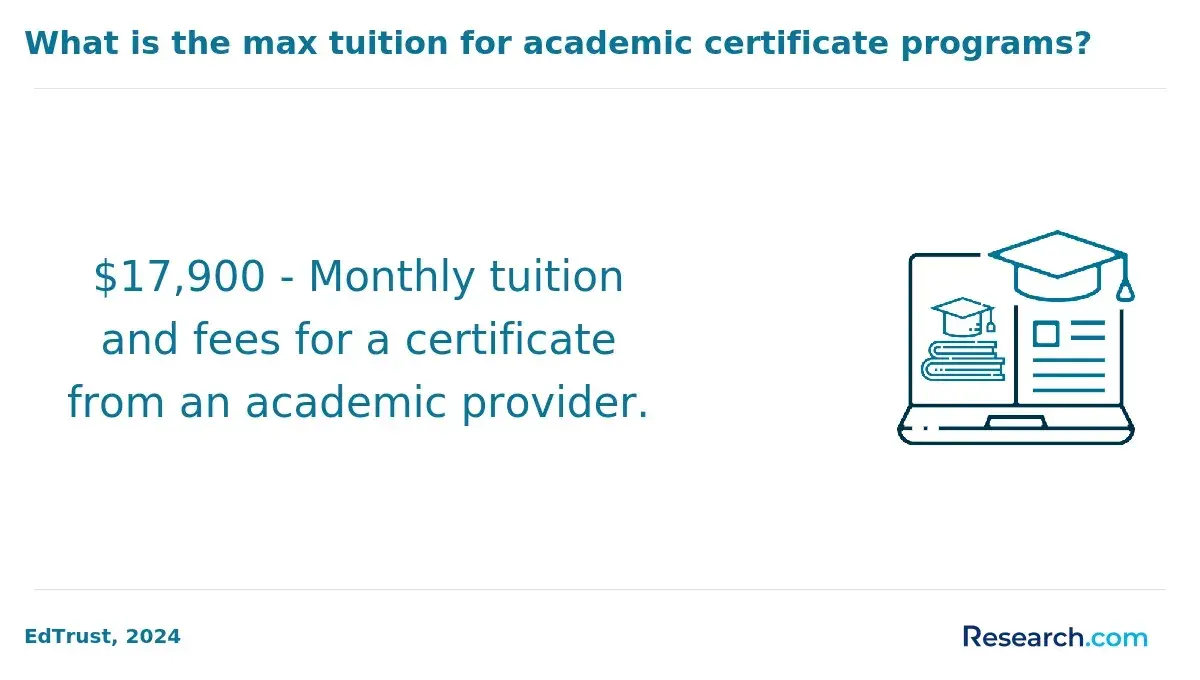
Tuition for part-time Christian Leadership master's degrees generally ranges from $15,000 to $40,000 for the full program, based on data from sources such as the U.S. National Center for Education Statistics and educational financial disclosures. This wide range reflects differences in program prestige, geographic location, and delivery mode. Online options typically cost less than campus-based programs due to lower institutional overhead, though pricing remains competitive across formats. Prospective students should consider that most programs bill by the credit hour, usually charging between $500 and $1,200 per credit, which influences the overall cost since Christian Leadership master's degrees often demand 30 to 40 credits in total.
Cost variation in part-time Christian Leadership graduate programs stems largely from credit-hour pricing, residency status, and the institution's public or private designation. Private universities generally have higher tuition rates, while public institutions may offer discounted rates for in-state residents. The extended duration inherent to part-time enrollment can increase total tuition expenses, especially if inflation or additional fees apply during prolonged study periods. Moreover, programs with residencies or intensives may add travel and technology fees, further affecting affordability and financial planning for working professionals balancing family and employment.
Spreading tuition payments over multiple semesters eases immediate financial pressure but can raise cumulative costs over time. Employer tuition assistance or denominational subsidies sometimes offset expenses, especially for ministry professionals. Evaluating tuition costs relative to career impact and job market expectations remains essential. For insights into comparative costs and program formats relevant to operational leadership fields, consider exploring the best MBA in operations management programs, which demonstrate how program delivery and credit pricing shape investment decisions in graduate education.
Do Programs Help Arrange Flexible Clinical Placements for Part-Time Students?
Part-time Christian Leadership master's programs often collaborate with local churches, nonprofits, and community organizations to secure practicum opportunities that fit diverse student schedules. These programs typically rely on established partnerships and coordinators to help distribute placement options across multiple sites, enabling students to find experiential learning environments that match their availability. Flexibility hinges largely on the program's infrastructure, with some institutions offering evening or weekend placements and others permitting extended timelines to complete required hours. The extent of this accommodation is closely tied to how well a program's design anticipates the complex demands faced by working professionals and caregivers.
Despite these arrangements, part-time students frequently encounter real-world constraints that limit scheduling flexibility. Placement sites may have fixed hours or capacity limits, and accreditation or professional standards sometimes mandate specific in-person requirements that cannot be waived. Geographic constraints and coordination with external supervisors can further restrict when and where practical components are fulfilled. Even with growing efforts to incorporate remote mentoring and adaptable supervision, many programs still impose minimum hour thresholds or require presence for particular leadership activities, which can disrupt the balance between work, study, and personal commitments.
To navigate these limitations effectively, students are advised to engage in early, proactive planning and leverage existing workplace relationships where possible, as employer-based placements can simplify scheduling challenges. Selecting programs with demonstrated clinical pipelines and practicum coordinators experienced in managing part-time learners can also enhance placement outcomes. According to a 2024 report by the Council for Christian Colleges & Universities, nearly 70% of member institutions have adopted flexible practicum models, reflecting growing recognition of part-time students' needs; however, success ultimately depends on individual program resources and students' ability to communicate and coordinate with academic and field supervisors.
What Challenges Do Students Face in Part-Time Christian Leadership Master's Programs?
Part-time Christian Leadership master's programs offer flexibility but also impose distinct academic and logistical pressures that differ markedly from full-time study. These challenges arise from the intersection of program design, coursework demands, and students' often complex professional and personal commitments. Understanding these dynamics is key to assessing the practical feasibility of sustained engagement and successful completion.
- Time Management Constraints: Balancing rigorous deadlines, group collaboration, and experiential components alongside full-time employment or ministry duties generates significant scheduling strain. This often compresses study time into nonstandard hours, increasing cognitive load and risking burnout.
- Extended Time to Completion: Part-time enrollment typically stretches program duration over two to four years, requiring prolonged motivation and consistency. The drawn-out timeline can dilute momentum and complicate long-term career planning, especially when employers expect steady professional advancement.
- Reduced Networking Opportunities: Limited synchronous engagement and peer interaction hinder relationship building, mentorship access, and professional networking crucial for leadership roles. The decentralized format can isolate students, curbing informal learning and community support.
- Theory-Practice Integration Challenges: Applying academic leadership concepts in real-time is complicated by diverse work contexts and asynchronous coursework. Students may struggle to translate abstract frameworks into immediate practice without ample guided reflection or feedback loops.
- Conflicting Employer Expectations: Jobs in ministry or nonprofit leadership frequently demand irregular hours and community responsiveness, directly competing with fixed academic schedules. Navigating these conflicts requires negotiation and strategic prioritization, which not all students can sustain effectively.
According to the National Center for Education Statistics, 62% of part-time graduate students report higher stress levels than their full-time peers, largely due to these compounded role demands. This figure underscores the significant operational trade-offs embedded in part-time Christian Leadership programs.
Which Careers Benefit Most From Part-Time Graduate Education?
Part-time graduate education in Christian Leadership serves as a strategic accelerator for careers where practical experience, credentialing, and continuous skill development directly influence advancement opportunities. Its greatest impact is seen in professions that demand balancing ongoing work responsibilities with targeted upskilling, enabling professionals to apply academic insights immediately and increase their organizational value.
- Pastoral Leaders: Part-time master's programs accommodate pastors who cannot pause active ministry roles, allowing them to deepen theological and leadership skills while continuing community engagement. This model supports promotion eligibility within denominational structures and equips leaders to address evolving congregational needs without career interruptions.
- Faith-Based Nonprofit Professionals: Executives in faith-related nonprofits gain strategic leadership competencies contextualized by real-time organizational challenges. Part-time study enables these professionals to implement new frameworks in program management and stakeholder relations promptly, enhancing measurable operational outcomes and often supporting salary progression tied to demonstrated performance improvements.
- Religious Educators: Faculty or administrators in Christian higher education navigate complex teaching and research demands. Flexible graduate degrees in Christian Leadership allow these educators to incrementally build credentials critical for tenure-track advancement or administrative promotions, managing workload without sacrificing academic progress.
- Healthcare Chaplains: With a projected 10% employment growth through 2032, chaplaincy roles require ongoing professional development to maintain spiritual care standards amid healthcare innovation. Part-time formats provide accessible pathways to refine leadership competencies without disrupting clinical and pastoral duties, aligning with industry expectations for continuous learning.
According to the 2024 National Center for Education Statistics, nearly 40% of graduate students choose part-time enrollment primarily due to work and family obligations, underscoring the importance of program delivery that supports sustained commitment. Professionals evaluating part-time Christian Leadership master's programs should consider how this model offers a pragmatic balance between academic advancement and vocational responsibilities.
Employers increasingly recognize the value of practical application inherent in part-time formats, which often surpass purely online or full-time programs in fostering immediate workplace impact. For those weighing options, exploring online colleges for military highlights comparable program models emphasizing flexibility alongside academic rigor.
What Factors Matter Most When Comparing Program Flexibility?
Program flexibility in part-time Christian leadership master's curricula extends beyond simple scheduling perks, encompassing a range of structural and logistical features that directly influence student success and career integration. Flexibility is perceived differently depending on how programs balance academic pacing, delivery methods, and support systems to accommodate working professionals managing work and graduate study schedules. Not all "flexible" programs offer the same degree of adaptability, so assessing specific dimensions is essential for matching a program to individual circumstances.
- Course Scheduling Structure: Programs with flexible enrollment options that allow students to choose part-time or full-time status provide crucial adaptability in workload management, helping maintain steady progress without overwhelming students juggling employment and family responsibilities.
- Asynchronous vs. Synchronous Delivery: Asynchronous classes offer unmatched convenience for those with unpredictable or demanding job hours, enabling students to engage with material on their own time, whereas synchronous sessions may limit flexibility but foster real-time interaction and networking.
- Pacing and Leave Options: The ability to pause studies or take leaves of absence without academic penalty accommodates unexpected life events, contributing to persistence and timely completion.
- Credit Load Adaptability: Programs that allow variable course loads per term support personalized pacing strategies to balance career demands and academic rigor, a critical factor for avoiding burnout.
- Practicum and Internship Requirements: Practical ministry experiences are often integral but can constrain scheduling flexibility; programs that offer alternative practicum formats or scheduling accommodations mitigate this challenge.
- Administrative and Faculty Support: Responsive advising and mentoring services increase flexibility by helping students navigate academic challenges and reconcile coursework with professional duties efficiently.
According to a 2024 study by the National Center for Education Statistics, 62% of working adults pursuing graduate degrees prioritize flexible scheduling, highlighting its critical role in program choice. Furthermore, students exploring program options should weigh how these factors affect their time-to-completion and integration of learning with job responsibilities, since employers often value candidates who can apply leadership skills in practical contexts without compromising academic rigor.
Careful evaluation of these elements allows prospective students to identify flexible part-time Christian leadership programs that genuinely support managing work and graduate study schedules. Those balancing multiple commitments benefit most from programs optimizing course delivery and pacing options aligned with their professional and personal goals. For those also concerned about financing and ancillary costs, it may be helpful to review resources that clarify how much is criminal justice school, which can provide comparative insights into related fields' tuition dynamics.
What Graduates Say About Studying Christian Leadership Master's Programs Part-Time
- Conrad: "After completing the part-time Christian leadership master's program, I realized that many employers prioritize real-world ministry portfolios and internship experience over formal licensure. This influenced me to focus heavily on building diverse community projects during my studies, which paid off when I secured a church leadership role that valued demonstrated impact more than credentials alone."
- Walker: "Balancing work and studies was tough, but the flexibility of the program allowed me to enter a leadership position remotely sooner than I anticipated. While salary growth has been modest without further certification, the ability to serve in multiple ministry settings simultaneously has been invaluable for my career trajectory and personal growth."
- Joseph: "Graduating from the Christian leadership master's was both rewarding and eye-opening; I quickly learned that advancing beyond certain roles requires licensure or additional certifications. I had to pivot my career plans to emphasize nonprofit administration and training roles, where my degree opened doors despite the competitive job market and expectations around experience."
Other Things You Should Know About Christian Leadership Degrees
In 2027, part-time Christian Leadership master's programs typically last between two to four years. The exact duration depends on the institution and the student's pace. Students can take fewer courses each semester, allowing flexibility to balance other responsibilities.
Part-time study extends the overall duration but decreases weekly academic intensity, which can aid information retention by allowing more time for reflection and application between courses. On the other hand, the longer timeline risks knowledge gaps or difficulty maintaining momentum, especially if students face distractions from work or family obligations. Those considering part-time study should carefully assess their discipline and commitment capacity, ensuring they have strategies to sustain focus over multiple semesters rather than relying on immersion, as in full-time paths.
Employers may be more willing to accommodate part-time students due to flexible scheduling but might also expect quicker application of learning to workplace projects. Part-time students often balance immediate job demands alongside studies, potentially restricting the time available for experiential learning or innovation inspired by coursework. It's advisable for students to negotiate clear expectations with employers upfront and seek programs that integrate real-time leadership challenges so work and study mutually reinforce rather than compete.
Choosing part-time study delays degree completion, which can postpone eligibility for roles requiring a master's credential. This may temporarily slow advancement compared to full-time graduates but can avoid income loss from leaving work. The extended timeline can also allow gradual skill accumulation aligned with ongoing professional duties, potentially producing more sustainable development. Candidates should weigh their need for immediate promotion against the benefits of steady progress, prioritizing part-time pathways if maintaining employment and income stability is critical.
References
- Master of Arts in Christian Leadership - Arizona Christian University - Phoenix, AZ https://azcu.edu/admissions/campus/gr/ma/dept-bible-theology/christian-leadership/
- Student Ministry: 5 Common Challenges Every Leader Faces (And Practical Solutions) | One39 https://one39.co/student-ministry-5-common-challenges-every-leader-faces-and-practical-solutions-_res/
- Working While Studying https://grace.eudres.eu/student-life/working-while-studying/
- Christian Leadership Degree Careers: What Can You Do in Ministry or the Marketplace? https://anchoru.com/christian-leadership-degree-careers-what-can-you-do-in-ministry-or-the-marketplace/
- Master of Arts in Christian Leadership | Corban University https://www.corban.edu/academics/majors-programs/master-of-arts-in-christian-leadership/
- Christian Leadership in Action: What to Expect From a Master of Arts in Christian Studies https://www.ucumberlands.edu/blog/what-to-expect-from-a-master-of-arts-in-christian-studies
- Christian Leadership Career Paths: Degrees, Training, Jobs https://calvinseminary.edu/uncategorized/christian-leadership-career-paths/
- MA in Christian Leadership https://globalcu.edu/ma-in-christian-leadership/
- Christian Leadership Programme | Bible Institute https://www.bisa.org.za/clp
- Master of Arts in Christian Leadership (MACL) | Houston Christian University https://hc.edu/online-learning/degrees/macl-christian-leadership/