2027 Healthcare Administration Career Outcomes by Degree Level Report: Pay, Employment, and Advancement Patterns

Co-Founder and Chief Data Scientist
Professionals considering healthcare administration degrees often face a critical challenge: understanding how degree level affects career trajectory amid rapidly evolving employer expectations. A 2024 study by the National Healthcare Workforce Institute revealed that graduates with advanced degrees experience notably higher promotion rates and broader leadership access than those with only associate or bachelor's degrees. This trend underscores persistent credential inflation within healthcare management roles, complicating decisions for working adults balancing time, cost, and career advancement.
Differentiating pay scales, employment stability, and growth opportunities by degree level is essential for informed choices. This article analyzes these outcomes to help readers evaluate healthcare administration degree pathways strategically.
Key Things to Know About Healthcare Administration Career Outcomes by Degree Level
- Associate degrees often enable quicker workforce entry with foundational roles but limit advancement, reflecting a tradeoff between immediate employment and long-term career growth in healthcare administration.
- Employers increasingly favor master's-level candidates for managerial positions, signaling credential inflation that shapes hiring patterns and pressures bachelor's graduates to pursue further education.
- The time and cost investments of doctoral programs often exceed practical return for most healthcare administration roles, affecting access for working adults balancing career progression against educational demands.
- Key Things to Know About Healthcare Administration Career Outcomes by Degree Level Key Things to Know About Healthcare Administration Career Outcomes by Degree Level
- What Career Outcomes Can Students Expect From Each Healthcare Administration Degree Level? Career Outcomes by Degree
- How Much Do Healthcare Administration Graduates Earn by Degree Level? Salary by Degree Level
- Which Healthcare Administration Degree Level Offers the Strongest Employment Prospects? Best Degrees for Employment
- What Entry-Level Jobs Can You Get With a Healthcare Administration Degree? Entry-Level Career Opportunities
- How Do Healthcare Administration Degree Levels Affect Career Advancement and Promotion Opportunities? Career Growth by Degree
- Is a Healthcare Administration Degree Worth It Based on Salary, Employment, and ROI? Salary, ROI, and Value
- How Do Associate, Bachelor's, Master's, and Doctoral Healthcare Administration Degrees Compare? Comparing Degree Levels
- Which Industries and Employers Hire Healthcare Administration Graduates by Degree Level? Which Industries and Employers Hire Healthcare Administration Graduates by Degree Level?
- What Skills, Credentials, and Experience Improve Healthcare Administration Career Outcomes? What Skills, Credentials, and Experience Improve Healthcare Administration Career Outcomes?
- Which Healthcare Administration Degree Level Is Best for Your Career Goals? Choosing the Right Degree
What Career Outcomes Can Students Expect From Each Healthcare Administration Degree Level?
Associate and bachelor's degrees form the backbone for staff moving into mid-level positions, with associate graduates often filling coordinator roles at smaller facilities and bachelor's holders positioned for department supervision and managerial tracks. According to 2024 U.S. Bureau of Labor Statistics data on employment and pay trends for healthcare administration graduates, bachelor's degrees are frequently regarded as the minimum credential for stable advancement and access to specialized roles in regulatory compliance, finance, and operations management.
Navigating transfer credits and internship experiences is crucial here, especially for military-affiliated students and transfer candidates balancing work with education, while master's degrees extend readiness for executive roles demanding strategic oversight and advanced policy fluency. For those seeking long-term leadership in competitive hospital systems, these choices influence not only time investment but readiness for certifications like the Fellow of the American College of Healthcare Executives, which many employers expect.
Doctoral degrees, while less common, target those pursuing senior executive leadership, academic appointments, or consultancy specializing in health policy and research, though demand remains limited compared to other levels. This specialization involves prolonged study often best suited for professionals with substantial prior experience, reflecting a tradeoff between immediate employment and eventual influence in shaping healthcare administration frameworks.
Given these layered employment and pay trends for healthcare administration graduates, choosing the appropriate degree impacts career mobility, with options ranging from swift entry-level access via certificates to extensive, research-driven pathways at the doctoral level. Prospective students should also consider emerging opportunities in online formats, such as cheap online nursing programs, which illustrate evolving models for balancing education affordability and career progression.
How Much Do Healthcare Administration Graduates Earn by Degree Level?
Earnings in healthcare administration fluctuate notably by degree level, reflecting not only educational attainment but also the specific roles, geographic markets, and employer expectations associated with each credential. For instance, bachelor's degree holders often start with median salaries around $75,000 but face limitations in advancing to senior or policy-influencing positions without additional qualifications or experience. Conversely, master's degree graduates, typically equipped with more specialized skills and leadership readiness, command median pay exceeding $90,000, which aligns with broader opportunities for management and executive roles, though this premium varies by industry and often depends on transfer credits, licensure, and the time invested beyond the bachelor's level.
This wage gap isn't simply a return on education but reflects complex tradeoffs including the cost and duration of graduate programs and the stability gains seen in employment rates consistently below 3% unemployment for bachelor's or higher versus roughly 5% for sub-bachelor's credentials, influencing career trajectory decisions, especially for adult learners balancing work and studies.
Doctoral degree holders occupy a niche but lucrative segment, often crossing the $110,000 salary threshold, thanks to eligibility for academic, consultancy, and high-level administrative responsibilities that require mastery of data-driven healthcare leadership and research competencies. However, the smaller labor market for these qualifications and the extended time and financial commitment needed means their value proposition is less straightforward for those weighing immediate income against long-term advancement.
Geographic factors and employer type compound these outcomes, with some regions or sectors emphasizing practical experience over credential tiers. The real question for many professionals is whether the incremental pay and career flexibility of advanced degrees justify the individual investment of time, especially when rapidly evolving healthcare systems change the demand for certain qualifications.
A healthcare administration graduate shared that after completing an associate degree and briefly working in entry-level coordination, they were hesitant about committing to a bachelor's due to time constraints and cost, but local employers clearly favored bachelor's holders for promotion. Reviewing hiring data alongside conversations with supervisors helped them decide the bachelor's was essential despite the delay, as positions offering $70,000+ were consistently unreachable without it. Later, when considering a master's, they weighed the 15-25% average wage boost against extra tuition and full-time study demands.
They appreciated that the bachelor's laid groundwork for credit transfer, shortening master's program length, though they remained cautious about assuming a master's was necessary for every advancement opportunity, opting instead to target specific certifications and roles where the return on further education aligned better with personal circumstances. This nuanced approach highlighted how pay data must be balanced with real-world employer signals and individual career goals rather than viewed as a straightforward ladder.
Which Healthcare Administration Degree Level Offers the Strongest Employment Prospects?
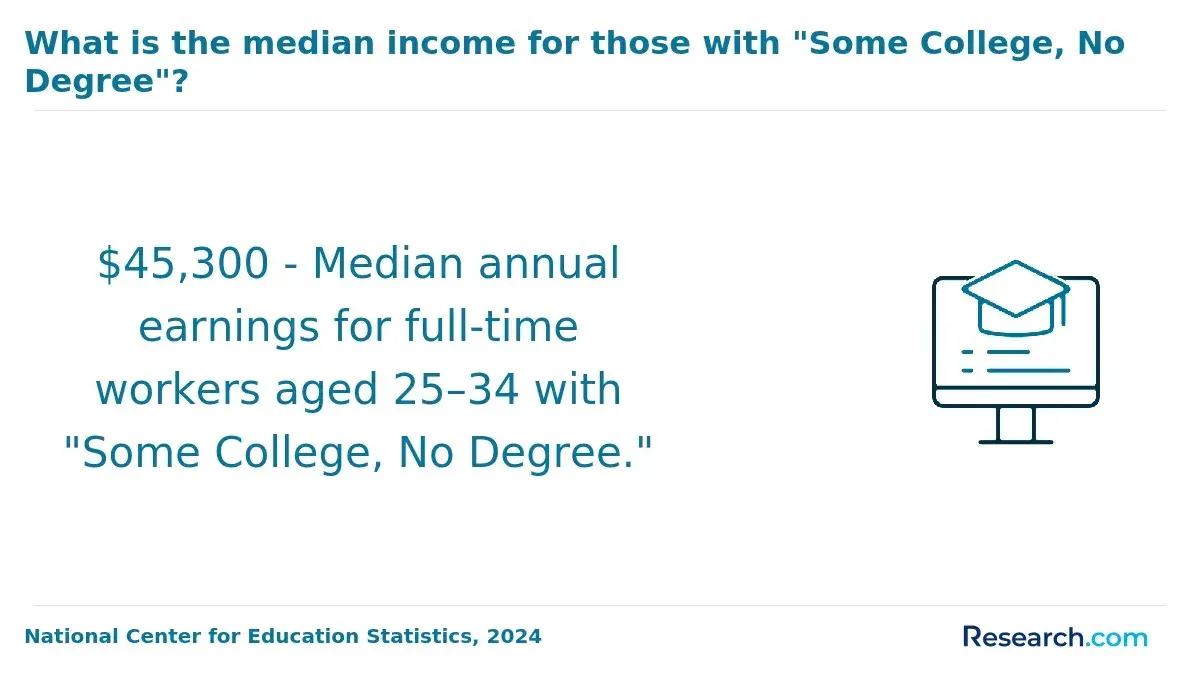
Employment opportunities in healthcare administration are strongly influenced by educational level, with bachelor's degrees typically offering the most reliable entry point for recent graduates. Employers frequently expect a bachelor's as the minimum qualification for most administrative roles, including medical office and department management, making it a practical credential for immediate labor market access. In contrast, associate degrees and certificates may enable quicker workforce entry but often confine candidates to lower-wage, less stable roles with fewer promotion options, reflecting credential inflation and sector complexity. For example, individuals holding only associate credentials often face stiff competition and must rely on relevant experience or certifications to improve job prospects, as documented by the National Center for Education Statistics.
Mid-career professionals aiming for leadership or specialized roles benefit significantly from master's degrees, which correlate to higher median incomes and faster placement in advanced functions such as hospital administration or policy development. The College Scorecard reports these graduate-level qualifications enhance competitiveness, especially when combined with practical experience like internships. Doctoral and professional degrees serve more niche purposes, primarily supporting candidates targeting executive-level positions or academia, with gains often emerging over a longer timeframe rather than immediate employability. Deciding whether to pursue advanced credentials involves weighing immediate employment benefits against long-term access to specialized or executive roles, particularly in regions where demand for health informatics and policy expertise is growing.
Ultimately, healthcare administration students must consider how degree level interacts with employer preferences, licensing standards, and local labor market conditions. While associate and certificate holders may enter the workforce sooner, bachelor's degrees continue to deliver the broadest access and stability in the field. Those willing to invest additional time in graduate education can unlock higher-paying, leadership-oriented careers, but these paths require balancing work-study commitments and strategic credential stacking to maximize both current earnings and future advancement potential.
What Entry-Level Jobs Can You Get With a Healthcare Administration Degree?
Entry-level positions available to healthcare administration graduates vary substantially by degree level, influencing the nature of work, advancement trajectories, and employer expectations. Associate degree holders often find roles focused on technical support functions like medical records or billing coordination, where industry certifications and practical experience can heavily impact employability.
In contrast, bachelor's degrees typically open doors to broader operational or managerial entry points such as practice management or healthcare project coordination, where familiarity with policy, finance, and quality control is essential. Data from the U.S. Bureau of Labor Statistics and O*NET in 2024 highlight a growing preference among employers for candidates who couple formal education with internships or certifications to bridge experience gaps common to entry-level hires in healthcare administration entry-level positions in the United States.
Employers increasingly seek transferable skills including data analysis and electronic health record proficiency, while some entry-level roles still require one to two years of prior experience, which can delay workforce entry for new graduates. For students targeting quick entry into the workforce, practical internships or recognized certifications like Registered Health Information Technician (RHIT) can be critical, especially when the goal is to avoid the challenge of unadvertised experience requirements. Those considering long-term mobility or graduate study should weigh how early roles build relevant cross-functional skills versus purely administrative tasks. Urban and suburban healthcare markets show rising demand, but this growth also necessitates targeted credentialing to compete effectively in operational or managerial pipelines. Students exploring alternatives might examine programs such as a nursing school that does not require TEAS test for complementary healthcare career options aligned with their timeline and skill set.
How Do Healthcare Administration Degree Levels Affect Career Advancement and Promotion Opportunities?
Advancement opportunities in healthcare administration are closely tied to degree attainment, with employers often using educational credentials as a primary screening tool for supervisory and managerial roles. While associate degrees may suffice for entry-level positions focused on operational tasks, mid-level and executive responsibilities increasingly require a bachelor's or master's degree due to the specialized knowledge in healthcare policy, finance, and organizational strategy these programs provide. According to 2024 data from the Bureau of Labor Statistics and Lightcast, individuals holding a master's degree enter director-level roles about 20% faster than those who stop at a bachelor's, reflecting hiring preferences for advanced competencies. This creates a practical tradeoff for working professionals weighing immediate employment against long-term leadership readiness.
Promotions often hinge on degree requirements aligned with professional certifications that mandate specific academic backgrounds, underscoring how education intersects with credentialing standards in healthcare administration. O*NET reports that roughly 65% of jobs with advancement potential expect or prefer graduate-level qualifications, which also enhance eligibility for specialized career tracks. Transfer credits and flexible graduate programs play a critical role for adult learners and military-affiliated students, enabling smoother transitions without sacrificing pace, while entry-level credentials provide solid foundations but limit upward mobility absent further academic investment. Thus, the decision to pursue higher degrees should account for prior experience, credit transferability, and the timing implications for leadership aspirations.
A healthcare administration graduate recounted hesitating before committing to a master's program after initial work experience revealed promotion barriers tied to educational credentials. "I realized my associate degree opened the door to the job but not to supervisory opportunities I wanted," they said. Balancing family obligations and existing credits, they chose a flexible graduate program, noting, "Even with some hesitation about going back to school, it felt necessary to meet employer expectations and truly advance." Their story highlights the nuanced cost-benefit considerations adult learners face when aligning educational pathways with internal promotion and role-specific requirements.
Is a Healthcare Administration Degree Worth It Based on Salary, Employment, and ROI?
Salary and employment outcomes for healthcare administration vary considerably by educational level, experience, and geographic location, making the decision to pursue such a degree dependent on these contextual factors. For example, bachelor's degree holders often enter the field with moderate starting salaries but face slower wage growth, while master's graduates typically access senior management roles with higher pay but also take on greater debt and longer program durations. This dynamic means that working professionals and transfer students must weigh the opportunity cost of extended education and potential income disruption against the faster advancement and improved career mobility a graduate degree may offer. Local labor market demand and credential requirements further complicate ROI calculations, as certification can both enhance employability and increase time and cost investments.
The steady job growth projected in healthcare management supports employment stability, yet real-world earning potential varies and is sensitive to specialization and institutional reputation. Understanding healthcare administration degree salary and job growth potential requires careful analysis of how well program credits transfer, whether part-time study options are viable, and if the resulting qualification aligns with employer expectations in the intended region. Considering these variables helps working adults and military-affiliated students make informed decisions about pursuing advanced credentials versus entering or staying in the workforce. A practical step for some learners is exploring targeted certifications or alternative pathways, such as a CMA to LPN trajectory, to optimize career outcomes without incurring excessive debt.
How Do Associate, Bachelor's, Master's, and Doctoral Healthcare Administration Degrees Compare?
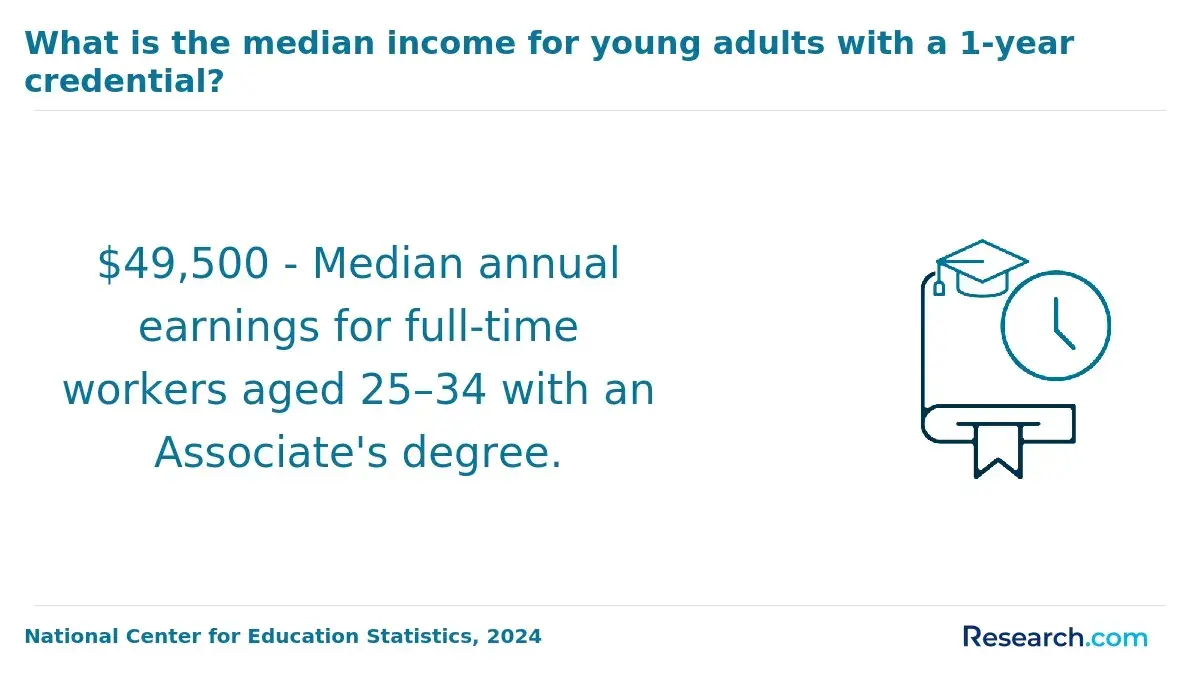
Employment opportunities and career trajectories in healthcare administration are heavily influenced by degree level, yet the value of each credential depends on practical role access and advancement realities rather than education alone. An associate degree typically positions graduates for entry-level support roles like medical office management or health information technician, with initial employment rates near 75% according to the National Center for Education Statistics. However, upward mobility is generally restricted without further education, making it critical for students to assess whether immediate workforce entry suits their long-term goals or if stacking credits toward a bachelor's offers better leadership pathways.
Bachelor's degree holders frequently qualify for mid-tier management and coordination roles that demand operational oversight within complex healthcare organizations. Given the projected 11% growth in employment for this group by the U.S. Bureau of Labor Statistics, this credential serves as a baseline for many career moves but often requires supplemented experience or certifications to unlock higher pay or specialized functions. Master's degrees, especially MHAs, differentiate candidates for executive or strategic positions, emphasizing finance and policy expertise essential for senior leadership. While master's programs may reduce completion rates due to intensity, they often yield stronger salary gains and job stability, reflecting a tangible return on the extended time and cost investment.
Doctoral-level credentials primarily serve those targeting academic, research, or top executive consultancy roles, but the niche demand and longer educational commitment mean fewer immediate employment options for typical healthcare administration practitioners. Transferability from this level back into professional roles may necessitate complementary experience or licensure, which can limit flexibility. Across all levels, factors such as credit transfer options, program modality, and stackable certifications critically shape educational strategy, meaning decisions should balance time, expense, and desired career flexibility rather than assuming simple linear gains with each additional degree.
Which Industries and Employers Hire Healthcare Administration Graduates by Degree Level?
Employer demand within healthcare administration significantly varies by degree level, shaping distinct career trajectories and job functions. Associate degree graduates predominantly enter entry-level roles in outpatient clinics, long-term care facilities, and health insurance companies, where hands-on administrative tasks and claims processing are common. However, these positions often offer limited upward mobility without additional credentials or specialized experience, making the choice to pursue further education a critical decision for those aiming at supervisory or managerial roles.
Bachelor's degree holders gain access to a broader range of employers, including hospitals and government health agencies, where roughly 65% of administrative roles require at least that credential level, according to U.S. Bureau of Labor Statistics data. Employers prioritize these candidates for supervisory and health information management positions that demand compliance knowledge and intermediate management skills. Students targeting these environments should weigh the enhanced job stability and advancement potential alongside the additional investment in time and cost compared to associate degrees.
Advanced degrees tend to align with strategic leadership and policy-making functions across diverse employers such as healthcare consulting firms, public health organizations, and large hospital systems. Master's graduates often fill healthcare manager or clinical director roles, emphasizing budgeting and regulatory expertise, while doctoral holders focus on academic, research, or high-level policy positions. Certificates typically serve to complement existing degrees, aiding technical specialization or incremental progression, especially in regulated fields like health IT or quality management, where licensure and certifications influence screening and hiring decisions.
What Skills, Credentials, and Experience Improve Healthcare Administration Career Outcomes?
Employers in healthcare administration prioritize candidates who integrate practical skills, certifications, and relevant experience to bridge the gap between academic credentials and operational proficiency. For example, a bachelor's degree holder who supplements education with internships or military service often gains a 25% higher initial placement rate, signaling the value of applied learning in meeting real-world demands. Credentials like the Certified Healthcare Administrative Professional (cHAP) or Fellow of the American College of Healthcare Executives (FACHE) serve as critical differentiators, with employers showing a clear preference for candidates holding credentials beyond their degree, increasing interview and promotion likelihood by approximately 30%. Such certification stacking highlights how combining degrees with specialized certifications and documented experience advances career mobility within healthcare organizations.
The specific skills employers seek vary by educational level: entry-level candidates benefit from technical competencies such as managing electronic health records or compliance audits, while graduate-level professionals are expected to demonstrate analytical problem-solving and strategic planning abilities. Soft skills including effective communication, adaptability, and ethical judgment also carry significant weight as healthcare environments demand agile leadership. Attention to healthcare administration certifications and licensure requirements informs targeted credential choices that align with professional goals, especially for working adults and military-affiliated students leveraging prior credits or experience.
Decision-makers balancing immediate employability with long-term advancement should consider pathways that integrate formal education with practical experience and validated credentials. For those evaluating educational options, programs that emphasize experiential learning or specialized certification often produce stronger career outcomes than degree attainment alone. Additionally, candidates interested in alternative routes may explore direct entry MSN programs online as a strategic option to expedite credentialing while building leadership capacity relevant to healthcare administration roles.
Which Healthcare Administration Degree Level Is Best for Your Career Goals?
Associate degrees in healthcare administration provide a practical entry point for individuals targeting administrative support roles with less managerial responsibility, but they often limit upward mobility without additional credentials. Employment data from the U.S. Department of Education's College Scorecard indicates approximately 68% of associate degree holders find jobs within a year, revealing solid short-term prospects but potential stagnation in specialized or leadership positions. This level suits working professionals or military-affiliated students seeking quicker credential attainment or those balancing education with existing job commitments, though pursuing further degrees is typically necessary for advanced roles.
Bachelor's degrees command wider employer recognition and access to supervisory and mid-level management opportunities, balancing affordability with expanded role eligibility. Around 85% employment one year post-graduation, as recorded by the Bureau of Labor Statistics, underscores its competitive advantage in healthcare administration employment outcomes. For those comparing healthcare administration degree pay and employment outcomes, bachelor's credentials open doors to specialized areas like finance and compliance that associate programs lack, often serving as a strategic stepping stone toward graduate education required for executive leadership. Transfer students and adult learners frequently use this pathway to align credentials with the increasing demand across healthcare systems.
Graduate programs, including master's degrees, align with strategic leadership and niche specialization roles, though with higher opportunity costs and longer time to completion. Many employers view graduate credentials as essential for senior roles, where decision-making and policy influence are paramount. Those seeking accelerated pathways or credit recognition may find graduate study appealing for career changers or professionals aiming for doctoral tracks. For students evaluating options, exploring a range of programs-including the easiest online SLP programs to get into-can inform practical decisions balancing credential attainment speed, employer expectations, and long-term mobility.
References
- Top Skills and Certifications Needed to Land High-Impact Healthcare Roles | GHR Healthcare https://www.ghrhealthcare.com/blog/certifications-high-impact-healthcare-roles
- 6 Career Paths in Healthcare Administration You Should Consider https://blog.medicalacademy.org/career-paths-in-healthcare-administration/
- MHA vs. Bachelor's in Healthcare Management https://www.mhaonline.com/faq/bachelors-in-healthcare-management-vs-mha
- How to Become a Healthcare Administrator https://www.publichealthdegrees.org/careers/healthcare-administrator/
- Top 10 Best Certifications for Healthcare Administrators in 2026 https://clinxacademy.com/blog/best-certifications-for-healthcare-administrators
- What Are the Differences in Salary Level for Different Degrees in Healthcare Management? | MHA Salary https://www.healthcare-management-degree.net/faq/what-are-the-differences-in-salary-level-for-different-degrees-in-healthcare-management/
- What is a Healthcare Administrator? - Career Insights | Teal https://www.tealhq.com/career-paths/healthcare-administrator
- Healthcare Administration Certifications That Matter | Campus.edu https://campus.edu/blog/healthcare/healthcare-administration-certifications
- What Jobs Can You Get With a Healthcare Administration Degree? [Quiz] https://www.umassglobal.edu/blog-news/jobs-can-you-get-a-healthcare-administration-degree-quiz
- Job Search, Career Advice & Hiring Resources | iHireHealthcareAdministration https://www.ihirehealthcareadministration.com/
Other Things You Should Know About Healthcare Administration
The longer duration and higher cost of master's and doctoral programs can delay entry into the workforce and accumulation of on-the-job experience. While advanced degrees often lead to higher-level roles eventually, those pursuing bachelor's degrees might gain earlier practical experience, which some employers value equally. Prospective students should weigh whether upfront academic investment aligns with their tolerance for delayed earnings and career progression or if starting work sooner offers better long-term growth through experience.
Employers often expect bachelor's degree holders to be proficient in foundational administrative tasks but typically reserve strategic management and leadership responsibilities for master's degree graduates. This distinction affects the complexity of assignments and autonomy given early in a career. Students prioritizing hands-on operational roles should consider if the bachelor's level aligns with employer role expectations, whereas those targeting leadership might prioritize graduate programs to meet those anticipations.
Degree level alone does not guarantee career advantages without relevant specialization and practical learning experiences such as internships or healthcare-specific administration modules. Some bachelor's programs offer concentrations that mimic graduate-level content, enhancing competitiveness. Choosing a program with rigorous, healthcare-centered coursework and experiential opportunities can mitigate the need for advanced degrees in some cases, especially for candidates focused on specific subfields or regional healthcare markets.
Part-time and online formats can extend the time required to complete a degree, potentially postponing some advancement benefits, but they allow continued income and workplace exposure, which employers value. The tradeoff lies in managing workload stress and slower academic progress against maintaining relevant work experience. Professionals aiming for leadership roles should assess program quality and networking opportunities in flexible formats, as not all offer equivalent career resource access compared to full-time, on-campus programs.