2027 Healthcare Administration Salary Trends Report: Are Wages Keeping Up With Tuition and Inflation?

Co-Founder and Chief Data Scientist
A prospective healthcare administration student faces a complex decision when assessing whether the rising cost of earning a degree justifies the potential financial gains. Tuition fees have climbed steadily, but wage increases for graduates do not always keep pace with these expenses or the impact of inflation.
This disconnect complicates the evaluation of a healthcare administration degree's true financial value. Determining if long-term earnings offset education costs requires more than a glance at starting salaries-it demands a nuanced look at economic trends and purchasing power.
Salary growth, educational expenses, and inflation rates often shift at different speeds, which affects the overall return on investment in healthcare administration education.
Understanding these dynamics is essential for students, recent graduates, and career changers aiming to make informed financial decisions. This article examines salary trends, tuition costs, inflation, affordability, and the factors shaping the long-term economic worth of a healthcare administration degree.
Key Things to Know About Healthcare Administration Salary Trends
- Healthcare administration graduate wages rose 4.5% in 2023, underperforming the 6.7% average inflation rate, signaling diminished real income growth and fueling concerns about return on education investment.
- Tuition inflation outpaces salary jumps, with median program costs growing 8% annually; this gap pressures students to consider debt burdens against modest, delayed earning improvements.
- Long-term earning potential hinges on experience and healthcare sector specialization, where roles in data analytics or regulatory compliance show 15% higher salary growth compared to general administration.
- Key Things to Know About Healthcare Administration Salary Trends Key Things to Know About Healthcare Administration Salary Trends
- What Is the Current Salary Outlook for Healthcare Administration Graduates? Salary Outlook
- Are Healthcare Administration Salaries Keeping Up With Inflation? Inflation Impact
- How Do Tuition Costs Compare With Healthcare Administration Salary Growth? Tuition vs Salary
- Does a Healthcare Administration Degree Deliver a Positive Return on Investment? Degree ROI
- Which Industries Offer the Highest Salaries for Healthcare Administration Graduates? Which Industries Offer the Highest Salaries for Healthcare Administration Graduates?
- Which States and Cities Offer the Highest Pay for Healthcare Administration Professionals? Which States and Cities Offer the Highest Pay for Healthcare Administration Professionals?
- How Do Healthcare Administration Salaries Grow Throughout a Career? Career Growth
- How Do Healthcare Administration Salaries Compare With Similar Degrees? Salary Comparison
- How Is Employer Demand Affecting Healthcare Administration Salary Trends? Employer Demand
- How Can Students Maximize Their Lifetime Earnings With a Healthcare Administration Degree? Maximizing Earnings
What Is the Current Salary Outlook for Healthcare Administration Graduates?
The current salary outlook for healthcare administration graduates reflects a mix of promising job growth alongside complex earning dynamics shaped by geography, education, and facility type. While the median annual wage for healthcare administration professionals was around $104,280 in early 2024 according to the U.S. Bureau of Labor Statistics, entry-level salaries can range from $60,000 to $75,000.
Consider two graduates with identical degrees: one begins working at a small regional hospital in a lower-cost area and starts at $62,000, while another lands a position in a metropolitan medical center with a starting salary closer to $74,000. This divergence highlights how local demand and institutional scale significantly influence early earnings even within the same occupational category associated with healthcare administration graduate salary trends.
Long-term career trajectory is essential when interpreting this salary data, as entry-level pay does not capture the full earning potential of healthcare administration professionals. The occupation's projected 28% growth from 2022 to 2032 underlines a robust demand fueled by an aging population and expanding healthcare needs, which tends to push employers toward offering more competitive salaries and advancement options over time.
Graduates with advanced degrees, such as master's level qualifications, often experience faster wage growth and ascend to higher-paying leadership roles, emphasizing the importance of continuous professional development.
Potential students assessing programs should also weigh rising tuition costs and inflation against the expected income evolution, rather than focusing solely on initial salary figures. For those considering alternative pathways within healthcare, exploring BSN to DNP programs might present complementary opportunities worth evaluating alongside a healthcare administration degree.
Although healthcare administration offers strong employment security and salary potential relative to many fields, real wage gains have been modest when adjusted for inflation, prompting a cautious outlook. Economic fluctuations and regional salary variations mean two professionals with similar qualifications can have quite different financial realities.
Therefore, understanding the current earning outlook for healthcare administration professionals involves balancing statistical averages with the nuanced, individual factors that shape career outcomes, recognizing that salary is only one dimension of this complex and evolving field.
Are Healthcare Administration Salaries Keeping Up With Inflation?
Nominal wage increases in healthcare administration have averaged around 5% from 2022 to 2024 according to the U.S. Bureau of Labor Statistics, but with inflation hovering near 6.5% annually, this growth fails to maintain the purchasing power of most professionals in the field.
For example, a recent graduate accepting a starting salary boost of 5% may find that the cost of everyday expenses, housing, and services grows faster than their paycheck, effectively leaving their real income stagnant or lower. This dynamic highlights why healthcare administration salary growth versus inflation should be a critical consideration for students evaluating the true value of their degree over time.
The increasing tuition fees for healthcare administration programs, which often rise 3-5% faster than general inflation, further complicate the financial equation for prospective students. When tuition outpaces wage gains, the initial debt burden can limit economic mobility early in a career, particularly if wage growth fails to keep pace with inflation and rising living costs.
Those interested in maximizing their return on investment might explore specialized areas where salaries can better align with or exceed inflation, or consider pathways like PhD nursing programs online that could open doors to higher-earning opportunities in related healthcare sectors.
Ultimately, whether healthcare administration wages are rising with tuition costs depends on a range of factors including geographic location, institutional budgets, and the evolving demands of healthcare systems.
While some regions and specialties may offer stronger wage growth and inflation protection, many others reflect a tightening squeeze on real income, underscoring the need for careful financial planning and strategic skill development. Graduates and students must weigh these nuanced realities rather than assume a healthcare administration degree guarantees economic resilience amid ongoing inflationary pressures.
How Do Tuition Costs Compare With Healthcare Administration Salary Growth?
Examining tuition costs alongside salary growth for healthcare administration graduates reveals a critical financial disconnect that single metrics alone tend to obscure.
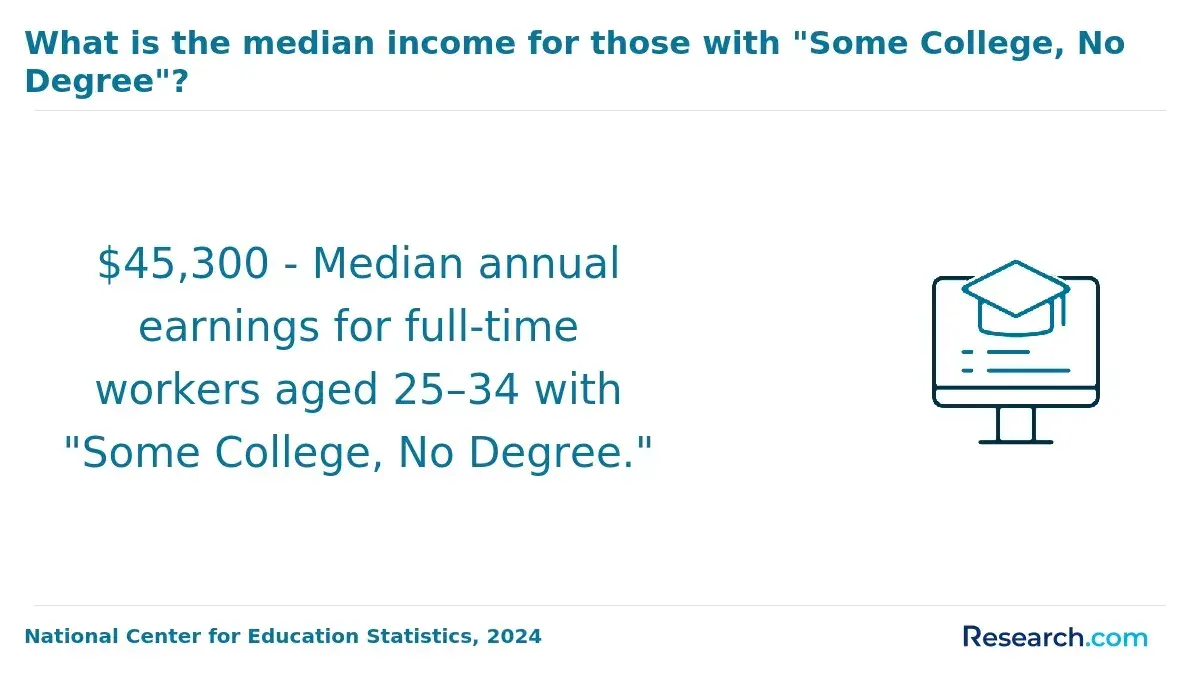
While average public university tuition for undergraduate healthcare administration ranges from $12,000 to $15,000 annually and private programs often surpass $30,000, early-career salaries for healthcare and medical managers typically hover around $65,000 per year, increasing to about $90,000 mid-career according to 2024 data from the National Center for Education Statistics and the Bureau of Labor Statistics.
The tuition inflation rate of 3-5% annually has consistently outpaced nominal salary increases of 2-3%, meaning graduates face a growing gap between the upfront investment in education and their initial earning potential. This dynamic underscores why evaluating these figures together offers a more nuanced understanding of the financial tradeoffs involved, as rising educational costs can delay breakeven points and complicate loan repayment strategies for some students more than others.
Consider two prospective students: one attending a public university with moderate tuition costs and another enrolling in a private institution with higher fees. Though both may expect similar salary trajectories, the student graduating with $30,000 more in debt faces a markedly different timeline for achieving positive cash flow after factoring in living expenses and loan interest.
Variations in geographic location, financial aid access, and career progression further influence how tuition burdens weigh against salary growth. Such complexities highlight that the relationship between education costs and earnings is not static; it depends on individual circumstances and broader economic factors like inflation and sector demand. Understanding this interaction guides more strategic decision-making than relying on tuition prices or salary projections independently.
A healthcare administration graduate recalled hesitating before committing to a private master's program due to soaring tuition but ultimately proceeded because of a strong interest in healthcare leadership. Initially, the sizeable debt felt overwhelming as starting salaries didn't cover monthly expenses comfortably.
Over several years, incremental salary raises began to ease financial pressure, especially after securing a mid-level management role, but the graduate noted that early financial strain required careful budgeting and delayed other personal goals like homeownership. This experience illustrated how the timing and sequencing of costs and earnings critically shape the practical value of a healthcare administration degree beyond headline numbers.
Does a Healthcare Administration Degree Deliver a Positive Return on Investment?
Return on investment in higher education means more than initial salary; it requires weighing the full cost of obtaining a healthcare administration degree against potential lifetime earnings, career stability, and professional development. For example, a recent graduate who completes their degree at a public university with moderate tuition may begin their career earning around $60,000 annually in an entry-level healthcare management position.
Over time, with experience and possible advanced degrees or certifications, this salary might rise significantly, potentially exceeding $100,000, demonstrating that the degree's value grows beyond its upfront costs.
However, this return is far from uniform. Differences in tuition fees, geographic location, and institutional reputation heavily influence outcomes. Graduates from private institutions may face higher debt yet access higher starting salaries or exclusive networks, while those attending more affordable programs can achieve positive ROI through lower debt burden despite slower initial wage growth.
According to recent data from the Georgetown University Center on Education and the Workforce, healthcare administration careers typically yield a robust increase in earnings compared to high school graduates, with median early-career salaries between $55,000 and $70,000 and projected growth that outpaces many other fields through 2032.
Ultimately, the financial benefits of a healthcare administration degree depend on timing, program selection, and local labor market conditions. Tuition inflation has been rising faster than wage increases in several sectors, making timely graduation and immediate workforce entry critical to maximizing returns.
Combining academic credentials with practical experience, such as internships and specialized certifications, can further enhance one's earning trajectory and long-term job security in a sector expected to expand steadily in the coming decade.
Which Industries Offer the Highest Salaries for Healthcare Administration Graduates?
Graduates entering the healthcare administration field face a complex landscape where salary potential varies widely by industry and role. Factors such as specialized knowledge, managerial responsibilities, and the intensity of regulatory compliance significantly influence compensation.
For those evaluating career paths, understanding which sectors offer the highest salaries can help align professional goals with market realities. Drawing on data from the U.S. Bureau of Labor Statistics and healthcare research institutions, the top paying sectors for healthcare administration professionals reveal distinct opportunities and tradeoffs.
Below are key industries where healthcare administration graduates can expect the strongest earning potential:
- Outpatient Care Centers: These facilities, including ambulatory surgical centers and diagnostic labs, typically offer the highest median salaries-often exceeding $120,000 annually. The complexity of coordinating outpatient services demands advanced operational skills and compliance expertise, making this sector attractive for administrators with both clinical understanding and strong management capabilities.
- Hospitals: Large metropolitan and teaching hospitals provide competitive wages ranging from $95,000 to $110,000 depending on specialization. Administrators in hospitals that focus on cancer treatment or trauma care tend to earn at the higher end due to the technical oversight and resource allocation required in these high-pressure environments.
- Pharmaceutical And Medical Device Manufacturing: Roles in these industries often rival outpatient care centers in compensation, with median salaries above $115,000. Healthcare administration graduates managing supply chains, regulatory affairs, and distribution logistics in these sectors leverage specialized knowledge that fuels strong earning potential.
- Government Healthcare Agencies: While generally offering lower median salaries than private sectors, government positions compensate with greater job stability and comprehensive benefits. Administrators here navigate public health policies and large-scale program management, which require a nuanced understanding of regulatory frameworks.
- Insurance Providers: These organizations present moderate salary levels but emphasize strategic roles that blend healthcare knowledge with financial acumen. Graduates who excel in data analysis, claims management, and policy design may advance to well-compensated leadership positions over time.
Prospective students seeking the strongest earning potential should weigh specialized industry demands alongside personal career goals. Choosing sectors that align with skills in compliance, operations management, and strategic planning can markedly improve salary outcomes.
For those interested in exploring pathways that combine flexibility with credential advancement, considering the easiest RN to BSN program online may offer complementing education opportunities to boost marketability in healthcare administration roles.
Which States and Cities Offer the Highest Pay for Healthcare Administration Professionals?
Compensation for healthcare administration professionals varies significantly across the United States, influenced by local economic conditions, healthcare infrastructure, and regional industry demands. High salaries often correspond with states and metropolitan areas hosting advanced medical facilities, research institutions, and complex healthcare systems.
However, these higher wages frequently come with a cost: increased living expenses and educational tuition that can diminish overall financial gains. Below are key locations where healthcare administration roles typically command the highest pay, alongside factors to balance when considering training and career placement:
- California: Known for its extensive healthcare networks, including major teaching hospitals and biotech firms, California offers average salaries often exceeding $110,000 annually. The state's innovation-driven medical sector pushes demand for skilled administrators, yet high living costs and tuition fees, especially in cities like Los Angeles and San Diego, impact net earnings.
- Massachusetts: Boston's dense concentration of academic medical centers and specialty hospitals leads to some of the country's top-paying healthcare administration jobs, with salaries frequently surpassing $120,000. The region's academic and clinical environment rewards expertise, but steep housing and education costs require careful financial planning.
- New York: New York State, particularly New York City, hosts complex healthcare systems and research institutions paying above $110,000 on average. Administrators here manage large, multifaceted organizations, yet face some of the highest living expenses nationwide, making salary gains relative rather than absolute.
- San Francisco Metro Area: With a prominent digital health and medical research sector, San Francisco offers salaries often above $125,000. The city's premium compensation reflects its innovation ecosystem but corresponds with one of the nation's highest cost-of-living indexes, which diminishes disposable income.
- Texas: Offering somewhat lower salaries than coastal states-typically in the $90,000 to $100,000 range-Texas benefits from a rapidly growing healthcare sector with lower living and tuition costs. This makes it an attractive option for early-career professionals prioritizing affordability alongside competitive pay.
- Florida: Florida's healthcare administration wages are moderately competitive and paired with a relatively affordable cost of living. The state's expanding healthcare market, including retirement communities and specialty care providers, creates steady demand with trainee-friendly educational expenses.
For example, a graduate choosing Boston might earn $120,000 but face significantly higher rent and student loans than a peer in Texas earning $95,000. The tradeoff entails weighing immediate salary gains against long-term financial stability and quality of life.
Prospective healthcare administration professionals should carefully evaluate how regional economics intersect with their career goals and personal circumstances to determine the best location for education and employment.
How Do Healthcare Administration Salaries Grow Throughout a Career?
Healthcare administration salaries generally demonstrate a steady upward trajectory tied closely to experience, education, and leadership roles. Entry-level administrators, often fresh graduates or those with limited experience, typically earn median annual wages between $60,000 and $75,000, reflecting foundational responsibilities such as operations support or departmental coordination.
By mid-career-about five to ten years in-salaries commonly rise to a range of $90,000 to $110,000 as professionals take on broader management duties including staff supervision and financial oversight. According to the American College of Healthcare Executives 2024 Compensation Report, this progression shows a significant correlation between practical experience and expanded responsibilities that drive salary growth.
Two individuals holding the same healthcare administration degree might see vastly different earnings depending on their career choices and ongoing professional development. One might prioritize gaining advanced qualifications or specialized expertise in health policy or informatics, positioning themselves for senior leadership roles with salaries exceeding $130,000 or even $180,000 as executives.
Another might remain in technical or support roles with comparatively modest increases. The strongest drivers of long-term salary growth are advanced degrees, strategic career moves into leadership, and continuously adapting to evolving industry demands. Despite this, wage increases often lag behind rising educational costs and inflation, highlighting the need for careful evaluation before committing substantial resources to advanced education.
Reflecting on this, one healthcare administration graduate recounted their early uncertainty about pursuing a master's degree amid tuition hikes and a highly competitive job market. Initially content with an entry-level position, they hesitated to invest in further education until realizing leadership roles demanded more than experience alone.
After enrolling in an MHA program and focusing on financial management skills, their salary progression accelerated notably. This gradual but deliberate path prompted relief that the investment aligned with tangible salary gains and career satisfaction, illustrating how targeted decisions post-degree can critically influence earnings over time.
How Do Healthcare Administration Salaries Compare With Similar Degrees?
Salary outcomes for healthcare administration graduates reflect a stable but somewhat modest starting point compared with related fields. While healthcare administration offers pathways in a growing industry, the tradeoffs include slower initial wage growth relative to broader business sectors.
For example, a recent hire with a healthcare administration degree might start anywhere between $60,000 and $75,000 annually, which, while respectable, can trail business graduates entering corporate roles. Here is a comparison focusing on salaries, career paths, and factors influencing earning potential across related degrees:
- Business Administration: These graduates typically command median salaries between $110,000 and $120,000 in management roles across diverse industries. The higher earning potential reflects the broader applicability of their skills in finance, consulting, and corporate leadership, often accelerated by specialization and regional market demands.
- Nursing Management: With a median salary near $105,000, nursing management benefits from direct clinical experience and leadership in healthcare facilities. This clinical grounding justifies slightly higher wages compared to healthcare administration, especially in hospital settings requiring practical patient-care expertise.
- Public Health Administration: Graduates in this field generally earn around $95,000, managing community health initiatives and policy programs. The lower salaries correspond to funding constraints in public sectors and fewer corporate workplace opportunities.
- Healthcare Administration: Median salaries approximate $104,000, offering stability fueled by demographic shifts and regulatory complexities. Despite initial lower wages, healthcare administration can lead to solid long-term advancement; however, rising tuition costs mean financial planning is essential for prospective students.
Those evaluating their options might also consider related pathways such as accelerated pharmacist programs, which offer different clinical and financial trajectories. Choosing a degree involves weighing industry growth, starting pay, and long-term earning potential against increasing education expenses and inflationary pressures.
How Is Employer Demand Affecting Healthcare Administration Salary Trends?
Employer demand significantly influences healthcare administration salary trends by driving competition for qualified candidates and shaping organizational compensation tactics. For example, a mid-sized hospital system grappling with regulatory complexities and operational challenges may intensify recruitment efforts to attract administrators with specialized experience, offering not only higher base salaries but also signing bonuses.
Data from the U.S. Bureau of Labor Statistics in 2024 indicates that employment in healthcare management is growing faster than the average across all occupations, which translates to increased demand and upward pressure on wages. However, the real-world impact of employer demand varies widely depending on regional healthcare needs, institutional budgets, and the candidate's credentials.
Key factors shaping employer demand include demographic shifts such as an aging population and expanded healthcare services that require more administrative expertise. This strong demand can lead to faster wage growth, especially for professionals who hold advanced degrees or certifications, though overall salary trends are also affected by experience, economic conditions, and workforce shortages.
According to a 2024 report by the American College of Healthcare Executives, organizations facing staffing gaps are offering higher wages to remain competitive. Prospective students should weigh these salary dynamics alongside rising tuition costs and consider pathways for ongoing professional development to maximize earning potential within this evolving market.
Those exploring advanced credentials might also review options among the top online PMHNP programs with best clinical placement rates to further enhance their qualifications.
How Can Students Maximize Their Lifetime Earnings With a Healthcare Administration Degree?
Maximizing lifetime earnings with a healthcare administration degree demands strategic decisions beyond simply completing coursework. Recent data from the U.S. Bureau of Labor Statistics highlights that combining advanced education with concentrated experience significantly boosts salary trajectories and career stability.
For example, a graduate with a master's degree who specialized in health information management and secured an internship in a metropolitan hospital system typically out-earns peers who enter the workforce immediately after a bachelor's without targeted experience.
The following strategies reflect key career factors that influence long-term compensation in this evolving field:
- Advanced Education: Earning a master's degree, such as an MHA, typically leads to higher wages and faster promotion opportunities compared to holding only a bachelor's degree, supporting stronger lifetime income growth.
- Targeted Specialization: Focusing on in-demand areas like healthcare finance or policy positions graduates in growing sectors including hospitals and insurance companies, which offer better pay and job security.
- Practical Experience: Internships and relevant work during studies build networks and applied skills that employers value, accelerating career progression and salary increases.
- Industry Certifications: Credentials such as Certified Medical Manager (CMM) or Fellow of the American College of Healthcare Executives (FACHE) validate expertise and often correlate with promotions and higher compensation.
- Geographic Positioning: Working in metropolitan areas with mature healthcare infrastructures generally results in higher salaries, though students should weigh this against cost-of-living differences.
- Continuous Skill Development: Mastery of emerging technologies and data analytics adapts professionals to evolving industry demands, enhancing employability and income potential over time.
References
- How to Become a Healthcare Administrator https://www.publichealthdegrees.org/careers/healthcare-administrator/
- Average Health Administrator Salary https://www.healthadministrationdegrees.com/articles/average-health-administrator-salary/
- Health Care Costs and Affordability | KFF https://www.kff.org/health-costs/health-policy-101-health-care-costs-and-affordability/
- How does medical inflation compare to inflation in the rest of the economy? - Peterson-KFF Health System Tracker https://www.healthsystemtracker.org/brief/how-does-medical-inflation-compare-to-inflation-in-the-rest-of-the-economy/
- Top 15 Highest Paying Healthcare Admin Jobs UK (2025 Guide) https://apexlearning.org.uk/highest-paying-healthcare-administration-jobs-uk-2025/
- Does College Pay Off? A Comprehensive Return On Investment Analysis - FREOPP https://freopp.org/whitepapers/does-college-pay-off-a-comprehensive-return-on-investment-analysis/
- Healthcare Administration Salary - Healthcare Administration Degree Programs https://www.healthcare-administration-degree.net/salary/
- Healthcare Management vs. Healthcare Administration | University of Phoenix https://www.phoenix.edu/articles/healthcare/healthcare-management-vs-healthcare-administration.html
- Is A Master’s Degree in Healthcare Management A Good Investment? - Healthcare Management Degree Guide https://www.healthcare-management-degree.net/faq/is-a-masters-degree-in-healthcare-management-a-good-investment/
- Do I Need an MPH or an MHA? - MPH Online https://www.mphonline.org/mph-vs-mha/
Other Things You Should Know About Healthcare Administration
Tuition differences between public and private healthcare administration programs can be substantial, yet salary outcomes often do not differ enough to justify higher private costs for most students. Those facing tight budgets should prioritize quality public institutions with strong hospital or health system affiliations that support experiential learning. Graduates from such programs tend to have comparable starting salaries and less debt burden, which improves net earnings over time despite nominally lower prestige.
While advanced degrees, like an MHA or MBA with healthcare focus, can open doors to management roles, salary increments from additional credentials frequently depend on accumulated experience and employer context. Early-career workers may see limited wage premiums from graduate education alone; the practical recommendation is to assess programs emphasizing applied skills and co-ops that facilitate job placement. Balancing education time investment against gaining relevant work experience is critical since the time out of the workforce and tuition costs weigh heavily on long-term earnings.
Positions with leadership responsibilities in healthcare administration often demand long hours and high stress, which can affect work-life balance and job satisfaction despite promising salaries. Candidates should consider if roles aligned with their lifestyle priorities justify the incremental pay, as some higher-paying settings might entail less flexible environments. Prioritizing programs and employers offering mentorship and clearer pathways to balanced leadership roles may yield better sustainable career outcomes.
A strong professional network and well-regarded program alumni connections frequently impact salary trajectories more than the price tag of the degree. Prospective students must judge whether higher-cost programs genuinely provide superior access to influential healthcare organizations or if less expensive alternatives offer equivalent industry integration. Investing in career services and internship opportunities can be more financially decisive than pursuing programs solely on brand recognition, particularly in regions with dense healthcare sectors.