2027 Part-Time vs Full-Time Online Physical Education Bachelor's Degree Programs

Co-Founder and Chief Data Scientist
Balancing a full-time job while pursuing further education often puts working adults in a difficult position. For those aiming to enter the physical education field, the choice between part-time and full-time online bachelor's degree programs can profoundly impact their daily routines and career progress.
According to recent data, approximately 65% of onlinePhysical Education bachelor's degree students juggle employment alongside study commitments. This statistic reflects the importance of flexible scheduling tailored to diverse life demands. This article explores the benefits and challenges of part-time versus full-time online physical education programs to guide prospective students in making an informed decision suited to their unique circumstances.
Key Benefits of Part-Time vs Full-Time Online Physical Education Bachelor's Degree Programs
- Part-time online physical education programs offer greater scheduling flexibility, ideal for students balancing work or family, while full-time programs demand more structured weekly commitments.
- Full-time enrollment typically enables degree completion in 3 to 4 years, whereas part-time study can extend to 5 to 6 years, affecting overall time to entry into the workforce.
- Part-time students report better balance between education, job responsibilities, and personal life, but may face challenges maintaining momentum compared to full-time peers in accelerated programs.
What is the difference between part-time and full-time online physical education bachelor's degree programs?
Online physical education bachelor's degree programs offer part-time and full-time enrollment options that vary notably in workload, pacing, and weekly time commitment. According to the National Center for Education Statistics, about 30% of online bachelor's students select part-time enrollment, reflecting the need for more adaptable scheduling. This section compares structural differences in part-time vs full-time online physical education bachelor's degree programs.
Part-Time Online Programs
- Course Load: Students take fewer credits each semester, easing the weekly academic demands and spreading coursework over a longer period.
- Scheduling Flexibility: Part-time students benefit from more lenient deadlines and the ability to tailor their study pace around work, family, or other responsibilities.
- Steady Progress: Although the pace is slower, students must keep consistent momentum to avoid extending their time to degree completion unnecessarily.
- Adaptability: This enrollment format often fits those balancing school alongside external commitments, making it a practical choice for nontraditional learners.
Full-Time Online Programs
- Higher Course Load: Full-time students enroll in more credits per term, resulting in a more intensive study schedule with increased weekly hours.
- Structured Deadlines: These programs have tighter timelines and more frequent assignments, requiring students to manage their time efficiently.
- Faster Pacing: Full-time study often leads to quicker degree progress, though with less scheduling flexibility.
- Demanding Commitment: Students must dedicate significant effort to lectures, assignments, and practice sessions to keep up with the course rigor.
When comparing differences in scheduling and workload for physical education online degrees, prospective students should weigh how these factors fit their personal commitments and learning styles. For those needing an easiest nursing program to get into or similar adaptable programs, part-time study may offer a more manageable approach.
How long does it take to complete part-time vs full-time online physical education bachelor's degrees?
Completion time for an online physical education bachelor's degree depends largely on whether a student enrolls full-time or part-time and their individual study pace. On average, students take about 4.5 years to finish a bachelor's degree, reflecting a blend of enrollment intensities according to recent education statistics.
This duration varies significantly when comparing part-time vs full-time online physical education bachelor's degree completion time. Below is a closer look at how each enrollment type impacts program length and pacing.
Part-Time Online Programs
- Lighter Course Load: Part-time students usually take between 6 to 9 credit hours per term, allowing them to balance school with work or other commitments without overwhelming schedules.
- Extended Duration: Taking fewer credits per semester often extends program length to six years or more, providing a more manageable pace for nontraditional learners.
- Flexible Scheduling: Many part-time programs offer asynchronous classes or varied start dates, giving students options to customize learning around their personal and professional lives.
- Gradual Progression: A slower course load means courses may span additional semesters, making steady advancement possible without sacrificing quality of learning.
Full-Time Online Programs
- Heavier Course Load: Full-time enrollees typically take 12 to 15 credit hours each semester, accelerating progress through required coursework.
- Structured Timeline: These programs tend to have more regimented semester schedules that help students stay on track for graduation within four years.
- Faster Completion: Full-time status allows students to complete their degree more quickly, ideal for those able to commit significant time to study.
- Consistent Pacing: Regular semester timelines provide a predictable routine, reducing uncertainty around course availability and progression.
Students exploring options for an online physical education degree can benefit from comparing part-time vs full-time options in terms of pacing and duration. For more information on related fields and affordable programs, see the nursing degree online resources that offer insights into flexible learning paths.
What is the workload for a part-time vs. a full-time online physical education bachelor's degree?
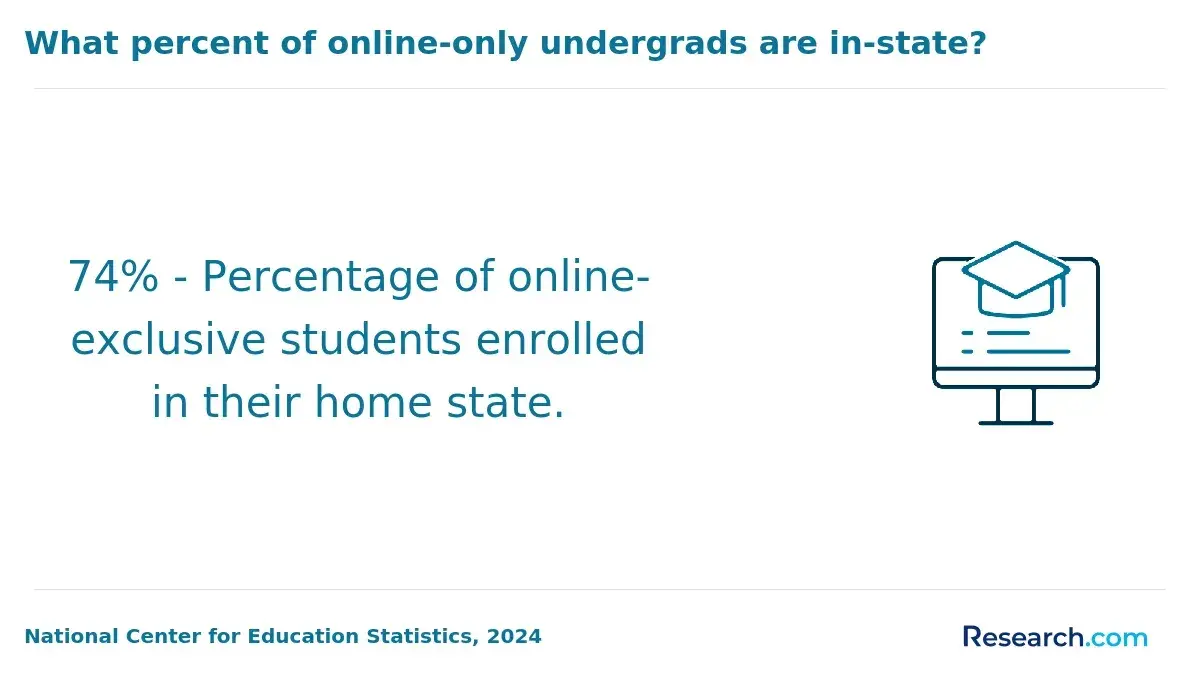
Students enrolled full-time in online physical education bachelor's programs usually take four to five courses each semester, amounting to about 12 to 20 hours of study weekly depending on course difficulty and instructor expectations. Part-time learners, however, typically enroll in only one or two courses per term, decreasing their weekly commitment to roughly 6 to 10 hours.
This reduced schedule allows for a more flexible approach, accommodating work and personal obligations. Full-time study often involves a faster pace with frequent interactions and activities to meet accelerated deadlines. Part-time students benefit from spreading their coursework over a longer timespan, which can ease pressure while maintaining steady progress.
Regarding academic intensity, full-time students face more demanding workloads with multiple overlapping assignments and tight deadlines requiring rigorous multitasking and discipline. They must engage regularly in discussions, complete practical tasks, and prepare for assessments on a compressed timeline.
Conversely, part-time students deal with fewer concurrent deadlines, providing greater flexibility to absorb the material and handle assignments at a manageable pace. Both formats demand strong time management skills, but adult learners balancing other responsibilities may find part-time study offers a more sustainable rhythm without sacrificing persistent dedication. Choosing between these options depends largely on the individual's availability and tolerance for academic pressure.
Which option is better for working adults in an online physical education bachelor's degree?
Both part-time and full-time online physical education bachelor's programs can effectively support working adults, depending on their individual schedules, capacity to handle workload, and personal responsibilities.
Recent data shows that over 40% of online undergraduate students were employed full time, emphasizing the importance of flexible academic options. The following points highlight critical differences to consider when choosing between these formats.
- Scheduling Flexibility: Part-time programs usually provide more leeway for students to adjust coursework around job hours and family needs. Full-time study often follows a more rigid schedule with substantial weekly demands.
- Workload Intensity: Full-time enrollment involves managing a larger number of classes each term, which can be overwhelming for those balancing multiple commitments. Part-time students face lighter course loads spread over a longer period.
- Time Management: Full-time students must juggle several courses simultaneously, requiring disciplined planning and focus, while part-time learners can distribute their study hours more gradually.
- Completion Pace: Degrees completed full time are generally finished within four years or less, whereas part-time students may extend their timeline, possibly delaying career advancement.
A working professional enrolled in an online physical education bachelor's program shared that deciding between part-time and full-time was a balancing act. She explained, "I initially underestimated how much time full-time study demands alongside my job. Switching to part-time helped me manage stress, though it feels like a slower path."
Despite occasional frustrations with deadlines and study load, she values being able to adapt her education to real-life pressures. "It's not just about finishing fast but maintaining my well-being while progressing," she said, reflecting the nuanced choice many working adults face.
Can I switch from part-time to full-time in an online physical education bachelor's degree?
Many online bachelor's degree programs in physical education offer students the option to switch between part-time and full-time enrollment as their personal and professional circumstances evolve. This flexibility is especially helpful for nontraditional learners who juggle multiple responsibilities.
Research shows that nearly 40% of online undergraduate students adjust their enrollment status at least once, highlighting a growing trend toward adaptable learning pathways. Decisions to move between study loads usually depend on academic progress, current course completion, and individual scheduling needs. Such options make it easier for students to maintain momentum while balancing other commitments.
When changing enrollment status in online physical education bachelor programs, students should consider various important factors. Increasing course load requires adapting to a more demanding academic schedule and faster pacing, which can affect time management and study habits.
Institutions often have policies that require approval from academic advisors or formal requests to ensure the change fits degree requirements. Gradual adjustments help prevent burnout and allow students to stay on track toward graduation. For those seeking a quicker educational route, exploring fast track college programs can also be a valuable option.
How does tuition differ for part-time vs full-time online physical education bachelor's degrees?
Tuition costs for online physical education bachelor's degree programs vary based on enrollment status, pace of study, and institutional billing practices. Nationwide, average tuition and fees for online undergraduate programs have grown steadily, with many programs ranging widely from approximately $200 to $600 per credit hour. Understanding these nuances helps students anticipate financial commitments as they weigh part-time versus full-time options.
Part-Time Online Programs
- Per-Credit Billing: Tuition is typically charged per credit, so costs fluctuate with the number of courses taken each term, offering flexibility but requiring consistent budgeting.
- Extended Duration: Spreading coursework over more terms can result in longer overall program completion times and sometimes higher aggregate costs due to fees or incremental tuition increases.
- Payment Distribution: Students usually pay smaller amounts more frequently, which can ease immediate financial pressure but demands careful long-term planning.
- Additional Fees: Technology, course materials, or administrative fees may apply differently or accumulate over time for part-time learners.
Full-Time Online Programs
- Flat-Rate Tuition: Many schools offer a set tuition rate per term up to a credit limit, allowing students to take full course loads without paying per credit.
- Faster Completion: Enrolling full-time means completing the degree in fewer terms, which might reduce exposure to potential tuition increases or added fees across semesters.
- Larger Term Payments: Full-time students face higher upfront costs each term but benefit from condensed study timelines.
- Consistent Pricing: Full-time tuition arrangements can simplify financial planning by eliminating variable per-credit charges within term limits.
After discussing these differences, I spoke with a graduate of an online physical education bachelor's degree about his experience managing tuition. He shared that balancing work and studies meant he often chose part-time enrollment despite the slower pace: "Paying per credit helped me avoid overwhelming my budget early on, but it also meant I was in school longer than I expected."
He noted the stress of monitoring sometimes fluctuating fees and the challenge of staying motivated over multiple extended semesters. However, he appreciated the flexibility part-time offered, saying, "It wasn't perfect, but it allowed me to keep earning while finishing my degree." This insight highlights how tuition structures intersect deeply with individual circumstances beyond just cost numbers.
Which option offers better financial aid for an online physical education bachelor's degree?
Financial aid availability for online physical education bachelor's degree students often depends on enrollment status, eligibility requirements, and institutional policies. Approximately 40% of part-time online students report receiving some form of financial aid, highlighting that support is accessible even for those not enrolled full time. Understanding these differences can help students make informed choices.
The following comparison highlights key financial aid types and how they typically vary for part-time and full-time online physical education students:
- Federal Pell Grants: Full-time students usually receive the maximum Pell Grant award based on financial need, while part-time students get prorated amounts relative to their enrollment hours, reflecting the reduced course load.
- Federal Student Loans: Both enrollment statuses qualify for federal loans, but full-time students often access higher borrowing limits due to their increased credit load and eligibility requirements.
- Institutional Scholarships: Many colleges prioritize scholarships for full-time students, though some institutions provide targeted awards for part-time learners, especially adult or returning students pursuing online physical education degrees.
- State Grants: State policies vary widely; some require full-time enrollment for grant eligibility, whereas others extend support to qualified part-time students who demonstrate financial need.
- Work-Study Programs: These programs primarily focus on full-time students, so part-time students may see fewer opportunities, making it important to explore alternative campus employment or aid options.
What are the pros and cons of part-time vs full-time online physical education bachelor's degrees?
Choosing between part-time and full-time online physical education bachelor's degree programs requires a careful balance of flexibility, cost, and academic intensity. Each option suits different student needs, especially for working adults and nontraditional learners, and understanding the key differences can help in making an informed decision. Below is a comparison list highlighting the main pros and cons of part-time versus full-time study.
Pros
- Flexibility: Part-time programs provide greater flexibility, allowing students to manage coursework alongside work and family commitments, which is crucial for many busy adults.
- Affordability: Part-time study spreads out tuition payments over a longer period, reducing immediate financial pressure and making it easier to maintain steady income.
- Faster Completion: Full-time students often complete their degrees more quickly, enabling earlier entry or advancement in their careers.
- Immersive Experience: Full-time enrollment promotes more consistent academic engagement and stronger peer connections, enhancing motivation and learning outcomes.
Cons
- Longer Duration: Part-time study extends the overall time needed to graduate, which may delay career advancement or further education plans.
- Less Immersion: Part-time students may experience limited interaction with peers and faculty, potentially affecting their academic community involvement.
- Time Intensive: Full-time programs demand significant weekly study hours, challenging those balancing jobs or family responsibilities.
- Increased Stress: The intensity of full-time coursework can lead to higher stress levels if students lack robust support systems.
When weighing flexibility and workload differences in online physical education programs, consider your personal schedule and goals. Further, for those exploring graduate pathways, options like an online masters degree in nutrition offer additional academic opportunities.
Does part-time vs full-time affect career outcomes in an online physical education bachelor's degree?
Employers often focus more on skills and practical experience than on whether a physical education degree was earned part-time or full-time. In fact, a 2022 survey by the National Association of Colleges and Employers found that 82% of employers prioritize demonstrated competencies and hands-on experience over the modality or length of study. This perspective helps clarify how full-time vs part-time online physical education degree career prospects compare.
- Skill Development: Mastering relevant physical education techniques, health knowledge, and teaching strategies is essential. Both part-time and full-time students must focus on acquiring strong competencies to enhance their career readiness.
- Work Experience Integration: Students who combine their studies with internships, certifications, or part-time jobs related to physical education tend to have better resumes. Part-time learners often balance these opportunities alongside their coursework, strengthening their practical experience as they progress.
- Degree Credibility: Accreditation and program reputation carry significant weight with employers and licensure boards. Whether studying part-time or full-time, attending an accredited institution ensures recognition of the degree's value.
- Progression Opportunities: Full-time students may complete their degree sooner and enter the workforce earlier, but part-time students can build career-related experience while studying. Both paths offer unique advantages based on individual circumstances and goals.
- Networking and Resources: Engagement with professional groups, whether online or locally, supports career development equally for part-time and full-time students. Additionally, exploring specialized options, such as PMHNP programs, can further enhance career pathways in related health fields.
Focusing on applicable skills and professional experience is more impactful than worrying about enrollment status when planning a career in online physical education.
What mistakes should I avoid in part-time vs full-time study?
Deciding between part-time and full-time online physical education bachelor's programs demands strategic planning to manage academic pressures effectively. Nearly 40% of online learners struggle with retention due to misjudging the intensity of coursework and challenges in organizing their schedules. Recognizing these pitfalls can improve success rates.
Common mistakes vary between the two study modes but often overlap in impact:
- Underestimating Workload: Full-time students may feel overwhelmed by the accelerated pace, while part-time students might assume fewer credits mean less effort, not accounting for prolonged cumulative demands over time.
- Poor Time Management: Balancing multiple courses can overwhelm full-time learners, whereas part-time students juggling jobs and family commitments often struggle to allocate consistent study periods.
- Schedule Conflicts: Part-time students sometimes enroll in classes that clash with their work or personal obligations, reducing engagement. Full-time students might fail to align course timing with their most productive hours, impacting performance.
- Unrealistic Expectations: Assuming a degree can be completed with less effort or in less time often leads to frustration, especially for part-time learners expecting full flexibility and full-time students overlooking the mental stamina required.
- Neglecting Support Systems: Part-time students may feel disconnected from campus resources, while full-time students might ignore available tutoring and advising amid their heavy workload.
What Graduates Say About Part-Time vs Full-Time Online Physical Education Bachelor's Degree Programs
- Armando: "Choosing a part-time online physical education bachelor's program was crucial for me since I was balancing a full-time job and family commitments. The flexibility allowed me to pace my studies without feeling overwhelmed, even when juggling multiple responsibilities. This degree has opened doors for me in community fitness coaching, and I feel confident applying what I've learned directly to my work environment."
- Damien: "Enrolling in a full-time online physical education bachelor's program was a bold step that tested my time management skills and discipline. The rigorous coursework and interactive virtual labs helped me stay engaged despite the remote setting. Completing this program has significantly boosted my career prospects, allowing me to transition into a health and wellness coordinator role with confidence."
- Aiden: "I opted for a part-time online physical education bachelor's degree because I wanted to continue working while earning my credential. At first, balancing work, school, and personal life was challenging, especially with practical assignments, but the support from faculty and peers made a big difference. Now, as a certified PE instructor, I appreciate how the degree has enhanced my teaching methods and opened up new advancement opportunities."
Other Things You Should Know About Physical Education Degrees
In 2027, employers generally value degrees based on the accreditation and quality of the program rather than whether it was earned part-time or full-time. What matters most to employers is the comprehensive skill set and knowledge the candidate brings to the job, making both part-time and full-time degrees respected by employers.
Eligibility for scholarships can vary by institution, but many scholarships are available to both part-time and full-time students pursuing an online physical education bachelor's degree. However, some merit- or enrollment-based scholarships may require full-time status, so students should verify scholarship criteria before applying.
References
- How To Choose Between Online Vs. Traditional Education Programs | PLNU https://www.pointloma.edu/resources/accelerated-undergraduate/how-choose-between-online-vs-traditional-education-programs
- Full-time, part-time, online - which study mode is right for you? https://www.studentspace.pl/en/blog/post/studia-stacjonarne-zaoczne-wieczorowe---ktory-tryb-wybrac
- is online degree is consider for regular or part time? https://collegevidya.com/question-answer/is-online-degree-is-consider-for-regular-or-part-time/
- Health and Physical Education / Fitness (other) Career Tuition https://www.collegetuitioncompare.com/amp/career/health-and-physical-education-fitness-other/
- Online Physical Education Degree Programs - Edu Larism https://edularism.com/online-physical-education-degree-programs/
- Online Physical Education Degree | Forest Trail Academy https://foresttrailacademy.com/exploring-an-online-physical-education-degree-and-its-benefits-for-high-school-students/
- HHP: Physical Education Concentration | EOU Online https://online.eou.edu/programs/bachelors-health-human-performance/physical-education/
- Switching from part time to full time https://www.thestudentroom.co.uk/showthread.php
- Does a Part-Time Degree Cost the Same as Full Time? - Healthcare Management Degree Guide https://www.healthcare-management-degree.net/faq/does-a-part-time-degree-cost-the-same-as-full-time/
- The Benefits of Taking Physical Education Online https://www.apexlearningvs.com/blog/the-benefits-of-taking-physical-education-online/