2027 Return on Investment of an Online Physical Education Bachelor's Degree: Salary vs Cost

Co-Founder and Chief Data Scientist
Consider a working professional aiming to transition into the physical education field through an online bachelor's degree. The key concern is whether the salary boost justifies tuition and time investment. According to the U.S. Bureau of Labor Statistics, the median annual wage for physical education teachers is approximately $62,000, but this varies widely by region and experience.
Understanding how an online physical education degree affects earning potential and career growth is crucial before committing. This article analyzes the balance between program costs and long-term salary benefits-equipping readers to make informed decisions about their educational investments.
Key Things to Know About the Return on Investment of an Online Physical Education Bachelor's Degree
- Average tuition for online physical education bachelor's degrees ranges from $15,000 to $30,000-significantly lower than many traditional programs, improving affordability for first-generation and budget-conscious students.
- Graduates report median salaries around $48,000 annually, with potential growth tied to certifications and experience, offering a favorable salary-to-cost ratio within five to seven years post-graduation.
- Beyond salary, online programs enhance career advancement, job security, and professional development opportunities-key non-financial returns that strengthen long-term career resilience in education and health sectors.
What Is the True Cost of Earning an Online Physical Education Bachelor's Degree From Enrollment to Graduation?
Estimating the comprehensive cost of earning an online physical education bachelor's degree requires considering both direct and indirect expenses over the typical four-year full-time program. Tuition fees vary greatly-public institutions often offer lower rates especially for in-state students, while private universities usually have higher sticker prices.
Based on IPEDS data and university net price calculators, average sticker prices for online physical education programs range between $15,000 and $40,000 annually. However, many students benefit from financial aid and scholarships, bringing net prices down to roughly $8,000 to $25,000 per year. These tuition and fees for physical education online programs form the largest portion of cost.
Indirect costs such as reliable internet access, a personal computer, and a suitable study environment should not be overlooked and may add $500 or more annually, especially if upgrades are needed during the program. Considering these expenses helps students create a realistic financial plan for their studies.
Overall, cumulative costs for earning an online physical education bachelor's degree typically range between $35,000 and $90,000 after aid. This range includes tuition, fees, materials, proctoring, and technology expenses—offering a baseline for calculating return on investment by comparing these costs against salary gains and career benefits verified by the National Center for Education Statistics and other leading sources.
Working professionals or career changers might also explore options such as RN to BSN programs no clinicals as alternative pathways for advancement while managing expenses.
How Does the Starting Salary for Physical Education Bachelor's Degree Graduates Compare to the Total Cost of the Degree?
The starting salary for graduates holding a physical education bachelor's degree typically aligns with entry-level roles such as physical education teachers, fitness trainers, or coaching assistants.
According to the Bureau of Labor Statistics (BLS) Occupational Outlook Handbook, entry-level physical education teachers in public schools earn a median annual wage around $42,000, although salaries vary by location and district. Related roles in fitness training or coaching start lower, between $30,000 and $35,000.
Comparing these salaries against the physical education bachelor's degree cost versus salary outcomes reveals a broad range. The total cost of an online physical education bachelor's program, including tuition and fees, can be as low as $15,000 with scholarships or aid and up to $40,000 at more expensive institutions without significant financial support.
This translates to a payback period of roughly 4 to 12 months of starting salary if graduates dedicate earnings solely to repaying educational expenses-which provides a useful lens for evaluating return on investment (ROI).
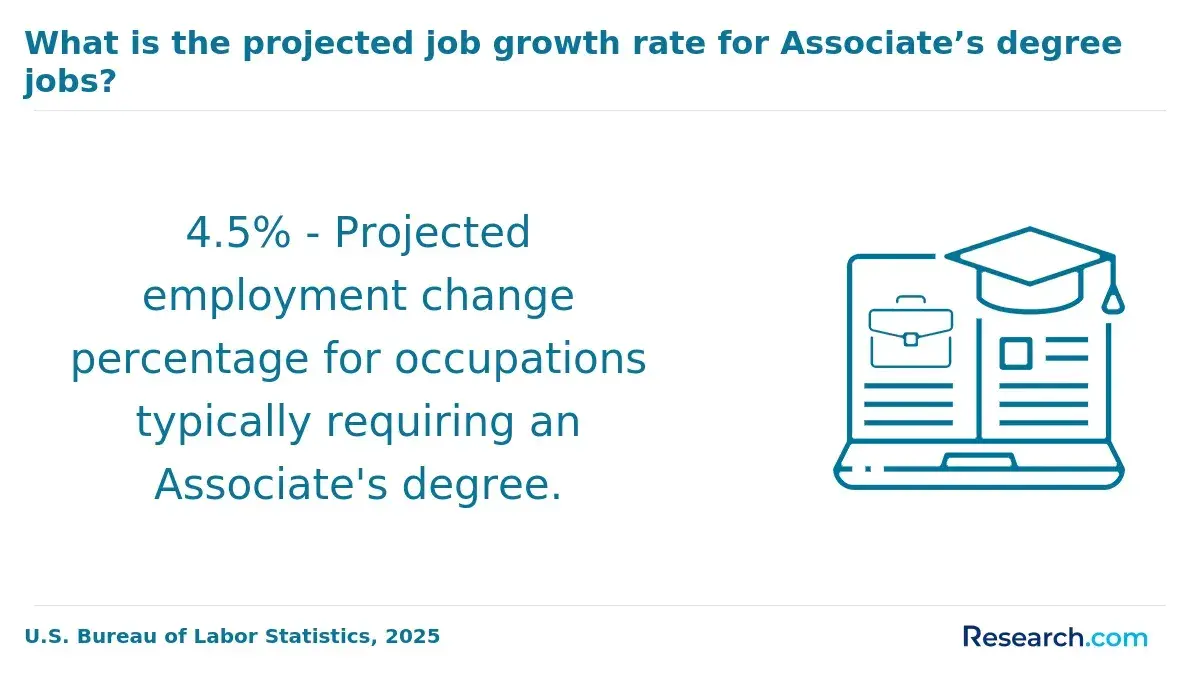
Starting salary is only one part of the financial equation. With experience, additional certifications, and career advancement into administrative or specialized roles, graduates often see salary increases. The BLS projects about 5 percent job growth in related education fields, underscoring job security and upward mobility.
For working professionals mindful of costs, consulting resources on the cost of RN to BSN can offer insight into program affordability and financial planning.
What Is the Average Return on Investment (ROI) for an Online Physical Education Bachelor's Degree Over a 10-Year Career?
Return on investment (ROI) in higher education measures the financial gain from earning a degree by subtracting the total cost of education from the extra earnings a graduate makes over 10 years compared to someone with only a high school diploma or associate degree in the same field.
Research from the Georgetown University Center on Education and the Workforce shows that bachelor's degree holders earn about 84% more over a decade than those with just a high school diploma. PayScale's College ROI Report supports this, indicating that while STEM and health degrees yield the highest returns, degrees in fields like physical education offer a steady but positive ROI.
Using median wage figures from the Bureau of Labor Statistics, secondary physical education teachers earn a median salary near $61,000 annually. Assuming a 3% raise each year, total earnings over 10 years add up to approximately $666,000.
In comparison, someone with a high school diploma starting at $36,000 with minimal raises might earn around $420,000 in the same timeframe. The resulting extra earnings linked to a physical education bachelor's degree reach roughly $246,000 over 10 years. After factoring in degree costs-usually between $30,000 and $60,000 for online programs-the net ROI remains favorable.
A professional who enrolled in an online physical education bachelor's program after carefully evaluating costs against expected returns recalled, "I was concerned about balancing work, family, and studies, but the lower tuition for online courses helped a lot."
He emphasized how budgeting for tuition and hidden expenses demanded thorough planning. "It wasn't just about the money—it was about feeling confident that the degree would open doors. Hearing about the tangible salary boost made the effort worthwhile." He described moments of doubt during coursework but stayed motivated by envisioning the long-term gains in his career and financial stability.
How Do Online Physical Education Program Tuition Rates Compare Across Public, Private, and For-Profit Institutions?
- Public Institutions: Online physical education program tuition rates by institution type show that public universities offer generally affordable options, especially for in-state students. Many public schools provide flat-rate online tuition regardless of residency, with costs averaging between $6,000 and $9,000 per year according to recent IPEDS data. This affordability often makes them a practical choice for students mindful of long-term costs.
- Private Nonprofit Colleges: These institutions tend to charge significantly higher tuition-usually ranging from $15,000 to $30,000 annually. While private nonprofit schools typically provide stronger alumni networks and enhanced support services, the higher prices compel students to assess if the potential career benefits justify the investment.
- For-Profit Colleges: For-profit programs often attract working adults with lower tuition rates or flexible payment plans. However, employers may view for-profit credentials less favorably, and these schools generally report lower graduation rates. Such factors can diminish the long-term return on investment despite lower upfront expenses.
Although cost is critical, choosing the cheapest option does not guarantee favorable career outcomes. Graduates from public universities with moderate tuition often benefit from better job prospects and salary growth compared to some less expensive for-profit degrees.
Prospective students should also consider factors like accreditation, graduation rates, and career support. Those seeking extensive comparisons of affordability and outcomes may explore related fields, such as the cheapest MHA programs online healthcare, which provide useful insights into balancing cost and quality in online education.
What Long-Term Salary Growth Can Physical Education Bachelor's Degree Holders Expect Over a 20- to 30-Year Career?
- Early Career Growth: In the first five years, salaries for physical education graduates tend to grow gradually as they build foundational experience in teaching or coaching. Median starting wages often range between $40,000 and $45,000, reflecting entry-level roles and skill development.
- Mid-Career Acceleration: Between five and ten years, earnings typically increase more sharply when professionals earn teaching credentials or assume mentoring and specialized coaching responsibilities. Median salaries during this phase can reach $50,000 to $60,000, influenced by factors such as location and employer type.
- Professional Advancement: At the 10- to 15-year mark, many physical education experts move into leadership positions like department chairs, curriculum developers, or athletic directors. Average salaries in this stage often climb to $65,000-$75,000, recognizing the added management and specialized roles.
- Late Career Stability and Growth: After 15 years, salaries tend to stabilize but still grow modestly with ongoing education, certifications, or transitions into administrative or consulting positions, which can yield higher pay increments.
- Cumulative Earnings Premium: Over a full career, individuals with a physical education bachelor's degree are projected to earn $400,000 to $600,000 more than non-degree workers in comparable jobs, driven by sustained salary growth and leadership opportunities.
A professional who launched her career through an online physical education bachelor's degree shared that the journey was challenging, balancing coursework with family and work demands. She emphasized that the flexible program enabled her to steadily gain qualifications while working, which later opened doors to coaching and leadership roles she hadn't initially anticipated.
Reflecting on her growth, she noted, "Earning this degree online required discipline and resilience, but it transformed my career outlook and gave me confidence to pursue advancement opportunities that weren't accessible before."
How Does the ROI of an Online Physical Education Bachelor's Degree Compare to an Associate Degree or a Professional Certificate?
The financial commitment for an online physical education bachelor's degree generally ranges from $20,000 to $40,000 for in-state tuition, based on National Center for Education Statistics data. In comparison, associate degrees usually cost between $6,000 and $15,000, while professional certificates, often available through community colleges or industry bodies, typically fall below $5,000.
- Median Salary: According to Bureau of Labor Statistics, individuals holding a bachelor's degree in physical education or related fields earn median salaries between $50,000 and $60,000 annually. Associate degree holders tend to earn between $35,000 and $45,000, and those with certificates earn roughly $30,000 to $40,000.
- Short-Term Investment: For those needing rapid workforce entry and minimal upfront expense, certificates or associate degrees offer quicker credential completion and faster income generation.
- Long-Term Returns: Over a decade or two, bachelor's degree holders typically realize higher cumulative earnings that exceed initial tuition investments. This credential also increases access to leadership positions and greater job stability.
- Career Advancement and Security: A bachelor's degree often unlocks opportunities in education administration, coaching, and wellness program leadership that are less accessible with lower credentials. Certificates mainly support entry-level roles or skill upgrades but rarely lead to significant upward mobility.
- Decision Framework: Assess available time for study, and consider long-term ambitions. Explore financial aid options, as many online bachelor's programs provide scholarships and flexible payment plans that can ease the financial burden. Factor in benefits beyond salary, including health coverage, retirement plans, and professional networking, typically stronger with bachelor's-level employment.
Ultimately, a bachelor's degree in physical education requires higher initial investment but offers broader financial and professional rewards over time, while certificates and associate degrees provide cost-effective, faster routes into the job market.
Which Online Physical Education Specializations or Concentrations Yield the Highest Earning Potential After Graduation?
Selecting the right online physical education specialization can notably influence earning potential and return on investment. Bureau of Labor Statistics (BLS) data reveal that graduates with specialized degrees often out-earn those with a general physical education bachelor's degree, though additional certifications or licensure may add to upfront costs.
- Sports Management: Graduates typically move into administration roles within athletic organizations or recreational programs. Median wages reach approximately $75,000 annually, significantly higher than the $50,000 median for general physical education teachers. However, this path often requires certifications in sports administration or business management, increasing time and financial investments.
- Exercise Science and Kinesiology: Careers include wellness coordination, rehabilitation, and fitness training, with median salaries between $60,000 and $70,000 depending on employers. Certifications such as ACSM or NASM are often needed, adding to the overall cost but improving job prospects.
- Adapted Physical Education: Focused on working with individuals with disabilities, this specialization usually leads to school or therapeutic roles. The median pay is around $55,000 and typically requires state teaching certification or special education credentials, which involve extra training and expenses but enhance employability.
- Health Promotion and Wellness: Careers often lie in public health or corporate wellness sectors, offering median salaries starting at $60,000. Many employers prefer candidates with certifications like CHES or CPR training, involving further certification costs.
- Coaching and Athletic Training: This specialization can yield wide-ranging salaries from $50,000 to over $75,000, especially at collegiate or professional levels. Licensure such as ATR or NASM credentials and continuing education are frequently prerequisites for advancement.
While specialized online physical education degrees generally lead to higher salaries, prospective students should consider the total financial and time commitment for necessary certifications. Weighing personal experience and career goals is crucial to identify the concentration that best balances immediate costs with long-term financial and professional gains.
How Do Employer Tuition Reimbursement and Financial Aid Reduce the Net Cost of an Online Physical Education Bachelor's Degree?
Employer tuition reimbursement programs can significantly lower the out-of-pocket expense for an online physical education bachelor's degree. Per IRS Section 127, employers may offer up to $5,250 annually in tax-free tuition assistance, which typically covers tuition, fees, and required materials.
This benefit reduces direct costs for employees and is widely available, with the Society for Human Resource Management (SHRM) reporting nearly half of U.S. employers providing some form of tuition assistance as part of their benefits package. Such programs are a valuable financial resource for working students pursuing careers in physical education.
In addition to employer tuition reimbursement programs for online physical education degrees, federal and institutional financial aid options further shrink net costs. Pell Grants offer up to $7,395 annually to qualified undergraduates, while many colleges provide merit-based scholarships to online learners.
Subsidized federal student loans also reduce financial pressure by pausing interest accrual during enrollment. Combining these aids effectively lowers reliance on high-interest loans and out-of-pocket payments.
Consider a working professional aiming to complete a $30,000 tuition online physical education degree. Employer reimbursement of $5,250 yearly over three years reduces costs by $15,750.
Adding federal aid, such as Pell Grants totaling $6,000 over the same period, brings total assistance to $21,750, leaving the student responsible for just $8,250. This combination demonstrates how education expenses become more manageable, enhancing the degree's return on investment.
For those exploring degree paths, it can be helpful to compare options. Reliable data sources and detailed program information, including dietetic masters programs, offer insights into how financial aid and tuition assistance apply in various fields.
What Hidden Costs Should Students Factor Into the Total Investment of an Online Physical Education Bachelor's Degree?
When calculating the total return on investment for an online physical education bachelor's degree, students frequently overlook additional expenses of online physical education programs that go beyond tuition.
These hidden costs can significantly delay the time it takes to reach a financial break-even point after graduation and affect the overall financial impact of certification and licensing fees in physical education.
Technology fees typically range from $100 to $500 annually, covering necessary platform access and technical support. Proctoring services required to maintain academic integrity may cost $30 to $50 per exam, which adds up as multiple courses require testing. Graduation fees between $100 and $200 are usually charged once, close to program completion. These are often not included in posted tuition costs but must be budgeted to avoid surprises.
Many courses require specialized software licenses or equipment, costing an additional $50 to $300 per course. Moreover, while optional, professional organization memberships help with career development and networking and usually range from $50 to $150 per year. Including these costs is essential for an accurate financial plan and for comparing programs, especially for students balancing a tight budget or a working professional's schedule.
Students considering their degree investment should always request a full cost-of-attendance breakdown rather than tuition alone to understand the total financial commitment involved. Prospective students might also compare programs to find options such as an accelerated nutrition degree online that fit their goals and financial constraints.
How Does the Accreditation Status of an Online Physical Education Program Affect Graduate Salary and Employability?
Regional accreditation covers the entire institution, ensuring it meets broad academic standards recognized nationwide. Programmatic accreditation, however, evaluates the specific quality of physical education programs. Both types are vital for graduates, as employers place higher value on degrees from fully accredited schools, which typically leads to better salary negotiation power.
Surveys from the National Association of Colleges and Employers and the Society for Human Resource Management reveal that hiring managers favor candidates with degrees from accredited institutions. Degrees from nationally accredited-only or unaccredited schools often raise concerns about the candidate's preparedness, which can limit job offers and career advancement.
Without proper accreditation, graduates might face hurdles such as ineligibility for licensure exams required for teaching physical education in public schools. It can also restrict entry to graduate programs and certain positions in government or healthcare, where accreditation is mandatory.
Prospective students should confirm accreditation status through the U.S. Department of Education's accreditation database or the Council for Higher Education Accreditation before committing to a program.
What Entry-Level Job Titles and Salary Ranges Are Available to Graduates of Online Physical Education Bachelor's Programs?
Graduates holding online physical education bachelor's degrees typically enter careers across various sectors, each presenting distinct salary opportunities and growth potential. Aligning job choices with both financial and professional goals can impact how quickly graduates recoup educational expenses.
- Physical Education Teacher: Salaries start around $40,000 to $50,000, primarily within public and private schools. Government positions often include stable benefits, and attaining teaching certification can boost pay.
- Fitness Trainer: Entry pay ranges from $30,000 to $45,000, with gyms and community centers being common workplaces. Specialized certifications in strength training or rehab elevate income, especially in healthcare settings.
- Recreation Coordinator: Typically earning $35,000 to $48,000, these roles within nonprofit or government agencies reward internship experience and event management skills.
- Health Educator: Starting salaries fall between $40,000 and $52,000, with healthcare providers and local governments offering the best packages.
- Sports Coach: Beginning pay commonly lies between $32,000 and $45,000, varying by sport and employer; colleges and private clubs usually pay more.
- Wellness Coordinator: Focused on corporate or community wellness initiatives, these professionals start near $38,000 to $50,000, often seeing the highest wages in private sector roles.
- Adapted Physical Education Specialist: Working with disabled populations, entry wages are $42,000 to $55,000. Schools and rehab centers value special education certification highly.
- Kinesiologist: Involved in movement analysis and therapy, salaries range from $40,000 to $53,000, with healthcare and research institutions offering top rates.
Internships, professional certifications, and focused academic concentrations enhance early earning potential and accelerate financial returns. These factors shape salary trajectories and influence job security, career advancement, and long-term professional development after graduation.
What Graduates Say About the Return on Investment of Their Online Physical Education Bachelor's Degree
- Allen: "Choosing the online physical education bachelor's degree was a strategic decision for me after carefully considering its ROI against traditional programs-the cost was more manageable and the flexible schedule made balancing work and study possible. Beyond the financial aspect, the program opened doors for career advancement and increased job security that I hadn't anticipated when I started. I now feel more confident in my professional skills and have seen real growth in my employment prospects since graduation."
- Darla: "Reflecting on my journey, the return on investment from my online physical education degree extends well beyond salary increases. The knowledge and credentials gained gave me the credibility needed to transition into leadership roles, providing more long-term career stability than I expected. I appreciate how the program empowered me to develop both professionally and personally, creating value that isn't just measured in dollars."
- Seth: "From a professional standpoint, enrolling in the online physical education bachelor's program was a decisive move to enhance my career trajectory-its cost-to-benefit ratio was clear and compelling. Not only did I gain valuable practical skills, but the flexibility allowed me to continue working while studying, which meant immediate benefits rather than delaying income. The degree has significantly boosted my marketability and opened up new opportunities for advancement that I'm excited to pursue."
Other Things You Should Know About Physical Education Degrees
The time to recoup the cost of an online Physical education bachelor's degree varies but typically ranges from 5 to 10 years. This period depends on factors such as program tuition, financial aid, and starting salary after graduation. Graduates who secure teaching or coaching positions in public school systems often benefit from steady income and potential for salary increases, helping them recover costs more quickly.
Geographic location plays a significant role in salary levels for Physical education graduates. For example, salaries tend to be higher in urban areas and states with greater education funding. Industry sector also matters; those working in public education may earn less initially than those in private sectors, sports organizations, or healthcare settings, but often have more stable benefits and job security.
Employer surveys confirm that a Physical education bachelor's degree remains valuable, especially for roles in teaching, coaching, and fitness training. Labor market data from sources like the Bureau of Labor Statistics indicate steady demand for qualified professionals in these areas. Employers typically seek candidates with formal training, making the degree a key credential for entry and advancement in this field.
References
- Average Private vs Public College Tuition [2025]: Data Analysis https://educationdata.org/private-vs-public-college-tuition
- The Truth About ‘Free’ and Low-Cost Online Colleges: Catches and Hidden Costs to Consider https://www.investopedia.com/the-truth-about-free-online-colleges-catches-and-hidden-costs-to-consider-11789310
- Career Paths You Can Take with a Physical Education Degree https://www.apu.edu/articles/career-paths-you-can-take-with-a-physical-education-degree/
- What Can You Do With a Bachelor's Degree in Physical Education? https://www.onlineu.com/resources/college-planning/what-can-you-do-with-bachelors-in-physical-education
- Employer-offered educational assistance programs can help pay for college | Internal Revenue Service https://www.irs.gov/newsroom/employer-offered-educational-assistance-programs-can-help-pay-for-college
- The Hidden Costs of Higher Education http://perspectives.acct.org/stories/the-hidden-costs-of-higher-education-0
- Does College Pay Off? A Comprehensive Return On Investment Analysis - FREOPP https://freopp.org/whitepapers/does-college-pay-off-a-comprehensive-return-on-investment-analysis/