2027 Online Physical Education Bachelor's Degree Programs With Open Enrollment

Co-Founder and Chief Data Scientist
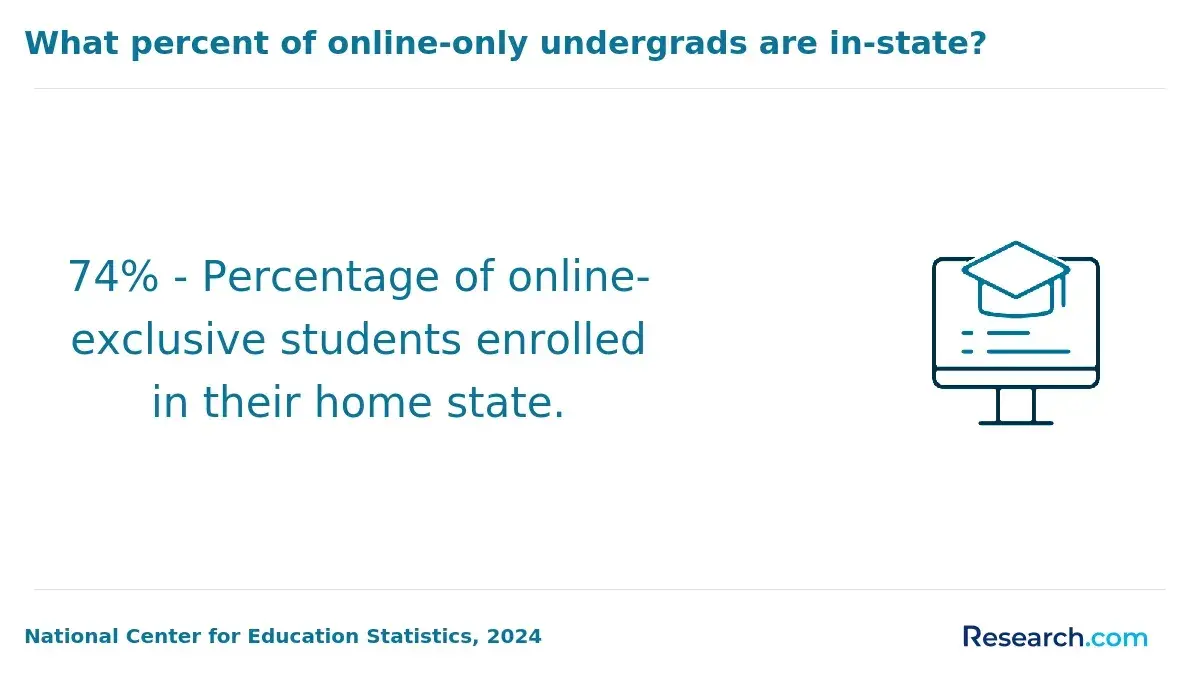
Many working adults seek to advance in physical education careers but face closed enrollment periods that disrupt their plans. Open enrollment online physical education bachelor's degrees offer flexibility, enabling continuous start dates to accommodate diverse schedules. According to the National Center for Education Statistics, 35% of undergraduates now choose fully online programs to balance work and study.
This shift highlights the demand for accessible, adaptable degree options. This article explores accredited online physical education bachelor's programs with open enrollment, providing crucial details to help prospective students navigate options and secure timely admission to meet career goals efficiently.
Key Benefits of Online Physical Education Bachelor's Degree Programs With Open Enrollment
- Online physical education bachelor's programs with open enrollment offer flexible start dates, allowing students to begin their studies at various points throughout the year without waiting for traditional semesters.
- These programs provide more accessible admissions pathways, often waiving standardized test requirements, which broadens opportunities for applicants from diverse educational backgrounds.
- Designed for working or nontraditional students, online formats enable learners to balance education with employment or family commitments, enhancing convenience and reducing geographic barriers.
Who Qualifies for an Online Physical Education Bachelor's Degree With Open Enrollment?
Open enrollment policies in online physical education bachelor's degree programs expand access to education by removing traditional barriers like GPA minimums and standardized tests. This flexibility has contributed to about 40% of online students identifying as nontraditional learners, reflecting greater inclusivity in higher education. These policies ensure that more individuals can pursue their academic and career goals regardless of prior academic challenges or life circumstances.
Typical qualifying groups include:
- Recent High School Graduates: These students often seek to start their higher education without the limitations of strict competitive admissions standards, benefiting from open enrollment's accessible approach.
- Working Adults: Individuals balancing employment and family responsibilities find online physical education bachelor prerequisites aligned with flexible scheduling options that make continuing education possible.
- Nontraditional Students: Those returning to education after breaks or career changes take advantage of open enrollment's inclusive policies that support diverse academic journeys.
- Prior College Experience: Students with some college credits but no degree use open enrollment programs to complete their physical education degrees through online formats suited to their needs.
- Military and Veterans: Open enrollment accommodates the unique schedules and transitions of those who have served, offering pathways to degrees that fit their commitments.
These groups illustrate the broad appeal and educational equity fostered by open enrollment options. The policies not only reduce barriers but also create opportunities for future professionals in teaching, coaching, and wellness fields. Prospective students interested in flexible college options might also explore related areas such as the easiest nursing schools to get into to compare pathways and entry requirements that support nontraditional learners.
What Is the Difference Between Open Enrollment and Rolling Admission in an Online Physical Education Bachelor's Degree?
Open enrollment and rolling admission are often confused but represent distinct admission models in online physical education bachelor's degree programs. While both offer more flexibility than traditional deadlines, they differ notably in timing, evaluation, and student intake methods. Recent data shows a 7% annual increase in students enrolling through such flexible models in physical education and related fields, reflecting growing demand for adaptable online learning pathways. The following comparison clarifies these two approaches.
Open Enrollment
- Admission Flexibility: Students can register at almost any time without strict deadlines, making programs accessible to a broad range of applicants including nontraditional learners.
- Application Timing: There is no set application window, allowing continuous intake aligned with term schedules or self-paced progression.
- Evaluation Process: Minimal to no screening occurs before enrollment, emphasizing simplicity and immediate access over selective criteria.
- Enrollment Structure: Student cohorts are fluid, with frequent start dates enabling ongoing participation and progression.
Rolling Admission
- Admission Flexibility: Applications are accepted over an extended period, but candidates must apply before program capacity is reached or by a final deadline.
- Application Timing: Allows ongoing submission but within defined limits set by program capacity or cutoff dates.
- Evaluation Process: Each application undergoes thorough review upon receipt, ensuring decisions reflect individual qualifications and selective standards.
- Enrollment Structure: While flexible, enrollment is tied to academic terms or cohort systems, maintaining structured progression.
Students seeking programs with these admission models might also explore an online physical education bachelor's degree alongside other flexible options such as a nursing degree online, which share similar admission models promoting access and convenience.
2026 Update: Planning Field Experience and Licensure Requirements
This 2026 update adds guidance on a key issue for online physical education students: how open enrollment affects in-person requirements, especially for those preparing for teaching, coaching, or school-based roles.
- Confirm whether the program leads to teacher licensure or only a general physical education degree.
- Ask how student teaching, practicums, or field observations are arranged in your local area.
- Check whether background checks, fingerprinting, or health clearances are required before placement.
- Review your state’s licensure rules if you plan to teach in public or private schools.
- Find out whether open enrollment changes when you can begin fieldwork or methods courses.
- Ask if the program helps secure approved placement sites or expects students to find their own.
Checking these details early helps students choose an online program that fits both their schedule and their long-term career requirements.
What Are the Admission Requirements for an Online Physical Education Bachelor's Degree With Open Enrollment?
Open enrollment online physical education bachelor's degree programs generally feature admission policies designed to increase accessibility for a wide range of students. Approximately 40% of online degree programs nationwide offer flexible or open admissions, reflecting a growing trend to accommodate diverse educational backgrounds. Below are some common admission requirements found in these programs.
- Proof of Prior Education: Applicants must typically provide a high school diploma or an equivalent credential, ensuring a basic academic foundation necessary for college-level coursework.
- Basic Application Materials: Submission usually includes an online application form and personal details that help initiate the enrollment process efficiently.
- Identity Verification: To uphold academic integrity, students may be asked to present government-issued identification or complete an online identity verification procedure.
- Readiness for Online Learning: Programs often assess whether applicants have the skills and resources to succeed in a virtual environment, emphasizing self-motivation and effective time management.
- Health Documentation: Some programs might request immunization records or health-related information, especially if there are on-campus practicum or clinical components involved.
One current student shared his experience navigating open enrollment for an online physical education bachelor's degree. He expressed relief at the straightforward process but noted some initial apprehension around the identity verification steps, which felt more rigorous than expected. "I wasn't sure how they would confirm my identity online, but once I completed that smoothly, the rest felt very manageable," he explained. He also highlighted the importance of being prepared for the self-directed nature of online study, mentioning that although he met the admission requirements easily, adapting to the virtual learning pace took some adjustment. Overall, his experience reinforced the value of accessible admission criteria balanced with clear expectations for online readiness.
Which Online Physical Education Bachelor's Degree Programs Have Open Enrollment?
Open enrollment options are increasingly available across various academic areas to enhance accessibility for a broad spectrum of learners. Recent trends show that online degree program enrollment has surged by over 15% in five years, reflecting growing interest in flexible educational pathways. The following outlines common categories within online physical education bachelor's degrees that feature open enrollment.
- Health and Wellness Education: This specialization emphasizes strategies for promoting healthy behaviors and preventing illness, tailoring curricula to diverse populations and community health needs.
- Sport and Exercise Science: Focused on improving athletic performance, this area covers biomechanics, physiology, and training techniques essential for careers in fitness and rehabilitation.
- Adapted Physical Activity: Programs in this field prepare students to design and implement physical activity programs for individuals with disabilities or special requirements, promoting inclusion and accessibility.
- Coaching and Athletic Training: Open enrollment in this pathway supports learners aiming to lead sports teams or provide fitness instruction, with courses centered on leadership and sports management.
- Recreation and Leisure Studies: This area explores management of community recreational programs and leisure activities, focusing on enhancing quality of life through structured physical engagement.
These top accredited online physical education bachelor's degrees with open enrollment often cater to nontraditional students such as working adults or military personnel seeking flexible and timely degree completion. Affordability and accessibility remain key benefits, with some programs aligning closely with options like accredited medical billing and coding schools with financial aid that also support independent learners. This model responds well to evolving workforce needs and lifelong learning demands.
How Do I Apply to an Online Physical Education Bachelor's Degree With Open Enrollment?
Applying to an online physical education bachelor's degree with open enrollment is designed to be quick and accessible, removing many barriers typical of traditional admissions. This streamlined process helps students begin their academic journey without delay. Here is a step-by-step overview of what to expect when submitting your application.
- Create an Account: Start by registering on the university's admissions portal. This account will serve as your primary hub for submitting materials and receiving updates.
- Complete Application: Fill out the application form carefully, providing accurate personal information, educational history, and contact details necessary for your record.
- Submit Documents: Upload required paperwork, commonly including a high school diploma or equivalent. Some institutions may also need transcripts or placement test results to evaluate your readiness.
- Confirm Enrollment: Verify your chosen start term, program focus, and contact information through the school's digital platform to secure your spot.
- Receive Next Steps: After confirmation, you will get official instructions about course registration, orientation dates, and access to academic resources. Support services are often available at this stage to assist with any questions or technical concerns.
A graduate of an online physical education bachelor's degree with open enrollment shared that the process felt surprisingly straightforward, which reduced her initial anxiety. She recalled how completing the application in stages allowed her to gather documents without pressure. "Knowing I could reach out for help during registration made a big difference," she reflected. The accessible format helped her balance work and study, and she appreciated how smoothly orientation and course enrollment transitioned after acceptance. Her experience highlights how these programs can offer flexible, supportive pathways to earning a degree.
Can I Start an Online Physical Education Bachelor's Degree at Any Time?
Many online physical education bachelor's programs with open enrollment provide flexible start options, allowing students to begin their studies at different times throughout the year. Although not every program offers full open enrollment, about 60% enable students to start courses quarterly or more frequently to better suit varied schedules. Understanding how these start times work can help students choose the right program.
Key factors to consider include:
- Continuous Enrollment: Certain programs permit enrollment and course commencement at any moment without waiting for the traditional semester cycle, offering greater flexibility.
- Multiple Start Dates: Programs often have several predetermined start windows annually, such as monthly or quarterly, to accommodate different student timelines.
- Program Pacing: Many schools feature self-paced or asynchronous formats, allowing learners to progress through coursework at their own speed once enrolled.
- Processing Time: Even with open enrollment, some students may experience brief delays between acceptance and starting classes due to administrative steps like orientation and registration.
This flexibility is especially valuable for nontraditional and working students, making it easier to balance education with personal and employment commitments while advancing in physical education careers.
Is It Easier to Get Into an Online Physical Education Bachelor's Degree With Open Enrollment?
Open enrollment policies generally reduce traditional admission barriers for online physical education bachelor's degree programs, making it much easier for students to gain acceptance. Unlike selective programs that often require high GPAs, standardized test scores, or competitive essay submissions, open enrollment accepts most applicants who meet basic eligibility criteria. This inclusive approach greatly increases accessibility, benefiting nontraditional students, working adults, and those returning to education after a break. Statistically, over 40% of U.S. postsecondary institutions use nonselective admissions policies, admitting more than 90% of applicants to expand educational opportunities and support workforce development.
While open enrollment can simplify the admission process, students are still expected to fulfill fundamental readiness standards to ensure academic success. Applicants typically must submit a complete application, provide proof of a high school diploma or GED, and sometimes meet prerequisite requirements set by the program. Many schools also offer support services like tutoring and orientation modules to assist students in transitioning smoothly into college-level work. Ultimately, open enrollment programs balance easier access with essential academic expectations, encouraging motivated students to pursue and complete their physical education degrees successfully.
How Much Does an Online Physical Education Bachelor's Degree With Open Enrollment Cost?
Tuition and overall costs for an online physical education bachelor's degree with open enrollment can vary significantly depending on program design and credit requirements. On average, tuition for online bachelor's degrees in the U.S. ranges from around $200 to $600 per credit hour, with annual tuition typically between $9,000 and $12,000. These figures provide a general framework but actual expenses may shift depending on various factors.
The following are key cost components prospective students should consider when evaluating the cost of open enrollment physical education programs.
- Tuition Per Credit: This is the main expense and usually charged by credit hour. Most physical education programs require 120 to 130 credits, so the per-credit rate heavily influences the total cost.
- Technology and Online Fees: Additional charges for virtual classroom platforms, IT support, and digital resources are common. These fees might be fixed or vary per credit hour, often amounting to several hundred dollars annually.
- Course Materials: Textbooks, specialized equipment for physical education practice, and software licenses may add to expenses. While some materials are provided digitally at no cost, others require separate purchase.
- Administrative Fees: Smaller fees related to registration, student services, and graduation processing can contribute to the final cost.
- Practicum or Internship Charges: Some programs include extra costs for practicum placements essential to physical education degrees, varying by institution policy.
Students looking at education options with flexibility may also want to explore online rad tech programs as alternative affordable pathways in health and physical disciplines.
Are There Disadvantages to Open Enrollment Online Physical Education Bachelor's Degrees?
Open enrollment in online physical education bachelor's degree programs broadens access for many students, including those who might not meet traditional admissions criteria. However, this increased accessibility can bring notable challenges. For example, the National Center for Education Statistics reports that only about 40% of students in fully online undergraduate programs complete their degree within six years, highlighting retention concerns. The following points outline some potential drawbacks of flexible admission physical education programs.
- Less Selective Admissions: Open enrollment often creates a diverse cohort in terms of academic readiness, which can hinder consistent instructional pacing and support.
- Varying Student Preparedness: Differences in preparedness may lead to some students struggling with coursework, impacting overall retention and completion outcomes.
- Limited Cohort Interaction: These programs frequently lack structured peer groups or consistent communities, reducing opportunities for collaborative learning and peer motivation.
- Self-Discipline Requirements: The flexible format demands strong time-management and self-motivation skills; without regular accountability, some students risk falling behind.
- Inconsistent Academic Support: Students might need to proactively access resources, which can be challenging for those unfamiliar with navigating online education systems.
Nontraditional learners should weigh these factors carefully when exploring open enrollment physical education programs. For those seeking related fields, researching alternatives such as a dietician degree online can also provide flexible options aligned with health and fitness careers.
How Do I Manage Time in an Open Enrollment Online Physical Education Bachelor's Degree?
Success in flexible, self-paced online physical education bachelor's degree programs depends heavily on effective time management. A 2023 Online Learning Consortium survey found that students who stick to a regular study routine are 35% more likely to finish their courses on schedule. Staying organized and disciplined boosts productivity and reduces last-minute stress. Here are some strategies to help manage your time efficiently:
- Consistent Study Schedule: Dedicate specific times daily or weekly for coursework to build steady habits and maintain momentum throughout the semester.
- Prioritize Tasks: Focus first on high-priority assignments and looming deadlines to ensure important work is completed early and reduce pressure.
- Minimize Distractions: Create a quiet, clutter-free study environment and turn off notifications on electronic devices to enhance concentration.
- Track Progress: Use checklists or digital planners to monitor completed lessons and upcoming goals, providing clear motivation and a sense of accomplishment.
- Break Projects Down: Split larger assignments into smaller sections with mini-deadlines to avoid feeling overwhelmed and keep progress steady.
What Graduates Say About Online Physical Education Bachelor's Degree Programs With Open Enrollment
- Amanda: "Choosing an online physical education bachelor's program with open enrollment allowed me to start my studies immediately without waiting for a traditional semester to begin, which was crucial as I was balancing work and family. The flexibility of the coursework schedule helped me manage challenging weeks, especially when practical assignments required creative adaptations at home. Now, as a certified fitness coach, this degree has truly expanded my career options and boosted my confidence in helping clients effectively."
- Damon: "I was initially drawn to this program because of its open enrollment policy, which made access less intimidating, especially after a long break from school. However, staying motivated through the self-paced online format was challenging, and I had to develop strong time management skills. Reflecting on my completion, the degree has deepened my understanding of kinesiology and allowed me to transition confidently into a health promotion role within my community."
- Aiden: "The open enrollment feature opened the door for me to pursue my passion in physical education without the hassle of application deadlines or restrictive schedules. While the online setting required me to be disciplined with completing assignments and interactive projects virtually, the program's comprehensive curriculum prepared me well for my role as a wellness coordinator. This degree has been a significant stepping stone, enhancing my professional credibility and practical skills in the health and fitness industry."
Other Things You Should Know About Physical Education Degrees
Many online physical education programs offer pathways to teacher certification, but not all do. Students should check if the program is state-approved and aligned with licensure requirements for physical education teachers. Additional steps, such as supervised teaching internships, may be required to obtain full certification.
These programs often use a blend of virtual simulations, video demonstrations, and guided assignments to teach practical skills. Some require students to complete internships or practica at local schools, fitness centers, or community organizations to gain real-world experience. Faculty usually provide support through regular online communication and feedback.
References
- The Benefits of Taking Physical Education Online https://www.apexlearningvs.com/blog/the-benefits-of-taking-physical-education-online/
- Physical Education Bachelor's Degree https://northern.edu/degrees/physical-education-bachelors-degree
- Bs In Physical Education And Sport https://www.gotouniversity.com/programs/bachelors/united-states-of-america/education/physical-or-health-or-fitness-education/indiana-university-of-pennsylvania/bs-in-physical-education-and-sport
- Pros and Cons of Open Admission Colleges - https://labourify.com/pros-and-cons-of-open-admission-colleges/
- Best Online Bachelor's in Physical Education Programs of 2025 - Intelligent https://www.intelligent.com/best-online-physical-education-bachelor-degree/
- Physical Education Licensure https://www.ccu.edu/undergrad/physical-education/
- News & Articles https://valenciaeducationalconsulting.com/blog/understanding-college-admissions-types-which-one-is-right-for-your-student/
- Physical Education https://international.pwsztar.edu.pl/studying/faculty-of-health-sciences/physical-education/
- Physical Education https://scsu.edu/academics/programs/physical-education/index.php
- B.P.Ed Distance Education Admission 2026 | Last Date, Eligibility, Fee, Syllabus & Scope https://dde.imtsinstitute.com/b-p-ed-distance-education-admission/