2027 Online Physical Education Bachelor's Degree Programs That Accept Transfer Credits

Co-Founder and Chief Data Scientist
Imagine a student with several college credits who wants to earn an online physical education bachelor's degree without repeating coursework. Many prospective students face wasted time and additional costs when their previous credits don't transfer smoothly. Approximately 60% of online physical education bachelor's students report credit transfer issues that delay degree completion.
This article explores accredited programs accepting transfer credits, helping students identify options that save time and money. It offers guidance on maximizing prior coursework toward an online physical education degree, supporting efficient academic progress and faster entry into the workforce.
Key Benefits of Online Physical Education Bachelor's Degree Programs That Accept Transfer Credits
- Accepting transfer credits significantly reduces time to degree completion, allowing students to graduate faster by applying prior coursework toward core Physical Education requirements.
- Transfer-friendly programs lower overall costs by minimizing duplicate course tuition and fees, an important factor given the average 20% higher expenses for non-transfer students in online education.
- Flexibility increases as students customize their degree pathways based on previous academic experience, accommodating working adults and those balancing other commitments.
Who Should Consider an Online Physical Education Bachelor's Degree With Transfer Credits?
Students with prior academic credits often benefit from online physical education bachelor's degree programs that accept transfer credits, allowing them to save time and reduce costs. National data shows that approximately 38% of undergraduate students transfer at least once during their college careers, highlighting the importance of credit mobility in higher education. These transfer-friendly programs are designed to recognize previous coursework and make degree completion more efficient. Here are some groups who may find these programs particularly advantageous:
- Students with Prior Credits: Those who have already earned college credits can avoid retaking courses by applying transfer credits toward their physical education degree requirements. This helps accelerate the path to graduation while honoring past academic achievements.
- Working Professionals: Individuals balancing careers and education can benefit from flexible online formats that support continuous learning and qualification upgrades without disrupting work schedules.
- Adult Learners: Returning students seeking efficient credit transfer options appreciate programs that accommodate their need for flexibility as they manage multiple responsibilities.
- Military Veterans: Veterans with service-related educational credits can leverage these in civilian degree programs, providing a smoother transition into higher education.
- Flexible Schedules: Students who require a balance between academic rigor and busy lifestyles will find these online physical education bachelor's degree programs ideal for their needs.
Choosing an online physical education bachelor's degree with transfer eligibility offers a strategic advantage for students aiming to expedite degree completion while maintaining quality learning. For those exploring related accelerated health-related pathways, options like medical assistant classes also provide efficient routes to workforce readiness.
How Many Credits Can I Transfer Into an Online Physical Education Bachelor's Degree?
Most online physical education bachelor's degree programs typically accept between 60 to 90 semester credit hours for transfer, covering approximately half to three-quarters of the total degree requirements. A key figure to keep in mind is that many programs cap transferable credits at 90, which means students are generally required to complete at least 30 credits within the program itself to maintain academic standards.
This balance helps ensure that while students can capitalize on prior work, they still gain essential learning experiences unique to the institution. Such maximum transferable credits for online physical education programs align with common credit transfer policies found in U.S. higher education.
Several factors influence how many credits can be transferred into an online physical education bachelor's degree. Course compatibility with the new program's curriculum, including content and credit hours, plays a critical role, as programs favor prior coursework closely aligned with their requirements. Accreditation also profoundly impacts credit acceptance-credits from regionally accredited colleges generally transfer more readily than those from nationally accredited or unaccredited institutions.
In addition, recent coursework with clear documentation, such as detailed transcripts and syllabi, improves transfer chances. Students often benefit from prior general education credits or associate degrees during evaluation. For prospective students interested in related fields, exploring an accelerated healthcare administration degree may offer additional pathways to advance their education efficiently.
2026 Update: Check Certification and Field Experience Fit Before Transferring
For 2026, this update adds a closer look at how transfer credits may affect teacher preparation, coaching, fitness, or recreation pathways within online physical education bachelor's programs.
- Confirm whether the program is designed for teacher licensure, non-licensure fitness careers, coaching, or recreation leadership.
- Ask if transferred major courses satisfy state certification standards or only count as electives.
- Review any required in-person labs, practicums, student teaching, or local field placements.
- Check whether CPR, first aid, background checks, or health screenings are needed before fieldwork.
- Make sure your transfer credits do not replace courses required for licensure eligibility.
- Ask an advisor how your prior coursework fits into the final degree plan before enrolling.
This helps students choose a transfer-friendly program that not only saves credits, but also supports their intended physical education career path.
What Types of Credits Transfer to an Online Physical Education Bachelor's Degree?
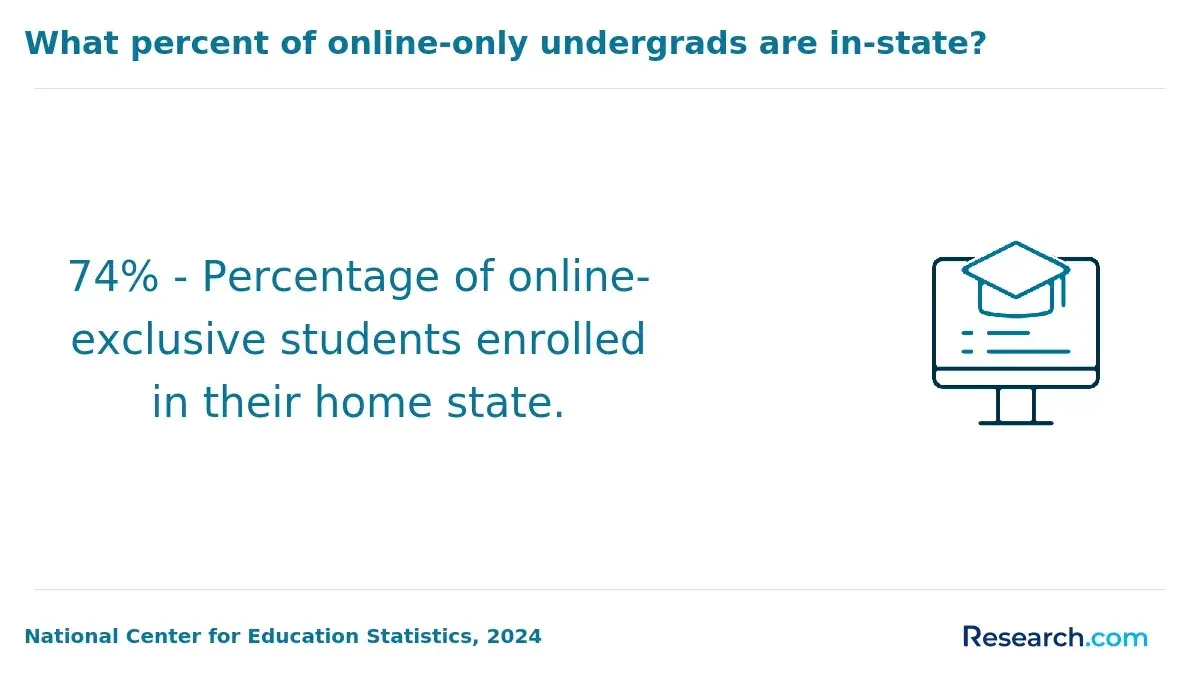
Students pursuing an online physical education bachelor's degree often bring various types of prior academic credits that may be eligible for transfer. Recent studies show that around 72% of online bachelor's students utilize transfer credits, underscoring how common this practice is. Recognizing these options can help students complete their degrees more quickly and efficiently.
- Community College Coursework: Many foundational general education and introductory physical education classes completed at community colleges align closely with bachelor's program requirements, allowing these credits to count toward degree completion.
- Advanced Placement and IB Credits: High school students often earn college-level credit through Advanced Placement (AP) or International Baccalaureate (IB) exams, which can satisfy elective or general education components in physical education programs.
- Professional Training and Certifications: Certificates and training from recognized organizations in fitness, wellness, or coaching may be evaluated for transfer if they demonstrate relevant skills and knowledge applicable to physical education curricula.
- Military Coursework and Training: Educational experiences and training completed during military service are frequently assessed by the American Council on Education (ACE), enabling recommended credit transfers to physical education degrees.
A graduate of an online physical education bachelor's program shared that navigating the credit transfer process was both challenging and rewarding. He recalled feeling overwhelmed initially, since compiling and verifying transcripts from different sources required persistence.
However, after submitting detailed documentation, he was pleased to find many of his professional certifications and community college courses accepted, which allowed him to avoid repeating material. "It was reassuring to see my prior efforts recognized," he said, emphasizing that this recognition made the pathway to graduation less daunting and more attainable.
What Are the Rules for Transferring Credits to an Online Physical Education Bachelor's Degree?
Transfer credit policies for online physical education bachelor's degree programs follow defined academic criteria to ensure that transferred coursework meets program standards. Data shows that nearly 60% of students moving to four-year schools have some credits reviewed for transfer, highlighting the significance of clear eligibility criteria for transferring credits to online physical education programs. Key transfer rules typically include the following:
- Accreditation: Credits must originate from institutions recognized regionally or nationally, guaranteeing that the coursework maintains high academic quality.
- Course Equivalency: Transfer credits are accepted only if courses align closely with the physical education degree's core or general education requirements, ensuring relevant knowledge and skills transfer.
- Minimum Grade Standards: Only courses with satisfactory passing grades-often a C or better-qualify for transfer, preserving the academic integrity of the degree track.
- Credit Limits: Programs frequently set a maximum on transferable credits, usually ranging from 60 to 90 semester hours, to uphold residency and degree completion criteria.
- Time Restrictions: Some colleges restrict acceptance of older coursework, particularly in dynamic fields, with typical limits set between five and ten years.
Students planning to transfer should carefully assess these transfer policies to prevent losing credits and expedite degree completion. For those in other fields, such as nursing, options like the PhD in nursing also offer transfer pathways but follow similarly structured rules.
Which Colleges Are Transfer-Friendly for an Online Physical Education Bachelor's Degree?
Transfer credit policies vary widely among colleges, affecting how easily students can apply previous coursework toward an online physical education bachelor's degree. National data shows nearly 40% of undergraduates in the U.S. have transferred at some point, highlighting the significance of institutions that simplify credit acceptance. The following types of colleges are generally recognized for being more transfer-friendly in this field:
- Public Universities: These schools often maintain formal agreements with community colleges, enabling students to transfer credits smoothly and progress faster toward degree completion in physical education.
- Online-Focused Institutions: Designed to support adult learners and nontraditional students, these colleges prioritize flexible enrollment and typically have lenient policies for accepting transfer credits.
- Adult-Oriented Programs: Colleges targeting working adults usually provide streamlined credit evaluations and accelerated pacing options, allowing students to build on previously earned credits efficiently.
- Regional Universities: Institutions serving specific geographic areas often collaborate with local colleges, creating clear pathways for transferring credits into their physical education programs.
- Private Colleges with Open Transfer Policies: Although less common, some private schools actively recruit transfer students and offer more flexible credit acceptance to attract a diverse student body.
One graduate of an online physical education bachelor's degree shared that navigating transfer credit reviews initially felt stressful. She recalled, "I wasn't sure if all my prior coursework would count, and the waiting periods were nerve-wracking." However, the college's dedicated transfer advisors helped clarify which credits aligned with the program's requirements. She noted that this support, combined with the school's transparent policies, made her transition smoother than expected. "Looking back, it definitely saved me time and gave me confidence that my previous efforts weren't wasted."
Which Online Physical Education Bachelor's Degree Programs Accept the Most Transfer Credits?
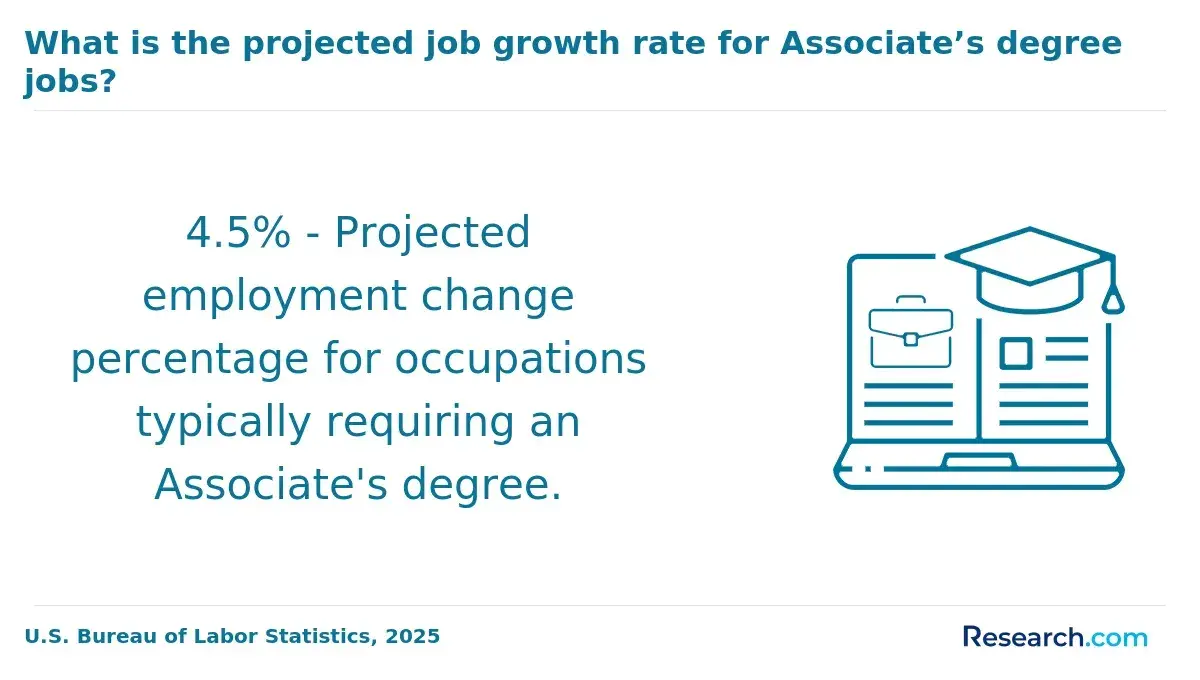
Several online physical education bachelor's degree programs are structured to accept a high volume of transfer credits, often enabling students to transfer two-thirds or more of their required coursework. This trend supports students who have prior college experience by allowing them to accelerate degree completion without repeating similar classes. Programs with high transfer acceptance usually share common features that facilitate this process.
Key characteristics of these programs include:
- Flexible Curricula: These programs offer adaptable course structures that accommodate a wide range of credit types, making it easier to apply credits from diverse accredited institutions toward general education and major requirements.
- Competency-Based Models: Emphasizing skill mastery over traditional classroom hours, this approach allows students to demonstrate their knowledge through assessments and earn credit for nontraditional learning experiences such as professional certifications or military training.
- Adult Learner Focus: Designed with transfer students in mind, these programs streamline credit evaluations and provide early assessment policies, reducing uncertainty and helping students plan their academic journeys more effectively.
- Articulation Agreements: Partnerships with community colleges and four-year schools facilitate smoother credit transfer and increase the likelihood that previously earned credits will count toward degree requirements.
- Online Delivery and Pace Options: Many programs feature accelerated terms or self-paced courses, offering the flexibility needed to integrate remaining coursework into busy schedules while accommodating varying learning speeds.
How Do I Transfer Credits to an Online Physical Education Bachelor's Degree?
Transferring credits to an online physical education bachelor's degree program is a structured process that allows students to apply their previous college coursework toward a new degree. This approach can save both time and money. In fact, nearly 38% of bachelor's degree recipients have transferred credits during their academic journey, emphasizing how common and helpful transfer options are for students. The steps below outline the typical process for transferring credits.
- Transcript Submission: Request official transcripts from all previously attended institutions. These documents must accurately reflect your completed courses and grades for evaluation.
- Course Evaluation: Submit your transcripts to the online physical education program's admissions or registrar's office, where faculty or academic advisors perform a course-by-course review to identify which credits match the program's curriculum.
- Credit Approval: Once evaluated, acceptable courses are formally accepted and applied to degree requirements, ensuring that transferred credits contribute to your progress.
- Academic Planning: Collaborate with an advisor to develop a personalized academic plan that integrates approved transfer credits and outlines the remaining coursework needed to graduate.
While transfer credit policies vary among programs, following these general steps can help streamline the process and maximize the benefit of your prior education. Being organized and proactive with your documentation supports a smoother transition into an online physical education bachelor's degree program.
How Do Transfer Credits Speed Up an Online Physical Education Bachelor's Degree?
Transfer credits can notably reduce the number of courses required to complete an online physical education bachelor's degree, helping students save both time and money. Studies indicate that students transferring into such programs often bring in an average of 30 to 60 credits, potentially shortening their degree completion timeline by up to two years. This is particularly valuable for those aiming to accelerate their progress without sacrificing academic quality. Below are key ways transfer credits contribute to faster degree completion.
- Reducing Coursework: Transfer credits allow students to apply previous academic work-such as general education or related physical education courses-toward their new degree requirements. This eliminates the need to retake equivalent classes, cutting down the total number of courses and tuition costs.
- Skipping Prerequisites: Many transfer credits fulfill foundational requirements, allowing students to bypass introductory classes. This enables more direct enrollment in advanced or major-specific courses, streamlining the educational path.
- Shortening Degree Timeline: By applying transferred credits, students can begin major-focused studies earlier. This accelerated approach often leads to quicker eligibility for internships, certifications, or employment opportunities within physical education fields.
- Flexible Scheduling: Freed from repeating previous coursework, students can opt for lighter or more manageable course loads. This flexibility helps maintain consistent academic progress while balancing other commitments.
For prospective students with prior college experience, exploring programs that accept transfer credits is a strategic way to reduce degree time with transfer credits in physical education programs. Those interested in healthcare-related fields might also consider online medical assisting classes, which similarly benefit from credit transfer options to accelerate completion.
Can Transfer Credits Reduce the Cost of an Online Physical Education Bachelor's Degree?
Transfer credits can significantly lower the cost of an online physical education bachelor's degree by reducing the number of courses a student needs to complete. Studies show transfer students may save up to 25% on total degree costs compared to those starting fresh. These savings come from fewer tuition hours and additional financial benefits.
Using transfer credits offers cost savings with transfer credits for online physical education degrees in several ways:
- Lower Tuition Fees: By enrolling in fewer credits, students pay less tuition overall. This is a key factor in how transfer credits lower tuition fees in online physical education programs.
- Reduced Textbook Costs: Completing fewer classes means buying fewer textbooks and course materials, which can add up to substantial savings over the course of a degree.
- Less Time Enrolled: Finishing the degree faster allows students to reduce living expenses and move into the workforce sooner, minimizing the total cost of attendance.
- Fewer Fees: Some expenses like course registration and campus services are charged per semester or credit, so fewer credits can lower these additional costs.
- Decreased Opportunity Costs: Accelerating academic progress enables earlier career advancement or graduate studies, which can have long-term financial advantages.
Physical education programs often involve practical components with specialized fees. Transfer credits help students avoid repeating coursework and provide more financial flexibility. Students interested in exploring options for online degrees with transfer credit opportunities may also find valuable information at the best online pharmacy school resources, which highlight the benefits of transfer credits across disciplines.
How Can I Maximize Transfer Credits for an Online Physical Education Bachelor's Degree?
Students seeking to transfer credits into an online physical education bachelor's degree program can often apply a significant portion of their previous coursework, with data indicating about 70% of transfer applicants successfully using existing credits toward their new degree. Taking deliberate steps can enhance the chances of maximizing eligible credit transfers. Consider these approaches for optimizing your credit evaluation:
- Review Transfer Policies: Examine the credit acceptance criteria of potential programs carefully. Knowing which classes meet core or elective requirements helps prioritize relevant courses for transfer.
- Plan Coursework Strategically: Align current and future classes with the program's curriculum to increase applicable credits. This reduces redundant coursework and shortens time to graduation.
- Request Early Evaluations: Obtain a preliminary credit assessment before enrollment to clarify transferability. Early feedback enables adjustments to academic plans to maximize credit use.
- Document Prior Learning: Gather certificates, military training records, and professional development related to physical education. These may qualify for elective or general education credit when submitted with official transcripts.
- Maintain Communication: Work closely with admissions and academic advisors to navigate transfer complexities. Their expertise can reveal additional options for credit recognition and streamline degree completion.
What Graduates Say About Online Physical Education Bachelor's Degree Programs That Accept Transfer Credits
- Regina: "Choosing to transfer my previously earned credits into an online physical education bachelor's degree program was a game-changer. The flexibility allowed me to balance work and study effectively, and I was pleasantly surprised by the reasonable fees associated with transferring credits. This smooth transition not only saved me time but also opened doors to new career opportunities in sports coaching."
- Stephanie: "Reflecting on my journey, transferring credits to an online physical education bachelor's program felt like the smartest decision I made. The process was straightforward, and the cost of credit transfer was considerably lower than I expected, making it financially viable. Professionally, this pathway helped me gain essential certifications much faster, advancing my role in health and wellness education."
- Agnes: "My decision to pursue an online physical education degree by transferring credits was driven by convenience and cost efficiency. I appreciated how the program recognized my prior learning without excessive fees for credit transfers. This approach significantly enhanced my qualifications and credibility as a fitness trainer, directly impacting my ability to attract more clients."
Other Things You Should Know About Physical Education Degrees
In 2027, reputable online Physical Education Bachelor's degree programs ensure employer respect through proper accreditation. They typically seek accreditation from recognized bodies like the National Council for Accreditation of Teacher Education (NCATE), guaranteeing that their curriculum meets industry standards and prepares students for successful careers in physical education.
In 2027, online physical education programs typically partner with local schools to provide student teaching opportunities. Online students must coordinate with their program advisors to ensure their placements meet state certification requirements.
Some online physical education bachelor's degree programs provide specialization tracks such as coaching, adapted physical activity, or health and wellness education. These concentrations allow students to tailor their studies toward specific career paths within physical education. Availability of specializations varies by institution and may impact transfer credit acceptance.
Students enrolling in online physical education programs should be comfortable using learning management systems, video conferencing tools, and digital resources for assignments. Basic proficiency in software for presentations and data analysis can also be helpful, as coursework may include research components and practical planning. Programs often provide orientation or technical support to help students acclimate.
References
- Transfer Planning for Physical Education https://www2.cortland.edu/offices/advisement-and-transition/transfer-credit-services/new-students/transfer-planning-pages/PEM
- The Benefits of Taking Physical Education Online https://www.apexlearningvs.com/blog/the-benefits-of-taking-physical-education-online/
- HHP: Physical Education Concentration | EOU Online https://online.eou.edu/programs/bachelors-health-human-performance/physical-education/
- Online Physical Education Degree | Forest Trail Academy https://foresttrailacademy.com/exploring-an-online-physical-education-degree-and-its-benefits-for-high-school-students/
- Transferring Online College Credits: A How-To Guide for Students https://www.publicservicedegrees.org/online-degrees/transferring-online-college-credits/
- Ask 10 Questions About Transferring Credits to Online Bachelor's Programs https://www.yahoo.com/news/ask-10-questions-transferring-credits-online-bachelors-programs-133000989.html
- Kinesiology - Physical Education Focus A.A. - Transfer Degree https://www.clcillinois.edu/programs/biodv/kinesiology/kinesiology-physical-education-focus-as-transfer-degree
- B.Sc Degrees Online 2025 - Best Course After 12th | Compare Top Programs https://b.sc/blog/transfer-credits-online-degrees-guide