2027 Online Physical Education Bachelor's Degree Programs With No Prerequisites

Co-Founder and Chief Data Scientist
Many individuals with non-education backgrounds seek to enter the physical education field but are deterred by strict prerequisite requirements. This barrier limits access for career changers and working professionals wanting a flexible pathway. Nationwide, over 60% of students enrolling in online physical education bachelor's programs report no prior coursework in the discipline, highlighting increased demand for accessible entry options. Without relevant prior experience, traditional programs often prove inaccessible or time-consuming. This article explores online physical education bachelor's degree programs with no prerequisites, offering clear guidance on available routes to help prospective students transition smoothly into this growing industry.
Key Benefits of Online Physical Education Bachelor's Degree Programs With No Prerequisites
- Online physical education bachelor's programs with no prerequisites offer flexible scheduling, allowing working professionals to balance study, work, and family commitments effectively.
- These programs enable accelerated skill acquisition through focused curricula, helping students quickly gain competencies needed for education and fitness careers.
- Students can earn valuable physical education credentials on affordable, self-paced timelines, making higher education accessible without extensive prior academic requirements.
What Does 'No Prerequisites' Mean for Online Physical Education Bachelor's Degree Programs, and Who Benefits Most?
In online physical education bachelor's degree programs, the term no prerequisites means students can enroll without completing specific prior coursework or possessing formal academic credentials related to the major. This differs from open admission, where colleges accept all students meeting minimal general requirements, and low-barrier enrollment, which may still require basic qualifications like a high school diploma or placement tests. No-prerequisite programs eliminate typical gatekeeping hurdles, enabling immediate entry regardless of previous study in physical education or related fields.
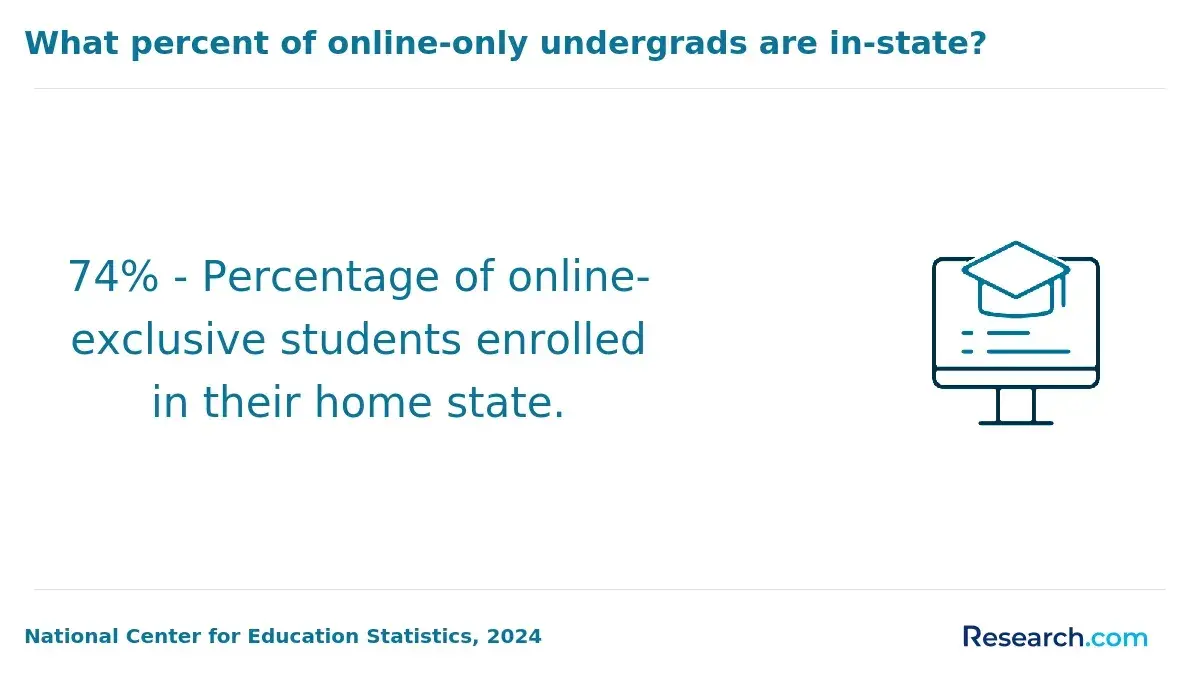
Several student populations especially benefit from no prerequisites online physical education bachelor programs. Career changers seeking to pivot into physical education may lack relevant undergraduate coursework, making these programs accessible gateways. Working adults appreciate the flexibility and reduced barriers when advancing or shifting careers. Returning learners who paused their education find no-prerequisite programs easier to access, while first-generation college students gain a more straightforward path toward earning a degree without navigating complex requirements. According to the National Center for Education Statistics (NCES), non-traditional students-those over 25, part-time, or balancing work and family-are increasingly enrolling in online colleges, and no-prerequisite programs align well with their unique needs.
This article explores the vital aspects prospective students should consider when evaluating no-prerequisite physical education degrees. Key topics include:
- Admission Clarity: Understanding enrollment policies that distinguish no-prerequisite programs from other flexible options helps students choose the right fit without confusion.
- Program Quality: Ensuring institutions maintain accredited, rigorous curricula despite fewer entrance barriers safeguards educational and career outcomes.
- Student Support: Tailored services for adult and first-generation learners are crucial to persistence and graduation.
- Financial Aid Access: Identifying funding opportunities makes education affordable and prevents hidden financial obstacles.
- Career Outcomes: Examining graduate success clarifies the value of no-prerequisite physical education degrees in the job market.
For students interested in accelerated healthcare pathways, programs like the fastest DNP program online demonstrate the growing availability of flexible, no-prerequisite education models that accommodate working professionals' schedules and goals.
Which Accredited Online Physical Education Bachelor's Programs Accept Students With No Prior College Coursework?
Several regionally accredited institutions provide online physical education bachelor's degree programs specifically designed for students with no prior college coursework. These schools typically waive traditional prerequisites or offer bridge courses, making them accessible to adult learners, first-generation students, or career changers seeking flexible and low-barrier enrollment. Such programs often incorporate foundational classes to ensure academic readiness while maintaining rigorous standards.
- Fort Hays State University: This public university features an online bachelor's in physical education with open admission policies and no prerequisite requirements. It offers bridge classes for newcomers to college-level work, and its enrollment surpasses 5,000 online students. The program emphasizes hands-on learning through virtual labs and community-based practicum opportunities.
- Western Governors University: Known for competency-based education, WGU's online bachelor's in physical education and health allows flexible pacing without needing prior academic credits. Regionally accredited and serving over 120,000 students nationwide, WGU provides personalized mentors and offers credit for prior learning.
- University of Florida Online: UF Online offers a bachelor's in sport management with physical education elements, accepting students without previous college coursework. While some prerequisites may be recommended, foundational courses are available to prepare students adequately. The university supports large enrollment and diverse financial aid options.
- Southern New Hampshire University (SNHU): SNHU admits students holding only a high school diploma into its online bachelor's in health sciences focused on physical education. It provides options to complete remedial courses online and supports transfer credits, serving more than 135,000 online learners with robust career services.
- Arizona State University (ASU) Online: ASU offers a Bachelor of Science in kinesiology welcoming first-time college students with no prerequisite coursework. The program includes foundational courses as needed and supports over 50,000 online learners with financial aid and academic advising tailored to nontraditional students.
These accredited online physical education bachelor's programs accept students with no prior college coursework by combining open or low-barrier admissions, regional accreditation ensuring quality, and accessible support services. Prospective students should verify accreditation and program details using official resources like NCES College Navigator and College Scorecard, assess transfer credit policies, and confirm financial aid availability. For those exploring options, examining career support and program flexibility is also essential to making an informed decision aligned with professional goals. Additionally, for students concerned about cost, researching cheap DNP online programs may offer insight into affordable online degree paths in related fields.
2026 Update: Field Experience and Licensure Fit Before You Enroll
This 2026 update adds a closer look at how no-prerequisite online physical education bachelor’s programs handle in-person requirements, especially for students who may want to teach in schools after graduation.
- Whether the program includes practicum, observation, student teaching, or internship hours.
- If field placements can be completed near your home or require travel to approved sites.
- Whether the degree is designed for teacher licensure, coaching, fitness, recreation, or non-licensure roles.
- Which state licensure rules apply if you plan to teach K–12 physical education.
- Whether background checks, health screenings, or liability insurance are required before placements.
- How online coursework connects to hands-on instruction, movement assessment, and classroom management practice.
Checking these details early helps students choose a program that is not only accessible, but also aligned with their career goal and local certification expectations.
How Do Open-Admission Policies in Online Physical Education Programs Differ From Traditional Selective Admissions?
Open admission policies in online physical education bachelor's degree programs allow most applicants to enroll without requiring previous academic credentials, standardized tests, or prerequisite courses. This contrasts with selective admission models that evaluate candidates using GPA, test scores, recommendations, or interviews. Rolling admissions offer ongoing application reviews, while conditional admission may accept students pending completion of certain requirements.
Public institutions like the University of Texas Rio Grande Valley and programs listed in the Integrated Postsecondary Education Data System (IPEDS) report acceptance rates close to 100%, illustrating open-admission practices. Such policies target nontraditional students-including working adults and first-generation learners-who often lack formal prerequisites but seek career advancement.
Because these students come with diverse academic backgrounds, schools with open admission typically provide developmental classes, tutoring, or orientation programs to build necessary skills. This helps maintain academic standards and student success while accommodating varied preparation levels. Selective programs generally admit fewer students with more uniform readiness, affecting the overall educational environment.
- Access and Inclusivity: Open admission removes barriers like prior coursework and testing, creating opportunities for underrepresented groups and career changers to pursue degrees.
- Academic Support: Remedial courses, tutoring, and orientations support students who may need extra preparation to succeed in physical education coursework.
- Quality Assurance: Accreditation ensures that even open-admission programs maintain rigorous curricula and produce credible career outcomes.
- Enrollment Trends: Recent IPEDS data show nearly 30% of bachelor's programs in physical education offer open or minimal-admission barriers to increase flexibility and access.
A professional who enrolled in an online physical education bachelor's program with no prerequisites shared that initial concerns about academic readiness gave way to confidence thanks to the school's support services. He described feeling uncertain about managing coursework after years away from school but found orientation sessions and tutoring critical to his progress. "The open-admission policy was exactly what I needed," he explained, "because it allowed me to start without jumping through hoops, and the extra help made the learning curve manageable." His experience highlights how accessible programs paired with strong support can empower career changers to succeed despite initial challenges.
What Are the Typical Enrollment Requirements for No-Prerequisite Online Physical Education Bachelor's Programs?
- Proof of High School Completion: Even in online physical education bachelor's programs with no prerequisites, applicants usually must show a high school diploma or GED equivalent. This step verifies foundational education necessary for success, aligning with typical enrollment requirements for no-prerequisite online physical education bachelor's programs.
- Minimum Age Requirement: Students are generally required to be at least 17 or 18 years old. This age threshold corresponds to adult learner status, helping schools-both public and private nonprofit-comply with legal regulations and maintain academic standards within their admission criteria for online physical education bachelor's degree with open enrollment.
- English Proficiency: Non-native speakers typically need to provide TOEFL or IELTS scores to confirm adequate English language skills. This measure supports successful engagement with coursework delivered in English, especially in accredited institutions that uphold quality education.
- Application Materials: Thorough preparation of documents-transcripts, photo ID, application forms-is essential. Schools may also request personal statements or recommendation letters, even if prior academic prerequisites have been waived. Efficiently managing these materials streamlines the admission process for candidates.
Alternative Pathways: Those lacking a high school diploma can obtain GED certification or pursue dual enrollment at community colleges. These options offer important routes to meet basic admission standards and progress into bachelor's programs.
Students exploring open-enrollment programs will find that sound planning and understanding of foundational requirements is crucial. For more information on related accredited programs, consider reviewing the best medical billing and coding schools online as a resource on institutional quality and financial aid availability.
Are No-Prerequisite Online Physical Education Bachelor's Programs Available at Regionally Accredited Universities?
Regional accreditation plays a crucial role for students pursuing no-prerequisite online physical education bachelor's programs. It ensures that the institution maintains high academic standards, which enhances employer recognition and eases credit transfer between schools within the same region. Unlike national accreditation, regional accreditation is widely accepted and typically required for eligibility for federal financial aid, making it essential for students who rely on funding.
Many programs with open or low-barrier enrollment policies focus on accessibility but may lack robust quality assurance if nationally accredited. Prospective students should prioritize regionally accredited schools listed in the U.S. Department of Education's and CHEA's directories to avoid obstacles in transfer credits, career advancement, and financial aid availability.
- Accrediting Agency: Confirm the institution is accredited by one of the six regional agencies recognized by the U.S. Department of Education or CHEA to guarantee academic rigor.
- Program Recognition: Verify that the physical education program is included within the school's accredited offerings, ensuring program quality and credit validity.
- Credit Transfer: Investigate the transfer policies to see if previous coursework or credits from other institutions will be accepted to reduce redundancy and save time.
- Financial Aid: Check if federal and state aid is available through the school, as financial assistance depends heavily on accreditation status.
A professional who completed an online physical education bachelor's without prerequisites shared that initial uncertainty about program legitimacy gave way to confidence after confirming regional accreditation. "Knowing that my credits would transfer made juggling work and studies manageable," she reflected. She emphasized how the school's support and recognized credentials opened doors to new career paths and professional development opportunities she once thought were out of reach. This firsthand experience highlights how accreditation can make no-prerequisite programs a viable, respected option for career changers and first-generation students alike.
How Do Students Without Academic Prerequisites Catch Up in Online Physical Education Bachelor's Courses?
Programs with open admission policies often include tailored resources to help students who may lack foundational knowledge succeed in physical education coursework. These supports ensure learners gain essential skills early and remain engaged throughout their studies.
- Developmental Courses: Many accredited programs provide introductory classes or bridge modules focused on core topics like anatomy, nutrition, and academic writing. These self-paced courses are typically integrated into the curriculum at the start, allowing students to build confidence before tackling advanced subjects.
- Tutoring and Academic Coaching: Personalized tutoring sessions and coaching services are generally available to online learners. These targeted interventions offer real-time assistance in both physical education concepts and broader study strategies, addressing individual student needs.
- Peer Mentoring Networks: Virtual peer mentoring and learning communities connect new students with experienced classmates. These connections support collaborative learning, boost motivation, and promote persistence by helping students navigate academic challenges more effectively.
- Data-Backed Success: NSSE data reveals that online physical education programs with strong academic support systems report higher retention and graduation rates. Active participation in tutoring and mentoring correlates with increased student persistence and degree completion.
- Self-Assessment Tools: Institutions often encourage prospective students to evaluate their readiness through self-assessment instruments. Early identification of academic gaps helps learners seek appropriate resources proactively, enhancing their chances for success.
- Proactive Engagement: Students who consistently communicate with faculty, advisors, and support staff tend to overcome learning challenges more effectively. Taking initiative in utilizing available support services is critical for maintaining momentum in these programs.
Recent statistics indicate that approximately 65% of students enrolled in open-access online programs who actively use academic support complete their degrees within six years, highlighting the value of these resources in no-prerequisite physical education pathways.
What Support Services Help No-Prerequisite Students Succeed in Online Physical Education Bachelor's Programs?
Online physical education bachelor's degree programs that admit students without prerequisites often provide extensive support services to help diverse learners succeed. These services are vital as many students juggle work, family, and academic responsibilities. Well-developed student support reduces dropout risks and improves degree completion.
- Academic Advising: Advisors guide students through course choices, degree planning, and transfer credit assessments. They are reachable via phone, email, and virtual meetings, offering tailored strategies for students entering without prior physical education coursework.
- Mental Health Resources: Leading programs provide confidential counseling and wellness services accessible through digital platforms. These resources support online learners in managing stress and maintaining balance amid competing demands.
- Disability Accommodations: Programs comply with ADA standards, offering adaptive technology, extra test time, and accessible materials. Coordinators ensure equitable participation for students with disabilities.
- Career Counseling: Dedicated career services assist students with resume building, interview preparation, and internship placement. This helps those new to physical education fields navigate professional pathways effectively.
Top-ranked programs listed in the U.S. News Best Online Bachelor's Programs emphasize asynchronous, virtual student support that fits learners' schedules. A recent study found that institutions with strong online services experience 15% higher retention rates among nontraditional students. Choosing accredited programs with proven student services ensures access to critical academic and personal resources for successful degree completion.
Can Transfer Credits or Prior Learning Assessments Replace Prerequisites in Online Physical Education Programs?
Transfer credits and prior learning assessments (PLAs) can often replace prerequisites in online physical education bachelor's programs, depending on each institution's policies and documentation type. Many accredited schools accept transfer credits, allowing students to bypass foundational courses and accelerate their degree progress. Similarly, exams like CLEP (College-Level Examination Program) and DSST (DANTES Subject Standardized Tests) offer a way to demonstrate subject mastery and substitute multiple prerequisites, providing a significant time and cost savings benefit for working adults pursuing an online physical education degree admission.
Some institutions, such as Thomas Edison State University and Excelsior College, have notably flexible transfer credit and PLA policies. These schools permit transferring up to 90 credits and award credit for a variety of standardized exams and professional trainings. PLA credit caps at these universities typically range between 30 and 60 semester hours and are evaluated using the American Council on Education's (ACE) credit recommendation guidelines. This framework helps schools assess credit for workplace training, military service, and relevant certifications, enabling substitution for prerequisites and even core courses.
To maximize prerequisite waivers, prospective students should compile transcripts, course descriptions, portfolios, and exam scores, submitting these with ACE credit evaluations. Recent data from the National Center for Education Statistics shows a 15% growth in institutions awarding credit via PLA in recent years, underscoring the expanding acceptance of prior learning toward degree requirements.
- Transfer Credit Acceptance: Accredited online physical education programs often allow transfer credits, facilitating prerequisite replacement and faster degree completion.
- Prior Learning Assessments: Recognized exams like CLEP and DSST provide alternative pathways to satisfy prerequisite coursework requirements.
- ACE Credit Guidance: The American Council on Education's recommendations support evaluation of workplace, military, and certification experiences for credit awards.
- Flexible Credit Policies: Institutions such as Thomas Edison State and Excelsior College offer generous transfer and PLA credit limits to maximize student opportunities.
- Documentation Strategy: Detailed course materials, portfolios, and official exam results improve chances for prerequisite waivers and credit recognition.
Students looking to explore flexible online degree options may also consider a range of ultrasound tech online programs as alternatives or complementary career pathways with similar credit transfer opportunities.
What Is the Average Time to Completion for No-Prerequisite Online Physical Education Bachelor's Degree Programs?
The average time to completion for no-prerequisite online physical education bachelor's degree programs typically follows the standard 120-credit-hour framework common to most bachelor's degrees. This usually equates to four years of full-time study but can vary widely depending on individual circumstances and program design.
- Enrollment Pace: Students enrolled part-time usually take longer to finish their degree, extending beyond four years. Conversely, full-time students, especially those in accelerated options, may graduate within the traditional timeframe or faster.
- Term Length: Many accredited online programs offer accelerated eight-week terms instead of the usual 16-week semesters. These shortened terms allow students to complete more courses per year and potentially graduate earlier.
- Prior Credit: Although no prerequisites are required for admission, students frequently transfer previously earned college credits, which can significantly reduce time to degree completion.
- Accelerated and Competency-Based Programs: Institutions such as Western Governors University and Southern New Hampshire University provide competency-based, self-paced formats or year-round enrollment. These flexible models enable motivated learners to progress faster than a fixed schedule.
- Graduation Timelines by Admission Policy: IPEDS data show that open-admission online colleges often have lower four-year completion rates compared to selective-admission programs. Structured support and admission standards at selective institutions correlate with quicker graduation outcomes.
- Cost and Opportunity Impact: The duration of study directly influences total tuition and opportunity costs. Evaluating time to completion is crucial for making financially sound choices, especially for working adults pursuing online physical education bachelor's degrees without prerequisites.
For those considering further education, it is also helpful to review programs recognized for affordability, such as the cheapest online MBA healthcare management, to understand broader online options that balance cost and speed of completion.
How Does Tuition Compare Between No-Prerequisite and Standard Online Physical Education Bachelor's Programs?
Open-admission online physical education bachelor's programs without prerequisite requirements often have per-credit-hour tuition rates that are similar to-or sometimes exceed-those of selective programs. This pricing reflects the additional academic support and foundational courses many open-access schools provide to students who may need extra preparation.
- Tuition Rates: While open-admission programs can be competitively priced, some may charge slightly higher rates to cover enhanced student services and developmental coursework not required in standard programs.
- Additional Fees: Many no-prerequisite programs impose extra charges for remedial or introductory classes that help students meet academic requirements, increasing the overall cost beyond advertised per-credit rates.
- Institutional Type: Public community colleges and universities with open enrollment policies usually offer lower tuition per credit compared to private or for-profit institutions, which may price no-prerequisite programs on par with or above traditional selective options.
- Funding Models: Publicly funded schools tend to subsidize costs, making no-prerequisite paths more affordable, whereas private schools often pass tuition expenses directly to students, raising costs.
- Program Delivery: Tuition fees can also vary depending on whether the program is fully online, asynchronous, hybrid, or synchronous, affecting the total financial commitment.
Total Degree Cost: Because developmental courses and fees add to expenses, prospective students should focus on the comprehensive cost-including tuition, fees, and credit requirements-rather than merely comparing per-credit prices when evaluating online physical education programs.
Which Online Physical Education Bachelor's Programs Allow Students To Start Without A High School Diploma Or GED?
Numerous accredited online physical education bachelor's programs admit students with a high school equivalency credential such as the GED or HiSET instead of a traditional diploma. This approach broadens access for adults returning to school or first-generation learners by focusing admissions on equivalency verification rather than formal secondary education credentials. Applicants must typically submit official score reports or transcripts confirming their credential status.
- GED and HiSET Acceptance: Many universities officially recognize these equivalency credentials as fulfilling secondary education requirements, streamlining the admissions process for nontraditional students, though documentation must be verified.
- Conditional Enrollment: Some programs allow provisional admission contingent on completing foundational courses or assessments to ensure preparedness for physical education studies, supporting learners without prior academic prerequisites.
- International Applicants: Students with foreign secondary education qualifications are required to provide evaluated transcripts from credential assessment services to demonstrate equivalency to U.S. standards before enrollment is approved.
- Additional Criteria: Beyond equivalency documentation, schools may ask for placement exams, letters of recommendation, or personal statements to assess a candidate's readiness and capability for program success.
- Accreditation and Quality: It is essential to choose programs with regional or national accreditation to guarantee educational quality, eligibility for federal aid, credit transferability, and access to comprehensive student support services.
What Graduates Say About Their Online Physical Education Bachelor's Degree Program With No Prerequisites
- Armando: "I chose the online physical education bachelor's degree program with no prerequisites because I wanted a flexible path that fit my busy schedule and career goals. The affordable tuition really made it accessible without the stress of hefty student loans. Since graduating, I've confidently advanced in my career, knowing I have solid credentials and practical skills to support my work. It was definitely the right move for me."
- Damien: "Reflecting on my experience, the lack of prerequisites made starting this physical education degree straightforward-no barriers to hold me back. I appreciated how the cost was manageable, especially compared to traditional schools, which allowed me to focus on learning rather than finances. This degree has opened doors for new job opportunities and leadership roles within my field, proving it was a smart investment in my professional future."
- Aiden: "As a professional aiming to establish myself in health and wellness, the online physical education bachelor's degree program with no prerequisites offered a perfect balance of convenience and quality. The program's cost-effectiveness was a huge factor in my decision, letting me pursue my passion without breaking the bank. Completing the degree boosted my confidence and credibility, enabling me to build a stronger career foundation than I had imagined."
Other Things You Should Know About Physical Education Degrees
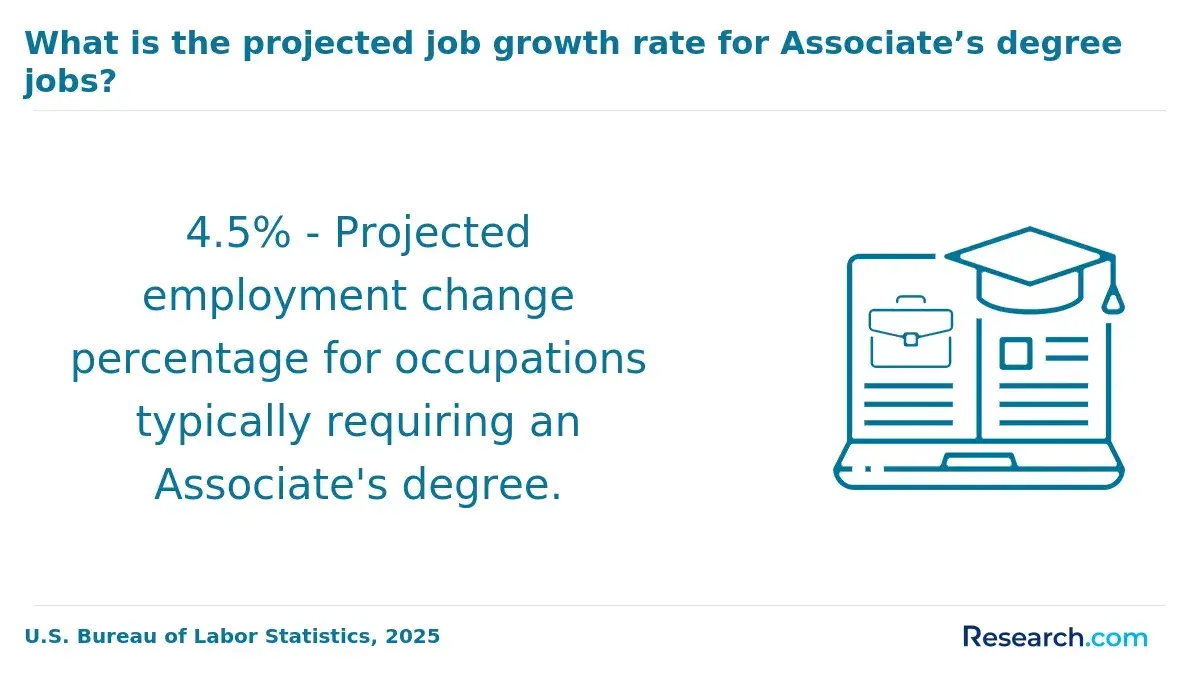
Graduates with a Bachelor's in Physical Education from no-prerequisite online programs in 2027 can pursue careers as physical education teachers, fitness trainers, coaches, or recreational therapists. These roles often depend on local licensure requirements and can vary based on experience and additional certifications.
In 2027, students should evaluate accreditation, faculty expertise, course content, and technological resources. Consider program flexibility, graduation rates, and student support services. Researching alumni outcomes and employer partnerships can also provide insights into program quality and career opportunities.
Prospective students should assess program accreditation, curriculum content, faculty qualifications, and student support services when comparing options. Consideration of credit transfer policies and program flexibility is essential for adults balancing education with work or family. Reviews from alumni and outcomes data also provide insight into program effectiveness and career placement.
References
- How Can Institutions Best Support Their Online Learners? https://www.higheredtoday.org/2025/04/21/how-can-institutions-best-support-their-online-learners/
- University Bulletin (2013-2014) https://www.brandeis.edu/registrar/bulletin/2013-2014/registrar/bulletin/provisional/req-ugrd/physed.html
- What are the benefits of e-learning for physical education? https://www.umu.com/ask/q11122301573854183966
- Top Benefits Of Online Degree Programs https://www.enepsters.com/2023/02/top-benefits-of-online-degree-programs/
- World's Largest platform as University Common Application https://www.planstudyabroad.uniagents.com/course-details.php
- How many years does it take to get a bachelor's degree in physical education? - Answers https://www.answers.com/education/How_many_years_does_it_take_to_get_a_bachelor%27s_degree_in_physical_education
- B.S.Ed. in Physical Education https://mayvillestate.edu/msu-online/programs/bsed-physical-education/
- Open Admission Online Colleges: How Do They Work? https://www.accreditedschoolsonline.org/online-colleges/open-enrollment/
- A Physical Education Degree Will Give You the Tools to Help Kids Succeed https://www.petersons.com/blog/a-physical-education-degree-will-give-you-the-tools-to-help-kids-succeed/