2027 Best Online Associate Degrees in Digital Photography for Adults Over 40

Co-Founder and Chief Data Scientist
Choosing an online digital photography associate degree after 40 is really a career-fit decision: will the program build a usable portfolio, sharpen your editing skills, and fit around work or family? The latest U.S. Bureau of Labor Statistics outlook projects photographer employment to grow 4%, with demand shaped by e-commerce, real estate, events, and digital content.
This guide explains accredited program types, online study options, costs, timelines, admissions, jobs, and certifications so you can compare schools with confidence instead of relying on rankings alone.
Key Things You Should Know
- The best online associate degrees in digital photography are accredited, portfolio-based, and flexible enough for adult learners; common formats include AA, AS, AAS, and AOS programs.
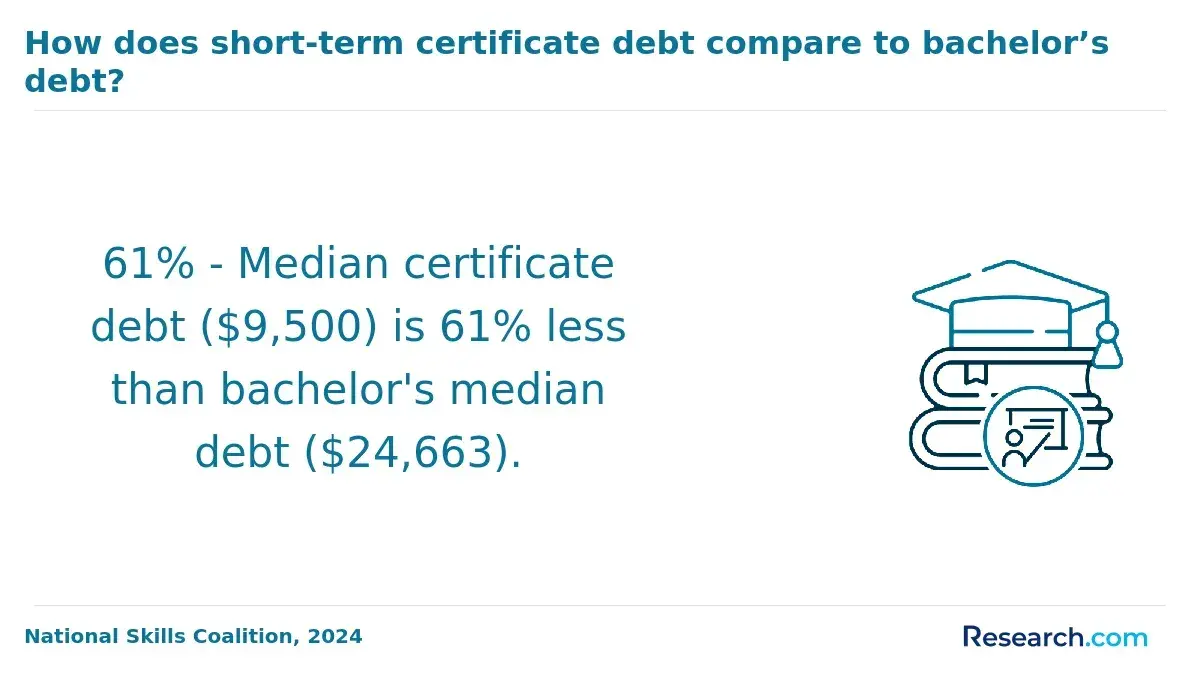
- College Board's 2024 pricing data lists average published tuition and fees at public two-year colleges at $4,050 for 2024-25, but photography students should also budget for camera gear, software, storage, printing, and portfolio expenses.
- BLS data reports a $42,520 median annual wage for photographers using May 2023 wage data and projects 4% employment growth from 2023 to 2033, so outcomes depend heavily on niche, portfolio quality, location, and business skills.
What are the best online associate degrees in digital photography for adults over 40?
The best online associate degree in digital photography for an adult over 40 is not always the cheapest or the most famous program. It is the one that combines recognized accreditation, strong portfolio development, realistic technology requirements, and enough scheduling flexibility to finish while managing adult responsibilities.
A digital photography associate degree is a two-year undergraduate credential focused on image capture, lighting, composition, editing, visual storytelling, and professional presentation. Some programs are designed for transfer to a bachelor's degree, while others are career-focused and emphasize studio practice, client work, and portfolio production.
The table below compares the main online associate degree formats you are likely to see. This matters because two programs with similar names can lead to different outcomes depending on whether you want employment, freelance work, transfer credit, or personal creative development.
| Degree type | Best fit | Typical emphasis | Decision point for adults over 40 |
| Associate of Arts in Photography or Digital Photography | Students who may transfer to a bachelor's degree | General education, visual arts, composition, photography foundations | Choose this if transfer flexibility matters more than immediate technical specialization. |
| Associate of Science in Digital Photography | Students who want a balance of creative and technical coursework | Digital imaging, editing software, media production, applied technology | Choose this if you want structured skill-building and possible transfer options. |
| Associate of Applied Science in Photography | Career changers and students seeking job-ready skills | Studio lighting, portraiture, commercial photography, portfolio, business practices | Choose this if your goal is freelance, studio, product, real estate, or event photography. |
| Associate of Occupational Studies in Photography | Students focused on applied creative practice | Hands-on production, portfolio development, software workflow | Ask carefully about transferability, because occupational credits may not transfer as easily. |
For adults over 40, the strongest programs usually share several features. Use these criteria before you compare tuition, because a low-cost program that does not build a portfolio or transfer well may cost more in the long run.
- Institutional accreditation: the school should be accredited by an agency recognized by the U.S. Department of Education or the Council for Higher Education Accreditation.
- Portfolio-centered curriculum: look for final portfolio, capstone, critique, or exhibition requirements that produce work you can show clients or employers.
- Adult-friendly scheduling: asynchronous courses, part-time options, predictable deadlines, and online advising are especially important if you work full time.
- Current software and workflow training: the curriculum should cover RAW processing, color management, file storage, metadata, image retouching, and ethical editing.
- Clear equipment expectations: schools should tell you whether you need a DSLR or mirrorless camera, lenses, tripod, lighting kit, calibration tools, and editing software.
- Career or transfer support: the program should provide portfolio reviews, internship guidance, business training, or transfer pathways.
Photography also overlaps with other digital creative fields. If you are comparing photography with broader visual media options, programs in areas such as game design schools online can help you understand how different creative degrees balance art, software, storytelling, and career preparation.
Is an online digital photography associate degree accredited?
Yes, an online digital photography associate degree can be accredited, but accreditation belongs primarily to the institution rather than the online format itself. A legitimate online program should award the same type of associate degree as an on-campus program and should appear in the school's official catalog.
Accreditation matters because it affects federal financial aid eligibility, transfer credit, employer recognition, and whether another college will accept your coursework later. The safest approach is to verify accreditation before applying, not after you receive an acceptance letter.
Use this checklist when reviewing a photography program's accreditation and legitimacy. It is especially important for adult learners who may be using savings, employer tuition assistance, military benefits, or federal aid.
- Confirm the school is institutionally accredited by an agency recognized by the U.S. Department of Education or CHEA.
- Check that the degree title, delivery format, and credit requirements appear in the official academic catalog.
- Ask whether online students receive the same transcript notation as campus students.
- Review transfer agreements if you may pursue a bachelor's degree later.
- Verify that financial aid eligibility applies to the specific program, not just the school.
- Look for transparent student support services, including advising, library access, tutoring, disability services, and career help.
Specialized art or design accreditation can be a positive signal, but it is not always required for a photography associate degree. Do not reject an otherwise strong community college program simply because it lacks a photography-specific accreditor; instead, focus first on institutional accreditation, curriculum quality, portfolio outcomes, and transfer policy.
Common red flags include vague accreditation claims, pressure to enroll immediately, missing catalog pages, unclear credit totals, unrealistic income promises, and refusal to provide equipment or software requirements in writing. A credible program will make those details easy to find.
Can adults over 40 study photography fully online?
Many adults over 40 can study digital photography fully online, but "fully online" does not mean "no hands-on work." Photography is a production-based field, so you will still need to shoot assignments, edit images, submit files, participate in critiques, and build a portfolio from wherever you live.
The online format can work well for adult learners because lectures, software demonstrations, readings, and critiques can often be completed asynchronously. The trade-off is that you must be more self-directed about planning shoots, finding subjects, using natural or artificial light, and managing deadlines without a physical studio schedule.
The table below shows what commonly works online and where you may need to ask more questions before enrolling. Use it to decide whether a program's delivery model matches your schedule, equipment access, and learning style.
| Program component | Can it usually be online? | What to confirm before enrolling |
| Lectures and demonstrations | Yes | Ask whether videos are recorded and available on demand. |
| Photo assignments | Yes | Confirm whether assignments require specific locations, models, lighting, or studio access. |
| Image critique | Yes | Ask whether critiques are live, asynchronous, peer-based, instructor-led, or a mix. |
| Studio lighting | Sometimes | Check whether the school requires a lighting kit or offers local alternatives. |
| Printing and color management | Sometimes | Ask whether students need a photo printer, lab access, or calibrated monitor. |
| Internship or field experience | Varies | Confirm whether local placements, remote projects, or portfolio substitutes are accepted. |
If you have been away from school for years, the biggest adjustment may be the digital workflow rather than photography itself. Strong online programs usually provide orientation modules, library tutorials, software support, and clear file-submission standards. Those supports matter more than age; they reduce friction while you learn modern editing and portfolio tools.
AI-assisted editing is also changing online photography education. Students are increasingly expected to understand noise reduction, object removal, generative fill, metadata, and disclosure norms. If a program ignores AI entirely, ask how it teaches ethical editing, originality, copyright, and client trust.
What courses are in an online digital photography associate degree?
Online digital photography associate degree courses usually combine visual foundations, camera technique, editing software, business practices, and portfolio development. The goal is not just to take better pictures; it is to create consistent, client-ready images and understand how photography functions in commercial, editorial, personal, and digital media contexts.
The table below summarizes common course areas and why they matter. Course names vary by school, but the competencies should be recognizable in any strong program.
| Course area | What students learn | Why it matters professionally |
| Digital camera operation | Exposure, aperture, shutter speed, ISO, focus, lenses, file formats | Creates technical control instead of relying only on automatic settings. |
| Composition and visual design | Framing, balance, color, line, contrast, visual hierarchy | Helps images communicate clearly across portraits, products, events, and editorial work. |
| Lighting | Natural light, studio light, flash, reflectors, modifiers | Improves consistency in portraits, product photography, and indoor shoots. |
| Digital editing and workflow | RAW processing, retouching, color correction, file management | Supports efficient delivery and professional image quality. |
| History of photography | Major movements, photographers, visual culture, ethics | Builds visual literacy and helps students discuss their work with confidence. |
| Commercial or client photography | Briefs, shot lists, client communication, usage needs | Prepares students for paid assignments and client expectations. |
| Business of photography | Pricing, contracts, licensing, marketing, taxes, client management | Especially valuable for freelancers and career changers. |
| Portfolio or capstone | Curated body of work, artist statement, presentation | Gives graduates a practical asset for jobs, clients, or transfer applications. |
Adults over 40 should look closely at whether the curriculum includes business and digital marketing. Technical skill is important, but many photographers earn income through client relationships, referrals, online portfolios, local search visibility, and niche positioning.
Current technology trends make the curriculum even more important. AI editing, automated culling, smartphone computational photography, and social media content workflows are reshaping client expectations. Students interested in the technical side of creative work may also want to explore how a bachelor applied artificial intelligence pathway connects with imaging, automation, computer vision, and digital media careers.
Before enrolling, ask for a recent syllabus from at least one core photography course and one portfolio course. This helps you see whether the program teaches current software, requires meaningful critique, and gives adult learners enough structure to improve over time.
What admissions requirements do online photography programs have?
Admissions requirements for online photography associate degrees are usually accessible, especially at community colleges and open-admission institutions. Most programs require a high school diploma or GED, an application, transcripts, and placement information for college-level writing or math.
Photography associate programs rarely require a professional portfolio for first-year admission, but some may ask for samples if you are seeking transfer credit, advanced placement, or admission to a selective arts track. If you are a beginner, that is normal; the program should teach foundations before expecting advanced work.
Expect schools to ask for some combination of the following items. Requirements vary, so always confirm the current checklist with admissions before paying application fees.
- Completed online application
- High school transcript, GED documentation, or prior college transcripts
- Proof of identity and residency for tuition classification
- Placement test scores or prior coursework for English and math placement
- FAFSA submission if you plan to use federal financial aid
- Technology readiness confirmation, such as computer, internet, and software access
- Optional portfolio, statement of interest, or advising appointment for some programs
Adults over 40 should also ask about credit for prior learning. Some schools may evaluate previous college credits, military training, professional experience, or industry certifications. Even a few accepted credits can reduce cost and shorten time to completion.
A common mistake is assuming that "open admission" means "easy to finish." Entry may be simple, but photography coursework can be time-intensive because shooting, editing, critique revisions, and portfolio development require repeated practice. Before enrolling full time, review weekly time expectations for studio courses.
How long does an online digital photography associate degree take?
An online digital photography associate degree typically takes about two years of full-time study, but adults over 40 often choose part-time enrollment to balance school with work, caregiving, or business responsibilities. Most associate degrees require about 60 credits, though some applied programs may require slightly more.
The table below compares common pacing options. This can help you decide whether speed, affordability, workload, or flexibility should be your priority.
| Enrollment pace | Typical completion time | Best for | Main trade-off |
| Full time | About 2 years | Students who can commit significant weekly hours | Faster completion, but less flexibility for work and family. |
| Part time | About 3 to 4 years | Working adults and caregivers | Lower semester workload, but longer time before graduation. |
| Accelerated terms | Varies by school | Students with strong time management and prior college experience | Shorter courses can make studio assignments feel compressed. |
| Transfer-heavy plan | Potentially shorter | Students with prior college credits | Depends on transfer acceptance and degree requirements. |
To estimate your timeline realistically, ask the school for a degree map for both full-time and part-time study. Then compare it with your weekly schedule, including time for shooting, travel to locations, editing, backups, discussion posts, and critique revisions.
One practical approach is to start with one general education course and one photography course in the first term. This gives returning students a chance to test the online platform, rebuild study habits, and understand the production workload before committing to a heavier schedule.
How much do online digital photography associate degrees cost?
Costs for online digital photography associate degrees vary by institution, residency status, credit load, equipment needs, and software requirements. Tuition is only one part of the budget; photography students also need to plan for gear, editing tools, storage, printing, and portfolio presentation.
College Board's 2024 Trends in College Pricing reported average published tuition and fees of $4,050 for public two-year in-district students in 2024-25. That figure is a useful benchmark, but it does not include every photography-specific expense, so your real cost may be higher.
- Public two-year in-district tuition and fees benchmark: $4,050 for 2024-25, according to College Board's 2024 pricing report.
- Maximum Federal Pell Grant for 2024-25: $7,395 for eligible students, according to the U.S. Department of Education.
- Photography-related costs to confirm: camera body, lenses, memory cards, tripod, lighting equipment, editing software, external storage, cloud backup, printing, and portfolio hosting.
The table below breaks down the main cost categories. Use it to compare programs more accurately than tuition alone allows.
| Cost category | Why it matters | What to ask the school |
| Tuition and mandatory fees | This is the core academic cost and may vary by residency. | What is the total tuition and fee estimate for the full degree? |
| Equipment | Photography assignments may require a camera and accessories beyond a phone. | Is there a required gear list, and can students rent or borrow equipment? |
| Software | Editing and file management are central to digital photography. | Are software licenses included, discounted, or paid separately? |
| Printing and portfolio | Some courses require physical prints or professional portfolio presentation. | Can work be submitted digitally, or are print labs required? |
| Technology | Large image files require a capable computer and reliable storage. | What computer specifications are recommended for online students? |
| Transfer or graduation fees | Small administrative fees can add up near completion. | Are there graduation, transcript, assessment, or portfolio review fees? |
To reduce costs, start by filing the FAFSA, comparing in-district community college options, asking about adult learner scholarships, and checking whether used gear is acceptable. Do not buy an expensive camera kit before reading the official program requirements; many beginners overspend on gear while underbudgeting for lenses, lighting, storage, and software.
The best value usually comes from a program that you can finish, not simply the lowest advertised tuition. A slightly higher-cost program may be worth it if it offers strong advising, transfer pathways, equipment access, and portfolio support that help you avoid delays or duplicated credits.
What jobs can you get with a digital photography associate degree?
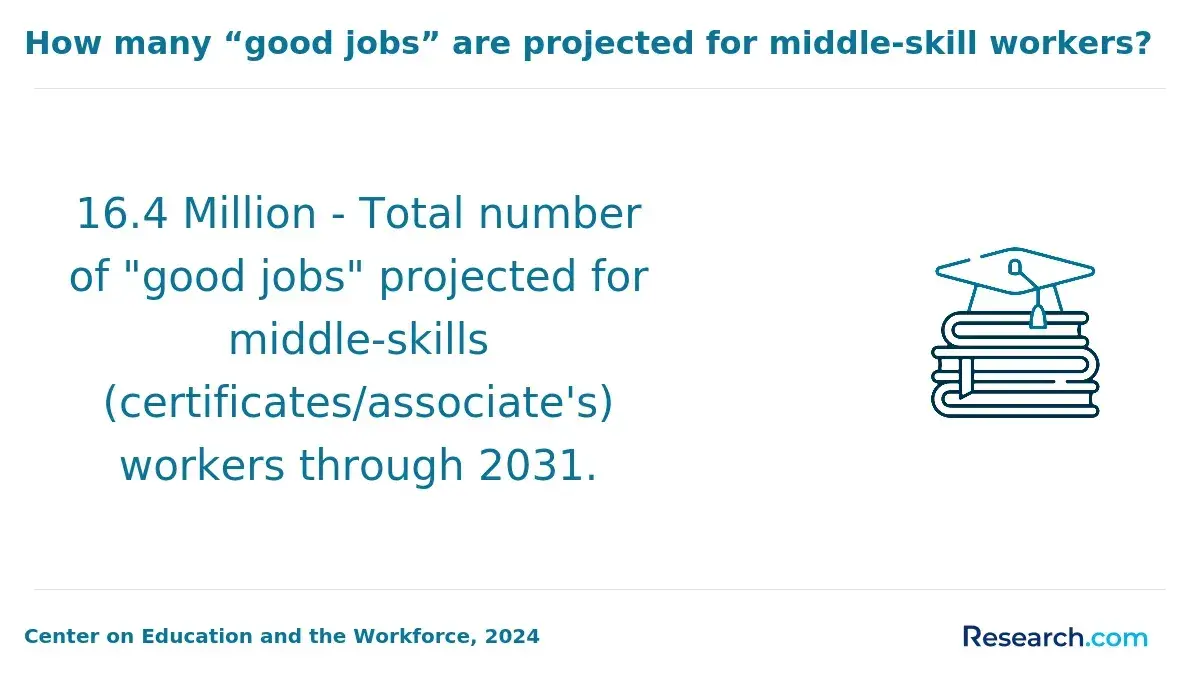
A digital photography associate degree can support entry-level employment, freelance work, small business development, or transfer into a bachelor's program. It is most useful when paired with a strong portfolio, a defined niche, and practical business skills.
Photography careers are competitive because many clients hire based on demonstrated work rather than degree level alone. The degree can still help by giving you structured practice, critique, technical fluency, and credibility when approaching clients or employers.
The table below outlines common career directions. Use it to match your program choice with the kind of work you actually want to do.
| Career path | Typical responsibilities | How the associate degree helps |
| Portrait photographer | Photograph individuals, families, graduates, professionals, or personal branding clients | Builds lighting, posing, editing, and client communication skills. |
| Event photographer | Cover weddings, conferences, school events, performances, or community events | Develops low-light technique, fast workflow, and storytelling skills. |
| Product or e-commerce photographer | Create images for online stores, catalogs, small businesses, or marketplaces | Supports lighting control, consistency, color accuracy, and file delivery. |
| Real estate photographer | Photograph residential or commercial properties for listings and marketing | Helps with composition, exposure blending, editing, and professional workflow. |
| Photo editor or digital imaging assistant | Edit, organize, retouch, tag, or prepare images for publication | Emphasizes software workflow, file management, and quality control. |
| Studio assistant | Support lighting setup, equipment handling, scheduling, and production tasks | Provides foundational studio vocabulary and hands-on production knowledge. |
| Content creator or visual media assistant | Create photo assets for brands, nonprofits, schools, or local businesses | Combines photography with digital storytelling and platform awareness. |
Employment options are changing as organizations want people who can create both still images and short-form video. If you want a broader business path, pairing photography with branding, analytics, or a future master's degree in marketing can make sense for roles in content strategy, creative direction, or digital campaigns.
Before choosing a career path, build a small portfolio around one or two niches rather than trying to show everything. A focused portfolio is easier for clients to understand and easier for you to price, market, and improve.
How much can photographers earn with an associate degree?
Photographer earnings vary widely because many professionals are self-employed, part time, freelance, or specialized by niche. An associate degree can improve technical and portfolio readiness, but it does not create a fixed salary outcome.
The U.S. Bureau of Labor Statistics reported a median annual wage of $42,520 for photographers using May 2023 wage data. Use that number as a labor-market reference point, not a promise; income can differ by region, client base, employment type, experience, and whether you run a business.
The table below explains how different photography income paths tend to vary. It is more useful than looking at one salary number because degree value depends on how you plan to earn.
| Work model | Income pattern | Key factor affecting earnings |
| Employee photographer | More predictable pay structure | Employer, location, workload, and required media skills |
| Freelance photographer | Variable project-based income | Client pipeline, pricing, niche, referrals, and business discipline |
| Part-time side business | Supplemental income potential | Availability, local demand, marketing, and repeat clients |
| Specialized commercial work | Potentially higher project value but more competitive | Portfolio quality, technical control, production reliability, and client relationships |
| Photo editing or imaging support | May be hourly, contract, or staff-based | Software speed, consistency, file management, and attention to detail |
The BLS also projects 4% employment growth for photographers from 2023 to 2033, with many openings tied to workers leaving the occupation or changing roles. For adults over 40, this means the smarter ROI question is not "Will the degree pay off automatically?" but "Can this program help me build a portfolio, workflow, and niche that match real client demand?"
To improve earning potential, treat the degree as one part of a broader plan. Build a portfolio before graduation, learn contracts and licensing, practice client communication, track expenses, and test local demand through small projects or volunteer assignments that can become portfolio pieces.
Some specialized environments use photography-adjacent skills, including medical, forensic, archival, and documentation work. For example, readers curious about forensic settings may find it useful to compare photography documentation skills with the education pathway for a forensic autopsy technician, although that career has different workplace expectations and training requirements.
What certifications help digital photography graduates find work?
Certifications are not usually required to work as a photographer, but they can help demonstrate software fluency, business credibility, or specialized technical knowledge. They are most useful when they support a clear niche rather than simply adding logos to a resume.
The table below lists certification options and related credentials that can complement an associate degree. Availability, exam requirements, and costs can change, so verify current details with the issuing organization before enrolling.
| Certification or credential | Best for | How it may help |
| Adobe Certified Professional | Students using Photoshop, Lightroom-related workflows, or visual design tools | Signals software knowledge for editing, retouching, and digital media support roles. |
| Certified Professional Photographer from Professional Photographers of America | Portrait, event, and studio photographers | Can support credibility with clients and reinforce technical standards. |
| FAA Part 107 Remote Pilot Certificate | Photographers who want to offer commercial drone services | Required for many commercial drone operations in the U.S. |
| Real estate photography training or association credentials | Students targeting property, interiors, or architectural listings | Can help with niche-specific expectations such as bracketing, vertical correction, and fast delivery. |
| Digital marketing or social media certificates | Freelancers and content creators | Supports client acquisition, campaign work, and online portfolio visibility. |
| Small business or entrepreneurship certificates | Self-employed photographers | Strengthens pricing, contracts, bookkeeping, and client management skills. |
Choose certifications after you identify your target work, not before. A drone credential may be valuable for real estate and inspection-adjacent imaging, while an Adobe credential may matter more for editing, retouching, and production assistant roles.
A practical sequence is to complete your core photography courses first, then add one certification that removes a specific barrier to paid work. Avoid collecting credentials without portfolio evidence; clients and employers usually want to see what you can produce.
Other Things You Should Know About Digital Photography
In 2027, you don't need an expensive camera to start an online associate degree in digital photography. Many programs emphasize learning photography techniques and creativity, which can be practiced with mid-range cameras or even smartphones. Invest gradually as your skills and preferences develop.
Many programs do not require a portfolio for admission, but some ask for sample images or a short creative statement. Applicants usually need a high school diploma or GED, and some schools may request basic computer access and file-upload skills for online coursework.
A beginner portfolio is helpful but not always required for associate-level admission. If you have images already, organize your strongest work by category; if not, focus on choosing a program with strong foundation courses and portfolio development.
Yes, because AI tools do not replace judgment, lighting, composition, client direction, ethics, or visual storytelling. A strong program should teach both traditional photography fundamentals and responsible use of modern editing tools.
References
- Online Photography Classes, Photography Courses https://www.sessions.edu/online-classes/photography-courses/
- Best Online Associate Degrees in Photography https://www.onlineu.com/degrees/associate-photography
- What careers can you do with a Photography degree? | University for the Creative Arts https://www.uca.ac.uk/blogs/careers-with-a-photography-degree/
- How Much Do Photographers Make? Typical Photographer Salary in 2026 https://www.adorama.com/alc/the-highest-paying-photography-jobs-and-how-you-can-land-one/
- Online Photography Degrees | Photography Programs & Courses https://www.onlinecolleges.net/degrees/photography/
- What can you do with a Photography degree? https://www.falmouth.ac.uk/study/undergraduate/what-can-you-do-photography-degree
- Online Photography Courses | 5 Star Courses Worldwide | The School of Photography https://www.theschoolofphotography.com/online-photography-courses
- Computer graphic arts - digital photography https://www.starkstate.edu/academics/explore-all-programs/digital-photography-major/
- How to Become a Photographer: A Creative Role For Attentive People https://www.training.com.au/role/photographer/
- Digital Photography AAS https://explore.cscc.edu/programs/DIGTLPHOTO.AAS/digital-photography-aas