2027 Best Online Digital Photography Degrees for Working Adults

Co-Founder and Chief Data Scientist
Choosing an online digital photography degree is really a question about time, cost, creative goals, and career return. The U.S. Bureau of Labor Statistics projects photographer employment to grow 4% from 2023 to 2033, which means opportunity exists, but competition and portfolio quality still matter.
This guide is for working adults comparing accredited online programs, transfer-friendly options, and career outcomes. You will learn how these degrees work, what they cost, which schools to evaluate, and how to choose a program that fits your schedule and professional goals.
Key Things You Should Know
- Accredited online digital photography degrees are best for adults who need flexible studio, editing, and portfolio training while continuing to work; the strongest programs include critique, lighting, post-production, business, and capstone portfolio requirements.
- BLS career data published in 2024 reports a 4% projected employment increase for photographers from 2023 to 2033, so a degree can help with skill development, but hiring and freelance success still depend heavily on portfolio strength, niche, location, and client development.
- Cost varies widely by institution, credit requirements, transfer credits, and equipment needs; compare total program cost, not just tuition, and check whether the school is regionally or nationally accredited before applying.
What is an online digital photography degree and who are these programs designed for?
An online digital photography degree is a college program that teaches photographic technique, digital image production, visual storytelling, editing workflow, lighting, color, composition, and professional portfolio development. Depending on the school, it may be offered as an associate degree, bachelor's degree, Bachelor of Fine Arts, Bachelor of Arts, or a photography concentration inside a broader visual arts, media arts, or graphic design program.
For working adults, the appeal is flexibility. Many programs use asynchronous classes, digital critique boards, cloud-based submissions, and project-based assignments so students can complete coursework around jobs, family responsibilities, or military service. However, "online" does not mean equipment-free. Students usually need access to a digital camera, editing software, reliable storage, and time for shoots outside class.
These programs tend to fit several types of learners. The distinctions below matter because the right degree level depends on how much formal training, portfolio support, and career mobility you need.
| Student profile | Best-fit program type | Why it may fit |
| Beginner changing careers | Associate or bachelor's degree | Builds fundamentals in camera operation, editing, critique, and visual communication. |
| Working photographer without a credential | Bachelor's completion program | Can formalize skills, strengthen a portfolio, and support advancement into commercial, editorial, or media roles. |
| Creative professional in marketing or design | Photography concentration or visual media degree | Pairs photography with branding, content strategy, layout, and digital production. |
| Artist seeking teaching or advanced studio practice | BFA followed by MFA consideration | Provides deeper critique, conceptual development, and preparation for graduate study. |
A degree may not be necessary if you only want to photograph occasional events or learn a single niche, such as product photography for your own business. In that case, a certificate, workshop, or self-paced software course may be faster and cheaper. A degree makes more sense when you want structured critique, a broader creative foundation, access to faculty feedback, and a portfolio that can support paid work or further education.
How do online digital photography degrees compare to campus-based programs for working adults?
Online and campus-based photography programs can teach similar creative and technical outcomes, but the student experience is different. Adults should compare not only course delivery, but also access to studios, faculty critique, equipment, peer networking, and how easily coursework fits around work hours.
The comparison below shows the practical trade-offs that matter most when choosing between online and in-person study.
| Factor | Online digital photography degree | Campus-based photography degree |
| Schedule | Often more flexible, especially when courses are asynchronous. | More fixed class, studio, and critique times. |
| Studio access | Students may need to create home or rented shooting setups. | Students may access lighting labs, print labs, darkrooms, and equipment rooms. |
| Feedback | Usually delivered through video reviews, discussion boards, uploaded files, and live critiques. | Often includes in-person critique, studio observation, and immediate demonstrations. |
| Networking | Depends on online community design, faculty engagement, and alumni access. | May be stronger for local exhibitions, campus events, and peer collaboration. |
| Best for | Working adults, caregivers, military-connected students, and learners outside major art-school markets. | Students who want intensive studio access and can attend set class times. |
Online programs are often the better choice when your schedule is the main obstacle to finishing a degree. Campus programs may be better if you need frequent access to specialized lighting studios, large-format printing, alternative-process labs, or an in-person creative community. If you are comparing creative fields broadly, related design pathways such as online architecture programs can also show how studio-based disciplines adapt to distance learning.
Before choosing online study, ask whether the program requires live critiques, on-campus residencies, internship hours, gallery submissions, or synchronous evening sessions. These details can make a program either manageable or unrealistic for a full-time worker.
Which accredited schools offer the best online digital photography degrees for adult learners?
The best online digital photography degree for an adult learner is not always the most famous art school. A strong fit usually combines accreditation, flexible scheduling, credible faculty, portfolio-centered courses, reasonable total cost, and support for transfer credits or prior college coursework.
The schools below are useful starting points because they offer online photography or closely related digital photography pathways and hold institutional accreditation. Program names, formats, and availability can change, so verify current details directly with each school before applying.
| School | Example online photography pathway | Institutional accreditation | Adult-learner strengths to check |
| Arizona State University Online | BFA in Art with digital photography focus | Higher Learning Commission | Large online infrastructure, structured degree map, broad student support. |
| Southern New Hampshire University | BA in Digital Photography | New England Commission of Higher Education | Asynchronous courses, transfer-friendly policies, career-focused curriculum. |
| Academy of Art University | Online photography degrees at undergraduate and graduate levels | WASC Senior College and University Commission | Art-school environment, portfolio emphasis, multiple degree levels. |
| Savannah College of Art and Design | Online photography and related creative degrees through SCADnow | Southern Association of Colleges and Schools Commission on Colleges | Design-school brand, critique-based learning, creative industry network. |
| Rocky Mountain College of Art + Design | Online photography or related visual arts pathways | Higher Learning Commission | Creative-focused curriculum and online art-school delivery. |
Do not rely on a ranking alone. A working adult should narrow the list by asking practical questions about weekly workload, transfer evaluation, software access, class pacing, faculty feedback, and whether the final portfolio matches the type of work they want to pursue.
A simple shortlisting process can prevent expensive mismatches. Use these steps before requesting admissions calls or financial aid estimates.
- Confirm institutional accreditation through the school's accreditor and the U.S. Department of Education database.
- Review the curriculum to make sure it includes lighting, editing, critique, portfolio, and business coursework rather than only general art classes.
- Ask how many credits can transfer and whether prior college, military, or professional learning may reduce time to completion.
- Request a full cost estimate that includes tuition, fees, software, camera gear, printing, storage, and graduation requirements.
- Look for student work samples or capstone portfolios to judge whether the program's output matches your goals.
What accreditation and program quality standards should online digital photography degrees meet?
Accreditation is the first quality checkpoint because it affects federal financial aid eligibility, transfer credit acceptance, graduate-school options, and employer confidence. In the United States, most adult learners should start by confirming that the institution is accredited by an agency recognized by the U.S. Department of Education or the Council for Higher Education Accreditation.
Photography programs may not always have separate programmatic accreditation, so institutional accreditation is especially important. Beyond accreditation, evaluate whether the program has enough studio rigor for a field where employers and clients judge actual work samples.
Use the following quality standards to separate strong online programs from weak ones. These are especially important because digital photography is portfolio-driven and easy for schools to market with vague creative language.
- Recognized institutional accreditation: The school should be regionally or nationally accredited by a recognized accreditor, and the degree should be clearly listed in the current academic catalog.
- Portfolio-based assessment: The curriculum should require progressive portfolio reviews, not just quizzes or discussion posts.
- Real critique structure: Students should receive detailed faculty and peer feedback on lighting, composition, editing, sequencing, and concept.
- Current software training: Courses should teach industry-standard editing and asset-management workflows, including non-destructive editing and digital delivery.
- Transparent equipment requirements: The school should clearly state camera, lens, lighting, computer, software, storage, and printing expectations before enrollment.
- Career and business preparation: Strong programs teach contracts, pricing, client communication, copyright basics, branding, and portfolio presentation.
Common red flags include unclear accreditation language, pressure to enroll before receiving a full cost estimate, no examples of student work, minimal critique, or a curriculum that has not kept pace with digital workflow, AI-assisted editing, and contemporary portfolio presentation. Veterans and military-connected students should also confirm benefit processing, transfer-credit policies, and dedicated advising; those comparing support models in other technical fields may find it useful to review how a veteran friendly online electrical engineering degree is evaluated for military learners.
What courses and technical skills are typically taught in online digital photography programs?
Online digital photography programs usually combine studio practice, image editing, art and design foundations, visual culture, and professional development. The goal is not just to teach how to operate a camera; it is to help students make intentional images, edit consistently, explain their creative choices, and present work professionally.
The course mix below is common across associate and bachelor's programs, though depth varies by degree level.
| Course area | Typical topics | Why it matters professionally |
| Camera fundamentals | Exposure, aperture, shutter speed, ISO, focus, lenses, file formats | Builds technical control and consistency across shooting situations. |
| Lighting | Natural light, studio strobes, modifiers, flash, product lighting, portrait lighting | Helps students produce usable work in commercial, editorial, and client settings. |
| Digital editing | RAW processing, color correction, retouching, masking, compositing, export settings | Supports polished deliverables and efficient production workflow. |
| Composition and visual storytelling | Framing, sequencing, narrative, style, concept development | Strengthens artistic identity and portfolio cohesion. |
| History and criticism | Photography history, visual culture, ethics, image analysis | Helps students understand context and discuss their work credibly. |
| Business practices | Pricing, contracts, client communication, copyright, licensing, marketing | Prepares students for freelance and small-business realities. |
| Capstone portfolio | Final body of work, artist statement, website, presentation, critique | Creates the main evidence used for jobs, clients, internships, or graduate applications. |
Technology is changing the skill mix. AI-assisted selection, generative fill, automated masking, and image enhancement can speed up workflows, but they do not replace lighting judgment, ethical editing, client direction, or visual storytelling. Strong programs should teach when automation is useful, when it creates legal or ethical risk, and how to disclose or limit AI use in professional work.
Working adults should also look for assignments that can be completed in real-world environments. If every project assumes daytime studio availability, the program may be hard to manage with a full-time job.
What admission requirements and application materials do online digital photography degrees expect?
Admission requirements vary by school and degree level, but online undergraduate photography programs are often more accessible than traditional studio-conservatory programs. Many bachelor's programs require a high school diploma or GED, transcripts, an application form, and sometimes a short statement of purpose. More selective BFA or graduate-level pathways may request a portfolio.
The table below summarizes common requirements so adult learners can prepare efficiently and avoid delays.
| Requirement | Common expectation | Adult learner tip |
| Transcripts | High school, GED, and any prior college records | Request official transcripts early because transfer review can affect cost and timeline. |
| Application | Online form with personal, academic, and program information | Use the exact legal name that appears on prior school records and aid documents. |
| Portfolio | Required by some BFA, advanced-standing, or graduate programs | Submit a focused set of your best work rather than every image you have made. |
| Personal statement | May ask about goals, experience, and creative interests | Explain your schedule, goals, and why online study fits your situation. |
| English placement or test scores | Varies by institution and applicant background | Ask whether prior college writing credits satisfy placement requirements. |
| Financial aid documents | FAFSA and school-specific forms when applicable | Complete aid steps before the payment deadline, not after enrollment begins. |
If a portfolio is required, admissions teams usually want evidence of visual potential, not a fully professional book. Still, a rushed portfolio can weaken an otherwise strong application. Choose images that show control of light, composition, editing, and intention.
Before applying, take these practical steps to reduce friction and avoid preventable mistakes.
- Gather official transcripts from every prior institution, even if credits seem unrelated.
- Ask for a preliminary transfer-credit estimate before committing to a start date.
- Prepare 10 to 20 strong images if the program requests a portfolio, and organize them by theme or project.
- Confirm whether camera and software requirements must be met before the first course.
- Ask whether courses are asynchronous, synchronous, accelerated, or cohort-based.
A common mistake is applying only to the fastest-start program without checking how many credits will actually transfer. For adults with prior college coursework, transfer policy can matter more than the advertised tuition rate.
How long do online digital photography degrees take and what do they cost to complete?
Completion time depends on degree level, course load, transfer credits, and whether the school uses traditional semesters or accelerated terms. An associate degree often requires about 60 credits, while a bachelor's degree typically requires about 120 credits. Working adults who study part time should expect a longer timeline but may find the pace more sustainable.
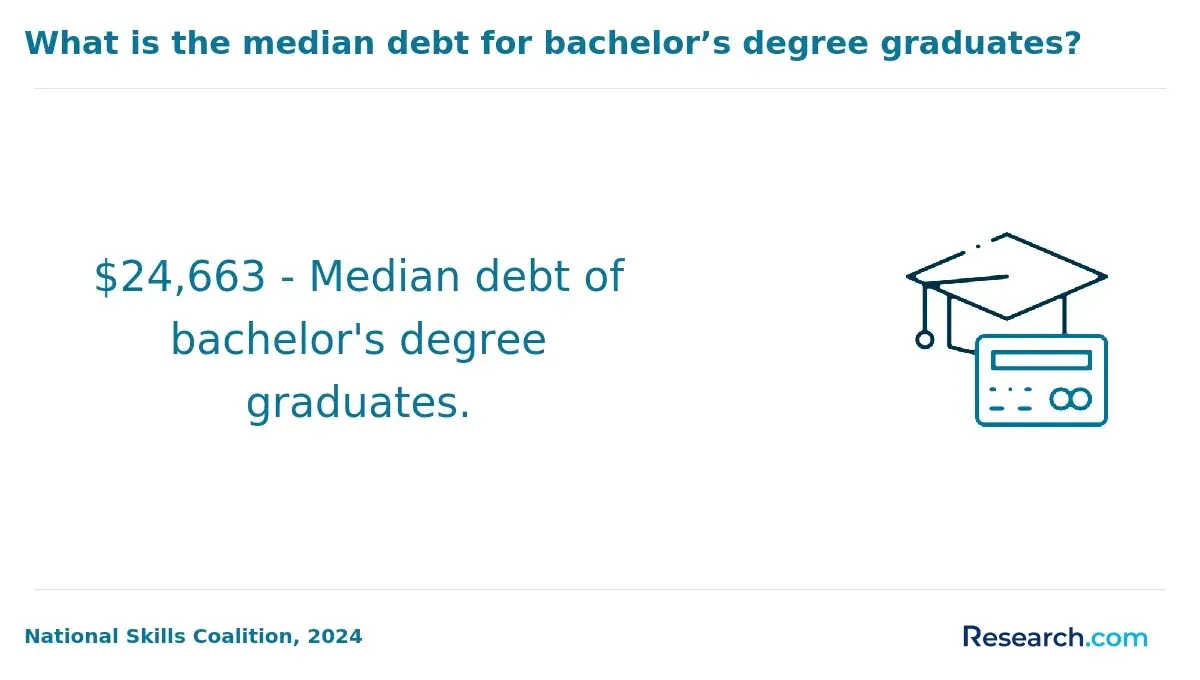
College Board's 2024 Trends in College Pricing data lists average published tuition and fees for 2024-25 at $11,610 for in-state students at public four-year institutions and $43,350 at private nonprofit four-year institutions. Those figures are not specific to photography or online delivery, but they show why total cost comparison is essential before choosing a school.
When comparing programs, separate tuition from the extra costs that photography students often face. The list below shows common cost categories to request in writing from each school.
- Tuition per credit or per term
- Mandatory online, technology, graduation, and portfolio fees
- Camera body, lenses, tripod, lighting, memory cards, and storage drives
- Computer hardware that can handle high-resolution editing
- Software subscriptions for editing, cataloging, design, and portfolio presentation
- Printing, books, props, studio rental, model fees, travel, and exhibition materials when required
Program length and affordability are closely connected. A lower tuition rate may not save money if few credits transfer, while a higher-cost school may become more reasonable if it accepts substantial prior coursework. If affordability is your top constraint, compare schools by total remaining credits and verified out-of-pocket cost, not sticker price; a dedicated guide to the cheapest online photography degree options can help you build a cost-focused shortlist.
The table below gives a practical timeline comparison for adults choosing between credential levels.
| Credential | Typical credit load | Common completion pattern for working adults | Best use case |
| Certificate | Varies widely | Several months to about one year | Targeted skill building without a full degree. |
| Associate degree | About 60 credits | Two years full time or longer part time | Entry-level foundation and lower-cost transfer pathway. |
| Bachelor's degree | About 120 credits | Four years full time, often longer part time unless transfer credits apply | Broader career preparation, portfolio depth, and graduate-school eligibility. |
| BFA | Usually about 120 credits with more studio concentration | Similar to a bachelor's degree, with heavier creative production demands | Students seeking intensive studio practice and advanced portfolio development. |
To reduce cost, ask about transfer credits, employer tuition assistance, military education benefits, scholarships for adult learners, subscription discounts, used equipment policies, and whether general education courses can be completed at a lower-cost accredited institution before transfer.
What career paths and job roles can an online digital photography degree support?
An online digital photography degree can support careers in photography, media production, marketing, e-commerce, publishing, visual content, and creative entrepreneurship. The degree itself rarely gets someone hired without a strong portfolio, but it can help build the technical, visual, and business skills needed to compete for roles or clients.
The career paths below show how different photography niches use different mixes of artistic judgment, technical control, client service, and digital production.
| Career path | Typical responsibilities | Portfolio evidence employers or clients may expect |
| Portrait photographer | Photograph individuals, families, professionals, seniors, or performers | Consistent lighting, posing, retouching, and client-ready galleries. |
| Commercial product photographer | Create images for advertising, catalogs, e-commerce, and brands | Clean lighting, color accuracy, detail control, and repeatable setups. |
| Event photographer | Cover weddings, conferences, concerts, corporate events, and community functions | Low-light skill, storytelling, fast turnaround, and complete event galleries. |
| Photo editor or digital imaging specialist | Edit, retouch, organize, color-correct, and prepare image assets | Before-and-after edits, workflow samples, and software fluency. |
| Content creator or visual media specialist | Produce photography and short-form visuals for brands, agencies, or organizations | Cross-platform campaigns, social media assets, and brand-consistent visuals. |
| Fine art photographer | Create exhibition, book, grant, or gallery-oriented bodies of work | Cohesive projects, artist statements, exhibition history, and print quality. |
Working adults should choose courses and electives based on the market they want to enter. A student who wants e-commerce work should prioritize product lighting and editing workflow, while a student aiming for documentary or editorial work needs storytelling, sequencing, ethics, and publication-ready portfolios.
Career growth often comes from combining photography with adjacent skills. Marketing analytics, video production, drone operation, social media strategy, web design, writing, and project management can make a photographer more useful to employers and clients. For students who eventually want advanced studio practice or college-level teaching opportunities, comparing a master of fine arts online can clarify whether graduate study is worth the additional investment.
What salary ranges and freelance earning potential can digital photography graduates expect?
Photography earnings vary more than many degree-based careers because workers may be salaried, self-employed, contract-based, seasonal, or project-based. The U.S. Bureau of Labor Statistics reported a median annual wage of $42,520 for photographers in May 2023, in data published through its 2024 Occupational Outlook Handbook. This median is a useful baseline, but it does not capture the full spread between part-time freelance income, high-volume event work, commercial campaigns, staff media roles, and specialized imaging jobs.
The table below summarizes common earning models so readers can think beyond a single salary number.
| Earning model | How income is usually generated | Main factors that affect pay |
| Staff photographer | Salary or hourly pay from a media company, institution, retailer, studio, or employer | Location, employer size, role scope, editing responsibilities, and experience. |
| Freelance photographer | Project fees, day rates, session fees, licensing, retainers, or packages | Client base, niche, pricing discipline, referrals, turnaround time, and marketing. |
| Commercial specialist | Brand, product, advertising, architectural, or corporate assignments | Portfolio quality, production skill, usage licensing, agency relationships, and reliability. |
| Digital imaging or retouching role | Hourly, salary, or contract editing work | Software expertise, speed, color accuracy, compositing ability, and workflow management. |
| Creative business owner | Combination of shoots, print sales, subscriptions, workshops, and licensing | Business model, local demand, repeat clients, operating costs, and brand positioning. |
Freelancers should avoid judging ROI only by gross revenue. Equipment depreciation, insurance, software, advertising, taxes, travel, assistants, studio space, and unpaid administrative time can significantly reduce net income. A degree can improve skill and credibility, but it does not remove the need to learn pricing, contracts, sales, and client management.
A practical way to assess earning potential is to research your target niche locally. Compare competitor portfolios, advertised rates, job postings, agency expectations, and the volume of businesses that regularly buy photography services. The right question is not "What do photographers earn nationally?" but "Can this program help me build a portfolio and business model for the market I want?"
Are certifications, portfolios, or licenses needed to work professionally in digital photography?
Most photography jobs in the United States do not require a state professional license, but some business activities may require local business registration, sales tax compliance, permits for certain locations, drone certification for commercial aerial work, or insurance required by venues and clients. Requirements vary by state, city, employer, and project type, so students should verify rules where they plan to work.
A portfolio is usually more important than a certification. Employers and clients want to see whether you can produce the type of images they need, solve technical problems, and deliver consistent results. Certifications can still help in specific areas, especially software, drone operation, or specialized workflows.
The table below distinguishes credentials and proof-of-skill tools that are commonly confused.
| Requirement or credential | Usually required? | When it matters most |
| Professional photography license | No, not as a general statewide photography license | Local business rules, permits, taxes, and regulated shooting locations may still apply. |
| Portfolio | Effectively yes for most professional opportunities | Hiring, freelance clients, internships, graduate applications, and gallery submissions. |
| Software certification | Optional | Digital imaging, retouching, production, and creative-team roles. |
| Drone certification | Required for many commercial drone operations | Aerial real estate, events, inspections, tourism, and commercial video or photo work. |
| Business registration or insurance | Varies | Freelance work, studio ownership, venue contracts, weddings, and commercial clients. |
To build a job-ready portfolio during an online degree, focus on fewer, stronger projects instead of scattered assignments. A polished portfolio should show a clear niche, consistent editing style, technical control, and enough variety to prove you can work across real client constraints.
Before graduating, students should complete the following professional-readiness steps.
- Create a portfolio website with selected projects, contact information, and a short professional bio.
- Build separate galleries for different niches instead of mixing unrelated work on one page.
- Write basic usage terms for freelance clients and learn the difference between copyright ownership and image licensing.
- Prepare a simple pricing structure, invoice template, and client communication workflow.
- Check local rules for business registration, sales tax, public-location permits, and drone work if relevant.
The biggest mistake is waiting until after graduation to think about clients. Treat the degree as a portfolio-building period, not just a credential. Each major assignment should move you closer to the kind of work you want to be paid to create.
Other Things You Should Know About Digital Photography
Online students receive meaningful critique through virtual critique sessions, discussion forums, and video feedback from instructors and peers. Many programs provide opportunities for one-on-one mentorship or group critique workshops, allowing students to refine their work with constructive feedback tailored to their photographic style and goals.
No. AI can speed up editing, masking, organizing, and enhancement, but it cannot replace understanding light, composition, timing, client direction, ethics, and visual intent. Strong photographers use tools strategically rather than relying on automation alone.
Most online digital photography courses require JPEG for routine submissions and RAW files for advanced critique or editing labs. Many programs also ask for sRGB color space, 300 dpi export settings, and filenames with the course code, assignment number, and student name for grading consistency.
References
- Online Photography Degree | Associate Degree (AOS) https://www.sessions.edu/online-degrees/digital-photography/
- How Much Does it Cost to Learn Photography? https://blog.nobledesktop.com/learn/photography/photography-cost-to-learn
- Top 5 reasons to study a photography degree online https://www.falmouth.ac.uk/news/top-5-reasons-study-photography-degree-online
- What Can You Do With a Photography Degree? https://pnca.willamette.edu/academics/bfa/photography/career-options
- Online Photography Degrees | Photography Programs & Courses https://www.onlinecolleges.net/degrees/photography/
- Photographer Certifications: Best Credentials to Advance Your Career | Teal https://www.tealhq.com/career-paths/photographer-certifications
- Admission requirements master Photography & Society https://www.kabk.nl/en/programmes/master/master-photography-society/admission-requirements
- Photography & Photo Editing Classes in South Florida https://www.browardtechnicalcolleges.com/blog/digital-photography-technology-classes/
- What careers can you do with a Photography degree? | University for the Creative Arts https://www.uca.ac.uk/blogs/careers-with-a-photography-degree/
- Best Online Photography Degrees https://www.onlineu.com/degrees/photography