2027 School Counseling Transfer Credit Trends: How Schools Are Adapting for Adult Learners

Co-Founder and Chief Data Scientist
A working military spouse, transferred to a public university in 2024 only to learn that 40% of previously earned graduate credits in counseling were rejected, forcing extra semesters and unforeseen expenses. This trend echoes findings from the National Student Clearinghouse Research Center, revealing a 7% decline in credit acceptance rates for adult transfer students nationwide over the past two years.
Such shifts complicate degree completion timelines and heighten financial burdens, especially for school counseling candidates balancing careers and family. These evolving transfer credit policies demand strategic evaluation to optimize credit recognition and accelerate graduation pathways. This article explores these transfer credit trends, institutional adaptations, and practical decision-making factors aiding efficient school counseling program completion.
Key Things to Know About School Counseling Transfer Credit Trends for Adult Learners
- Expanded acceptance of military and workforce credits improves adult learner access but may limit elective options, potentially requiring additional coursework emphasizing counseling ethics and theory to meet program rigor.
- Institutions streamlining transfer evaluation with technology enable faster credit review, reducing enrollment delays yet sometimes causing mismatches in how previous coursework aligns with licensing requisites.
- Prior learning assessments increasingly count toward degree completion, lowering costs and time but necessitating careful scrutiny, as employer preferences often favor formally accredited coursework over nontraditional credits.
- Key Things to Know About School Counseling Transfer Credit Trends for Adult Learners Key Things to Know About School Counseling Transfer Credit Trends for Adult Learners
- How Are School Counseling Programs Changing Transfer Credit Policies for Adult Learners? Evolving Adult Transfer Policies
- Why Are More School Counseling Schools Accepting Credit for Prior Learning and Work Experience? Prior Learning Credit Benefits
- How Do School Counseling Colleges Evaluate and Award Transfer Credits Today? Transfer Credit Evaluation Process
- Which Alternative Credits Are Most Commonly Accepted by School Counseling Programs? Accepted Alternative Credits
- How Are School Counseling Schools Improving Transfer Pathways for Community College Students? Improved Community College Pathways
- How Can Transfer Credits Help School Counseling Students Graduate Faster? Accelerating Degree Completion
- How Much Money Can Students Save Through School Counseling Transfer Credit Opportunities? Cost Saving Through Transfers
- How Are School Counseling Programs Supporting Military Students and Workforce Learners Through Transfer Credits? Military Credit Transfer
- What Transfer Credit Innovations Are Shaping the Future of School Counseling Education? Transfer Credit Innovations
- How Can Adult Learners Maximize Transfer Credits in a School Counseling Program? Maximizing Your Transfer Credits
How Are School Counseling Programs Changing Transfer Credit Policies for Adult Learners?
School counseling programs have shifted transfer credit policies toward greater flexibility, directly responding to the varied educational experiences of adult learners, working professionals, and military-affiliated students. Expanding credit acceptance through credit for prior learning (CPL) and formal articulation agreements has become a strategic focus to reduce time to degree completion and retain transfer students. For example, a working professional transferring from a community college often finds that recognized CPL credits and streamlined transcript evaluations enable course sequencing without repeating foundational coursework, although navigating each institution's credit limits and prior learning assessments still requires careful academic planning.
These policy adaptations improve credit mobility and affordability but also introduce tradeoffs tied to institutional prerequisites and program-specific transfer caps. Military-affiliated students benefit notably from programs crediting Joint Services Transcript (JST) documentation, yet gaps remain in uniform credit acceptance across schools, influencing transfer choices and longer completion timelines.
The increasing integration of digital transcript evaluation tools supports faster credit decisions, making it easier for adult learners to compare flexible transfer credit options in school counseling programs for working professionals and strategize their progression. Prospective students should evaluate how policies accommodate experiential and alternative learning pathways while aligning with degree-completion requirements to maximize prior credit utilization without jeopardizing program rigor or licensure eligibility.
While these changes emphasize accessibility, the reality of credit loss remains significant: a 2024 National Student Clearinghouse report reveals that nearly 60% of transfer students experience some credit reduction during their transitions. This underscores the importance of assessing renewal or portfolio credit options alongside established transfer agreements. Those balancing education with professional obligations may also explore competency-based models and accelerated formats, such as the accelerated healthcare administration degree track, for comparison in degree pathways that prioritize practical, efficient credential attainment tailored to adult learners' unique circumstances.
Why Are More School Counseling Schools Accepting Credit for Prior Learning and Work Experience?
The increasing acceptance of credit for prior learning and work experience in school counseling programs signals a strategic recalibration rather than mere policy leniency. Institutions are responding to multifaceted pressures: economic demands to shorten time-to-degree, workforce expectations for credentialed yet practically skilled counselors, and the recognition that experiential learning-such as military training or professional certifications-often mirrors essential competencies. However, this acceptance is not without constraints; rigorous evaluation standards remain critical to balance academic integrity and relevance, with many programs requiring supplemental coursework to ensure foundational knowledge needed for licensure and professional practice.
Data from a 2024 Council for Adult and Experiential Learning report indicates students awarded prior learning credits complete degrees approximately 15% faster, illustrating tangible benefits in student persistence and cost savings. Yet, the variability in how schools assess and award credit creates complexity for prospective students who must navigate differing policies and documentation requirements, often influencing enrollment timing and transfer strategies. This evolving landscape reflects an operational tradeoff: programs aim to increase accessibility for adults and career changers without diluting the rigor that ensures graduates meet evolving employer expectations in educational settings.
How Do School Counseling Colleges Evaluate and Award Transfer Credits Today?
Transfer credit evaluation in school counseling programs has evolved into a strategic function aimed at improving student retention and time-to-degree completion rather than a mere administrative checklist. Institutions now rigorously assess prior coursework against accreditation status, detailed course equivalencies, and explicit learning outcomes, rather than relying solely on institutional reputation. For example, adult learners transferring from community colleges or military training programs must navigate policies that often restrict how many credits apply to core counseling requirements, affecting their academic planning and potentially extending degree timelines.
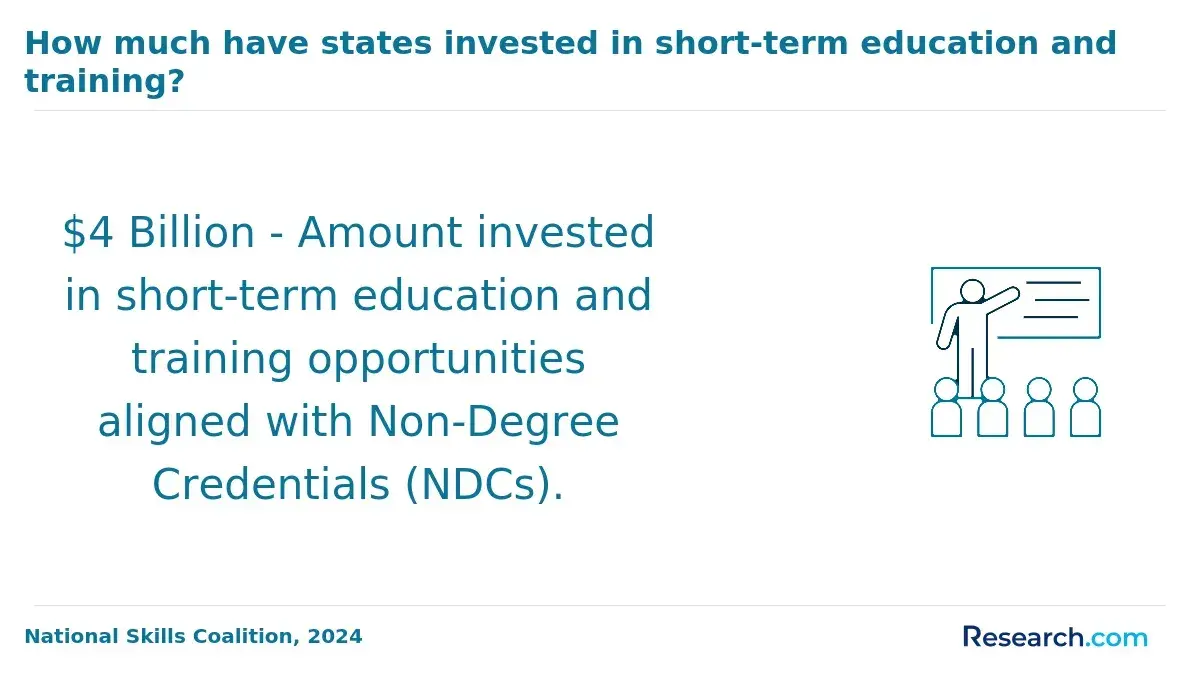
Balancing residency demands and upper-division credit thresholds remains a critical consideration, especially when reconciling non-traditional credits from workforce certifications or experiential learning. Recognition of credit for prior learning (CPL) has increased sharply, with nearly 65% of public universities adopting formal policies to accommodate military-affiliated and adult students, according to the National Center for Education Statistics (2024).
Which Alternative Credits Are Most Commonly Accepted by School Counseling Programs?
Acceptance of alternative credits in school counseling programs has evolved into a strategic mechanism to enhance degree accessibility and reduce completion time for adult learners, rather than merely a transfer policy update. Military training credits and workforce certifications endorsed by entities like the American Council on Education (ACE) remain prevalent, supported by over 70% of programs, as reported by the Council for Adult and Experiential Learning (CAEL). These sources offer consistent evaluation standards but often require alignment with program-specific policies such as upper-division credit caps and residency requirements, which can limit how much credit applies toward degree milestones.
Many programs also recognize credit for prior learning (CPL) methods, including portfolio assessments and competency-based exams like CLEP or DSST, which 58% of adult learners in counseling fields reportedly leverage to accelerate progress. However, institutional variation in accreditation standards and course equivalency reviews means acceptance can be uneven, impacting affordability and transfer planning strategies. Online learning platforms and employer-sponsored education are emerging but face scrutiny tied to course rigor and quality assurance, affecting their role in transfer credit options for adult learners in school counseling programs. With these complexities in mind, learners must assess how their specific credits map to degree requirements and professional licensure standards.
Decisions about which credits to pursue or transfer carry long-term implications for program flexibility and employability, especially when balancing academic standards with practical experience. For example, students weighing options between military training credits and CLEP exams must consider how each pathway aligns with cost, time savings, and employer expectations. Adult learners who carefully investigate program policies can better navigate these tradeoffs to optimize degree completion. For those exploring alternatives to traditional coursework, understanding whether is medical billing and coding worth it often relates directly to how programs value nontraditional credits in comprehensive transfer credit strategies.
How Are School Counseling Schools Improving Transfer Pathways for Community College Students?
Efforts to improve transfer pathways have become a strategic priority for school counseling programs due to the tangible impact on degree completion rates and workforce readiness. Institutions are increasingly formalizing articulation agreements and degree maps that clarify credit transferability upfront, thereby reducing unpredictability and academic delays for community college students. However, these pathways often require students to navigate complex course equivalencies and prerequisite structures that vary widely between schools, and a 2024 report from the National Student Clearinghouse Research Center notes that 30-40% of transfer students still face significant credit loss affecting their time to degree.
Enhanced advising models and credit mobility platforms have emerged as critical tools for mitigating these challenges, helping students align prior coursework with target program requirements and avoid costly repetition. Another pragmatic adaptation involves recognizing prior learning assessments, which acknowledge competencies earned outside traditional academia, thereby accelerating progression for adult learners and military-affiliated students.
Flexible scheduling options and dual-admission partnerships further support diverse student needs but require careful planning to balance transfer credits against institution-specific degree mandates and employer expectations in counseling careers. Despite these advances, not all credits transfer seamlessly, making it essential for prospective transfers to engage in detailed transcript evaluations and proactive planning to safeguard academic momentum and avoid extending their educational timelines unnecessarily.
How Can Transfer Credits Help School Counseling Students Graduate Faster?
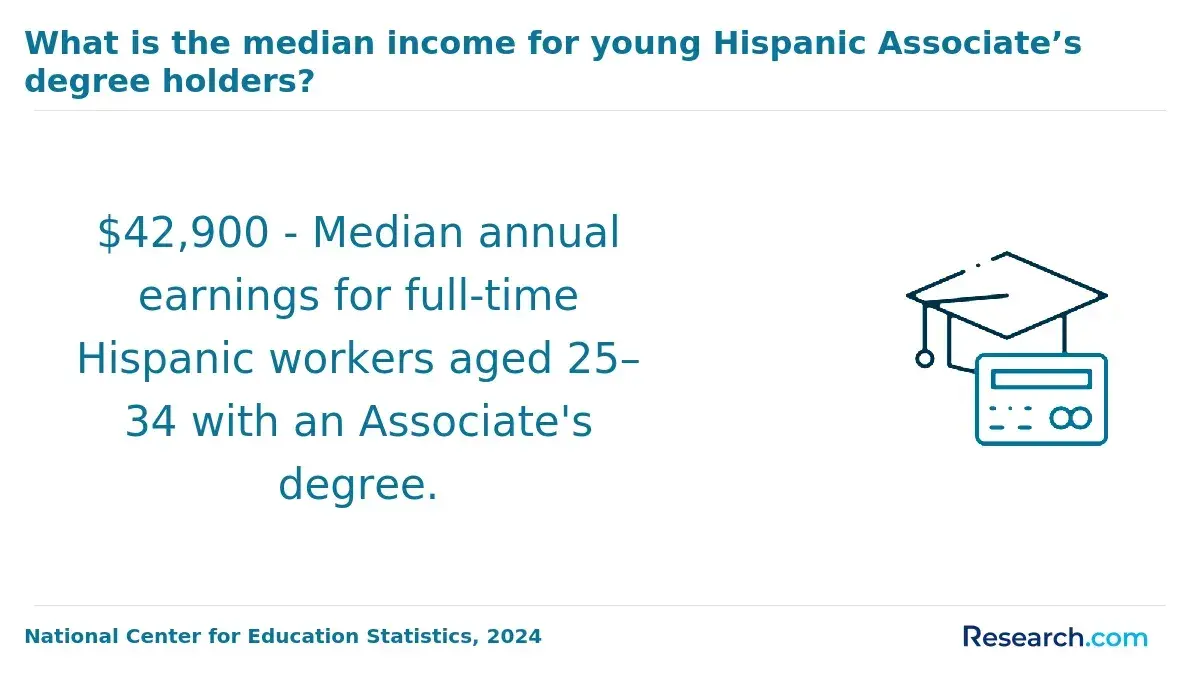
Transfer credit policies for adult school counseling students influence degree timelines in complex ways, often requiring nuanced evaluation beyond the mere number of credits transferred. While transferring at least 30 credits can reduce average time to degree by about 20%, practical acceleration depends on how those credits align with core curriculum requirements, satisfy upper-division coursework expectations, and comply with residency rules. For example, credits accepted as electives rather than major-specific courses may limit time savings, forcing students to complete additional specialized coursework and extending degree completion despite transferred credits.
Institutions are adapting with more articulation agreements that recognize coursework from regionally accredited colleges, community colleges, and military training, yet acceptance rates vary, with only around 60% of transferred credits typically applied directly toward degree requirements. Prior learning assessment (PLA) programs add flexibility by valuing military or workforce experience but remain tightly regulated to meet accreditation and licensure mandates. These evolving policies matter critically for working professionals and military-affiliated students who juggle enrollment strategies, affordability, and degree completion goals within constrained timelines.
When planning degree paths, students should weigh how transfer credits affect course sequencing, program residency, and graduation rules, especially within specialized fields like school counseling. Thoughtful, case-by-case evaluation is essential to fully leverage transfer benefits without underestimating residual requirements. For those exploring related education pathways, it is worthwhile to review options among varied programs such as dietetics programs, which often navigate similar complexities in transfer credit policies and adult learner accommodations.
How Much Money Can Students Save Through School Counseling Transfer Credit Opportunities?
Transfer credit policies in school counseling programs can substantially influence the total educational outlay by reducing duplicated coursework and expediting degree completion. For example, adult learners or military-affiliated students applying prior learning assessments may cut tuition expenses by several thousand dollars and trim the timeline to graduate by up to half a year, as highlighted in recent analyses. However, these financial benefits are often mitigated by institutional transfer caps-commonly between 60 and 90 semester hours-and residency requirements that compel students to complete a minimum number of credits directly through the awarding institution, thereby limiting credit portability.
Despite articulation agreements easing credit transfers from community colleges, variability in course equivalency and acceptance remains a significant constraint, especially for specialized counseling courses subject to state licensure standards. Roughly 30% of transferred credits fail to apply toward degree requirements, which not only inflates costs but can also complicate degree planning and enrollment decisions. Consequently, adult learners and transfer students must critically assess how their previously earned credits align with program prerequisites and institutional policies to realistically anticipate savings, reduce redundant coursework, and avoid extended enrollment periods that erode the financial advantages of transfer opportunities.
How Are School Counseling Programs Supporting Military Students and Workforce Learners Through Transfer Credits?
School counseling programs increasingly recognize the complexity of evaluating military training and workforce credentials for transfer credit, yet institutional variability remains a significant hurdle. While over 80% of colleges have expanded military credit acceptance according to ACE 2024 data, many students still face opaque processes where professional certifications or apprenticeships do not neatly fit academic requirements. This can result in unexpected additional coursework, extending degree-completion timelines despite prior experience, and complicating academic planning for adult learners balancing work and education.
Prior Learning Assessments (PLAs) serve as a crucial tool to translate nontraditional learning-such as military service or professional certifications-into credit, reducing redundancy and time to degree. However, less consistent adoption of PLA across smaller institutions or programs without dedicated military student support leaves some workforce learners at a disadvantage. Transfer articulation agreements aim to ease credit mobility from community colleges and military education systems, yet inconsistent credit evaluation criteria, highlighted in a 2024 GAO report, mean transfer outcomes can be unpredictable and strategically challenging for applicants targeting school counseling roles.
These nuanced policies directly affect employability by influencing how quickly learners complete their degrees and enter the workforce, often shaping the financial and time investments students must weigh. Flexible degree pathways-including part-time and hybrid options-complement credit recognition efforts but do not fully resolve the disconnect between professional experience and academic credit. For military-affiliated and working adult students, realistic expectations around transfer credit policies and institutional constraints are essential when navigating school counseling programs to maximize educational accessibility and career-readiness.
What Transfer Credit Innovations Are Shaping the Future of School Counseling Education?
Advancements in transfer credit evaluation technologies in school counseling programs are reshaping degree mobility for adult learners and military-affiliated students by reducing evaluation time and increasing credit acceptance consistency. The integration of AI in transcript reviews has cut processing times by up to 40%, according to a 2024 NCES report, allowing institutions to handle complex prior learning assessments more efficiently. However, institutional tradeoffs exist, as scaling AI-driven systems requires significant investment, and some students still wrestle with navigating these innovations without robust advising.
Expanded credit for prior learning, including military training and workplace certifications, has driven a 25% rise in credit acceptance rates, but aligning such credits with academic rigor and licensure requirements remains a challenge for programs striving to maintain quality. Competency-based education models offer a practical alternative by focusing on mastery over seat time, which can shorten degree completion timelines for students balancing work and life commitments.
Transfer pathway agreements and digital credentialing platforms are also improving credit portability and transparency, helping reduce loss of credit progress across institutions. For adult learners weighing options, understanding how these evolving policies affect licensure eligibility, employer expectations, and time-to-degree is crucial. Given the variability across schools, consulting tailored resources like an accelerated exercise science degree online guide can provide insights into expedited pathways and flexible credit articulation, underscoring the importance of strategic planning amid a changing educational landscape.
How Can Adult Learners Maximize Transfer Credits in a School Counseling Program?
Maximizing transfer credits in a school counseling program demands strategic navigation of institutional policies and credit evaluation nuances. Adult learners often face caps on transfer credit acceptance-commonly 50-60%-and must complete key counseling core courses in-residence to meet accreditation and licensure standards. For example, a working professional transferring from a community college might discover that foundational coursework accepted as electives elsewhere does not satisfy counseling-specific requirements, forcing additional onsite classes that extend time-to-degree and increase costs. Proactively reviewing articulation agreements and understanding course equivalencies are critical to setting realistic expectations about credit applicability and remaining degree requirements.
In addition, maximizing prior learning credit is a vital lever for adult learners in school counseling graduate studies. Military training, workforce certifications, and professional development can translate into significant credit-often 9 to 15 credits-when properly documented and aligned with program competencies. However, programs vary widely in their recognition of such credits, making detailed prior learning assessments essential to avoid wasted effort. According to the Council for Adult and Experiential Learning's 2024 data, those adults who engage fully in these evaluations shave at least a semester off their academic timeline.
Balancing the practical value of transferred credits with employer expectations also matters; programs and students must ensure coursework is current and relevant, as outdated credits might undermine credential credibility. To navigate this complex landscape, seeking guidance while mapping degree pathways helps adult learners optimize academic planning and file credit transfers judiciously, all while maintaining alignment with workforce realities and licensure mandates. This approach mirrors strategic educational planning seen in other fields, as outlined in resources on how to become a high school athletic director, where transfer credit strategies similarly impact time and cost efficiencies.
References:
- The Importance of Understanding Transfer Credit Policies https://www.sophia.org/blog/higher-education/understanding-transfer-credit-policies/
- College Credit Transfer to Stretch Savings Further https://www.collegesavings.org/college-credit-transfer-to-stretch-savings-further
- Military spouses need support in their educational journeys - EdNC https://www.ednc.org/perspective-missing-from-the-conversation-supporting-military-spouses-in-the-college-transfer-process/
- Military Students - Indiana Commission for Higher Education https://transferin.net/military-students/
- Improving the Share of Adult Learners at Four-Year Institutions - Ithaka S+R https://sr.ithaka.org/blog/improving-the-share-of-adult-learners-at-four-year-institutions/
- Changes in Education Policy and What They Mean for Adult Learners - ReUp Education https://reupeducation.com/blog/changes-in-education-policy-and-what-they-mean-for-you/
- Top 20 Accelerated School Counseling Master’s Programs https://schoolcounselingmasters.org/accelerated-school-counseling-programs/
- How College Credit Transfer Really Works: A Practical Guide https://www.straighterline.com/blog/transfer-how-college-credit-transfer-really-works-a-practical-guide
- Why, where and how to invest in adult learner re-entry https://www.insidetrack.org/blog/proven-ways-to-help-your-adult-learners-re-engage-and-succeed--while-strengthening-your-institution
- Improving Credit Transfer Can Help More Students Graduate From College - Center for Higher Education Policy and Practice https://www.chepp.org/news/from-chepp/improving-credit-transfer-can-help-more-students-graduate-from-college/
Other Things You Should Know About School Counseling
While accepting transfer credits can accelerate degree completion, it may limit exposure to program-specific coursework that shapes effective school counseling practice. Programs vary in how they integrate transfer credits without compromising key experiential components like internships or counselor supervision. Students should prioritize programs that balance credit acceptance with required residency courses to ensure hands-on training and alignment with employer expectations in the field.
Transfer credits alone do not guarantee fulfillment of state-specific licensing requirements, which often mandate particular coursework and practicum hours. Adult learners must carefully verify that transferred courses meet the criteria states prescribe for credentials, especially in counseling ethics and diversity training. Prioritizing programs that provide clear articulation agreements aligned with licensure standards reduces risks of needing additional coursework post-graduation.
Flexible transfer policies can shorten time to degree but may involve more remote or asynchronous learning formats. For working adults, the tradeoff involves less direct peer interaction and mentorship, which can be crucial for career advancement in school counseling. Those seeking strong professional networks might weigh slightly longer on-campus engagement against quicker credit transfer to optimize both learning outcomes and employment prospects.
Degrees completed primarily through transferred credits might appear less robust to some employers if key experiential or institution-specific training is missing. This can affect readiness for complex counseling challenges and limit competitive advantage in crowded job markets. Adult learners should evaluate programs not just for credit transferability but also for the quality of practicum placements and direct faculty mentorship that enhance practical skills and career readiness.