2027 School Counseling Degree Popularity by Gender, Region, and Degree Level

Co-Founder and Chief Data Scientist
A prospective student reviewing school counseling programs might notice that enrollment skews heavily by gender-women earned over 78% of school counseling degrees in 2023-and wonder how this impacts classroom dynamics or networking opportunities. Meanwhile, the same student could observe stark regional disparities, such as higher enrollment concentrations in the Northeast compared to the South, signaling uneven workforce demand and localized educational priorities. These variations challenge straightforward comparisons of program quality or career prospects. Understanding how degree level, gender representation, and geographic trends intersect is essential to assessing job market alignment and the depth of peer communities.
This article examines school counseling degree popularity by gender, region, and degree level to clarify practical implications for enrollment decisions and career planning.
Key Things to Know About School Counseling Degree Popularity by Gender, Region, and Degree Level
- Women represent over 75% of school counseling enrollments in 2024, reflecting gendered workforce trends, but this concentration may limit diversity in addressing varied student needs.
- Enrollment in the Southeast is highest, suggesting regional prioritization of school counseling roles; employers there may expect candidates familiar with local demographic challenges.
- Master's degrees dominate enrollment due to cost and access factors, yet reliance on this level can delay workforce entry and affect longer-term career mobility in leadership roles.
- Key Things to Know About School Counseling Degree Popularity by Gender, Region, and Degree Level Key Things to Know About School Counseling Degree Popularity by Gender, Region, and Degree Level
- How Does Job Market Demand Influence School Counseling Degree Popularity? Market Demand and Degree Popularity
- How Does Online School Counseling Degree Enrollment Compare to Traditional Campus Programs? Online vs. Campus Enrollment
- What Degree Level Is Most Common Among School Counseling Students? Most Common Degree Levels
- How Do Enrollment Trends Differ Between Associate, Bachelor's, Master's, and Doctoral School Counseling Degrees? Enrollment Trends by Degree Level
- How Popular Is the School Counseling Degree Compared to Other College Majors? Degree Popularity vs. Other Majors
- Why Is the School Counseling Degree More Popular in Certain States and Regions? Regional Popularity Drivers
- What Demographic Groups Are Driving Growth in School Counseling Degree Programs? Growth by Demographic Groups
- What Is the Future Outlook for School Counseling Degree Enrollment by Gender, Region, and Degree Level? What Is the Future Outlook for School Counseling Degree Enrollment by Gender, Region, and Degree Level?
- How Have School Counseling Degree Enrollment Trends Changed Over the Past Decade? How Have School Counseling Degree Enrollment Trends Changed Over the Past Decade?
- Where Is the School Counseling Degree Most Popular Across the United States? Geographic Popularity Analysis
How Does Job Market Demand Influence School Counseling Degree Popularity?
Job market demand shapes enrollment in school counseling degree programs through a complex interplay of employer expectations and regional workforce needs rather than simple labor supply signals. For instance, states like California and New York, with sizable student populations and stronger education budgets, typically see higher demand for credentialed counselors, which elevates master's level program popularity in these areas. However, such demand is often uneven across gender, as female candidates disproportionately pursue these degrees, partly due to established professional norms and workforce composition in counseling roles. Prospective students weighing this data must recognize that while robust demand exists, the need for specialized state certification and a graduate degree acts as a gating factor that influences not just program interest but also completion and eventual employment outcomes.
Regional labor market impact on school counseling enrollment is evident in how states with stagnant or declining student numbers experience reduced hiring, which in turn suppresses degree popularity locally despite national growth projections. Despite an expected 8% employment increase over the decade, these pockets of low demand show that enrollment trends don't always mirror job market needs identically. Moreover, evolving employer requirements-such as cultural competency and trauma-informed care skills-encourage program curricula to adapt, attracting students interested in specialized training that aligns with emerging occupational niches. Students and graduates should also consider complementary academic pathways, such as exploring accelerated MHA programs online for broader healthcare administration expertise, which can diversify career options where school counseling roles are highly competitive or regionally limited.
How Does Online School Counseling Degree Enrollment Compare to Traditional Campus Programs?
Online school counseling degree programs have expanded rapidly, reshaping enrollment demographics in ways that campus-based programs do not. Data from the National Center for Education Statistics in 2024 shows nearly 45% of graduate students in school counseling now engage in fully online or hybrid learning, nearly doubling the proportion from five years earlier. This shift tends to attract older, working adults who need flexible scheduling, contrasting with traditional programs that more often serve younger, full-time students seeking immersive in-person practicum experiences.
The geographical reach of online programs also alters enrollment patterns by enabling students in rural or underserved areas to pursue credentials otherwise inaccessible. This broader access supports diversity but can limit hands-on clinical training and face-to-face networking opportunities, which many employers still value for readiness in K-12 settings. Meanwhile, doctoral-level school counseling candidates increasingly opt for online formats to balance study with professional roles, while master's degree pathways remain predominant across modalities.
One graduate recalled debating between an online program and a nearby campus option. Living in a small town with no local campus offering school counseling, the student initially felt online programs were less popular and worried about missing peer connections. However, choosing the online route provided the necessary schedule flexibility to maintain a full-time job and family obligations. Over time, supportive academic advising and cohort engagement helped overcome concerns about the remote format, demonstrating that while online enrollment patterns reflect distinct student priorities, program quality and support are critical to individual success.
What Degree Level Is Most Common Among School Counseling Students?
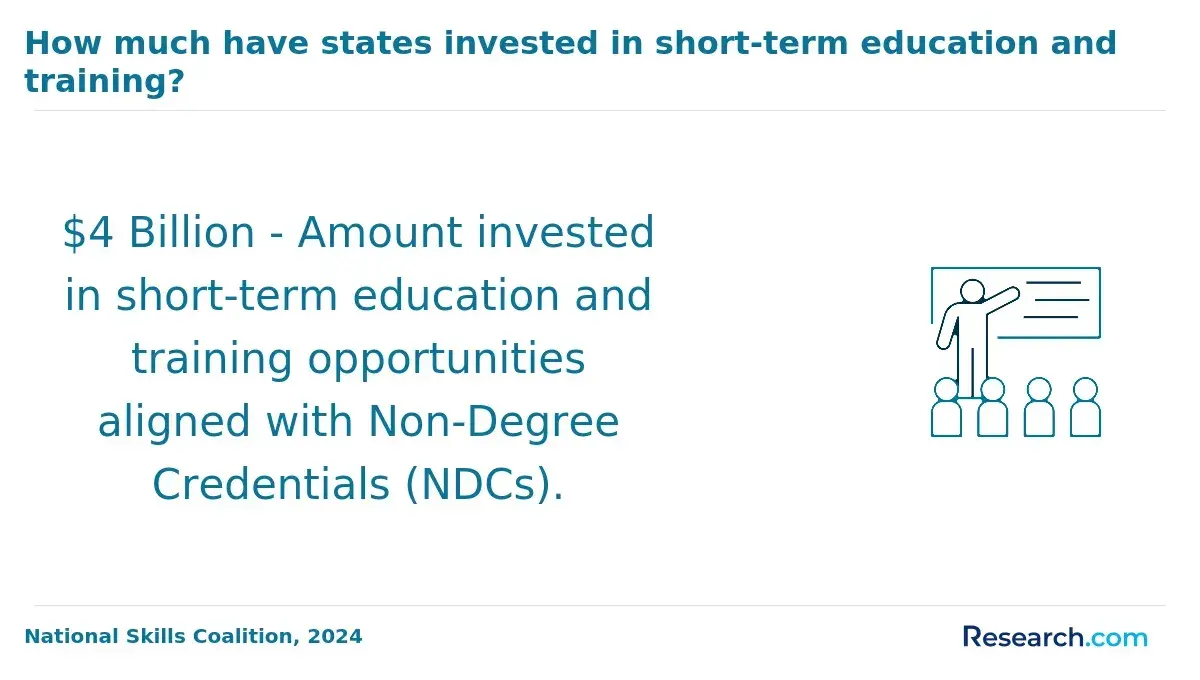
Master's degrees overwhelmingly dominate enrollment among school counseling students, reflecting the degree's central role in meeting licensure requirements across most states. According to 2024 data from the National Center for Education Statistics and the Integrated Postsecondary Education Data System, over 70% of active students in this field are enrolled at the master's level. This concentration aligns with employer expectations and certification mandates that prioritize graduate-level training combined with supervised experience, positioning the master's program as the essential credential for professional practice.
Associate and bachelor's degrees attract markedly fewer students and serve distinct, often supplementary purposes. Bachelor's programs typically offer foundational knowledge without directly fulfilling counselor licensure criteria, limiting their appeal to those planning to pursue graduate education or ancillary roles. Associate degrees are usually geared toward support positions and lack institutional backing or federal funding, constraining their growth as standalone pathways into the profession. Meanwhile, doctoral programs represent a small, specialized segment focused on research, leadership, and academia rather than direct service roles, enrolling less than 5% of students in the discipline.
Accessibility factors further shape these patterns, with the expansion of online master's programs increasing reach in regions lacking local graduate options, thus reinforcing the master's degree's prominence. Students must weigh these structural realities and professional standards when selecting their academic path, balancing the broad applicability and licensure alignment of master's programs against the narrower focus of doctoral study or the limited career mobility afforded by lower-level degrees. Such considerations are crucial for aligning educational investment with long-term employment prospects and scope of practice within school counseling.
How Do Enrollment Trends Differ Between Associate, Bachelor's, Master's, and Doctoral School Counseling Degrees?
Master's degree programs dominate enrollment patterns in school counseling programs because they directly align with licensure requirements and employer preferences for credentialed counselors ready for practical roles. This degree level shows notable growth in completion rates, with recent data from the National Center for Education Statistics revealing a 15% increase over five years, especially concentrated in regions like the Northeast and Pacific West where K-12 systems are stronger. In contrast, associate degrees remain marginal in both availability and professional value, often functioning as an insufficient credential for immediate workforce entry. The bachelor's level, while more common, generally serves as foundational education, resulting in steadier but slower enrollment growth and fewer immediate career advantages compared to graduate paths.
Doctoral school counseling programs attract a smaller, specialized group pursuing advanced clinical, leadership, or research-focused roles, reflecting their niche position within the broader field. With doctoral enrollments constituting less than 5% of counseling degrees annually, these programs face barriers including limited accredited options and significant academic demands. Enrollment trends highlight regional differences and demographic shifts, including increased diversity among master's students, which influence how candidates plan their educational routes. Prospective students must weigh these factors and understand that higher degree levels tend to offer more specialized career trajectories but also require greater time and resource commitments, impacting long-term academic and workforce outcomes.
Those navigating these enrollment trends should also consider credential distinctions impacting job qualifications, such as the difference between obtaining a master's degree and pursuing certifications like the CCS certification, as they strategize educational pathways aligned with their intended roles and market realities.
How Popular Is the School Counseling Degree Compared to Other College Majors?
The relatively modest enrollment numbers for school counseling degrees highlight its niche status rather than a lack of value within higher education. Representing less than 1% of degree completions according to 2023-2024 data from the National Center for Education Statistics, the field contrasts sharply with larger majors like business or health professions. This limited scale can impact program availability, peer networks, and specialization options for students, but it also reflects the focused nature of school counseling careers and demand that is closely tied to educational policy and mental health initiatives rather than mass-market appeal.
Gradual increases in graduate-level enrollment signal responsiveness to growing school mental health needs, yet school counseling still lags behind broader disciplines such as clinical psychology or educational leadership, which attract more diverse student populations. Regional disparities, driven by state funding priorities and legislative mandates-especially in states like California and New York-further shape who pursues these degrees and where programs thrive. Gender distribution heavily favors women (over 70%), aligning with longstanding trends in counseling professions and suggesting cultural and professional norms influence enrollment more than the programs' overall popularity.
One former student recalled noticing the small class sizes and limited visibility of the school counseling program compared to larger majors on campus, which initially made them hesitant about the degree's practical value. Academic advisors cautioned about fewer cohort peers but highlighted the program's strong focus, specialized career paths, and growing demand for mental health support roles in schools. Their decision to pursue school counseling ultimately reflected a balance between navigating a less common major and responding to tangible workforce needs, illustrating how perception of popularity intersects with personal motivation and market realities.
Why Is the School Counseling Degree More Popular in Certain States and Regions?
Variations in school counseling degree demand by state reflect complex interrelations between workforce needs, program accessibility, and policy environments rather than simple student preference. States like Massachusetts, Michigan, and Ohio demonstrate notably higher completion rates, driven in part by dense clusters of accredited programs and state-level educational priorities that emphasize counselor integration in public schools. This regional concentration not only shapes enrollment patterns but also impacts student opportunities, including richer local internship networks and more direct pathways to employment within these states' K-12 systems.
Economic investment and demographic diversity further influence regional trends in school counseling education. For example, New York and Illinois, backed by robust public education funding and increasing urban student populations, show accelerated job growth for school counselors-an incentive that reinforces degree pursuit in these areas. Conversely, states with fewer accredited programs or less legislative emphasis on school counseling often see weaker demand, which can affect graduates' perceptions of degree value and career viability. Advances in online education somewhat mitigate geographic disparities, yet proximity to institutions with established counseling departments remains a significant factor for many students.
Public policy and regional labor market dynamics create a practical context for evaluating school counseling degree popularity, especially for those comparing educational pathways or post-graduate employment options. Urban centers with diverse student bodies may sustain enrollment despite moderate degree completion rates by responding to specialized service demands. Understanding these regional trends helps align both student decision-making and program development with measurable workforce outcomes and explains why factors beyond enrollment figures, such as policy mandates and local economic conditions, critically shape the degree's practical utility. For insight on related occupational remuneration patterns, review the psych NP salary data.
What Demographic Groups Are Driving Growth in School Counseling Degree Programs?
The predominance of women in school counseling degree programs, constituting around 80% of enrollees, reflects deeply ingrained workforce dynamics where interpersonal aptitude and empathy are highly valued by employers. This gender concentration influences program culture, peer collaboration, and mentorship opportunities, often reinforcing social and emotional learning emphases within these degrees. However, this imbalance may also limit diversity of perspectives and challenge recruitment efforts seeking broader gender representation. For prospective students, especially men or gender minorities, this demographic reality impacts both classroom experience and future professional networks.
Regionally, the South and Midwest are notable for rising enrollments, driven by expanding K-12 populations and targeted investments in mental health services. These geographic trends reflect practical responses to workforce shortages in rural and suburban schools, where demand for qualified counselors is intensifying. The growth in adult learners, many pursuing mid-career transitions, signals a shift toward flexibility in program delivery, with online formats enabling professionals to balance work and study. Master's degrees dominate completions, aligning with employer preference for practical training over doctoral credentials except where leadership roles are pursued, underscoring the tradeoff between time investment and career trajectory within the field.
These enrollment patterns highlight how shifting demographics and regional needs shape program priorities and accessibility. The increase of first-generation college students enriches cohort diversity but also pressures institutions to provide adequate support structures for nontraditional learners. For workforce planners and educators, understanding these nuanced influences is vital to aligning curricular design, advising, and recruitment strategies with evolving student profiles and labor market demands. Ultimately, these demographic trends underscore the importance of adaptable program models responsive to both student backgrounds and localized professional realities.
What Is the Future Outlook for School Counseling Degree Enrollment by Gender, Region, and Degree Level?
Enrollment in school counseling degree programs will likely remain heavily skewed by gender and regional factors, affecting both program availability and student opportunity. Female candidates continue to account for roughly 80% of enrollments, a pattern deeply rooted in the profession's historical alignment with female-dominated helping fields. However, incremental growth in male enrollment is anticipated as targeted recruitment aims to diversify the workforce and better meet the academic and emotional needs of male students in K-12 settings. This slow but meaningful shift may influence cohort dynamics and resource allocation within programs, particularly those adapting to new demographic realities.
Regionally, the South and West are experiencing the most pronounced enrollment increases due to expanding K-12 populations and state-level investments in school mental health and career readiness services. In contrast, enrollment in the Northeast and Midwest remains stable or declines slightly, reflecting slower population growth and aging demographics. This geographic disparity will likely shape where future counseling roles emerge and where program expansion or contraction occurs, affecting graduates' regional employment options. Meanwhile, master's degree programs maintain their dominant role as the standard credential for school counseling licensure and employment, with demand modestly rising in response to workforce retirements and new mental health mandates. Doctoral programs grow at a slower pace and are more commonly pursued by those seeking administrative or academic careers rather than direct counseling work. Increasing availability of online and hybrid formats continues to extend access for working professionals, altering the enrollment landscape and necessitating that students weigh delivery mode tradeoffs alongside professional requirements.
How Have School Counseling Degree Enrollment Trends Changed Over the Past Decade?
Shifts in school counseling degree enrollment trends in the United States reveal critical implications for workforce composition and program relevance. The steady increase in female participation-still comprising approximately 80-85% of enrollees-reflects persistent gender imbalances that shape professional culture and service delivery in educational settings. Although male enrollment is gradually rising due to targeted recruitment and changing societal norms, this slow pace underscores the limited impact of diversity initiatives so far. Regional patterns further complicate the landscape: the Northeast and West Coast experience consistent growth driven by stronger education policies and funding, while the Midwest and Southern states face stagnation or decline, constraining access and potentially influencing where graduates can realistically pursue careers.
These developments intersect with changes in program modalities and labor market dynamics that affect student demand and career trajectories. Online and hybrid school counseling degree options have expanded opportunities for working adults and nontraditional students since 2017, contributing to a nearly 30% rise in remote enrollments. However, this shift raises questions about practicum quality and field placement variability, which directly influence readiness and employability. Prospective students must navigate this complex environment, considering how degree level, regional saturation, and enrollment trends interact with career goals. Those interested in related fields might explore accelerated pathways; for example, information on accelerated SLP programs offers a comparative option for workforce entry.
Understanding changes in school counseling program participation by gender and region offers crucial context for evaluating degree value, program availability, and future professional opportunities. Graduates and workforce analysts must recognize that regional education mandates and labor market saturation significantly influence job prospects and salary expectations. Decision-making about pursuing advanced degrees or program formats should weigh these practical realities alongside enrollment patterns to align educational investments with long-term outcomes.
Where Is the School Counseling Degree Most Popular Across the United States?
School counseling degree popularity is distinctly concentrated in certain U.S. regions due to a convergence of workforce demand, program accessibility, and state education policies rather than being evenly spread nationwide. Regions with dense educational infrastructures, such as the Northeast and parts of the Midwest, benefit from numerous accredited programs and robust K-12 systems that require professional counselors, leading to higher degree completions per capita. These clusters create more substantial networking opportunities for students and graduates, further reinforcing regional appeal and perceived value within these professional communities. Such geographic concentrations affect decisions about where to study and work, influencing both program selection and employment prospects.
By contrast, Southern and Western states show more variable enrollment trends despite large populations and significant numbers of graduates. Factors like rural school district shortages and heterogeneous education systems present distinct challenges, often resulting in lower per capita completions even in populous states. For prospective students evaluating the top states for school counseling degree enrollment, understanding these regional nuances is vital for aligning educational pathways with employment realities. Institutions in highly competitive markets may offer stronger resources but also greater pressure on program admission and job placement rates, which can impact long-term career outcomes.
A nuanced view of entry requirements, such as those found in the easiest SLP masters programs to get into, also informs prospective students interested in related mental health and educational support fields. Factors influencing school counseling degree popularity by region in the United States include the availability of accredited programs near urban centers, state funding priorities for student support, and legislative mandates that shape workforce demand, all crucial for making informed decisions about educational investments in this field.
References
- The Big Flaw in the Graduate Enrollment Growth Story https://www.encoura.org/resources/wake-up-call/big-flaw-graduate-enrollment-growth-story/
- Career Convergence - K-12 Archives https://www.ncda.org/aws/NCDA/pt/sp/CC_archives_k12
- Online Master's in School Counseling https://onlinecounselingprograms.com/online-counseling-degrees/online-masters-in-school-counseling/
- What Drives Multicultural Counseling Competency? Exploring the Contributions of Counselor Demographics, Training, and School Contexts https://eera-ecer.de/ecer-programmes/conference/30/contribution/61979
- The School Counselor and Career Development - American School Counselor Association (ASCA) https://www.schoolcounselor.org/Standards-Positions/Position-Statements/ASCA-Position-Statements/The-School-Counselor-and-Career-Development
- What is a School Counseling Degree? https://www.bestschoolcounselingdegrees.com/
- Online School Counseling Programs: Format & Fieldwork Guide https://www.school-counselor.org/online-school-counseling-programs/
- Educational Attainment Statistics [2025]: Levels by Demographic https://educationdata.org/education-attainment-statistics
- School Counselor Job Outlook: Salary, Demand & Growth https://online.uwa.edu/news/school-counselor-job-outlook/
- Schools by State - School Counseling Masters https://schoolcounselingmasters.org/states/
Other Things You Should Know About School Counseling
School counseling degrees tend to have a significant gender skew, often with more female students enrolled. This imbalance can shape peer learning environments and impact mentoring opportunities, as male students may experience underrepresentation that affects networking and support. Awareness of this dynamic is crucial for students who might benefit from seeking diverse practicum experiences to broaden professional exposure and counterbalance potential workplace gender disparities.
Regional popularity often correlates with state-specific certification ease and localized employer demand, which can influence job placement outcomes. Students aiming to work within a particular state or region should consider programs popular in that area for stronger professional networks and alignment with local licensure requirements. However, this may limit mobility, so weighing state reciprocity policies and regional accreditation can guide more flexible long-term career planning.
Master's degrees typically prepare students for direct practical roles in K-12 settings, aligning with employer expectations for school counselor positions. Doctoral degrees, while less common, focus more on leadership, research, or higher education roles but require significant additional time and financial investment. Prospective students should prioritize master's programs if aiming for immediate employment in schools, reserving doctorate pursuit for those targeting administrative or academic careers with corresponding responsibilities.
Programs with mixed degree-level cohorts can struggle to balance curriculum depth, as doctoral candidates often seek research-intensive content while master's students focus on applied skills. This disparity may dilute peer support cohesion and affect classroom engagement. Students should evaluate program cohort composition carefully; choosing programs with degree-level alignment can enhance collaborative learning and better match educational depth with career goals.