2027 School Counseling Salary Trends Report: Are Wages Keeping Up With Tuition and Inflation?

Co-Founder and Chief Data Scientist
A prospective school counseling student weighing the decision to pursue this career often faces a complex financial calculation. Rising tuition rates and broader inflationary pressures complicate the assessment of whether the degree will yield a worthwhile economic return.
Understanding how graduate salaries compare to these evolving costs is critical in determining the true affordability of the education. Without this comparison, prospective students risk underestimating the long-term financial impact of their investment.
Salary increases, tuition inflation, and changes in overall purchasing power rarely advance at a uniform pace. As a result, focusing solely on initial salary figures can obscure the real earning potential over time. Analyzing salary trends alongside education costs and economic factors offers clearer insight into the degree's value.
This article explores these dynamics, examining salary trends, tuition costs, inflation, return on investment, affordability, and the key elements that influence the long-term financial outlook for school counseling graduates.
Key Things to Know About School Counseling Salary Trends
- Graduate wages for school counseling have remained relatively stagnant, growing slower than tuition hikes averaging 5% annually, which compresses net ROI and demands cautious financial planning.
- Inflation-adjusted earnings reflect a nearly 8% real-term decline since 2022, signaling that nominal salary increases often fail to preserve actual purchasing power over time.
- Long-term earning potential heavily depends on geographic location and licensure level, with specialized credentials driving up to 25% higher salaries in certain states, affecting career mobility decisions.
- Key Things to Know About School Counseling Salary Trends Key Things to Know About School Counseling Salary Trends
- What Is the Current Salary Outlook for School Counseling Graduates? Salary Outlook
- Are School Counseling Salaries Keeping Up With Inflation? Inflation Impact
- How Do Tuition Costs Compare With School Counseling Salary Growth? Tuition vs Salary
- Does a School Counseling Degree Deliver a Positive Return on Investment? Degree ROI
- Which Industries Offer the Highest Salaries for School Counseling Graduates? Which Industries Offer the Highest Salaries for School Counseling Graduates?
- Which States and Cities Offer the Highest Pay for School Counseling Professionals? Which States and Cities Offer the Highest Pay for School Counseling Professionals?
- How Do School Counseling Salaries Grow Throughout a Career? Career Growth
- How Do School Counseling Salaries Compare With Similar Degrees? Salary Comparison
- How Is Employer Demand Affecting School Counseling Salary Trends? Employer Demand
- How Can Students Maximize Their Lifetime Earnings With a School Counseling Degree? Maximizing Earnings
What Is the Current Salary Outlook for School Counseling Graduates?
The current salary outlook for school counseling graduates is shaped by several key factors, including geographic location, experience level, and the funding environment of their employing school districts. According to the U.S. Bureau of Labor Statistics in 2024, the median annual wage for school and career counselors stands near $61,000, reflecting steady but moderate growth in line with a projected 10% employment increase over the next decade.
For instance, two recent graduates with identical School Counseling degrees may see markedly different earnings if one accepts a position in a well-funded suburban district earning $55,000, while the other starts in a rural area closer to $45,000. These disparities highlight how local economic conditions and district resources substantially impact current earnings for school counseling professionals.
While entry-level salaries provide an important snapshot, they do not fully capture the long-term financial trajectory within this field. Experienced counselors in urban or higher cost-of-living regions can command salaries exceeding $70,000, but wage growth tends to trail behind inflation and tuition increases, which can strain recent graduates carrying student debt.
Prospective students should consider the entire career arc, including job security, benefits, and steady, if modest, salary progression. Evaluating salary trends alongside employment demand and the realities of rising education costs can clarify whether investing in a School Counseling degree aligns with individual financial goals, especially compared to options such as those found among good nursing schools with high acceptance rates.
Are School Counseling Salaries Keeping Up With Inflation?
Nominal wage increases for school counseling-related occupations have generally ranged from 1.5% to 2.5% annually, according to recent data from the U.S. Bureau of Labor Statistics, while inflation has consistently hovered between 3% and 5%. This disparity means that even though salaries are rising, their real purchasing power-what those dollars actually buy-has stagnated or declined.
For example, a recent graduate entering a school counseling role with a 2% annual salary increase may find that rising costs for housing, healthcare, and daily expenses outpace income growth, resulting in less financial flexibility despite the appearance of a raise. This scenario highlights a crucial consideration: nominal wage growth does not equate to improved economic well-being when inflation steadily climbs.
The tension between school counseling salary trends versus inflation is especially significant given the increasing investment required for educational credentials and certifications, often amid rising tuition fees. Early-career professionals frequently face squeezed net income gains as the cost of graduate programs often increases by over 5% annually.
This dynamic poses a practical dilemma for individuals weighing the long-term value of a school counseling degree against its financial demands. In the context of career decision-making, prospective students might explore alternative pathways or related fields, such as masters in health administration, where wage growth may better correspond to living cost increases.
Systemic factors also shape whether school counselor wages keep pace with rising tuition and inflation. Budget constraints, educational policy priorities, and the undervaluation of psychosocial support roles contribute to persistent wage compression despite escalating responsibilities.
The evolving mental health needs in schools amplify demand for qualified counselors but have not yet translated into proportional salary advances, intensifying the disconnect between compensation and economic realities. Understanding these tradeoffs is essential for those committed to this profession amid inflationary pressures and increasing educational investments.
How Do Tuition Costs Compare With School Counseling Salary Growth?
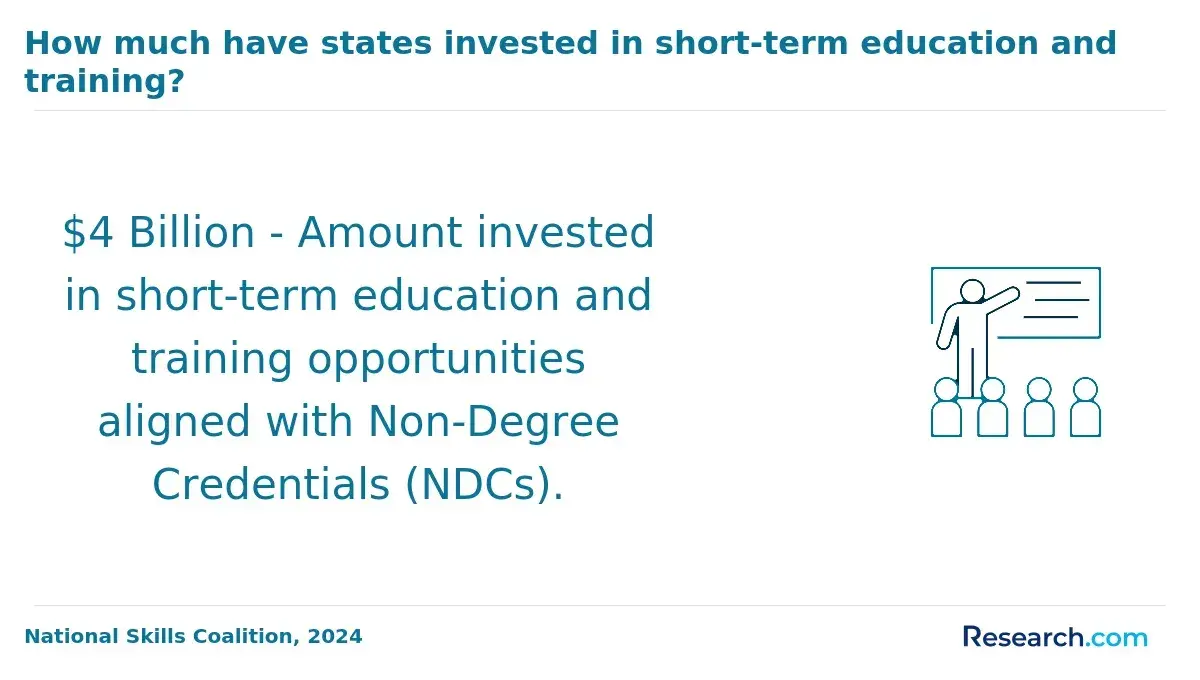
Evaluating tuition costs alongside salary growth offers a clearer picture of the financial implications of pursuing a school counseling degree than examining either separately. Recent figures from the National Center for Education Statistics show that annual tuition for relevant master's programs has risen sharply, often surpassing $30,000 at private institutions and reaching $12,000 to $18,000 at public universities.
Meanwhile, early-career median salaries reported by the Bureau of Labor Statistics typically fall between $45,000 and $50,000, with mid-career wages climbing to around $60,000 to $65,000 after a decade. When factoring in inflation-about 5% annually in recent years-salary growth has generally not kept pace with soaring tuition, complicating the return on investment for many graduates.
This imbalance is not uniform; it depends heavily on variables such as geographic location, type of school district, and individual financial circumstances. For example, one student attending an out-of-state private program might face debt levels doubling what a public university student would owe, yet both could enter districts with stagnant or modest wage increases.
Such discrepancies underscore that tuition cost inflation coupled with slower salary growth can intensify financial strain, influencing decisions from program choice to career trajectory. Recognizing these overlapping factors empowers prospective students to assess whether the expected earnings justify the cost within their specific contexts.
A recent graduate recalled weighing her options between two programs: one nearby with lower public tuition but longer commute costs, and a more expensive private institution offering a faster track. Initially hesitant due to the higher price tag, she ultimately chose the private program after calculating that a quicker graduation meant entering the workforce earlier and potentially offsetting higher debt through faster salary gains.
Her experience highlights the nuanced and personal nature of financial planning around tuition and salary growth in school counseling, demonstrating that broad statistics must be interpreted alongside individual circumstances and priorities.
Does a School Counseling Degree Deliver a Positive Return on Investment?
Return on investment in higher education means weighing the costs of obtaining a degree against the financial and professional benefits that accrue over time. For those pursuing a school counseling degree, this evaluation extends beyond the initial salary, centering on long-term stability, incremental wage growth, and opportunities for advancement.
For instance, a graduate who incurs $40,000 in tuition debt but secures a role paying $60,000 annually can gradually improve their earnings through experience and advanced qualifications, making the upfront cost manageable over a career spanning decades.
According to 2024 data from the National Center for Education Statistics, the median annual salary for school counselors is around $60,000, which modestly offsets rising tuition costs exacerbated by inflation. Despite salary growth lagging behind some professions, sustained demand driven by steady employment projections suggests a secure career path.
Key factors impacting the return on investment include geographic area, level of education, and years of experience; those with advanced degrees typically access higher salary brackets and enhanced benefits, improving lifetime earnings potential.
It's important to recognize that return on investment varies by individual circumstances and broader economic conditions. While some may view the financial gain as modest relative to education expenses, others find the role's stability and intrinsic rewards-such as meaningful student support-to be valuable compensations.
Ultimately, earning potential combined with professional longevity and job security outlined by labor statistics contributes to a positive but nuanced economic return for many school counseling graduates.
Which Industries Offer the Highest Salaries for School Counseling Graduates?
School counseling graduates face significant salary differences depending on the industry they enter. Data from the U.S. Bureau of Labor Statistics and 2024 National Center for Education Statistics reports show specialized educational services and healthcare sectors typically offer the highest pay compared to traditional public school roles.
These industries demand skills beyond routine counseling, such as mental health expertise, crisis intervention, and integration with broader service teams.
The following list outlines industries with the strongest salary potential for school counseling graduates and explains why they tend to offer better compensation:
- Private Educational Institutions: Private and charter schools, especially in metropolitan areas, can offer salaries above those in public schools due to greater budget flexibility and demand for specialized student services. Roles often include mental health counseling and college readiness support.
- Outpatient Care Centers: Positions in outpatient mental health or rehabilitation centers command higher wages because counselors address complex adolescent behavioral health issues requiring specialized training in crisis management.
- Healthcare and Social Assistance: Community mental health centers and rehabilitation facilities provide competitive salaries to school counseling professionals involved in integrated care teams, reflecting the complexity of cases and demand for multifaceted treatment approaches.
- Government Agencies: Federal and state agencies focusing on youth services and juvenile justice offer stable employment with above-average salaries. These roles often include policy development and program coordination, appealing to counselors with advanced credentials.
- Specialized Educational Services: Beyond traditional public schooling, this sector includes vocational and alternative education programs requiring counselors skilled in career development and behavioral support, leading to higher wage scales.
- Nonprofit Mental Health Organizations: Nonprofits involved in adolescent behavioral health may offer competitive pay for counselors delivering crisis intervention and community outreach, especially those with certifications in trauma-informed care.
- Higher Education Institutions: Colleges and universities employ school counselors in student support services, academic advising, and wellness programs. These roles often demand advanced degrees and provide higher salaries than K-12 public schools.
According to 2024 data, private educational services and healthcare consistently rank among the highest paying industries for school counseling professionals, while public schools typically show moderate salary growth.
Graduates weighing their options should consider industries beyond public school systems to align salary expectations with educational investment. For individuals interested in expanding their qualifications, pursuing the shortest PMHNP certificate program can enhance credentials and open doors to more lucrative healthcare roles within school counseling pathways.
Understanding school counseling salary variations by industry and location is essential for maximizing both immediate earning potential and long-term career sustainability.
Which States and Cities Offer the Highest Pay for School Counseling Professionals?
Compensation for school counseling professionals varies widely across the United States, heavily influenced by local economies, education funding priorities, and living expenses. While higher salaries often cluster in states with substantial education budgets and high costs of living, the financial advantage is nuanced by expenses such as housing and tuition inflation.
Prospective students need to weigh these tradeoffs carefully, as a larger paycheck in one city may not translate into greater net financial benefit once cost-of-living factors are included.
Below are states and metropolitan areas where school counselors generally earn the highest salaries, along with key considerations for each:
- California: Cities like San Francisco and Los Angeles top the list with salaries frequently surpassing $80,000 annually. The state's strong public education investment drives demand, but students should account for California's notoriously high living costs, which can erode take-home pay and increase the overall financial burden.
- New York City: School counselors earn between $75,000 and $85,000 on average, benefiting from the city's dense school systems and policy focus on educational support. However, New York's elevated housing and daily expenses significantly impact disposable income, requiring realistic budgeting from recent graduates.
- Massachusetts: Boston and its suburbs offer salaries ranging from $70,000 to $85,000, supported by a strong network of schools and nearby universities driving demand. The region's competitive education sector provides numerous opportunities, but rising costs for housing and tuition are important factors to consider.
- Washington, D.C.: With wages often exceeding $75,000, the nation's capital benefits from well-funded public schools and governmental education initiatives. While the area offers robust career prospects, it also comes with above-average living expenses that may limit savings potential.
- Maryland: Maryland's school counseling salaries rival D.C.'s due to consistent education funding and an affluent population. The state's balance of career opportunities and suburban living can offer a more affordable alternative, though tuition and housing prices remain relatively high.
- Texas: Although salaries are generally lower, often between $50,000 and $60,000, the state's significantly lower living costs and housing prices make it financially viable for many. Graduates must weigh moderate earnings against greater purchasing power and potential for long-term financial stability.
- Florida: Florida also offers lower starting salaries in the $50,000 to $60,000 range but compensates with a lower cost of living and no state income tax. This tradeoff may appeal to those prioritizing reduced expenses over immediate higher earnings.
How Do School Counseling Salaries Grow Throughout a Career?
Entry-level school counselors generally earn between $50,000 and $55,000 annually, though this starting range varies significantly based on location, educational background, and school district resources. Over five to ten years, salaries typically increase to about $60,000 to $70,000 as professionals gain experience, earn advanced degrees, or obtain additional certifications.
By mid-career, with roughly 10 to 20 years of experience, annual wages often reach $70,000 to $80,000, influenced by factors like district size, urban versus rural settings, and leadership roles. These figures come from data published by the U.S. Bureau of Labor Statistics and educational research studies in 2024, which emphasize professional development and specialized responsibilities as key salary drivers.
Two graduates holding the same school counseling degree can see significantly different income trajectories depending on their career choices. For instance, one who pursues leadership positions or advanced certifications may reach the $80,000 to $90,000 range after 20 years, while a peer remaining in a standard counselor role might experience slower wage growth, often struggling to keep pace with inflation and rising living costs.
Long-term salary gains closely depend on pursuing additional qualifications, geographic mobility, and taking on supervisory or program development duties. Despite steady increments, overall wage growth tends to modestly outpace inflation, suggesting potential challenges for those weighing degree costs against future earnings.
One school counseling graduate recalled hesitating to invest in a costly specialist certification, uncertain if it would justify the expense. After deciding to pursue it, the additional credential helped secure a department coordinator role within ten years, significantly boosting salary compared to peers who maintained only a master's degree.
This experience highlighted the difficult decisions professionals face balancing financial risk, professional growth, and the slow pace of salary increases in many districts.
How Do School Counseling Salaries Compare With Similar Degrees?
Comparing earnings across related fields reveals meaningful distinctions that can influence a student's return on investment in a school counseling degree. While school counseling roles typically offer a median annual wage of around $60,000, this figure often trails closely related professions, impacting long-term financial outcomes amid rising tuition and inflation.
Understanding these variations helps prospective students and career changers weigh the tradeoffs between job stability, salary potential, and educational costs.
The following points clarify how school counseling salaries compare with other degree types:
- Social Work: Social workers earn a median salary near $58,000, slightly less than school counselors. Both professions emphasize direct client support, but social work frequently involves broader social services and clinical roles, which may offer varying compensation depending on location and specialization.
- Psychology: Psychologists tend to report median incomes exceeding $85,000 annually, primarily due to positions in private practice, clinical settings, or research-oriented roles. These jobs demand advanced credentials and provide access to higher pay scales than the typical educational environments where school counselors operate.
- Educational Psychology: Graduates in educational psychology often achieve higher earnings due to consultancy work and advanced research roles that extend beyond traditional school systems. Their salaries reflect specialized expertise and broader employment sectors.
- Health Information Management: Although not directly related to counseling, a bachelor of science in health information management salary can sometimes surpass that of school counseling graduates because of its alignment with the growing healthcare data sector. This highlights alternative avenues where educational investment may yield stronger financial returns.
These distinctions illustrate the importance of evaluating salary potential alongside career interests. For example, a prospective student focusing on school counseling should consider whether the slightly lower median salary aligns with their commitment to educational support roles versus pursuing degrees with potentially higher pay but different job demands.
Taking into account the earnings of school counseling graduates versus related fields provides crucial perspective on managing financial decisions through the course of study.
For alternate yet equally lucrative pathways, check out our list of accelerated FNP programs.
How Is Employer Demand Affecting School Counseling Salary Trends?
Employer demand significantly shapes salary trends for school counseling professionals by influencing competition among districts for qualified candidates. For example, a mid-sized school district working to reduce its student-to-counselor ratio may increase hiring and offer higher salaries to attract experienced counselors.
However, while employer demand often drives wage growth, this increase is tempered by budget limitations and regional economic conditions. According to the U.S. Bureau of Labor Statistics (2024), employment for school and career counselors is projected to grow 8% from 2022 to 2032, indicating a strong labor market but not always a proportional rise in salaries.
Major factors defining employer demand include awareness of student mental health needs, state-mandated counselor ratios, and shifts in academic and career planning priorities. Demand pressures can accelerate wage growth when organizations compete for scarce talent, but salaries remain sensitive to experience, specialization, and local education budgets.
This variability means that even in areas with growing jobs, wage stagnation or modest growth is common, reflecting broader economic pressures. Prospective students analyzing school counseling job market trends and wages should consider these dynamics alongside the often slow pace of inflation-adjusted wage increases.
Individuals investing in a school counseling degree should also review related fields such as psychiatric mental health to understand comparative trends; studies on the top psychiatric mental health nurse practitioner programs online provide insight into different clinical demand patterns.
Balancing employer demand impact on school counseling salaries with education costs and personal financial goals is crucial for making informed decisions in today's evolving educational workforce landscape.
How Can Students Maximize Their Lifetime Earnings With a School Counseling Degree?
Lifetime earnings for those with a school counseling degree vary significantly based on education level, work setting, and geographic location. Data from the U.S. Bureau of Labor Statistics and National Center for Education Statistics in 2024 show that counselors with advanced degrees earn up to 20% more over their careers than those with only bachelor's degrees. However, rising tuition and inflation raise the stakes, so strategic choices during training and early career stages are crucial.
Here are practical, evidence-backed strategies to enhance long-term earning potential:
- Advanced Credentials: Obtaining a master's degree or specialized certifications in mental health or substance abuse counseling dramatically increases salary prospects. Graduate-level qualifications signal expertise, opening doors to higher-paying roles and leadership opportunities.
- Targeted Experience: Working in urban public school districts or health care settings attracts premium compensation due to high demand. Internships and entry-level roles in these settings build relevant skills that pay off long-term.
- Geographic Mobility: Relocating to states with higher education budgets or special counseling programs tends to yield better salaries. Students should research regional labor markets before committing to a location.
- Leadership Roles: Pursuing roles such as department head or district coordinator adds salary premiums and career resilience. Developing management skills early can accelerate progression.
- Grant-Funded Initiatives: Participation in mental health programs funded by grants cultivates niche expertise, which translates into salary boosts and job security.
- Financial Planning: Leveraging scholarships, loan forgiveness, or school partnerships reduces debt burden, helping justify costly degrees amid inflation and optimize return on investment.
- Continuous Professional Development: Staying current with evolving counseling practices and educational priorities strengthens marketability and ensures sustained income growth.
References
- School Counselor Salary https://onlinecounselingprograms.com/become-a-counselor/salary/school-counselor/
- 5 High-Paying Jobs with a Master’s in Counseling| University of Bridgeport https://www.bridgeport.edu/news/high-paying-jobs-with-a-masters-in-counseling/
- Return on Investment For an Online Psychology Degree https://www.onlinepsychologydegrees.com/articles/return-on-investment-for-an-online-psychology-degree/
- School Counselor Career Outlook | VocoVision https://www.vocovision.com/blog/school-counselor-occupational-outlook/
- School Counselor Roles & Ratios https://www.schoolcounselor.org/about-school-counseling/school-counselor-roles-ratios
- How to Pay for a School Counseling Master's Degree https://www.school-counselor.org/2026/05/pay-for-school-counseling-masters-degree/
- School Counselor Salary https://socialworklicensemap.com/social-work-resources/school-counselor-salary/
- Is College Worth it? | Return on Investment Analysis of College Degree https://educationdata.org/college-degree-roi
- School Counselor Salary and Career Outlook https://teach.com/online-ed/counseling-degrees/online-masters-school-counseling/school-counselor-salary-and-career-outlook/
- Is Grad School Worth It? A Comprehensive Return on Investment Analysis - FREOPP https://freopp.org/whitepapers/is-grad-school-worth-it-a-comprehensive-return-on-investment-analysis/
Other Things You Should Know About School Counseling
School counseling programs vary widely in curriculum intensity, clinical hours, and specialization options, which directly influence employer perceptions and starting salaries. Programs emphasizing practical experience and licensure preparation often yield graduates who can negotiate higher initial pay, but these programs can also come with higher tuition. Prospective students should prioritize programs that balance rigorous training with affordability to avoid starting their careers under financial strain, as incomplete or less practical programs may limit wage growth despite lower upfront costs.
School counselors frequently face job descriptions that include administrative tasks beyond traditional counseling roles, such as test coordination or paperwork management. These added responsibilities can dilute focus and effectiveness without commensurate raises. When evaluating salary trends, it is critical to account for role scope since higher workloads with stagnant pay indicate slower real wage growth and may contribute to burnout, reducing long-term earning potential and job satisfaction.
Working in private schools or specialized institutions sometimes offers higher salaries or different benefit packages compared to public schools, but these positions may present less job security or fewer advancement opportunities. Prospective counselors should weigh this tradeoff carefully, as the immediate wage advantage might not compensate for the reduced stability and slower salary growth common in smaller or less bureaucratic settings. For most, public school employment remains more stable but requires strategic negotiation to address wage lag in relation to tuition inflation.
Additional degrees and certifications theoretically enhance earning potential but can substantially increase educational debt, potentially negating immediate financial benefits. Candidates must evaluate whether incremental wage increases from advanced qualifications justify the delay in recouping tuition costs amid inflation pressures. Prioritizing certifications that are directly linked to employer salary incentives or that open access to higher-paying roles is essential to avoid costly credentials with limited market impact.