2027 Native American Leadership Degree Completion Rates by Format: Online, Hybrid, and Campus Programs Compared

Co-Founder and Chief Data Scientist
Choosing the right format to complete a Native American Leadership degree involves weighing multiple practical and personal factors. A prospective student might struggle to balance work, family, and community commitments while considering whether to attend classes on campus, engage in a hybrid model, or pursue the degree fully online. Each format carries different demands on time, access to resources, and peer interaction, all of which can influence persistence and completion. The decision also reflects longer-term career paths and how employers view credentials earned through various learning environments.
Completion rates vary across online, hybrid, and campus programs, reflecting the diverse challenges and supports present in each format. Factors such as student engagement, institutional support, and learning style play crucial roles in determining who completes a Native American Leadership degree. Understanding these dynamics helps prospective students select the format best aligned with their educational goals and life circumstances. This article compares completion rates across these delivery methods and highlights considerations that affect student success and career outcomes.
Key Things to Know About Native American Leadership Degree Completion Rates by Format
- Native American Leadership degree completion rates are highest in hybrid formats, with a 2024 study showing a 13% increase over fully online programs, indicating enhanced student engagement supports persistence.
- Campus-based programs yield stronger community ties, crucial for Native American students, but face-to-face demands can hinder those balancing work or family, lowering overall completion likelihood.
- Online formats offer accessibility but report 20% lower completion rates due to limited cultural support and interaction, suggesting critical tradeoffs in self-directed learning environments.
- Key Things to Know About Native American Leadership Degree Completion Rates by Format Key Things to Know About Native American Leadership Degree Completion Rates by Format
- How Do Completion Rates Compare Across Online, Hybrid, and Campus Native American Leadership Programs? Completion Rate Comparison
- What Factors Have the Greatest Impact on Native American Leadership Degree Completion? Degree Completion Factors
- Which Native American Leadership Degree Format Is Hardest to Complete? Completion Difficulty
- How Does Each Native American Leadership Learning Format Affect Student Success? How Does Each Native American Leadership Learning Format Affect Student Success?
- How Does Enrollment Status Affect Native American Leadership Completion Rates? How Does Enrollment Status Affect Native American Leadership Completion Rates?
- Can Transfer Credits Improve Native American Leadership Degree Completion? Transfer Credits
- What Student Support Services Improve Native American Leadership Completion Rates? Student Support Services
- How Do Native American Leadership Completion Rates Affect Career Outcomes? Impact on Career Outcomes
- How Should Students Choose the Best Native American Leadership Learning Format? Choosing the Best Format
- What Are the Long-Term Pros and Cons of Each Native American Leadership Learning Format? Learning Format Pros & Cons
How Do Completion Rates Compare Across Online, Hybrid, and Campus Native American Leadership Programs?
Completion rates in native American leadership degree completion rates by format should be viewed as indicators reflecting the diverse student populations enrolled, rather than definitive judgments of program quality. Campus programs typically enroll students with greater access to resources and fewer external constraints, which can elevate graduation rates. Conversely, online programs often serve students balancing extensive personal or work commitments, influencing their persistence but not necessarily the program's intrinsic value.
Variations in graduation rates across online, hybrid, and campus native American leadership programs frequently stem from factors like scheduling flexibility, intensity of enrollment, and availability of academic support. Online learners benefit from adaptable pacing but face challenges such as limited real-time faculty interaction and distractions, affecting outcomes. Hybrid formats blend in-person engagement and remote learning, appealing to students who require some campus presence yet need flexible arrangements around work or family obligations.
Prospective students should integrate these completion rate comparisons with a clear assessment of their learning style, time availability, and career objectives to identify the most suitable format for their success. For example, a working professional in a remote location might favor an online program despite the overall lower completion rates, prioritizing accessibility over campus resources. Those able to attend full-time on campus might leverage higher persistence rates, while hybrid models offer a compromise. Researching specific offerings, such as PhD programs tailored for flexibility, can also provide focused pathways aligned with individual circumstances.
What Factors Have the Greatest Impact on Native American Leadership Degree Completion?
Degree completion for Native American Leadership students depends on a complex interplay of personal circumstances, academic resources, and program design rather than sheer motivation alone. Successful graduation outcomes emerge when students can navigate life's demands while accessing supports that address their unique cultural and educational needs. Relying solely on individual drive overlooks how factors like engagement and culturally affirming environments critically shape persistence. Below are key factors that most strongly influence completion rates for Native American Leadership programs.
- Student Engagement with Faculty and Peers: Frequent, meaningful interaction with instructors and classmates significantly increases persistence-students reporting such engagement have a 25% higher completion rate according to the National Survey of Student Engagement. Those enrolled in online programs must proactively seek these interactions to offset isolation, while hybrid or campus learners benefit from built-in opportunities to connect.
- Access to Culturally Relevant Support Systems: Programs embedding cultural resource centers and peer networks tailored for Native American students see a 30% higher retention rate, per U.S. Department of Education data. This support fosters a sense of belonging and validates Indigenous identity, crucial for sustaining motivation through challenges.
- Academic Support and Advising Availability: Ready access to tutoring, advising, and skill workshops helps students manage academic hurdles that otherwise derail progress. Those balancing work and family demands often rely heavily on flexible but consistent academic supports to stay on track.
- Program Format Flexibility Matched to Life Demands: Online programs offer much-needed flexibility for students juggling multiple responsibilities; however, less direct engagement can reduce accountability. Hybrid options that combine remote convenience with scheduled in-person sessions often strike a more effective balance for maintaining momentum.
- Balancing Educational and Personal Responsibilities: Native American students frequently manage family, community, and work obligations alongside school, necessitating strong time management and support networks. Programs that recognize and accommodate these realities through flexible deadlines or asynchronous content tend to improve completion chances.
- Financial Stability and Resource Accessibility: Financial pressures can force many to pause or drop out. Programs partnering with tribal organizations or offering targeted scholarships reduce this barrier and contribute to sustained enrollment and degree attainment.
- Alignment of Program Content with Community Values: When curriculum and leadership frameworks reflect Native American cultural perspectives, students often find greater relevance and purpose in their studies, bolstering long-term commitment. For example, a student balancing community service with coursework reported finishing on time after their program incorporated local history and Indigenous leadership models into core classes.
Students comparing options should assess how well each program's delivery method and supports fit their lifestyle, community connections, and academic needs. Those interested in flexible but credible online options might explore affordable online counseling programs as a model of programs integrating flexibility with structured support.
Which Native American Leadership Degree Format Is Hardest to Complete?
Recent 2024 data from the National Center for Education Statistics reveals distinct completion patterns between formats for Native American Leadership degrees. Campus-based programs typically yield the highest completion rates, around 60% to 75%, reflecting the benefits of immersive learning, direct faculty access, and structured environments that reinforce accountability. Hybrid models, offering a blend of in-person and online learning, register completion rates of roughly 55% to 65%, balancing flexibility with some degree of face-to-face support. Online programs show the lowest persistence, with rates between 40% and 55%, often due to challenges in self-motivation, time management, and the absence of immediate interpersonal connections, which can increase feelings of isolation and disrupt progress.
Choosing the hardest format depends on individual circumstances rather than broad generalizations. For example, a working parent attending a hybrid program might struggle with conflicting on-campus sessions and family obligations, delaying graduation despite built-in flexibility. Conversely, a student enrolled in a fully online program may find the independence empowering but risks falling behind without the external pressures of scheduled classes or peer engagement found on campus. While campus programs foster community and consistent structure advantageous for many, hybrid and online options can still support success if students develop strong self-discipline and time-management strategies.
A recent graduate reflected on their experience, noting that starting in an online format felt necessary because of geographic distance and work commitments, but the lack of live interaction made it easy to procrastinate. Midway through the program, they switched to a hybrid format when local classes became available, which reintroduced routine and personal accountability. This shift notably eased their stress and improved focus, illustrating how format flexibility can be both a challenge and a solution depending on evolving personal needs and support networks.
How Does Each Native American Leadership Learning Format Affect Student Success?
Student success in Native American Leadership programs hinges more on how well a learning format fits a student's personal learning style, schedule, and life commitments than on the method alone. For example, a working parent juggling family responsibilities and employment might find hybrid formats more manageable, while another student thriving on direct interaction may excel in campus settings. Recognizing these differences is crucial since program completion rates vary notably depending on the chosen format. Below are key factors influencing academic success across online, hybrid, and campus learning environments.
- Engagement and Accountability: Campus programs foster higher completion rates, often exceeding those of fully online cohorts, due to face-to-face interaction that enhances motivation and peer support. Students who benefit from structured environments and real-time feedback are more likely to persist in campus settings.
- Flexibility Versus Structure Balance: Hybrid formats appeal to learners needing adaptable schedules without losing personal connection with instructors. This blend helps students balancing work or family, offering better completion outcomes than purely online paths by maintaining direct engagement.
- Accessibility and Isolation Challenges: While fully online formats increase access for students in remote or underserved areas, limited synchronous interaction can lead to feelings of isolation. Without strong virtual advising and culturally relevant support, this format often sees lower persistence among Native American Leadership students.
- Culturally Responsive Support Networks: In-person learning environments more readily facilitate culturally tailored mentorship and community-building essential for Native American students' academic resilience and identity affirmation, driving higher success rates compared to less interactive formats.
- Time Management Demands: Online learners must independently manage study schedules without the external structure campus programs provide, which can challenge those less experienced in self-discipline. Hybrid programs partially offset this by blending self-paced and scheduled elements.
- Technology Access and Proficiency: Online and hybrid learners require reliable technology and digital literacy. Students lacking these resources face barriers that can delay progress or reduce completion likelihood, highlighting inequities that campus programs sometimes mitigate.
- Impact of Real-World Responsibilities: Consider a Native American student working full-time while caring for family; the hybrid format's flexibility may improve degree completion odds by accommodating these roles without sacrificing meaningful academic interaction, unlike fully online or rigid campus-only schedules.
How Does Enrollment Status Affect Native American Leadership Completion Rates?
Enrollment status is one of the most significant factors shaping degree completion rates for students pursuing a Native American Leadership degree. Its impact extends beyond simply the number of courses taken each term and hinges on a student's ability to balance academic demands with personal and professional obligations. Rather than prescribing full-time or part-time as categorically superior, completion outcomes often reflect how well a student's enrollment pace fits their individual circumstances and resources. Below are key ways enrollment status influences degree completion in Native American Leadership programs.
- Time Dedication and Momentum: Full-time enrollment typically leads to higher completion rates by maintaining academic momentum and sustained focus. According to the National Center for Education Statistics (2024), full-time students in leadership programs complete their degrees 20 to 30 percent more often than part-time peers. Students able to commit consistent study hours benefit most from this concentrated timeline.
- Flexibility for Life Responsibilities: Part-time status suits students balancing work, family, or community roles, providing necessary flexibility that can prevent burnout. While completion rates are generally lower for part-time students, hybrid program data show this gap can narrow significantly when some structured engagement supplements flexible scheduling.
- Program Format Interaction: Completion differences by enrollment status are most pronounced in campus settings where immersive, scheduled interaction supports full-time students. Online formats offer greater freedom but less direct support, sometimes causing higher attrition in part-time online cohorts. Hybrid models blend accessibility with personal contact, boosting completion for part-time students.
- Structured Support and Accountability: In hybrid programs, the combination of remote learning with in-person elements enhances accountability, helping part-time students sustain progress. Research from the Education Policy Institute (2024) highlights that part-time students in hybrid Native American Leadership programs approach full-time completion rates, emphasizing the importance of support structure over enrollment pace alone.
- Personal and Career Considerations: Choosing enrollment status must factor in immediate career goals and the ability to integrate study with other commitments. For example, a working professional living in a remote community may thrive in a part-time hybrid pathway that aligns with job demands and community involvement, unlike a full-time campus schedule.
- Attrition Risks and Academic Pressure: Full-time students face concentrated academic pressure which benefits many but can overwhelm those with fragile support systems. Part-time students may avoid overload but risk slower degree progress and potential disengagement if not supported by program design.
- Strategic Program Selection: Prospective students should evaluate how program delivery formats accommodate their preferred enrollment intensity. For instance, considering options like a 1 year online master's in human resources can illustrate how accelerated formats might interplay with enrollment status and completion likelihood.
Can Transfer Credits Improve Native American Leadership Degree Completion?
Transfer credits can materially influence the timeline and likelihood of completing a Native American Leadership degree, but the impact varies notably depending on several institutional and personal factors. For many students with prior college experience, military training, or professional certifications, accepted transfer credits reduce the need to retake foundational courses, effectively shortening their path to graduation. This advantage is particularly relevant for Native American students managing community and family responsibilities, as it lessens time-to-degree without sacrificing course rigor.
However, the benefits hinge critically on how well previous credits align with degree requirements and institutional policies. Some programs have rigid articulation agreements, while others evaluate credits case-by-case, leading to disparate outcomes where some students face repeated coursework that blunts expected time savings. For example, a student who completed general education credits at a prior institution might see those transfer seamlessly counted in a campus-based Native American Leadership program, enabling earlier focus on leadership-specific classes. Conversely, a peer in a similar program could encounter limited credit acceptance, diminishing the impact of transfer credits on their academic progress.
The delivery format further shapes the effect of transferred credits. Hybrid students often gain flexibility by leveraging prior credits to accelerate enrollment in advanced classes, which can enhance engagement and practical skill development without overloading schedules. Online students, a group facing elevated attrition risks due to isolation and external demands, demonstrate even stronger associations between transfer credit acceptance and reduced completion times-with some analyses showing up to 20% faster graduation compared to those starting all coursework anew.
Prospective students should rigorously assess whether transferring credits will meaningfully improve their completion trajectory. This involves reviewing specific program requirements, securing an official transfer credit evaluation, and comparing remaining credit loads against feasible enrollment plans. Transfer credits are an important but singular factor in degree completion; academic advising and clear articulation policies play crucial roles in maximizing their benefit while realistic pacing and personal circumstances ultimately determine success.
What Student Support Services Improve Native American Leadership Completion Rates?
The likelihood of completing a Native American Leadership degree is closely tied to access to targeted student support services tailored to different learning formats. Research from 2024 consistently shows that culturally relevant advising, academic assistance, and financial counseling significantly impact persistence, especially when adapted to online, hybrid, or campus environments. Understanding which services effectively address unique challenges associated with each program mode can help students make informed decisions to improve degree completion chances.
Key student support services linked to improved Native American Leadership degree completion include:
- Culturally Responsive Advising:This service integrates cultural values and identity affirmation into academic guidance, helping students stay engaged by connecting their heritage with educational goals. The National Center for Education Statistics reports that students receiving culturally grounded mentorship show notably higher persistence rates in remote learning settings.
- Proactive Academic Interventions:Services like personalized tutoring and structured learning communities create essential scaffolding. These interventions foster peer relationships and timely progress assessments that research ties to elevated graduation rates in hybrid and on-campus formats.
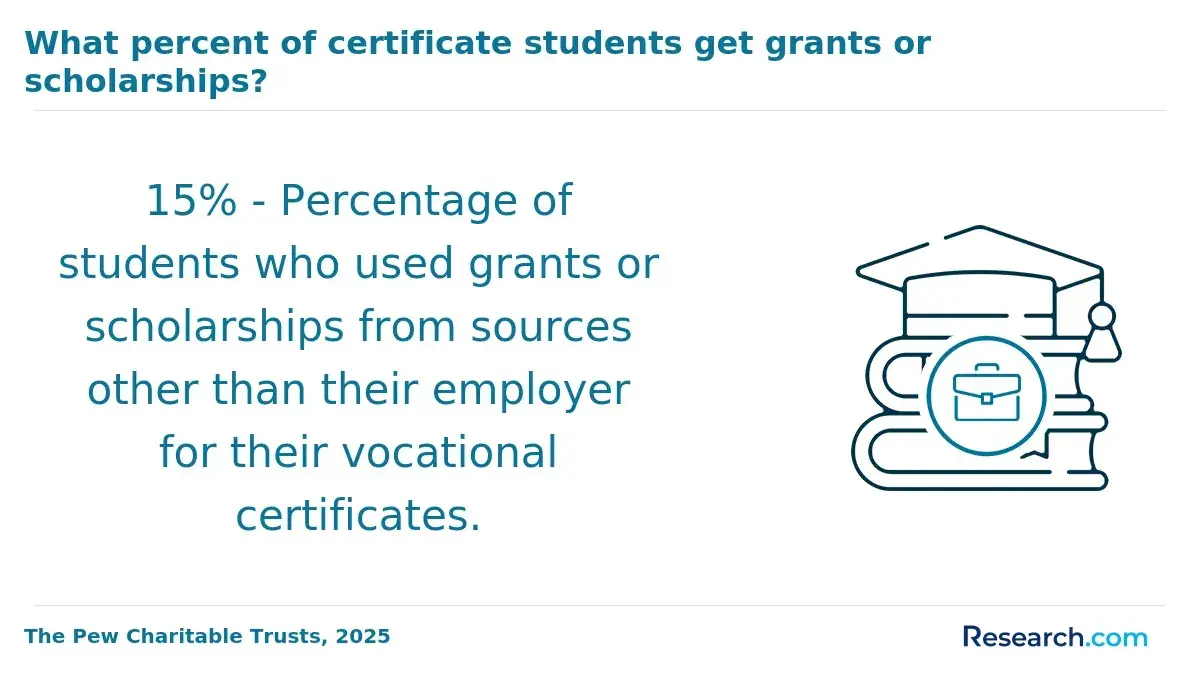
- Tailored Financial Counseling:Customized financial aid advising addresses economic stressors that often derail Native American students. The Lumina Foundation's 2024 study confirms that students accessing such resources in online and hybrid programs demonstrate improved degree completion outcomes.
- On-site Cultural Centers and Peer Groups:Campus programs benefit from immediate access to cultural spaces and student organizations, which serve as informal support networks reinforcing belonging and motivation.
- Virtual Mentoring and Digital Resource Hubs:Online learners rely on technologically mediated mentoring and culturally relevant digital content to offset isolation, though effective program design is critical to replicating community ties.
- Timely Progress Monitoring Systems:Tracking academic milestones regularly allows for early identification of struggles, enabling prompt assistance that enhances retention and completion.
One recent graduate who completed a Native American Leadership degree online recalled hesitating to enroll initially due to doubts about receiving meaningful support remotely. She found that virtual mentoring paired with culturally aligned academic advising made a tangible difference when she faced hurdles balancing coursework and family responsibilities. These services not only provided guidance but also helped her maintain connection to community values, which she credits with sustaining her motivation through tough stretches. The personalized financial counseling she utilized further alleviated stress related to tuition and living expenses, underscoring how a strategic combination of supports can foster successful degree completion despite geographic distance.
How Do Native American Leadership Completion Rates Affect Career Outcomes?
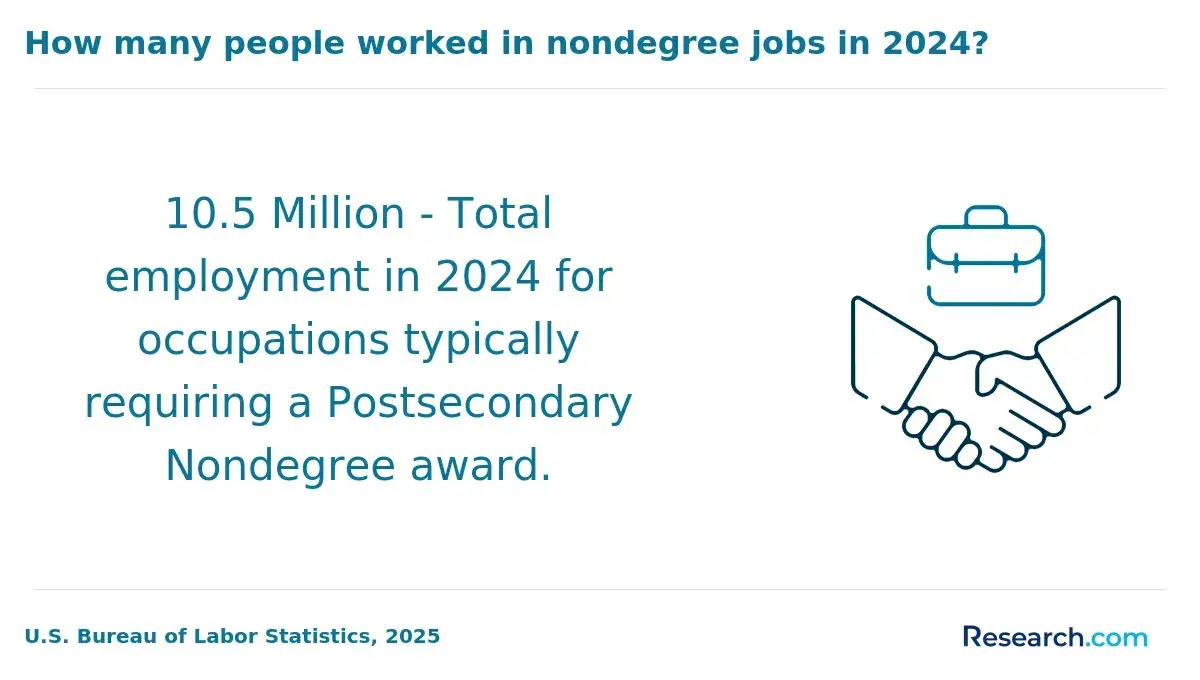
Completion rates in Native American leadership degree programs fundamentally shape career outcomes by influencing employability, earnings, and professional growth. Data from recent studies show that students who earn their bachelor's degree-whether online, hybrid, or campus-based-experience significantly better occupational mobility and job stability than those who do not finish. Understanding how persistence to degree completion affects career trajectories helps prospective students make informed decisions about their educational path. Below are primary ways completing a Native American leadership program can impact career success.
- Improved employment prospects through verified credentials and skills: Completing a Native American leadership degree signals to employers a verified commitment and mastery of relevant knowledge, increasing chances of securing positions in tribal organizations, government roles, or nonprofits. Students who persist to graduation tend to build networks and gain internships aiding early job placement, though actual employment depends on additional factors like experience and labor market conditions.
- Increased earnings potential and promotion opportunities: Data from the U.S. Bureau of Labor Statistics show that bachelor's degree holders generally earn about 20% more than non-degree holders. Completing the degree expands eligibility for leadership roles with higher pay, though career advancement also hinges on individual performance and workplace dynamics. Graduates from campus-based programs often report faster promotion timelines, benefiting from stronger professional connections.
- Better access to graduate school and advanced training: Degree completion opens doors to graduate-level education, essential for some leadership roles requiring advanced expertise. According to recent surveys, Native American leadership graduates enrolling in graduate programs achieve higher persistence rates, reflecting better preparation. Those opting for online formats may require more self-discipline but can combine studies with work.
- Enhanced development of transferable interpersonal and technological skills: Hybrid program completers regularly benefit from a blend of face-to-face and online experiences, fostering communication and tech skills crucial for modern leadership roles. This balanced engagement often translates to moderate but steady employer recognition in diverse Native American leadership settings.
For those weighing education choices, linking completion data with career outcomes highlights that finishing the program-as opposed to format alone-is often the critical driver of long-term success. For a relevant comparison, consider how a bachelor applied artificial intelligence degree similarly requires balancing flexible study with persistence to maximize career opportunities.
How Should Students Choose the Best Native American Leadership Learning Format?
Choosing the best learning format for a Native American leadership degree requires weighing how personal circumstances align with the realities of each option. Students juggling work and family often find online programs offer the flexibility they need. Yet, 2024 data from government and higher education research shows that degree completion rates are higher for campus and hybrid formats, largely due to stronger engagement and support. Consider these key factors when deciding, as they directly impact whether students can sustain progress toward graduation and future leadership roles.
- Self-Motivation and Discipline: Online learning demands high self-direction. Without consistent motivation, students risk falling behind. Those with stable schedules and strong time management skills may thrive online, but others will benefit more from the structured environment of campus or hybrid programs.
- Access to Technology and Connectivity: Reliable internet and devices are critical for online success. Students without consistent access face barriers that campus resources can alleviate, making hybrid or on-campus formats safer options for technological support.
- Cultural Immersion and Mentorship: Campus-based programs provide direct access to faculty mentorship, cultural activities, and peer networks, which improve retention and leadership development. Students seeking these connections may find campus or hybrid setups more effective.
- Work and Family Commitments: Those balancing substantial outside responsibilities often need flexible schedules. Online programs accommodate this flexibility best, but students must realistically assess if they can maintain focus without in-person accountability.
- Travel and Relocation Feasibility: Campus programs may require moving or commuting, which can be prohibitive. Hybrid programs can mitigate this by combining online coursework with occasional campus presence, balancing engagement and convenience.
- Learning Preferences and Social Interaction: Some students perform better with face-to-face interaction to stay motivated. Hybrid programs offer a middle ground, providing structured interaction without full-time campus attendance.
- Program Outcomes and Career Goals: Degree completion rates vary by format, influencing employability and leadership opportunities within Native communities. Students should choose a format aligned with their long-term goals, realistic about what they can maintain over time.
For students interested in efficient degree paths, reviewing short spanish degrees might offer useful insights on balancing affordability, duration, and job prospects, applicable to the Native American leadership context as well.
Ultimately, evaluating these factors against one's personal life and academic strengths provides the best guide to choosing the optimal Native American leadership learning option.
What Are the Long-Term Pros and Cons of Each Native American Leadership Learning Format?
Long-term outcomes for Native American Leadership degree formats vary significantly depending on learner needs and contexts. Online programs offer unmatched flexibility, critical for students balancing cultural and family responsibilities, but tend to have lower completion rates due to less direct interaction. Hybrid formats combine the best of both worlds by enhancing persistence and applied skills while requiring solid time management. Campus-based programs boast the highest graduation and employment rates thanks to immersive leadership experiences and networking, though they pose geographic and financial challenges. Consider these key factors when choosing a format:
- Completion and retention rates: Campus programs lead with stronger completion rates supported by face-to-face mentorship, while online programs show improved but still lower graduation rates. Hybrid models strike a balance, improving persistence over fully online formats.
- Flexibility and accessibility: Online formats excel for those needing to maintain community obligations and work, making them ideal for students in remote Native communities. Campus programs may prove inaccessible due to travel and cost.
- Skill application and preparedness: Hybrid learners often demonstrate better post-graduation leadership skill application by blending practical campus interactions with online convenience.
- Networking and mentorship opportunities: Campus settings provide direct access to mentors and peers critical for career advancement, opportunities less readily available in online programs.
- Resource availability and support: Students in hybrid and campus programs benefit from greater access to campus facilities and support services, while online learners must rely on virtual resources.
- Cultural and community considerations: Online formats support cultural commitments by reducing relocation pressures, whereas campus programs may require students to leave community support networks temporarily.
- Long-term career outcomes: Data from the U.S. Department of Education show campus graduates typically secure higher initial employment rates, but some may face challenges balancing career moves with community ties.
References:
- Native American Education: Progress & Promise | Indian Youth https://indianyouth.org/native-american-education/
- Indigenous Visionaries | American Indian College Fund https://collegefund.org/programs/supporting-our-relatives/indigenous-visionaries/
- Project Success: Improving Persistence and Completion of Native American Students - Achieving the Dream https://achievingthedream.org/project-success-improving-persistence-and-completion-of-native-american-students/
- Big Idea: American Indian Students Define Success in Their Own Terms https://www.humanitieskansas.org/get-involved/kansas-stories/the-big-idea/big-idea-american-indian-students-define-success-in-their-own-terms
- Higher Education Rates for Native Americans Remain Low, But Unique Scholarships Helping | Native Forward Scholars Fund https://www.nativeforward.org/2021/02/22/higher-education-rates-for-native-americans-remain-low-but-unique-scholarships-helping/
- Top 15 Online Colleges for Native Master’s Students https://www.onlinemastersdegrees.org/features/best-colleges-native-american-alaskan-students/
- Increasing American Indian & Alaska Native High School Graduation Rates https://www.wested.org/resource/increasing-american-indian-alaska-native-graduation-rates-strategies-for-western-states/
- Native American Student Success Center https://scc.losrios.edu/student-resources/native-american-student-success-center
- National Institute for Native Leadership in Higher Education | ACPA https://myacpa.org/ninlhe/
- Transfer Information https://www.thenicc.edu/academics/transfer-information.php
Other Things You Should Know About Native American Leadership
The pacing flexibility in online programs can help students balance work and personal commitments, often improving completion rates for those with rigid schedules. However, this same flexibility may weaken accountability, leading to slower progress or dropouts if self-motivation is low. Hybrid and campus formats generally impose more structured timelines, which can aid pacing but may create barriers for students needing flexible arrangements. Prioritizing a format that matches individual scheduling reliability can significantly affect completion likelihood.
Peer interaction varies markedly by format and influences motivation and persistence. Campus programs offer face-to-face engagement that fosters deep community bonds, which can enhance a student's resolve to complete the program. Hybrid formats provide some in-person networking with online convenience, balancing social support and flexibility effectively. Online formats often lack robust peer connections, potentially reducing support networks, so students may need to proactively seek virtual communities to mitigate isolation risks that could hamper completion.
In sectors valuing traditional credentials, campus and hybrid degrees may carry more weight, encouraging students to complete through perceived higher career returns. Conversely, in more progressive or remote-focused fields, an online degree can be equally respected, enhancing motivation for students needing full flexibility. Selecting a format with clear employer acceptance aligned with career goals can sustain commitment, as uncertainty about post-graduation value can undermine completion motivation.
Online formats demand strong time management skills since asynchronous learning disperses workload independently, increasing drop-out risk for those overloaded by external responsibilities. Campus programs often consolidate workload into fixed class times, which can structure student efforts but also intensify short-term pressure. Hybrid programs spread workload between on-campus engagement and online assignments, requiring adaptability and potentially balancing stressors. For many students, hybrid programs offer a middle ground, but choosing correctly depends on personal capacity to manage fragmented or concentrated workloads.