2027 Native American Leadership Transfer Credit Trends: How Schools Are Adapting for Adult Learners

Co-Founder and Chief Data Scientist
When a military-affiliated student returning to college discovers that only 40% of their previously earned credits transfer toward a Native American Leadership degree, the impact extends beyond mere coursework. This shortfall can add semesters, inflate tuition costs, and disrupt carefully laid career advancement plans.
Recent studies from 2024 reveal transfer credit acceptance varies widely by institution, with less than half recognizing prior learning assessments at face value. This inconsistency forces students to weigh credit mobility against program rigor and relevance, especially as many balance education with full-time employment. Understanding these trends is essential for navigating transfer policies and accelerating degree completion efficiently.
Key Things to Know About Native American Leadership Transfer Credit Trends for Adult Learners
- Expanded acceptance of military and workforce credits in Native American Leadership programs reduces required coursework but often limits core major credit transfer, forcing strategic course selection to meet employer certification expectations.
- Institutions integrating technology-enabled transcript reviews accelerate credit evaluation, lowering administrative delays yet sometimes causing inconsistent credit articulation, affecting transfer student planning and timely degree progression.
- Credit for prior learning policies improve adult learner access by recognizing experiential learning, but uneven adoption across institutions introduces variability in time-to-degree estimates and out-of-pocket costs for prospective students.
- Key Things to Know About Native American Leadership Transfer Credit Trends for Adult Learners Key Things to Know About Native American Leadership Transfer Credit Trends for Adult Learners
- How Are Native American Leadership Programs Changing Transfer Credit Policies for Adult Learners? Evolving Adult Transfer Policies
- Why Are More Native American Leadership Schools Accepting Credit for Prior Learning and Work Experience? Prior Learning Credit Benefits
- How Do Native American Leadership Colleges Evaluate and Award Transfer Credits Today? Transfer Credit Evaluation Process
- Which Alternative Credits Are Most Commonly Accepted by Native American Leadership Programs? Accepted Alternative Credits
- How Are Native American Leadership Schools Improving Transfer Pathways for Community College Students? Improved Community College Pathways
- How Can Transfer Credits Help Native American Leadership Students Graduate Faster? Accelerating Degree Completion
- How Much Money Can Students Save Through Native American Leadership Transfer Credit Opportunities? Cost Saving Through Transfers
- How Are Native American Leadership Programs Supporting Military Students and Workforce Learners Through Transfer Credits? Military Credit Transfer
- What Transfer Credit Innovations Are Shaping the Future of Native American Leadership Education? Transfer Credit Innovations
- How Can Adult Learners Maximize Transfer Credits in a Native American Leadership Program? Maximizing Your Transfer Credits
How Are Native American Leadership Programs Changing Transfer Credit Policies for Adult Learners?
Colleges and universities offering Native American leadership programs are shifting transfer credit policies to better reflect the realities facing adult learners, working professionals, military-affiliated students, and degree completers. A key pattern is expanding credit acceptance beyond traditional coursework to include prior learning assessments and military or workplace experience, which can significantly reduce time-to-degree but often requires students to navigate varying institutional standards.
For example, a military service member transferring from a community college may find that one university fully credits their training evaluated under Council for Adult and Experiential Learning (CAEL) guidelines, while another institution limits credit to conventional coursework, forcing them to retake courses and incur additional tuition costs. This uneven landscape means students must carefully compare transfer credit pathways in Native American leadership programs to maintain affordability and credit mobility without delaying graduation or disrupting course sequencing.
Such policy adaptations increase accessibility and respect the diverse educational experiences of adult learners, but they also introduce strategic tradeoffs for students. While acceptance of alternative credits and articulation agreements streamline degree completion, not all transferred credits align perfectly with critical Native American leadership competencies-such as community governance or cultural knowledge-potentially requiring supplementary coursework or practicum experiences.
The National Student Clearinghouse Research Center's 2024 data highlights that 71% of transfer students in leadership fields still experience some credit loss, emphasizing the ongoing challenge of standardizing credit evaluation. For working adults weighing programs, including options like online social work programs alongside Native American leadership studies may offer concurrent pathways to enhance professional versatility while managing transfer considerations across disciplines.
Why Are More Native American Leadership Schools Accepting Credit for Prior Learning and Work Experience?
The increasing recognition of credit for prior learning (CPL) and work experience in Native American leadership programs signals a strategic response by institutions to evolving enrollment dynamics and workforce demands rather than a simple loosening of transfer policies. These programs are recalibrating how they evaluate military service, professional certifications, industry training, and community leadership to better align academic credits with demonstrated competencies.
This shift addresses the tension between maintaining academic rigor and providing flexible pathways that acknowledge real-world skills. For example, a candidate with extensive tribal governance experience might gain credit through portfolio assessment, accelerating degree completion but requiring careful scrutiny to ensure curriculum relevance.
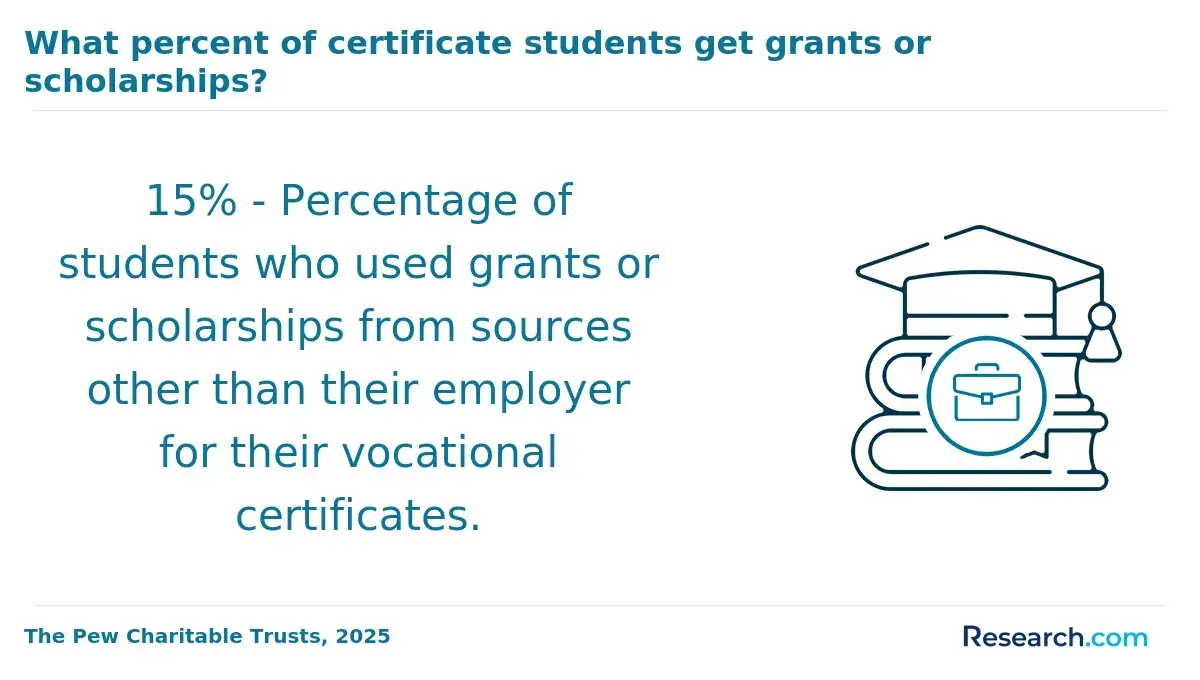
Institutions face pressure to enroll and retain adult learners amid demographic shifts and rising financial barriers, particularly within Native American communities often underserved by traditional education models. Awarding CPL reduces time-to-degree and tuition costs, a fact underscored by a 2024 Council for Adult and Experiential Learning report showing students with CPL credits graduate 25% faster on average.
However, the uneven adoption of CPL policies across schools creates challenges for students navigating transfer evaluations and determining which experiences legitimately qualify. The interplay of institutional priorities, student persistence, and workforce alignment makes CPL acceptance a complex decision with meaningful consequences for degree paths and career readiness.
How Do Native American Leadership Colleges Evaluate and Award Transfer Credits Today?
Transfer credit evaluation at Native American Leadership colleges has evolved into a strategic process that extends beyond administrative verification to directly influence enrollment management and adult student success. These institutions rigorously assess prior coursework by scrutinizing accreditation status-favoring regionally accredited schools-and aligning course content, learning outcomes, and credit hours with program-specific requirements.
A student transferring military training credits or professional credentials may face detailed portfolio assessments or competency-based exams to ensure equivalency with leadership curriculum outcomes, balancing flexibility with maintaining academic standards. For example, a transfer student from a tribal community college might receive fewer core course credits than anticipated, requiring careful academic advising to avoid extending time to degree completion or incurring extra tuition costs.
Integrating prior learning assessments (PLAs) and articulation agreements has become essential, especially since data from the National Student Clearinghouse (2024) shows over 60% of adult transfer students benefit from credits awarded for military or experiential learning. However, credit acceptance limits and upper-division residency rules often restrict the total transferable credits toward graduation, prompting students to strategically select courses based on transferability rather than solely on personal interest.
This dynamic affects educational costs and degree timelines, particularly for working professionals balancing career and study. Ultimately, Native American Leadership colleges must balance credit transfer leniency with curricular integrity to uphold long-term employability and relevance, necessitating transparent, individualized transfer evaluations that recognize diverse student backgrounds without compromising program rigor.
Which Alternative Credits Are Most Commonly Accepted by Native American Leadership Programs?
Alternative credit acceptance in native american leadership programs functions less as a mere transfer policy update and more as a strategic mechanism to enhance degree accessibility and accelerate completion for adult learners. These programs often balance institutional accreditation demands and course equivalency reviews when awarding credit for prior learning (CPL), which remains one of the most recognized pathways, embraced by over 70% of programs serving Indigenous populations.
Military training credits evaluated through the American Council on Education (ACE) recommendations are another crucial component, facilitating transfer for tribal students with service backgrounds, though acceptance may vary depending on residency rules and upper-division credit limits applied by each institution. Common alternative credits further include CLEP and DSST exams, workforce certifications, and emerging competency-based assessments, which together serve to compress traditional timelines and reduce tuition costs.
Programs' transfer credit acceptance policies often reflect careful scrutiny to align nontraditional credits with degree outcomes, affecting how adult learners approach transfer credit acceptance in native american leadership programs. These factors shape planning around credit applicability, influencing flexibility within degree pathways and impacting decisions about returning to school or leveraging prior learning. For those weighing options, resources like the cheapest counseling degree online listings may offer relevant comparative insight into affordable, transfer-friendly programs that accommodate diverse credit sources.
How Are Native American Leadership Schools Improving Transfer Pathways for Community College Students?
Native American Leadership programs have increasingly prioritized streamlined transfer pathways to address the significant barriers that community college students face when moving into four-year degree programs. Rather than relying on generic transfer policies, many of these programs are crafting specific articulation agreements that align coursework and competencies, thereby reducing credit loss and accelerating degree attainment.
Such measures are critical since even a small percentage of lost credits can extend a student's time to degree by semesters or more, disrupting academic momentum and increasing financial and personal costs. The National Center for Education Statistics reported in 2024 that well-structured transfer agreements can cut credit loss by up to 20%, reflecting tangible improvements for students balancing education with work or family responsibilities.
To operationalize these improvements, Native American Leadership schools emphasize personalized advising integrates recognition of prior learning and professional experience, assisting students in navigating often complex credit transfer evaluations and institutional policies. Degree maps are increasingly designed to accept associate degrees as meeting foundation requirements, but students must still carefully review how specialized Native American leadership courses transfer, as these can vary considerably between institutions.
Flexible formats like hybrid and competency-based education also contribute to faster completion rates among transfers by offering adaptable pacing and reducing redundant coursework. These adaptations improve accessibility, but students should anticipate variability between schools and proactively engage with transfer advisors to avoid unexpected credit gaps that can delay graduation.
How Can Transfer Credits Help Native American Leadership Students Graduate Faster?
Transfer credits can be a critical factor for students in Native American Leadership programs aiming to accelerate graduation, but their actual impact depends heavily on institutional policies and how credits align with core degree requirements. Many schools accept credits from community colleges, tribal colleges, military training, and workforce education; however, strict residency mandates and upper-division course requirements often limit whether transferred credits apply to leadership core courses or only electives.
For adult learners balancing work and family, these nuances affect enrollment planning and degree timeline expectations, making early advisor collaboration essential to avoid duplicative coursework that can extend time to degree. The growing acceptance of diverse credit sources, including prior learning assessments for military and professional training, reflects a shift toward more flexible degree pathways in Native American Leadership programs.
This shift creates broader avenues for credit mobility, yet variability in credit evaluation processes can introduce administrative delays, impacting affordability and student progression. Considering these factors is vital for transfer students and working professionals seeking accelerated graduation pathways in Native American Leadership programs. Integrating transfer credits in a way that aligns with program competencies preserves academic rigor and ensures that credentials remain credible to employers and tribal leadership entities.
Students exploring credit options should also consider how transfer credits from different institutions compare with those accepted in specialized courses, and how effectively they fit into degree milestones. Strategic planning is indispensable in navigating credit acceptance to maximize time savings without compromising the leadership foundation. For those interested in efficient online alternatives, an online hospitality management course offers a comparable case study in accelerated degree offerings utilizing transfer-friendly policies.
How Much Money Can Students Save Through Native American Leadership Transfer Credit Opportunities?
The financial impact of transfer credits in Native American Leadership programs often hinges on how effectively previously earned credits and experiential learning are evaluated and applied. While transfer opportunities can significantly reduce tuition and time to degree completion-often by as much as 25%, according to a 2024 report from the National Institute for Student Success-actual savings depend heavily on institutional policies, residency requirements, and course equivalencies.
For example, a military-affiliated student who leverages both service-related training and prior college coursework may reduce their degree timeline by up to a year, potentially saving over $10,000 when factoring tuition, fees, and lost income from extended study. However, these benefits can be constrained by limits on the percentage of credits accepted-commonly capped between 50% and 75%-and stricter evaluations in some schools that disallow certain specialized or outdated coursework from counting toward program requirements.
Such restrictions create practical tradeoffs that adult learners and transfer students must carefully evaluate, as unrecognized credits may result in additional required courses, extending both time and expense. Programs acknowledging prior learning assessments (PLAs) or workforce experience offer more flexible pathways, yet variability in institutional rigor and transfer audits means that students should proactively assess each school's transfer policies before enrollment decisions.
This strategic approach is especially important for working professionals balancing education with employment or family obligations, where credit acceptance directly influences the feasibility and total cost of completing a Native American Leadership degree. Ultimately, the degree to which transfer credits accelerate graduation-and thereby lower educational investment-is uneven and contingent on a student's unique academic history, the relevance of prior credits, and the institution's alignment with their transfer frameworks.
How Are Native American Leadership Programs Supporting Military Students and Workforce Learners Through Transfer Credits?
Native American Leadership programs are increasingly refining transfer credit policies to recognize military training and workforce credentials in ways that materially affect time to degree completion and academic planning. While many institutions acknowledge up to 30% of required credits through military leadership coursework and professional certifications, the practical value of these transfers varies widely by program.
For example, a veteran entering a bachelor's or master's Native American Leadership program may find a significant reduction in general education and elective requirements, but still face limitations converting on-the-job training without formal assessments or standardized evaluations. This inconsistency means adult learners must proactively engage with transfer advisors to understand how prior learning assessments align with institutional standards and degree pathways.
According to a 2024 report from the American Council on Education, nearly 90% of schools involved with Native American Leadership topics have expanded recognition of military and workforce credentials, yet a National Center for Education Statistics survey notes that 75% of military students experience delays due to variable credit recognition practices. These disparities are consequential: inconsistencies in prior learning assessment rigor or credit applicability can add semesters to a student's timeline, impacting workforce reentry and financial planning.
Programs incorporating flexible, cohort-based formats alongside established articulation agreements with military branches offer more predictable credit outcomes, but workforce learners without transcripts often face the greatest barriers in translating experiential learning into transferable academic credit, which may ultimately influence enrollment decisions and long-term career trajectory.
What Transfer Credit Innovations Are Shaping the Future of Native American Leadership Education?
Innovations in transfer credit policies are reshaping accessibility and flexibility within Native American Leadership transfer credit innovations, particularly for adult learners balancing multiple commitments. AI-assisted transcript evaluations, reported by the National Center for Education Statistics in 2024 to reduce manual processing times by up to 40%, illustrate how technology streamlines credit recognition, yet institutions must balance accuracy with consistency amid varied course content standards.
For military-affiliated students and working professionals, expanded credit for prior learning (CPL) options, now accepted by over 70% of programs according to CAEL, offer tangible cost and time savings, though disparities in how credits are awarded can complicate transfer decisions and degree planning. Competency-based education models in these programs prioritize demonstrated mastery, suiting the needs of adult learners, but face hurdles such as the need for tailored assessments and scalability challenges that affect long-term program reliability.
Transfer pathway agreements between tribal colleges and regional universities improve credit mobility but are hindered by articulation complexities and inconsistent institutional policies, which can delay graduation timelines. Emerging digital credentialing using blockchain enhances secure, portable credit recognition, yet smaller institutions often lack resources for implementation. Prospective students evaluating such options should also consider tuition affordability, sometimes best found through careful comparison of colleges, including research on the cheapest tuition online college available to complement credit transfer strategies.
How Can Adult Learners Maximize Transfer Credits in a Native American Leadership Program?
Maximizing transfer credits in Native American Leadership programs requires adult learners to engage in early and detailed transcript evaluations, especially since many institutions impose limits on transferable credits that can affect time-to-degree and educational costs. For example, a working professional transferring military training credits may find that credits accepted toward core leadership courses significantly accelerate degree completion, whereas elective credits might offer less practical value due to program residency requirements. Navigating formal articulation agreements and prior learning assessments strategically helps identify which credits align directly with essential program competencies, reducing unexpected credit denials and course redundancies that extend study duration.
Transfer-credit strategies for adult learners must also consider the evolving recognition of workforce certifications and military experience, increasingly factored into Native American Leadership transfer policies to support working professionals and military-affiliated students. Despite this progress, challenges remain in matching specialized prior coursework with specific leadership competencies, forcing students to discuss alternative credit pathways such as portfolio reviews or challenge exams with academic advisors. According to the National Student Clearinghouse Research Center (2024), nearly 60% of transfer students who undergo thorough transcript reviews retain over 75% of their credits, underscoring the practical importance of informed credit evaluation for degree acceleration while maintaining program relevance.
Adult learners balancing transfer credits should emphasize those impacting core or major requirements rather than electives, since employers in this field increasingly prioritize focused expertise demonstrated by credits applied toward foundational knowledge. In this context, degree-mapping tools provide necessary clarity on how transferred credits influence course sequencing and graduation timelines, shaping strategic decisions about when and how to leverage prior learning effectively. For students seeking data-informed pathways within complex credit environments, exploring options among the best masters in data analytics programs offers comparative insights into how transfer policies can integrate with professional goals.
References:
- Adult learners need more than tweaks, and here’s how some colleges are stepping up https://www.luminafoundation.org/news-and-views/adult-learners-need-more-than-tweaks-and-heres-how-some-colleges-are-stepping-up/
- Learning and Impact | American Indian College Fund https://collegefund.org/our-work/learning-and-impact/
- Guide to Paying for College | Native Forward Scholars Fund https://www.nativeforward.org/guide-to-paying-for-college/
- Scholarship & Educational Resources Program — Massachusetts Center for Native American Awareness https://www.mcnaa.org/educational-opportunities
- Adult Postsecondary Learners: Reviewing the Data and Evidence https://www.jff.org/idea/adult-learners/
- How one community college helps adult students get prior learning credit https://www.highereddive.com/news/how-one-community-college-helps-adult-students-get-prior-learning-credit/745376/
- 6 Ways Colleges Can Support Native American Students | SJC https://www.sanjuancollege.edu/blog/college-programs-to-support-native-students/
- The Missing Link: Adult Learners and the Transfer Process https://www.cael.org/resouces/pathways-blog/the-missing-link-adult-learners-and-the-transfer-process
- A Primer to Indigenous Education: A Case for Tribal Competency Crediting - FullScale https://www.fullscalelearning.org/cw/a-primer-to-indigenous-education-a-case-for-tribal-competency-crediting/
- Meeting the moment for adult learners: Lessons learned for the path forward - Achieving the Dream https://achievingthedream.org/meeting-the-moment-for-adult-learners-lessons-learned-for-the-path-forward/
Other Things You Should Know About Native American Leadership
Transfer credit policies in native american leadership programs vary widely by institution, creating significant uncertainty for students trying to estimate their graduation timeline. Some programs limit the number of transfer credits accepted or require that key leadership courses be completed in-house, which can extend the time to degree completion. Prospective students should prioritize schools with transparent and generous transfer credit policies specific to native american leadership to better leverage previously earned credits and accelerate completion.
Transfer credits from diverse institutions or nontraditional sources can lead to gaps or overlaps in curriculum learning, affecting the overall coherence of a native american leadership degree. Without careful advising, students might encounter redundant coursework or miss essential competencies critical for leadership roles. It's advisable for learners to seek programs that offer structured credit evaluation combined with tailored course planning to ensure the degree maintains academic integrity and practical relevance.
Employers generally value the degree earned rather than focusing on how credits were accumulated, yet inconsistent transfer credit acceptance can affect perceived program rigor and candidate preparedness. Native american leadership degrees that demonstrate integration of transfer credits with comprehensive, experiential learning components tend to have stronger employer acceptance. Students should assess whether their program balances transfer credits with applied leadership training to ensure workforce readiness.
Adult learners often face a tradeoff: programs offering high flexibility through transfer credits may sacrifice depth of specialized coursework critical for complex leadership competencies. Conversely, programs demanding extensive in-residence credit completion might extend timelines but bolster advanced skill development. For career-focused students, prioritizing programs that carefully blend transfer credit acceptance with rigorous, applied leadership content will yield better long-term career outcomes.