2027 Native American Leadership Affordability by State: Where Students Pay the Most and Least

Co-Founder and Chief Data Scientist
Choosing between two Native American Leadership programs often hinges on stark tuition differences that can exceed $15,000 annually, forcing students to weigh out-of-state premium rates against potentially higher living costs in cheaper-tuition states. A 2024 National Center for Education Statistics report reveals that students who cross state lines for education face 30% higher borrowing rates, underscoring how tuition disparities drive long-term debt burdens.
For Native American Leadership candidates, state-based variations reflect divergent funding policies and resource availability, directly impacting total affordability and career entry timelines. This article analyzes state-level affordability patterns to guide students toward the most financially viable Native American Leadership degree options nationwide.
Key Things to Know About Native American Leadership Affordability by State
- States with lower tuition for Native American Leadership often pair this with higher living costs or limited state-funded scholarships, creating a tradeoff where upfront savings can lead to greater overall debt burden.
- Employers in regions with high investment in Native American leadership initiatives tend to prefer graduates from in-state programs, reflecting workforce patterns that favor local credentials despite nationally competitive tuition elsewhere.
- Rising out-of-state tuition rates and funding cuts, as reported in 2024, discourage timely degree completion for Native American Leadership students, highlighting how cost barriers delay entry into related career fields.
- Key Things to Know About Native American Leadership Affordability by State Key Things to Know About Native American Leadership Affordability by State
- Which States Have the Most Affordable Native American Leadership Degree Programs? Most Affordable State Programs
- Which States Have the Highest Native American Leadership Degree Costs? Highest State Tuition Costs
- How Much Does a Native American Leadership Degree Cost by State? Degree Costs by State
- Why Does Native American Leadership Affordability Vary So Much Between States? State Affordability Variations
- How Do In-State and Out-of-State Tuition Rates Affect Native American Leadership Affordability? In-State vs. Out-of-State Rates
- How Does the Cost of Living Impact Overall Native American Leadership Affordability by State? Living Costs and Affordability
- Which States Offer the Best Value for a Native American Leadership Degree? Best Value State Degrees
- What Financial Aid and Scholarship Opportunities Can Reduce Native American Leadership Costs? What Financial Aid and Scholarship Opportunities Can Reduce Native American Leadership Costs?
- Are Online Native American Leadership Degree Programs More Affordable Than On-Campus Options? Are Online Native American Leadership Degree Programs More Affordable Than On-Campus Options?
- Is a Native American Leadership Degree Worth the Cost Based on Career Outcomes and ROI? Degree ROI and Outcomes
Which States Have the Most Affordable Native American Leadership Degree Programs?
States that consistently offer the most affordable native american leadership degree programs do so through a combination of targeted public funding, residency policies that honor tribal affiliations, and lower regional cost structures. These states, including New Mexico, South Dakota, and Montana, strategically reduce financial barriers by extending in-state tuition rates to Native American students regardless of their original residency, effectively broadening access. For example, a student living near state borders might benefit substantially from residency exceptions, which can mean thousands of dollars saved on annual tuition and living expenses, influencing decisions about where to enroll and how to budget for degree completion. Such state-level investment and policy nuance shape practical affordability more significantly than sticker pricing alone.
Affordability in native american leadership degrees often hinges on more than just tuition; the surrounding infrastructure-including access to tribal scholarships and the cost of living-plays a crucial role. Lower median tuition rates, such as New Mexico's reported $5,200 average in-state tuition, are further leveraged by tribal grants, creating financial pathways unavailable in states without such support mechanisms. Students comparing programs across states must also weigh these cost differentials against program quality and format flexibility, since growing options for online and hybrid education can offset relocation costs or time constraints.
These factors affect enrollment decisions and long-term educational value, especially for those balancing community obligations and workforce participation while pursuing credentials with meaningful practical and leadership outcomes. Prospective learners might also explore career trajectories through research on the highest paying degrees to align affordability with employment prospects within or adjacent to tribal nations.
Which States Have the Highest Native American Leadership Degree Costs?
States with the highest costs for pursuing a Native American Leadership degree typically combine steep tuition rates with elevated local living expenses and limited public funding dedicated to Indigenous education. This pattern is evident in states like California and New York, where out-of-state tuition at public universities can exceed $15,000 annually, and metropolitan living costs double the national average-factors that collectively raise the financial barrier beyond sticker tuition.
Furthermore, these states generally have fewer tribal or community colleges offering affordable, specialized programs, which forces many students toward larger, often private institutions that lack significant residency tuition benefits or targeted financial aid for Indigenous students. As a result, prospective learners must weigh whether the prestige and professional networks available in these markets justify the substantial debt burden and competitive job landscape upon graduation.
Conversely, states with lower cost of living and stronger tribal college systems, such as Oklahoma and New Mexico, offer more cost-effective pathways but may have fewer large-scale institutional resources or high-profile employment connections in Indigenous leadership. The absence of extensive state appropriations for Indigenous education in many high-cost regions means tuition revenue becomes the primary funding source, driving prices up and shaping student decisions around enrollment location, program delivery mode, and financial aid strategies. This economic landscape makes it critical for students to analyze practical affordability against long-term career goals, including the potential need to relocate or leverage online options when confronted with wide interstate tuition disparities.
A Native American Leadership student reflected that choosing where to enroll felt like navigating a maze of hidden costs and confusing tuition policies. Initially drawn to a well-known program in a high-cost state, they hesitated after comparing in-state versus out-of-state fees and factoring in living expenses, finding online alternatives and tribal colleges in neighboring states surprisingly appealing. Financial aid packages that targeted Indigenous students influenced their decision heavily, but concerns about whether the higher-priced program offered sufficient value left them questioning the true return on investment. Their experience highlights how practical cost considerations and residency rules can outweigh institutional reputation when selecting a degree pathway in this field.
How Much Does a Native American Leadership Degree Cost by State?
Differences in state funding priorities, tuition policies, and living costs create a wide spectrum of expenses for students pursuing a Native American Leadership degree across the U.S. For instance, public institutions in states like New Mexico and Wyoming offer annual tuition and fees below $7,000, reflecting targeted tribal college support and lower regional costs. In contrast, states with higher living expenses such as California and Massachusetts often see combined tuition and attendance costs exceed $20,000 for in-state students, forcing a tradeoff between accessibility and local opportunity that shapes enrollment choices and borrowing strategies.
Out-of-state tuition premiums can sometimes double in cost compared to in-state rates, highlighting the financial implications of relocating or attending schools outside one's home state. This dynamic requires many prospective students to weigh the value of program availability and cultural fit against the burden of additional expenses, including housing and transportation. The presence of tribal colleges with mandates to serve Native American communities frequently enhances affordability and financial aid access, making them critical options for those managing tight budgets, whereas private and large research universities, despite higher sticker prices, may offer aid packages that partially offset initial costs but require careful net price assessment.
According to 2024 data from the National Center for Education Statistics and IPEDS, state-level variations in tuition combined with living costs substantively influence the feasibility of Native American Leadership programs. These cost discrepancies affect not only immediate educational expenses but also long-term financial planning around debt and career entry. Students choosing programs must account for institutional mission distinctions, in-state benefits, and regional economic factors to align their educational investments with practical outcomes in employment and community leadership roles.
Why Does Native American Leadership Affordability Vary So Much Between States?
Disparities in Native American leadership degree costs across states largely stem from variations in state investment and institutional funding priorities. States with higher per-student public college funding typically offer more affordable tuition rates, while those facing budget constraints often shift expenses onto students, raising costs. For example, tribal members in some states may benefit from targeted scholarships or residency-based tuition reductions, whereas other regions provide minimal such support, complicating affordability and enrollment decisions for prospective students. These funding patterns intersect with the mix of public versus private institutions, as private colleges tend to charge more but sometimes supply specialized tribal resources unavailable in public settings.
Cost-of-living differences also weigh heavily on overall affordability, especially where tuition and fees reflect regional economic pressures that Native American students must navigate alongside other financial demands. Access to state-supported financial aid aimed at Native populations further influences the net cost and enrollment trends, with stronger aid correlating to higher Native American leadership degree costs by state enrollment rates, according to 2024 Integrated Postsecondary Education Data System figures. Consequently, many students weigh options such as transferring, pursuing online programs, or choosing in-state versus out-of-state institutions based on these complex affordability dynamics. Budget-conscious learners might also consider the easiest associate degree paths as stepping stones within broader educational planning strategies.
How Do In-State and Out-of-State Tuition Rates Affect Native American Leadership Affordability?
Tuition disparities between in-state and out-of-state students have immediate and lasting impacts on those pursuing a Native American Leadership degree. Data from the National Center for Education Statistics reveals that average annual in-state tuition at public institutions is around $10,000, while out-of-state students often pay double, approximately $20,000. This sharp cost gap influences whether students remain in-state to access lower tuition or risk significantly higher expenses by attending programs elsewhere, particularly since opportunities for residency reclassification or reciprocity agreements vary widely by region. For students unable to establish residency or benefit from tribal college partnerships, out-of-state rates can drastically increase debt burdens and restrict the choice of affordable programs.
State-level financial aid policies often prioritize in-state candidates, which means out-of-state Native American students may face compounded challenges due to limited funding options. Regional differences further complicate decision-making; for example, students in the Midwest or West may find more favorable tuition structures and tribal networks than those in higher-cost Northeast states. These factors create a complex calculus for learners weighing in-person versus online program options, as some online degrees may offer cost advantages but also differ in support and credential recognition. Ultimately, balancing residency status, potential aid, and institutional cost is critical for minimizing long-term financial strain.
A student reflecting on their experience noted frustration after relocating across state lines and unexpectedly being classified as out-of-state, which doubled their tuition and strained their budget despite hopes of qualifying for in-state rates through tribal affiliation. They described hesitation in committing to the program, weighing whether the increased cost justifies the education and career prospects. The experience underscored the need for clear guidance on residency rules and proactive financial planning when considering cross-state enrollment in Native American Leadership programs.
How Does the Cost of Living Impact Overall Native American Leadership Affordability by State?
Cost-of-living differences materially shape the financial feasibility of pursuing a Native American Leadership degree and often outweigh variations in tuition alone. For instance, students in California or New York face median rent prices two to three times higher than those in states like Oklahoma or New Mexico, where many Native American communities reside. This housing disparity can force students in high-cost states to allocate a significant portion of their budget to rent, limiting funds for other essentials and sometimes pushing them toward increased student debt or part-time work that may prolong degree completion. Such tradeoffs highlight the critical need to assess the full economic landscape, not just sticker price, before committing to a program.
Transportation and daily living expenses further complicate cost dynamics, especially in rural or tribal areas across the Southwest and northern Plains. Limited public transit increases dependence on personal vehicles, elevating fuel, insurance, and maintenance expenses by up to 15% compared to urban regions, a factor that weighs heavily on student budgets. These layers of financial pressure influence enrollment decisions, where some learners may opt for online study options or programs in states with lower overall living costs to balance educational quality against practical affordability. Understanding these influences on the Native American leadership cost of living by state is essential for realistic financial planning and managing long-term educational sustainability.
Food, healthcare, and utilities also contribute variably to the total cost of attendance but less dramatically than housing or transportation. Regions with colder climates may impose higher heating bills, which, along with local wage conditions and inflation patterns, can escalate expenses unexpectedly. Prospective students seeking degrees like Native American Leadership should develop strategies that consider these nuanced economic factors alongside tuition when comparing programs. Those exploring broader career-related inquiries may find value in resources clarifying whether is project management a good degree, as cross-disciplinary skills can influence workforce flexibility and earning potential.
Which States Offer the Best Value for a Native American Leadership Degree?
True value in pursuing a Native American Leadership degree comes from balancing tuition costs with realistic financial aid opportunities, program completion rates, and subsequent employment access, not simply from finding the lowest sticker price. For example, New Mexico's public institutions offer tuition under $6,000 annually for residents-a distinct advantage-but this is only meaningful alongside the state's targeted tribal financial aid programs that significantly lower net expenses. Conversely, while Oklahoma's tuition hovers around $8,000, the state's high graduation rates near 50% and strong tribal partnerships often create clearer paths into relevant employment, making slightly higher costs more justifiable for some students.
The decision also hinges on in-state tuition policies and local labor market conditions, which impact long-term return on investment. Arizona combines moderate tuition with growing tribal administration job prospects and internships embedded in tribal governments, which practical learners might find valuable compared to relocating to higher-cost states like California or New York. Those states present prohibitive living expenses that compound tuition challenges, and despite larger program networks, their overall financial burden can outweigh benefits unless significant aid or remote study options are available. Students who can establish residency to access lower in-state tuition or who capitalize on state-specific tribal funding often improve affordability and completion rates, underscoring the importance of holistic evaluation over initial cost comparisons alone.
What Financial Aid and Scholarship Opportunities Can Reduce Native American Leadership Costs?
Federal financial aid programs remain the most significant factor in reducing the cost of a Native American Leadership degree, but their impact varies sharply depending on location and eligibility. Approximately 60% of Native American undergraduates receive federal aid such as Pell Grants or Bureau of Indian Education funds, yet these often require strict residency, enrollment, and renewal criteria that can complicate long-term budgeting. For instance, pursuing a degree in states like New Mexico or Oklahoma can leverage state grants or tuition reciprocity policies directly tied to tribal partnerships, notably lowering net costs for tribal members; however, students outside these states often face fewer options, resulting in higher out-of-pocket expenses and increased reliance on loans.
Institutional scholarships, both merit-based and need-driven, play a pivotal role but fluctuate considerably among colleges, especially where availability hinges on tribal affiliation or diversity initiatives. These awards frequently include stipulations around enrollment intensity and academic progress, creating potential discontinuity in funding over multiple years. Employer-sponsored tuition benefits provide another pathway to affordability for students balancing work with studies, though these are contingent on employment sectors with targeted investment in Native American leadership development. According to a 2024 report by the Institute of American Indian Arts Education, students accessing both comprehensive federal and state aid report up to 40% less debt at graduation compared to peers in minimal-aid states, underscoring how geographic and policy variables critically shape financial outcomes and decision-making strategies for prospective students.
Are Online Native American Leadership Degree Programs More Affordable Than On-Campus Options?
Cost differences between online and on-campus Native American Leadership programs hinge on complex factors beyond sticker tuition rates alone. While public institutions report online tuition that can be 15% to 25% lower, this gap often shrinks or disappears at private and tribal colleges with variable pricing policies. More crucially, on-campus students incur housing, meal, and transportation expenses-typically adding $6,000 to $10,000 annually-that online learners largely avoid. However, technology fees and upgraded hardware needs for remote study may offset some savings, particularly in areas where institutional support for online students' equipment is limited.
These financial disparities interact with policy realities affecting affordability and access. Some state grants and tribal scholarships favor on-campus enrollment, restricting availability for online Native American Leadership students and complicating straightforward cost comparisons. Enrollment patterns suggest that working adults and rural residents find online formats more affordable and flexible despite potential employer preferences for in-person experiential components, which can impact long-term career prospects. For students weighing where to pursue their degree, balancing tuition affordability against financial aid eligibility and degree recognition is essential, especially considering significant variation across states and institutions.
Ultimately, the online native american leadership degree affordability comparison cannot be reduced to simple price differentials; it requires analysis of residency rules, program designs, and individual circumstances. Some students will find meaningful cost advantages online, particularly when housing costs are high and online aid is accessible. Others may achieve better value attending campus if they require structured engagement or qualify for on-site scholarships. Prospective learners should investigate options carefully and consider resources like good online colleges for military that offer robust support tailored to budget-conscious students navigating these tradeoffs.
Is a Native American Leadership Degree Worth the Cost Based on Career Outcomes and ROI?
The decision to pursue a Native American Leadership degree heavily depends on evaluating cost differences across states and how these relate to career outcomes and long-term value. For instance, tuition expenses in states like California and New York often exceed $20,000 annually, significantly increasing debt burden and repayment challenges compared to tribal colleges or public institutions in New Mexico and Oklahoma where tuition can be below $8,000.
This disparity shapes how students assess return on investment, especially when factoring in completion rates that typically range between 50% and 65%, slightly below the national undergraduate average, which impacts earning potential and career stability after graduation. Many students turn to accelerated online degree programs for working adults to help offset these opportunity costs by maintaining employment while completing their coursework.
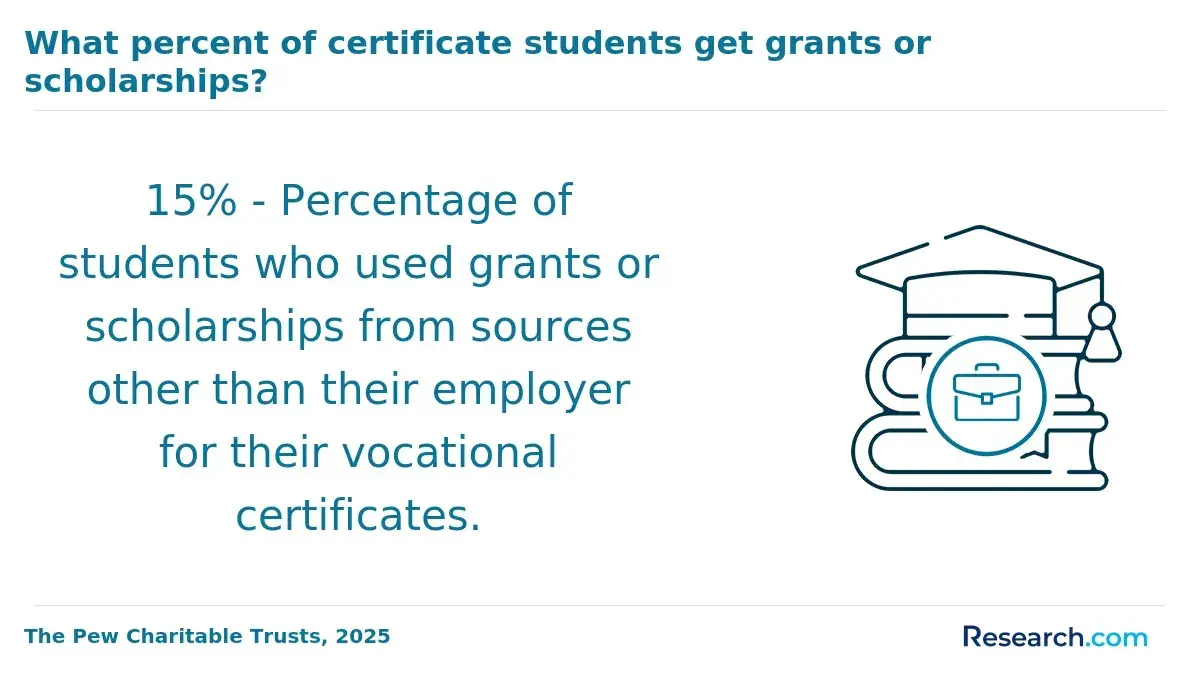
Graduates typically find roles in tribal governance, nonprofit management, or community advocacy where salary growth tends to be modest but steady. The U.S. Bureau of Labor Statistics projects about 5% job growth in community and social service sectors relevant to this field, underscoring steady demand but limited rapid income increases. Students comparing Native American Leadership degree return on investment by state should also consider opportunity costs, including geographic mobility and the likelihood of pursuing advanced education that may enhance career prospects. Financial aid availability and program quality are additional variables influencing actual economic outcomes beyond sticker price.
References
- Top 15 Online Colleges for Native Master’s Students https://www.onlinemastersdegrees.org/features/best-colleges-native-american-alaskan-students/
- Redlining The Reservation: The Brutal Cost Of Financial Services Inaccessibility In Native Communities » NCRC https://ncrc.org/redlining-the-reservation-the-brutal-cost-of-financial-services-inaccessibility-in-native-communities/
- Native-Focused Student Services and Degree Programs - Map | American Indian College Fund https://collegefund.org/cre/explore-careers/native-focused-student-services-and-degree-programs-map/
- Affordable Housing for Native Americans https://www.taxcreditcoalition.org/affordable-housing-for-native-americans/
- In every corner of the country, the middle class struggles with affordability | Brookings https://www.brookings.edu/articles/in-every-corner-of-the-country-the-middle-class-struggles-with-affordability/
- Scholarship & Educational Resources Program — Massachusetts Center for Native American Awareness https://www.mcnaa.org/educational-opportunities
- How to Decide Between an Online and Onsite Degree https://www.indwes.edu/articles/2022/07/how-to-decide-between-an-online-and-onsite-degree
- National Institute for Native Leadership in Higher Education | ACPA https://myacpa.org/ninlhe/
- Scholarships For Native Students | Native Forward Scholars Fund https://www.nativeforward.org/
- To Live and Thrive in Massachusetts: Native American Perspectives on Wealth https://www.bostonindicators.org/reports/report-detail-pages/native-american-perspectives-on-wealth
Other Things You Should Know About Native American Leadership
The cost of a native american leadership degree isn't limited to tuition alone; internship or practicum requirements can significantly impact overall expenses. States with robust local networks offering unpaid or low-paid placements reduce the need for costly out-of-state or private alternatives. When such placements are sparse or require travel, students should factor in additional living and transportation costs, which can offset savings from lower tuition. Prioritizing programs embedded in states with established experiential learning opportunities can improve affordability and career readiness simultaneously.
Tuition may be lower in some states, but graduates face a tradeoff when local job markets are small or highly competitive for native american leadership roles. States with stronger demand for graduates-often linked to tribal government presence or community organizations-offer higher chances for employment aligned with the degree. Students should weigh upfront affordability against these prospects, as lower tuition programs in states without significant employer demand could delay career entry or necessitate relocation, increasing overall costs.
States vary in the structure and credit hours required to complete native american leadership degrees, which directly influences tuition paid and time to graduation. Programs demanding more credits or accelerated pacing might increase short-term costs or workload stress. Conversely, longer but less intensive programs may reduce immediate financial pressure but extend living expenses over time. Analyzing these tradeoffs can guide students to select programs balancing workload and cost according to their financial and personal circumstances.
While affordability is crucial, the depth and cultural specificity of native american leadership curricula differ regionally, reflecting local tribal histories and governance forms. Programs in states with significant tribal populations often integrate more practical leadership models consonant with local employer expectations. Students ignoring this alignment in favor of lower costs risk graduating with knowledge less applicable to their targeted communities or career paths. Thus, prioritizing curriculum relevance alongside affordability is essential to maximize both educational value and employability.