2027 Native American Leadership Salary Trends Report: Are Wages Keeping Up With Tuition and Inflation?

Co-Founder and Chief Data Scientist
Considering enrollment in a Native American Leadership program, a prospective student faces more than just academic choices. Rising tuition costs and persistent inflation cast doubt on whether future salaries will adequately offset these expenses. Evaluating just the degree's sticker price or entry-level wages no longer suffices. A thorough comparison of graduate salaries against the escalating costs of education and inflation rates is essential to understand true financial viability.
Salary growth, tuition fees, and inflation often advance at different rates, affecting purchasing power and long-term economic stability. This divergence underscores the importance of analyzing beyond base salary figures to assess return on investment.
For students and graduates alike, discerning these trends helps reveal whether a Native American Leadership degree offers sustainable financial benefits. This article examines salary trends, tuition costs, inflation, return on investment, affordability, and the key factors shaping the enduring financial value of the degree.
Key Things to Know About Native American Leadership Salary Trends
- Median starting salaries for Native American Leadership graduates grew by only 2.3% from 2021 to 2024, lagging behind a combined 8% rise in tuition and inflation, reducing immediate return on investment.
- Strong networking within tribal governance and cultural institutions directly correlates with a 15% higher mid-career salary, highlighting the importance of strategic community engagement beyond academic credentials.
- Long-term earning potential hinges on specialized roles in federal policy and tribal economic development, where salaries surpass general leadership roles by over 20%, emphasizing role-specific career planning.
- What Is the Current Salary Outlook for Native American Leadership Graduates? Salary Outlook
- Are Native American Leadership Salaries Keeping Up With Inflation? Inflation Impact
- How Do Tuition Costs Compare With Native American Leadership Salary Growth? Tuition vs Salary
- Does a Native American Leadership Degree Deliver a Positive Return on Investment? Degree ROI
- Which Industries Offer the Highest Salaries for Native American Leadership Graduates? Which Industries Offer the Highest Salaries for Native American Leadership Graduates?
- Which States and Cities Offer the Highest Pay for Native American Leadership Professionals? Which States and Cities Offer the Highest Pay for Native American Leadership Professionals?
- How Do Native American Leadership Salaries Grow Throughout a Career? Career Growth
- How Do Native American Leadership Salaries Compare With Similar Degrees? Salary Comparison
- How Is Employer Demand Affecting Native American Leadership Salary Trends? Employer Demand
- How Can Students Maximize Their Lifetime Earnings With a Native American Leadership Degree? Maximizing Earnings
What Is the Current Salary Outlook for Native American Leadership Graduates?
The current salary outlook for Native American leadership graduates shows significant variation influenced by factors such as geographic location, employer type, and years of experience. Median wages for roles typically filled by these graduates, like tribal government managers and community development coordinators, range from about $55,000 to $85,000 annually, based on 2024 data from the U.S. Bureau of Labor Statistics.
For instance, a graduate working as a tribal government manager in a large, economically robust tribal nation or a major urban center with a sizable Native American population may earn close to $70,000 or more, while another in a smaller or rural community might start below this median. This disparity illustrates why two graduates holding the same degree can experience markedly different salary outcomes depending on their chosen career trajectory and locale.
Interpreting current Native American leadership graduate salary trends requires considering long-term career growth and evolving job market demands rather than focusing solely on starting salaries. While entry-level wages might seem modest compared to other public administration fields, there is a steady increase in earning potential tied to experience and leadership responsibilities, as noted by research from prominent Native organizations.
Challenges such as inflation and rising tuition costs have tempered immediate financial returns, but graduates often benefit from non-monetary advantages like meaningful cultural contributions and expanded professional networks. Prospective students should also explore how these roles fit within broader economic patterns, which are discussed in analyses of what degrees make the most money, to better gauge the long-term value of a Native American Leadership degree.
Are Native American Leadership Salaries Keeping Up With Inflation?
Nominal wage increases for Native American Leadership occupations have averaged about 3-4% annually, while inflation rates have hovered between 5-6%, according to recent data from the U.S. Bureau of Labor Statistics and the National Indigenous Economic Development Board. This means that even with steady raises, the real purchasing power of salaries in this field is declining.
For example, a tribal community development leader earning a 4% raise this year faces higher expenses for essentials like housing and healthcare that rise faster than their income, effectively reducing the standard of living despite a paycheck that appears larger on paper. This gap between wage growth and inflation is essential for prospective students to consider when evaluating the return on investment of a Native American Leadership degree.
The disparity between average salary growth and inflation also reflects varying economic conditions across different tribal nations. Larger, resource-rich communities may offer wage increases that outstrip inflation, but smaller or economically challenged areas often experience stagnation or minimal growth.
These finance realities, combined with tuition costs rising nearly 4.5% annually, can create financial strains for newly graduated leaders who must weigh personal income prospects against mission-driven benefits such as cultural preservation and community impact.
For students considering education pathways, exploring options like the cheapest online PhD in criminal justice may provide alternative routes to advanced qualifications with reduced debt burden, adjusting the economic equation in complex ways.
Ultimately, the impact of inflation on Native American Leadership salary trends presents a nuanced challenge: nominal wage increases are not enough to assure improved quality of life. Understanding this dynamic helps prospective and current students make informed decisions about career and educational investments, factoring in both economic pressures and the non-monetary rewards of leadership roles in tribal communities.
While salary data points to a general lag behind inflation, individual circumstances and community contexts remain critical determinants of long-term financial well-being in this sector.
How Do Tuition Costs Compare With Native American Leadership Salary Growth?
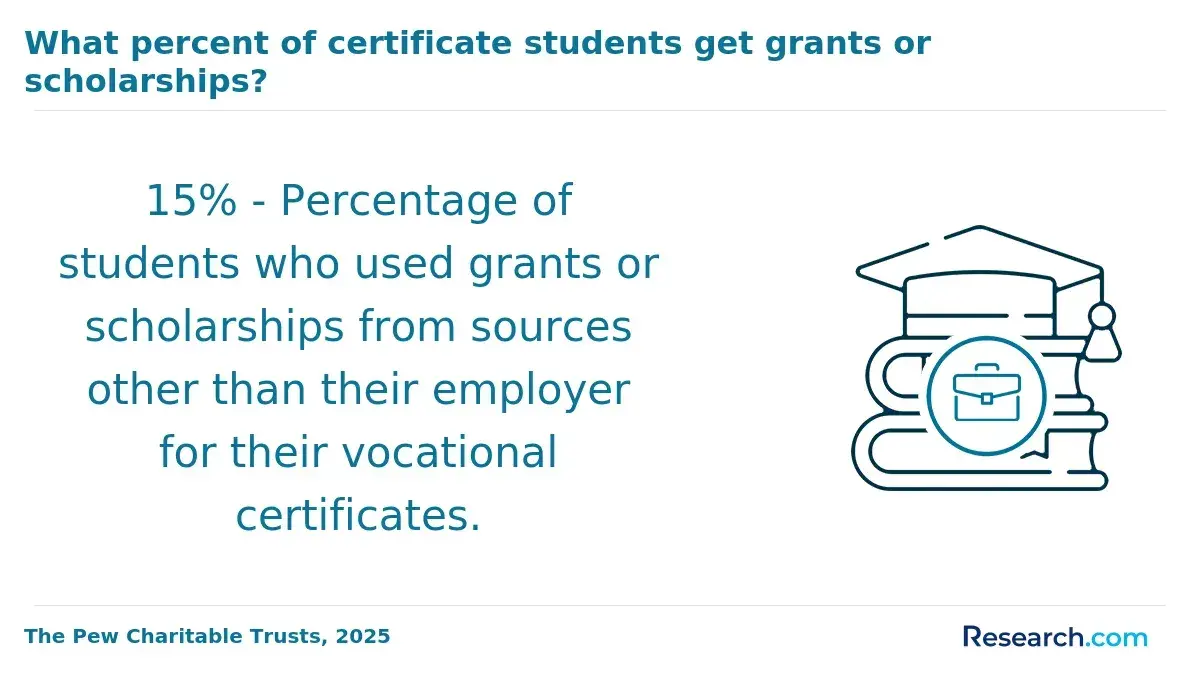
Tuition costs for Native American Leadership programs have risen about 4% annually over the past five years, notably outpacing early-career salary growth which averages near 2.5% per year, according to data from the National Center for Education Statistics and the National Association of Colleges and Employers in 2024.
Early salaries typically fall between $45,000 and $55,000, with mid-career earnings increasing to roughly $70,000-$85,000, yet tuition frequently ranges from $15,000 to $25,000 per year. Comparing these figures alongside inflation-adjusted wage growth offers a clearer understanding of the financial realities graduates face, rather than assessing tuition or salary in isolation.
For example, a student who finances their degree primarily through loans might find that despite modest salary gains, rising tuition and associated living expenses significantly erode their net financial position over time, especially when inflation reduces purchasing power.
This relationship between education costs and salary progression is influenced by regional job markets, institutional support, and individual financial circumstances. Native American Leadership graduates in locations with stronger demand may see quicker salary improvements that better offset tuition inflation, while others in lower-paying roles or regions might struggle to keep up.
Moreover, scholarship availability and employer tuition assistance can substantially alter outcomes, underscoring the need for personalized financial planning. Relying on generalized averages risks overlooking these nuances, so evaluating potential future earnings relative to sustainable educational investments remains essential for prospective and current students.
A recent Native American Leadership graduate shared how their decision to attend a public university closer to home was shaped by rising tuition costs and expected salary trends. While initially excited about the opportunity, they quickly realized that the annual increase in tuition combined with living expenses would result in mounting debt. They recalled thinking, "I had to weigh the passion for this field against the reality that my starting salary might never fully cover what I owed."
This awareness prompted careful budgeting and seeking part-time work to reduce borrowing, highlighting the complex trade-offs many face when balancing educational goals with financial constraints.
Does a Native American Leadership Degree Deliver a Positive Return on Investment?
Return on investment (ROI) in higher education measures whether the financial and time costs of earning a degree are balanced by increased earnings and career opportunities over time. For Native American Leadership degrees, this balance often extends beyond immediate salary boosts, as graduates frequently enter sectors like public administration, tribal governance, and nonprofit organizations where starting pay may be modest.
According to 2024 data from the National Center for Education Statistics and the Bureau of Labor Statistics, graduates in this field experience moderate earnings growth that depends heavily on location, sector, and additional credentials. This means the degree's value should be assessed with a long-term perspective, considering stability, community impact, and specialized roles rather than just entry-level wages.
Consider a recent graduate who accepts a position in tribal governance with an initial salary below the private sector average. While initial earnings might appear limited, the role's connection to their cultural expertise can lead to incremental raises, leadership promotions, and eligibility for loan forgiveness or tribal employment benefits.
Reports from the American Council on Education highlight these pathways as critical financial offsets in a field where tuition inflation has generally outpaced wage growth. The degree's return on investment becomes positive when accounting for non-monetary advantages such as job security, community recognition, and access to targeted financial aid, which many other degrees may not provide.
Key factors influencing whether a Native American Leadership degree delivers a favorable ROI include geographic employment markets, the graduate's pursuit of further certifications, and the ability to leverage culturally specific skills in leadership roles.
While salaries may lag behind private sector positions, the degree opens doors to niche careers with unique professional growth and societal contributions. Prospective students must weigh these elements alongside traditional financial metrics, understanding that ROI varies widely depending on individual circumstances and evolving economic conditions.
Which Industries Offer the Highest Salaries for Native American Leadership Graduates?
Data from the U.S. Bureau of Labor Statistics and recent specialized reports highlight that certain industries distinctly offer higher salaries for Native American Leadership graduates. These sectors combine demand for culturally-informed leadership with skills in governance, management, and strategic development.
Choosing the right industry is critical, as salary ranges and career trajectories can vary widely based on the specialization and role complexity. Here is a focused outline of the top-paying sectors for Native American Leadership degree holders in the United States:
- Healthcare Administration: Leadership roles in healthcare administration often command salaries exceeding $90,000 annually, especially when managing facilities that serve Indigenous populations. Expertise in healthcare policy, tribal health systems, and community engagement leads to these higher earnings, reflecting the sector's complexity and social impact focus.
- Tribal Government: Positions within tribal councils, economic development offices, and governmental agencies offer competitive salaries that typically range from $70,000 to over $100,000. Mastery of tribal law, governance, and economic planning are key qualifications that enhance compensation in this sector.
- Energy Management: This industry encompasses sustainable resource projects and renewable energy initiatives led by tribal nations. Senior management roles here often pay between $80,000 and $110,000, driven by the need for expertise in energy policy, partnership negotiation, and environmental stewardship.
- Education Administration: Administrators in tribal and Indigenous-focused educational institutions command rising salaries as demand grows for leadership attuned to Native American cultural preservation and educational equity. These roles reward skills in curriculum development, program management, and community relations.
- Economic Development: Professionals who lead tribal economic initiatives benefit from salaries boosted by revenue generation and strategic investments. Strong financial acumen and understanding of Native economic ecosystems contribute to higher wage prospects.
- Legal Services: Specialized attorneys and legal advisors focusing on tribal law, sovereignty issues, and regulatory compliance report earnings that surpass many entry-level leadership salaries. Extensive legal training combined with cultural competency drives demand and compensation.
- Nonprofit Leadership: Executives of nonprofits serving Indigenous communities command competitive pay when their organizations secure sustainable funding and demonstrate impact. Fundraising expertise, strategic planning, and community advocacy skills are crucial.
For prospective students weighing their options, understanding these sectors helps clarify where the highest salaries align with the specific competencies nurtured in a Native American Leadership program. As tuition costs rise, assessing the long-term financial viability of careers in these top-paying industries is essential.
Additionally, students interested in specialized interdisciplinary fields such as fintech or blockchain should explore opportunities at a cryptocurrency university, where emerging technologies intersect with leadership roles. This integration of traditional leadership skills with cutting-edge knowledge can open alternative high-growth pathways beyond the traditional sectors outlined here.
Which States and Cities Offer the Highest Pay for Native American Leadership Professionals?
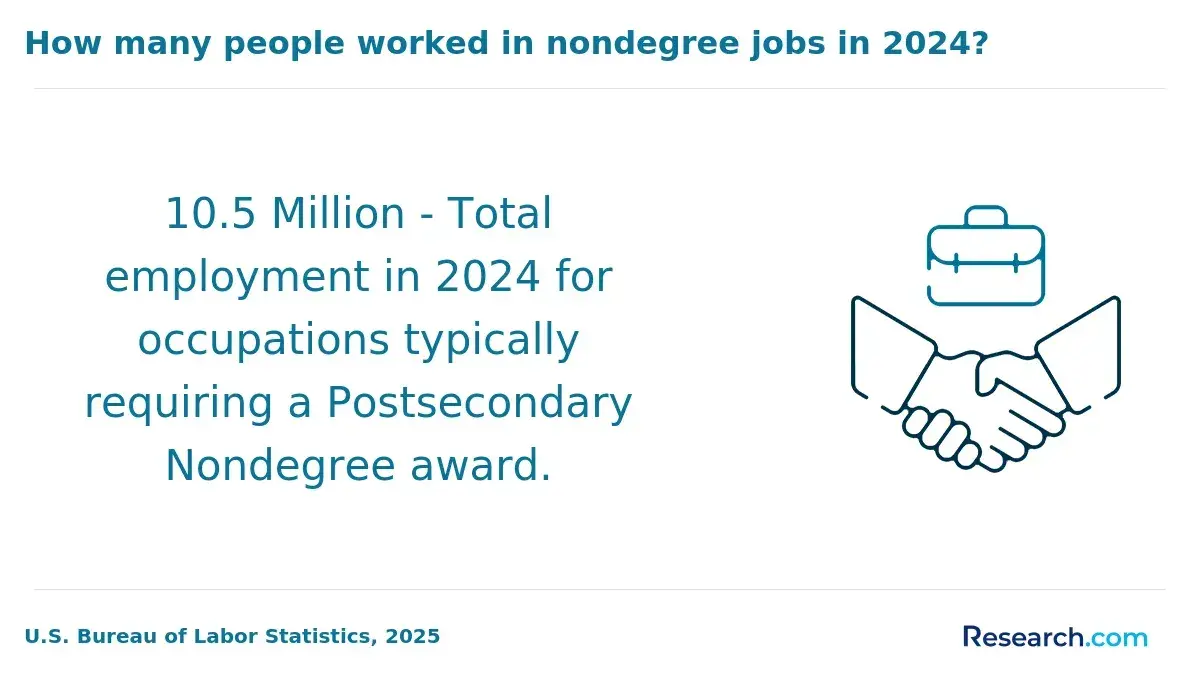
Geographic location significantly shapes the earning potential for Native American leadership professionals. In 2024, salary patterns reveal clear regional hubs where compensation typically outpaces national averages, reflecting the convergence of tribal government presence, funding, and sector-specific expertise demands.
These salary advantages, documented by the U.S. Bureau of Labor Statistics and National Congress of American Indians, are embedded within distinct socio-economic contexts, including the cost of living and job market depth. Prospective students and graduates must weigh both the opportunities and economic tradeoffs tied to these locales.
The following list highlights states and cities where Native American leadership roles tend to offer the highest pay, accompanied by key considerations for each area.
- Alaska: Alaska's native leadership salaries benefit from the state's unique tribal governance and resource management responsibilities, including fisheries and land rights. High federal and state funding fuel these roles, but Alaska's elevated living costs, especially housing, can significantly offset wage gains.
- New Mexico: New Mexico supports a sizable Native American population with growing tribal enterprises and government offices, resulting in competitive compensation. Graduates should balance salary benefits with moderate living expenses and emerging career growth opportunities in tribal administration.
- Phoenix, Arizona: Phoenix hosts multiple tribal headquarters and nonprofit organizations dedicated to native affairs, driving demand for skilled leadership and higher pay. While the metro area offers more affordable living costs compared to Alaska, housing prices have risen, requiring careful financial planning.
- Anchorage, Alaska: Anchorage's specialized leadership roles in tribal government and resource sectors command premium salaries. However, prospective workers face Alaska's steep cost of living, making it essential to evaluate whether overall financial gains outweigh personal and family expenses.
- Flagstaff, Arizona: Flagstaff offers leadership positions within tribal education and cultural institutions, supported by growing institutional investment. Salaries here are attractive relative to local living costs but still require balancing education debt against long-term stability in smaller tribal communities.
Employer Confidence in Online vs. In-Person Degree Skills, Global 2024

How Do Native American Leadership Salaries Grow Throughout a Career?
Early-career salaries for those holding a Native American Leadership degree typically begin between $45,000 and $55,000, with gradual increases averaging 3% to 5% annually as professionals build experience and expand their responsibilities.
Around the mid-career mark-usually five to fifteen years in-salaries often rise more noticeably to a median range of $65,000 to $85,000, especially when individuals pursue advanced degrees or transition into senior policy, education, or tribal government roles.
Beyond this phase, salary growth tends to slow, with senior leaders earning over $100,000 annually, though actual earnings heavily depend on the organization's budget, regional economic conditions, and the individual's ongoing professional development. This progression underscores that salary growth is rarely linear and hinges more on strategic role changes and credential upgrades than on tenure alone, especially amidst the financial pressures of rising tuition and inflation.
Consider two graduates starting with the same Native American Leadership degree: one remains in a tribal nonprofit, steadily advancing within a familiar network, while the other invests in a master's degree and shifts into tribal government administration. By their tenth year, the latter typically commands a salary closer to $85,000, reflecting both elevated qualifications and higher responsibility, whereas the former's income might remain near the lower mid-career band.
Factors such as obtaining advanced education, geographic mobility, and sector choice play pivotal roles in salary growth. Empirical data from the National Indian Education Association and Native Governance Institute confirm that these variables often outweigh simple years of experience when it comes to maximizing long-term earnings.
One graduate recalled hesitating for months about pursuing a Master's in Native American Leadership due to concerns about cost and time commitment amid rising tuition. Ultimately, choosing to enroll part-time while continuing to work in a tribal education role, she gradually moved into senior administrative positions. "It wasn't just the degree," she said, "but the confidence and expanded network it opened that shifted my career trajectory."
Her experience highlights how strategic investment in credentials, coupled with practical leadership opportunities, can decisively influence salary growth even in a field where economic conditions vary widely across communities.
How Do Native American Leadership Salaries Compare With Similar Degrees?
Salaries for Native American Leadership graduates typically fall within a moderate range compared to closely related degrees like ethnic studies, social work, and public administration. Data from the U.S. Bureau of Labor Statistics and the National Center for Education Statistics in 2024 show that median annual earnings for Native American Leadership degree holders generally range from $50,000 to $60,000.
While these figures reflect competitive compensation, they often lag behind salaries in broader public administration roles, which frequently exceed $65,000 due to wider institutional responsibilities and funding. Understanding these differences alongside evolving educational costs is essential for students weighing long-term financial outcomes. Below are key comparisons between Native American Leadership salaries and similar fields:
- Public Administration: Graduates tend to earn higher median salaries, often above $65,000, because their roles usually involve broader government or nonprofit management responsibilities. This degree often leads to positions with larger budgets and more systemic influence, which command higher pay.
- Social Work: Median salaries are close to $55,000 nationally. While social work may offer slightly higher income potential than Native American Leadership, its strong employment growth prospects provide additional value for career stability and advancement.
- Ethnic Studies: Salaries in ethnic studies programs align closely with Native American Leadership, but career paths tend to be more academic or research-focused, potentially offering less short-term earning growth compared to administrative roles.
- Specialized Certifications: Earning supplemental credentials or pursuing graduate education can significantly increase salary potential within Native American Leadership fields. These qualifications often open opportunities in tribal governance or culturally specific social services, environments where nuanced expertise is highly valued.
Native American Leadership degrees carry intrinsic value for advancing tribal sovereignty and community wellbeing, though rising tuition and inflation require balanced consideration of financial returns.
Prospective students may also consider related paths or additional certifications to improve earnings. For those interested in a distinct but related career in behavioral sciences, exploring a forensic psychology degree might offer alternate income trajectories and employment options worth evaluating alongside Native American Leadership salary comparison with related degrees.
How Is Employer Demand Affecting Native American Leadership Salary Trends?
The impact of employer demand on Native American Leadership salaries in 2024 is closely tied to how organizations compete for a limited pool of culturally knowledgeable and skilled professionals. Increased demand, driven by expanding economic development initiatives and greater federal funding for tribal programs, creates competitive hiring environments that typically push wages upward.
However, this effect can be uneven; for example, a tribal government in an urban area may offer higher salaries than a rural counterpart due to budget differences and cost of living, despite similar job requirements. Such variability illustrates that employer demand influences salary trends primarily by shaping hiring activity and compensation strategies but does not guarantee uniform wage growth across all contexts.
Understanding salary trends for Native American Leadership graduates requires recognizing that strong employer demand is only one factor among many. Experience levels, specialized skills in tribal governance, and broader economic conditions also play critical roles in determining pay. A 2024 report from the National Congress of American Indians notes that while the number of leadership roles is rising, wage growth remains moderate due to fiscal constraints in many tribal governments.
Prospective students should weigh these realities carefully, especially as tuition rates increase-making it essential to assess whether anticipated salaries will justify educational costs. Those exploring options might also consider what is the easiest bachelor's degree to get, which can inform strategic decisions about educational pathways.
How Can Students Maximize Their Lifetime Earnings With a Native American Leadership Degree?
Maximizing lifetime earnings with a Native American Leadership degree requires deliberate career planning aligned with market demands and credential advancements. Data from the U.S. Bureau of Labor Statistics and the National Congress of American Indians in 2024 show that salaries increase notably in sectors such as tribal governance, healthcare administration, and policy advocacy.
Successful graduates often combine their degree with targeted certifications or advanced studies in public health, law, or business, unlocking leadership roles in tribal enterprises and government agencies. For example, a graduate who augments their credential with healthcare administration may access high-level executive opportunities in tribal health programs, substantially boosting income over time.
Below are practical strategies based on current workforce analyses for boosting long-term earnings and career stability with a Native American Leadership degree.
- Target High-Demand Sectors: Focus on industries like tribal governance, healthcare, and economic development, where data shows consistent wage growth and job stability for leadership roles.
- Earn Advanced Credentials: Complement your degree with certifications or graduate studies in fields such as law, business administration, or public health to qualify for executive-level positions.
- Develop Specialized Expertise: Concentrate on areas like natural resource management or renewable energy projects on tribal lands, which offer expanding opportunities and premium pay.
- Pursue Geographic Mobility: Consider relocating to regions with growing tribal populations or increased resource investments, as salaries tend to be higher in these areas.
- Engage in Professional Networks: Build connections through Native American organizations and secure internships to access mentorship and open the door to better-paying roles.
- Blend Leadership with Policy Knowledge: Deepen skills in policy advocacy for tribes, enabling advancement in influential government or nonprofit positions with competitive pay.
References
- Working in Indian Country | NCAI https://www.ncai.org/resources/job-listings
- Top Native American Organizations to Know https://seramount.com/articles/top-native-american-organizations-to-know/
- Native-Focused Student Services and Degree Programs - Map | American Indian College Fund https://collegefund.org/cre/explore-careers/native-focused-student-services-and-degree-programs-map/
- Resources - Tribal Leadership Council https://triballeadershipcouncil.com/resources/
- Inflation Causes Major Financial Problems for Native Americans https://www.nicoa.org/inflation-causes-major-financial-problems-for-native-americans/
- Director, Tribal Leadership Programs https://nativephilanthropy.org/job-board/21607144330
- Native American Women Saw the Largest Declines in Wages over the Last Decade - Institute for Women’s Policy Research https://iwpr.org/native-american-women-saw-the-largest-declines-in-wages-over-the-last-decade/
- Native American Students in Higher Education https://pnpi.org/factsheets/native-american-students/
- What’s Stopping More Native Americans From Graduating College? The Cost, a Landmark Study Finds https://www.them.us/story/native-americans-costs-college
Other Things You Should Know About Native American Leadership
Workload in Native American Leadership positions often extends beyond typical office hours, including community engagement, cultural advising, and coalition building. These additional responsibilities are seldom reflected in base salaries, resulting in compensation that may undervalue the full scope of work.
When evaluating salary offers, candidates should weigh the intensity and variety of duties against pay and consider negotiating for benefits or stipends that acknowledge these extended commitments.
Advanced degrees in Native American Leadership can signal expertise and potentially open doors to higher-paying roles, but they also lengthen the time before graduates begin earning a full salary. For individuals balancing tuition costs and living expenses amid inflation, entering the workforce earlier may provide more financial stability despite slower career progression.
Prospective students should prioritize based on their capacity to absorb upfront costs versus their long-term ambitions for leadership roles that require advanced qualifications.
Programs emphasizing deep cultural immersion strengthen leadership skills uniquely suited to Native American communities but may not directly translate into higher salaries immediately after graduation. Prioritizing such programs benefits those aiming for meaningful community impact and long-term trust-building, even if initial earnings are modest. Candidates focused primarily on maximizing short-term income might consider programs with a broader administrative or policy focus instead.
Employers increasingly expect Native American Leadership professionals to possess high cultural competency and lived experience, yet these qualities are rarely quantified formally in salary structures. In negotiations, candidates should highlight their specialized skills in cultural navigation and community advocacy as a rationale for higher pay or unique contract terms.
Understanding this dynamic helps prevent undervaluation and ensures compensation better matches the nuanced expertise demanded.