2027 Remote Work Report for Nurse Education Graduates: Flexible Roles, Pay, and Hiring Trends

Co-Founder and Chief Data Scientist
New Nurse Education graduates often face uncertainty when pursuing remote opportunities. Many entry-level roles require practical experience that is harder to gain remotely, creating a catch-22 for aspiring educators. Recent labor data shows remote Nurse Education positions account for less than 15% of total openings, indicating competition remains stiff and employers prioritize candidates with proven digital teaching skills. This gap affects salary offers, which vary widely based on institution type and location. Navigating these challenges demands clear insight into available flexible roles, typical pay scales, and evolving hiring tendencies. This article provides a detailed analysis to help graduates make informed decisions about remote career paths in Nurse Education.
Key Points About Working Remotely for Nurse Education Graduates
- Remote roles for Nurse Education graduates primarily involve curriculum development, online instruction, and educational consulting. These positions demand strong communication and technical skills, making candidates with these competencies more competitive in a virtual work setting.
- Average annual salaries for remote Nurse Education jobs are around $75,000 but vary based on experience, certifications, and employer type. Understanding these factors helps graduates set realistic salary expectations and target suitable employers.
- New graduates should prioritize gaining practical experience through internships or adjunct roles and actively network within professional circles. Adapting quickly to virtual platforms shortens hiring timelines and improves chances of securing remote positions after completing online degree programs.
- Key Points About Working Remotely for Nurse Education Graduates Key Points About Working Remotely for Nurse Education Graduates
- Are there remote work opportunities in the Nurse Education industry? Remote Opportunities
- Which Nurse Education niches offer remote roles? Which Nurse Education niches offer remote roles?
- What entry-level Nurse Education roles allow remote work? Entry-Level Roles
- What is the average salary of Nurse Education graduates who are working remotely? Average Salary
- Do remote Nurse Education jobs pay the same as on-site roles? Pay Comparison
- What benefits do remote Nurse Education employees receive? What benefits do remote Nurse Education employees receive?
- Where can Nurse Education graduates look for remote jobs? Where to Find Jobs
- What do Nurse Education employers look for in candidates? What do Nurse Education employers look for in candidates?
- How can Nurse Education graduates prepare for remote roles? Preparing for Remote Roles
- How can Nurse Education graduates if remote roles are a good fit for them? How can Nurse Education graduates if remote roles are a good fit for them?
Are there remote work opportunities in the Nurse Education industry?
Remote work in the Nurse Education sector remains limited, with only about 20% of entry-level positions fully remote and roughly 35% offering hybrid models. Demand for off-site talent exists but is tempered by the hands-on nature of clinical instruction, which requires in-person skills development.
Flexible arrangements vary by region due to compliance rules and different institutional workflows. For example, some states enforce stricter in-person clinical supervision, limiting remote options. These regulatory and operational factors significantly influence a Nurse Education graduate's ability to find remote roles.
This means recent graduates face practical tradeoffs when seeking remote Nurse Education jobs. While flexibility exists, fully remote entry-level roles are exceptions. Graduates should consider how institutional resources, program design, and job expectations affect their access to off-site work options.
Which Nurse Education niches offer remote roles?
Remote roles within Nurse Education depend on the nature of the work, with niches emphasizing cognitive, instructional, or administrative tasks proving most adaptable to off-site settings. Specialties that focus on curriculum design, virtual supervision, and education technology coordination provide flexible work patterns since they do not require direct bedside clinical involvement. Meanwhile, practical clinical instruction often limits remote application due to hands-on skill demands. These distinctions shape how Nurse Education graduates seeking flexible online Nurse Education roles for graduates should target their job search and skill development. The following outlines key niches offering remote work possibilities and their operational rationales.
- Curriculum Development: Educators create learning materials and assessments remotely, supporting scalability for academic programs without requiring on-site presence. This niche fits stable workflows producing content asynchronously.
- Simulation Coordination: Managing virtual patient simulations and remote skills labs allows hands-on learning to continue in a socially distanced way. This leverages technology platforms that can be handled off-site efficiently.
- Online Clinical Instruction: Experienced nurses supervise student clinical reasoning via teleconferencing tools, using digital interaction to guide learners without physical location constraints.
- Continuing Education Facilitation: Remote development and delivery of online modules ensure nurses meet licensure needs. This role suits those who prefer flexible scheduling and asynchronous content management.
- Nursing Research Education: Focused on informatics and policy, this niche involves virtual mentorship of graduate students and project oversight, relying heavily on digital collaboration tools.
- Educational Technology Consulting: Specialists optimize learning management systems for healthcare institutions from a distance, emphasizing technical and administrative expertise.
A 18.7% growth in remote Nurse Education positions signals shifting employer priorities toward scalable education delivery that addresses workforce shortages. Graduates aiming for remote careers should weigh how these niches match their skills and preferences. For those pursuing an advanced pathway, exploring the fastest DNP program online can supplement qualifications in these evolving remote roles.
What entry-level Nurse Education roles allow remote work?
Remote work options for entry-level Nurse Education roles hinge on a candidate's ability to blend clinical knowledge with digital instruction skills. These positions prioritize digital literacy and the capacity to manage virtual learning environments, reflecting a clear shift in healthcare education delivery. Job boards report a 23.7% increase in postings for remote Nurse Education roles targeted at recent graduates, signaling growth but still selective competition. Below is a list of key entry-level roles and what each entails, focusing on responsibilities suited for remote execution.
- Clinical Education Coordinator: Requires competency in tracking virtual clinical hours and coordinating between healthcare partners and students. This role facilitates remote communication and data management, making it ideal for candidates with organizational skills and familiarity with video conferencing tools.
- Nursing Instructor (Online Programs): Demands proficiency in delivering live or pre-recorded lectures using platforms like Zoom or Microsoft Teams. Applicants must combine clinical expertise with teaching capabilities to engage learners in a virtual classroom.
- Instructional Designer for Nurse Training: Involves designing digital curricula and interactive learning modules. Entry-level candidates benefit from certifications in platforms like Canvas or Adobe Captivate to create effective remote instructional content.
- Simulation Technician: Focuses on setting up and managing virtual simulation exercises used in remote training scenarios. Requires technical aptitude and understanding of clinical procedures to support realistic learner experiences.
- Curriculum Development Assistant: Supports content creation and revision for remote nurse education programs. This role demands attention to accreditation standards and collaboration with faculty via digital tools.
These roles often require balancing remote digital engagement with healthcare knowledge, an important trade-off for those seeking flexible work arrangements. Placement rates for these entry-level positions hover around 38.4%, reflecting the niche nature of remote work in Nurse Education. Graduates considering this path might also explore a health information management degree online to expand their qualifications and remote work opportunities.
What is the average salary of Nurse Education graduates who are working remotely?
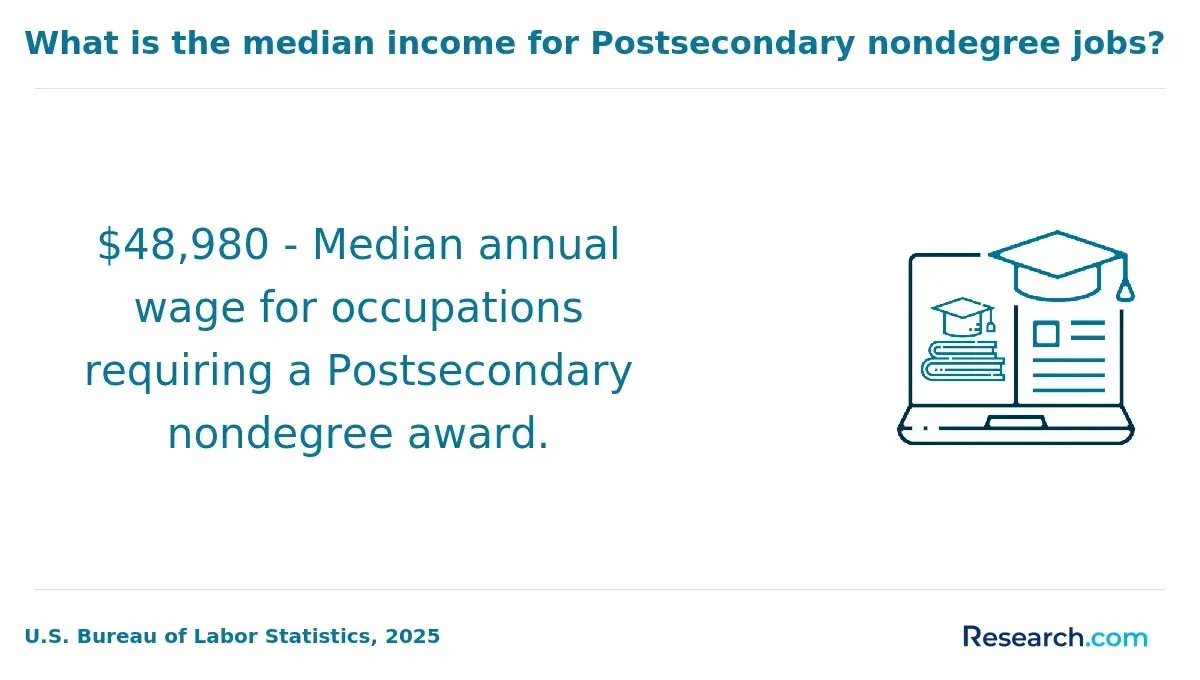
The average remote salary for Nurse Education graduates typically starts between $57,000 and $68,000 annually, reflecting a modest premium over similar health education roles. Entry-level remote positions generally offer starting pay around $60,500, with hybrid roles slightly higher due to additional onsite responsibilities.
These figures reveal that typical pay rates for Nurse Education remote positions vary based on technical demands and certifications. Employers often value clinical experience combined with teaching skills, which can push salaries upward for candidates with relevant credentials or digital competencies. Nurses pursuing remote work should consider how certifications impact their earning potential.
Compared to related health education fields, which commonly begin closer to $54,000, Nurse Education remote salaries offer some advantage. However, institutional budget constraints and regional cost-of-living differences continue to limit early-career pay. Many employers select candidates balancing practical clinical credibility with flexible remote delivery skills, affecting compensation ranges.
For graduates deciding on remote roles, these salaries provide a baseline but might require targeted skills to reach mid-career wages. Practical analysis includes evaluating programs like the best online nutrition degree, which emphasize flexible, digital-ready education to meet evolving employer expectations and increasing demand across healthcare systems.
Do remote Nurse Education jobs pay the same as on-site roles?
Remote Nurse Education roles typically offer salaries about 8.3% lower than equivalent on-site positions. This pay gap reflects employers' strategic compensation decisions rather than differences in educator qualifications or experience. For a Nurse Educator working remotely from a lower-cost region, the financial tradeoff may include a smaller paycheck in exchange for reduced commuting expenses.
Many employers use localized pay bands that adjust salary offers based on geographic cost of living. This means a Nurse Educator in an urban center could earn more than a remote counterpart in a rural or suburban location, even if their roles are otherwise identical. Such policies emphasize place over profile, influencing long-term earning trajectories.
A workforce study found 62% of healthcare education employers maintain pay differentiation tied to employee location, underscoring a widespread, persistent practice. Some organizations offset reduced salary with benefits like home-office stipends, typically between $150 and $250 per month, but these seldom fully compensate for the initial pay gap.
Prospective Nurse Educators should weigh these compensation structures carefully. Remote roles may offer flexibility but can impact lifetime earnings and benefits. Understanding employer pay models helps graduates make informed decisions aligned with their financial and professional priorities.
What benefits do remote Nurse Education employees receive?
Remote Nurse Education roles typically include a blend of foundational and tailored benefits that reflect the unique demands of off-site work. Employers recognize the practical need for flexible paid time off and support for the home office environment, balancing early-career constraints with the realities of productivity and comfort outside traditional settings. For example, a Nurse Educator navigating a new remote position may receive a monthly stipend to upgrade internet service and ergonomic equipment, enabling smoother virtual interactions with students and colleagues. This approach acknowledges that these expenses are necessary for effective performance but are often phased in alongside tenure or performance milestones rather than being an immediate full package.
The following highlights key benefits and perks provided to remote Nurse Education employees.
- Flexible Paid Time Off Policies: These policies accommodate fluctuating demands in remote teaching schedules and personal responsibilities, supporting work-life balance and reducing burnout in a home-based setting.
- Home Office Stipends: On average, 68% of Nurse Education employers offer a stipend around $125 monthly to cover essentials like internet and technology; this investment ensures employees maintain a professional workspace, which is critical for sustained engagement and productivity.
- Healthcare and Retirement Plans: Standard insurance coverage and pension options form the core benefits, though they vary by employer size; securing these plans remotely offers continuity comparable to onsite roles, which is vital for long-term financial security.
- Certification and Continuing Education Coverage: Employers often fund ongoing training and licenses, reducing the financial burden on educators to stay current, an important factor in maintaining instructional quality and career progression.
A Nurse Education professional shared the challenge of initially setting up a remote workspace without employer support. "The monthly stipend really helped me to afford a better router and a comfortable chair, which improved my teaching sessions noticeably. Without that, I might have struggled to keep up with synchronous classes. It's not just money-it's about feeling the company values the remote environment as much as onsite work." This experience highlights how these benefits are not only financial aid but also key to sustaining remote engagement and confidence in demanding educational roles.
Where can Nurse Education graduates look for remote jobs?
Locating legitimate remote Nurse Education roles requires a strategic blend of generalist platforms and niche-specific networks to match the unique demands of this field. For example, a recent graduate targeting a virtual clinical instructor role will find better success by integrating searches across broad sites and specialized healthcare communities, rather than relying on one source alone. Recruitment data highlights that using both professional networking and niche job boards yields a 15% higher placement rate for remote candidates, reinforcing the need for a multi-channel approach to uncover the most relevant positions. Below are key resources with distinct advantages for Nurse Education job seekers.
- Indeed and LinkedIn: These general job boards aggregate a wide variety of entry-level and specialized Nurse Education roles, including remote curriculum developers and virtual trainers. Their core matching algorithms leverage keyword searches and user profiles, making them crucial for casting a broad net across multiple employers and job types.
- Nurse.com: This platform specializes in nursing careers with frequent postings of remote teaching and training jobs. It targets healthcare professionals specifically, offering vetted listings suited to those with both academic and clinical experience, helping reduce time wasted on irrelevant openings.
- Health eCareers: Focused exclusively on healthcare employment, this site connects Nurse Education graduates with remote education roles that require up-to-date certifications. Its sector-specific focus filters out unrelated jobs, which is vital for graduates balancing clinical credibility with teaching ambitions.
- National League for Nursing and American Nurses Association Online Communities: These professional networks function as hidden marketplaces where members access remote job openings before they go public. They facilitate trusted referrals, often leading to better hiring prospects through relationships forged in these trusted circles.
Expanding applications across these varied channels counters the 62% of remote Nurse Education roles that only appear on multi-functional platforms, illustrating the risk of relying too heavily on healthcare-specific boards alone. This diversified methodology also reflects employer preferences for candidates who demonstrate connectivity with professional communities as well as broad online visibility.
What do Nurse Education employers look for in candidates?
Employers hiring remote Nurse Education candidates prioritize a blend of clinical expertise and digital proficiency required for effective virtual healthcare training. For example, a candidate developing and delivering courses via platforms like Blackboard must not only understand nursing content but also demonstrate technical fluency and interactive online teaching skills. Remote Nurse Education roles demand a hybrid skill set where technology use and instructional effectiveness converge. Here are key qualifications employers evaluate in these candidates:
- Digital Fluency with Learning Tools: Mastery of Learning Management Systems (LMS) such as Blackboard or Canvas is essential. Candidates are assessed on their ability to create, manage, and troubleshoot online course content to ensure seamless learner engagement.
- Instructional Design and Certification: Credentials like the Certified Healthcare Simulation Educator (CHSE) distinguish applicants by proving expertise in creating educational technology-driven simulations critical for remote clinical training.
- Effective Virtual Communication: Employers look for strong skills in facilitating engagement and clear communication asynchronously and synchronously, vital for teaching students at a distance.
- Curriculum Adaptability: The ability to tailor educational materials for diverse learner needs across remote platforms is heavily weighted, reflecting the demand for inclusive and flexible teaching approaches.
- Practical Assessment Performance: Recruiters often require demonstration portfolios featuring online course development or simulated student interaction, verifying readiness beyond traditional credentials.
Incorporating these skills is becoming increasingly non-negotiable. A 2024 study found that 68.3% of nurse education employers now insist on digital fluency in collaboration tools, reflecting a long-term shift to remote-first hiring. Candidates able to articulate and demonstrate these competencies are far more competitive, especially when balancing clinical and digital expectations. For those exploring accelerated pathways, evaluating programs such as a BSN to MSN program can provide momentum toward meeting these skills faster while aligning with employer standards for remote Nurse Education roles. The interplay of hands-on expertise and digital aptitude remains key to career viability in this evolving field of nurse education remote job qualifications and key skills for nurse education employers hiring remotely.
How can Nurse Education graduates prepare for remote roles?
Securing remote roles as a Nurse Education graduate demands targeted skill development that extends beyond traditional teaching abilities. For instance, a recent graduate stepping into a telehealth education platform must quickly adapt to digital tools while fostering engagement without direct supervision. Practical preparation includes mastering specific competencies. Below are key strategies Nurse Education graduates can use to ready themselves for remote positions:
- Digital Communication Proficiency: Learn to navigate platforms like Zoom, Microsoft Teams, and LMS such as Canvas or Blackboard. Regular practice and certification in these tools help build confidence managing synchronous and asynchronous instruction, a common employer expectation for remote Nurse Education roles.
- Certification in Virtual Instruction Methods: Completing specialized courses or bootcamps in e-learning design sharpens instructional skills tailored for remote environments. These credentials enhance credibility, signaling readiness to handle the unique challenges of off-site education delivery.
- Portfolio Development: Create a digital collection of lesson plans, recorded teaching sessions, and curriculum projects. Studies show Nurse Education graduates with remote teaching portfolios experience a 25% higher hireability rate, reflecting employers' prioritization of proven adaptability and skill application.
- Technical Troubleshooting Abilities: Gain basic skills in managing data and resolving technology issues independently. Remote positions often lack immediate IT support, so self-reliance boosts both performance and employer confidence.
- Reliable Hardware and Connectivity: Secure quality equipment such as laptops with webcams and noise-cancelling headphones, alongside a stable internet connection. This practical step ensures consistent delivery, reducing interruptions that can impact learner engagement.
Integrating these approaches equips Nurse Education graduates to meet evolving job requirements. Considering tradeoffs like limited face-to-face mentorship and greater autonomy is essential when deciding on remote work. Exploring related fields through options like online APA accredited PsyD programs can additionally broaden career flexibility and specialization within remote educational roles. Overall, deliberate digital fluency coupled with pedagogical strength positions graduates for success in flexible Nurse Education graduate career preparation strategies across diverse healthcare settings.
How can Nurse Education graduates if remote roles are a good fit for them?
Remote roles demand distinct attributes that not all Nurse Education graduates possess or prefer. Deciding if these positions suit an individual requires evaluating personal work habits, technological comfort, and the nature of the teaching responsibilities envisioned. For example, a graduate who thrives on structured daily routines and hands-on student engagement might find remote work challenging without in-person interaction. Below are critical criteria Nurse Education graduates should assess to determine remote role compatibility.
- Self-Motivation and Time Management: Remote educators must independently organize their schedules since supervisors are not physically present. Assess your ability to maintain focus without external prompts and plan daily tasks reliably to avoid burnout or missed deadlines.
- Digital Literacy and Tech Adaptability: Comfort with virtual platforms and online teaching tools is essential. Consider your proficiency with learning management systems and video conferencing software, as technical difficulties directly affect teaching quality and student engagement.
- Student Engagement Strategies: Without face-to-face cues, the ability to foster participation remotely is key. Reflect on your skills in using interactive methods that compensate for reduced nonverbal communication, ensuring students remain motivated and responsive.
- Work-Life Boundary Management: Remote work often blurs home and office lines, causing stress. According to a National Board of Nurse Educator Workforce Analysis study, 48% of remote nurse educators faced moderate to high work-life conflict. Evaluate your personal habits for setting clear separation to preserve productivity and mental health.
- Job Role Alignment: Roles focusing on curriculum development or online mentoring generally fit remote formats better than those involving clinical supervision. Identify which tasks you prefer to ensure your duties suit a remote environment's limitations.
- Comfort with Professional Isolation: Reduced peer interaction requires proactive networking. Consider your willingness to engage with colleagues virtually and build professional connections without spontaneous in-person contact.
- Organizational Support and Culture: Long-term success depends on employer policies that foster remote collaboration and provide resources. Investigate prospective employers' commitment to community-building and structured remote work practices before committing.
One Nurse Education graduate recalled initially hesitating to accept a remote mentor role due to worries about isolation and work hours. After establishing a fixed schedule and learning new digital tools, she noticed improved focus and satisfaction. She emphasized, "I realized early that thriving remotely meant mastering personal discipline and embracing technology. It was daunting at first, but once I felt competent with the platforms and set clear boundaries at home, I found the flexibility outweighed the challenges." This reflective decision process illustrates why thorough self-assessment against these criteria is vital before pursuing a remote Nurse Education career path.
References
- Comprehensive Guide to Nursing Education | NEIT https://www.neit.edu/blog/nursing-education-comprehensive-guide
- NURSING - University College of Enterprise and Administration https://en.wspa.pl/nursing-graduate-program/
- Training Webinars https://nursesed.net/training-webinars/
- How to Know If Nursing Is for You - Madonna https://absn.madonna.edu/blog/how-to-know-if-nursing-is-for-you/
- Medical University of GdaÅsk https://admission.mug.edu.pl/29318.html
- How to Evaluate Whether Nursing Is the Right Next Step https://nursekey.com/how-to-evaluate-whether-nursing-is-the-right-next-step/
- Nursing courses online | edX https://www.edx.org/learn/nursing
- Online Nurse Educator Programs - Master of Science in Nursing (MSN) https://www.onlineeducation.com/nursing/nurse-educator-programs
- Online Nursing Education: Everything You Need to Know | https://www.nexusuniversity.com/online-nursing-education-everything-you-need-to-know/
- New Data Show Enrollment Declines in Schools of Nursing, Raising Concerns About the Nation’s Nursing Workforce https://www.aacnnursing.org/news-data/all-news/new-data-show-enrollment-declines-in-schools-of-nursing-raising-concerns-about-the-nations-nursing-workforce
Other Things You Should Know About Nurse Education
Remote Nurse Education roles often limit the ability to provide real-time, hands-on guidance, which can slow the feedback loop for students. Graduates should weigh whether their teaching style and communication skills adapt well to written or video-based feedback rather than direct clinical supervision. Prioritizing remote roles that integrate regular live interactions can mitigate this issue; otherwise, educators may face challenges ensuring learner comprehension and engagement.
Remote Nurse Education positions frequently involve uneven workloads, with periods of intense grading, curriculum planning, or virtual class sessions followed by quieter phases. Graduates must be prepared for this cyclical nature and manage time proactively to prevent burnout. Choosing roles with clearly defined expectations and support resources reduces uncertainty and improves job satisfaction in remote settings.
Beyond basic video conferencing skills, Nurse Education graduates should develop proficiency in learning management systems, online assessment tools, and digital content creation to meet employer expectations. Prioritizing these competencies enhances an individual's ability to design interactive remote lessons and track student progress effectively, which directly impacts career advancement in remote education roles.
While remote roles are growing, they often come with less institutional support and fewer advancement pathways compared to on-site positions. Graduates should balance immediate flexibility benefits with potential limitations in mentorship and professional networking. Opting for hybrid roles or institutions investing in remote faculty development can provide a more sustainable career trajectory.