2027 Nurse Education Job Market Report: Open Roles, Salary Bands, and Hiring Momentum

Co-Founder and Chief Data Scientist
Shifts in regulatory frameworks and evolving credential expectations have redefined hiring priorities within the nurse education field, influencing the distribution of open roles and salary structures. Technological integration in curriculum delivery demands new competencies, altering the types of expertise institutions seek. Economic pressures on educational budgets also shape recruitment patterns, often constraining hiring momentum despite persistent needs.
Geographic clustering of positions highlights regional workforce dynamics, while demographic trends in student age signal changing accessibility and professional pathways. Examining open roles and compensation trends thus reveals more than market activity; it provides insight into how nurse education adapts to a complex blend of institutional, technological, and labor market forces.
Key Things to Know About Nurse Education Job Market
- Open nurse education roles are expanding unevenly by region, favoring urban academic medical centers; this constrains access for rural candidates, affecting workforce distribution and necessitating relocation considerations.
- Salary growth in nurse education is modest compared to clinical nursing roles, reflecting employer budget constraints and prioritization of recruiting clinical staff over faculty, impacting long-term career satisfaction and planning.
- Hiring momentum rose 5% in 2024, driven by retirements and program expansions, but prolonged qualification timelines create bottlenecks, delaying entry and increasing educational costs for prospective educators.
- Key Things to Know About Nurse Education Job Market Key Things to Know About Nurse Education Job Market
- How Strong Is Demand for Nurse Education Graduates in Today's Job Market? Demand for Graduates
- Which Nurse Education Careers Have the Most Open Job Opportunities? In-Demand Careers
- What Salary Bands Are Employers Offering Across Nurse Education Careers? Offered Salary Bands
- Which Industries Are Hiring the Most Nurse Education Graduates? Top-Hiring Industries
- How Does Hiring Demand Vary by State, Region, and City? Hiring Demand by Location
- What Skills Are Employers Prioritizing in Nurse Education Job Postings? In-Demand Skills
- Which Certifications Increase Employability and Salary Potential? High-Value Certifications
- How Do Remote and Hybrid Opportunities Affect the Nurse Education Job Market? How Do Remote and Hybrid Opportunities Affect the Nurse Education Job Market?
- Which Nurse Education Careers Show the Strongest Long-Term Hiring Momentum? Strongest Careers
- How Can Students Use Job Market Data to Make Better Career Decisions? How Can Students Use Job Market Data to Make Better Career Decisions?
How Strong Is Demand for Nurse Education Graduates in Today's Job Market?
Labor market data for 2024 indicates sustained but regionally varied demand for nurse education graduates, as detailed by the U.S. Bureau of Labor Statistics. Demand is fueled by a growing need for qualified instructors who can address the increasing complexity of healthcare training, especially in academic and clinical settings. LinkedIn Workforce Reports also reveal an uptick in job postings for nurse education professionals, particularly in metropolitan areas with expanding healthcare infrastructure and universities enhancing their nursing curricula. Despite this positive trend, competition may be uneven, with urban centers often offering more opportunities compared to rural regions, where openings exist but applicants face fewer rivals. These nuances illustrate that nurse education graduate job demand in the US is strong yet shaped significantly by geographic and institutional factors.
Key drivers behind current hiring trends for nurse education professionals include not only an aging nursing workforce but also the accelerating integration of educational technology and interdisciplinary collaboration requirements. Employers increasingly expect nurse educators to possess skills that extend beyond clinical expertise, such as curriculum design and proficiency with digital instruction tools, to meet evolving learner needs. The interplay of faculty shortages and higher institutional investments in professional development further elevates demand, especially where healthcare systems expand or shift to more sophisticated care models. For those evaluating educational pathways, understanding these operational and technological shifts is critical to aligning skill development with employer expectations and labor market realities.
Long-term implications for nurse education graduates suggest steady employment prospects contingent on adapting to changing role demands and continuing education. Graduates who combine clinical experience with pedagogical innovation and mentorship capabilities are positioned to navigate a competitive field more effectively. Recognizing the balance between gaining practical teaching experience and advancing credentials can influence career stability and growth. Prospective students should carefully assess program outcomes and real-world applicability, considering resources like the best DNP programs online to strategically align their qualifications with industry demand trends.
Which Nurse Education Careers Have the Most Open Job Opportunities?
Job opportunity distribution within nurse education careers is strongly influenced by broader labor market shifts including healthcare sector expansion, acute skills shortages, and heightened employer expectations tied to regulatory compliance and program accreditation. Rather than isolated vacancies, open roles reflect systemic demand for educators capable of meeting evolving clinical and academic challenges. In this landscape, factors such as specialty knowledge, advanced degrees, and curriculum innovation are increasingly decisive in shaping hiring patterns.
- Clinical Nurse Educators in Hospitals: These roles dominate open job listings driven by healthcare systems expanding their workforce and emphasizing ongoing clinical competencies. Employers prioritize candidates with expertise in specialty areas like critical care and procedural training, as well as skills in adult learning principles and interprofessional collaboration to support bedside staff development and reduce skills gaps.
- Academic Faculty for Nursing Programs: Universities and colleges struggle to fill full-time faculty positions due to retirements and rising nursing enrollments. Demand is fueled by the need for educators who can deliver robust foundational and advanced nursing curricula, with a preference for doctorally prepared faculty adept at balancing teaching with research and service expectations.
- Nurse Education Coordinators and Curriculum Developers: Growth in these positions relates to the complexity of program design under stringent accreditation standards and licensure requirements. Expertise in instructional design, curriculum alignment, and outcome measurement is critical, with many employers seeking candidates who hold a master's or doctoral degree in nursing education.
- Continuing Education Specialists: This segment expands in response to regulatory mandates for lifelong learning and certification renewals across nursing professionals. Institutions increasingly seek educators skilled at developing mandatory training modules that integrate evidence-based practice updates and emerging technologies.
- Simulation and Skills Lab Instructors: As clinical training shifts to incorporate more simulation-based learning, demand grows for educators proficient in managing advanced simulation technologies and creating realistic patient scenarios. This role requires a blend of clinical experience and technical facility with simulation equipment to enhance learner engagement and competency.
- Community and Public Health Nurse Educators: Growing emphasis on preventive care and population health outcomes drives openings in community settings. Employers value educators who can design outreach programs, cultural competence training, and health promotion curricula targeted at diverse populations.
For those entering the field, programs offering robust clinical and technological training-such as medical billing and coding online schools-can improve alignment with these employer expectations, though certification and practical experience remain crucial in securing open positions.
What Salary Bands Are Employers Offering Across Nurse Education Careers?
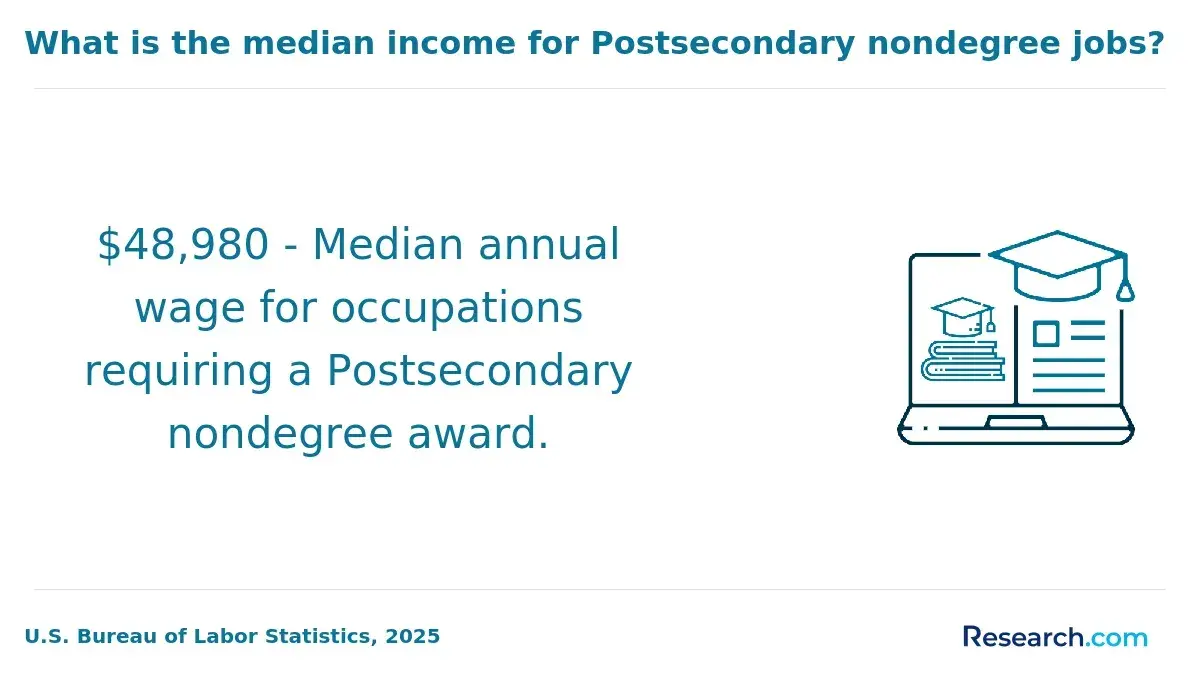
Recent 2024 data from the U.S. Bureau of Labor Statistics and LinkedIn Salary Insights reveal distinct salary bands within nurse education that correspond closely to role complexity and professional experience. Entry-level positions, including clinical instructors and assistant faculty, generally offer annual salaries between $58,000 and $70,000, reflecting the foundational teaching responsibilities performed under supervision. Mid-career educators with advanced degrees and greater leadership duties, such as curriculum development and mentoring, command higher pay ranging from approximately $72,000 to $95,000. At the senior level, encompassing full professors and administrators managing large programs, salaries extend upwards from $95,000 to beyond $125,000, influenced by extensive administrative responsibilities, research contributions, and institutional representation, with urban and large university settings often providing the upper echelon of this scale.
Salary variation in nurse education is driven primarily by the interplay of specialization demands, geographic cost-of-living differentials, and institutional size. Positions requiring a blend of clinical expertise and educational leadership tend to draw premiums due to the dual competencies necessary, while rural or smaller institutions typically align with the lower end salary-wise reflecting labor supply and budget constraints. Moreover, scarcity of advanced credentials such as DNP or Ph.D. degrees accentuates wage disparities, as employers reward educators who can navigate both practical nursing and academic innovation. The competitive landscape for nurse educators is further shaped by shifts in healthcare demands and evolving pedagogical technologies, making compensation a function not just of tenure but adaptability to complex programmatic needs.
When applying to nurse education programs, one graduate described a challenging experience navigating rolling admissions. Their submission was on time, but the school's response lagged, creating uncertainty just as competing deadlines for other programs approached. This forced a strategic pause; the candidate balanced the risk of waiting for an offer that might arrive late against securing admission elsewhere, underscoring how timing and decisiveness in application processes can mirror the nuanced decision-making required later when evaluating salary offers in a field marked by variability and evolving institutional priorities.
Which Industries Are Hiring the Most Nurse Education Graduates?
Hiring demand for nurse education graduates is concentrated in sectors undergoing significant workforce growth, technological advancements, and evolving competency requirements. These industries are responding to structural skill gaps by expanding training capacity and updating instructional approaches to meet contemporary healthcare challenges. As a result, demand reflects broader shifts toward evidence-based practice and integrated clinical-educational models rather than isolated recruitment efforts.
- Hospitals and Health Systems: Representing nearly half of all nurse education openings, these organizations prioritize professionals who can deliver in-service training and support clinical competency development. Rising regulatory complexity and specialization require nurse educators adept in translating evolving protocols and certifications into practical staff education.
- Academic Institutions: Universities and colleges face increased enrollment pressures post-pandemic, driving a projected 12% faculty hiring growth in 2024 according to the National League for Nursing. They seek educators with both clinical experience and pedagogical skill capable of training nursing students across diverse program levels.
- Community Health Organizations: These organizations emphasize public health education and outreach, demanding nurse educators skilled in culturally responsive communication and preventative care instruction. Engagement strategies tailored to specific populations and social determinants of health are increasingly critical.
- Government Agencies: With mandates targeting workforce certification and development initiatives, government employers value nurse educators versed in compliance, credentialing standards, and scalable training program management. Their focus aligns with broader public health workforce stabilization efforts.
- Private Healthcare Companies: Firms offering continuing education and professional development services seek nurse educators who can innovate curriculum delivery and align content with emerging clinical best practices. Expertise in adult learning theory and digital education tools is often prioritized to meet market demand.
How Does Hiring Demand Vary by State, Region, and City?
Hiring demand for nurse education positions varies significantly across states and regions due to differences in healthcare system size, funding allocation, and academic infrastructure. States like California, Texas, and Florida demonstrate higher demand for nurse education roles because they host large healthcare networks and numerous advanced nursing programs, reflecting a regional imperative to address acute nursing shortages. Labor market data from workforce analytics platforms reveal that the Northeast and West Coast sustain stronger hiring momentum compared to the Midwest or parts of the South, driven by metropolitan concentrations of academic medical centers and public-private partnerships in healthcare training. These regional disparities highlight how local economic conditions and healthcare investment directly influence opportunities for nurse education graduates, making the understanding of such geographic labor markets critical for aligning jobseekers' strategies with areas of growing need in nurse education job demand differs by state and region.
At the city level, urban centers with dense healthcare and education ecosystems like Boston, Seattle, and Houston exhibit intensified competition and higher salary bands due to the clustering of hospitals, universities, and simulation labs. These hubs benefit from well-established talent pipelines and institutional investment, creating a dynamic environment where nurse educators with both clinical and pedagogical expertise are in greater demand. Conversely, smaller cities and rural areas show less hiring volume but may offer unique openings tied to targeted healthcare equity initiatives and lower living costs, which factor into total compensation considerations. Understanding localized wage differences and infrastructure capacity is essential for evaluating nurse education career prospects. For those balancing financial and professional goals, exploring related roles such as those accessible with a nutritionist degree may provide alternative pathways in allied health education ecosystems.
What Skills Are Employers Prioritizing in Nurse Education Job Postings?
Employer priorities for nurse education positions are shifting in response to rapid technological integration, evolving healthcare demands, and the increasing necessity for interdisciplinary collaboration. Rather than static expectations, skill demands reflect a dynamic job market where adaptability to digital tools and alignment with clinical realities are paramount. These changes underscore a preference for nurse educators who not only understand clinical practice but also can innovate curriculum delivery and respond to regulatory complexities.
- Clinical Experience: Most postings require several years of direct nursing practice, often 3 to 5 years, indicating employers' insistence on a solid foundation in patient care. This practical background ensures educators possess firsthand knowledge essential for credible instruction and bridging theory with real-world scenarios.
- Curriculum Development and Instructional Design: Proficiency in designing evidence-based, competency-aligned curricula is highly valued as healthcare standards evolve. Employers seek educators who can create relevant, outcome-focused learning materials that improve student readiness for increasingly complex clinical environments.
- Technology Proficiency: Comfort with learning management systems, virtual classrooms, and simulation tools has become indispensable. Over 65% of job postings highlight digital literacy, reflecting the sector's shift to hybrid and remote models where technological fluency directly affects teaching effectiveness and student engagement.
- Communication and Presentation Skills: Nurse educators must convey complex information clearly across diverse learner groups. Employers favor candidates who demonstrate strong oral and written communication abilities that support varied instructional settings and learner needs.
- Assessment and Evaluation Competence: The ability to apply both qualitative and quantitative methods in student performance evaluation is critical. Hiring managers prioritize this skill as it directly impacts program quality, compliance with accreditation standards, and ultimately patient care outcomes.
- Regulatory and Accreditation Knowledge: Awareness of evolving nursing education regulations and accreditation requirements is necessary to maintain program validity. Employers value educators who can navigate these frameworks, ensuring their programs meet external standards and adapt quickly to policy shifts.
- Leadership and Collaboration: Emphasis on interdisciplinary teamwork has grown as health education aligns more closely with integrated care models. Effective nurse educators often serve as mentors and facilitators, coordinating clinical and academic stakeholders to produce cohesive training experiences.
Which Certifications Increase Employability and Salary Potential?
Certifications in the nurse education field function as crucial markers of specialized expertise, pedagogical skill, and readiness to handle evolving academic and clinical teaching demands. Rather than merely supplementing formal degrees, these credentials strategically enhance a candidate's competitiveness by validating practical experience and alignment with employer needs. In a sector where teaching proficiency and innovative curriculum design increasingly intersect with technology, certifications signal an educator's ability to contribute effectively to diverse learning environments.
- Certified Nurse Educator (CNE): This certification is widely recognized for authenticating advanced instructional skills specific to nursing education. Employers often associate the CNE with demonstrated mastery of evidence-based teaching strategies, resulting in statistically higher salary offers-data from the National Council of State Boards of Nursing shows a 12% average salary increase for holders compared to non-certified peers.
- Advanced Nurse Educator (ANE): The ANE credential addresses experienced educators aiming to showcase leadership in curriculum development and clinical instruction. Its value lies in confirming ongoing professional development and substantial teaching portfolios, traits that many academic institutions prioritize when filling senior positions.
- Simulation Education Specialist Certification: With the shift toward digital and simulation-based learning modalities, this certification validates an educator's ability to integrate technology in training scenarios. Candidates with this credential meet a growing skill gap, especially as healthcare systems seek educators proficient in hands-on virtual environments, which often translates to greater hiring preference and enhanced remuneration.
- Clinical Teaching Approval: This specialized certification signals competency in direct clinical instruction, aligning with healthcare facilities' demand for educators who can bridge theory and practice. Such approvals suggest practical experience that employers interpret as relevant and immediately applicable, thus improving employability in clinical settings.
While certifications bolster credentials, their impact on employability and pay is often contingent on contextual factors like geographic location, institutional size, and the candidate's overall experience. For example, nurse educators employed by large urban academic centers tend to reap more pronounced benefits from certification than those in smaller, rural programs, reflecting varying institutional capacities to recognize and reward advanced qualifications.
One nurse education graduate recalls applying to several programs during a rolling admissions cycle, uncertain how her pending certification would affect her candidacy. She hesitated to submit applications early, wanting to complete the Certified Nurse Educator credential first. Yet, the unpredictable timing of exam results forced her to balance the risk of admission delays against the potential advantage of entering the field with the certification secured. Ultimately, she learned that while the credential enhanced her salary prospects, initial hiring decisions often hinged on demonstrated teaching experience and institutional fit, prompting a more nuanced approach to when and how certifications are pursued in tandem with career entry.
How Do Remote and Hybrid Opportunities Affect the Nurse Education Job Market?
Recent hiring patterns in nurse education reflect a measured integration of remote and hybrid work arrangements, shaped by practical constraints and evolving employer priorities. According to workforce analytics from 2024, hybrid roles dominate openings, combining virtual instruction with necessary on-site clinical supervision, as fully remote nurse education job opportunities remain scarce due to hands-on training demands. Employers increasingly seek candidates with strong digital literacy who can effectively navigate technology-enabled instruction alongside traditional mentorship. This shift is expanding talent sourcing beyond local geographies, although salary structures exhibit modest variation, with remote positions often compensating slightly less than hybrid or on-site roles, consistent with ongoing demand for physical presence in clinical lab components.
The expansion of hybrid and remote models is recalibrating nurse education careers by broadening geographic mobility and intensifying competition for skilled educators accustomed to blended teaching modes. Salary normalization across regions accompanies this trend, as institutions balance budgetary constraints with the need for versatile instructors fluent in digital collaboration tools. Employers now emphasize communication skills that enable seamless hybrid team interaction, reflecting broader workforce digitalization. These developments suggest a long-term transformation in nurse education labor markets, where flexibility, technological agility, and clinical expertise converge to define career viability. For those navigating this landscape, understanding these nuances is essential when planning educational pathways, especially through programs like 1 year FNP programs, which can offer accelerated entry aligned with evolving employer expectations.
Which Nurse Education Careers Show the Strongest Long-Term Hiring Momentum?
Long-term hiring momentum in nurse education careers stems from structural shifts in healthcare delivery, regulatory requirements, and the integration of advanced technologies within academic and clinical training environments. This momentum reflects enduring economic and demographic trends rather than short-term fluctuations, emphasizing the sustained demand for specialized instructors who can adapt to evolving clinical practices. As the nursing workforce ages and healthcare systems increasingly emphasize evidence-based and interprofessional education, these forces collectively sustain and grow employment opportunities in select nurse education roles.
- Clinical Nurse Educators address persistent shortages of qualified instructors who bridge classroom theory and complex clinical environments. Their role expands as healthcare providers incorporate new technology and protocols, requiring educators adept in both hands-on skills and simulation-based training.
- Nurse Faculty in Academic Settings experience strong momentum due to the growing number of nursing programs nationwide and heightened accreditation standards demanding faculty with advanced credentials. These demands are reinforced by aging nursing educators exiting the workforce, creating a steady replacement need.
- Simulation Instructors play a critical role in modern nurse education by delivering technology-driven training that enhances experiential learning outcomes. Growth in simulation technologies and the move toward safer clinical preparation underpin long-term demand in this specialized instructional area.
- Transition-to-Practice Program Instructors have increasing relevance as healthcare organizations implement structured residency programs to reduce early-career nurse turnover. Their expertise in guiding new nurses through complex clinical transitions supports both quality care and workforce stability.
According to the U.S. Bureau of Labor Statistics (2024), nursing educators with advanced degrees, such as Doctor of Nursing Practice (DNP) or PhDs, are projected to experience about 13% growth through 2032, significantly outpacing average occupational expansions. Nurse education job opportunities with highest growth clearly align with roles requiring expertise in clinical instruction and curriculum innovation. Salary bands reflect these trends; faculty holding terminal degrees typically earn notably higher wages than entry-level educators due to the specialized knowledge and leadership responsibilities expected.
Roles such as clinical nurse educators and simulation instructors illustrate long-term hiring momentum through their responsiveness to technological advancement and the increasing complexity of healthcare education systems. Expanding nurse residency and transition-to-practice programs further support sustained demand, as these pathways respond to employer needs for well-prepared new nurses. For prospective candidates, balancing the investment in advanced education against the evolving requirements and practical realities of nurse education roles remains crucial. As a resource, individuals may explore the fastest online masters in applied behavior analysis programs to complement skills needed for educational roles that encompass behavioral and clinical instruction dimensions.
How Can Students Use Job Market Data to Make Better Career Decisions?
Students aiming for a career in nurse education can leverage current job market data-such as labor reports, hiring platforms, and updated salary surveys from 2024 or later-to gain a detailed understanding of demand patterns, compensation ranges, and sector growth. These data sources reveal which specialties and geographic areas currently show increasing hiring momentum, helping students pinpoint where training investment aligns with employer needs. Salary bands offer a realistic picture of earning potential across experience levels, allowing assessment of financial tradeoffs across various educational pathways. Additionally, labor market insights highlight emerging skills and certifications valued by employers, such as digital literacy and simulation-based instruction, which can improve employability beyond basic qualification standards.
Interpreting this data requires balancing short-term hiring fluctuations with longer-term career stability and geographic flexibility in nurse education roles. Students should weigh how role longevity, turnover rates, and healthcare policy shifts may affect future opportunities alongside immediate salary prospects. Skill alignment is critical, but it must be considered in the context of personal interests and career goals to avoid pursuing trending credentials with limited long-term value. Overreliance on temporary market spikes risks misaligned educational investment, so integrating thorough market analysis with individual aspirations provides a more strategic, informed foundation for choosing nurse education career pathways.
References
- Nursing Education Market Size, Share, Growth, and Industry Analysis, By Type (Baccalaureate Degree (BS),Associate Degree (AD),Other Diploma), By Application (Conventional Universities,Nursing Programs in Colleges), Regional Insights and Forecast to 2033 https://www.marketreportsworld.com/market-reports/nursing-education-market-14716621
- The High Demand for Nurse Educators https://online.ben.edu/programs/nursing/msn/resources/high-demand-for-nurse-educators/
- Nursing professions in Germany 2026: Training, salary, career & international entry https://www.noracares.at/en/blog/fair-care/
- Skills to Learn to Earn More Money as a Nurse https://slchc.edu/nursing/practical-nurse/skills-to-learn-to-earn-more-money-as-a-nurse/
- Alternative jobs for nurses: 11 derivative nursing jobs in 2026 https://www.sermo.com/resources/nurse-alternative-careers/
- What is the Job Outlook for Nurses: A Comprehensive Guide https://www.dewv.edu/what-is-the-job-outlook-for-nurses/
- Search Nursing Jobs - ANA Career Center https://jobs.ana.org/
- Types of Nursing Certifications to Boost Your Career | Betternurse.org https://betternurse.org/nursing-certifications-career/
- Employment Trends in Healthcare: What Job Seekers Should Know https://www.sunshinecarenetwork.com/blog/employment-trends-in-healthcare-what-job-seekers-should-know
- Navigating the Job Market: Tips for Nurses Seeking New Opportunities https://prominenttalents.com/state-of-working-for-oneself/
Other Things You Should Know About Nurse Education
Salary bands in nurse education often reflect the dual pressures of academic responsibilities and clinical oversight. Higher-paying positions frequently demand significant time investments beyond teaching, including research, curriculum development, and administrative duties. Candidates should prioritize roles where workload expectations align with their career stage and capacity; accepting a higher salary without considering the full scope of non-teaching tasks may lead to burnout and affect job satisfaction.
The number of open roles differs notably between hospitals, community colleges, and universities, each with distinct cultures and expectations. University positions often require a research component and offer more stability but fewer openings, while hospitals may offer more frequent teaching roles focused on clinical skills with less job security. Candidates should assess whether they prefer a research-intensive environment with fewer openings or a more practice-oriented role with higher turnover, as this choice impacts career progression and work-life balance.
Program structure-such as cohort size, teaching format, and clinical integration-directly affects educators' ability to engage students and influence outcomes. Smaller, cohort-based programs often allow deeper mentorship but may limit exposure to diverse learner needs, whereas large programs can support broader impact but require more standardized approaches. Educators seeking leadership or curriculum design roles should prioritize institutions with flexible, innovative program structures that support ongoing professional growth and align with evolving healthcare demands.
Rising hiring momentum does not always guarantee sustained employment security in nurse education. Surge periods can reflect temporary funding boosts or shifts in healthcare priorities that may not persist. Early-career professionals benefit from targeting roles backed by stable funding, clear career ladders, and institutional commitment to education, rather than just chasing rapidly increasing job counts. Prioritizing positions with established growth trajectories in curriculum development or faculty leadership tends to offer more reliable long-term stability.