2027 Top Industries Hiring Nurse Education Graduates: Demand, Pay, and Growth Trends

Co-Founder and Chief Data Scientist
Imagine a recent nurse education graduate weighing career options across various industries. The complex landscape can make it difficult to identify which sectors not only have the highest hiring demand but also offer competitive salaries and future job stability. For those weighing their next steps, gaining a clear understanding of where nurse education skills are most sought after allows for smarter choices in job applications and professional development.
Key Things to Know About the Top Industries Hiring Nurse Education Graduates
- Hospital systems employ over 60% of nurse education graduates, emphasizing clinical training roles; this concentration means candidates must balance pedagogical skills with direct patient care familiarity.
- Academic institutions and private healthcare organizations show 7% annual salary growth, reflecting stronger funding trends and offering more stable advancement than frontline clinical positions.
- The shift toward telehealth education demands nurse educators adept at digital platforms, indicating employer preference for tech-savvy candidates amid evolving healthcare delivery models in 2024.
- Key Things to Know About the Top Industries Hiring Nurse Education Graduates Key Things to Know About the Top Industries Hiring Nurse Education Graduates
- Which Industries Hire the Most Nurse Education Graduates? Top Industries
- Which Industries Offer the Highest Salaries for Nurse Education Graduates? Highest Salaries
- Which Industries Have the Fastest Growth for Nurse Education Careers? Growth Trends
- Which Employers Commonly Recruit Nurse Education Graduates? Top Employers
- Which Skills Are Most In Demand Across Nurse Education Industries? In-Demand Skills
- How Do Career Paths Differ Across Industries for Nurse Education Graduates? Career Paths
- How Do Industry Trends Affect Future Opportunities for Nurse Education Graduates? Industry Trends
- How Can Students Prepare for High-Demand Nurse Education Industries? Career Preparation
- How Do Different Nurse Education Degree Programs Prepare Students for Industry Careers? How Do Different Nurse Education Degree Programs Prepare Students for Industry Careers?
- Which Industry Is the Best Fit for Your Nurse Education Career Goals? Which Industry Is the Best Fit for Your Nurse Education Career Goals?
Which Industries Hire the Most Nurse Education Graduates?
The employment landscape for nurse education graduates reflects a nuanced balance between traditional healthcare settings and evolving sectors that demand specialized training expertise. Recent 2024 data from the U.S. Bureau of Labor Statistics shows that over 60% of nurse education-related roles are concentrated in healthcare facilities and academic institutions, underscoring a sustained reliance on educators to support both clinical practice and nursing scholarship.
However, geographic location, institutional focus, and healthcare trends can influence where opportunities manifest most strongly. The following outlines the industries that most consistently recruit nurse education graduates and why they remain central to workforce development:
- General Medical and Surgical Hospitals: As the largest employer group, these hospitals require nurse educators to maintain clinical competency through staff training, orientation, and compliance education. Positions often involve designing curriculum aligned with evolving medical standards and contributing to quality improvement initiatives. Hospitals' ongoing regulatory and patient safety requirements make them highly attractive for nurses seeking direct impact on care delivery and workforce skills.
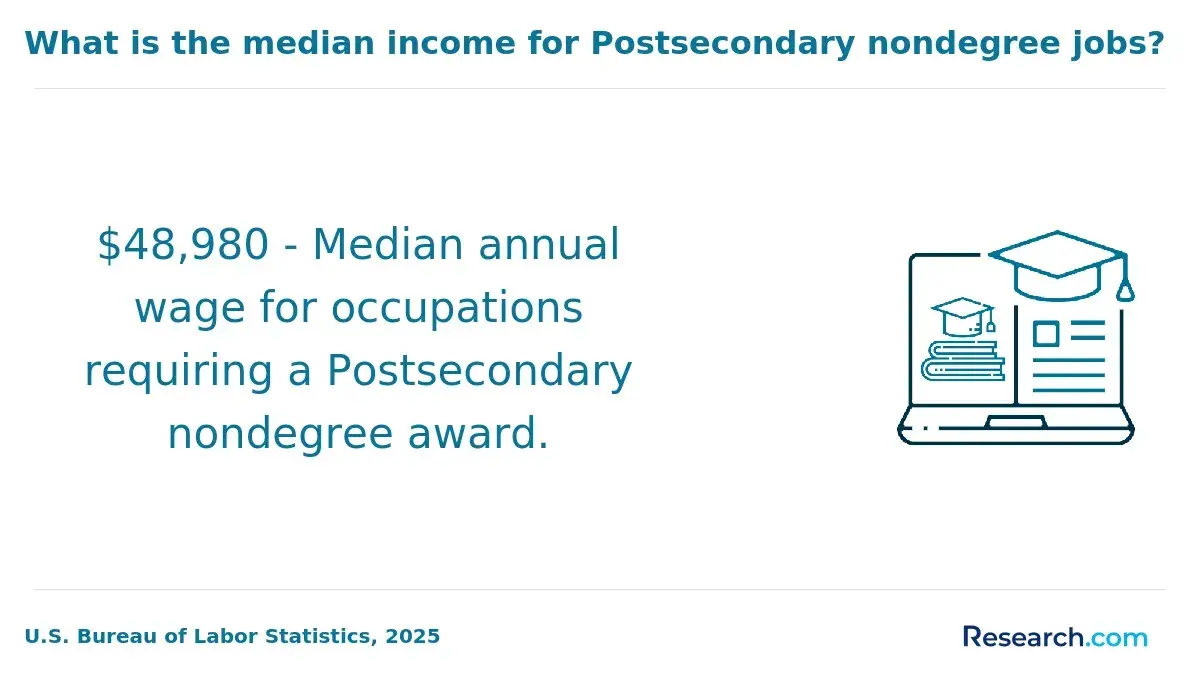
- Postsecondary Education: Colleges and universities with nursing programs face persistent faculty shortages, amplified by increased enrollment and retirement rates among current educators. Graduates in nurse education commonly take roles as faculty members or clinical instructors, balancing classroom teaching with mentorship in clinical settings. This sector offers stability and the chance to shape nursing curricula amid a nationwide emphasis on credentialing and academic rigor.
- Public Health Organizations: Government agencies and community health departments employ nurse educators to advance population health education, policy training, and outreach programs. Roles are multifaceted, blending instructional design with program leadership focused on underserved or high-risk groups. Public health's intersection of education and policy appeals to graduates interested in systemic and preventative healthcare improvements.
- Specialty Hospitals and Rehabilitation Centers: Facilities focused on psychiatric, rehabilitation, or long-term care increasingly incorporate nurse educators to address complex care protocols and specialized treatment modalities. These environments require nurses who can tailor education to diverse patient needs and interdisciplinary teams, providing a niche yet high-demand employment opportunity.
- Corporate Healthcare Settings: Emerging corporate sectors, including healthcare technology firms and insurance companies, are recruiting nurse educators to develop training on new medical technologies and regulatory compliance. This setting suits graduates keen on integrating clinical expertise with business and technology trends. For example, a nurse educator at a tech company might build training modules supporting product implementation in hospitals, bridging clinical knowledge with innovation.
Given the variation in roles, prospective students should weigh industry-specific demands with personal career goals. For those exploring flexible options or seeking to advance specialized qualifications, resources such as programs spotlighting the cheapest online acute care nurse practitioner programs offer potential pathways complementary to nurse education expertise. Overall, nurse education graduates benefit from a career landscape marked by both conventional and emerging opportunities tied to the expanding healthcare and educational ecosystems.
Which Industries Offer the Highest Salaries for Nurse Education Graduates?
Salary variations across industries for nurse education graduates reflect differing operational priorities, funding sources, and required expertise. Sectors prioritizing advanced clinical training or regulatory compliance often allocate higher pay to attract specialized talent. Conversely, more traditional academic or government roles can offer stability and ancillary benefits that offset narrower salary ranges.
Understanding these dynamics helps graduates align their employment choices with financial goals and career expectations. The following industries generally provide the strongest earning potential for nurse education graduates:
- Pharmaceutical and Biotechnology: These industries lead in compensation due to their complex regulatory environments and the critical need for nurse educators to design and implement training for clinical trials and patient care teams. Nurse educators in this sector typically develop specialized curricula that support compliance and safety, with average reported salaries ranging from $100,000 to $120,000 annually according to the Pharmaceutical Research and Manufacturers of America. High funding levels and innovation pressures drive these premium wages.
- Academic Institutions: Universities and colleges offering tenured positions provide lucrative salaries that often exceed $95,000, reflecting the value placed on advanced research, curriculum development, and graduate-level teaching. Compensation correlates strongly with institutional prestige and research intensity, rewarding nurse educators who contribute to evidence-based practice and scholarly output. This sector suits those aiming to integrate education and research.
- Hospital and Healthcare Systems: Serving as the primary employers of nurse educators, hospitals offer competitive salaries near $88,000 but frequently supplement this with opportunities for clinical instruction and staff development. Specialized or teaching hospitals may pay higher, balancing direct patient care experience with educational responsibilities. Nurse educators here must navigate fast-paced environments, which can offset financial rewards with professional enrichment.
- Government Health Agencies: Offering median salaries close to $90,000, government roles focus on public health education, policy implementation, and workforce training. These positions emphasize stability and comprehensive benefits, attracting nurse educators interested in community impact. While salaries may be more moderate, additional non-salary factors such as job security and pension plans hold significant value in long-term career planning.
For nurse education graduates weighing these options, it is crucial to consider not only salary but also the work environment and growth potential specific to each industry. Exploring pathways such as those at the best self paced online college can provide flexible access to qualifications that enhance competitiveness across these high-paying sectors.
Which Industries Have the Fastest Growth for Nurse Education Careers?
When evaluating long-term career opportunities, understanding which industries are poised for growth helps nurse education graduates target roles likely to offer job stability, competitive compensation, and meaningful professional development. Industry expansion often mirrors broader shifts in healthcare demands, such as aging populations, technological advances, or regulatory changes. Being aware of where educational roles will grow fastest can sharpen career strategies—choosing sectors with robust hiring can reduce employment uncertainty and improve negotiating leverage.
Recent projections from the U.S. Bureau of Labor Statistics (BLS) indicate nurse educator roles will outpace average occupational growth over the next several years. Below are key industries driving this trend:
- Higher Education Institutions: Colleges and universities are rapidly expanding nursing programs due to strong enrollment driven by nationwide nursing shortages and new certification requirements. Nurse educators in this sector design curricula, teach advanced practice topics, and mentor future nurses. This environment is increasingly influenced by regulatory mandates demanding ongoing competency for nursing professionals, creating sustained demand for educators who can align training with evolving standards.
- Acute Care Hospitals: Hospitals and large medical centers rely heavily on internal nurse educators to support in-service training and integrate new clinical technologies. Patient safety and quality improvement initiatives are key growth drivers, requiring educators to adapt programs quickly to emerging care models. Nurse educators here must navigate fast-changing protocols and often collaborate across multidisciplinary teams, making these roles both dynamic and critical.
- Long-Term and Outpatient Care Facilities: The rising complexity of chronic disease management and an aging patient population make these care settings significant growth areas for nurse education. Specialized training in geriatric care and community-based interventions is increasingly needed. Nurse educators who tailor programs for these environments enable facilities to meet higher patient acuity levels while complying with evolving healthcare delivery models focused on outpatient management.
A recent nurse education graduate shared how she hesitated between pursuing a university faculty position or working within a hospital system. Ultimately, she chose a large urban hospital because of the urgent demand for educators to develop simulation-based training for newly adopted medical technologies. Her day-to-day work involves constant adaptation and collaboration, contrasting with the more traditional classroom setting she initially expected.
She describes feeling a renewed sense of purpose despite the high stress, recognizing that hands-on educational support in clinical environments is indispensable for patient outcomes and staff competency. This real-world choice illustrates how industry growth patterns translate into distinct career experiences for nurse educators weighing their options.
Which Employers Commonly Recruit Nurse Education Graduates?
Grasping which employers typically seek nurse education graduates can guide students to tailor their academic focus, practical training, and job search strategies toward sectors with the most tangible hiring prospects. These hiring patterns, however, are not static; they fluctuate based on factors such as specialization within nurse education, regional healthcare needs, and broader industry trends.
Aligning internship choices and networking opportunities with employers known for recruiting nurse educators can significantly increase the chances of successful employment after graduation. Below are key employer categories that consistently demonstrate strong demand for nurse education professionals:
- Academic Institutions: Colleges, universities, and technical schools represent the primary hiring grounds for nurse educators. These organizations need faculty with a solid clinical background and teaching ability to develop curricula, lead both classroom and clinical instruction, and prepare students for nursing licensure. This sector often offers stable employment and opportunities for professional growth, especially in regions with expanding nursing programs.
- Healthcare Systems: Hospitals and integrated healthcare networks employ nurse educators to train clinical staff, deliver continuing education, and ensure compliance with updated care standards. These roles frequently involve hands-on training and competency assessment aimed at boosting patient outcomes. Hospitals located in areas facing nursing shortages particularly emphasize ongoing workforce development.
- Government and Public Health Agencies: Federal, state, and local health departments recruit nurse educators to design community health initiatives, conduct educational outreach, and train public health professionals. These settings appeal to those interested in population health and policy-driven education roles, offering stable careers with responsiveness to emerging public health challenges.
- Research and Nonprofit Organizations: Nursing research centers and healthcare-focused nonprofits often seek nurse educators to lead evidence-based practice training and facilitate policy advocacy. These employers attract professionals who want to influence healthcare improvements beyond direct patient care through education and research collaborations.
Which Skills Are Most In Demand Across Nurse Education Industries?
Core career skills retain their value across nurse education industries because they blend practical expertise with adaptive capabilities that employers seek amid evolving healthcare landscapes. Although specific sectors may emphasize different techniques or knowledge, technical proficiency combined with transferable skills consistently proves essential for nurse education graduates aiming to work in diverse environments, from academic settings to clinical training facilities. For instance, an educator transitioning from a university to a hospital-based training program must draw on both subject-matter expertise and communicative abilities to ensure effective knowledge transfer.
Data from the National League for Nursing shows that clinical simulation and electronic health record (EHR) skills rank in the top 20 percent of employer-requested competencies in 2024 nurse education roles. Below are critical skills that form the foundation for success across multiple nurse education industries:
- Clinical Simulation Expertise: Hands-on simulation experience allows nurse educators to bridge theoretical instruction and applied practice. Developing this skill during nurse education graduate programs through lab work or residencies fosters strong learner engagement while preparing students for real-world clinical situations. It remains a cornerstone of curriculum design for most healthcare training settings.
- Healthcare IT Proficiency: Familiarity with electronic health record systems and other healthcare technologies is non-negotiable as digitization expands. Competence in these tools, often gained through practicum experiences, supports efficient clinical data management and ensures educators remain relevant in environments emphasizing health informatics.
- Communication and Leadership: Effective mentoring, interdisciplinary collaboration, and clear instruction are vital soft skills. Nurse education professionals who hone these through teaching practicums or leadership roles adapt better to varied learner needs and foster inclusive academic cultures, strengthening long-term employability.
- Digital Literacy: The accelerated adoption of virtual learning platforms, especially after the COVID-19 pandemic, demands that educators master online teaching tools. This skill enhances instructional reach and prepares nurse education graduates for remote or hybrid education models increasingly prevalent in community health organizations and academic institutions.
- Cultural Competency: Educators must navigate diverse patient and student populations with sensitivity and agility. Integrating cultural competence and emotional intelligence into curricula and training builds patient-centered approaches valued across academic and healthcare delivery settings.
- Critical Thinking and Evidence-Based Instruction: The capacity to analyze educational data and apply evidence-based teaching strategies improves program outcomes. Developing these through research projects or data analysis coursework ensures educators can implement continuous improvements responsive to shifting healthcare protocols.
Aligning with these competencies allows nurse education professionals to thrive in sectors offering competitive salary potential and strong demand. Career changers and current students exploring fields related to nurse education may also consider complementary qualifications like doctorate in healthcare administration programs to expand leadership prospects in healthcare management, thereby broadening their career trajectories.
How Do Career Paths Differ Across Industries for Nurse Education Graduates?
Choosing an industry after earning a nurse education degree can shape career trajectories as powerfully as the degree itself. Each sector values distinct specializations, experiences, and career ambitions, which influences roles, advancement rates, and skill development paths. For instance, one graduate might thrive in a hospital's clinical training setting, while another prefers shaping health policy in government agencies.
Recognizing these differences is essential for aligning one's professional objectives with workplace realities. Below are key dimensions where career paths for nurse education graduates diverge significantly across industries:
- Employment Scale and Stability: Healthcare institutions like hospitals and academic medical centers offer the greatest volume of positions with relatively stable demand, supported by ongoing workforce shortages. In contrast, corporate healthcare and educational institutions may have more fluctuating hiring tied to market conditions or funding cycles, making stability and job security more variable.
- Salary Growth Dynamics: Corporate healthcare roles typically feature faster initial salary increases, often exceeding $95,000 in mid-career phases, but advancement can plateau due to narrow role specialization. Academic paths start lower, around $70,000, yet administrative promotions and tenure can yield substantial long-term compensation gains.
- Role Scope and Daily Focus: In clinical settings, nurse educators progress from hands-on instruction to leadership in curriculum and staff development. Corporate roles center around compliance, product training, and regulatory education, demanding constant updating of technical skills. Public health positions emphasize policy design and community impact, involving broader population-level responsibilities.
- Advancement Predictability: Hospitals and universities often provide clearer, hierarchical ladders linked to credential milestones and performance, while private sector and public health sectors may offer less linear but sometimes faster career changes driven by project needs or policy shifts.
- Professional Development Requirements: Academic careers require sustained research output and credentials, whereas corporate sectors demand continuous regulatory and technological proficiency. This distinction affects ongoing education choices and workload management.
- Impact and Influence Opportunities: Government and public health roles generally afford greater chances to shape systemic healthcare improvements and community well-being, appealing to those prioritizing policy influence over high earnings.
- Occupational Mobility Constraints: Specialization in corporate healthcare training or regulatory compliance can limit lateral moves outside the sector without additional retraining, contrasting with broader versatility often found in hospital or academic settings.
According to the U.S. Bureau of Labor Statistics' 2024 Occupational Outlook, nurse education professionals in hospitals demonstrate a consistent upward salary curve tied to leadership roles, while those in corporate healthcare experience higher variance in mobility but sharper salary gains early on. Graduates should therefore weigh these tradeoffs carefully relative to their preferences for job security, income acceleration, scope of work, and long-term influence when selecting an industry.
Nurse education graduates who want to reach these credential milestones and leadership roles more quickly may want to research fast track schools, which can compress the timeline for advanced nursing credentials while still building the clinical and academic foundation needed for hospital or university leadership positions.
How Do Industry Trends Affect Future Opportunities for Nurse Education Graduates?
Industry trends are pivotal in shaping career paths for nurse education graduates, with shifts in healthcare demands and educational priorities directly influencing available roles and growth potential. Because the nursing workforce faces ongoing shortages, the need for skilled nurse educators is evolving across diverse settings. Graduates must therefore anticipate how demographic changes, institutional policies, and technology adoption will affect hiring patterns and job functions over time.
Understanding these dynamics allows nurse education students and professionals to align their skills with sectors where demand and opportunity are expanding. The key trends shaping the field include:
- Workforce Shortages: The persistent nursing shortage, highlighted by the U.S. Bureau of Labor Statistics forecasting robust job growth of approximately 7% through 2032, creates sustained demand for nurse educators in both academic and clinical settings. Institutions prioritize hiring educators capable of developing scalable training programs to address gaps in frontline nursing staff.
- Academic Expansion: More nursing schools are increasing faculty recruitment to alleviate admission bottlenecks caused by limited teaching staff and clinical placement spots. Graduates with expertise in curriculum development or simulation-based instruction are especially sought after as programs invest in innovative, technology-driven education methods.
- Community and Public Health Focus: Shifts toward preventive care and health equity—encouraged by government funding—are expanding nurse educators' roles beyond hospitals into public health initiatives. Professionals with skills in outreach and disease prevention education gain new opportunities in community health agencies and nonprofit sectors.
- Technological Adaptation: The integration of e-learning platforms and virtual simulations has accelerated post-pandemic, requiring nurse educators to maintain current technical competencies. Familiarity with digital tools enhances employability, especially in institutions emphasizing remote or hybrid teaching models.
For example, one recent graduate initially hesitated to pursue a role outside traditional hospital settings but found that her simulation training skills made her highly desirable for a rapidly growing public health organization. She recalled, "At first, I worried that community health wouldn't offer the same career stability. But learning to apply nurse education in that environment opened doors I hadn't expected." Her experience underscores that adapting to emerging trends can transform uncertainty into practical career advantages in a shifting landscape.
How Can Students Prepare for High-Demand Nurse Education Industries?
Students preparing for high-demand nurse educator careers must integrate practical experiential learning with advanced certifications to become competitive candidates. Evidence from the U.S. Bureau of Labor Statistics shows that over 70% of nurse education graduates who gained clinical teaching experience and strong communication abilities secure employment within six months.
Skill development for nurse education graduates remains essential, as real-world readiness combines academic knowledge with applied teaching and leadership capabilities. Below are key strategies to navigate these evolving industries effectively:
- Clinical Teaching Experience: Gaining hands-on exposure through internships, externships, or clinical placements in hospitals, community health centers, or academic settings allows students to translate theory into practice. This direct engagement sharpens instructional skills valued by employers facing increased demand for qualified nurse educators.
- Certification Attainment: Earning credentials like the Certified Nurse Educator (CNE) credential signals professional commitment and expertise. These certifications improve salary prospects and open doors to roles within academic institutions and expanding healthcare systems.
- Technological Proficiency: Familiarity with simulation-based training and telehealth education is increasingly critical amidst healthcare's digital transformation. Students can seek specialized workshops or courses that enhance comfort with these evolving teaching methods.
- Interdisciplinary Collaboration: Nurse educators often work alongside clinicians, administrators, and policymakers. Developing communication and teamwork skills through group projects or cross-department initiatives prepares students for collaborative environments focused on improving patient outcomes.
- Networking and Professional Engagement: Active participation in professional organizations and attendance at nurse education conferences helps students stay updated on industry trends and build connections valuable for job placement and career advancement.
- Curriculum Development Skills: Involvement in designing or adapting educational materials during training programs equips students to address diverse learning needs and enhances leadership appeal within academic roles.
- Flexible Academic Pathways: Exploring accelerated or specialized programs, such as a 6-month RN to BSN program, offers focused, time-efficient routes to meet educational prerequisites while maintaining professional momentum.
How Do Different Nurse Education Degree Programs Prepare Students for Industry Careers?
Different nurse education degree programs can distinctly shape graduates' readiness for a range of industry roles by varying their focus on clinical practice, leadership, and technology integration. According to a 2024 report from the U.S. Bureau of Labor Statistics and landmark studies from the National League for Nursing, those programs emphasizing clinical simulation, interprofessional collaboration, and evidence-based practice consistently produce graduates with superior career readiness scores.
This underscores the importance of targeted educational experiences in preparing nursing graduates for industry roles. Below are key factors prospective students should compare when evaluating programs:
- Curriculum Focus: Some programs prioritize foundational patient care skills suitable for entry-level long-term care settings, while others integrate leadership and research methods critical for hospital administration or policy roles. Selecting a curriculum aligned with your career target enhances job readiness and sector fit.
- Clinical Experience Quality: Programs differ in access to high-fidelity simulation labs and varied clinical placements. Immersive, scenario-based training boosts critical thinking applicable across outpatient, telehealth, and acute care industries.
- Technology Integration: Digitally enriched curriculums that teach adaptive learning tools and telehealth technologies are increasingly linked to better job placement in emerging healthcare sectors. Evaluate how programs incorporate these innovations.
- Interprofessional Collaboration: Exposure to collaborative models involving multiple healthcare disciplines fosters communication skills needed in complex organizational environments, improving employability in public health and consultancy roles.
- Advanced Degree Opportunities: Master's and doctoral programs focusing on pedagogy and organizational management open pathways into academia, specialized training centers, and large healthcare networks, expanding career versatility.
- Cultural Competency Training: Programs emphasizing cultural competence equip graduates to serve diverse populations more effectively, a skill valued across education and community health organizations.
- Support for Practical Experience: Willingness to pursue internships or externships beyond coursework often makes the difference in obtaining practical skills that employers demand, particularly in fast-evolving industries like telehealth.
A practical example illustrating these differences: a graduate targeting outpatient telehealth roles benefits most from programs integrating digital health technologies and interprofessional collaboration, while another aiming for hospital administration should seek education with leadership and evidence-based practice emphases. Prospective students interested in expanding into allied fields may also investigate options such as marriage and family therapy master's programs online for complementary skills.
Which Industry Is the Best Fit for Your Nurse Education Career Goals?
The "best" industry for a nurse education graduate is ultimately determined by their individual priorities rather than a universal ranking of sectors. Factors such as preferred work environment, specialization interests, earning goals, lifestyle preferences, and the type of impact they want to make play crucial roles. For example, one graduate focused on community health might pursue opportunities in public health organizations to influence policy and population management, while another prioritizing clinical training could choose acute care hospitals for hands-on professional development. This divergence illustrates how identical qualifications can lead to different industry choices based on distinct career objectives.
To make an informed decision, students should research employer expectations, anticipated industry growth, necessary skills, available internships, and long-term career trajectories. Reflecting on personal strengths alongside this data enables alignment with realistic opportunities. According to 2024 findings from the National League for Nursing, flexibility and work-life balance, along with competitive salaries and professional development, rank highly among graduates' priorities when selecting employers. The strongest career paths arise from matching one's goals with industry characteristics rather than merely targeting the highest pay or fastest growth, affirming that sustained success is achievable across diverse sectors given thorough preparation and clear aspirations.
References
- Essential Tips for Nursing Students to Advance Their Careers https://almanaltraining.com/essential-tips-for-nursing-students-to-advance-their-careers/
- Six Tips for a Well-Rounded Nursing Education https://www.athenacareers.edu/six-tips-for-a-well-rounded-nursing-education/
- 7 Types of Nursing Degrees: What Education Do Nurses Need? https://betternurse.org/nursing-degree-types/
- Education | Careers Crossroads | RCN Careers Resources | Royal College of Nursing https://www.rcn.org.uk/Professional-Development/Your-career/Nurse/Career-Crossroads/Career-Ideas-and-Inspiration/Education
- EdAssist | The future of nursing https://www.brighthorizons.com/resources/blog/edassist/the-future-of-nursing
- Nursing Education Market Size, Growth Trends 2034 https://www.gminsights.com/industry-analysis/nursing-education-market
- Master's Education https://www.aacnnursing.org/students/nursing-education-pathways/masters-education
- Nursing career paths and how to choose one - SEEK https://au.seek.com/career-advice/article/nursing-career-paths-and-how-to-choose-one
- Types of Nursing Careers & Specialties https://nursinglicensemap.com/nursing-specialties/
- How Do Nurses Navigate Career Advancement? | NursingEducation https://nursingeducation.org/insights/career-advancement/
Other Things You Should Know About Nurse Education
Workload expectations differ widely between industries like academia, hospital-based education, and corporate healthcare training. Nurse education graduates in academic roles often face cyclical peaks aligned with semesters, which can be intense but predictable. Conversely, hospital educators may encounter constant demands for in-service training and compliance documentation, leading to sustained high stress. Prioritizing roles with manageable workload fluctuations can significantly impact burnout risk and career longevity.
Industries with high demand, such as healthcare systems, may require rapid adaptation to evolving clinical protocols, necessitating strong clinical competency alongside teaching skills. Conversely, industries like academic institutions may emphasize research productivity and curriculum development over clinical service. Graduates must assess whether they prefer roles demanding constant clinical engagement or those focused on educational theory and program design, as mismatches can hinder professional growth.
Interprofessional collaboration is often more pronounced in hospital and community health settings, where nurse educators must coordinate with physicians, allied health professionals, and administrators to implement training programs. This collaboration increases role complexity and requires strong communication skills but can also enhance job satisfaction through diverse interactions. Graduates targeting these industries should prepare for multidisciplinary teamwork, which isn't as central in traditional academic roles.
Choosing industries with clear advancement hierarchies, like large healthcare organizations, provides predictable promotion chances and salary growth but may involve more administrative duties. On the other hand, sectors such as non-profits or smaller institutions often offer broader experiential learning opportunities, including program development and leadership roles, though progression can be less formalized. Graduates should align their career strategy with either stability or diverse skill acquisition based on long-term goals.