2027 Best Accredited Online Fashion Merchandising Degree Programs: Compare Tuition, Admissions, and Career Outcomes

Co-Founder and Chief Data Scientist
Choosing an online fashion merchandising degree means balancing creativity, business training, tuition, and job outcomes. The decision matters because retail is increasingly digital: the U.S. Census Bureau reported that e-commerce accounted for about 16% of total U.S. retail sales in recent quarterly estimates, making analytics, online merchandising, and consumer insight more valuable than ever.
This guide is for first-time college students, transfers, and working adults comparing accredited programs. You'll learn how to judge cost, accreditation, admissions, flexibility, support, and career fit before committing tuition money.
Key Things You Should Know
- Best-value online fashion merchandising programs usually combine institutional accreditation, transparent per-credit tuition, generous transfer credit, and coursework in buying, trend forecasting, retail analytics, branding, and e-commerce.
- College Board's 2024 pricing data shows average published tuition and fees of $11,610 for in-state public four-year colleges and $43,350 for private nonprofit four-year colleges, so total cost varies widely by institution type and residency.
- BLS May 2024 wage data places fashion designers at a median annual wage of $80,690 and market research analysts at $76,950, but fashion merchandising graduates often start in assistant buyer, retail planning, visual merchandising, or e-commerce roles where pay depends heavily on employer, location, experience, and portfolio quality.
Which Accredited Online Fashion Merchandising Degree Programs Offer the Best Overall Value?
The best overall value is not always the lowest sticker price. For fashion merchandising, value depends on whether the program teaches both creative market awareness and business execution: buying, assortment planning, retail math, consumer behavior, fashion technology, sustainability, global sourcing, and digital merchandising.
Students should compare accredited programs by total cost, transferability, online format, and career alignment. The table below summarizes common value profiles among accredited online fashion merchandising options in the U.S.; it is meant to guide comparison, not replace checking each school's current catalog, tuition page, and student outcome disclosures.
| Program type or example | Best fit | Value strengths | Watch closely |
| Southern New Hampshire University online fashion merchandising and management bachelor's pathway | Working adults and transfer students who want broad business-oriented fashion training | Large online infrastructure, flexible scheduling, transfer-friendly policies, no campus relocation required | Confirm course sequencing, internship options, and whether the curriculum is merchandising-heavy enough for your target role |
| Johnson & Wales University online fashion merchandising and retailing bachelor's pathway | Students who want a retail, brand, and career-focused program from a university known for applied professional education | Industry-oriented curriculum, career services, and applied coursework | Compare tuition after institutional aid and verify online course availability each term |
| LIM College online fashion merchandising or fashion business pathways | Students focused on fashion business, brand management, retail buying, and New York fashion industry exposure | Specialized fashion-business identity and industry-centered curriculum | Private college pricing can be higher, so net price and scholarship offers matter more than sticker price |
| Academy of Art University online fashion business, merchandising, or related fashion pathways | Students who want a creative-school environment with online delivery and visual portfolio development | Creative specialization, online art and design infrastructure, and portfolio-oriented assignments | Review total credit requirements, fees, and whether the program leans more toward design, marketing, or merchandising |
| Public university online or degree-completion fashion merchandising pathways | Students with transfer credits who want lower public tuition and a recognized state university credential | Potentially lower in-state or online tuition, broader general education options, and regional employer recognition | Some are completion programs, meaning you may need prior credits before entering upper-division coursework |
The strongest value for most students is an accredited bachelor's program that accepts substantial transfer credit and offers career-ready projects in retail planning, trend research, assortment strategy, and digital commerce. A higher-cost program may be worth considering if it provides stronger fashion-industry networking, internship access, specialized faculty, or portfolio development that directly supports your target role.
Common mistake: ranking schools by tuition alone. A low-cost program can become a weaker investment if it has limited upper-division fashion courses, few employer connections, or rigid scheduling that slows graduation. A premium program can also be a poor choice if the net price requires debt that is out of proportion to entry-level retail or merchandising salaries.
What Accreditation Should Students Look for in an Online Fashion Merchandising Degree Program?
Accreditation is the first filter. For online fashion merchandising degrees, students should first verify institutional accreditation from an accreditor recognized by the U.S. Department of Education or the Council for Higher Education Accreditation. This matters because federal financial aid, credit transfer, graduate admission, and employer trust often depend on institutional accreditation.
Programmatic accreditation can add value, but it is not always required for fashion merchandising. Some fashion-related programs may have art and design accreditation, while business-heavy programs may sit inside business schools with business accreditation. The key is to understand what the accreditation actually covers.
Use this checklist before applying, especially if you plan to transfer credits, use federal aid, or pursue graduate school later:
- Confirm the school is institutionally accredited by checking the school's accreditation page and the U.S. Department of Education's public database.
- Identify whether the fashion merchandising program has specialized accreditation, approval, or industry recognition, and determine whether it applies to the exact online degree you are considering.
- Ask whether online students receive the same transcripted degree as campus students, without wording that could reduce employer recognition.
- Review transfer policies in writing, including limits on fashion, business, studio, and general education credits.
- Avoid schools that are vague about accreditation, refuse to name the accreditor, or pressure you to enroll before you can verify status independently.
Fashion merchandising does not typically require state licensure, unlike nursing, teaching, or counseling. That makes accreditation more about academic quality, financial aid eligibility, transfer protection, and employer confidence than state permission to practice.
How Do Tuition Costs Compare Across Accredited Online Fashion Merchandising Degree Programs?
Tuition for accredited online fashion merchandising degrees varies because programs may be offered by public universities, private nonprofit colleges, private for-profit institutions, or specialized fashion schools. College Board's 2024 data shows a large gap between average published tuition and fees at public in-state four-year institutions and private nonprofit four-year institutions, which means students should estimate total cost instead of assuming all online programs are automatically cheaper.
The table below shows the main cost categories students should compare. It focuses on decision factors rather than a single sticker price, because online fashion merchandising costs can change based on transfer credits, residency, institutional aid, technology fees, and course materials.
| Cost factor | Why it matters | How to compare programs |
| Per-credit tuition | This is the base price for each course credit and usually drives the largest share of cost | Multiply tuition by the credits you still need after transfer evaluation |
| Required credits | Bachelor's degrees commonly require about 120 credits, but transfer students may need fewer | Ask for an unofficial transfer review before relying on advertised completion time |
| Online and technology fees | Fees can make two programs with similar tuition cost very different amounts | Request a full cost-of-attendance estimate, not just tuition |
| Materials and software | Fashion courses may require trend databases, creative software, textiles resources, or presentation tools | Ask whether materials are included, discounted, or billed separately |
| Internship or experiential costs | Some programs encourage or require internships, projects, travel, or local placements | Clarify whether internships can be completed near your home or remotely |
| Lost time from limited scheduling | A cheaper program can cost more if course availability delays graduation | Ask how often required major courses are offered online |
Students comparing costs should calculate net price, not just tuition. Net price is the amount left after grants and scholarships. It is also wise to compare a bachelor's degree with shorter credentials if your main goal is quick skill-building rather than a four-year credential; for example, students exploring faster low-cost pathways sometimes review options such as an associate degree in 6 months online free before deciding whether a full bachelor's program is necessary.
A practical cost comparison should include these steps:
- Send transcripts to each school and ask for a written transfer-credit estimate.
- Calculate remaining credits multiplied by per-credit tuition.
- Add required fees, books, software, and any internship-related expenses.
- Subtract grants and scholarships that do not need to be repaid.
- Compare estimated debt at graduation with realistic entry-level roles, not only aspirational senior-level fashion careers.
How Competitive Is Admission to Accredited Online Fashion Merchandising Degree Programs?
Admission competitiveness varies by institution and degree level. Many online bachelor's programs in fashion merchandising are designed for broad access and may be test-optional, while specialized fashion colleges or selective private institutions may review academic history, essays, creative work, or professional goals more closely.
The table below outlines common admissions patterns. Use it to identify whether a program matches your academic background before paying application fees.
| Applicant type | Common requirements | What to ask before applying |
| First-time bachelor's student | High school diploma or GED, official transcripts, application form, and sometimes a personal statement | Is the program test-optional, and are there minimum GPA expectations for direct admission? |
| Transfer student | College transcripts, minimum transferable credits, and possible GPA thresholds | How many credits will apply to the major, not just general electives? |
| Adult learner or returning student | Prior transcripts, resume or work history in some cases, and advising review | Does professional retail experience qualify for credit, placement, or portfolio review? |
| International or multilingual applicant | Credential evaluation, English proficiency documentation, and visa considerations if any campus attendance is required | Is the program fully online from the U.S. compliance standpoint, and are there time-zone expectations? |
| Creative-school applicant | Transcripts plus possible portfolio, essay, or interview depending on the program | Is a portfolio required for merchandising, or only for design-focused tracks? |
Admissions flexibility does not automatically mean weak academics. Some reputable online programs keep admissions accessible but maintain standards through writing-heavy courses, business analytics, capstone projects, and strict progression policies. Conversely, a selective program is not automatically the best fit if it lacks the online support or career pathway you need.
Red flags include unclear admission standards, pressure to enroll before transfer evaluation, vague graduation requirements, and promises that admission alone will lead to fashion industry employment. Strong programs explain expectations clearly and let students compare fit before committing.
Which Learning Formats Offer the Greatest Flexibility in Online Fashion Merchandising Degree Programs?
The most flexible online fashion merchandising programs usually use asynchronous coursework, meaning students can complete weekly assignments without logging in at a fixed time. This format works well for retail employees, parents, military learners, and students balancing internships with coursework.
However, flexibility should not be judged only by whether classes are online. Course pacing, internship expectations, project collaboration, and term length can all affect whether the program actually fits your schedule.
| Online format | Flexibility level | Best for | Possible downside |
| Asynchronous online | High | Working adults and students in different time zones | Requires strong self-management and comfort with independent learning |
| Synchronous online | Moderate | Students who want live discussion, faculty interaction, and structured deadlines | Fixed meeting times can conflict with retail work schedules |
| Hybrid online | Moderate to low depending on campus requirements | Students near campus who value labs, events, showrooms, or in-person networking | Travel requirements can reduce access for out-of-state students |
| Accelerated terms | High for motivated students | Students who can handle concentrated workloads and want faster progress | Fashion projects, research, and group work can feel compressed |
| Degree-completion format | High for transfer students | Students with prior credits who want upper-division major coursework online | Not ideal for students who still need many lower-division requirements |
Fashion merchandising students should also ask how hands-on learning works online. Strong programs may use digital retail audits, trend boards, merchandising simulations, business case studies, product line plans, e-commerce analysis, and capstone presentations instead of campus-based studios.
Before enrolling, ask these format-specific questions:
- Are required courses available every term, or only once per academic year?
- Are live sessions optional, recorded, or mandatory?
- Can internships be completed locally, remotely, or through current employment?
- Will group projects require meetings outside normal class deadlines?
- What software, camera quality, or presentation tools are required for online fashion projects?
What Student Support Services Improve Success in Online Fashion Merchandising Degree Programs?
Support services can be the difference between simply enrolling and actually graduating with marketable work samples. Online students should look for academic advising, career coaching, tutoring, library access, technical help, and fashion-specific career development.
For fashion merchandising, support should connect coursework to employability. The strongest programs help students build evidence of skill through projects, internship guidance, resume feedback, LinkedIn or portfolio review, and employer-informed assignments.
Prioritize programs that offer these support services in a format online students can actually use:
- Dedicated online academic advising that maps every remaining requirement to an expected graduation term.
- Career services with fashion, retail, brand, e-commerce, or consumer-products employer knowledge.
- Internship support that allows remote, local, or employer-based experience when appropriate.
- Portfolio or project-review opportunities for line plans, buying reports, trend forecasts, retail audits, and merchandising presentations.
- Writing, math, and business analytics tutoring, because retail planning often requires quantitative decision-making.
- Accessible technology support during evenings or weekends, especially for students completing assignments after work.
A common mistake is assuming career services are the same at every accredited institution. Ask whether online students can attend virtual employer events, receive one-on-one coaching, and access the same job boards as campus students. If support is limited to generic resume templates, you may need to build more networking and portfolio development on your own.
Which Financial Aid Options Are Available for Accredited Online Fashion Merchandising Degree Students?
Students in institutionally accredited online fashion merchandising degree programs may qualify for federal financial aid if the school participates in Title IV aid programs and the student meets eligibility requirements. Aid can include grants, federal loans, work-study where available, state grants, institutional scholarships, employer tuition assistance, military education benefits, and private scholarships.
The most important financial aid decision is to compare award letters by net cost and debt, not by the size of the aid package. A large package that is mostly loans may be less favorable than a smaller package with more grant funding.
| Aid option | Typical use | Key caution |
| Federal Pell Grant | Need-based aid for eligible undergraduate students | Eligibility depends on federal methodology and enrollment intensity |
| Federal student loans | Cover tuition, fees, and allowed education costs | Loans must be repaid, so borrow only what fits realistic career plans |
| State grants | Support residents attending eligible institutions | Online and out-of-state rules vary by state and school |
| Institutional scholarships | Reduce tuition based on need, merit, transfer status, or program criteria | Renewal rules may require GPA, credit load, or continuous enrollment |
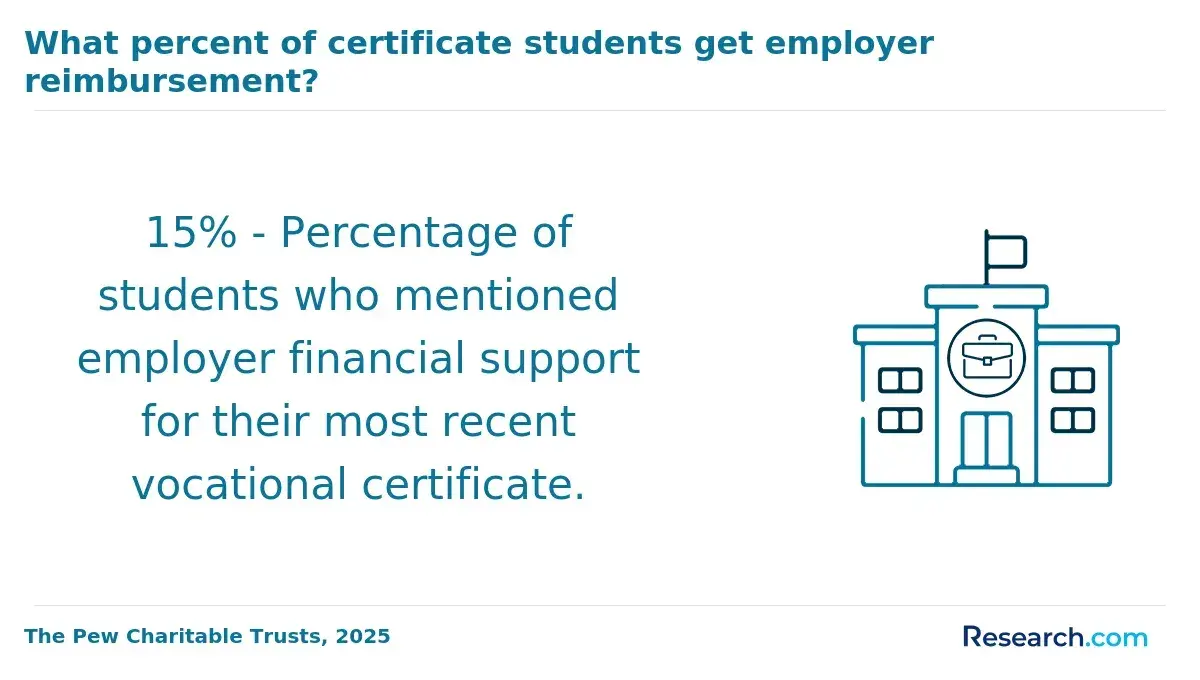
| Employer tuition assistance | Useful for students already working in retail, fashion, logistics, or marketing | Employers may require grade minimums, repayment agreements, or approved majors |
| Military and veteran benefits | Support eligible service members, veterans, and dependents | Confirm benefit certification and online program approval before enrolling |
Students who think they may eventually pursue graduate study should be especially careful with undergraduate borrowing. Comparing future options, including broader affordability guides such as the most affordable online masters, can help you avoid using too much of your borrowing capacity before you know whether graduate school will be necessary for your goals.
When comparing financial aid offers, take these practical steps:
- File the FAFSA as early as possible if you plan to use federal aid.
- Ask each school for a net price estimate based on your transfer credits and enrollment pace.
- Separate gift aid from loans in every award letter.
- Check scholarship renewal rules before assuming the same aid will continue every year.
- Estimate monthly loan payments before accepting the full loan amount offered.
Which Career Outcomes Are Associated With Accredited Online Fashion Merchandising Degree Programs?
Accredited online fashion merchandising programs prepare students for business-side roles in fashion, retail, consumer goods, and digital commerce. Common career targets include assistant buyer, merchandise coordinator, retail planner, allocation analyst, product development assistant, visual merchandising coordinator, e-commerce merchandiser, showroom assistant, wholesale account coordinator, and brand marketing associate.
Career outcomes depend on experience, internships, location, employer type, portfolio quality, and willingness to start in entry-level retail or corporate support roles. BLS May 2024 data reports a median annual wage of $76,950 for market research analysts, a related career area for students who move toward consumer insights and retail analytics. That figure should be used as context, not a starting-salary promise for new fashion merchandising graduates.
| Career direction | How a fashion merchandising degree helps | Skills employers often value |
| Buying and merchandise planning | Builds knowledge of assortments, pricing, trend timing, retail math, and vendor relationships | Excel, sales analysis, negotiation basics, forecasting, product knowledge |
| E-commerce merchandising | Connects product presentation, online customer behavior, inventory, and conversion strategy | Digital merchandising, content management systems, analytics dashboards, SEO basics |
| Product development | Introduces line planning, sourcing, materials, consumer needs, and brand positioning | Trend research, communication with vendors, costing awareness, sustainability literacy |
| Visual merchandising | Develops skills in brand storytelling, presentation, store layout, and customer experience | Visual communication, retail operations, display planning, brand consistency |
| Fashion marketing and consumer insights | Applies market research, consumer behavior, social media, and brand strategy to fashion markets | Data interpretation, campaign planning, audience segmentation, presentation skills |
Current hiring trends favor graduates who can combine fashion sense with data fluency. AI-assisted demand forecasting, product recommendation systems, automated inventory tools, and personalization platforms are changing merchandising work, so students interested in advanced analytics may eventually compare fashion business experience with technology-focused graduate paths such as the best online master's in artificial intelligence.
To improve career outcomes during the degree, students should build a portfolio of applied work rather than relying on the diploma alone. Useful portfolio pieces include trend forecasts, competitive retail audits, merchandise financial plans, product assortment boards, e-commerce product page reviews, and case studies showing how you used data to make a merchandising decision.
How Do Online and Campus-Based Fashion Merchandising Degree Programs Compare?
Online and campus-based fashion merchandising degrees can both be credible if they come from accredited institutions and offer rigorous coursework. The better choice depends on your schedule, location, learning style, access to internships, and need for in-person fashion industry exposure.
The table below compares the practical trade-offs. It can help you decide whether online convenience outweighs the campus advantages of in-person networking, studios, retail labs, and local fashion events.
| Factor | Online fashion merchandising degree | Campus-based fashion merchandising degree |
| Schedule | Often better for working adults, parents, and students outside major fashion markets | Better for students who want a fixed schedule and daily campus routine |
| Networking | Depends on virtual events, faculty access, internships, and student initiative | May offer more spontaneous networking, clubs, guest speakers, and local employer events |
| Hands-on learning | Can use digital projects, remote retail audits, e-commerce analysis, and virtual presentations | May provide physical showrooms, merchandising labs, textile resources, and in-person critiques |
| Cost | Can reduce relocation and commuting costs, but tuition is not always lower | May cost more if housing, transportation, or relocation is required |
| Internship access | Works best when programs allow local, remote, or employer-based internships | May be stronger near fashion, retail, or corporate hubs |
| Learning style | Best for self-directed students who can manage deadlines independently | Best for students who learn through face-to-face discussion and structured campus engagement |
Online fashion merchandising is often a strong fit for students who already work in retail, marketing, logistics, or customer experience and want to move into corporate or brand-side roles. Campus-based study may be better for students who want intensive in-person networking, access to local fashion events, or a highly collaborative studio culture.
One way to evaluate format fit is to compare how different fields handle online learning. For example, clinical fields such as MFT programs often require supervised placements, while fashion merchandising usually relies more on projects, internships, employer engagement, and portfolio evidence. That difference makes fully online study more practical for many fashion business students.
How Should Students Choose the Best Accredited Online Fashion Merchandising Degree Program?
The best accredited online fashion merchandising degree is the one that fits your career target, budget, transfer status, and learning style. A student aiming for buying or planning should prioritize retail math, analytics, and assortment coursework. A student aiming for visual merchandising should look for portfolio projects and brand presentation work. A student targeting e-commerce should prioritize digital merchandising, consumer analytics, and online retail strategy.
Use this decision process to narrow your list without relying only on rankings:
- Define your target role, such as assistant buyer, e-commerce merchandiser, product development assistant, or retail planner.
- Verify institutional accreditation before reviewing tuition or admissions details.
- Compare curriculum maps to make sure required courses match your target role.
- Request transfer-credit evaluations from every finalist school.
- Calculate net price using tuition, fees, remaining credits, and gift aid.
- Review online format, course availability, internship options, and support services.
- Ask for career outcome information, employer examples, internship support details, and portfolio expectations.
- Choose the program with the strongest combination of affordability, completion likelihood, skill development, and career alignment.
Students should also know when not to choose this degree. If you want to design garments rather than manage products, a fashion design degree may be a better fit. If you are mainly interested in counseling, social impact, or direct support work, a people-centered path such as a masters in human services may align better than fashion merchandising. If you want general business flexibility, a marketing, supply chain, or business analytics degree may offer broader options.
Before enrolling, ask admissions counselors direct questions: How many online students complete the program? What fashion-specific projects will I graduate with? Are internships required or optional? Which courses teach retail math and analytics? How many credits will transfer into the major? What is the estimated total cost after aid? Clear answers are a good sign; vague answers are a reason to keep comparing.
Other Things You Should Know About Fashion Merchandising
Usually, a formal design portfolio is not required for business-focused fashion merchandising programs. However, building a portfolio of trend reports, retail audits, buying plans, product boards, and e-commerce analyses can help with internships and entry-level job applications.
It is both, but most merchandising roles lean strongly toward business decisions. Students should expect coursework in consumer behavior, retail math, planning, branding, buying, and market analysis alongside creative trend and product presentation work.
Yes. Major fashion markets can offer more networking and internship opportunities, but e-commerce, regional retailers, corporate buying offices, consumer brands, boutiques, and remote merchandising roles exist in many locations. Location still matters, so students should research employers in their region.
Useful minors include marketing, business analytics, supply chain management, entrepreneurship, sustainability, digital media, communications, and data analytics. The best choice depends on whether you want to work in buying, e-commerce, brand marketing, product development, or retail operations.
References
- Fashion Buying & Merchandising | Fashion Courses | Istituto Marangoni https://www.istitutomarangoni.com/en/fashion-courses/master/fashion-business/fashion-buying-merchandising
- Fashion Merchandiser | Salary & Careers https://theartcareerproject.com/careers/fashion-merchandising/
- Fashion Merchandising Track AFA, Degrees | Programs Near Me | County College of Morris (CCM) https://www.ccm.edu/programs/fashion-merchandising/
- 2025 Most Affordable Online Schools for Fashion Degrees https://www.onlineu.com/most-affordable-colleges/fashion-degrees
- Fashion Merchandising, BBA https://www.limcollege.edu/academics/degrees/fashion-merchandising-bba
- What's the Outlook for Fashion Merchandising Careers | All Art Schools https://www.allartschools.com/fashion-design/fashion-merchandising-career-outlook/
- What to Expect in Your Fashion Merchandising Degree https://www.belmont.edu/stories/articles/2025/fashion-merchandising-degree.html