2027 Should You Choose a BS in Business Administration or HRCI PHR for Your Next Career Step?
Audited and Verified:
Our Editorial and Data Verification Process
Research.com uses government datasets, official education statistics and primary institutional information to support its career and degree guides. Our review process checks factual accuracy, occupational definitions, source dates and the requirements associated with the credentials discussed.
How This Article Was Fact-Checked
Our editorial team verifies salary estimates, employment projections, education requirements and program information against original data providers and official organizations. Salary figures are checked against the relevant occupational definitions and reporting periods. Information about licensure, accreditation and required in-person training is reviewed separately.
Fact-checked and verified on:

Co-Founder and Chief Data Scientist
A BS in Business Administration and HRCI's Professional in Human Resources (PHR) credential can both support an HR career, but they solve different problems. One builds a broad academic foundation; the other validates professional-level HR knowledge after qualifying experience.
If you are entering HR, changing careers, or trying to advance, choosing the wrong sequence could mean paying for education you do not need, or applying for a certification you cannot yet earn. This comparison helps you check eligibility, identify your skill gap, and choose a practical next step.
Key Things You Should Know
- Choose the PHR if you already meet HRCI's professional-level HR experience requirement and want to demonstrate HR-specific knowledge; a degree alone does not make you eligible.
- Choose a BS in Business Administration if you need a bachelor's degree or broader preparation for HR and other business roles, but do not expect it to substitute for HR experience.
- For the PHR, HRCI pairs a master's degree or higher with 1 year of qualifying HR experience, a bachelor's degree with 2 years, or no qualifying degree with 4 years.
Should you choose a BS in Business Administration or HRCI PHR certification?
Start with your target job and your current qualifications. If you already work in professional-level HR and meet HRCI's eligibility rules, the PHR is the more direct way to document HR knowledge.
If job postings you want require a bachelor's degree and you do not have one, a BS in Business Administration may remove a broader hiring barrier while developing skills useful beyond HR.
For a career changer without qualifying HR experience, the PHR is usually not an immediate option. Look for HR coordinator or assistant work, relevant assignments in your current job, or employer training while assessing whether a bachelor's degree is necessary for your target roles.
If you already hold a bachelor's degree in another field, check job requirements before pursuing a second one; HR experience and targeted coursework may serve you better. Understanding human resources degree levels can help you distinguish undergraduate study from other academic options.
The pathways can also be sequential rather than competing: earn a degree if you need it, build qualifying HR experience, then consider the PHR when its content matches your responsibilities. Neither credential independently qualifies you for a promotion or management position.
What is the difference between a business administration degree and the PHR certification?
A BS in Business Administration is an undergraduate academic degree awarded by a college. The PHR is a professional certification awarded by HRCI to eligible candidates who pass its exam. This comparison shows why similar-looking credentials may answer different employer requirements:
| Decision factor | BS in Business Administration | HRCI PHR |
| Primary purpose | Broad business education, sometimes with HR electives or a formal concentration | Validation of professional-level HR knowledge, including a U.S. employment-law emphasis |
| What you earn | A bachelor's degree | A professional certification, not college credit or a degree |
| Experience needed to begin | Generally not professional HR experience; school admission rules apply | Qualifying professional-level HR experience before certification eligibility |
| Best fit | People needing a degree or flexibility across business functions | Eligible HR practitioners seeking a function-specific credential |
A business degree with HR coursework is not a PHR, and PHR certification does not satisfy a bachelor's-degree requirement. If your goal is project work rather than HR practice, a specialized route may be more relevant; explore economical project management degree programs only after comparing their curricula with the jobs you want.
What are the education and experience requirements for the HRCI PHR?
HRCI offers three PHR eligibility routes: at least 1 year of professional-level HR experience with a master's degree or higher, at least 2 years with a bachelor's degree, or at least 4 years without a qualifying degree. The degree does not have to be in HR or business.
HRCI determines whether an applicant's work meets its professional-level HR standard; a job title, years in an office, or routine administrative duties alone do not establish eligibility.
Before paying an application fee, compare your actual responsibilities and dates of employment with HRCI's current eligibility guidance. Document work such as applying HR policies, handling employee-relations matters, administering HR programs, or advising on HR decisions, as applicable to your role. Ask HRCI about ambiguous experience rather than assuming that an HR-adjacent position qualifies.
If you lack a bachelor's degree but plan to earn one, ask whether previous college credits could shorten a degree pathway. Resources on how to finish an HR bachelor's using previous college credits offer a related option, but only the receiving school can say which credits satisfy its requirements.
A typical BS in Business Administration covers accounting, finance, economics, marketing, operations, management, business law, communication, and quantitative decision-making. That breadth can help an aspiring HR practitioner understand budgets, organizational goals, and the operational consequences of staffing decisions.
An HR concentration, where offered, may add coursework in employee relations, staffing, compensation, or HR strategy; check the official catalog because an elective is not necessarily a formal concentration.
Coursework is not the same as professional-level HR practice. If your goal is recruiting or employee relations, look for supervised projects, internships, or relevant work that lets you apply HR concepts and produce evidence of your skills.
If you are more interested in procurement or logistics than HR, shorter supply chain degrees and career value may be a more useful comparison than adding HR electives to a general business program.
A bachelor's degree typically requires substantially more coursework than PHR exam preparation. A student entering without college credit may spend several academic years completing a BS; transferred credits, course sequencing, enrollment intensity, and residency rules change the remaining timeline.
The PHR has a shorter study-and-exam pathway once you are eligible, but its required HR experience can make it the longer route for someone just entering the field.
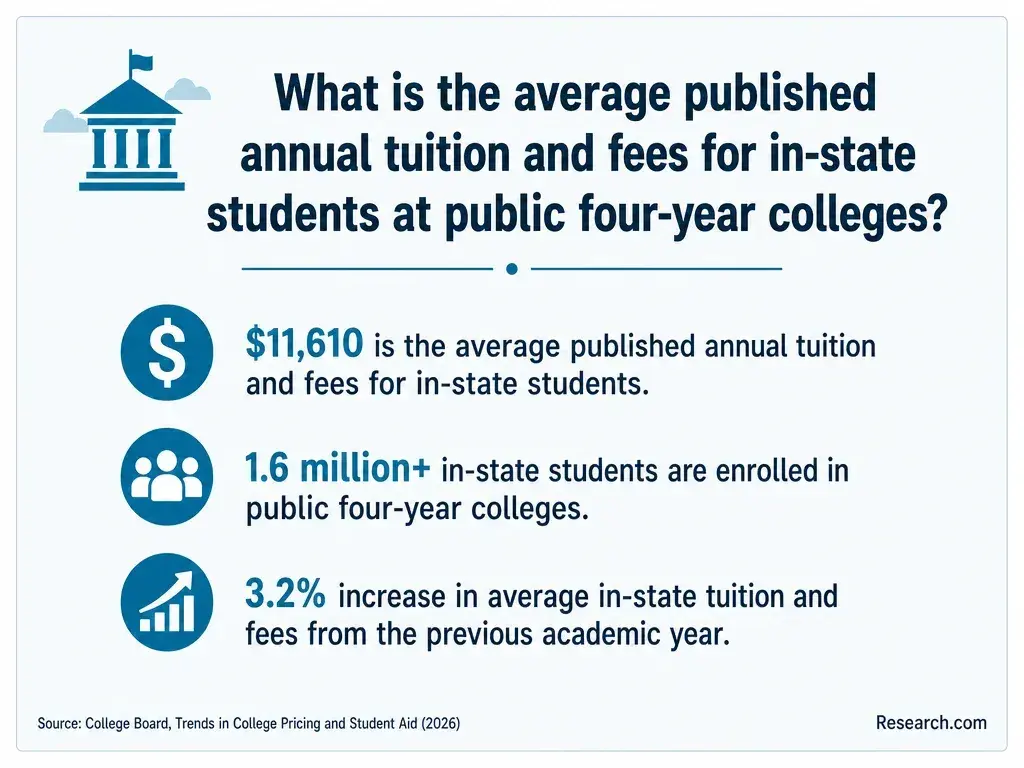
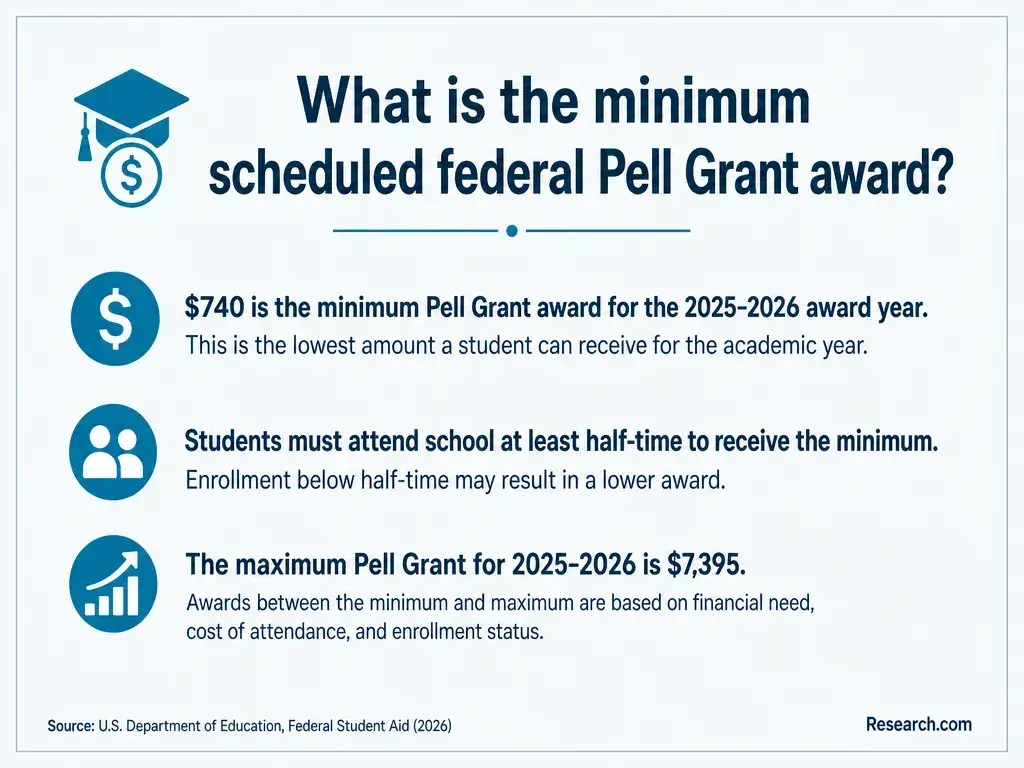
For a fair cost comparison, request a school-specific estimate of remaining tuition, mandatory fees, books, and any travel or technology costs. Add foregone work hours if your schedule must change. For the PHR, check HRCI's current application and exam charges, preparation costs, possible retake expenses, and ongoing recertification obligations.
Do not compare one exam fee with the sticker price of an entire degree if you already have transferable credits or employer assistance. Business administration online programs with competitive tuition can be a starting point for comparison, not a substitute for an individual degree audit and written cost estimate.
Neither format is inherently better for preparing for HR work. An online BS may make enrollment possible alongside a job, while a campus program may provide easier access to local employers, in-person collaboration, and recruiting events.
Judge each program by the actual courses, faculty support, career services, and opportunities to apply HR knowledge - not delivery mode alone.
Online does not necessarily mean self-paced. Ask about live sessions, group projects, proctored exams, internship requirements, and how often required courses run.
A campus student should similarly check commuting time and whether needed classes fit a work schedule. A US online business college selection guide can help you form a shortlist; confirm each shortlisted program's current policies directly with the school.
Requirements vary by institution and by whether you are applying as a first-year, transfer, or returning student. Schools commonly request prior academic transcripts; some business majors also have separate entry standards or require introductory quantitative and business courses. Admission to the college does not necessarily mean admission to its business major.
If you have previous college work, request an official evaluation showing credits accepted and credits applied to general education, the business core, any HR concentration, and graduation requirements.
Ask an adviser about prerequisite sequencing and residency credits before relying on an advertised completion time.
For a closer look at possible preparation requirements, see business administration admissions coursework and credit requirements; your prospective school's current catalog and evaluation control your application.
A business administration graduate may pursue entry-level roles such as HR coordinator, recruiting coordinator, operations coordinator, or administrative specialist, depending on experience and the employer's requirements.
A PHR holder typically brings prior HR experience and may pursue HR specialist, generalist, or other roles matching that experience. The certification does not itself make someone an HR manager.
Compare job postings by responsibilities, not titles. An HR specialist role might require policy interpretation, employee support, HR systems work, or recruiting experience; a general business degree may supply context but not proof that you have performed those tasks.
If the postings you prefer are broader business roles, compare shorter business administration college programs while checking whether their graduates actually earn the bachelor's degree those employers request.
The U.S. Bureau of Labor Statistics reports a May 2025 median annual wage of $75,940 for human resources specialists and projects 6% employment growth for that occupation from 2025 to 2035.
Those figures describe the occupation as a whole, not the starting pay of a new business graduate, the earnings of PHR holders, or the additional value of certification. Location, industry, duties, and experience can matter more to an individual offer.
Use postings for your target location to compare required degrees, HR experience, and preferred certifications against offered pay. If the work you want is primarily project management rather than HR, investigate that occupation separately and financial aid packages for online project management bachelor's students before assuming either a business degree or the PHR has the best financial return.
How can you choose an accredited business program and reputable HR certification?
For a BS, verify the institution's accreditation with the accreditor and confirm that it applies to the school and location or delivery arrangement you would use.
If a school advertises AACSB, ACBSP, or IACBE business accreditation, check the accreditor's stated scope rather than assuming every degree or concentration is covered. Then review the catalog, total remaining requirements, course availability, and support for relevant HR experience.
For the PHR, use HRCI's own eligibility, exam-content, fee, and recertification information. A preparatory course is not the certifying body, and its completion does not award the PHR.
If you are comparing specialized degrees as alternatives, use the same cost questions for each program; guidance to compare aid and tuition at online project management schools illustrates why the lowest advertised tuition is not necessarily the lowest completion cost. Your final choice should match a verified qualification requirement in the jobs you want.
Other Things You Should Know About Business Administration
HRCI's aPHR is designed for people beginning an HR career and does not require professional-level HR experience. Check its current exam content and eligibility rules before applying.
No. HRCI and SHRM award separate credentials with different eligibility rules, exams, and renewal requirements. Check which, if either, appears in postings for your target roles.
Yes. HRCI requires credential holders to meet its current recertification rules to keep the designation active. Check the applicable cycle and options when budgeting for certification.
No. HR knowledge can help you recognize compliance issues, but certification is not a license to practice law. Refer legal questions to qualified counsel.
- How to Become a Human Resources Manager: Steps and Skills | Touro University Worldwide https://www.tuw.edu/business/how-to-become-a-human-resources-manager/
- What Can You Do With a Business Administration Degree? | snhu.edu https://www.snhu.edu/about-us/newsroom/business/what-can-you-do-with-a-business-administration-degree
- Entry-Level Jobs With a Business Administration Degree | Warner Pacific University http://www.warnerpacific.edu/blog/top-entry-level-jobs-ba-business-administration/
- PHR vs. SHRM-CP vs. Specialized HR Certifications | hrtrainingcenter.com https://hrtrainingcenter.com/blog/phr-vs-shrm-cp-vs-specialized-hr-certifications-biid1001880
- How Much Does PHR Certification Cost? | superprof.com https://www.superprof.com/blog/phr-certification-cost/
- How Much Does a Business Administration Degree Cost? | sofi.com https://www.sofi.com/cost-of-business-administration-degree/
- What Is PHR Certification? | Coursera https://www.coursera.org/articles/phr-certification
- How to Get PHR Certified: Eligibility, Exam & Cost | Catapult HR https://letscatapult.org/blog/how-to-get-phr-certified/