2027 Statistics Degree Program Availability Report: Which States and Schools Offer the Most Options

Co-Founder and Chief Data Scientist
The uneven availability of statistics degree programs reflects varied state-level investments in data literacy and workforce development. States with robust tech and healthcare sectors show concentrated offerings, aligning educational capacity with labor demand shifts that the U. S. Bureau of Labor Statistics projected to grow 33% in data-related occupations from 2022 to 2032. Meanwhile, regions with limited academic diversity risk constraining local talent pipelines, influencing employers' access to qualified candidates. Differences in institutional priorities and funding also shape program breadth, affecting student choices and career trajectories. This report examines which states and schools provide the widest range of statistics degree options and considers what these patterns imply about educational access and workforce alignment within the field.
Key Benefits of States and Schools That Offer the Most Statistics Degree Program Options
- Greater program variety often means tailored specialization but can complicate credit transferability, increasing time to degree completion and potentially higher cumulative costs for students shifting programs.
- Employers increasingly value graduates from diverse statistics programs for adaptable skills; however, inconsistent curricula may require supplemental training, impacting initial workforce readiness.
- States with numerous offerings reflect regional investment in data analytics industries, signaling evolving labor market demands that guide students toward locally relevant career pathways.
- Key Benefits of States and Schools That Offer the Most Statistics Degree Program Options Key Benefits
- Which States Offer the Most Statistics Degree Programs? Top States
- Why Do Some States Have More Statistics Programs Than Others? Program Availability
- Which Colleges Offer the Largest Number of Statistics Degree Options? Top Schools
- How Do Online Programs Improve Access in States With Limited Options? Online Program Access
- How Much Does Statistics Program Tuition Vary by State? Tuition Across States
- How Does Statistics Program Demand Affect Admissions Decisions? Program Demand
- How Do Statistics Specialization Options Vary by Region? Specialization Options
- How Does Regional Employer Demand Affect Career Outcomes? Employer Demand
- What Factors Matter Most When Comparing Statistics Programs Across States? Key Comparison Factors
- Which Regions May See the Fastest Growth in Statistics Education? Fastest Growing Region
Which States Offer the Most Statistics Degree Programs?
Availability of statistics degree programs across the U.S. is closely tied to states with large, diverse higher education infrastructures and established STEM-focused economies. These environments foster a concentration of options that align curricula with local industry needs, creating more specialized pathways for students. Accessibility to a broad spectrum of institutions, from research-intensive universities to applied science schools, often reflects the depth of regional demand for quantitative skills. In this context, analyzing the top U.S. states for statistics degree availability reveals structural influences shaping where programs concentrate.
- California: As home to the expansive University of California system and numerous private research universities, California offers some of the most varied statistics programs. The state's tech industry, healthcare innovation centers, and financial institutions drive sustained demand for applied statistics and biostatistics expertise. This allows students flexible entry points and specialization options aligned with regional economic sectors, enhancing career alignment and practical training opportunities.
- New York: Combining prestigious Ivy League institutions with large public universities, New York houses a rich statistics program ecosystem supported by Wall Street's demand for financial analytics and New York City's diverse tech and pharmaceutical sectors. The high concentration of employers requiring data proficiency provides students with robust internship and job placement possibilities, incentivizing universities to develop differentiated statistics offerings across multiple campuses.
- Texas: Texas's expanding economy, focused on energy, healthcare, and IT, has encouraged its flagship institutions-like the University of Texas system and Texas A&M-to embed practical analytics and computational modules within their statistics curricula. The state's growth in applied statistics programs often integrates business analytics, increasing graduate employability in a competitive job market where industry-driven program design is a priority.
Midwestern states with strong flagship research universities-such as Illinois and Michigan-offer more concentrated statistics programs, typically emphasizing research depth over breadth. This contrasts with populous states hosting numerous institutions providing wider academic choices. According to data from the National Center for Education Statistics in 2024, states with the largest populations and diverse economies consistently report the highest number of statistics degrees awarded annually.
This geographic distribution matters for prospective students assessing program access and regional workforce alignment. Those targeting broad academic variety and industry-specific specialization may prioritize enrollment in states like California or New York. Conversely, candidates seeking intensive, research-focused programs might consider states with fewer but highly specialized offerings. For individuals exploring shorter pathways, an accelerated associate degree option might supplement advanced degree opportunities, particularly in competitive labor markets prioritizing practical skills.
Why Do Some States Have More Statistics Programs Than Others?
States with the highest number of statistics degree programs typically have more extensive higher education infrastructures and stronger regional demand for graduates skilled in data analysis and interpretation. Differences in population density and the scale of public and private universities influence the breadth and specialization of academic offerings.
In states with large urban centers and multiple research universities, statistics programs often expand to meet diverse academic and workforce needs, reflecting a strategic alignment with local labor markets. This geographic stratification in program availability highlights how institutional capacity and regional economic factors intersect to shape educational landscapes.
Key drivers behind variation in the availability of statistics programs include state funding priorities, university research capacity, and the presence of industry clusters requiring quantitative expertise. States that allocate substantial public resources to higher education, particularly for research-intensive universities, enable program development that integrates statistics with fields such as computer science, economics, and biostatistics.
Additionally, employer demand for statistics skills in sectors like technology, finance, healthcare, and government strongly correlates with program growth; for example, U.S. Bureau of Labor Statistics data for 2024 shows high employment levels for statisticians in California and Massachusetts aligning with their robust program offerings. The clustering of industries dependent on data interpretation also incentivizes universities to tailor curricula to meet these local workforce needs.
These disparities in program availability affect student access and drive a growing reliance on online and hybrid offerings to bridge gaps in less populated or economically constrained states. While such digital expansion improves access, it cannot fully replicate the research resources and interdisciplinary opportunities found in states with established institutions.
Consequently, regional workforce development may suffer where statistics education is limited, influencing where students choose to train based on practical career implications. For students comparing options, awareness of these structural and economic patterns is critical in targeting states that provide both academic variety and alignment with long-term employment prospects, including fields connected to affordable cybersecurity programs reflecting broader STEM education trends.
Which Colleges Offer the Largest Number of Statistics Degree Options?
The range of statistics degree options available at a college is more strongly influenced by its overall scale and academic infrastructure than by its geographic location alone. Larger and more research-intensive institutions tend to deliver a broader spectrum of specialized pathways, concentrations, and degree formats, enabling students to tailor their education to niche areas or emerging fields. This is often supported by robust funding, dedicated faculty, and close ties to industry, which collectively foster program diversification and curricular innovation.
- R1 Doctoral Research Universities: These institutions maintain extensive graduate and undergraduate programs in statistics and related quantitative disciplines. Their capacity to offer multiple specialized degrees-such as biostatistics, actuarial science, and data science with statistical emphases-derives from substantial research funding and interdisciplinary collaboration. For example, universities in the Big Ten research consortium regularly expand offerings through partnerships with medical schools or business departments, responding to evolving employer demands.
- Large Public University Systems: Systems like those in California and Texas host numerous campuses with dedicated statistics departments, often providing diverse degree tracks within a single system. This scale allows them to deliver both traditional and emerging curricula alongside certificate programs, accelerated pathways, and online options. Such institutions leverage economies of scale to integrate applied internships and co-op placements that enhance workforce readiness.
- Private Research Universities with Professional Schools: Private institutions that combine significant research activity with professional schools in health, finance, or engineering frequently develop versatile statistics programs. Their capacity to customize curricula for industry sectors, for instance through tailored biostatistics degrees aligned with healthcare systems, supports both academic depth and professional relevance in response to labor market trends.
- Technical Institutes and Specialized STEM Colleges: Some technical schools emphasize applied statistics within broader STEM or analytics frameworks. While they may not offer the same breadth as large research universities, these colleges often provide targeted programs designed for immediate employability in sectors like technology or manufacturing analytics, capitalizing on focused faculty expertise and industry partnerships.
According to 2024 data from major educational analyses, universities embedded in strong research ecosystems are significantly more likely to present multiple degree options in statistics, correlating with increased internship opportunities and faculty-led projects. This institutional advantage not only broadens academic choice but also positions graduates more competitively in data-driven job markets.
How Do Online Programs Improve Access in States With Limited Options?
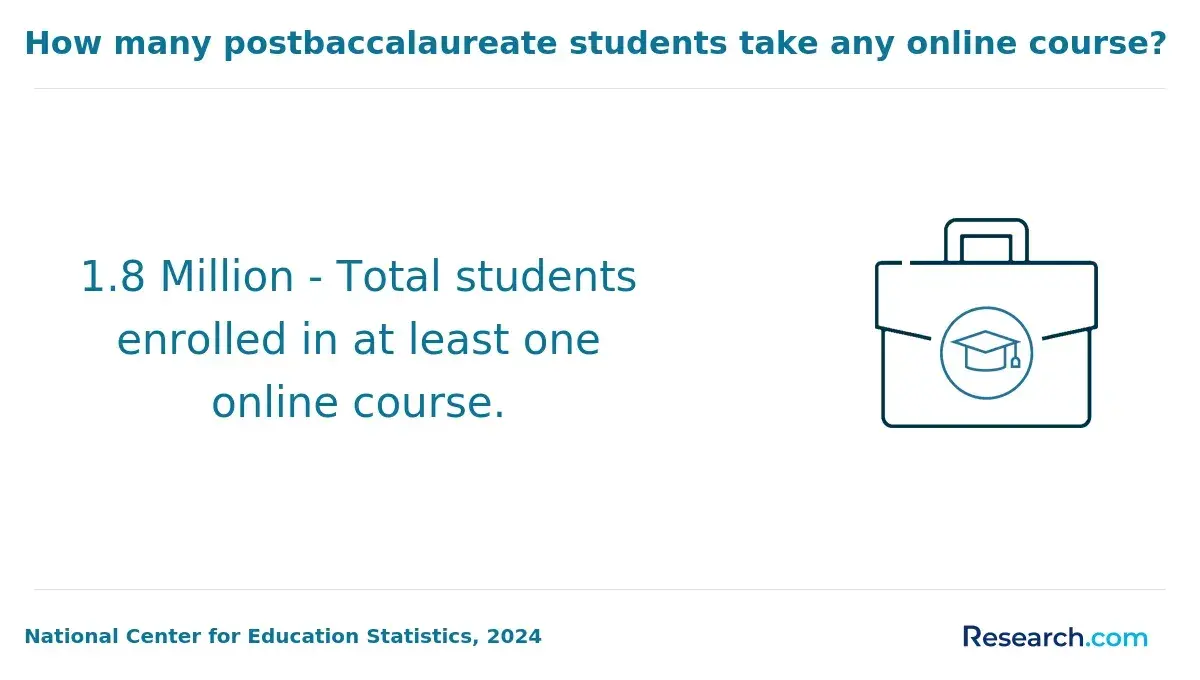
In states where physical access to statistics degree programs is scarce, online delivery has significantly expanded educational reach by decoupling enrollment from geographic constraints. According to a 2024 report by the National Center for Education Statistics, about 35% of undergraduate students in statistics programs combine or fully engage in online coursework, reflecting a marked shift especially apparent in states like Wyoming and Alaska, where campus-based options are limited to fewer than five institutions. This expansion enables students who might otherwise forgo education or relocate to participate in accredited programs remotely. The result is a redistribution of enrollment patterns, with many learners tapping institutions outside their home states, effectively broadening the pool of available academic resources without the traditional spatial barriers.
The core mechanisms facilitating this shift include asynchronous course formats that accommodate varied schedules, enabling working professionals and part-time learners to continue education without geographic disruption. Cross-state enrollment policies and scalable online infrastructures allow universities to extend their reach beyond localized campuses, reducing reliance on scarce in-state options and local institutional capacity. These digital frameworks collectively transform recruitment and retention models, allowing program offerings to adapt fluidly to fluctuating regional demand. Consequently, this model also intensifies competition among institutions, prompting innovations in curriculum design and student engagement to attract a geographically dispersed applicant pool.
This transformation affects regional workforce dynamics by enhancing equitable access to skill development in statistics, particularly in rural or underserved areas where physical program scarcity previously limited pipeline growth. Online program expansion supports not only student mobility but also the redistribution of analytical talent across regions, influencing hiring patterns and economic development initiatives tied to data-driven sectors. As institutions leverage digital platforms to serve wider markets, state-level educational ecosystems increasingly intersect, challenging traditional territorial boundaries and encouraging collaborative strategies that respond to evolving workforce needs.
One recent statistics graduate recalled a convoluted admissions experience that underscored online access advantages. Applying to a program with rolling admissions, the student faced weeks of uncertainty awaiting confirmation amidst concurrent application deadlines for in-person options in neighboring states. The flexibility of an online program outside their state provided a critical fallback, allowing them to adjust plans without forfeiting momentum. This cushion proved pivotal when delayed communications from one campus forced a last-minute pivot, highlighting how digital formats mitigate timing risks in admissions processes for students balancing complex personal and professional circumstances.
How Much Does Statistics Program Tuition Vary by State?
Tuition variation for statistics degree programs across U.S. states reflects fundamental differences in state higher education funding, institutional types, and residency-based pricing policies rather than arbitrary cost setting. Public universities rely heavily on state appropriations, which subsidize in-state tuition to make education more accessible to local residents, while out-of-state students face substantially higher rates. Private institutions set tuition independently of residency, resulting in relatively stable but significantly higher fees. These structural distinctions emphasize how public system funding models and regional economic factors directly shape the affordability landscape for prospective students researching statistics program tuition variation by state.
Current tuition data reveal these patterns clearly: in-state public tuition for undergraduate statistics degrees often falls between $5,000 and $15,000 annually in states with extensive public university systems like California and Texas. Out-of-state tuition across nearly all public institutions can double or triple these amounts, regularly exceeding $30,000 per year. Private statistics programs typically cost upwards of $40,000, with some institutions charging $60,000 or more depending on their selectivity and resources. These figures, drawn from sources such as the National Center for Education Statistics and state university reports, highlight how tuition is embedded within institutional funding frameworks and regional cost structures. For students comparing cost differences for statistics degree programs across US states, understanding these ranges helps clarify the practical impact of fund allocation and residency status on total program expenses, which also factor into broader educational choices such as considering options like PsyD online.
Such tuition disparities influence student mobility and program selection decisions by constraining access based on affordability and perceived value. States with higher tuition often operate under different economic pressures, such as elevated operational costs or smaller educational budgets, affecting the diversity and specialization of available statistics offerings. Conversely, larger public systems may provide a wider array of interdisciplinary statistics programs aligned with workforce demands, balancing cost against program breadth. Recognizing these funding-driven tuition variations is essential for education researchers and prospective students aiming to align academic rigor, practical training opportunities, and regional employment prospects within their long-term career planning.
How Does Statistics Program Demand Affect Admissions Decisions?
Growth in demand for statistics programs intensifies competition, pushing admissions committees to raise selectivity and refine enrollment standards. As application numbers swell, programs must balance the quantity and quality of admitted students, which often means elevating academic thresholds and emphasizing practical competencies in math, coding, and applied data analysis. This shift reflects a broader response to the need for graduates who can meet evolving employer expectations, narrowing acceptance rates especially at institutions with established reputations or limited capacity.
Constraints such as faculty availability, classroom resources, and accreditation standards inherently limit program capacity, necessitating more deliberate candidate screening aligned with labor market trends. Programs located near major tech hubs or research centers often face heightened pressure, adopting holistic admissions that assess interdisciplinary skills and real-world experience beyond test scores. These capacity and demand factors drive a dynamic admissions environment where not only academic metrics but also applied proficiencies and strategic fit influence acceptance decisions.
The rising selectivity affects how prospective students prepare and engage with the admissions process, increasing the importance of early planning and targeted skill development. It can boost a program's prestige while simultaneously narrowing access, highlighting a nuanced tradeoff between maintaining quality and expanding opportunity. This evolving landscape demands applicants anticipate delays and uncertainty in decision timelines, as well as carefully consider how their backgrounds align with practical, workforce-oriented criteria.
Reflecting on these dynamics, a recent statistics graduate recalled navigating a rolling admissions cycle during a peak application year. Despite strong academic credentials, the applicant hesitated to commit early, weighing options amid delayed responses and growing competition. Ultimately, the timing of their acceptances and perceived fit with practical skills expectations shaped a cautious yet strategic decision-making process, underscoring how demand-induced selectivity can complicate admissions beyond mere numbers.
How Do Statistics Specialization Options Vary by Region?
Regional economic priorities and industry clusters heavily influence the specialization options available within statistics degree programs. Areas with strong technology and financial sectors, such as California and New York, typically offer applied statistics tracks that integrate data science, computational methods, and biostatistics. These specializations reflect employer demand for advanced analytics and machine learning skills that directly support innovation in tech, finance, and healthcare industries. Conversely, regions with economies rooted in agriculture, public health, or environmental sciences prioritize foundational and sector-specific statistics, tailoring curricula to meet local workforce needs and research agendas.
Variations in specialization also stem from the research focus and external partnerships cultivated by universities within each region. Institutions situated in metropolitan hubs benefit from collaborations with industry leaders that shape curricula to emphasize cutting-edge quantitative techniques and practical applications. Meanwhile, universities in the Midwest and South often align programs with regional economic activities such as agricultural statistics, epidemiology, and survey research, responding to steady employer demand in these sectors. Data from the 2024 National Center for Education Statistics illustrates this disparity with northeastern and western states hosting notably more institutions (over 30 each) offering diverse statistics tracks compared to states with fewer specialized options, reflecting investment levels and market scale differences.
These regional differences carry strategic implications for students, especially regarding career trajectory and geographic mobility. Programs concentrated in certain specializations often signal skill sets attuned to nearby labor markets, influencing employability and professional networks. Students opting for broader specialization options in large research universities may face higher tuition and competitive admission but gain access to wider career pathways. In contrast, focused programs in less densely populated areas can provide depth in niche but locally relevant fields, potentially offering more straightforward entry into regional job markets. Understanding these distinctions is critical for aligning educational choices with long-term workforce realities and regional economic landscapes.
How Does Regional Employer Demand Affect Career Outcomes?
Regional employer demand for statistics graduates critically shapes the availability of entry-level roles and initial career opportunities within local job markets. Areas with concentrated industries like finance, technology, healthcare, and government exhibit stronger hiring activity, which translates to faster employment outcomes and more relevant positions aligned with specialized skills. This dynamic means graduates in regions lacking robust data science or analytics ecosystems often face limited openings, compelling them to consider relocation or roles outside their preferred specialization. The impact of state job markets on statistics careers therefore extends beyond mere job counts to influence the speed and alignment of employment prospects directly.
The underlying factors driving these geographic disparities include the density of industry clusters and active collaboration between employers and academic institutions. Universities embedded in economically vibrant regions tend to cultivate partnerships that provide students with internships and job placements, effectively creating localized talent pipelines. Wage competition also varies regionally; for example, metropolitan hubs with strong data-centric economies typically offer up to 30% higher median salaries for statisticians than less industrialized areas, as reported by the U.S. Bureau of Labor Statistics. Specialized hiring ecosystems further heighten demand for graduates adept in emerging fields like biostatistics and machine learning, reinforcing the advantages of proximity to these regions.
Broader implications of these regional demand patterns include strategic geographic mobility decisions by graduates and the evolving role of remote work in partially offsetting location constraints. Still, the concentration of employers and ongoing professional development opportunities in high-demand states significantly shape long-term career trajectories, often making initial location a critical consideration. For students weighing program options, factoring in regional economic landscapes alongside curriculum strength is essential to maximizing the practical value of their statistics training. This consideration echoes parallels seen in related fields, where understanding earnings potential-such as the speech language pathologist salary variations-is central to informed decision-making.
What Factors Matter Most When Comparing Statistics Programs Across States?
Comparing statistics degree program availability by state demands evaluating more than mere access to programs; critical differences in tuition rates, specialization opportunities, faculty research activity, and employer landscapes shape educational and career outcomes significantly. Students must carefully weigh how state-level factors affect both the affordability and relevance of their chosen program, especially as workforce demands grow in fields like biostatistics and data science. Variations in academic infrastructure and industry ties also influence long-term value.
- Faculty expertise and research activity: States with universities investing heavily in statistics-related research tend to home faculty engaged in applied and theoretical advancements, enriching students' educational experiences. According to the 2024 National Science Foundation report, institutions among the top 50 in research expenditure provide stronger academic pathways, which in turn facilitate better networking and post-graduate opportunities.
- Program flexibility and specialization options: Programs offering diverse concentrations-such as biostatistics, actuarial science, or data science-enable students to align with evolving industry needs. The Bureau of Labor Statistics highlights rapid growth in specialized statistics roles requiring adaptable skills, so states with broader curricular choices support workforce relevance more effectively.
- Graduate outcomes and employer connections: States hosting dense statistics employer networks and universities with strong industry ties often yield higher employment rates and competitive median starting salaries. These regional opportunities underscore the importance of reviewing placement records and collaborative programs that can enhance job market integration.
- Cost and financial aid availability: Tuition rates vary widely across states and institutions, affecting return on investment. Careful consideration of sticker price alongside aid accessibility is essential, particularly since the overall economic burden directly impacts educational accessibility and long-term earning potential.
- Educational infrastructure and resources: Availability of laboratories, computational facilities, and hands-on training environments differs by state, influencing the depth of practical skills imparted. These resources are key for programs emphasizing applied statistics and data analysis competencies necessary for today's job market.
For students seeking efficient credentialing options, evaluating not only program attributes but also tuition structures is vital. For instance, comparing short Spanish degrees online exemplifies how cost-effective, specialized online pathways can dramatically differ by state and institution, a comparison framework applicable to statistics degree program availability by state as well.
Which Regions May See the Fastest Growth in Statistics Education?
Growth in statistics education is primarily concentrated in U.S. regions where employer demand, population trends, and higher education investments align closely. Expansion of degree programs typically correlates with broader economic development, labor market needs, and university capacity enhancements. Understanding these structural factors helps clarify why some areas are more likely to offer new or expanded statistics curricula and specialization opportunities.
- Southeast: This region leads in projected growth, driven by expanding tech sectors, pharmaceuticals, and research institutions in states such as Georgia and North Carolina. The Southeast benefits from strong university system investments and robust employer demand for applied statistics expertise, particularly in healthcare analytics and biotechnology. These forces are fueling a 15% increase in public university programs from 2020 to 2024, suggesting widening choices and evolving interdisciplinary tracks for students.
- Mountain West: States like Colorado and Utah are experiencing growth due to vibrant startup ecosystems and data-focused industries. Public institutions here are expanding both undergraduate and graduate pathways in statistics to meet local workforce needs. This regional dynamic supports specialized program development aligned with tech-driven decision-making and analytics roles.
- Midwest: Although growth is more moderate, established industries and public universities are adapting curricula to incorporate data analytics, particularly in manufacturing and agribusiness hubs. Workforce demand for biostatistics and applied statistics remains steady, fostering incremental program diversification.
- Northeast: This region has a dense concentration of long-established statistics programs that emphasize theory and research. While expansion is slower, high employer expectations and academic prestige sustain student enrollment, particularly in urban centers with access to internships and collaborations.
- Southwest: Growth here is emerging alongside demographic shifts and increasing investment in higher education infrastructure. Expanding sectors like healthcare and information technology contribute to rising demand for graduates with data analytics training, though program availability varies widely across states.
References:
- Online learning programs increase student access, engagement https://www.eschoolnews.com/digital-learning/2024/10/14/student-success-online-learning-programs/
- Top 10 Best Universities for a Statistics Degree in Europe (2026) | Study.eu https://www.study.eu/article/top-10-best-universities-for-a-statistics-degree-in-europe
- Online Education Statistics UK | E-Learning Data 2022 | Oxford College https://www.oxfordcollege.ac/news/online-education-statistics/
- Educational Attainment Thematic Report 2024 https://www.cso.ie/en/releasesandpublications/ep/p-eda/educationalattainmentthematicreport2024/keyfindings/
- INITIAL ATTITUDES TOWARD STATISTICS ARE BETTER IN TRADITIONAL COMPARED TO ONLINE COURSES, AT LEAST UNTIL COVID-19 https://iase-pub.org/ojs/SERJ/article/view/90
- EDUCATION CONNECTION Get Matched for FREE! https://www.educationconnection.com/
- Industry Outcomes 2025: What the Data Says About Graduate Employabilit https://iei.asiacareersgroup.com/blogs/articles/industry-outcomes-2025-what-the-data-says-about-graduate-employability
- Get the acute care testing handbook https://acutecaretesting.org/en/articles/statistical-analysis-in-method-comparison-studies-part-one
- How do college graduates benefit society at large? - APLU https://www.aplu.org/our-work/4-policy-and-advocacy/publicuvalues/societal-benefits/
- Specialisations https://www.stat.de/specializations
Other Things You Should Know About Statistics
Larger programs in states with abundant options often provide access to a broader range of faculty expertise, which can enrich the curriculum and expose students to diverse methodologies and applied fields. However, bigger programs may also mean larger class sizes and less individual mentorship, which can affect student engagement and networking opportunities. Prospective students should weigh the value of specialized faculty presence against the potential for less personalized instruction when choosing among numerous programs.
Schools offering numerous options typically feature a wide array of electives and concentrations, allowing students to tailor their studies. However, this flexibility often comes with heavier workload demands due to the depth and breadth of courses available. Students focused on timely graduation or balancing work and study might prioritize programs with streamlined, clearly defined paths over those with sprawling choices that require more careful planning and potentially longer completion times.
Employers in data-driven industries tend to value the reputation and rigor of statistics programs more than sheer quantity of offerings. States with many programs might include schools with varying levels of competitiveness and alumni network strength, which can influence hiring preference. To maximize employability, students should prioritize programs known for strong industry connections and demonstrated graduate success rather than opting solely based on the number of available degrees.
When deciding between states, prospective statistics students should consider factors such as faculty expertise, program quality, tuition costs, location, and career prospects. States with more programs might offer diverse options, but analyzing the educational quality and specific career opportunities is crucial for making a well-informed decision.