2027 Statistics Tuition Inflation Report: How Fast Are Program Costs Rising?

Co-Founder and Chief Data Scientist
Rising tuition in statistics programs reflects unique structural and operational demands rather than general higher-education inflation. Increased employer emphasis on advanced data analytics skills requires programs to invest substantially in technology infrastructure and specialized faculty. These costs coincide with heightened accreditation standards that mandate integrating complex software and real-world datasets into curricula.
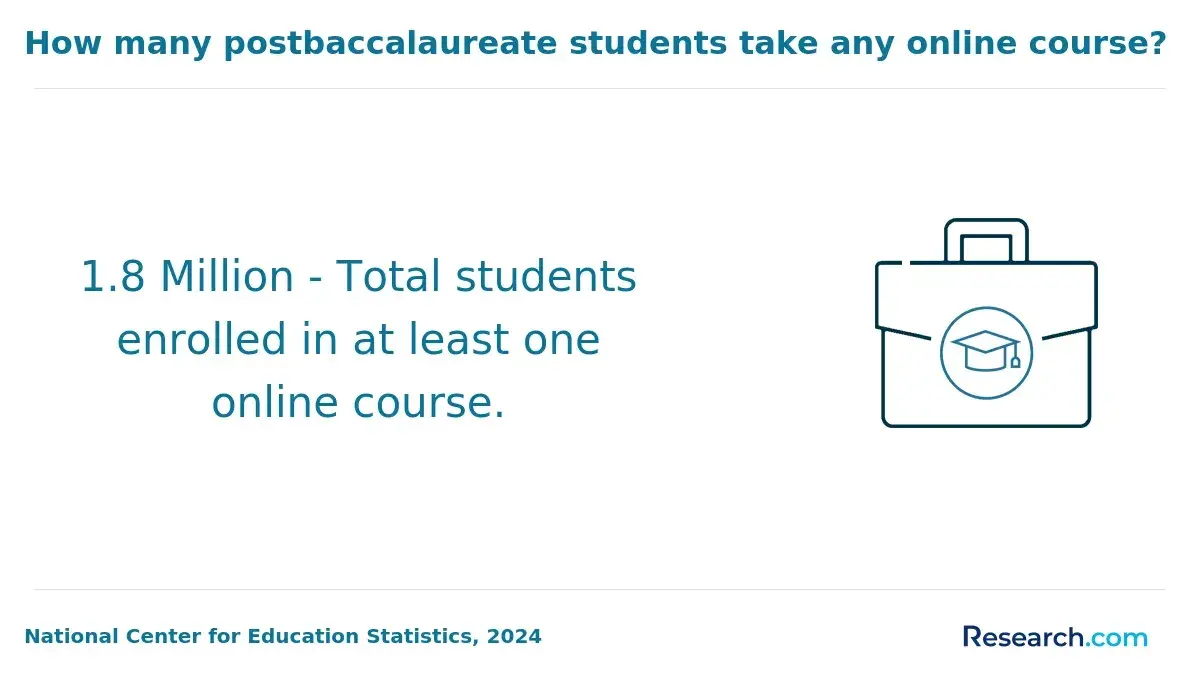
Additionally, the growth in interdisciplinary applications has expanded resource needs, pushing lab and computational expenses higher. Recent 2024 data from the National Center for Education Statistics shows enrollment shifts toward mid-career students, highlighting growing demand for upskilling amid evolving workforce roles. These trends suggest tuition hikes mirror changes in educational delivery and professional expectations within statistics.
Key Things to Know About Statistics Tuition Inflation
- Inflation in statistics tuition has outpaced general higher education costs by 12% since 2023, pressuring students to weigh increased debt against limited financial aid availability.
- Employers increasingly value practical data skills over degree prestige, shifting cost-benefit analyses toward programs offering hands-on experience despite rising tuition.
- Rising costs extend typical completion times as students reduce course loads for affordability, impacting workforce entry timing and delaying career advancement opportunities.
- Key Things to Know About Statistics Tuition Inflation Key Things to Know About Statistics Tuition Inflation
- How Much Has Statistics Tuition Increased Over the Past Decade? How Much Has Statistics Tuition Increased Over the Past Decade?
- How Does Statistics Tuition Inflation Compare to Overall Inflation? How Does Statistics Tuition Inflation Compare to Overall Inflation?
- Which Types of Schools Have Experienced the Fastest Statistics Tuition Growth? Tuition Growth by School Type
- What Factors Are Driving Rising Costs in Statistics Degree Programs? Tuition Cost Drivers
- How Does Statistics Tuition Growth Vary by State and Region? Tuition Growth by State
- Are Online Statistics Programs Becoming More Affordable Than Campus-Based Programs? Online Program Affordability
- How Have Financial Aid and Scholarships Changed as Statistics Tuition Has Increased? Impact on Financial Aid and Scholarships
- How Does Rising Statistics Tuition Affect Student Debt After Graduation? Impact on Student Debt
- Do Higher-Cost Statistics Programs Deliver Better Career Outcomes or Earnings? Impact on Career Outcomes
- What Do Current Tuition Trends Suggest About the Future Cost of a Statistics Degree? What Do Current Tuition Trends Suggest About the Future Cost of a Statistics Degree?
How Much Has Statistics Tuition Increased Over the Past Decade?
Over the past decade, data from the National Center for Education Statistics and the U.S. Department of Education College Scorecard show that tuition for statistics degree programs in the United States has increased by roughly 25% to 40% in nominal terms since 2014. Even after adjusting for inflation, these tuition growth rates remain substantial and often surpass the overall consumer price index, reflecting a marked escalation in the cost of pursuing a statistics education. This trajectory mirrors broader tuition growth trends in STEM fields, though statistics programs generally face less dramatic inflation compared to high-cost professional degrees in law or medicine.
The tuition rise is largely driven by multiple institutional factors including expanded investment in specialized faculty and upgraded technology resources tailored to data science, which raise operational costs. Additionally, shifts in public funding and enrollment patterns play a role, with public universities experiencing slower tuition increases compared to private institutions. These trends coincide with growing employer demand for quantitative analysis skills, reinforcing program expansions but also intensifying cost pressures. Prospective students weighing tuition against career opportunities must consider how these evolving costs affect affordability and overall return on investment.
Rising tuition puts many students in a challenging position, fostering increased reliance on student loans and potentially lengthening the time required to complete degrees. This dynamic encourages careful scrutiny of program value beyond prestige, emphasizing practical outcomes in industries like finance and healthcare analytics. As students and families navigate these financial decisions, exploring options such as the SLP online masters program and other cost-conscious alternatives can be crucial in managing education expenses without compromising career readiness.
How Does Statistics Tuition Inflation Compare to Overall Inflation?
Tuition inflation for statistics programs has consistently outpaced general consumer inflation, with data from the U.S. Bureau of Labor Statistics indicating that the Consumer Price Index (CPI) grew around 3.4% annually on average between 2020 and 2023. In contrast, postsecondary education costs, including those for statistics-focused degrees, have increased closer to 5% per year according to the National Center for Education Statistics and the College Board. This statistic underscores a growing divergence where tuition rises faster than broad inflation measures, reflecting unique pressures within the education sector not captured by typical consumer price indexes. Understanding this gap is essential for gauging long-term affordability and the financial planning challenges students face amid rising statistics tuition inflation rates compared to overall inflation in the US.
The structural drivers behind this accelerated growth in tuition include sustained reductions in public funding, which shift operational costs to students, alongside growing expenses related to faculty salaries, technology upgrades, and expanded student services. Universities increasingly invest in infrastructure and digital tools necessary for rigorous statistics curricula, which often require specialized software, data platforms, and practical learning environments. Administrative bloat and compliance costs also contribute to inflationary pressure far beyond standard market forces influencing general consumer prices. These dynamics create a feedback loop where tuition must rise to sustain program quality and access, deepening the discrepancy between statistics program costs versus general higher education inflation and everyday living expenses.
This inflation gap intensifies affordability challenges, prompting many students to rely more heavily on borrowing, which can affect post-graduation financial stability and decision-making. As tuition escalates faster than consumer prices, prospective students must carefully weigh the economic tradeoffs of program length, aid availability, and expected outcomes when considering investments in statistics education. In this context, research on accounting degree online cost can offer comparative insights into how affordability varies across fields, aiding learners who are navigating complex financing and career decisions amid rising tuition pressures.
Which Types of Schools Have Experienced the Fastest Statistics Tuition Growth?
Tuition increases in statistics degree programs vary widely based on institutional types, funding mechanisms, and instructional models. Understanding these variations is crucial for assessing how pricing changes reflect deeper economic and operational strategies within higher education. The interplay between state support, enrollment pressures, research commitments, and program specialization costs drives divergent tuition trajectories among various schools. This analysis highlights key drivers behind faster or slower growth in statistics tuition across distinct postsecondary sectors.
- Private Nonprofit Universities: These institutions consistently show the highest tuition inflation for statistics degrees, often exceeding 5% annual growth. Their reliance on tuition and private funding, combined with investments in advanced program offerings and faculty expertise, allows more pricing flexibility. Prestige and demand for specialized, research-backed curricula enable these universities to pass on higher costs to students.
- Public Universities: While tuition growth here is more moderate-around 3% annually-these schools face complex tradeoffs between state appropriation fluctuations and expanding STEM enrollment. Reduced public funding pressures universities to raise tuition, but legislative oversight and market sensitivity generally curb excessive increases compared to private counterparts.
- Community Colleges: Representing the most affordable entry point, community colleges experience the slowest tuition growth in statistics-related courses, averaging under 2.5%. Their primary funding from local and state sources and focus on foundational skills limit price hikes. However, these institutions often lack the resources for costly advanced statistical specializations, affecting long-term program expansion.
- Research-Intensive Universities: Schools heavily engaged in research command higher operational costs for statistics programs due to infrastructure, lab facilities, and grant-related activities. Although tuition increments are above average, external funding often offsets some expenses, balancing pricing pressures. Their market position attracts students willing to pay premiums for research-integrated education.
- Regional Colleges and Smaller Institutions: These schools typically see more constrained tuition growth due to limited brand recognition and lower demand for niche statistics degrees. They rely less on high-priced specialized curricula and more on general education funding, which restricts aggressive tuition increases despite rising operational costs.
- Online Universities: Expanding rapidly to meet adult learners' needs, online institutions show varied tuition patterns influenced by scalable program delivery and technology investments. While some raise fees to enhance digital infrastructure and student support, others maintain competitive pricing aiming for enrollment volume, resulting in moderate overall tuition growth.
What Factors Are Driving Rising Costs in Statistics Degree Programs?
Rising costs in statistics degree programs are the product of several intertwined institutional and economic forces rather than a single catalyst. These programs increasingly demand substantial investment to remain competitive and relevant, blending rising operational costs with shifting funding models. The financial pressures stem from a complex interplay of resource allocation, expanded institutional responsibilities, and evolving market expectations for data proficiency, making the cost structure more intricate and less predictable than typical tuition increases suggest. Understanding these drivers requires examining how universities balance internal priorities and external constraints while responding to both student demand and employer expectations.
Declining state appropriations for public universities have intensified reliance on tuition revenue, directly pushing up costs in programs like statistics that attract growing enrollment. Concurrently, faculty salaries have risen notably-as STEM-related departments saw average annual increases exceeding 4% recently-reflecting competition for specialized expertise that directly boosts personnel expenses. At the same time, institutions have expanded administrative roles to handle regulatory compliance, student services, and accreditation demands, contributing further to overhead. Moreover, significant investments in digital infrastructure, cloud-based analytics platforms, and specialized software required for advanced data analysis inflate operational budgets, making technology a critical but costly factor. Together, these elements present a systemic cost escalation pattern influenced by both shifting public finance and the specialized nature of the field.
One statistics graduate recalled navigating the admissions process during a rolling cycle marked by uncertainty around offer timing and financial planning. They initially hesitated to commit due to unclear decisions from schools, compounded by concerns over increasing tuition projections revealed mid-application. This pause in action meant missing earlier registration deadlines, which later translated into challenges securing preferred courses and financial aid. Ultimately, the graduate noted how timing decisions intertwined with cost uncertainties can create cascading effects in access and affordability, underscoring the need for strategic planning amid fluctuating program expenses.
How Does Statistics Tuition Growth Vary by State and Region?
Tuition growth for statistics degree programs varies significantly across U.S. states and regions, shaped by complex interactions among state funding policies, institutional structures, and local economic conditions. States with strong public university systems and steady budget appropriations tend to see slower tuition growth, while areas facing sharp reductions in state support often experience faster increases as institutions seek to compensate for lost revenue. This dynamic means that relying solely on geographic location is insufficient to explain the wide disparities in statistics tuition increases by state; rather, it is critical to examine underlying factors such as the balance between public and private institutions and regional cost-of-living differentials.
Key drivers of regional statistics program cost growth trends include varying state appropriations to public universities, which directly influence tuition setting behaviors. For example, states like California and New York have witnessed tuition hikes exceeding national averages due to shrinking public funding and the focus of large flagship universities on expanding costly graduate and professional certification offerings in metropolitan tech and finance hubs. Conversely, Midwestern states benefit from comparatively stable financial support and less expensive urban environments, resulting in more modest tuition increases. The concentration of research-intensive universities and high labor demand in healthcare, technology, and finance sectors further motivates some institutions in urban centers to adopt premium pricing models, while rural and less populous states tend to limit tuition growth but also offer fewer program options.
These regional disparities have meaningful implications for student mobility and affordability. Prospective statistics students must weigh the higher costs in some areas against potential gains linked to stronger local job markets and employer demand. Conversely, states with slower tuition growth may present lower immediate financial barriers but also carry risks related to limited program availability and weaker employment prospects post-graduation. Those evaluating advanced education pathways, including online finance degrees or specialized statistics programs, should consider these nuances to gauge long-term return on investment and match educational choices to realistic career outcomes.
Are Online Statistics Programs Becoming More Affordable Than Campus-Based Programs?
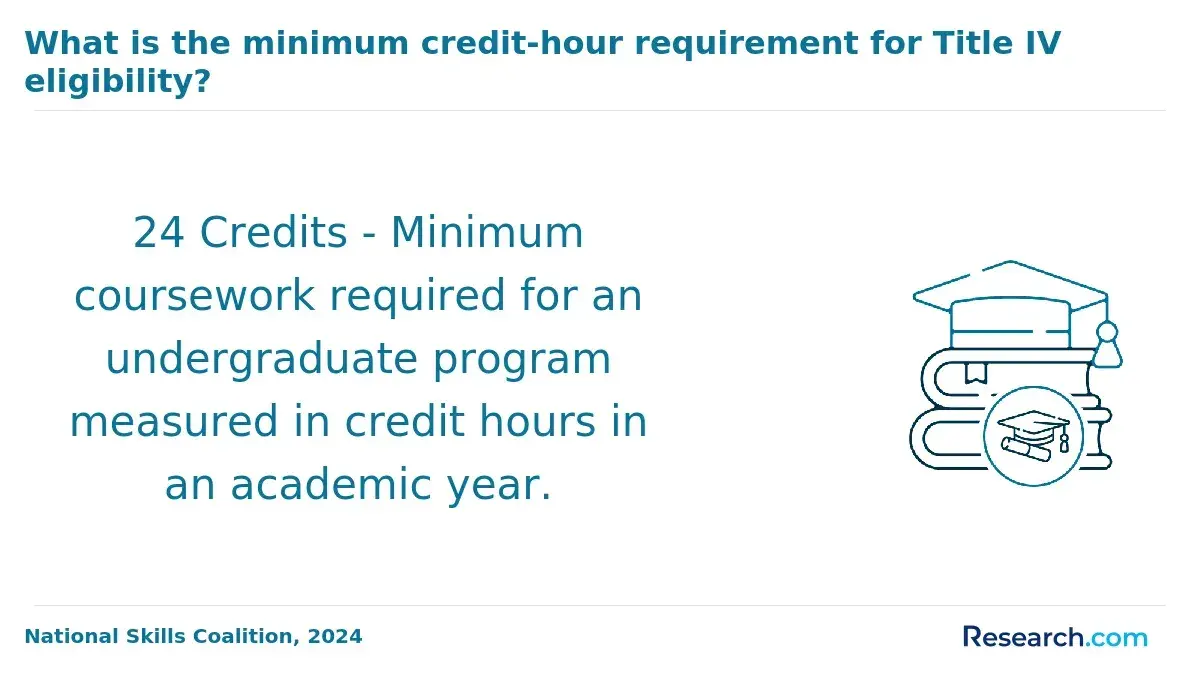
Data from the National Center for Education Statistics in 2024 reflects a notable shift in the relative affordability of statistics programs, showing that online graduate statistics degrees tend to have tuition costs approximately 15% lower than their on-campus equivalents. This trend is influenced by varied institutional pricing strategies that account for differences in resource allocation between delivery formats. While campus programs often embed costs related to physical classrooms, facilities maintenance, and campus-based student services into their tuition, online programs price to reflect a blend of scalable digital infrastructure and virtual support. These disparities mean the affordability gap is not simply a matter of sticker price but arises from fundamentally different cost frameworks shaped by the nature of program delivery and institutional spending priorities.
The underlying factors driving cost differentials include the decreased reliance on physical infrastructure that online programs benefit from, which reduces overhead expenses related to buildings, campus utilities, and in-person services. However, this saving is partly offset by significant investments in digital platforms, technology licenses, and instructional design to create effective online learning environments. Faculty roles may shift as well, with some institutions adopting asynchronous delivery models or centralized teaching teams to enhance cost efficiency. Meanwhile, online students often require tailored support services-such as dedicated technical help and virtual advising-which also contribute to program costs. Consequently, the affordability gap is institution-specific and less a temporary market fluctuation than a reflection of strategic choices in how programs balance physical and digital resources along with student support expectations.
An online statistics graduate described their admission experience as marked by hesitancy due to the rolling application timeline and varied tuition disclosures. Knowing that early applicants sometimes secured lower tuition rates, they faced pressure to commit quickly but hesitated amid uncertainty about potential hidden fees like software requirements. This created a tension between wanting to lock in cost savings and needing time to gather financial aid information. Eventually, they enrolled shortly before the term began, feeling relief at their choice but noting how nuanced cost factors beyond headline tuition influenced their decision-making throughout the process.
How Have Financial Aid and Scholarships Changed as Statistics Tuition Has Increased?
Financial aid and scholarships in statistics programs have evolved alongside rising tuition but often fail to fully offset increasing costs, resulting in more limited net affordability for students. Institutional support has expanded in some areas, particularly through merit-based scholarships targeting high-achieving applicants or those with demonstrated potential in data science, yet this growth is uneven and frequently concentrated among graduate rather than undergraduate populations. Meanwhile, need-based aid programs have been adjusted to improve access for underrepresented or low-income students, but the average award size typically lags behind tuition inflation, reducing its effective purchasing power. Universities also tend to allocate a significant portion of their funds toward research grants and assistantships, which while valuable for some, do not directly alleviate undergraduate tuition burdens.
The mechanisms driving these changes include intensified competition for top-performing students, prompting many institutions to rely more heavily on merit-based aid as a recruitment tool rather than expanding broad-based need aid. Federal and state funding have increased nominally, but adjustments in loan and grant awards have not kept pace with tuition increases in statistics departments, diminishing overall aid impact. Tuition discounting strategies are utilized selectively and often prioritize students with the strongest academic credentials, creating disparities in who benefits most. These trends reflect an institutional calculus balancing limited financial resources with shifting market demands, often emphasizing workforce alignment over affordability for the full student body.
Consequently, net costs for many students pursuing statistics remain high despite aid availability, which can translate into heavier reliance on personal financing or external borrowing, potentially exacerbating debt burdens. This uneven aid landscape influences admissions and retention, potentially narrowing diversity and socioeconomic representation within statistics programs. Understanding these patterns is critical for prospective students weighing financial tradeoffs against labor market prospects, as well as for policymakers aiming to design funding frameworks that better address affordability without compromising educational quality or program accessibility.
How Does Rising Statistics Tuition Affect Student Debt After Graduation?
Rising tuition costs in Statistics degree programs directly escalate student borrowing levels as higher expenses outpace many families' and individuals' savings or income. This trend forces an increased reliance on loans to cover not only tuition but also fees, textbooks, and living costs, which collectively raise the total debt students must manage after graduation. Recent data from 2024 highlights an 8-12% increase in average debt burdens among statistics graduates over just three years. Such growth in borrowing is linked to limited expansion in financial aid, meaning more students, especially traditional college-age learners, must depend on federal and private loans, thus amplifying their post-graduation repayment obligations. This dynamic is central to understanding how statistics degree cost and post-graduation debt trends influence long-term financial sustainability for graduates.
Several factors contribute to this escalation in student debt, including the widening gap between tuition hikes and financial aid availability, especially at private institutions where cost inflation tends to be steeper than in public schools. During extended study periods, accumulating interest on deferred loans further compounds the total amount owed, disproportionately affecting those without immediate borrowing capacity like adult learners, who often juggle work and family responsibilities. Post-graduation earnings vary significantly across statistics roles, yet salary growth frequently lags behind the rising cost of education and debt-servicing demands, creating repayment stress that is not equally distributed among graduates from diverse institutional and demographic backgrounds.
These financial pressures influence not only loan repayment strategies, including increased reliance on income-driven repayment plans and eligibility for loan forgiveness programs, but also impact prospective students' program selection decisions. The burdens associated with rising debt may lead some to reconsider traditional paths or seek alternatives such as easier MBA programs to get into, which present different cost-benefit profiles. Understanding how rising statistics tuition impacts student loan debt is crucial for evaluating the real-world value and affordability of statistics education amid evolving workforce and economic conditions.
Do Higher-Cost Statistics Programs Deliver Better Career Outcomes or Earnings?
Higher-cost statistics degree programs do not inherently guarantee better career outcomes or higher earnings, a nuance critical to the ongoing debate about the return on investment for high-cost statistics degrees. Tuition alone is a limited predictor of professional success; rather, the tangible value often depends on factors beyond sticker price. For many students, the correlation between degree cost and measurable earnings advantages is weak or inconsistent, underscoring the importance of looking deeper than price tags when comparing statistics degree program career outcomes.
Key elements influencing graduate employability and salary trajectories include institutional reputation, the presence of robust internship pipelines, employer partnerships, and the availability of specialized training. Programs with strong alumni networks and strategic geographic locations linked to high-demand industries tend to offer better access to job markets, which may elevate earnings potential irrespective of tuition costs. Furthermore, while some costly programs provide enhanced resources-such as research opportunities and cutting-edge tools-these advantages may not significantly outperform those of mid-tier or public institutions. Evidence from the National Center for Education Statistics shows median mid-career salaries from private expensive programs and well-regarded public universities differ by less than 10%, highlighting limited differentiation driven solely by cost.
Prospective students must therefore evaluate educational pathways by examining program fit, career support services, and local labor market demand rather than assuming expensive degrees ensure superior financial outcomes. Understanding practical ROI involves assessing program-specific employer engagement and realistic employment prospects. Those interested in specialized roles, such as a profiler job, should prioritize hands-on experience and network strength over tuition levels when selecting a statistics program.
What Do Current Tuition Trends Suggest About the Future Cost of a Statistics Degree?
Recent tuition trends for Statistics degree programs, as reported by the National Center for Education Statistics in 2024, indicate a consistent annual increase of roughly 3.5% at public four-year institutions. When adjusted for inflation, this rise surpasses general economic growth, signaling that the real cost of obtaining a Statistics degree is steadily growing. This pattern aligns with broader higher education trends where tuition inflation outpaces consumer price indexes, reflecting sustained institutional financial pressures and evolving educational demands.
The trajectory of future tuition costs is influenced by several intersecting factors. Public universities face tightening state funding and rising operational expenses, including investments in digital infrastructure and student support services to accommodate growing online and hybrid learning formats. Meanwhile, enrollment demand shifts toward specialized, workforce-relevant skills that blend statistical expertise with applied experience, prompting programs to adapt content and delivery models-often with cost implications. These dynamics suggest that tuition increases will likely continue, shaped by both cost recovery imperatives and the expanding role of technology-enhanced education.
For prospective Statistics students, these tuition trends imply growing affordability challenges, especially for adult learners balancing financial constraints and time demands. Increasing borrowing or choosing condensed certification pathways might appear more viable alternatives to full degrees. Understanding how institutional funding models and evolving delivery formats affect pricing can help students better anticipate long-term costs and weigh program options realistically within their career planning frameworks.
References
- Surprising Trends in College Costs and Student Debt https://www.higheredtoday.org/2024/09/09/surprising-trends-in-college-costs-and-student-debt/
- Yes, Aid Fuels Tuition Inflation | Cato at Liberty Blog https://www.cato.org/blog/yes-aid-fuels-tuition-inflation
- Why is the cost of college rising so fast? https://ssti.org/blog/why-cost-college-rising-so-fast
- Tracking College Tuition Growth https://www.richmondfed.org/publications/research/economic_brief/2024/eb_24-23
- Average Cost of College [2025]: Yearly Tuition + Expenses https://educationdata.org/average-cost-of-college
- How does a college degree improve graduates’ employment and earnings potential? - APLU https://www.aplu.org/our-work/4-policy-and-advocacy/publicuvalues/employment-earnings/
- Industry scores higher than academia for job satisfaction https://www.nature.com/articles/d41586-021-03567-3
- College Tuition Inflation: The Rising Price Of Education | Bankrate https://www.bankrate.com/loans/student-loans/college-tuition-inflation/
- Inflation Has Yet to Affect Tuition, but Students Still Feel the Rising Costs | Insight Into Academia https://insightintoacademia.com/inflation-has-yet-to-affect-tuition-but-students-still-feel-the-pain-of-rising-costs/
- Recent Trends in the Cost of College Show the Continued Importance of Federal and State Investment - Center for American Progress https://www.americanprogress.org/article/recent-trends-in-the-cost-of-college-show-the-continued-importance-of-federal-and-state-investment/
Other Things You Should Know About Statistics
Increasing tuition often coincides with more demanding coursework or expanded program requirements to match evolving industry standards. Students should prioritize programs that balance cost with realistic time-to-degree expectations, as prolonged study amplifies tuition and living expenses. Choosing a program with concentrated, efficient curricula may reduce overall financial burden and opportunity cost, even if per-credit costs are slightly higher.
Employers increasingly demand robust analytical skills, proficiency in software tools, and applied project experience. Programs with higher tuition often integrate these elements but may not guarantee better outcomes unless they align closely with current industry needs. Prospective students should critically assess whether higher costs translate into skill development valued by employers rather than prestige alone.
In highly competitive analytics roles, comprehensive training and strong industry connections can justify premium tuition fees by improving job placement prospects. However, this payoff depends on the program's reputation for practical learning and workforce integration, not just price. Students aiming for these markets should prioritize programs with demonstrable employer engagement and internship opportunities over cost alone.
Rising tuition increases initial financial risk, which can limit career experimentation or additional training later on. Students facing high-cost programs should weigh whether the credential will provide broad skills adaptable to multiple roles or industries. Programs emphasizing transferable competencies offer better protection against economic shifts and should be favored when tuition inflation forces tighter budget decisions.