2027 Statistics Degree Oversupply or Undersupply? Student Volume vs Employer Demand

Co-Founder and Chief Data Scientist
A student who graduates with a statistics degree in 2024 faces a pivotal question: Does the number of new graduates match the actual demand from industries actively seeking statistical expertise? Despite U. S. universities producing roughly 14,000 statistics graduates annually, recent Labor Department data show job openings in quantitative roles growing at just 2% per year, suggesting potential oversupply in some regions.
This imbalance can heighten competition, depress starting positions, and increase underemployment risks, especially when regional hiring favors niche skills or advanced credentials. Understanding how student volume aligns with employer needs and job market realities is essential for shaping effective educational and career strategies.
Key Things to Know About Statistics Graduate Supply and Employer Demand
- Graduate completions in statistics rose 15% from 2020 to 2023, outpacing entry-level job growth, signaling increased competition and a potential tradeoff between specialization depth and timely employment.
- The bulk of employer demand centers in finance and healthcare analytics, creating regional and sector-specific undersupply despite national graduate surpluses, highlighting critical geographic and industry mismatches.
- Employer surveys reveal preference for candidates with combined programming and domain expertise, suggesting that degree holders without interdisciplinary skills face longer job searches and higher opportunity costs.
- Key Things to Know About Statistics Graduate Supply and Employer Demand Key Things to Know About Statistics Graduate Supply and Employer Demand
- Is There an Oversupply or Undersupply of Statistics Graduates? Graduate Oversupply or Shortage
- How is Statistics Degree Enrollment Changing? Degree Enrollment Trends
- How Many Statistics Graduates Enter the Workforce Each Year? Annual Graduate Workforce Entry
- Does Job Growth Support the Rising Supply of Statistics Graduates? Job Growth Versus Supply
- How Competitive is the Entry-Level Market for Statistics Graduates? Entry-Level Market Competition
- Which Industries Have the Greatest Demand for Statistics Graduates? Top Hiring Industries
- Where are Statistics Graduates Most in Demand? Top Geographic Demand
- Which Statistics Specializations and Degree Levels Face the Strongest Demand? Which Statistics Specializations and Degree Levels Face the Strongest Demand?
- Are Employer Skill Gaps Affecting Demand for Statistics Graduates? Are Employer Skill Gaps Affecting Demand for Statistics Graduates?
- What is the Future Supply-and-Demand Outlook for Statistics Graduates? Future Supply-Demand Outlook
Is There an Oversupply or Undersupply of Statistics Graduates?
Nationally, the supply of statistics graduates currently aligns unevenly with employer demand, presenting neither a straightforward oversupply nor undersupply. While the number of graduates in statistics and related quantitative fields has risen steadily, matching increased student interest and enrollment growth, many employers report difficulty finding candidates with advanced skills, particularly in specialized domains like bioinformatics or environmental statistics. This creates a paradox where generalist bachelor's degree holders may face tighter entry-level competition while graduate-level supply remains insufficient for complex roles. The 33% projected employment growth from 2022 to 2032 underscores strong industry expansion, but concentration of openings in sectors such as government and pharmaceuticals means surplus graduates in other regions or industries may struggle to find relevant positions.
Geographic and specialization factors heavily influence apparent mismatches between supply and demand, with metropolitan areas like Washington, D.C. exhibiting persistent talent gaps that are not mirrored uniformly across the country. Candidates lacking practical experience in machine learning or industry-standard software face an uphill battle despite holding conventional statistics credentials, reflecting a credential mismatch that complicates the job market. Graduates choosing degrees solely for traditional statistical training without complementary skills risk underemployment or longer job searches.
For prospective students evaluating the landscape, understanding these dynamics alongside data showing steady enrollment expansion suggests cautious consideration of program focus-particularly by reviewing the availability of internships and technical training, including those emphasized in the easiest masters degrees-to better calibrate career prospects in this evolving employment environment.
How is Statistics Degree Enrollment Changing?
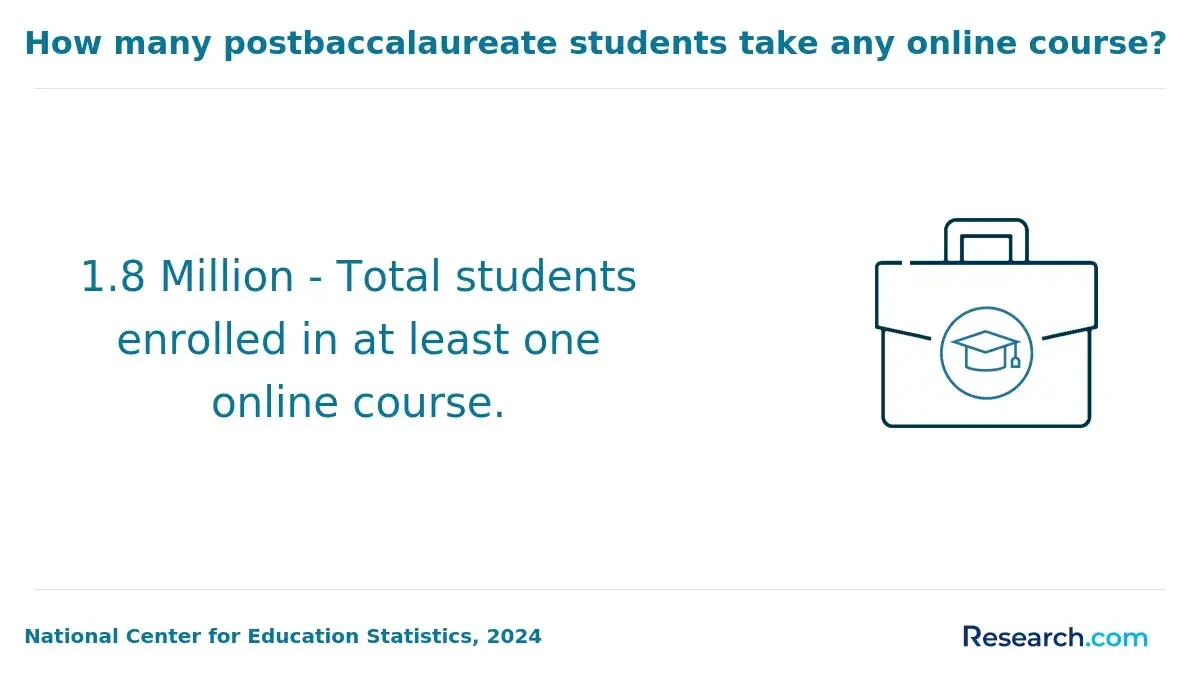
Recent enrollment trends in statistics degree programs suggest a complex balance between expanding supply and employer demand, rather than a straightforward oversupply or shortage. Undergraduate and master's level enrollments have risen significantly, partly fueled by the growing availability of online programs, which now account for nearly 30% of master's statistics students, broadening access for working adults. However, this surge risks saturating entry-level job markets if hiring does not keep pace, particularly given that master's graduates often encounter stiff competition despite advanced training. Geographic and specialization imbalances also mean that national enrollment increases may not translate evenly into local labor market opportunities, requiring prospective students to weigh program choice carefully against regional demand and sector stability.
Demographic shifts in student populations show gains among women and underrepresented minorities, signaling progress toward equity though doctoral level diversity remains limited. The rise in online and hybrid formats challenges traditional institutional capacity and course availability, which can affect program quality and career preparation outcomes. Economic factors, such as funding for healthcare analytics or government data roles, influence demand but can be volatile, underscoring that high enrollment growth alone is no guarantee of sustained employment advantage. Employers increasingly value specialized skills within statistics, creating pockets of opportunity, but broad program growth might dilute distinctiveness if curricula do not adapt to evolving workforce needs.
One current statistics master's student noted that the cohort size nearly doubled over two years, largely due to new online offerings attracting a wider demographic. While this growth felt encouraging in terms of community and resources, the student expressed uncertainty about job market implications, questioning whether the influx signals genuine demand expansion or impending competition intensification. They also observed shifts in course availability and advising capacity, attributing these changes to rapid enrollment growth and program restructuring. This experience reflects the uneasy balance many face in interpreting statistics enrollment increases as either optimistic opportunity or cautionary overextension.
How Many Statistics Graduates Enter the Workforce Each Year?
Annual graduate counts alone do not provide a definitive measure of whether the statistics field faces oversupply or undersupply. Data from sources like the National Center for Education Statistics and Integrated Postsecondary Education Data System show roughly 9,000 to 10,000 bachelor's degrees awarded annually in statistics and related quantitative disciplines as of 2024. Yet, this figure does not account for graduate enrollment patterns by degree level, specialization, or delayed workforce entry, which vary widely and influence how many graduates actively seek statistics-specific roles each year.
Only around 60% to 70% of these graduates enter positions requiring statistical expertise within a year of graduation, while the rest pursue graduate studies, shift to adjacent domains like data analytics, or join sectors not directly tied to statistics. Employer demand, especially in sectors such as healthcare and finance, increasingly values candidates with advanced skills beyond foundational statistics, including programming and domain-specific knowledge. Regional competition and specialized skill requirements mean some markets experience concentrated candidate surpluses despite broader labor shortages.
Such nuances underscore that raw graduate volume should be weighed against employer expectations, job replacement rates, and spatial hiring dynamics to assess supply-demand balance accurately. Overestimating supply based on headcount risks overlooking labor market segmentation and timing, while underestimating demand may misguide program capacity planning or student career strategy. Thoughtful interpretation of high-quality workforce datasets and graduate outcomes therefore remains essential to align statistics education with evolving occupational realities.
Does Job Growth Support the Rising Supply of Statistics Graduates?
Despite projections of 31% employment growth for statisticians through 2032 by the U.S. Bureau of Labor Statistics, this expansion does not fully offset the rapidly increasing supply of statistics graduates. Degree completions have nearly doubled in recent years, outpacing new job openings and replacement demand from retirements. Many entry-level positions require specialized skills or advanced credentials beyond a bachelor's degree, limiting immediate access for recent graduates and intensifying competition, particularly in sectors like healthcare and finance where data-driven roles are evolving rapidly.
Regional disparities and industry-specific needs further complicate the labor market balance. For example, slower-growth fields may still offer favorable opportunities due to local talent shortages or retiring professionals, while faster-growing occupations often require geographic mobility and advanced data science expertise. Statistics graduates without such skills risk underemployment or being diverted into adjacent roles. Understanding employer demand for statistics graduates means weighing these nuances rather than relying solely on growth percentages.
Prospective students and current professionals should carefully assess these factors when planning pathways or career transitions. Those considering broadening their competencies or exploring interdisciplinary roles might also examine alternatives; for instance, programs like the best online criminal justice degree programs demonstrate how sector demand varies widely. Misinterpreting the supply-demand dynamic could lead to credential inflation and diminished returns in an otherwise expanding but skill-selective market.
How Competitive is the Entry-Level Market for Statistics Graduates?
The entry-level market for statistics graduates in 2024 reflects a complex balance between expanding demand and intensified competition. Job postings have risen in industries like finance, healthcare, and government, yet the influx of graduates and elevated employer expectations create substantial hurdles. Rather than a simple surplus or deficit of candidates, the challenge lies in skill alignment and differentiated experience. Fresh graduates without applied projects, internships, or programming proficiencies find themselves at a disadvantage, even as the broader labor market continues evolving. Key elements shaping hiring dynamics include:
- Applicant Volume: The number of statistics graduates entering annually often outpaces the growth of entry roles, pushing competition higher. Candidates should assess industry hiring trends and regional openings to gauge saturation.
- Experience Requirements: Many employers demand internships or hands-on projects. Practical exposure beyond coursework increasingly dictates which applicants stand out in dense applicant pools.
- Industry Concentration: Demand varies considerably by sector. For instance, healthcare analytics and government data positions have grown, while some private sector roles remain limited geographically.
- Specialization Effects: Graduates with focused skills in machine learning or biostatistics may access more selective positions, but this narrows the candidate pool and shifts competition to specialized niches.
- Geographic Considerations: Urban centers show more openings but attract large applicant numbers. Remote work options expand possibilities but introduce interstate competition.
- Technical Proficiency: Mastery of Python, R, and visualization tools significantly influences hiring decisions, rewarding applicants who demonstrate practical coding or data manipulation skills.
- Employer Skill Gaps: Some roles remain unfilled due to mismatches between what programs teach and the applied skills companies require, emphasizing the need for tailored learning experiences.
One recent graduate's experience illustrates these dynamics. After earning a statistics degree, this individual applied widely across mid-sized cities but routinely lost interviews to candidates with relevant internship experience. Rather than competing solely on academic credentials, they focused on gaining project-based skills independently while targeting roles in healthcare analytics outside major hubs. Though discouraged by initial setbacks, this approach eventually led to an offer, underscoring the uneven landscape where graduate volume intersects with nuanced, evolving employer preferences.
Which Industries Have the Greatest Demand for Statistics Graduates?
The employment landscape for statistics graduates reveals a concentrated demand across a handful of industries that integrate quantitative analysis into core operations. This demand concentration reflects both economic forces and specialization requirements that shape hiring priorities. Graduates evaluating job volume against market competition must weigh factors like industry-specific skill sets, credential expectations, and long-term career trajectories. For example, a candidate deciding between healthcare and technology sectors might find more openings in healthcare but stiffer cross-disciplinary requirements and volatility in tech. The following industries lead in hiring statistics degree holders by aligning business needs with specialized quantitative expertise:
- Healthcare Sector: Healthcare's demand arises from biostatistics in clinical trials, epidemiology, and personalized medicine. Entry-level roles often require familiarity with statistical software and medical data protocols, while advanced positions focus on research leadership. This sector's structure benefits those holding additional domain knowledge in biology or public health.
- Financial Services: Banking, insurance, and investment firms seek statistics graduates for risk assessment, algorithmic trading, and fraud detection. A strong command of financial modeling and regulatory understanding defines employability, with mid-career roles emphasizing predictive analytics and compliance expertise.
- Technology Companies: Firms centered on AI, machine learning, and big data analytics prize graduates who combine statistics with programming skills in Python or R. Competition is intense, and roles demand cross-disciplinary experience, often pushing candidates toward data science or software engineering hybrid positions.
- Government Agencies: National statistical offices and social science research institutes provide comparatively stable employment. Positions typically focus on environmental monitoring and policy evaluation, favoring candidates with advanced statistical methods and an interest in public service or regulatory impact.
- Research Institutions: Academic and private research organizations depend on statistics graduates to design studies and analyze complex data. Requirements include not only technical expertise but often a master's or doctoral degree, reflecting a focus on methodological rigor and publication potential.
- Consulting Firms: Consulting entities serving multiple sectors hire for versatility in applied statistics and communication skills to translate data insights into business strategies. Success here hinges on adaptability and client management experience alongside technical proficiency.
Industry-specific demand disparities highlight practical realities that statistics graduates must confront. Balancing the statistics graduate job demand by industry with program outcomes involves understanding not just volume but the fit between candidate skills and employer expectations. Those weighing options might also explore adjunct or intersecting credentials, such as a master in art therapy, to carve niche roles within or beyond these core areas.
Where are Statistics Graduates Most in Demand?
National employment data for statistics graduates often masks significant regional disparities driven by local industry strength and workforce composition. For example, the San Francisco Bay Area boasts a dense concentration of technology firms and startups aggressively recruiting data-savvy professionals, but the intense supply of graduates from nearby universities elevates competition and inflates living costs, complicating entry for newcomers. A graduate considering relocation must weigh whether the premium on salary offsets higher expenses and if their skill set matches the heavy emphasis on applied analytics and machine learning demanded by employers in these established tech hubs.
Comparatively, cities like Austin or Boston offer growing statistical job markets fueled by expanding healthcare analytics and government data use, presenting a different mix of opportunity and competitive dynamics. These locales may have fewer total positions than coastal giants but tend to exhibit less saturation, making them viable alternatives for candidates prioritizing a balance between opportunity and cost of living. Conversely, smaller metro and rural areas may provide fewer openings but diminished applicant pools, especially for graduates with expertise aligned to localized industries such as manufacturing or policy analysis, supporting more targeted entry pathways despite limited job volume.
Employers increasingly seek candidates proficient in R, Python, and SQL with demonstrable real-world data experience, emphasizing domain-specific knowledge relevant to the dominant regional industries. Consequently, graduates should assess labor markets not only for headline demand but for industry alignment, credential standards, and how regional education pipelines impact supply. For instance, consistent demand growth in financial hubs contrasts with slower absorption in less diversified economies, signaling the necessity of nuanced location selection rather than following aggregate job count metrics alone.
Which Statistics Specializations and Degree Levels Face the Strongest Demand?
Employer demand for statistics specializations varies significantly by field and credential level, with some degree holders encountering robust hiring prospects while others face oversupply and intense competition. Data from the U.S. Bureau of Labor Statistics and Lightcast (2024) underline that demand concentrates heavily among those with advanced qualifications, particularly master's and doctoral degrees, in applied areas integrating both statistical methods and domain expertise. For example, a biostatistician with a master's degree and experience in clinical trial analysis typically has more favorable job prospects than a bachelor's-level graduate with a generalist statistics degree. Such distinctions reflect diverse employer needs and evolving skills requirements in sectors reliant on complex quantitative insights.
Key specializations with the strongest labor market demand include:
- Data Science and Analytics: Positions emphasize blending statistics with programming and computer science, requiring proficiency in languages such as Python and R. Employers in tech and finance seek candidates who can build predictive models and handle large datasets.
- Biostatistics: Advanced degrees drive demand in healthcare and pharmaceutical research environments focused on epidemiology and regulatory clinical trials. Expertise in experimental design and regulatory compliance is critical.
- Quantitative Finance and Econometrics: Financial firms value candidates who apply statistical models to risk management and algorithmic trading. Graduate-level credentials combined with domain-specific experience improve hireability.
- Machine Learning and AI Applications: Roles often require graduate education plus practical experience implementing statistical algorithms in automated systems, with demand growing in tech and manufacturing sectors.
- Statistical Programming and Cloud Computing: Employers increasingly seek specialists who can deploy scalable statistical models using cloud platforms, linking statistics mastery with infrastructure skills.
Those holding primarily theoretical statistics backgrounds without complementary applied skills or advanced degrees face more constrained opportunities. Prospective students should recognize that labor market absorption depends on a precise combination of skills, credentials, and relevant industry experience rather than on statistics credentials alone.
Are Employer Skill Gaps Affecting Demand for Statistics Graduates?
Employer skill gaps, rather than a simple shortage of statistics graduates, primarily explain current labor market tensions. While the volume of graduates has increased, many lack the technical proficiencies and applied experience that employers demand, such as programming in Python or R, practical machine learning know-how, and domain-specific expertise. For instance, a healthcare analytics firm may leave positions unfilled if candidates do not demonstrate both biostatistics knowledge and familiarity with industry regulations. This distinction between quantity and quality means employers often bypass candidates who have only theoretical training, leading to suppressed demand despite a robust graduate pool in the statistics job market in the United States.
These mismatches distort hiring patterns, creating an impression of oversupply in some generalist roles while fueling acute shortages in specialized niches like actuarial science or biostatistics. Demand fluctuates regionally and across industries, and many statistics graduates face competition from adjacent fields such as data science and analytics. For prospective students and degree holders, aligning program choice with employer expectations-through internships, targeted technical training, and industry-specific projects-is crucial to improving employability. This also highlights the value of hybrid competencies, where digital fluency merges with statistical theory. The impact of misreading demand risks poor career outcomes as graduates who lack applied skills struggle to secure relevant roles.
Addressing employer skill gaps involves not only expanding technical curricula but also emphasizing practical experience and strategic skill coordination based on industry needs. Students considering advanced degrees or supplemental credentials, including specialized tracks or certifications, should analyze job market trends carefully. Resources like the library degree rankings provide insight into program affordability and structure that may further inform educational decisions amid shifting employer demands for statistics graduates with data science and analytical skills.
What is the Future Supply-and-Demand Outlook for Statistics Graduates?
Targeted job searches yield better outcomes for statistics graduates than indiscriminate applications because employers increasingly seek candidates whose skills and experiences align closely with specific role requirements. Graduates who identify precise entry-level titles-such as data analyst or biostatistician-within industries showing robust growth, like healthcare or finance, improve their chances of success. Prioritizing metropolitan regions with high demand, tailoring resumes to echo employer language, and showcasing relevant technical and soft skills through concrete projects or internships enhances perceived job readiness. For example, a graduate focusing on AI-focused biotech hubs and presenting machine learning certification alongside domain-specific projects will typically receive more interview callbacks than one submitting generic applications nationwide.
In the future labor market for statistics graduates in the US, a growing supply of degree holders challenges many to differentiate themselves. Understanding which sectors have unmet employer demand helps channel efforts efficiently, avoiding saturated job markets where competition is intense. Timing applications to coincide with hiring cycles, conducting informed market research, and leveraging targeted networking can further increase interview conversion rates but offer no guaranteed outcomes. Candidates who invest effort into roles where their qualifications closely match stated requirements tend to experience higher returns than those who disperse applications broadly without strategic focus.
Recognition of these nuances is critical not only to navigating current employer expectations but also to assessing educational pathways. Graduates contemplating advanced degrees may explore diversified offerings such as the best online EdS to EdD programs that emphasize interdisciplinary and applied training. Aligning such decisions with labor market data on projected employer demand for statistics degree holders maximizes long-term workforce opportunities amid shifting qualification preferences.
References
- College Enrollment Statistics [2026]: Total + by Demographic https://educationdata.org/college-enrollment-statistics
- Oversupply of College Graduates? Structural Mismatch! | PIIE https://www.piie.com/blogs/china-economic-watch/oversupply-college-graduates-structural-mismatch
- Statistics About Changing College Majors https://studentresearchgroup.com/statistics-about-changing-college-majors/
- Top Degrees in Demand for the Future: 2026 & Beyond https://skillifysolutions.com/blogs/career-growth/top-degrees-in-demand-for-the-future/
- Skills Gap Statistics UK 2023 | Oxford Learning College https://www.oxfordcollege.ac/news/skills-gap-statistics-uk/
- New grads are finding jobs faster despite a competitive job market, says report https://www.cnbc.com/2026/04/23/new-grads-are-finding-jobs-faster-despite-a-competitive-job-market-says-report.html
- Philippines facing oversupply in IT graduates, STEM shortage https://www.pids.gov.ph/details/philippines-facing-oversupply-in-it-graduates-stem-shortage
- Quantifying the UK Data Skills Gap - Full report https://www.gov.uk/government/publications/quantifying-the-uk-data-skills-gap/quantifying-the-uk-data-skills-gap-full-report
- What can you do with a statistics degree? | University of Idaho https://www.uidaho.edu/newsroom/blog/statistics-careers
- Industry Outcomes 2025: What the Data Says About Graduate Employabilit https://iei.asiacareersgroup.com/blogs/articles/industry-outcomes-2025-what-the-data-says-about-graduate-employability
Other Things You Should Know About Statistics
Balancing theoretical knowledge with practical applied skills is crucial, as employers often prioritize candidates who can translate statistical concepts into actionable insights. Students in heavily theoretical programs may face steeper learning curves adapting to real-world data challenges, while those in applied tracks might lack foundational rigor for advanced positions. Prioritizing programs that integrate project-based learning and data tool proficiency alongside strong theory tends to offer the most direct pathway to employability and career flexibility.
Programs with intense workloads and challenging coursework can better prepare students for the quantitative demands of data-driven roles. However, excessive curriculum density can also lead to burnout or discourage mastery if not well-supported. Prospective students should consider institutions that balance rigorous training with opportunities for practical application, internships, or research, as this combination enhances both resilience and real-world capability sought by employers.
General statistics degrees provide broad quantitative foundations suitable for diverse roles, but specialized tracks-such as biostatistics or data science-can offer a sharper competitive edge in specific sectors. Choosing specialization should align with industry demand in one's target field but remain flexible enough to pivot if market needs shift. For many, starting with a generalist program before pursuing niche certifications or graduate studies is a prudent way to balance adaptability with expertise.
Technical proficiency alone increasingly falls short; employers expect strong communication, critical thinking, and teamwork capabilities alongside statistical expertise. Programs failing to develop these soft skills can limit graduates' advancement potential, especially in interdisciplinary teams. Students should prioritize degrees or institutions emphasizing collaborative projects and presentations, as these experiences better mirror workplace realities and improve career traction beyond raw technical competence.