2027 How Employers Are Changing Hiring Criteria for Statistics Graduates in the AI Era

Co-Founder and Chief Data Scientist
A prospective Statistics student scanning job postings may notice a shift: a degree alone no longer guarantees entry into data-driven roles. As artificial intelligence technologies penetrate 35 percent of global enterprises in 2024, according to the International Data Corporation, employers increasingly seek candidates who pair core statistical expertise with AI literacy. This evolving landscape demands more than traditional analytical skills, urging graduates to understand machine learning models, data ethics, and automation impacts.
Employers now prioritize adaptable problem-solvers who demonstrate proficiency in both foundational Statistics and the latest AI tools. The Bureau of Labor Statistics highlights that roles blending technical prowess with transferable skills like critical thinking and communication see higher hiring rates and wage growth. This article explores how hiring criteria for Statistics graduates are changing, the rising importance of AI literacy and soft skills, and strategies students can adopt to stay competitive in this AI era.
Key Things to Know About the Changing Hiring Criteria for Statistics Graduates in the AI Era
- AI-driven automation shifts employer focus from manual data tasks to algorithm design expertise, emphasizing proficiency in building, validating, and interpreting AI models within statistics workflows.
- AI literacy, including understanding model biases and ethical implications, is increasingly vital; a 2024 survey shows 68% of employers prioritize ethical AI skills, pushing programs to integrate these topics.
- Employers favor graduates with hybrid skills-combining statistics, coding, and domain knowledge-as versatility in applying AI to complex, real-world problems enhances candidate competitiveness.
- Key Things to Know About the Changing Hiring Criteria for Statistics Graduates in the AI Era Key Things to Know About the Changing Hiring Criteria for Statistics Graduates in the AI Era
- How Is AI Changing What Employers Look for in Statistics Graduates? How Is AI Changing What Employers Look for in Statistics Graduates?
- Which AI Skills Are Employers Expecting Statistics Graduates to Have? AI Skills
- Which Human Skills Are Employers Looking for in Statistics Graduates? Human Skills
- How Are AI Tools Changing Daily Work in Statistics Careers? AI Workplace Tools
- How Are Employers Evaluating Statistics Candidates Beyond Academic Credentials? Hiring Criteria
- How Are Statistics Degree Programs Adapting to AI? AI Curriculum
- Which Industries Are Changing Hiring Expectations Most for Statistics Graduates? AI and Industry Expectations
- How Is AI Changing Career Growth for Statistics Professionals? AI and Career Growth
- How Should Statistics Students Prepare for AI-Driven Hiring? Career Preparation
- How Should Students Choose a Statistics Program for the AI Era? How Should Students Choose a Statistics Program for the AI Era?
How Is AI Changing What Employers Look for in Statistics Graduates?
The evolving role of artificial intelligence is shifting employer expectations for statistics graduates from purely technical proficiency to a more integrated capability of collaborating with AI systems. Instead of focusing solely on routine statistical computations, organizations now value candidates who can oversee AI-driven processes, validate model outputs, and interpret nuanced insights that machines alone cannot provide.
Data from 2024 by the U.S. Bureau of Labor Statistics reveals a trend where graduates with experience in AI model development and deployment have a distinct advantage, as these skills enable businesses to automate simpler tasks while relying on human judgment for complex decision-making. For example, a data analyst who can not only run algorithms but also assess algorithmic biases and ethical implications is far more desirable in sectors where AI tools are pervasive but human oversight remains critical.
As employers adjust hiring priorities, skills in programming languages like Python and R, especially combined with AI frameworks, have become essential. The 2024 survey by the National Association of Colleges and Employers (NACE) indicates that over 70% of employers seek graduates capable of handling large datasets and leveraging cloud computing, reflecting an emphasis on adaptability and technical fluency within AI-enhanced ecosystems.
However, technical competence alone is insufficient; communication skills that enable graduates to translate AI-derived findings for non-technical stakeholders and ethical reasoning about data privacy and algorithmic fairness are increasingly prioritized. Many academic programs are responding by incorporating AI-focused coursework to prepare students for these demands, aligning closely with the evolving nature of the field. Statistics graduates aiming to remain competitive should consider such interdisciplinary skill development while exploring practical opportunities like the cheapest online PhD programs to deepen their AI expertise and analytical versatility.
Which AI Skills Are Employers Expecting Statistics Graduates to Have?
Artificial intelligence is reshaping employer expectations in the statistics field by demanding a blend of traditional analytical skills and practical AI competencies. Employers increasingly look for graduates who not only understand statistical theory but can also deploy AI-driven tools to solve complex, real-world problems effectively.
For example, a business analyst leveraging machine learning models to optimize customer segmentation must integrate solid statistical foundations with AI proficiency to deliver actionable insights. This shift reflects a broader trend where practical AI expertise directly influences hiring decisions and wage growth.
The following AI skills are now essential for statistics graduates to meet evolving employer expectations.
- Machine Learning Frameworks: Practical experience with frameworks like TensorFlow and PyTorch is crucial. Employers want graduates who can build and evaluate predictive models rather than just understand the theory, applying these skills to areas such as risk assessment or demand forecasting. Developing competency through hands-on projects and internships helps students transition from conceptual knowledge to impactful implementation.
- Big Data Engineering: Handling large-scale datasets beyond traditional statistical methods requires proficiency in distributed computing platforms such as Apache Spark and cloud services like AWS or Google Cloud. This skill enables graduates to manage scalable data pipelines and integrate statistical analysis within complex data environments, making them adaptable to diverse industry needs.
- Natural Language Processing (NLP): As unstructured data grows, familiarity with NLP tools, sentiment analysis, and transformer-based architectures is increasingly valuable. Graduates proficient in these areas can contribute to projects involving customer sentiment, social media analytics, or automated report generation, aligning statistical insights with AI-driven text data analysis.
- Algorithmic and Model Evaluation Skills: Beyond selecting algorithms, employers expect graduates to critically assess model performance, optimize parameters, and understand bias and variance trade-offs. This ability ensures the deployment of robust, reliable AI solutions and prepares statistics professionals to explain model limitations and improvements clearly to stakeholders.
- Communication and Interdisciplinary Fluency: Translating complex AI outputs into strategic business insights is essential. Employers prioritize candidates who combine technical expertise with strong communication skills, enabling them to bridge gaps between data scientists, business leaders, and end-users. Engaging in cross-functional projects and developing storytelling techniques can enhance this competency.
The evolving landscape of essential AI skills for statistics graduates illustrates that employer expectations now extend well beyond traditional analysis. For those seeking to deepen their quantitative expertise and AI competencies, aligning learning paths accordingly can be decisive. For related interdisciplinary opportunities, students might explore areas like game analytics, an emerging field that blends statistics with AI-driven modeling, by pursuing a video game development degree.
Which Human Skills Are Employers Looking for in Statistics Graduates?
As AI increasingly handles routine analysis and data processing, the distinct human abilities that enrich and contextualize technology-driven insights grow more critical. Machines excel at pattern detection and volume computations but lack the judgment to assess ethical implications or the communication skills necessary to convey findings to diverse audiences effectively. This shift means statistics graduates must hone competencies that AI cannot replicate, ensuring they add unique value beyond automation.
Below are key human skills gaining importance for professionals entering statistics-driven fields in 2024.
- Critical Thinking: Employers emphasize the ability to scrutinize AI-generated outputs critically rather than accepting them at face value. Graduates skilled in questioning data sources, understanding limitations, and recognizing potential biases enable more reliable conclusions. Developing this involves engaging deeply with data narratives and ethical frameworks during academic projects or internships.
- Clear Communication: Translating complex statistical results into accessible language for non-technical stakeholders remains essential. This skill bridges the gap between data insights and actionable decisions, requiring experience in writing reports, presenting findings, and adapting messages to varied audiences in multidisciplinary settings.
- Adaptability and Learning Agility: Given the rapid evolution of AI tools and methodologies, statistics professionals must continuously update their knowledge and embrace new techniques. Cultivating a growth mindset through ongoing education and practical experimentation prepares graduates to remain relevant as the technological landscape shifts.
- Emotional Intelligence: Navigating interpersonal dynamics, managing team conflicts, and fostering collaboration are increasingly valued in hybrid and diverse workplaces. Graduates who demonstrate empathy and social awareness help create environments where data-driven innovation thrives alongside human insight.
- Contextual Judgment: Beyond technical analysis, understanding the broader business, social, or policy context ensures recommendations align with real-world needs. This nuanced judgment often involves integrating qualitative information and stakeholder goals, skills sharpened through cross-disciplinary coursework or internships that emphasize applied problem-solving.
A recent statistics graduate recalled a pivotal project where an automated model flagged certain customer segments for targeted marketing. Rather than accepting the AI's suggestions immediately, she paused to assess potential ethical concerns and biases in the training data, consulting with marketing and legal teams before finalizing recommendations.
This cautious, communicative approach reassured stakeholders and avoided costly missteps. Although initially uncertain about challenging algorithmic outputs, she recognized that her human judgment and ability to facilitate dialogue were exactly what her employer needed amid increasing reliance on AI-driven tools.
How Are AI Tools Changing Daily Work in Statistics Careers?
Artificial intelligence is reshaping the daily tasks of professionals in statistics by automating many repetitive activities such as data cleaning, preprocessing, and initial exploratory analysis. This automation, increasingly powered by machine learning algorithms and intelligent platforms, significantly speeds up workflows and enables statisticians to dedicate more time to complex modeling and strategic interpretation.
For example, in a typical healthcare analytics team, AI tools can rapidly prepare and standardize large patient datasets, allowing analysts to focus on identifying subtle risk factors and improving predictive models rather than spending hours on data wrangling.
The shift toward AI-integrated workflows also redefines what employers expect from statistics graduates. Current demand emphasizes proficiency with automated machine learning frameworks, natural language processing libraries, and cloud-based analytics environments-tools that promote faster hypothesis testing and more nuanced scenario simulations.
Data from the World Economic Forum's Future of Jobs Report 2024 highlights that over 60% of statistics and data science teams have adopted AI-driven analytics platforms, demonstrating a broad institutional embrace of these technologies. Yet, increased reliance on AI necessitates sustained human oversight to ensure ethical application, contextual relevance, and validity of AI-generated outcomes, underscoring the continued importance of critical thinking, ethical judgment, and domain expertise.
As AI handles more routine data tasks, statisticians' roles evolve toward higher-value work that demands creativity, collaboration, and effective communication of findings to non-technical stakeholders. Mastery of these softer skills combined with foundational statistics knowledge and AI literacy provides a competitive edge in a changing job market. Ultimately, the ability to interpret AI results thoughtfully and apply them strategically is what distinguishes successful professionals in this AI-augmented landscape, reaffirming the need for a balanced skill set that blends technological fluency with human insight.
How Are Employers Evaluating Statistics Candidates Beyond Academic Credentials?
Employers assessing statistics candidates today increasingly prioritize evidence of practical experience and applied skills over traditional academic credentials alone. Recent data from the National Association of Colleges and Employers indicates that more than 70% of employers emphasize candidates' ability to apply statistical knowledge using AI-powered tools and programming languages like Python and R in realistic settings.
For example, a recent graduate with a robust portfolio showcasing internships or open-source project contributions that integrate machine learning models and cloud computing environments is more likely to secure opportunities in competitive, tech-driven industries. This shift reflects a hiring trend that values adaptability and demonstrable problem-solving ability when working with complex datasets and AI frameworks.
These trends suggest that employers are adopting more holistic hiring practices that factor in communication skills, teamwork, and emotional intelligence alongside technical proficiency. Being able to explain statistical insights clearly to stakeholders without technical expertise is critical, particularly in interdisciplinary teams where AI systems support key business decisions.
A 2024 Pew Research Center study underscores how emotional intelligence and collaborative aptitude can differentiate candidates in an AI-integrated workplace. Prospective and current statistics students must therefore cultivate a blend of strong interpersonal competencies and hands-on experience to stand out amid evolving employer expectations.
Practical experience also extends to participation in competitions such as Kaggle or specialized certifications, which demonstrate real-world capabilities with AI applications in statistics. These applied credentials align with the new assessment criteria that prioritize learning agility and active engagement beyond classroom theory.
For students considering their educational pathways, exploring programs that emphasize experiential learning is increasingly important-for instance, those reviewing options like MFT masters programs will note the value of credentials that integrate practical skill development. Ultimately, the evolving job market rewards statistics graduates who can bridge theoretical knowledge with hands-on expertise and effective communication in AI-enabled environments.
How Are Statistics Degree Programs Adapting to AI?
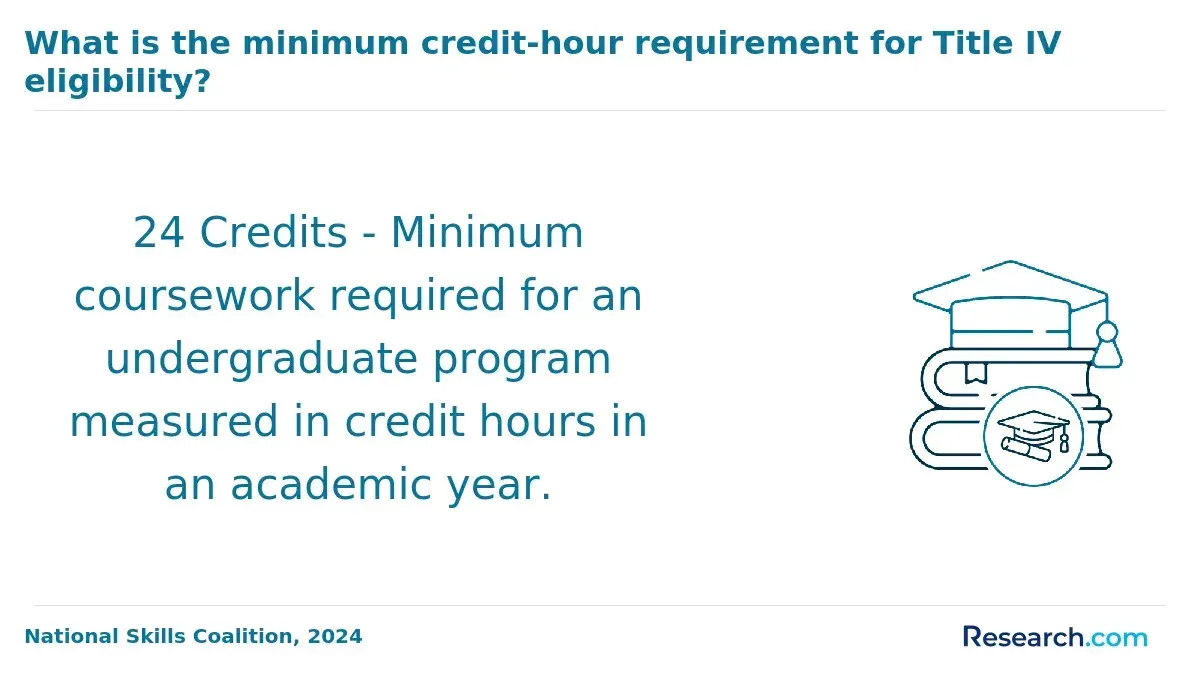
Statistics degree programs are increasingly integrating AI-focused content, with recent data from the 2024 National Center for Education Statistics showing that over 78% of undergraduate programs now offer at least one course on machine learning or artificial intelligence. This transformation involves embedding programming languages like Python and R, along with data engineering and AI frameworks such as TensorFlow, into traditional statistics curricula. For example, students may analyze large-scale healthcare datasets using AI models to predict patient outcomes, blending foundational statistical reasoning with technical skills needed for automation and algorithm development.
Universities are balancing depth in statistical theory with practical, interdisciplinary learning by collaborating across departments like computer science and data science. Experiential learning is emphasized through projects that mirror industry challenges, often supported by partnerships with employers who demand graduates fluent in AI applications and ethical considerations such as algorithmic fairness and data privacy. This approach not only expands technical capabilities but also cultivates critical judgment about AI's societal impacts, helping students develop both human-centered skills and lifelong adaptability.
While these curricular shifts address workforce needs, institutions must carefully avoid compromising core inferential and probabilistic reasoning, essential for robust statistical practice. Maintaining this equilibrium ensures graduates can innovate responsibly with AI rather than rely solely on tools. The ongoing evolution in statistics education reflects a broader commitment to preparing students for complex problems in AI-enabled environments, equipping them with versatility to navigate and shape future data-driven landscapes effectively.
Which Industries Are Changing Hiring Expectations Most for Statistics Graduates?
The uneven pace of AI integration across industries creates varied hiring demands for statistics graduates. Some sectors adopt AI-driven tools rapidly, reshaping the core competencies employers seek, while others evolve more gradually. For a recent statistics graduate weighing job prospects, this means that expertise valued in one field might differ markedly in another, influencing both skill development and career trajectories.
For example, a candidate fluent in machine learning frameworks might find tech recruiters prioritize their abilities differently than professionals in healthcare or manufacturing. The following outlines key industries where hiring expectations are shifting most notably due to AI and related innovations.
- Technology: This sector leads in adopting AI, demanding graduates who can not only perform traditional statistical analyses but also build and deploy complex AI models. Employers emphasize skills like proficiency in TensorFlow or PyTorch, natural language processing, and real-time machine learning applications. With AI adoption expected to surpass 85% within two years according to a Deloitte survey, candidates must blend deep statistical knowledge with hands-on AI programming capabilities.
- Finance: AI's role in enhancing risk models, fraud detection, and algorithmic trading has transformed hiring standards. Statistics graduates are increasingly valued for their ability to apply predictive analytics combined with ethical frameworks and explainable AI concepts. The World Economic Forum's 2024 report underscores how financial firms now require a balance between technical acumen and governance awareness.
- Healthcare: AI is revolutionizing diagnostics and personalized treatment plans by integrating statistical methods with biomedical data science. Job openings requiring AI proficiency in clinical trials and epidemiology have surged by 60% since early 2023. Employers seek graduates capable of interdisciplinary work bridging statistics, AI coding, and healthcare data interpretation.
- Manufacturing: AI-driven automation and predictive maintenance have redefined skill sets here. Statistics graduates adept at interpreting IoT data and optimizing processes with AI tools are highly prized. The focus is on applied analytics that enhance operational efficiency through new sensor and automation tech.
- Logistics: Streamlining supply chains with AI-backed analytics calls for professionals who understand both data modeling and the complexities of real-world logistics. Employers prioritize workers who can develop predictive models to improve delivery routes and inventory management while interfacing with IoT technologies.
A recent statistics graduate recalled her indecision after completing a data science internship. She had strong coding skills and solid statistical training but hesitated between offers from a healthcare research center and a fintech startup. Conversations with mentors and industry insiders revealed that her AI model-building skills would be more critically tested and developed in the tech startup's fast-paced environment, whereas the healthcare role emphasized multidisciplinary collaboration and domain expertise. This nuanced understanding helped her prioritize the startup role but also prepared her to revisit healthcare opportunities as she gained experience. Her reflection highlights how varied AI adoption affects hiring-encouraging graduates to tailor skill acquisition and job searches strategically.
How Is AI Changing Career Growth for Statistics Professionals?
Industries adopt artificial intelligence at varying speeds due to differences in regulatory environments, data availability, and investment capacities. This uneven pace directly affects the hiring expectations for statistics graduates, as sectors with faster AI integration demand more advanced technical skills and interdisciplinary knowledge.
For instance, while finance rapidly deploys AI-driven predictive models, healthcare may face slower adoption due to patient privacy concerns and complex validation processes. Understanding where these shifts happen most intensely helps statistics professionals target their skill development effectively.
Here are five industries where hiring expectations are evolving most dramatically in response to AI and technological advancements.
- Finance and Banking: This sector leverages AI to automate fraud detection, risk assessment, and algorithmic trading, requiring statistics graduates to master machine learning models and real-time data analysis. Employers increasingly seek professionals with programming expertise in Python and experience with AI frameworks to maintain competitive advantage.
- Healthcare and Pharmaceuticals: AI applications in this industry focus on predictive diagnostics and personalized medicine, demanding statisticians who understand complex biological data and ethical considerations of AI use. Cross-disciplinary skills with data engineering and compliance knowledge have become critical.
- Technology and Software Development: As AI drives innovation here, statistics professionals must collaborate closely with AI specialists to create scalable algorithms, pushing hiring standards toward combined expertise in AI frameworks and statistical methods.
- Retail and E-Commerce: Data-driven customer insights and supply chain optimization leverage AI tools requiring statisticians adept in both data analytics and integrating AI-generated insights into business strategies. Adaptability and quick learning remain vital.
- Government and Public Policy: This sector increasingly incorporates AI for public health forecasting and resource allocation, increasing demand for statisticians skilled in ethical AI deployment and interdisciplinary collaboration to support transparent, data-informed policymaking.
These shifting hiring expectations emphasize AI impact on career growth for statistics professionals by highlighting diverse technical competencies and an ethical framework. Prospective students and early-career graduates should consider building portfolios that showcase AI-related project experience, vastly improving employability in these dynamic fields. For those balancing affordability with upskilling, exploring options like the cheapest online history master's degree may offer insights into flexible, cost-effective pathways to interdisciplinary learning that complement statistics expertise.
How Should Statistics Students Prepare for AI-Driven Hiring?
Preparing statistics graduates for AI-driven hiring requires more than earning a traditional degree; it demands a hybrid skill set combining deep quantitative expertise, fluency in AI technologies, and nuanced human judgment. The job market, as noted by the World Economic Forum in 2024, now prioritizes candidates who can leverage AI tools such as machine learning and data automation to augment their analytical capabilities, rather than those relying solely on manual calculations. This shift stresses the growing importance of developing both technical prowess and critical soft skills to work effectively alongside AI systems.
Below are key practical strategies statistics students should adopt to align with evolving employer expectations.
- Build AI Programming Skills: Proficiency in programming languages like Python and R is crucial, as these are standard in AI and data science workflows. Early experience with AI platforms such as TensorFlow or PyTorch increases employability by demonstrating practical ability to implement machine learning models.
- Integrate Statistical and AI Knowledge: Combining traditional statistics with AI fluency better prepares students to handle complex datasets in commercial settings, where big data and cloud computing underlie decision-making processes. This dual fluency addresses workforce demands highlighted in recent National Science Foundation findings.
- Develop Ethical and Critical Thinking: Interpreting AI-generated insights requires strong ethical reasoning and critical judgment to avoid biases and misapplication. Cultivating these soft skills through coursework and interdisciplinary projects enhances trustworthiness and leadership potential.
- Pursue Applied AI Experience: Engaging in internships, research collaborations, or certification programs provides real-world exposure, fostering adaptability. For example, a student working alongside AI-powered analytics teams gains insight into integrating human expertise with automated systems.
- Explore Affordable Online Computer Science Degree Options: Expanding foundational computer science knowledge via flexible pathways like an affordable online computer science degree can fill critical technical gaps, positioning students to meet employer preferences for hybrid skill sets.
How Should Students Choose a Statistics Program for the AI Era?
Choosing a statistics program today involves more than reputation or cost; it requires a careful assessment of how well the curriculum prepares students for an AI-driven workplace. Employers increasingly demand practical skills in artificial intelligence, machine learning, and data engineering alongside traditional statistical methods. For example, a graduate with training in neural networks and automated data analysis will be better positioned for roles at tech firms than one trained only in classical statistics.
The following factors should guide students in selecting a program responsive to evolving industry standards.
- Integration of AI Modules: Programs must go beyond core statistics and incorporate AI-related content such as natural language processing and deep learning to ensure graduates can apply modern techniques effectively.
- Hands-On Experience: Access to real-world projects, internships, or collaborations with industry partners enhances skill development and demonstrates job-readiness to employers.
- Updated Computational Tools: Familiarity with cloud computing platforms and open-source AI libraries is essential for handling large-scale data typical in current research and workplaces.
- Faculty Expertise: Programs staffed by faculty active in AI research can better mentor students and provide relevant, cutting-edge knowledge and networking opportunities.
- Ethical and Adaptive Skills: Given rising concerns over algorithmic bias and data privacy, training that fosters ethical awareness and adaptability prepares students for responsible roles in dynamic environments.
References
- 100 AI Recruiting Statistics for 2025 - Truffle https://www.hiretruffle.com/blog/best-ai-recruitment-statistics
- Why I Majored in Statistics for a Career in Artificial Intelligence | Roman Ring http://inoryy.com/post/why-study-statistics-for-artificial-intelligence/
- AI’s Impact on Job Growth | J.P. Morgan Global Research https://www.jpmorgan.com/insights/global-research/artificial-intelligence/ai-impact-job-growth
- Top 12 AI Tools for Data Analysis in 2026 https://www.domo.com/learn/article/ai-data-analysis-tools
- 11 Best AI Coding Tools for Data Science & ML in 2026 https://www.augmentcode.com/tools/best-ai-coding-tools-for-data-science-and-ml
- Will AI Replace Mathematics & Statistics Jobs? | JobZone Risk https://jobzonerisk.com/jobs/science-and-research/mathematics-and-statistics
- AI in Hiring Statistics 2026: How Employers Use AI to Screen You https://www.coversentry.com/hiring-ai-statistics
- AI in Recruitment statistics UK 2026 | Latest reports & data https://standout-cv.com/stats/ai-in-recruitment-statistics-uk
- Research into how artificial intelligence (AI) is affecting employment https://www.ons.gov.uk/aboutus/transparencyandgovernance/freedomofinformationfoi/researchintohowartificialintelligenceaiisaffectingemployment
- AI Skills for Life and Work: General Public Survey Findings https://www.gov.uk/government/publications/ai-skills-for-life-and-work-general-public-survey-findings/ai-skills-for-life-and-work-general-public-survey-findings
Other Things You Should Know About Statistics
Employers increasingly prioritize candidates who demonstrate practical experience applying statistical methods to complex, messy datasets rather than deep expertise in theoretical models alone. The ability to navigate data imperfections, combine domain knowledge with statistics, and produce actionable insights carries more weight in hiring decisions. Students should prioritize internships or project-based learning that involve heterogeneous data and unpredictable variables, as this translates directly to workplace challenges and sets candidates apart.
While breadth in coding languages signals adaptability, employers tend to value deep proficiency in at least one programming environment-commonly Python or R-that aligns with their tech stack and analytic workflows. Mastery reduces onboarding time and fosters confidence in automating complex analyses and integrating AI tools. Graduates should assess the typical requirements in their target sectors and focus on becoming highly skilled in one primary language while maintaining familiarity with others.
Most employers prefer statistics graduates who can contribute robust statistical insights and validate model outputs while collaborating closely with AI engineers who build the core algorithms. Independence in developing full AI models is less critical than the ability to critically evaluate, adjust assumptions, and contextualize predictions statistically. Graduates should emphasize strong statistical reasoning and communication skills that support interdisciplinary teamwork rather than attempting to become hybrid AI-engineer-statisticians.
Formal certifications can open doors but often carry less influence than portfolios showcasing tangible results from real-world projects, such as published analyses or predictive model validations. Employers seek evidence of problem-solving under constraints rather than solely credential accumulation. Graduates should prioritize building a diverse portfolio of projects highlighting impact and complexity, which tends to better reflect readiness and align with employer expectations than didactic certifications alone.