2027 Statistics Degree Completion Rates by Format: Online, Hybrid, and Campus Programs Compared

Co-Founder and Chief Data Scientist
Key Things to Know About Statistics Degree Completion Rates by Format
- Online statistics degrees show roughly 12% lower completion rates than campus programs according to a 2024 National Education Report, indicating remote engagement challenges that affect persistence and skill mastery.
- Hybrid formats average completion rates closer to traditional campus settings, suggesting that occasional in-person interaction supports sustained motivation and practical comprehension vital for statistics rigor.
- Campus programs benefit from structured environments and direct access to faculty, translating into higher completion consistency and better preparation for career demands in data-driven fields.
- Key Things to Know About Statistics Degree Completion Rates by Format Key Things to Know About Statistics Degree Completion Rates by Format
- How Do Completion Rates Compare Across Online, Hybrid, and Campus Statistics Programs? Completion Rate Comparison
- What Factors Have the Greatest Impact on Statistics Degree Completion? Degree Completion Factors
- Which Statistics Degree Format Is Hardest to Complete? Completion Difficulty
- How Does Each Statistics Learning Format Affect Student Success? How Does Each Statistics Learning Format Affect Student Success?
- How Does Enrollment Status Affect Statistics Completion Rates? How Does Enrollment Status Affect Statistics Completion Rates?
- Can Transfer Credits Improve Statistics Degree Completion? Transfer Credits
- What Student Support Services Improve Statistics Completion Rates? Student Support Services
- How Do Statistics Completion Rates Affect Career Outcomes? Impact on Career Outcomes
- How Should Students Choose the Best Statistics Learning Format? Choosing the Best Format
- What Are the Long-Term Pros and Cons of Each Statistics Learning Format? Learning Format Pros & Cons
How Do Completion Rates Compare Across Online, Hybrid, and Campus Statistics Programs?
Completion rates for statistics degree programs serve more as reflections of student demographics and life circumstances than as direct indicators of program quality. Differences in outcomes across online, hybrid, and campus formats often mirror who enrolls and under what conditions. For example, students managing full-time jobs or family responsibilities frequently opt for online or hybrid pathways, factors that complicate straightforward comparisons of graduation success in online hybrid and campus statistics programs.
Variations in completion rates typically stem from diverse challenges related to enrollment intensity, scheduling flexibility, and access to support services. While campus programs generally benefit from structured environments and immediate faculty contact, online students must often balance competing demands with less direct interaction. Hybrid formats attempt to balance these dynamics, offering some face-to-face engagement alongside remote convenience. Ultimately, individual commitment alongside resource availability shapes persistence as much as the instructional model itself.
Prospective students should weigh completion rate data in tandem with their learning styles, time constraints, and professional ambitions to select the environment that best aligns with their circumstances. Those prioritizing flexibility might explore hybrid or online options while also researching how such settings address challenges to retention. This balanced approach benefits from comparing graduation success in online hybrid and campus statistics programs, supplemented by specifics like program design and support. For accelerated options, individuals might consider the fastest associates degree online programs available, which exemplify innovations in flexible learning pathways.
What Factors Have the Greatest Impact on Statistics Degree Completion?
Completing a statistics degree is rarely a matter of motivation alone; it hinges on an intricate interplay of personal readiness, institutional resources, and real-world challenges. Students often enter programs with varying degrees of academic preparation and external responsibilities, making their paths toward graduation highly individual. Recognizing these multifaceted influences helps clarify why format alone-online, hybrid, or campus-does not guarantee success or failure. The following factors illustrate the strongest influences on degree completion outcomes.
- Academic preparedness and math fundamentals: Students with a solid foundation in mathematics and college-level readiness benchmarks are substantially more likely to finish their statistics degrees. According to the National Student Clearinghouse Research Center, this is among the largest predictors of degree completion. Strengthening math skills before or early in the program can reduce frustration and dropout risks.
- Institutional support services availability: Access to advising, tutoring, and career counseling significantly boosts retention. The Educational Policy Institute found that students engaged with robust academic support, including virtual mentoring for online learners, see nearly 20% higher completion rates. Seeking out these resources proactively is key, especially in less structured formats.
- Student engagement and interaction frequency: Consistent, timely communication with faculty and peers fosters motivation and persistence. Campus programs naturally encourage spontaneous interactions, while hybrid formats combining synchronous sessions and group projects help replicate this dynamic. Students who participate actively in these interactions can increase their completion likelihood by 15%-25% over asynchronous-only learners.
- Flexibility to manage external obligations: Many students pursuing online statistics degrees juggle work or caregiving. Flexible scheduling, credit for prior learning, and lightweight online certificate programs help students build momentum or gain stackable credentials while maintaining steady progress despite these demands. Programs that accommodate diverse life circumstances empower students to balance commitments without sacrificing academic continuity.
- Program format alignment with learning preferences: While format is not the dominant completion factor, it influences student satisfaction and engagement styles. Those preferring face-to-face support may struggle more with purely asynchronous online courses, whereas hybrid models offer a balance that aligns with varied learning needs. Choosing a format that matches one's self-discipline and interaction preferences can indirectly enhance persistence.
- Financial stability and resource access: Economic pressures can interrupt study plans, particularly for online students managing tuition alongside other costs. Institutions providing financial advising and flexible payment options help mitigate dropout triggers. Students who secure stable funding are better positioned to focus on academic progress.
Which Statistics Degree Format Is Hardest to Complete?
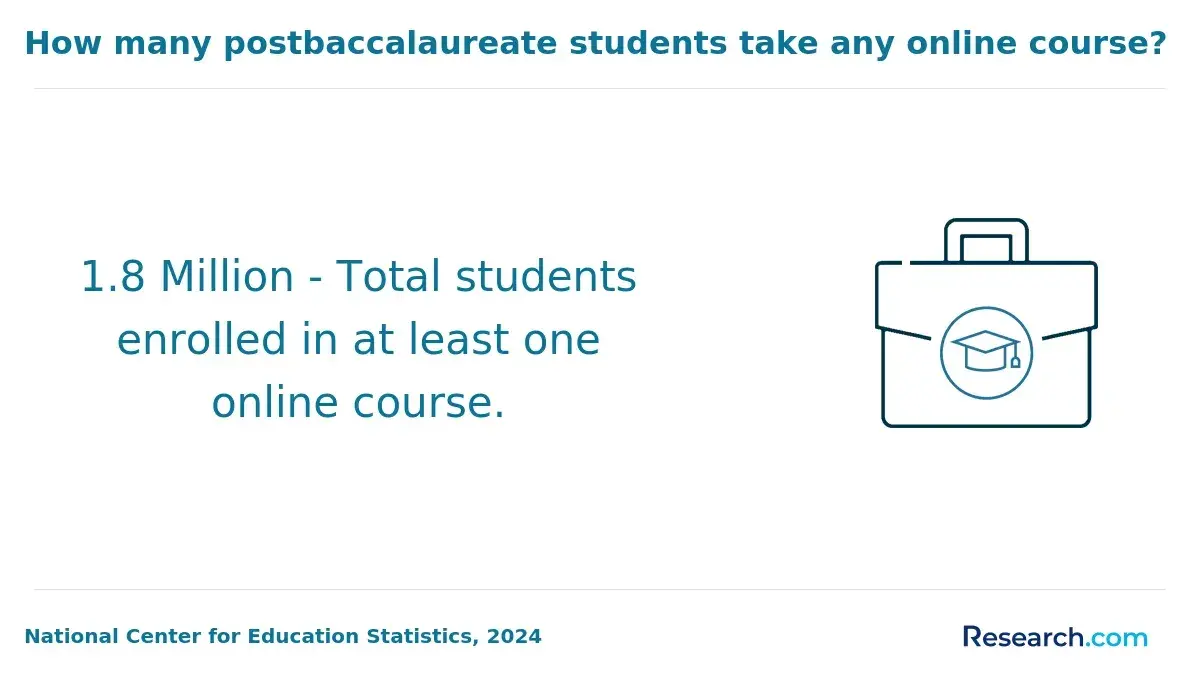
Completion rates for statistics degrees vary significantly by format, with fully online programs posing the greatest challenge for many students. Data from the National Center for Education Statistics in 2024 shows that online undergraduate statistics degrees have a completion rate near 40%-50% within six years, considerably lower than traditional campus programs, which typically surpass 60%. This gap often results from limited direct interaction, reduced accountability, and the need for strong self-discipline, making online formats less forgiving for students juggling work or family responsibilities.
Hybrid programs tend to balance flexibility and structure, achieving completion rates around 55%-60%, according to recent EDUCAUSE Review findings. By combining in-person engagement with online convenience, hybrid formats address some pitfalls of purely remote learning while offering adaptability. However, the success of any format depends heavily on an institution's support services and a student's personal circumstances, emphasizing that no format is inherently easy, but each carries distinct demands that influence persistence and degree attainment.
A recent graduate, who initially opted for an online statistics degree to accommodate a full-time job and family care, found the experience unexpectedly isolating. They recalled, "I underestimated how much routine and face-to-face interaction I'd need to stay motivated." After falling behind, they switched to a hybrid program, which provided scheduled in-person sessions that helped reestablish discipline and connection with peers. This shift felt urgent as they approached financial limits on their studies, and ultimately, the hybrid format's combination of flexibility and structure was key to finishing their degree without sacrificing work or home life.
How Does Each Statistics Learning Format Affect Student Success?
Success in statistics degree programs hinges more on how well each learning format fits a student's personal situation than on the format itself. Individual learning preferences, time availability, and outside responsibilities shape not only the ability to complete the degree but also how effectively students absorb complex quantitative concepts. For example, a working parent might find the flexibility of online courses essential, but face challenges without on-campus support that fosters discipline. Below are key factors that influence success differently across online, hybrid, and campus-based formats.
- Access to Structured Academic Support: Campus learners benefit from immediate access to faculty and tutoring, which can clarify difficult statistics topics early. Online students often need strong self-initiative to seek help, potentially delaying problem resolution and risking lower persistence.
- Engagement and Peer Interaction: Hybrid formats encourage collaboration both in person and virtually, improving motivation and knowledge retention. Fully online students may experience isolation without proactive community-building efforts, while on-campus students gain natural peer support through daily campus presence.
- Flexibility vs. Routine Demands: Online programs provide scheduling freedom critical for non-traditional students, but this flexibility requires disciplined time management. Campus formats enforce a routine that can enhance focus but may be impractical for students juggling work or family commitments.
- Retention Rates Highlight Hybrid Strengths: Data from the National Student Clearinghouse Research Center in 2024 show hybrid students have the highest retention rates. This suggests blending structured interaction with flexible learning supports consistent progress and engagement better than all-online or strictly in-person options.
- Availability of Real-Time Instruction: Immediate feedback during live lectures fosters understanding of complex statistical methods. Campus and hybrid students often enjoy synchronous learning, whereas many online learners rely on recorded content, which can delay addressing misunderstandings critical for mastering coursework.
- Need for Proactive Resource Utilization: Online learners must actively navigate and utilize academic support independently. Without this, they risk falling behind in demanding statistics curricula, unlike campus students who benefit from routine reminders and physical campus resources.
- Alignment with Learning Preferences: Students who thrive in hands-on, interactive environments tend to perform better on campus or hybrid formats, whereas self-directed learners may capitalize on online flexibility. Successful completion depends on matching format strengths with personal study habits and needs.
How Does Enrollment Status Affect Statistics Completion Rates?
Enrollment status is a critical factor shaping completion rates in statistics degree programs, but its impact extends beyond merely the number of courses taken. Full-time and part-time enrollment paths can lead to vastly different outcomes depending on a student's life circumstances, support systems, and pacing ability. Recognizing how enrollment choices interact with personal and programmatic factors can help students select a path better suited to their goals and obligations. Below are key ways enrollment status influences the likelihood of completing a statistics degree.
- Academic Engagement and Momentum: Full-time students often benefit from a concentrated schedule that fosters continuous academic momentum. This structured engagement helps maintain focus, especially in campus and hybrid formats, supporting higher completion rates compared to part-time peers who may struggle to sustain consistent progress amid competing demands.
- Work-Life Balance Challenges: Part-time students frequently juggle employment, caregiving, or other responsibilities, which can disrupt study routines and extend time to degree completion. Those unable to balance these obligations risk higher attrition, particularly in online programs where flexibility comes with less direct supervision.
- Support System Accessibility: On-campus and hybrid models provide face-to-face access to advising and resources that can boost completion for both enrollment types, but full-time students generally access these supports more consistently. Part-time students must proactively seek out tailored advising and services suited to their pace to mitigate potential barriers.
- Flexibility vs. Structure Tradeoff: While online statistics options attract many part-time students valuing flexibility, the lack of rigid scheduling can hinder accountability. Hybrid programs partially offset this by integrating regular campus engagement, but full-time enrollment still correlates with better retention and timely graduation.
- Time to Workforce Entry: Full-time enrollment aligns with faster degree attainment, enabling earlier entry into statistics-related roles or advanced positions. Part-time students gain flexibility but may face extended timelines, potentially delaying their integration into the workforce and related benefits.
- Individual Readiness and Pacing: Completion rates differ widely depending on a student's ability to sustain an appropriate pace. Part-time enrollment is advantageous for those balancing nonacademic demands, while full-time suits individuals with fewer external distractions and stronger academic stamina.
- Completion Rate Statistics: Recent data from authoritative sources indicate that full-time statistics students graduate at rates up to 30% higher than part-time students across program formats. This gap underscores the importance of weighing enrollment status alongside personal circumstances when planning degree progress.
Part-time students seeking flexibility in their education might also explore related pathways such as a book keeping certificate, which can complement or serve as an interim credential. Ultimately, understanding the impact of full-time vs part-time enrollment on statistics graduation outcomes equips students to make informed decisions that align with their academic engagement, time management capabilities, and career timelines.
Can Transfer Credits Improve Statistics Degree Completion?
Transfer credits can meaningfully influence the likelihood of completing a statistics degree by easing academic load and shortening time to graduation. Data from the National Student Clearinghouse Research Center's 2024 report shows students with accepted transfer credits graduate about 25% more often within six years compared to those without. Yet, the extent of this advantage depends heavily on how well those credits fit into the program's curriculum and the institution's transfer policies.
Consider a student entering a campus-based statistics program after earning an associate degree focused on general education and math courses. If their credits fulfill introductory requirements, they may skip redundant classes, reducing both time and tuition expenses. However, strict transfer rules on some campuses limit this flexibility, meaning credits might only cover select courses and not accelerate progress as much as expected.
Hybrid statistics programs, blending online and face-to-face instruction, often allow transfer credits to support tailored course sequencing that aligns better with student schedules. This can be particularly helpful for working adults balancing education and employment. Online programs, with their student-centered and non-linear structures, tend to offer the most adaptability in credit acceptance. According to a 2024 Education Advisory Board analysis, online learners utilizing transfer credits finish their degrees roughly 30% faster, benefiting from prior learning or experience acknowledged by the institution.
Nonetheless, transfer credits are not a guaranteed fast track. Completers rely on a combination of credit applicability, remaining degree requirements, academic advising, and course accessibility. For instance, military-trained students or professionals with documented prior learning may find accelerated paths in some settings but still must meet core statistics competencies.
Prospective statistics students should thoroughly review program requirements and seek an official credit evaluation to understand the potential for credit application. Comparing how many credits remain against their intended enrollment pace offers a practical measure of whether transfer credits will likely shorten their journey. Ultimately, transfer credits are a valuable tool in degree completion but function best as part of a broader strategy addressing all academic and personal factors affecting graduation success.
What Student Support Services Improve Statistics Completion Rates?
Effective student support services are a decisive factor in boosting degree completion rates for statistics programs across online, hybrid, and campus learning environments. Research from the National Center for Education Statistics in 2024 highlights that students who actively engage with resources such as academic advising and tutoring demonstrate significantly higher persistence and graduation within six years compared to those who do not. The following support services have shown the most concrete impact on helping students finish their degrees.
- Proactive Academic Advising: Regular, personalized planning sessions that help students clarify degree requirements and set milestones. For online learners juggling work and family commitments, these check-ins mitigate isolation and provide necessary structure.
- Subject-Specific Tutoring and Supplemental Instruction: Tailored assistance focusing on challenging quantitative topics, available through face-to-face campus sessions or virtual platforms for remote students, leading to improved comprehension and fewer course withdrawals.
- Career Services and Internship Placements: Guidance connecting academic coursework to employment opportunities helps students maintain motivation by contextualizing their studies as crucial steps toward viable job prospects in data-driven fields.
- Mental Health Counseling and Peer Support Networks: Services that address stress and promote community, which are particularly influential in campus and hybrid formats, reduce dropout risk by fostering a supportive environment.
- Flexible Virtual Support Platforms: Online and hybrid programs increasingly integrate synchronous tutoring, advising, and social forums to replicate benefits traditionally found in physical settings, catering to students' diverse schedules and geographies.
One recent online statistics graduate recalled initially feeling overwhelmed by the program's rigor and a sense of disconnection from peers. She hesitated before reaching out for academic advising, unsure whether it would fit into her busy schedule. However, after attending several virtual advising appointments and participating in interactive tutoring sessions tailored to core quantitative modules, she found that these services provided critical clarity and academic reassurance. This proactive support not only improved her confidence in mastering complex topics but also kept her engaged during periods that might otherwise have caused her to pause or withdraw. Her experience underscores how accessible and format-responsive support structures can transform obstacles into manageable challenges for online learners balancing competing responsibilities.
How Do Statistics Completion Rates Affect Career Outcomes?
Completion rates for statistics degrees shape career trajectories well beyond graduation. Data from a 2024 National Center for Education Statistics report shows that individuals who complete their baccalaureate degrees have notably higher employment rates and salary growth compared to non-completers. These differences reflect more than credential attainment; they capture perseverance, mastery of technical skills, and eligibility for roles requiring formal qualifications. Prospective students evaluating degree formats-online, hybrid, or campus-should consider how completion affects long-term opportunities. Below are key ways completing a statistics program influences professional outcomes.
- Access to higher-paying, specialized roles: Degree completion unlocks eligibility for jobs in analytics, finance, healthcare, and technology that demand advanced statistical expertise. Employers increasingly require a completed degree as a baseline credential, and completors tend to earn higher initial salaries and better raises. Students balancing work and study, such as those in online formats, gain the most when they reach graduation despite challenges.
- Stronger candidacy for graduate education and professional certifications: Completion ensures eligibility to apply for competitive graduate programs and certifications that further enhance career prospects.: Students aiming for advanced degrees or certifications find that finishing their statistics degree on time positively correlates with acceptance rates and timely degree attainment without costly delays.
- Improved employer perception and hiring outcomes through demonstrated persistence: Completing a statistics degree signals critical soft skills such as commitment, discipline, and problem-solving, which employers increasingly value alongside technical skills. This advantage can influence hiring and promotion decisions amid competitive labor markets.
- Smoother transition into the workforce facilitated by hybrid and campus program support: Hybrid formats often yield higher completion rates by blending flexibility with in-person mentoring, helping students integrate theory with practical experience and enhancing job readiness upon graduation.
Prospective students should also explore comprehensive support services and cohort engagement strategies when comparing formats. For instance, those interested in executive or advanced paths might investigate online DBA programs that build on statistics knowledge while balancing professional commitments. Recognizing how completion rates impact career outcomes is vital for aligning education choices with realistic employment and advancement goals.
How Should Students Choose the Best Statistics Learning Format?
Choosing the best statistics degree format for student success requires more than preference; it demands a strategic evaluation of personal circumstances and learning habits. Completion rates in campus programs remain higher nationwide, largely due to structured settings and consistent peer and faculty engagement. Conversely, flexible schedules in online and hybrid formats serve students balancing full-time jobs or family responsibilities. Below are key factors prospective students should weigh to decide whether an online, hybrid, or campus format aligns with their goals and likelihood of degree completion.
- Time Management and Self-Discipline: Online programs require a high level of self-motivation and the ability to adhere to deadlines independently. Students who struggle with unstructured environments may find campus or hybrid formats more supportive for maintaining progress.
- Work and Life Commitments: Students juggling employment or caregiving responsibilities benefit from the flexibility of online or hybrid learning, which reduce commute time and allow varied pacing. However, work demands can negatively impact persistence in online-only settings without in-person accountability.
- Access to Academic Support: Campus programs offer immediate access to faculty, tutoring, and peer collaboration, enhancing engagement and comprehension. Hybrid formats provide occasional face-to-face interaction, creating a balance between flexibility and support, while online students must proactively seek virtual resources.
- Social and Networking Opportunities: Face-to-face environments foster meaningful connections that can aid motivation and future career advancement. Hybrid programs partially capture these benefits, while fully online formats often limit spontaneous peer exchanges.
- Program Accreditation and Rigor: Employability outcomes depend less on format and more on the program's accreditation status and the quality of instruction. Ensuring the statistics program adheres to rigorous standards is essential regardless of delivery mode.
- Career Timeline and Goals: Students with tight schedules or needing rapid entry into the workforce might prioritize accelerated online options. Others aiming for thorough academic immersion may prefer campus formats, which tend to lead to higher completion rates.
- Personal Learning Style: Some learners thrive in interactive, in-person settings, while others excel in self-paced, remote environments. Honest self-assessment of learning preferences will guide format suitability.
Given these considerations, prospective students exploring how to choose statistics program online hybrid campus options should analyze their unique needs. For example, a working parent may find hybrid learning the most sustainable path, combining scheduling flexibility with periodic on-campus engagement. To compare costs and program lengths effectively, students might explore options like a spanish degree online, applying similar evaluation principles to statistics programs.
What Are the Long-Term Pros and Cons of Each Statistics Learning Format?
Prospective students pursuing a statistics degree must carefully evaluate how online, hybrid, and campus formats influence not only completion rates but also long-term career and academic outcomes. Each format presents unique advantages suited to different lifestyles and career goals. For example, a working professional balancing family may find flexible online learning essential, while a recent high school graduate might benefit more from campus immersive experiences. Consider these crucial long-term factors when choosing your path:
- Completion Rates and Support Systems: Campus programs typically show higher completion rates due to structured schedules and direct faculty access, benefiting students who thrive with in-person guidance. Online formats have improved but still may lack the robust support that aids perseverance, suiting highly self-motivated learners.
- Professional Networking Opportunities: Campus learners gain stronger, face-to-face professional networks crucial for data-intensive roles. Online students may struggle to build connections, impacting career entry in competitive sectors, though hybrid models offer a balance by combining in-person networking with online flexibility.
- Flexibility for Nontraditional Students: Online programs excel in accommodating work and family commitments, enabling a broader range of students to complete degrees. Hybrid formats also support this flexibility while providing periodic direct engagement.
- Financial and Time Investments: Campus education often demands more time and financial resources, including commuting and housing, which can be prohibitive. Online and hybrid formats reduce such costs but may require greater self-discipline to avoid dropout.
- Hands-On Learning Experiences: In-person formats provide more opportunities for collaborative projects and real-time problem solving crucial for applied statistics careers. While online environments are evolving, some practical elements remain challenging to replicate virtually.
- Long-Term Career Outcomes: Studies from the U.S. Department of Education and the National Student Clearinghouse Research Center (2024) indicate campus and hybrid graduates report higher job placement rates in data-intensive positions than many online-only peers, reflecting the impact of immersive training and networking.
- Program Design and Learner Discipline: The success of hybrid and online models strongly depends on effective program structure and student self-motivation. Those who manage their time well often thrive in these formats, while others may benefit more from campus rigidity.
References
- 6 Ways to Deliver Personalized Student Support at Scale https://www.civitaslearning.com/blog/6-ways-to-deliver-proactive-personalized-student-success-services-at-scale/
- Capturing Student Services Data to Improve Success and Completion | Complete College Georgia https://completega.org/content/capturing-student-services-data-improve-success-and-completion
- Factors Influencing Doctoral Program Completion | IntechOpen https://www.intechopen.com/chapters/88591
- 10 potential career options with a degree in statistics https://statsandr.com/blog/10-potential-career-options-with-a-degree-in-statistics/
- [PDF] Graduation Rates and Student Success - AASCU https://aascu.org/resources/graduation-rates-and-student-success-squaring-means-and-ends/
- Is Online Learning Here to Stay? Trends & Insights for 2026 https://www.calmu.edu/is-online-learning-here-to-stay-trends-insights-for-2026
- Active Learning Statistics: Benefits for Education & Training in 2026 https://www.engageli.com/blog/active-learning-statistics-2026
- Transfer credits| MS in Statistics and Data Science | Department of Mathematics and Statistics https://www.unr.edu/math/graduate/ms-in-statistics-and-data-science-handbook/transfer-credits
- Hybrid Programs- Which Students Want Them? https://encoura.org/resources/wake-up-call/hybrid-programs-which-students-want-them/
- Data on full time and part time workers - Pension Rights Center https://pensionrights.org/resource/data-on-full-time-and-part-time-workers/
Other Things You Should Know About Statistics
Online statistics programs often offer significant scheduling flexibility, but this can lead to a less structured learning environment. Without consistent deadlines and face-to-face accountability, students may struggle to maintain the steady effort necessary for mastering complex quantitative concepts. For those who require external motivation, a campus or hybrid format may better support sustained engagement, improving the chance of completion despite potentially less flexible scheduling.
Strong peer and faculty interaction, more common in campus and hybrid settings, can create valuable academic support networks that encourage perseverance through difficult courses. This collaborative environment often leads to higher completion rates, especially in a mathematically intensive field like statistics where group problem-solving and mentorship improve understanding. Students prioritizing goal completion should weigh these social and academic benefits against the convenience of fully online formats.
For students juggling employment, fully online statistics degrees generally offer greater temporal and spatial flexibility, reducing scheduling conflicts that often derail completion. However, this comes with the tradeoff of fewer immediate academic resources and less hands-on guidance, which can slow progress in challenging areas. Hybrid programs may serve as a middle ground, providing some in-person structure without sacrificing all flexibility, making them a strategic choice for those needing partial but not total time freedom.
While employer emphasis increasingly shifts to competencies over format, some sectors still view campus-based degrees as more rigorous, which can influence student motivation and persistence. Knowing this, students aiming for traditional or research-intensive roles may benefit from campus or hybrid programs to enhance their credentials' perceived value. Prioritizing a format that aligns with target employer expectations may increase both completion likelihood and post-degree career success.