2027 Statistics Salary Trends Report: Are Wages Keeping Up With Tuition and Inflation?

Co-Founder and Chief Data Scientist
A prospective statistics student or recent graduate often faces a crucial question: Does the financial return on earning a statistics degree justify the rising costs of higher education and the effects of inflation? Tuition fees have escalated steadily, while the general cost of living continues to rise, complicating this calculation.
Comparing graduate salaries directly to tuition and inflation rates has become essential to understanding the true value of a statistics degree in today's economic landscape. Salary growth, education expenses, and inflation rarely move in sync, making it important to look beyond initial salary figures.
Considering long-term earning potential alongside the increasing costs involved provides a more accurate perspective on investment value. This article examines the interaction between salary trends, tuition costs, inflation, and return on investment to assess the affordability and financial benefits of pursuing a statistics degree over time.
Key Things to Know About Statistics Salary Trends
- Graduate salaries in statistics have grown 4.2% annually since 2022, surpassing inflation but trailing tuition hikes averaging 5.6%, indicating net purchasing power erosion for recent graduates.
- Specialization in areas like biostatistics or machine learning correlates with 15-25% higher earnings, underscoring skill-driven wage stratification within the field's evolving labor market.
- Long-term earning trajectories align closely with employers' demand for advanced analytics capabilities, suggesting that continuous skill upgrading is critical to offset rising educational debt and sustain income growth.
- Key Things to Know About Statistics Salary Trends Key Things to Know
- What Is the Current Salary Outlook for Statistics Graduates? Salary Outlook
- Are Statistics Salaries Keeping Up With Inflation? Inflation Impact
- How Do Tuition Costs Compare With Statistics Salary Growth? Tuition vs Salary
- Does a Statistics Degree Deliver a Positive Return on Investment? Degree ROI
- Which Industries Offer the Highest Salaries for Statistics Graduates? Highest-Paying Industries
- Which States and Cities Offer the Highest Pay for Statistics Professionals? Highest-Paying Locations
- How Do Statistics Salaries Grow Throughout a Career? Career Growth
- How Do Statistics Salaries Compare With Similar Degrees? Salary Comparison
- How Is Employer Demand Affecting Statistics Salary Trends? Employer Demand
- How Can Students Maximize Their Lifetime Earnings With a Statistics Degree? Maximizing Earnings
What Is the Current Salary Outlook for Statistics Graduates?
The earnings outlook for statistics graduates in 2024 reflects a complex interplay between strong demand and economic pressures. According to the U.S. Bureau of Labor Statistics, median salaries for statisticians hover around $98,000 annually, with roles like data scientists and biostatisticians frequently exceeding $110,000 depending on experience and location.
Yet, early-career salaries can vary widely: for example, two graduates with identical degrees may diverge significantly if one enters healthcare analytics, a sector with substantial funding and urgency, while the other chooses government roles often associated with more modest starting pay. This variation underscores the importance of choosing career paths aligned with industry growth and compensation trends rather than relying solely on degree credentials.
Such disparities mean the salary outlook should not be viewed through the lens of entry-level pay alone but rather as part of a longer trajectory shaped by job demand and opportunities for advancement. The projected 33% growth in statistics-related occupations over the next decade suggests ample room for upward mobility and salary increases, particularly for those developing specialized skills or moving into managerial positions.
However, prospective students must balance these prospects against rising tuition costs and inflation, both of which can diminish initial financial gains. For those concerned about educational expenses, researching the cheapest MSW online programs can provide valuable models of affordable study options that may be relevant when considering the cost-benefit tradeoffs of advanced degrees.
In assessing average earnings for statistics degree holders, it is crucial to recognize how economic factors, regional differences, and sector choices create a broad spectrum of outcomes. While the field generally offers competitive salaries and strong job security, the reality for many graduates includes managing student debt and navigating a labor market influenced by inflation.
Understanding these dynamics allows students and career changers to make informed decisions that reflect both immediate financial realities and longer-term professional growth potential.
Are Statistics Salaries Keeping Up With Inflation?
Nominal wage increases for statistics professionals in recent years have not consistently kept pace with inflation, which means higher salaries often do not translate into greater purchasing power. Data from the U.S. Bureau of Labor Statistics shows that while the median annual wage for statisticians grew by roughly 3.5% in 2023, inflation hovered near 5%, resulting in a slight real wage decline.
For a recent graduate facing rising tuition debt and living expenses, this gap can mean budget tightening despite a higher paycheck. For instance, a data analyst earning a 3.5% raise may find that essentials such as rent and groceries have increased faster, limiting their ability to save or invest. These dynamics highlight the nuanced relationship between salary growth and inflation in assessing the true economic value of a statistics degree.
Trends in statistics graduate wages versus tuition costs reveal another layer of complexity, as educational costs for public and private institutions have escalated around 6% annually, outstripping both inflation and wage increases. This disparity places additional pressure on new graduates who must service higher education loans without corresponding gains in real income.
Considering demand for analytical skills remains strong, professionals often need to develop advanced technical expertise or explore specialized roles to secure compensation that genuinely counters inflationary pressures. Aspiring students should weigh these tradeoffs carefully, including options like business schools online, which may offer more affordable pathways to complement their statistics education and improve long-term earning potential.
How Do Tuition Costs Compare With Statistics Salary Growth?
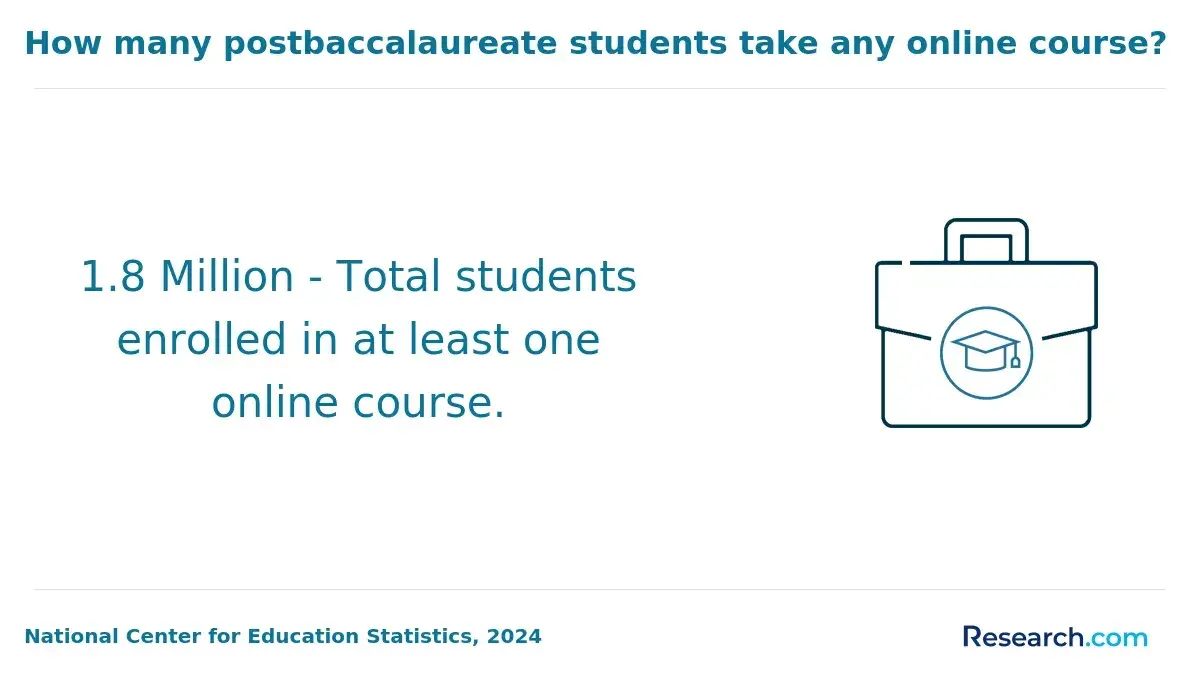
Evaluating the financial value of a statistics degree requires looking beyond tuition or salary figures alone and focusing on their relative growth over time. Average in-state tuition at public universities now hovers around $11,000 annually, with private institutions charging over $38,000 per year, according to 2024 data from the National Center for Education Statistics.
Meanwhile, early-career salaries for statistics graduates generally start between $65,000 and $75,000, increasing to about $95,000 to $110,000 mid-career per the Bureau of Labor Statistics. When adjusted for inflation, tuition costs have climbed roughly 3% yearly over the last decade, outpacing the 1.5% to 2% real wage growth for professionals in this field, which suggests that rising educational expenses may extend the time needed for graduates to recoup their initial investment solely through salary gains.
This comparison helps clarify why pay growth and tuition increases need to be considered together: two students facing similar salaries might experience very different financial pressures depending on their schooling costs. For example, a graduate who attended an expensive private program with increasing tuition might find their break-even point delayed by debt repayment, whereas another who chose a public university could reach financial stability sooner despite slower wage growth.
Additional factors influencing this comparison include individual debt management, industry demand for statistics skills, and the varying pace of salary growth across sectors like healthcare and finance. Such variability cautions against broad conclusions and encourages students to evaluate education costs in context of expected earnings trajectories and career paths.
One statistics graduate recalls hesitating before enrolling in a private university due to tuition spikes reported over several years. Faced with potentially high loans, they chose to attend a public institution closer to home, accepting a lower profile program but significantly less financial strain.
Years later, while their early salary was slightly below peers who graduated from pricier schools, the absence of heavy debt allowed them to save and invest sooner, which changed their long-term financial outlook. This experience highlights how tuition escalation impacts financial planning differently, underscoring the importance of personalized assessments rather than relying on raw salary figures alone.
Does a Statistics Degree Deliver a Positive Return on Investment?
Return on investment (ROI) in higher education means weighing the total cost of earning a statistics degree against the long-term earning capacity and career growth opportunities it unlocks. Simply focusing on entry-level salaries can be misleading, as the true financial benefit emerges over a professional lifetime.
For instance, a graduate who incurs $50,000 in debt but commands a median salary of over $80,000 within the first few years post-graduation is positioned to repay loans relatively quickly and benefit from rising wages linked to experience and industry demand.
Factors such as steady job growth in data-centric fields, sustained wage premiums for those with statistics expertise, and inflation-adjusted salary gains heavily influence whether the investment pays off. Recent data from the U.S. Bureau of Labor Statistics highlights that statisticians' median pay exceeds the national median by more than 40%, underlining a strong competitive advantage in the labor market.
However, the ROI varies depending on individual circumstances like the college attended, residency status, and whether one pursues higher degrees or specialized roles, which tend to increase earning potential significantly.
Economic shifts and tuition inflation also complicate this calculation. While tuition costs have increased sharply over the last decade, the sustained demand for quantitative skills in sectors such as healthcare analytics and finance offers some insulation against wage stagnation. That said, graduates entering regions or industries with less robust growth may experience a slower payoff.
Ultimately, a statistics degree can deliver a positive ROI, especially when coupled with strategic career planning and continual skill development, but it is not a guaranteed path and requires careful assessment of personal financial and professional factors.
Which Industries Offer the Highest Salaries for Statistics Graduates?
For statistics graduates evaluating the most rewarding career paths, salary potential varies significantly across industries. The demand for advanced data skills combined with domain-specific knowledge influences compensation levels, reflecting the strategic value organizations place on statistical expertise.
An analyst with strong programming, predictive modeling, and communication skills will often command higher wages and more senior roles. Real-world examples show that statisticians working in sectors like finance may find themselves leading risk analysis teams, directly impacting company profitability.
The following industries typically offer the highest salaries for statistics graduates in the US, based on data from authoritative sources such as the U.S. Bureau of Labor Statistics and the American Statistical Association:
- Finance and Insurance: These sectors consistently top statistics graduate salary charts because of their reliance on quantitative risk assessment, credit scoring, and financial modeling. Roles often require proficiency in tools like SAS or R, with statisticians driving investment strategies and regulatory compliance efforts.
- Technology: Companies focused on artificial intelligence, machine learning, and big data offer robust salaries as statistical methods optimize algorithms and product development. Candidates with software engineering skills alongside statistical abilities tend to excel here.
- Healthcare and Pharmaceuticals: Biostatistics plays a critical role in clinical trial design, drug development, and health informatics. Graduates with experience in medical research or epidemiology often command higher pay due to the specialized nature of these positions.
- Government and Public Sector: Agencies dealing with public health, national security, and census data provide competitive salaries reflecting the societal impact of statistics. Roles may emphasize policy analysis and large-scale data management.
- Management Consulting: Consulting firms leverage statisticians for strategic advice and data-driven decision-making across multiple industries. Starting salaries are frequently among the highest due to diverse project exposure and client demands.
- Manufacturing and Quality Control: These industries use statistics for process optimization and operational efficiency. Expertise in Six Sigma or statistical process control enhances earning potential in these roles.
According to the latest data on statistics graduate salary by industry in the US, finance and technology lead in compensation, followed by healthcare and government sectors. Prospective students interested in enhancing their career prospects might also consider programs such as a masters in human resources online to complement their statistical expertise with organizational and strategic skills.
Which States and Cities Offer the Highest Pay for Statistics Professionals?
For statistics graduates, where they choose to live and work significantly influences their earning potential and overall financial well-being. While some hubs offer impressive salaries, they often come with steep living costs and elevated tuition fees for advanced education. Balancing salary and cost of living is crucial for long-term career viability in this field.
Below are key states and metro areas that lead in pay for statistics professionals in 2024.
- California Silicon Valley: This region, including San Jose and San Francisco, boasts some of the nation's highest median salaries for statistics roles, fueled by a strong technology sector focused on data analytics and machine learning. However, the cost of living, especially housing, is among the highest in the U.S., which can offset elevated wages and add pressure on graduates managing student debt.
- Massachusetts Boston: Boston's dense ecosystem of universities and biotech firms ensures salaries well above national medians, often by over 20%. The city's academic environment enhances research opportunities but comes with above-average living expenses that students must factor into their return on investment calculations.
- New York City: Known for its financial and insurance industries, New York City offers premium pay scales for statisticians engaged in risk modeling and trading analytics. Despite generous salaries, the city's high rents and general cost of living challenge professionals to balance immediate earnings against long-term affordability.
- Washington Seattle: Home to major tech giants like Amazon and Microsoft, Seattle commands high pay for advanced quantitative skills. While less costly than Silicon Valley, housing prices and inflation have trended upward, requiring careful financial planning for early-career statisticians.
- Illinois Chicago: Chicago presents a middle-ground option with moderately high wages and comparatively affordable living costs. This balance can yield stronger net earnings over time, making it an attractive choice for those seeking sustainable financial growth after graduation.
- Minnesota Minneapolis: Minneapolis offers competitive salaries paired with below-average regional costs, creating an environment where the purchasing power of statisticians may outpace peers in pricier metropolitan areas. For graduates weighing inflation and housing expenses, this balance often leads to better overall economic outcomes.
Employer Confidence in Online vs. In-Person Degree Skills, Global 2024

How Do Statistics Salaries Grow Throughout a Career?
Salaries for statistics graduates generally increase as they gain experience, but the pace and scale of growth depend heavily on career paths and additional qualifications. Entry-level positions often start with median salaries ranging from $70,000 to $85,000, with most professionals holding a bachelor's degree seeing gradual wage increases over the first several years. Individuals pursuing master's degrees or PhDs tend to command higher starting salaries and experience faster growth.
By mid-career, statisticians specializing in high-demand fields such as healthcare analytics, finance, or government research often reach salary ranges from $100,000 to $130,000. According to data from the U.S. Bureau of Labor Statistics in 2024, the median wage for statisticians overall is about $95,000, reflecting upward momentum that usually accelerates between five to ten years on the job.
At senior levels, with 15 or more years of experience, total compensation, especially for those in leadership or highly specialized roles, often surpasses $140,000 and includes bonuses and incentives. However, two graduates with identical statistics degrees may experience very different salary trajectories depending on choices such as industry sector, skill development, and advanced education.
For example, one may focus on biostatistics in pharmaceuticals, earning premium wages, while another stays in a general government analyst role with slower salary growth. The biggest factors influencing long-term earnings consistently include the acquisition of specialized expertise, continuous learning in emerging technologies, and movement into managerial or research leadership posts.
A statistics graduate recalled feeling uncertain about pursuing further education after a few years in a data analyst role. Watching peers in machine learning certifications land positions with 20-30% higher pay created pressure, but the decision to return for a master's degree came with financial strain and doubt.
Over time, the advanced degree opened doors to more complex projects and leadership responsibilities, validating the initial sacrifice. The experience underscored how deliberate upskilling and strategic career moves, not just holding a degree, shape the progression of statistics salaries over decades.
How Do Statistics Salaries Compare With Similar Degrees?
The earning potential of a statistics degree often places graduates in a strong financial position relative to related fields, particularly when factoring in the growing demand for data-driven roles.
While tuition costs and inflation continue to rise, the solid marketability of statistics skills across industries such as technology, pharmaceuticals, and finance supports competitive salaries. Real-world tradeoffs become clear when comparing salary outcomes for statistics graduates alongside peers from similar fields, as variations often reflect differences in career paths and industry concentrations.
The following list highlights key salary comparisons from reputable sources like the U.S. Bureau of Labor Statistics and the National Association of Colleges and Employers, illustrating the practical considerations students should weigh before committing to their degree choice.
- Mathematics and Data Science: Median salaries for mathematics or data science graduates range from $90,000 to $100,000, overlapping but sometimes exceeding statistics earnings. These degrees often lead to specialized roles in machine learning, analytics, or algorithm design, where technical expertise and emerging industry demand can push compensation higher.
- Economics: Economics graduates show a wide salary span, from $80,000 up to $110,000 median wages, reflecting diverse opportunities in finance, consulting, and policy. This variability stems from sector-dependent demand and the analytical but less technical emphasis compared to statistics-focused careers.
- Sociology and Psychology: Graduates in these social science fields typically earn median wages closer to $60,000 to $70,000, which is notably lower than statistics. The main driver here is the concentration in human services or research roles, which generally offer more modest salaries relative to tech-driven industries.
- Statistics Graduates: With a median annual wage around $93,290, statistics professionals benefit from a strong interdisciplinary foundation that commands high value across sectors emphasizing data-driven decision-making and quantitative analysis.
Given these income differences between statistics and related fields, prospective students should evaluate how their career interests align with these salary trends. Those exploring options might also consider alternatives like online masters history programs as part of broader academic planning, since cost and earning potential must be balanced thoughtfully.
How Is Employer Demand Affecting Statistics Salary Trends?
Employer demand has a significant impact on salary trends for professionals with a Statistics degree by shaping competition for qualified candidates and influencing hiring decisions. For example, in sectors like healthcare and technology where data-driven strategies are critical, organizations often compete aggressively for statisticians with advanced skills, which pushes salaries higher.
The U.S. Bureau of Labor Statistics projects that this demand will grow notably faster than average through 2024, underscoring how increased hiring activity elevates compensation strategies. Nevertheless, salary growth is not solely determined by demand; experience, specialization, and organizational budgets remain crucial factors.
Strong employer demand in statistics salary growth influenced by job market shifts creates pressure on organizations to offer attractive packages, especially to candidates with master's or higher degrees. However, a recent study from the American Statistical Association points out that while nominal wages rise, real income gains are often tempered by rising tuition and inflation.
This means prospective students and career changers must weigh these economic trade-offs carefully. Continuous skill development and targeted education, such as pursuing a masters in marketing with a quantitative focus, can position candidates more competitively and improve long-term salary prospects in this evolving landscape.
Ultimately, the employer demand impact on statistics salaries demonstrates a complex interplay between market needs and individual qualifications. While sectors with acute data needs trend toward faster wage growth, challenges like economic conditions and escalating educational expenses moderate those increases.
Those considering a statistics degree should critically assess how these factors align with their career goals and financial capacity, recognizing that labor market dynamics in 2024 create both opportunities and constraints for earning potential.
How Can Students Maximize Their Lifetime Earnings With a Statistics Degree?
Data from the U.S. Bureau of Labor Statistics and 2024 industry reports show that statistics graduates earn more by targeting sectors like technology, finance, healthcare, and government analytics.
Developing specialized skills in machine learning, data science, and programming languages such as Python and R is crucial for commanding premium salaries and faster job advancement. For example, a statistics graduate who leverages internships and internships plus a master's degree in data science is far more likely to access high-paying roles in metropolitan tech hubs.
To translate this evidence into actionable steps, students should strategically focus on areas that research indicates yield higher lifetime earnings. Key practices that enhance long-term value include technical mastery, advanced credentials, and practical experience.
- Specialized Skills: Prioritize learning machine learning algorithms, data science methods, and programming languages like Python and R to meet employer demand and increase salary offers over time.
- Advanced Degrees: Pursue master's or doctoral degrees, as these significantly boost earning potential, especially when combined with relevant work experience.
- Certifications: Obtain certifications in data analytics and statistical software to differentiate yourself in competitive job markets and justify higher compensation.
- Internships and Research: Engage in internships and undergraduate research to gain practical experience employers value, leading to earlier promotion opportunities.
- Professional Networking: Join industry organizations and attend conferences to build relationships that often open doors to lucrative positions.
- High-Demand Sectors: Target employment in technology, finance, healthcare, or government analytics, where demand for statistical expertise translates into robust salaries.
- Geographic Location: Seek jobs in metropolitan areas or at companies known for data-driven decision-making to access higher starting salaries and faster career progression.
References
- Career Outlook and Salary Research_United States Vocational Qualifications and Talent Management Center https://www.uvt.us.org/a/Career_Outlook_and_Salary_Research/
- What are the highest-paying states for data scientists? | edX https://www.edx.org/become/data-scientist/data-science-salary-by-state
- The price of college is rising faster than wages for people with degrees | USAFacts https://usafacts.org/articles/is-college-worth-it-the-price-of-college-is-rising-faster-than-wages-for-people-with-degrees/
- Is College Worth it? | Return on Investment Analysis of College Degree https://educationdata.org/college-degree-roi
- Career earnings by college major - The Hamilton Project https://www.hamiltonproject.org/data/career-earnings-by-college-major/
- The Effect of Academic Major and Occupation on Lifetime Earnings - Data Science https://www.tamus.edu/data-science/2023/10/01/the-effect-of-academic-major-and-occupation-on-lifetime-earnings/
Other Things You Should Know About Statistics Salary Trends
Advanced degrees in statistics often require substantial additional years of study, which can delay entry into the workforce and compound education costs. Given that salary increases may plateau or grow modestly after a certain point, students must critically assess whether the incremental salary gains justify the greater time and tuition investment. Prioritizing programs with strong industry ties or paid internships can help offset delayed earnings and improve long-term return potential.
Applied statistics programs tend to emphasize practical skills aligned with current industry technologies, often leading to faster wage growth due to immediate job readiness. Theoretical programs may deepen conceptual understanding but risk slower salary progression if the skills are less aligned with direct employer needs. Students should consider their career goals carefully and prioritize programs with a clear pathway into sectors that reward hands-on technical expertise for better compensation trends.
Increasingly, employers expect statisticians to combine programming, data management, and communication alongside analytical skills, which can lead to heavier workloads without proportional pay raises. Those who can demonstrate multi-disciplinary competencies are often able to negotiate better salaries, while others may face wage stagnation despite growing job complexity. Focusing on skill versatility and clear documentation of contributions can be key to managing workload-reward imbalances.
Proximity to data industry hubs often offers more networking opportunities, internships, and exposure to high-paying employers, which can accelerate salary growth after graduation. However, these programs also tend to have higher tuition and living costs, potentially reducing net income gains. Weighing program quality and access to practical experiences near such hubs against total expenses is essential; when possible, prioritize institutions with strong employer connections even if out-of-region.