2027 Digital Photography Careers That Reward Strong Editing Skills

Co-Founder and Chief Data Scientist
Choosing a digital photography career now means thinking beyond the camera. Employers and clients increasingly expect photographers to deliver polished, brand-ready images, not just raw files. The U.S. Bureau of Labor Statistics reports a 2024 median annual wage of $42,520 for photographers, but editing-heavy roles can compete on portfolio quality, speed, and technical specialization.
This guide is for students, career changers, and working creatives who want to know which photography paths reward editing skills, what training helps most, and how to compare programs, costs, and career outcomes before investing time or money.
Key Things You Should Know
- Advanced editing skills are most valuable in commercial photography, product photography, fashion and beauty retouching, real estate imaging, editorial production, and digital asset workflows where final image quality directly affects revenue.
- BLS data shows photographers had a 2024 median annual wage of $42,520 and projected employment growth of 4% from 2023 to 2033, so specialization and portfolio strength matter for standing out.
- Certificates can build software-specific editing skills quickly, while associate and bachelor's programs are stronger choices for students who also need lighting, studio production, visual communication, business, and portfolio development.
What digital photography careers rely most on advanced photo editing skills?
The digital photography careers that rely most on advanced photo editing are the ones where the final image must meet commercial, editorial, archival, or brand standards. In these roles, editing is not an afterthought; it is part of the product being sold. Strong editors can correct exposure and color, remove distractions, composite multiple images, match a brand style, prepare files for print or e-commerce, and manage high-volume workflows without sacrificing quality.
The table below compares photography career paths where post-production skill has a direct impact on employability and client value. Use it to identify which roles fit your interests, whether you prefer people, products, architecture, events, media, or studio work.
| Career path | Why editing matters | Common employers or clients | Best fit for |
| Commercial photographer | Images often need color consistency, clean backgrounds, compositing, and brand alignment. | Advertising agencies, brands, studios, small businesses | Photographers who like planned shoots and client briefs |
| Product photographer | Retouching removes dust, reflections, wrinkles, label issues, and color inaccuracies that can affect sales. | E-commerce companies, manufacturers, marketplaces, catalogs | Detail-oriented editors who enjoy controlled studio work |
| Fashion and beauty retoucher | Skin, fabric, hair, and lighting adjustments must look polished while preserving a realistic appearance. | Fashion brands, magazines, agencies, photographers | Artists with patience, precision, and strong ethics around image manipulation |
| Real estate and architectural photographer | Editing balances interior and exterior exposure, corrects lens distortion, and improves color accuracy. | Real estate agencies, builders, architects, rental platforms | Photographers who like fast turnaround and local client work |
| Wedding and portrait photographer | Editing creates a consistent style across hundreds or thousands of images and supports album or print sales. | Couples, families, schools, portrait studios | People-focused photographers with strong workflow discipline |
| Photo editor or digital imaging technician | The job centers on selecting, organizing, correcting, exporting, and sometimes compositing images for publication or production. | Media companies, studios, creative departments, agencies | People who enjoy post-production more than shooting |
Editing-heavy photography careers can suit both independent freelancers and employees. Freelancers need client communication, pricing, contracts, and revision management, while employees often need production speed, file naming discipline, digital asset management, and collaboration with designers, art directors, and marketing teams.
How do strong editing skills impact hiring and salary in digital photography roles?
Strong editing skills can influence hiring because employers often judge photographers by finished work, not by camera settings. A portfolio that shows clean retouching, color control, realistic skin work, strong masking, and consistent style gives hiring managers evidence that the applicant can deliver usable files under deadline. This matters especially in commercial, editorial, and e-commerce settings, where unusable image files can slow campaigns or require expensive reshoots.
The BLS reported a 2024 median annual wage of $42,520 for photographers. That figure is useful as a baseline, but it does not fully capture the difference between general photography work and specialized editing-heavy work. A photographer who can also perform professional retouching, compositing, file preparation, and digital asset delivery may qualify for broader roles in creative production, marketing, publishing, or studio operations.
The table below shows how editing skills can affect career value without assuming that any single skill guarantees higher pay. The biggest gains usually come when editing ability is paired with business judgment, speed, and a portfolio that matches a target industry.
| Editing skill | Hiring value | Salary or income relevance | Portfolio evidence to show |
| Color correction and grading | Shows the ability to create consistent visual style across campaigns or sessions. | Can support work in branding, weddings, editorial, and social media production. | Before-and-after sets with consistent tones across multiple images |
| High-end retouching | Signals readiness for beauty, fashion, product, and advertising work. | Can justify premium project pricing when the market values polished deliverables. | Close-up retouching samples that preserve texture and avoid overediting |
| Compositing | Helps with advertising concepts, product campaigns, and creative imagery that cannot be captured in one frame. | May expand opportunities beyond photography into digital imaging and creative production. | Layered project breakdowns showing masking, lighting match, and final result |
| Batch workflow and automation | Supports high-volume work where deadlines matter. | Can improve freelance profitability by reducing time spent per image. | Case studies describing turnaround time, file counts, and delivery format |
| Print and export preparation | Reduces production errors for magazines, labs, galleries, catalogs, and clients. | Useful for roles tied to publishing, print sales, and commercial output. | Examples prepared for web, print, large format, and client delivery |
Hiring decisions still vary by region, industry, employer, and client base. A strong editor in a small local market may earn differently from one working with national brands, and employees may have different income patterns than freelancers. The practical takeaway is to build a portfolio for a specific buyer: bridal clients, real estate brokers, e-commerce brands, agencies, publishers, or in-house marketing teams.
Which degree and certificate programs best develop professional photo editing expertise?
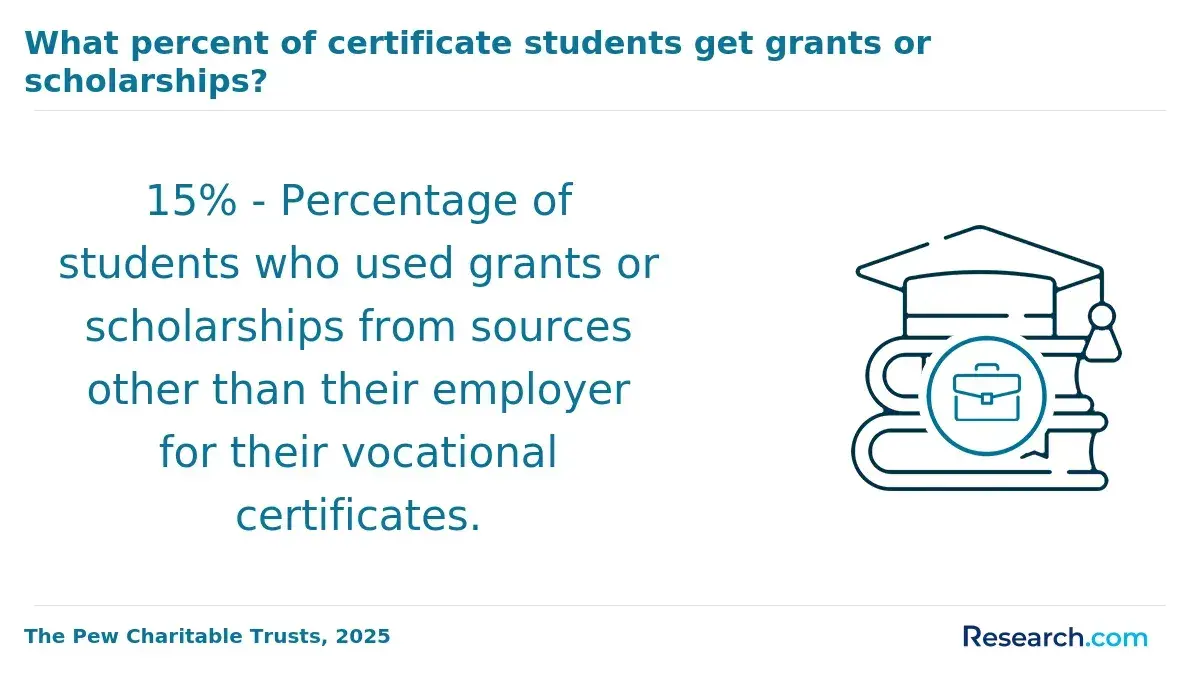
The best education path depends on whether you need a broad creative foundation, a fast software upgrade, or a credential that supports long-term advancement. Students who want structured training in lighting, composition, editing, business, and critique may benefit from degree programs, while working photographers who only need targeted Lightroom, Photoshop, Capture One, or color management skills may prefer certificates or continuing education courses.
Prospective students comparing photography colleges online should look beyond whether a program teaches camera basics. Editing-focused programs should include raw processing, non-destructive workflows, advanced Photoshop, retouching ethics, file management, digital printing, portfolio development, and feedback from instructors with industry experience.
The table below compares common academic routes. Use it to match your current experience level with the amount of structure, cost, and time you are willing to commit.
| Program type | Typical focus | Best for | Limitations to consider |
| Short certificate or continuing education program | Software tools, workflow, retouching, color correction, portfolio updates | Working photographers, career changers testing the field, students needing fast skill development | May not provide broad art, business, or general education coursework |
| Associate degree in photography or digital media | Camera operation, lighting, editing, studio work, design basics, introductory business skills | Students seeking an affordable foundation or transfer pathway | May be less specialized than an advanced retouching program |
| Bachelor's degree in photography, visual arts, or digital media | Concept development, advanced production, visual culture, portfolio critique, professional practice | Students aiming for competitive creative roles, art direction pathways, or graduate study | Usually takes longer and costs more than a certificate or associate degree |
| Bootcamp-style editing program | Intensive Photoshop, Lightroom, compositing, or commercial retouching workflow | Learners who already understand photography and need concentrated post-production practice | Quality varies widely, and credits may not transfer to accredited colleges |
A degree is most useful when it builds a complete creative practice, not just software familiarity. A certificate makes more sense when the learner already has shooting experience, a clear niche, and a portfolio that needs technical polish rather than broad academic development.
What digital photography job titles focus primarily on post-production and retouching work?
Some digital photography jobs are primarily post-production roles. These positions may involve little or no shooting, but they still require strong visual judgment, knowledge of photographic lighting, and the ability to understand what the photographer, client, or art director intended. They are good options for people who enjoy precision work and prefer studio, agency, or remote production environments over field shoots.
The table below summarizes job titles that commonly center on editing, retouching, organization, and image delivery. Titles vary by employer, so review job descriptions carefully rather than relying only on the name of the role.
| Job title | Primary responsibilities | Key tools and skills | Career notes |
| Photo editor | Selects images, coordinates edits, maintains visual consistency, prepares files for publication or campaigns | Lightroom, Photoshop, metadata, visual storytelling, communication | Often found in media, marketing, publishing, and in-house creative teams |
| Retoucher | Removes imperfections, refines skin or products, adjusts shape and color, prepares polished final images | Photoshop, frequency separation, dodge and burn, masking, ethical judgment | Can specialize in beauty, fashion, product, jewelry, or advertising |
| Digital imaging technician | Manages image files, color, backups, previews, and technical quality during or after production | Color management, tethered capture, Capture One, file systems, calibration | Common in studio, commercial, and high-volume production environments |
| Compositing artist | Combines multiple images into believable or stylized final visuals | Photoshop, masking, perspective, lighting match, creative problem-solving | Can overlap with advertising, entertainment, and digital art roles |
| Digital asset manager | Organizes, tags, archives, retrieves, and distributes image libraries | Metadata, catalog systems, rights management, workflow documentation | Useful for museums, brands, agencies, universities, and media archives |
These roles reward consistency and reliability. A retoucher who can make one excellent image is valuable, but a retoucher who can apply the same standard across a 400-image product catalog under deadline is more useful to many employers.
How do online digital photography programs compare to campus options for editing training?
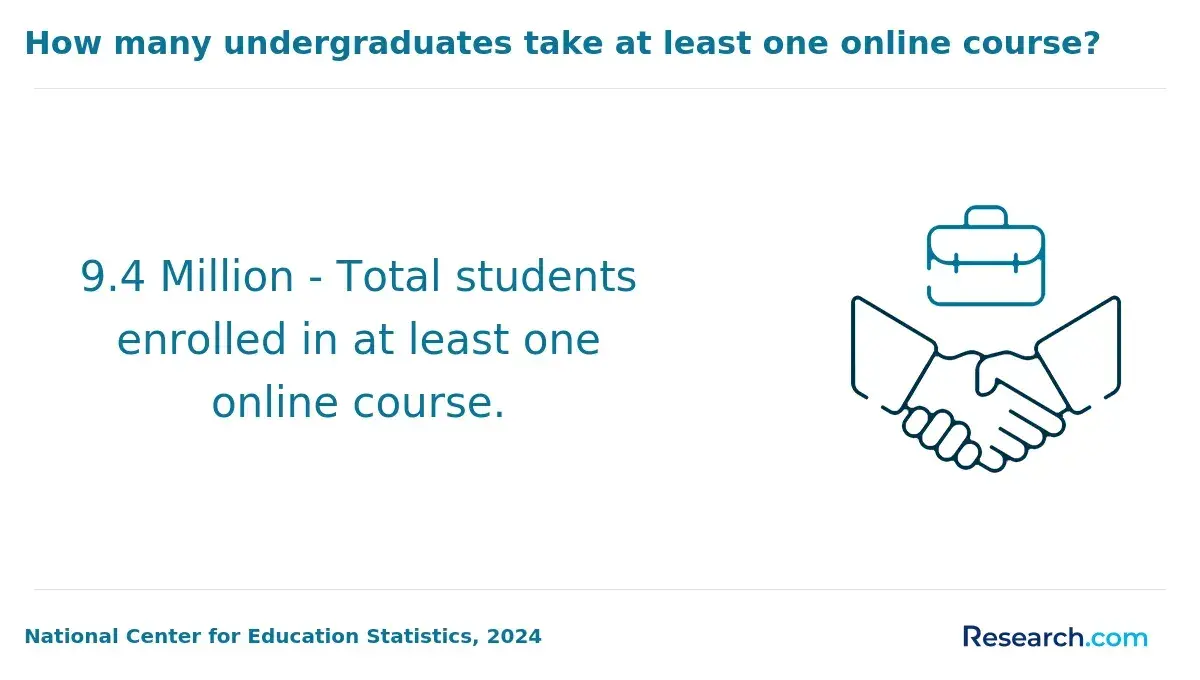
Online and campus digital photography programs can both develop strong editing skills, but they are not equal for every learner. Editing software is naturally suited to online instruction because screen sharing, recorded demonstrations, cloud submissions, and critique boards can work well. However, campus programs may offer stronger access to studios, lighting equipment, printers, calibrated labs, and in-person critique.
The table below compares online and campus formats through the lens of editing-focused training. Use it to decide which format matches your schedule, equipment access, and learning style.
| Factor | Online programs | Campus programs | Decision guidance |
| Editing instruction | Strong for software demos, recorded lessons, screen critiques, and asynchronous practice | Strong for live critique, lab support, and instructor observation | Online can work well if feedback is detailed and frequent |
| Studio access | Usually requires students to supply or rent their own gear and lighting space | Often provides studios, lighting kits, printers, and computer labs | Campus may be better for beginners without equipment |
| Schedule flexibility | Often better for working adults, freelancers, and parents | May require fixed class times and commuting | Online is useful if you need to build skills around work |
| Peer critique | Can be effective if the course uses structured critique and revision cycles | Often more immediate and interactive | Choose the format with the strongest critique culture, not just the easiest schedule |
| Portfolio building | Depends heavily on assignments, instructor feedback, and access to subjects or products | May offer studio projects, exhibitions, and collaborative shoots | Ask to see student portfolio examples before enrolling |
Online programs are a strong choice for learners who already have a camera, a capable computer, editing software, and enough self-discipline to complete weekly projects. Campus programs may be better for students who need hands-on help with lighting, printing, studio safety, camera systems, and in-person professional networking.
Before choosing either format, ask practical questions that reveal whether the program truly supports editing outcomes:
- Will instructors provide marked-up feedback on edited files, or only general comments?
- Are assignments based on raw files, client-style briefs, and revision rounds?
- Does the program teach color management, monitor calibration, file delivery, and print preparation?
- Can students build a portfolio in a specific niche such as product, portrait, real estate, or editorial photography?
- Are software subscriptions, plug-ins, external drives, cameras, or printing costs included in tuition estimates?
What core courses teach industry-standard photo editing workflows and software tools?
Editing-focused photography training should teach more than filters and presets. Professional editing requires a repeatable workflow from capture to delivery, including importing, backing up, culling, raw development, retouching, color management, exporting, archiving, and presenting final work to a client or instructor.
The most useful courses usually connect technical skills to real production problems. Look for coursework that includes these areas because each one maps directly to tasks used in commercial and creative photography work:
- Digital photography fundamentals, including exposure, dynamic range, lens choice, file formats, and how capture decisions affect editing flexibility.
- Raw workflow and image organization, including Lightroom or similar catalog systems, metadata, keywording, backups, culling, and non-destructive editing.
- Adobe Photoshop or advanced pixel editing, including layers, masks, selections, healing, cloning, dodge and burn, compositing, and smart objects.
- Color correction and color management, including white balance, calibration, soft proofing, output profiles, and consistency across screens and print.
- Portrait and beauty retouching, including skin texture, blemish control, hair cleanup, natural-looking adjustments, and ethical limits.
- Product and commercial retouching, including dust removal, reflection control, background cleanup, shadow refinement, color matching, and export standards.
- Digital printing and output, including resolution, sharpening, paper choice, printer profiles, lab communication, and proof review.
- Professional portfolio development, including sequencing, niche selection, client presentation, artist statements, websites, and project case studies.
AI-assisted tools are now part of many editing workflows, but they should not replace fundamentals. Generative fill, subject selection, noise reduction, and automated masking can save time, yet employers still expect editors to recognize bad edges, unnatural skin, inconsistent shadows, licensing issues, and style mismatches. Programs that teach both manual control and responsible AI-assisted workflow are better aligned with current production realities.
What admissions requirements apply to digital photography programs emphasizing editing skills?
Admissions requirements vary by school and credential level. Short certificate programs may only require an application and basic computer access, while associate and bachelor's programs usually require proof of prior education, transcripts, and sometimes a portfolio or placement assessment. Editing-focused programs may also expect students to have access to a camera, editing software, external storage, and a computer capable of handling large image files.
The table below outlines typical requirements by program level. Always confirm details with the school because requirements, transfer policies, and technology standards can change.
| Program level | Common admissions requirements | Portfolio expectation | Technology expectation |
| Noncredit certificate or workshop | Basic application, payment, and sometimes a short skills questionnaire | Often not required for beginner courses | Student may need current editing software and a suitable computer |
| Credit certificate | Application, high school diploma or equivalent, transcripts, and placement information | May be required for advanced editing certificates | Camera, storage, and software access are commonly expected |
| Associate degree | College application, transcripts, placement tests or placement alternatives, and financial aid forms if applicable | Usually optional for open-admission community colleges | Some courses may require a DSLR or mirrorless camera and editing software |
| Bachelor's degree | Application, transcripts, essays or statements, recommendations, and sometimes a portfolio review | Often important for selective art, design, or photography programs | Students may need a laptop, camera kit, drives, and software subscriptions |
Applicants can improve their chances of choosing the right program by preparing before they apply. The goal is not only to get admitted, but to avoid enrolling in a program that does not match the career outcome they want.
- Review the curriculum and confirm that advanced editing courses go beyond introductory Photoshop or basic Lightroom presets.
- Ask whether portfolio reviews include revision feedback, not just final grades.
- Check institutional accreditation for degree programs and ask whether credits can transfer.
- Request a full cost estimate that includes software, equipment, printing, fees, and portfolio production.
- Compare student work samples to the type of career you want, such as product, fashion, wedding, real estate, or editorial photography.
Common red flags include vague course descriptions, no mention of critique, outdated software requirements, no portfolio outcomes, and programs that promise employment or income results without explaining local market conditions. A good program should be transparent about expectations, costs, tools, and the kinds of roles its training supports.
How much do specialized editing-focused photography programs cost, and how long do they take?
Editing-focused photography program costs vary widely because students may choose anything from a short software course to a full bachelor's degree. Tuition is only part of the total cost. Students should also budget for a camera system, lenses, lighting access, editing software, a calibrated monitor if needed, external drives, cloud backup, printing, portfolio hosting, and transportation or studio fees.
College Board's 2024 Trends in College Pricing reported average published 2024-25 tuition and fees of $4,050 for public two-year in-district colleges, $11,610 for public four-year in-state colleges, and $43,350 for private nonprofit four-year colleges. Those figures are not photography-specific, but they help students compare the scale of cost differences between credential types before adding equipment and software expenses.
- Public two-year in-district college average published tuition and fees: $4,050
- Public four-year in-state college average published tuition and fees: $11,610
- Private nonprofit four-year college average published tuition and fees: $43,350
The table below summarizes typical time commitments. Use it to decide whether your priority is speed, depth, transferability, or a full creative degree experience.
| Program type | Common length | Cost pattern | Best value when |
| Short editing course | A few weeks to a few months | Lower tuition, but may require software and equipment | You need one specific skill such as Lightroom workflow or Photoshop retouching |
| Certificate | Several months to one year | Moderate cost, often focused on job-ready skills | You already have some creative experience and want a portfolio upgrade |
| Associate degree | About two years full time | Often lower tuition at community colleges | You want broad fundamentals and may transfer later |
| Bachelor's degree | About four years full time | Highest total cost among common options | You want deeper critique, visual theory, portfolio development, and broader career flexibility |
Students should compare photography training against their broader career priorities. If the main goal is the fastest possible credential in any field with practical earning potential, it may be worth comparing unrelated options such as short Spanish degrees; if the goal is commercial image production, however, the more relevant ROI question is whether the program produces portfolio work that paying clients or employers would trust.
To reduce cost risk, start with one targeted course before committing to a degree, use student software discounts when available, buy equipment based on coursework rather than impulse, and ask whether prior credits or professional experience can reduce the number of required classes. Avoid choosing only by sticker price; a cheaper program with weak critique and no portfolio development may be less useful than a slightly more expensive program with stronger outcomes.
What is the job outlook for digital photographers with advanced editing and compositing skills?
The job outlook for digital photographers with advanced editing and compositing skills is mixed but promising for people who specialize. The BLS projects photographer employment to grow 4% from 2023 to 2033, which is about as fast as the average for all occupations. This suggests that photography is not disappearing, but competition remains real, especially for generalist roles where many applicants can take competent images.
Editing and compositing skills can improve resilience because they help photographers move into adjacent work: commercial production, e-commerce, digital asset management, creative services, media, social content, and in-house marketing. These areas often value people who can deliver finished files efficiently, collaborate with designers, and maintain brand consistency across many images.
Current trends affecting the outlook include AI-assisted editing, remote creative production, demand for e-commerce imagery, short-form social campaigns, and the need for fast turnaround. AI tools can automate routine selections, noise reduction, background cleanup, and simple object removal, but they also raise expectations. Employers may increasingly look for editors who can use AI responsibly while still controlling quality, licensing, realism, and brand style.
Readers comparing creative careers with more procedure-driven technical careers should understand that photography often has less standardized advancement. A path such as autopsy technician school may involve clearer training requirements, while photography depends more heavily on portfolio proof, client relationships, market niche, and production reliability.
The smartest strategy is to avoid being a generic photographer. Build a niche, learn the editing standards for that niche, and show proof that you can deliver. For example, a real estate portfolio should show corrected verticals and balanced windows; a product portfolio should show clean surfaces and accurate color; a beauty portfolio should show skin texture and restraint; and a wedding portfolio should show consistent style across full galleries, not only highlight images.
Are any certifications or portfolios recommended for editing-focused photography careers?
Certifications are optional in most digital photography careers, but they can help beginners prove software competency and give career changers a structured learning target. Portfolios matter more than certificates for most creative hiring decisions. The best approach is to use certifications to support, not replace, a body of polished work.
Common credential options include software and vendor-based certifications. Their value depends on whether the credential is recognized by the employers, clients, or schools you are targeting.
- Adobe Certified Professional credentials can demonstrate baseline skills in tools such as Photoshop and related creative applications.
- Manufacturer or platform-specific training can help with workflows tied to studio capture, printing, lighting, or digital asset systems.
- College certificates can be useful when they include graded projects, instructor critique, and portfolio-ready assignments.
- Workshops led by respected retouchers or commercial photographers may be valuable if they produce practical portfolio improvements.
A strong editing-focused portfolio should be specific, ethical, and easy to evaluate. Include finished work, but also show enough process to prove your role in the edit. Before publishing before-and-after images, get permission from clients, models, photographers, or employers when needed.
- Choose one primary niche, such as product, portrait, fashion, real estate, wedding, editorial, or compositing.
- Include 12 to 20 highly polished images instead of a large collection with uneven quality.
- Show before-and-after examples only when they help explain your editing value and do not violate client privacy.
- Add short project notes explaining the brief, editing challenge, tools used, and final delivery format.
- Remove work that does not match the clients or employers you want to attract.
- Update the portfolio regularly as your editing taste, software skills, and target market improve.
Some creative students discover that they are more interested in art as a healing, counseling, or community-based practice than in commercial image production. Those learners may want to compare photography training with related graduate options such as art therapy masters, which lead toward a very different type of professional preparation and should be evaluated by accreditation, clinical requirements, and state rules.
Other Things You Should Know About Digital Photography
Yes, you can freelance while studying photography in 2027. Many clients value creativity and editing skills over expensive equipment. By building a diverse portfolio and demonstrating strong editing capabilities, students can attract projects that fit their growing expertise and schedule.
Copyright usually belongs to the creator unless it is transferred by contract or created under certain employment arrangements. Retouching someone else's photo does not automatically give you full ownership, so written agreements are important when collaborating with photographers, clients, or agencies.
A retoucher should know Adobe Photoshop, Lightroom, and basic color management, plus non-destructive editing tools such as layers and masks. Employers often expect portfolio samples that show skin retouching, exposure correction, and batch processing, especially in studio, fashion, and e-commerce photography roles.
References
- Should you Study Photography at College or are There Better Options Now? https://digital-photography-school.com/should-you-study-photography-at-college-or-are-there-better-options-now/
- Digital Photography Editing Training Course Outline | Click Craft Academy https://www.clickcraftacademy.com/courses/photo-editing/
- Photography Editing Workflow Guide - Why & What to Edit https://www.alanranger.com/blog-on-photography/uk-photography-editing-workflow-guide
- Digital Photographer Career Guide - Sessions College https://www.sessions.edu/career-center/photographer/
- Professional Photography Careers - Photographer Jobs | NYIP https://stg.nyip.edu/photo-articles/career-guides/professional-photography
- College Certificate vs Online Photography School | Cameraderie https://cameraderie.org/threads/college-certificate-vs-online-photography-school.56322/
- Raj Computers Academy https://rajcomputersacademy.com/course/certificate-course-in-photo-editing-U00081
- Colorado's College for Photography - Colorado Mountain College https://coloradomtn.edu/programs/professional-photography/
- Private Photo Expedition, Workshop & Masterclass | Jan Smid https://www.smidphotography.com/private-courses
- Best Photo Editing Software in 2026: I Found a Surprising Winner https://themframes.com/features/the-best-photo-editing-software/