2027 Questions to Ask Before Enrolling in an Online Marriage and Family Therapy Degree

Co-Founder and Chief Data Scientist
Choosing an online marriage and family therapy degree often hinges on navigating coursework that demands clinical experience alongside academic rigor, while balancing work and personal responsibilities. With 40% of graduate students now opting for part-time or online formats, according to the National Center for Education Statistics, accessibility and flexibility influence enrollment decisions as much as accreditation or curriculum.
However, not all programs equally accommodate licensure requirements across states, potentially delaying career entry. This mismatch can complicate timing, financial planning, and professional mobility, especially for mid-career changers. This article identifies key questions to clarify program structure, clinical components, and licensure alignment to support informed enrollment decisions in this evolving educational landscape.
Key Things You Should Know
- State licensure variability causes a tradeoff: some online marriage and family therapy programs meet credentials only in select states, risking delayed practice and additional coursework outside these regions, per 2024 ASWB licensure reports.
- Employer demand favors graduates with hybrid clinical practicum experiences-fully remote internships correlate with 15% lower placement rates in workforce surveys by the American Counseling Association 2024.
- Program length and cost vary widely; data from the National Center for Education Statistics 2024 shows accelerated online degrees reduce time-to-licensure but often increase tuition by 20%-30%, impacting return on investment for career changers.
What is an online marriage and family therapy degree?
Online marriage and family therapy degree programs demand careful navigation beyond coursework, chiefly due to the state-mandated supervised clinical experience that must be completed locally. This creates a significant logistical barrier for distance learners who must secure placements and supervisors while aligning with varied state licensing requirements.
Graduates often find that employers prioritize candidates whose clinical training reflects their jurisdiction's standards, impacting licensure portability and employability.
Accredited marriage and family therapy online degrees provide an essential foundation in family dynamics, counseling methods, and ethical practice through flexible formats such as asynchronous classes and live video sessions. However, the autonomy required to manage these hybrid demands can pose challenges for professionals balancing work commitments.
The economic rationale for pursuing this pathway is grounded in quantifiable labor market advantages. Licensed marriage and family therapists earned a median annual wage of $63,780 in May 2024, about 22% higher than the median for all occupations in the U.S., according to the U.S. Bureau of Labor Statistics.
This premium is driven by demand across healthcare, social services, and private counseling, but prospective students must weigh the upfront investment against regional employment conditions and employer recognition of online credentials.
Those considering these programs should also scrutinize the rigor of clinical placement support and how well the curriculum aligns with their state's licensing board. Practical career outcomes hinge on this alignment as well as disciplined self-management. For a comparative view of program affordability and features, consult MFT online programs.
Is the program properly accredited for licensure?
Accreditation status directly impacts eligibility for marriage and family therapist licensure, making it a decisive factor beyond mere program completion. Programs recognized by licensing boards-especially those accredited by the Commission on Accreditation for Marriage and Family Therapy Education (COAMFTE) or regional bodies-ensure alignment with state-specific licensure requirements.
Without such accreditation, graduates often face significant delays or denial when pursuing licensure, regardless of coursework finished.
Employers and state boards demand degrees from accredited programs that incorporate mandatory clinical hours, supervised practicum, and ethics and family systems coursework. Students enrolled in non-accredited online programs frequently must complete additional supervised hours or classes post-graduation, introducing further time and financial costs.
This consideration is particularly relevant given the projected 13% employment growth for marriage and family therapists between 2024 and 2034, well above average for health-related fields.
Consider a working professional making a career pivot: a COAMFTE-accredited program enables immediate licensure eligibility once graduated, while an unaccredited alternative can extend the timeline by 1-2 years due to recertification requirements or supplemental training. Verifying accreditation and state licensing prerequisites with program administrators is crucial to avoid investing in programs that do not meet legal licensure baselines.
For those weighing flexible options, consulting industry-verified resources about the fastest and easiest counseling degree programs can provide comparative insight. This helps navigate accreditation requirements for online marriage and family therapy degrees while avoiding costly setbacks.
Will this degree meet your state licensing requirements?
Meeting state licensing requirements for online marriage and family therapy degrees often determines your ability to enter the field without costly delays. Licensing boards vary extensively in expectations for coursework, practicum hours, and supervised clinical experience.
Many boards require degrees from Commission on Accreditation for Marriage and Family Therapy Education (COAMFTE)-accredited programs; neglecting to verify this can result in additional education or repeated supervised hours, which employers view unfavorably.
For example, states like California and New York enforce strict clinical supervision mandates and demand coursework in ethics, assessment, and family systems theory. Programs that do not explicitly align with these standards risk graduates needing costly reeducation or extended apprenticeship periods after graduation. This disconnect can stall workforce entry and reduce employment marketability.
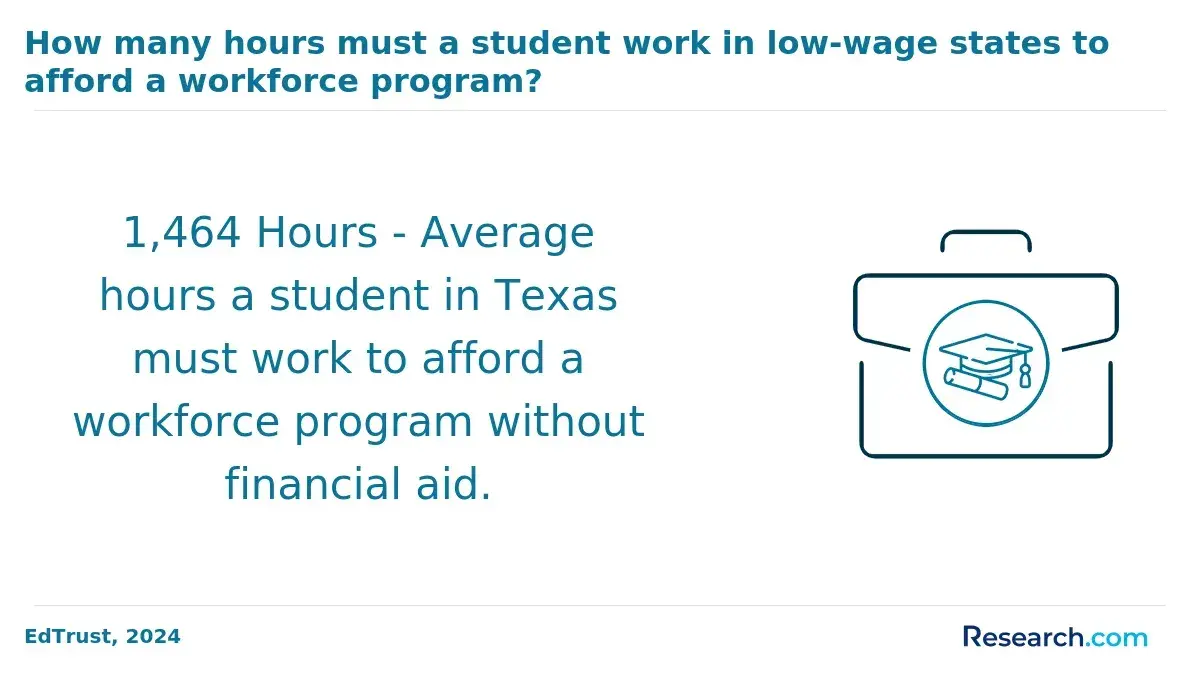
Financial tradeoffs also influence long-term outcomes. Accredited online MFT programs typically charge $30,000 to $80,000 in tuition, with median graduate debt around $14,000 to $26,000.
While cheaper, non-accredited online options might appear appealing upfront, they often inflate lifetime costs due to additional licensing hurdles or limited job prospects. Prospective students should examine their individual states' boards and confirm program accreditation and curriculum alignment before committing.
When assessing program suitability, cross-reference your state licensing board's requirements and seek explicit confirmation from advisors regarding internship placements and multi-state licensing recognition. This diligence mitigates licensing delays and aligns educational investment with realistic employment pathways.
Additionally, comparing programs with other specialized degrees like BCBA master's programs may offer insights into relative workforce integration and credentialing complexity.
Should you choose online, hybrid, or campus study?
Cost differences between public and private programs significantly influence the choice among online, hybrid, or campus marriage and family therapy degree programs. Public university online MFT programs typically cost between $7,000 and $10,000 annually after grants, while private university options often exceed $27,000 per year. This gap directly impacts graduate debt and financial flexibility, especially for career changers prioritizing affordability and scheduling flexibility.
Campus study, despite higher expenses, provides immediate faculty access, face-to-face peer interaction, and essential on-site clinical practicum opportunities. These factors support effective networking and stronger employer recognition in licensure-focused or competitive markets but frequently require relocation or commuting, which can disrupt existing employment or family commitments.
Hybrid study options for marriage and family therapy degrees attempt to mediate between convenience and hands-on experience but may demand periodic campus visits, complicating logistics for working professionals or caregivers. Online formats offer maximal flexibility and remote accessibility yet risk limiting practical exposure and professional connections unless programs actively support practicum placements to meet specific state licensing requirements.
Prospective students should consider how their professional goals align with these tradeoffs. Those targeting intensive clinical development might lean toward campus or hybrid paths for employer credibility, while those balancing cost and life demands often find public online programs strategically viable.
For more detailed data on related social work educational pathways, see master of social work research.
What courses are included in the curriculum?
The core curriculum of an online marriage and family therapy degree must balance theoretical rigor with hands-on clinical preparation, as licensure hinges on demonstrated competence both in knowledge and client interaction. Coursework typically covers human development, family systems theory, psychopathology, and extends to practical clinical assessment, couples therapy, and group counseling methods.
This structured progression ensures candidates are equipped to diagnose and treat complex family dynamics across diverse settings.
Ethics and legal considerations are integral, ensuring future therapists understand boundaries, confidentiality, and state-specific regulations critical for maintaining professional standards. Additional classes in research methods and program evaluation cultivate skills needed for evidence-based practice, while cultural competence and trauma-informed care training align graduates with evolving societal demands.
One of the most significant practical challenges is fulfilling practicum and internship requirements locally, as direct client hours are essential for licensure in nearly all states. This constraint can elongate completion timeframes and escalate costs if suitable placements are scarce.
To contextualize expense, median tuition for online psychology and therapy master's programs sits around $10,350 annually, while average student budgets exceed $26,000. Prospective students must weigh whether a program's scope and alignment with licensure criteria justify the investment, particularly recognizing employer demand for clinicians ready to address multifaceted family issues.
What admissions requirements do programs typically ask for?
Admissions criteria for online marriage and family therapy degree programs reflect competing priorities between academic rigor and practical accessibility. Most demand a bachelor's degree with a minimum GPA near 3.0, but programs increasingly accept lower GPAs if applicants present relevant experience or graduate-level coursework.
Candidates must typically supply official transcripts, statements of purpose, and recommendation letters-usually from professionals familiar with their clinical aptitude.
Prerequisite coursework in psychology or human development is often required; lacking this foundation can delay full admission by necessitating additional classes. Many programs still request GRE scores, though this requirement is fading as the test's predictive value for clinical success is questioned. Practical experience in clinical or community settings enhances applications and signals applicant readiness.
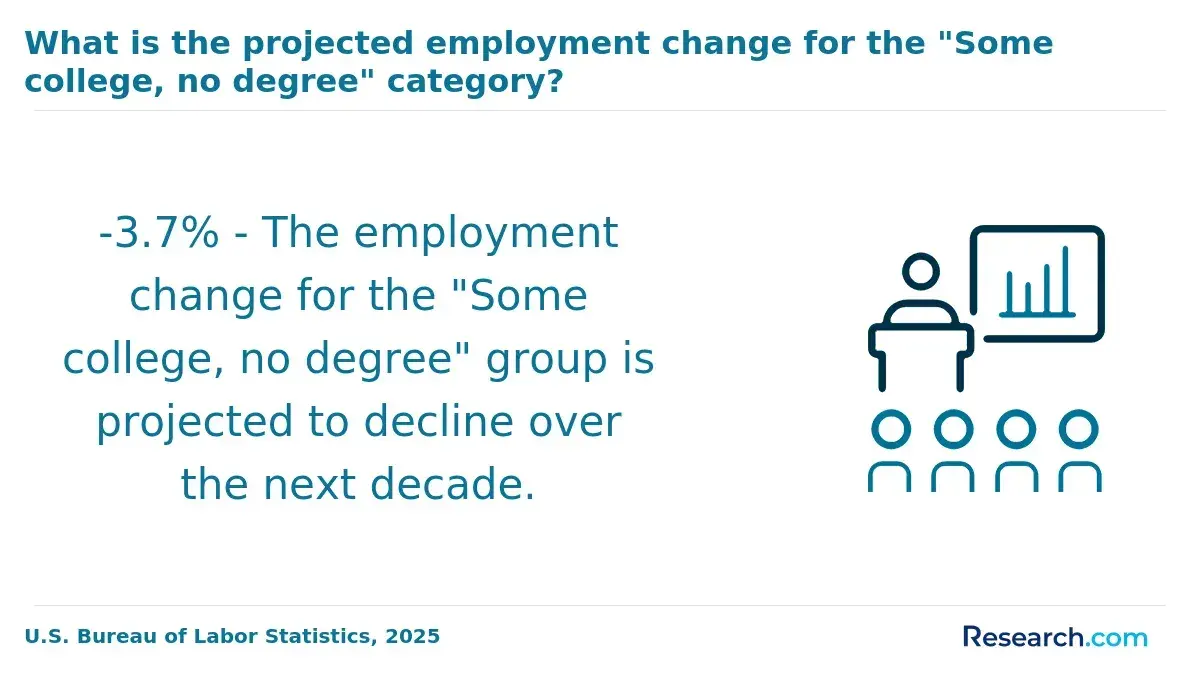
These admission nuances have concrete workforce implications. Programs with stringent prerequisites and extensive foundational courses may push back start dates, affecting time-to-practice and early career earnings, which range approximately from $52,004 to $71,407 for online graduates according to OnlineU's 2026 data. Conversely, conditional admissions with bridging coursework offer quicker entry but might delay full licensure eligibility.
Prospective students must weigh faster program access against long-term employability gains tied to comprehensive preparation. Admissions strategy in this field shapes not only career trajectory but also the caliber and market competitiveness of emerging therapists.
How long does the degree take and what does it cost?
The path to licensure in marriage and family therapy involves balancing extensive clinical demands with lengthy academic commitments, which significantly affect time-to-practice and earning potential. Master's programs typically require 2 to 3 years, but adding 1,000 to 3,000 supervised clinical hours often extends study time for full licensure eligibility. Doctoral tracks span 4 to 6 years or more, with clinical requirements increasing the practical investment.
Cost is substantial and variable: master's tuition ranges from $30,000 to $70,000, while doctoral studies often exceed $80,000. These amounts exclude additional fees for textbooks, technology, licensing exams, and living expenses during internships. For example, part-time students juggling work may face prolonged completion timelines, amplifying costs and delaying entry into higher salary brackets.
The earnings trajectory for licensed therapists shows incremental rises averaging $6,000 annually over the first decade, highlighting the financial impact of when one completes their degree and secures licensure. Employers prioritize candidates with completed clinical hours and licensure, emphasizing alignment with state requirements to avoid costly setbacks.
What practicum or internship hours are required?
Online marriage and family therapy degree programs demand substantial supervised practicum hours-typically between 300 and 500-to meet state licensure standards, but requirements often exceed this baseline. The Council on Accreditation (COA) sets a common standard of 500 total practicum hours including 200 direct client contact hours and 100 supervision hours.
Several states impose even greater post-degree supervised hour mandates, sometimes surpassing 1,000 hours before full licensure is attainable. These thresholds directly affect how quickly graduates can enter the workforce.
Securing approved clinical placements poses a frequent bottleneck, especially in rural or underserved areas. State licensing regulations often restrict internships to certain settings such as hospitals, community mental health centers, or private practices, complicating logistics for candidates.
Programs flexible enough to offer hybrid models with telehealth practicum hours-where supervisors hold proper credentials-address some accessibility issues, though teletherapy hour acceptance varies by state.
Students should rigorously evaluate programs' practicum affiliations and supervision quality aligned with their state requirements to avoid delays. Given the Bureau of Labor Statistics projects roughly 7,700 annual job openings for marriage and family therapists from 2024 to 2034, timely completion of supervised practice is crucial for employability. Those who misjudge experiential hour complexities risk extended gaps between graduation and licensure, reducing immediate workforce participation.
What careers can you pursue after graduation?
Graduates of an online marriage and family therapy degree realistically navigate a fragmented job market where licensing demands shape immediate employability. States require roughly 2,000 to 4,000 supervised clinical hours post-degree, making program alignment with intended practice locations a strategic necessity rather than an afterthought.
This licensing variability in turn affects how swiftly graduates secure roles, particularly in private practice or school-based counseling, where credential portability is often limited.
In practice, marriage and family therapists often integrate additional certifications, especially in trauma or substance abuse, to meet employer expectations in both community health and integrated care settings. This multidisciplinary approach, increasingly valued by healthcare systems, also broadens career options in underserved rural areas, where therapists serve dual roles combining family systems insight with direct individual interventions.
Regional workforce data illustrates differing employment landscapes: for example, Minneapolis favors community health frameworks offering steady roles, while Los Alamitos leverages proximity to large hospitals driving demand for therapists with adaptable telehealth skills.
Career progression beyond entry-level positions frequently hinges on doctoral specialization or niche credentials such as adolescent or forensic counseling, factors that materially influence long-term earning potential and job stability.
Success requires graduates to balance program selection against state licensing requirements, internship quality, and specialization areas, given evolving telehealth adoption and employer standards. Strategic decisions-such as targeting states with compatible licensing or focusing on in-demand specializations-substantially impact market responsiveness and sustainable employment within marriage and family therapy.
What salary and job outlook can graduates expect?
Graduates holding a master's degree in marriage and family therapy generally secure salaries about 21.7% above the median for all U.S. occupations, illustrating a tangible financial advantage relative to many graduate-level fields. Initial compensation for licensed MFTs typically ranges from $55,000 to $75,000, influenced heavily by state licensing requirements, employer type, and geographic location.
The trajectory and salary potential vary substantially due to factors such as urban versus rural settings, specific employer demands, and added credentialing. For instance, urban centers with higher costs of living often offer better pay but may require extra supervision hours before full licensure.
Employment growth in this sector remains robust, powered by rising mental health awareness and expanding public and private sector adoption of family-focused treatment frameworks. However, delayed entry into the workforce caused by mandated supervised clinical hours can affect short-term earnings and should be factored into career planning.
Compared to related professions, marriage and family therapists experience quicker salary growth than licensed counselors but tend to earn less than clinical psychologists due to differences in educational requirements. Employers increasingly prioritize candidates equipped with evidence-based intervention skills and telehealth competencies, signaling an evolving skill set for sustainable employability.
Other Things You Should Know About Marriage & Family Therapy
In 2027, shorter MFT programs might be less comprehensive, as they often have fewer courses and clinical hours. However, this can vary by institution. Prospective students should consider program curriculum depth and graduate outcomes to ensure alignment with professional goals.
Online programs vary in how they simulate clinical skills, with some relying heavily on recorded sessions or virtual role-plays that lack the nuance of in-person feedback. Students should prioritize programs with live supervision, interactive telehealth practicums, or partnerships with local clinics to develop practical competencies. Without these elements, graduates may face a steeper learning curve when transitioning to face-to-face or teletherapy roles post-graduation.
Choosing a program misaligned with state licensing boards or employer norms can delay licensure, require additional coursework, or limit job opportunities. Employers in certain regions may prefer candidates from programs with specific clinical hour requirements or training models. Prioritize programs with proven graduate success in your target state or employment area to avoid costly and time-consuming setbacks.
A strong online MFT degree should include a supervised practicum and internship tied to your state board’s requirements. Many states require about 300 practicum hours and 600 internship hours, plus direct client contact under approved supervision before licensure eligibility.
References
- How to Make Sure Your Degree Leads to Licensure in Your State — Higher Education Licensure Pros https://www.higheredlicensurepros.com/blog/updated-top-5-things-to-know-about-licensure-before-you-choose
- Best Career Options After Graduation: Top High-Paying Paths https://www.flashfirejobs.com/blog/best-career-options-after-graduation
- Studying Online vs On-Campus: Which Is Better for You? | UNF https://www.unfc.ca/blog/studying-online-vs-on-campus-which-is-better-for-you
- What Is Curriculum? Simple Guide For Students & Parents (2026) https://www.uscaacademy.com/blog/what-is-curriculum/
- Hybrid Programs- Which Students Want Them? https://encoura.org/resources/wake-up-call/hybrid-programs-which-students-want-them/
- Practicums Vs Internships: A Complete Guide | Psychology.org https://www.psychology.org/resources/internships-and-practicums/
- MA in Marriage/Family Therapy (Marriage/Family Therapy) https://www.umassglobal.edu/academic-programs/ma-in-marriage-and-family-therapy
- Online MFT Programs in California — MFT California https://www.mftcalifornia.com/online-programs
- Your Guide to High School Subjects – The Core Subjects and Electives That Make Up a Standard High School Curriculum https://www.educationdegree.com/articles/what-a-high-school-curriculum-includes/
- Report: College Grads’ Expectations Differ from Reality of Job Market https://njbia.org/report-college-grads-expectations-differ-from-reality-of-job-market/