2027 Online Marriage and Family Therapy Degrees for Students Who Want Leadership Paths in Clinical Practice

Co-Founder and Chief Data Scientist
Licensed marriage & family therapists aiming for leadership roles in clinical settings confront a critical paradox: rigorous supervision and hands-on experience requirements collide with inflexible program schedules, especially for professionals balancing work and personal obligations.
Recent data from the National Center for Education Statistics shows that 63% of graduate students prefer online or hybrid formats, reflecting a shift toward accessible, adaptable learning meant to retain working adults. This challenges traditional full-time, campus-based models that often limit upward mobility during degree completion.
Understanding how online marriage & family therapy programs integrate leadership training with clinical practice requirements aids students in selecting pathways that align with career timing and advancement goals.
Key Things You Should Know
- Online Marriage & Family Therapy degrees show a 15% longer median time to licensure vs. in-person routes, increasing total education-to-practice costs by roughly $10,000 due to extended supervision and practicum requirements.
- Employers perceive clinical leadership potential in graduates with integrated practicum leadership roles, with 62% favoring candidates holding advanced team management credits embedded in online curricula.
- Programs accredited by COAMFTE with distinct leadership training modules report 20% higher graduate employment placement within 6 months post-degree, signaling critical differentiators amid growing credential inflation in the field.
What are online marriage and family therapy degrees?
The viability of online marriage and family therapy degrees hinges on integrating licensed clinical practice with remote learning demands. Students must navigate state-specific supervision requirements by securing clinical hours from approved local or telehealth agencies.
For instance, a community mental health therapist can leverage online study to fulfill practicum hours in their existing workplace, applying leadership concepts directly to staff supervision. This approach exemplifies clinical practice leadership in online marriage and family therapy programs, where applied managerial skills complement therapeutic expertise.
While flexible formats allow therapists to maintain client caseloads, candidates must confirm alignment with their state licensing boards to avoid credentialing delays. Programs emphasizing organizational management and policy offer distinct advantages for those targeting leadership roles rather than purely clinical careers. However, balancing ongoing clinical work, remote coursework, and regulatory demands requires disciplined coordination.
Economic incentives also shape decision-making: as of May 2024, licensed marriage and family therapists earned a median annual wage of $63,780—about 22% above the general occupational median—signaling employer preference for MFT specialization within integrated healthcare settings.
Pursuing an online MFT degree with leadership focus thus supports scalable career pathways toward administration without sacrificing clinical development.
Prospective students evaluating options should review marriage and family masters programs carefully, prioritizing those that blend leadership training with accredited clinical education and meet regional licensure prerequisites.
Are online marriage and family therapy programs accredited and licensure-ready?
Accreditation status and local licensure alignment are decisive factors for online marriage and family therapy programs accreditation and practical career outcomes. Students focusing solely on theoretical credentials may encounter significant hurdles if their program lacks Commission on Accreditation for Marriage and Family Therapy Education (COAMFTE) approval, which guarantees adherence to state licensure standards and access to required supervised clinical hours.
Consider a licensed professional in Texas pursuing an online degree: they must identify practicum placements approved by the Texas State Board of Examiners of Marriage and Family Therapists, illustrating how licensure requirements for online marriage and family therapy degrees impose logistical challenges unique to state-specific regulations. Without program support for local clinical partnerships, obtaining qualified supervision can delay licensing and affect employability.
From a workforce perspective, demand for clinically trained MFTs is anticipated to expand by 13% from 2024 to 2034, equating to nearly 9,800 new positions. Graduates lacking immediate licensure readiness risk slower entry into leadership roles or clinical employment.
Practical decision-making involves verifying program accreditation, clinical placement frameworks, and state regulatory compliance before enrollment.
Prospective students should research accredited counseling programs online that provide transparent pathways and validated clinical experiences. Resources like accredited counseling programs can serve as a starting point for finding programs meeting these critical benchmarks.
How do online and campus marriage and family therapy programs differ?
Choosing between online vs campus marriage and family therapy programs involves more than convenience; it directly affects clinical training quality, professional networking, and debt management. Median tuition for online master's in health professions typically runs about $9,310 annually, compared to $14,245 for face-to-face programs, a nearly $5,000 difference that can influence financial flexibility during demanding licensure phases.
Online programs offer asynchronous coursework that accommodates working professionals but often lack the spontaneous peer engagement and on-site mentorship central to campus-based models.
Access to practicum placements is another key tradeoff: campus students typically benefit from affiliated local clinics with structured supervision, whereas online learners must proactively secure approved sites, potentially delaying licensure or impacting supervisor accreditation standards.
Employers look for graduates displaying collaborative leadership and adaptability beyond counseling skills. Campus cohorts often embed leadership development organically through in-person interactions, while online students must seek extracurricular or professional groups to build similar competencies. These distinctions impact long-term employability and career trajectory in marriage and family therapy practice.
Considering these differences between online and traditional marriage and family therapy degrees is critical when targeting leadership roles or clinical environments that emphasize teamwork and real-time client feedback. Prospective students can explore affordable pathways in LPC masters programs online to align cost with career goals.
What courses are in an online marriage and family therapy program?
Online marriage and family therapy program courses must carefully balance clinical training with leadership development to meet employer demands for versatile professionals.
Students engage with a core curriculum in online marriage and family therapy degrees that spans systems theory, human development, psychotherapeutic methods, and ethical-legal considerations specific to family counseling. This foundation is critical but insufficient alone for securing roles that include administrative or supervisory responsibilities.
Advanced coursework targets supervision strategies, program development, and organizational consultation to prepare graduates for managing therapy teams or therapy service operations, often roles requiring strategic oversight beyond client-facing skills.
Practical clinical training integrates 500-1000 hours of supervised internships, essential to meeting licensure standards and demonstrating applied competencies in assessment and treatment planning.
Elective specializations such as couples therapy or substance abuse counseling enhance marketability, aligning with labor statistics showing top earners in this field command salaries above $104,710 largely due to such niche expertise and leadership capability. However, these choices involve tradeoffs in time and focus that candidates must weigh.
Students should review curricula thoroughly, considering how each program structures the interface between clinical practice and administrative leadership, given that successful graduates must navigate both family dynamics and organizational complexities.
For those assessing pathways, exploring the best PsyD programs can clarify available trajectories and outcomes aligned with evolving workforce expectations.
What admission requirements do MFT programs usually require?
Admission into COAMFTE-accredited online marriage and family therapy programs hinges on more than academic qualifications; it requires demonstrated readiness for an intensive clinical pathway that directly impacts licensure timing and career trajectory.
Candidates typically hold a bachelor's degree with a GPA near 3.0 and must submit academic transcripts, recommendation letters, and a statement of purpose focused on clinical leadership ambitions. Prior clinical experience or a clear plan to complete substantial supervised hours often weighs heavily in admissions decisions, as these programs align closely with licensure requirements.
Applicants from psychology, social work, or counseling backgrounds tend to navigate prerequisites more smoothly, since foundational courses like human development and psychopathology are prerequisites or early requirements. While some programs still mandate GRE scores, many are dropping this criterion to reduce barriers—yet the academic rigors remain significant.
Online pathways demand managing roughly 60 semester credits, nearly double the load of typical master's degrees, which many working adults balance by choosing programs with flexible scheduling or cohort models. Failure to meet these rigorous admission standards often delays licensure, compressing the window for employment and leadership roles in clinical settings.
How long does it take to earn an online MFT degree?
Accelerated online MFT programs compress degree completion to about 18 months, offering faster workforce entry but often at the expense of comprehensive clinical practicum experiences essential for licensure and higher-level roles.
By contrast, traditional full-time tracks span two to three years, balancing depth with manageable workload, while part-time options stretch to four years, accommodating professionals juggling work and personal commitments.
State licensing boards typically require 60 to 70 credit hours and 300 to 500 supervised clinical hours, mandating programs to integrate rigorous tele-supervision alongside coursework. Candidates must verify alignment with their state's regulations to prevent delays in licensure and employment readiness.
When choosing an online MFT program, consider these factors:
- Program length versus clinical exposure tradeoffs affecting practical skill development.
- Impact of extended part-time study on tuition costs, potentially raising student debt beyond the average master's total of $65,134 (Education Data Initiative).
- Workload intensity and networking opportunities constrained in accelerated formats.
For example, a social worker aiming for clinical supervision roles might prioritize a three-year program allowing thorough practicum engagement, minimizing licensure hurdles and costly remediation. Conversely, those targeting rapid clinical practice entry could accept an 18-month track's limitations, recognizing tradeoffs in leadership preparation and professional network development.
How much do online marriage and family therapy degrees cost?
Costs for online marriage and family therapy degrees typically range from $15,000 to $60,000, reflecting significant variation tied to institution type, accreditation, and residency. Public universities commonly provide more affordable tuition, often between $400 and $800 per credit hour for in-state students, while private institutions frequently exceed $1,000 per credit hour. A master's degree—usually requiring 45 to 60 credit hours—is the essential credential for clinical licensure.
Choosing a lower-cost program may reduce upfront expenses but can limit access to clinical supervision quality, specialized leadership tracks, and licensure exam preparation, potentially affecting employability in competitive markets.
For example, a graduate aiming for leadership positions in metropolitan hubs like San Diego or Minneapolis should weigh premium tuition against program networks and practical training opportunities that support local licensure and hiring.
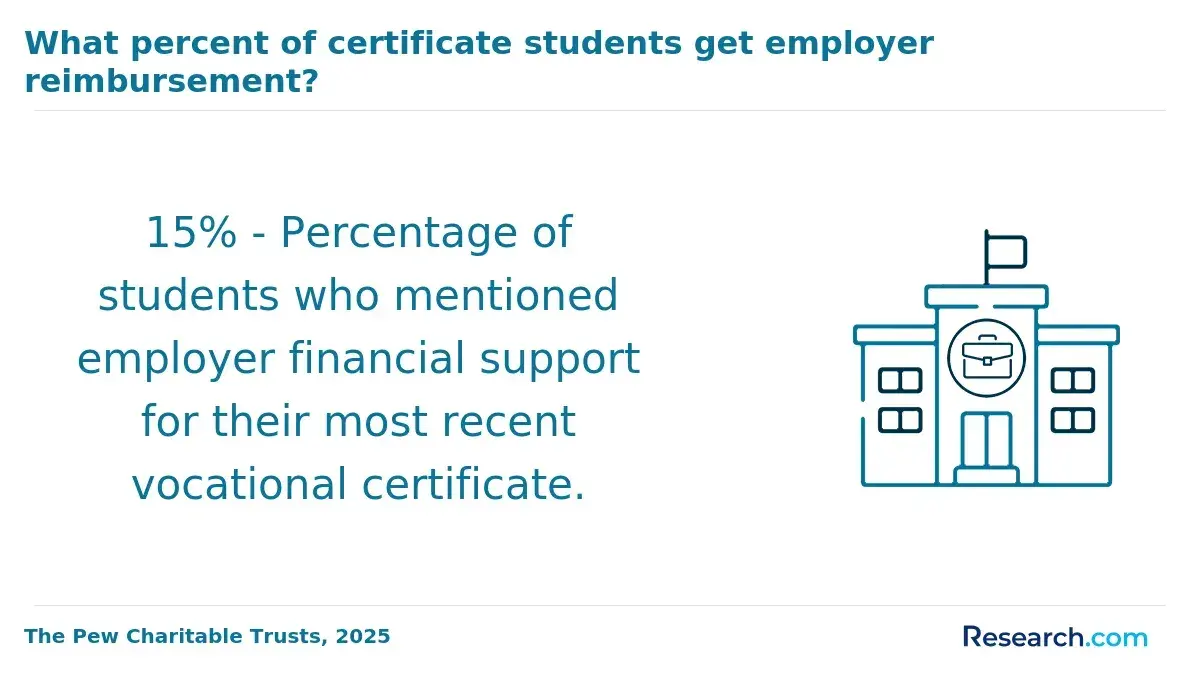
Students must also budget an additional $2,000 to $5,000 for supervised clinical hours, liability insurance, and state licensure fees. While scholarships and employer tuition assistance exist, these supports are inconsistent and often insufficient to offset total out-of-pocket costs.
What jobs can you get with a marriage and family therapy degree?
Securing a position with a marriage and family therapy degree requires navigating a competitive labor market shaped by both clinical demand and administrative growth. The U.S. Bureau of Labor Statistics projects about 7,700 annual openings through 2034, primarily due to workforce turnover and the promotion of experienced clinicians into leadership roles.
Entry-level candidates often start in outpatient clinics or community agencies, where they apply systemic approaches to diverse family dynamics.
Advancing beyond initial practice involves tradeoffs: supervisory and administrative roles demand extensive clinical hours and advanced licensure but provide higher pay and influence. For example, a therapist managing a hospital program must shift focus from client care to budgeting, compliance, and team oversight, requiring a distinct skill set and potentially significant professional development time.
Policy advocacy roles represent a less direct treatment avenue, involving collaboration with public health entities and legislators to shape mental health funding and regulation. Success here often hinges on research literacy and communication skills, suggesting a need for supplementary training in public policy or administration.
Students considering this path should weigh the time and cost of licensure prerequisites and supervisory experience against their career goals. While frontline therapy positions offer immediate client interaction, non-clinical leadership requires sustained credentialing and strategic skill-building to capitalize on expanding job prospects within mental health systems.
What is the salary outlook for marriage and family therapists?
Salary prospects for marriage and family therapists (MFTs) are shaped by licensure status, practice setting, and geographic location, influencing both earning potential and career trajectory. Entry-level clinicians typically start near $45,000, while median wages hover around $58,000 annually.
With licensure and experience, especially in leadership or specialized clinical roles, salaries can exceed $80,000, reaching $90,000 or more in administrative positions. However, advancing demands extended supervised clinical hours and management skills beyond clinical expertise.
The choice between salaried employment and private practice involves tradeoffs: salaried roles provide consistent benefits but limited fee control, whereas private practitioners gain autonomy with more income variability. Employers increasingly seek master's-level credentials and cultural competence, positioning online master's programs as pragmatic pathways for diverse candidates and nontraditional students aiming to meet these expectations.
Geographic factors matter; urban centers with high mental health demand offer higher pay but also greater competition. Sustained investment in certifications and continuing education is crucial for accessing these elevated salary tiers. \
For prospective students and professionals, this means aligning educational plans with realistic timelines for licensure, skill acquisition, and market mobility must guide decision-making to navigate the complexity of this field effectively.
How do you choose a reputable online MFT program?
Employers prioritize graduates from online marriage & family therapy programs accredited by COAMFTE or recognized regional bodies, linking accreditation directly to licensure eligibility and leadership opportunities. Programs lacking integrated behavioral health and telehealth content risk producing graduates unprepared for hybrid clinical models increasingly demanded in practice.
For instance, therapists without telehealth competencies often face delayed promotions or missed leadership roles in settings adopting virtual care.
Transparent, granular licensure pass rates and employment metrics within six months post-graduation serve as reliable indicators of a program's alignment with workforce demands. Graduates advancing into supervisory roles typically emerge from programs with structured practicum placements across diverse settings, including supervised telehealth experiences. Limited local sites or virtual-only practicums without rigorous oversight can impair readiness for complex clinical leadership.
Balancing program flexibility with essential clinical rigor is critical. Graduates from programs emphasizing faculty mentorship in telebehavioral health and integrated care innovation report quicker salary growth and leadership entry. Sacrificing cohort engagement or clinical depth for convenience may undermine vital leadership competencies.
Finally, premium tuition requires commensurate outcomes; expensive programs should demonstrably exceed generic online degrees in specialized training and career impact to justify their cost.
Other Things You Should Know About Marriage & Family Therapy
Most online marriage & family therapy programs require in-person clinical practicum and internships, which cannot be completed fully online. Students must find approved local placements that meet state licensing board standards, adding complexity to program selection and scheduling. Prioritizing programs with strong local field placement support reduces the risk of delays in completing clinical hours needed for licensure.
Online MFT degrees often provide fewer opportunities for organic peer and faculty networking compared to on-campus programs. This can limit access to mentorship and referral networks, which are crucial for clinical job placement and career growth. Students should seek programs that offer structured virtual mentorship, live seminars, and opportunities for supervised group work to mitigate networking gaps.
Most online MFT programs require 300 to 500 practicum hours and 100 to 300 hours of direct client contact, plus supervision by a state-licensed marriage and family therapist or other approved clinician. Leadership-track students often complete extra case consultation or supervision seminars alongside the practicum.
In 2027, online Marriage and Family Therapy (MFT) programs often require clinical supervisors to be accredited and qualified. They generally hold appropriate licenses, such as LMFT, and meet state-specific credentials, ensuring students receive proper guidance during their practicums and internships.
References
- The 12 Best Online MFT Programs in California for 2026 (COAMFTE Accredited) - Psychology California https://psychologyca.org/masters-programs/online-mft/
- Marriage & Family Therapist Salaries in Oregon and the U.S. https://www.georgefox.edu/counseling-programs/programs/marriage-family/salary.html
- MFT Training Programs https://www.coamfte.org/COAMFTE/COAMFTE/Directory_of_Accredited_Programs/MFT_Training_Programs.aspx
- Online MFT Programs - Master’s in Marriage and Family Therapy Programs https://www.onlineeducation.com/counseling/mft-programs
- Career Outlook for Marriage and Family Therapists https://therapistdevelopmentcenter.com/blog/career-outlook-for-marriage-and-family-therapists
- Benefits of Earning an Online MFT Degree | TUW https://www.tuw.edu/school-news/online-mft-degree-benefits/
- Online Master's in Marriage and Family Therapy https://onlinecounselingprograms.com/online-counseling-degrees/online-mft-masters-programs/
- Online MFT Programs in California — MFT California https://www.mftcalifornia.com/online-programs
- How Long Does it Take to Become an LMFT in California? Realistic Timeline Explained - California MFT https://californiamft.org/become-a-lmft/how-long-does-it-take/
- Best Online Master's In Marriage & Family Counseling 2025 https://www.psychology.org/rankings/best-masters-programs-in-family-counseling/