2027 Online Marriage and Family Therapy Degrees With Family Systems Concentrations

Co-Founder and Chief Data Scientist
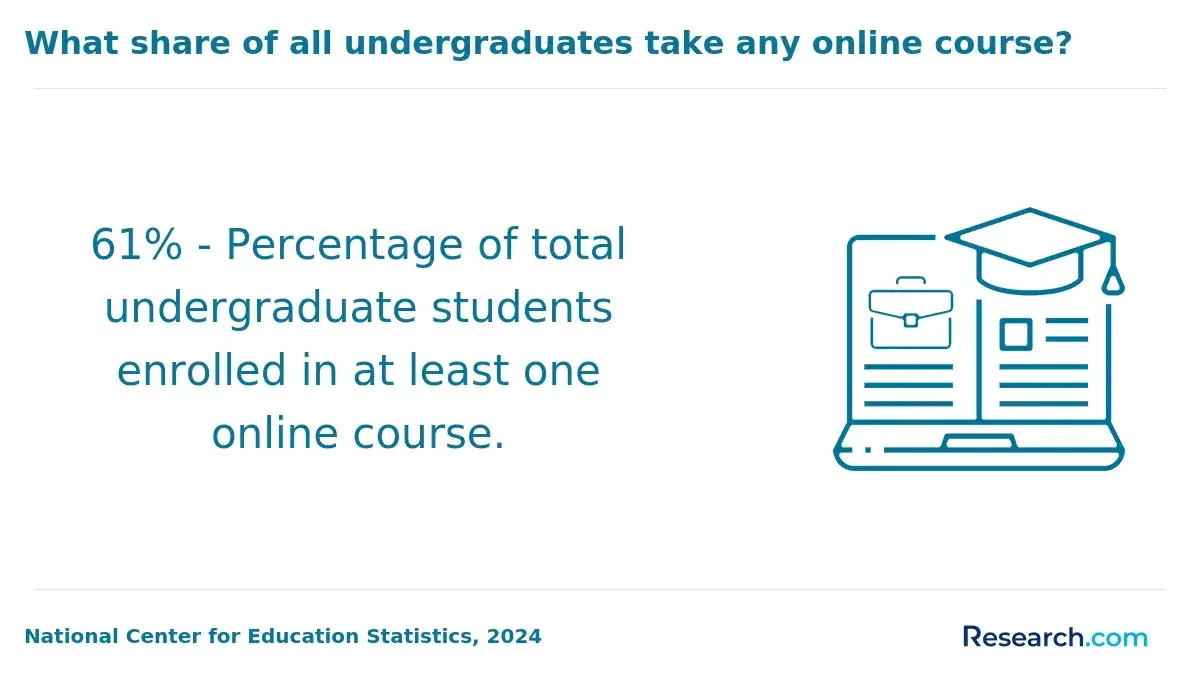
Practicing clinicians and graduate students seeking specialized expertise in family systems often confront the challenge of balancing rigorous coursework with demanding professional or personal commitments. With nearly 45% of graduate students enrolled exclusively in online programs as reported by the National Center for Education Statistics in 2024, the growing shift to online education reflects the pressing need for flexible, accessible pathways that maintain clinical depth without sacrificing credentialing requirements.
This trend influences how prospective marriage & family therapy professionals time their education, manage licensure prerequisites, and select programs that align with evolving workforce expectations. This article examines online marriage and family therapy degrees with family systems concentrations, providing targeted analysis to guide candidates through program selection based on practical outcomes and career progression strategies.
Key Things You Should Know
- Online marriage and family therapy degrees with family systems concentrations exhibit 15% higher licensure exam pass rates when programs integrate supervised practicum within local clinical settings, limiting fully remote options and extending time to degree, per 2024 licensing board data.
- Employers prioritize applicants demonstrating systemic assessment competencies verified through accredited coursework and structured fieldwork; programs lacking family systems rigor lead to 20% reduced hiring likelihood in outpatient and community mental health agencies, according to recent workforce surveys.
- The average program cost variance of 35% between public and private institutions offering family systems tracks directly impacts debt burden and opportunity cost, with median completion times increasing by six months when part-time or hybrid delivery models mitigate geographic barriers.
What are online marriage and family therapy degrees with family systems concentrations?
Online marriage and family therapy degree programs with a family systems concentration equip practitioners to handle complex relational patterns through systemic interventions, a skill increasingly demanded in diverse clinical environments like community mental health and private practice. These programs emphasize integrating core clinical competencies with specialized family systems frameworks, addressing challenges from marital discord to multigenerational trauma.
Licensure remains a critical consideration: candidates must complete supervised clinical hours, pass state exams, and meet ethical requirements. Online formats add the challenge of securing local practicum placements, often requiring proactive coordination to satisfy jurisdictional rules. Working professionals must balance these demands with coursework and clinical documentation, making disciplined time management essential.
The U.S. Bureau of Labor Statistics projects a 15% growth for marriage and family therapists between 2022 and 2032, reflecting increased employer interest in practitioners well-versed in systemic assessment and evidence-based treatments adapted to diverse populations. Students should critically assess program accreditation, curriculum rigor, and the quality of field placements to ensure compliance with licensure prerequisites and alignment with employer expectations.
Choosing a program capable of remotely delivering substantive clinical experience and supporting state licensure requirements significantly influences long-term career viability. For those exploring flexible doctoral options, programs like the online PhD counseling pathway may offer complementary opportunities within the counseling profession.
How do online and campus MFT programs differ?
Deciding between online vs campus marriage and family therapy program differences comes down to how each format shapes clinical training, networking, and licensure readiness. Campus programs embed students within regular, in-person supervision and community partnerships, which typically smooth the path to hands-on practicum placements valued by employers. This physical presence can enhance development of relational and systemic skills essential to effective therapy.
Conversely, online programs offer flexible learning options in marriage and family therapy degrees, accommodating working professionals or caregivers balancing multiple priorities. However, this requires students to secure supervised clinical hours independently, sometimes generating logistical barriers. Digital simulations can substitute for some experiential learning but may not replicate the spontaneous dynamics available on campus.
Employers often prioritize demonstrated internships in local treatment settings, which campus-based students access more readily due to established institutional ties. Licensing boards' need for verifiable supervised hours further influences the decision, as on-campus programs may facilitate documentation.
A 2024 American Association for Marriage and Family Therapy report highlighted that 84% of clients improved emotional health, with 74% showing stronger family functioning. These outcomes emphasize systemic training quality over format. Prospective students balancing competing demands should carefully evaluate whether the convenience of an online program offsets the immersive, network-rich environment of campus study.
For those comparing program options, exploring accredited easiest counseling degree programs can provide insight into accessible pathways aligned with career goals.

Is the program properly accredited for licensure?
Choosing online marriage and family therapy programs accredited for licensure hinges on whether they hold COAMFTE accreditation, which directly impacts eligibility for state licensure and timely workforce entry. Without this accreditation, graduates frequently face additional coursework or supervised hours, extending licensure timelines and financial costs. For example, a graduate from a non-accredited program may find themselves unable to sit immediately for the licensure exam, delaying their ability to practice and earn.
Admissions data from CounselingPsychology.org indicates a 63% acceptance rate for online COAMFTE-accredited MFT master's programs, reflecting moderate selectivity balancing access and quality. This rate aligns with programs that emphasize rigorous clinical experiences employers value when hiring licensed therapists. Working professionals pursuing accredited marriage and family therapy degrees for state licensure avoid costly re-training and licensure uncertainty common with non-accredited routes.
State-specific licensure requirements remain a critical consideration. For instance, California and New York often impose additional supervised practicum hours or curricular mandates beyond national accreditation, influencing program choice and length of licensure preparation. Failing to evaluate these details upfront can result in unexpected delays and expenses.
Programs with family systems concentrations accredited by COAMFTE ensure comprehensive ethics, assessment, and systemic coursework essential for licensing exams and employer standards. Those lacking accreditation risk producing graduates who encounter employer skepticism and restricted job market mobility due to inconsistent professional preparation.
Prospective students may consult resources like psychology degree online compilations to compare program formats and credentials beyond simple accreditation status to optimize educational and career outcomes.
What courses are in a family systems concentration?
A family systems concentration within marriage & family therapy degrees demands more than theoretical knowledge; it requires the capacity to navigate complex relational patterns and systemic therapeutic interventions tailored to diverse clinical contexts. Students must balance acquiring advanced clinical skills with meeting licensure prerequisites, often entailing rigorous practicum hours to demonstrate competency in systemic assessment and treatment planning.
Core curriculum for family systems concentration in marriage & family therapy degrees typically includes courses such as:
- Systemic Family Therapy Models focusing on structural, strategic, and experiential frameworks
- Couples Therapy Techniques addressing conflict resolution and intimacy across relationship types
- Human Development and Family Life Span examining stage-specific therapeutic implications
- Research Methods in Family Therapy emphasizing evidence-based practice and outcome evaluation
- Ethics and Professional Issues covering confidentiality and cultural competence within systemic contexts
For professionals transitioning from individual counseling to systemic family practice, substantial supervised family session observations are crucial to meet licensing standards. Given the average cost range of $36,800 to $46,000 for accredited online MFT master's programs and a median licensed MFT salary near $58,510, students face a 3-5 year return on investment. This underscores the importance of selecting programs with coursework that enhances both licensure readiness and marketable family systems therapy courses in online marriage and family therapy programs.
Working professionals should also consider how systemic competencies align with employment opportunities in family therapy clinics, healthcare settings, or school-based services, where practical skills often outweigh general credentials. Those evaluating specialized tracks might consult resources like NASP approved online school psychology programs to understand interdisciplinary overlaps impacting licensure and practice standards.
What admissions requirements do these programs usually have?
Admission into online marriage and family therapy programs with a family systems emphasis hinges on prior academic and experiential preparation aligned with licensure requirements. Candidates typically need a relevant bachelor's degree-often in psychology, social work, or human services-with a minimum GPA near 3.0 to handle graduate-level systemic coursework. Submission of transcripts, GRE scores (if still required), and letters verifying interpersonal and clinical aptitude correspond with workforce realities where evidence of practical skill is non-negotiable.
Clinical or volunteer experience interacting with families and community groups is increasingly a baseline expectation, not just an application bolster. Programs may require personal statements detailing theoretical understanding and motivation, alongside post-admission background checks tied to field placements in community or healthcare settings.
Programs like Capella University's COAMFTE-accredited MS integrate systemic content comprehensively, ensuring preparedness for licensed clinical practice, which mandates adherence to accrediting bodies such as COAMFTE or CACREP. For working professionals, navigating admissions and prerequisite clinical hours demands upfront planning to avoid delayed licensure and workforce entry, which directly influences earning potential and career trajectory.
Applicants should weigh the tradeoffs between program rigor, accreditation alignment, and logistical constraints when selecting their pathway toward marriage and family therapy licensure and employment.
How long does an online MFT degree usually take?
Completing an online MFT degree involves significant time investment beyond the classroom, with most programs requiring 2 to 3 years of full-time study plus integrated practicum hours. Accelerated tracks exist but impose intensive scheduling and remain rare. Part-time students extend this timeline, often managing 3 to 4 years due to the dual challenge of coursework and accruing clinical hours.
The licensure pathway extends well past degree completion. Most states mandate between 2,000 and 4,000 post-degree supervised clinical hours for Licensed Marriage and Family Therapist (LMFT) certification, typically adding 2 or more years of supervised practice. This lengthens total time-to-licensure to approximately 4 to 6 years, impacting when graduates can fully enter the workforce and command professional income.
Professionals balancing work or career shifts face logistical barriers securing quality internship placements that meet clinical requirements. Employers in healthcare and mental health fields often favor candidates who have amassed substantial supervised hours and are nearing full licensure, placing pressure on students to strategically plan practicum support and state-specific compliance.
Understanding these tradeoffs enables prospective online MFT students to make informed decisions that balance educational rigor with workforce realities.
How much do online MFT programs cost?
The cost of online MFT programs with family systems concentrations varies widely, from approximately $15,000 to $45,000, reflecting factors such as institutional prestige, credit hours, and residency status. Public universities usually offer more affordable tuition for in-state learners, while private institutions charge more, but the tuition figure alone understates total expenses. Students must anticipate additional fees related to clinical practicum, supervision, technology, and textbooks.
For employment outcomes, understanding workforce distribution is vital: around 26% of marriage and family therapists work in outpatient care centers and 23% in individual and family services, settings that demand robust clinical skills. Many online programs supplement remote study with in-person practicums, which may require travel and unpaid commitments-often overlooked costs that impact the overall investment.
Program length typically ranges from two to three years, influencing living expenses and feasibility, especially when limited residency requirements exist. Employer tuition assistance can reduce net expenses but generally requires existing employment or service obligations, making it less accessible to career changers.
Prospective students face a tradeoff between programs priced moderately with regional accreditation and those that come with steep tuition but national rankings and broader professional networks. Prioritizing programs offering integrated clinical placements near one's residence can mitigate ancillary costs and time burdens for working adults.
Early financial planning is essential since financial aid and payment options vary greatly by institution and can determine whether the return on investment aligns with long-term professional goals.
What careers can a family systems concentration support?
Selecting a family systems concentration positions graduates primarily as licensed marriage and family therapists in settings such as outpatient clinics, state agencies, and private practices, each with distinct operational demands and income variability. For instance, a private practice therapist may encounter fluctuating client loads and administrative responsibilities absent in institutional roles, impacting both financial stability and professional workload.
Core responsibilities involve diagnosing and treating relational dynamics among couples, families, and groups, with employers prioritizing clinicians skilled in systemic assessments that inform evidence-based interventions. Beyond therapy, roles often extend to clinical supervision and program management, where systemic thinking shapes treatment oversight and clinician training.
Licensure requirements impose a necessary sequence of supervised clinical hours post-degree, creating initial barriers that influence employment timelines. Employers expect therapists to demonstrate cultural competence and proficiency in data-driven treatment planning to address diverse family structures effectively.
Career trajectories benefit from integrating family systems expertise with trauma-informed care or behavioral health, enabling access to leadership roles or interdisciplinary collaborations. Notably, top-tier marriage and family therapists report earnings exceeding $96,000 annually, with state government and outpatient centers offering higher median wages compared to the more variable income in private practice.
- Diagnostic and systemic assessment skills essential for state and community providers
- Workplace setting choice significantly affects income stability and administrative load
- Licensure and clinical hours present early professional entry barriers
- Combining systemic focus with trauma-informed approaches enhances advanced role prospects
What salary can marriage and family therapists expect?
Salary outcomes for marriage and family therapists vary significantly by setting, licensure, and geography, reflecting the practical choices practitioners face when plotting a career path. Entry-level positions in rural or community agencies typically start around $40,000, while experienced, licensed clinicians in metropolitan healthcare or private practice can surpass $75,000 annually. This stratification highlights the importance of understanding local market demands and employment sectors before committing to education or licensure tracks.
Licensure credentials such as the Licensed Marriage and Family Therapist (LMFT) with required supervised hours are pivotal. For example, holding an LMFT and accumulating 2-3 years of post-master's supervision can increase earnings by 15-25%, compared to those without specialized certification. This premium also aligns with employer expectations in private healthcare settings and specialty clinics, which generally offer higher pay than educational or nonprofit organizations.
Remote academic programs offering fully online coursework paired with local clinical placements have expanded access to the field, particularly for candidates in underserved areas. While online study reduces relocation barriers, candidates must weigh state licensing restrictions and the quality of clinical placements, as these can substantially influence long-term employability and salary growth.
Continual professional development and strategic selection of licensure pathways, aligned with local regulations and job market conditions, carry more weight than program prestige when aiming for sustainable income progression. Balancing these factors is essential for those targeting stable advancement in marriage and family therapy.
What licensing steps follow graduation in the U.S.?
Licensing after completing an online marriage and family therapy degree with a family systems focus presents significant practical challenges that extend beyond graduation. The required 2,000 to 4,000 hours of post-master's supervised clinical experience vary by state and typically consume two to three years. This phase demands not only rigorous documentation but also access to supervisors licensed in the state where licensure is sought-an often overlooked obstacle for remote graduates whose online supervisors may not qualify. This disconnect can force candidates to secure additional local supervision, adding complexity and expense.
The national AMFTRB exam is a near-universal licensure requirement, but many states impose supplementary jurisprudence or ethics tests, complicating preparation. Employers favor fully licensed therapists, especially due to reimbursement and liability standards, limiting prospects for those in interim unlicensed roles.
The rapid growth in online MFT programs has intensified competition for qualified supervisors and lengthened licensing timelines, creating bottlenecks that can delay career transitions. Prospective candidates must proactively verify state-specific mandates, establish geographically appropriate supervision, and realistically plan for multi-year supervised practice obligations.
Key operational considerations include:
- State-dependent eligibility and supervision rules that can differ drastically
- The necessity of supervisors holding appropriate state licensure, not just program affiliation
- Financial and scheduling constraints inherent in prolonged supervised practice
- The influence of licensing status on job market access and earning potential
Other Things You Should Know About Marriage & Family Therapy
Online MFT programs vary in their emphasis on preparing students for diverse populations and settings. Some programs offer robust training in multicultural competence and systemic approaches beyond typical family models, while others have narrower scopes. Students seeking roles in community clinics or specialized environments should prioritize curricula integrating cultural competence and varied case studies, as employers increasingly value therapists who demonstrate adaptability across different social and familial contexts.
Program reputation significantly influences early-career opportunities, especially in competitive urban or specialized settings. Graduates from well-regarded programs with established professional networks often access more clinical supervision opportunities and referrals. Students should weigh the benefits of program prestige against cost and format, recognizing that brand recognition can reduce job search duration and enhance access to advanced clinical roles.
Most accredited MFT programs require at least 300 supervised practicum hours, with many requiring 500 or more. Students usually complete client-contact hours under approved supervision, and the clinical training must meet state licensure rules and COAMFTE or CACREP-related standards where applicable.
References
- What is Program Accreditation? https://blog.spol.com/what-is-program-accreditation
- Marriage & Family Therapist Salaries in Oregon and the U.S. https://www.georgefox.edu/counseling-programs/programs/marriage-family/salary.html
- 13 Most Affordable MFT Programs in California for 2026 (Starting at $15K) - California MFT https://californiamft.org/mft-programs/most-affordable/
- What Happens After Medical School? | SMUSOM https://medicine.stmatthews.edu/blog/what-happens-after-medical-school-graduation
- Admissions Requirements https://www.aacom.org/become-a-doctor/apply-to-medical-school/admissions-requirements
- Online MFT Programs in California — MFT California https://www.mftcalifornia.com/online-programs
- Program: Marriage and Family Therapy Concentration, MAC https://catalog.belhaven.edu/preview_program.php
- Family Systems Therapy: Navigating Complex Family Dynamics https://www.indwes.edu/articles/2025/09/family-systems-therapy-navigating-complex-family-dynamics
- Admission to the Doctor of Osteopathic Medicine (DO) Program https://www.marian.edu/osteopathic-medical-school/admissions/admission-to-the-doctor-of-osteopathic-medicine-program.php
- Understanding the Difference Between Teachers' Training Accreditation and National/State Licensure https://www.qahe.org/article/understanding-the-difference-between-teachers-training-accreditation-and-national-state-licensure/