2027 Online Marriage and Family Therapy Degrees With the Best Fit for Working Adults in Mental Health

Co-Founder and Chief Data Scientist
Working adults seeking to advance in marriage & family therapy face a distinct challenge: balancing intensive clinical training with demanding job schedules and personal obligations. Despite a reported 18% growth in demand for licensed marriage & family therapists by the U. S. Bureau of Labor Statistics, many practitioners delay or forgo higher degrees because traditional programs lack the flexibility to accommodate their complex lives.
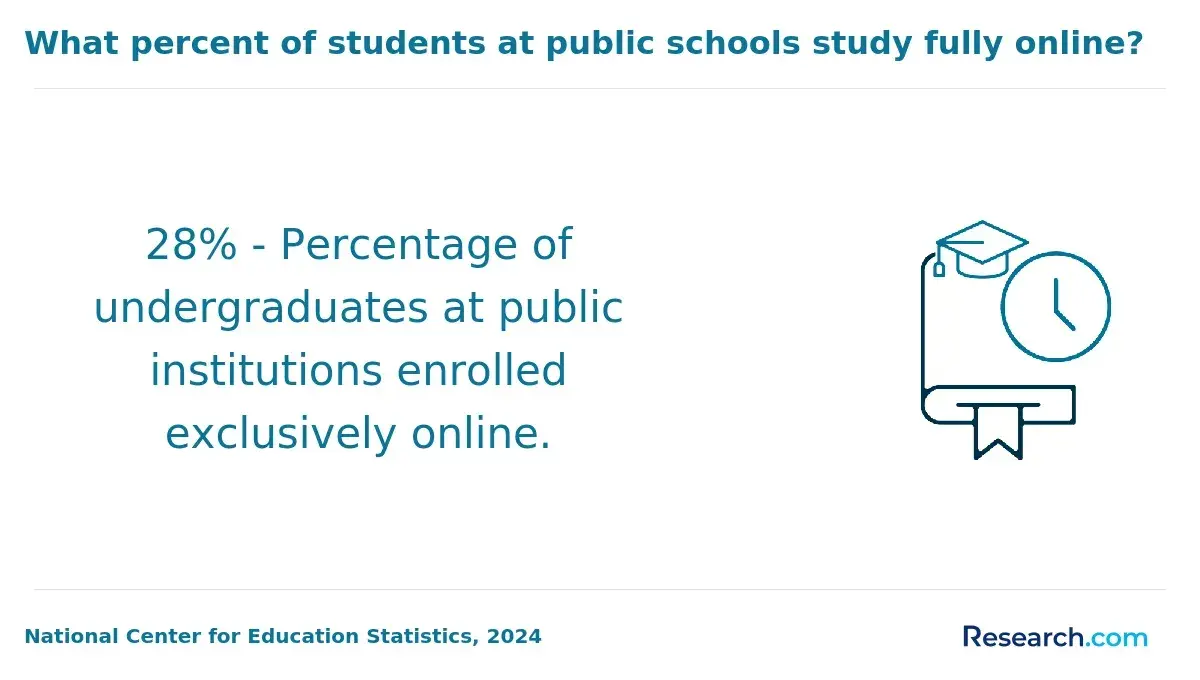
Furthermore, a National Center for Education Statistics study shows that online enrollment among adult learners increased by over 25% since 2022, signaling a shift in how therapy professionals prioritize accessible education paths. This article identifies online marriage & family therapy degree programs tailored to working adults, evaluating their structure and fit to optimize career advancement without sacrificing real-world responsibilities.
Key Things You Should Know
- Online marriage & family therapy master's programs in 2026 average 3.5 years to completion with fieldwork delaying licensure entry; faster tracks may limit clinical exposure, impacting licensure exam pass rates, per the National Board for Certified Counselors.
- Employers prioritize programs with clinically intensive practicum hours-average 500+-linked to 15% higher initial hiring rates in community mental health settings, according to 2024 labor analysis by the Bureau of Labor Statistics.
- Price variation exceeding 40% between comparable programs disproportionately affects working adults, increasing debt burden by over $15,000 in some states, thus forcing compromises on program choice or part-time study length based on financial capacity.
What is an online marriage and family therapy degree and how does it prepare clinicians?
Successful entry into marriage and family therapy requires more than theoretical knowledge; it demands applied clinical skills aligned with licensure criteria. Online marriage and family therapy degree programs for working adults integrate supervised clinical hours to fit professionals balancing employment with education. This flexibility is essential given the field's 13% projected job growth from 2024 to 2034, driven by rising demand for systemic, family-focused interventions.
Employers value candidates who combine academic rigor with hands-on experience. For example, a school counselor pursuing this degree can immediately apply family-based strategies to adolescent issues within their existing role, improving outcomes without interrupting their career. Similarly, clinicians in community health settings leverage this training to enhance client retention and reduce relapse by tailoring therapy plans to family dynamics.
This pathway does carry notable tradeoffs: the demanding practicum and course load require disciplined time management, especially for full-time workers. Students must proactively select internships near their homes or jobs, which can pose logistical challenges. Still, these programs remain instrumental in preparing clinicians to meet evolving workforce needs through a blend of deep theory, practical exposure, and scheduling adaptability.
Those evaluating this route should also consider comparable options in clinical mental health. More details can be found through resources like the mental health degree online guide, which provides insights on accelerated programs.
How do online and campus-based marriage and family therapy programs compare for working adults?
Working adults pursuing marriage and family therapy face a critical tradeoff between the flexibility of online versus the immersive structure of campus programs. Online marriage and family therapy programs offer scheduling adaptability essential for full-time mental health professionals managing client caseloads, especially when coordinating study around nontraditional hours. However, such flexibility can come at the expense of direct access to live clinical practicums and in-person supervision, resources employers and state boards often prioritize during credentialing.
For example, a clinician seeking licensure may find on-campus programs more effective at securing site placements and facilitating real-time mentorship, which are less consistently guaranteed in online formats. Therefore, evaluating flexible marriage and family therapy degree options for mental health professionals requires scrutiny of a program's practicum depth and licensure readiness, not just convenience.
Employer preferences lean heavily on demonstrable clinical training quality and licensure status over whether coursework was completed online or on campus. Consequently, online students must excel in self-management to balance work and supervision without the structural support campus settings usually provide. The median annual wage for marriage and family therapists was $58,510 in May 2024, with top earners exceeding $96,000, emphasizing that program quality directly impacts income potential.
Prospective students evaluating easiest counseling degrees with online vs campus marriage and family therapy programs for working adults need to weigh these operational tradeoffs carefully to align educational pathways with long-term professional goals.
What accreditation should marriage and family therapy programs have to support licensure?
The critical factor shaping licensure outcomes in marriage and family therapy is program accreditation, specifically from the Commission on Accreditation for Marriage and Family Therapy Education (COAMFTE). This accreditation ensures that coursework, clinical training, and ethical education meet state licensing requirements, which vary but generally require COAMFTE recognition to avoid costly delays or additional supervised hours. Choosing a non-COAMFTE-accredited program often results in significant practical friction, particularly for professionals who may relocate or seek licensure across state lines.
Even with regional institutional accreditation, absence of COAMFTE status limits licensure portability and reduces employer and insurance panel confidence, as they tend to prioritize candidates with standardized training and demonstrated clinical competency. Financially, programs holding COAMFTE accreditation frequently offer a balanced approach that minimizes time and monetary expenses linked to repeating coursework or supervised experience.
A working professional evaluating accredited marriage and family therapy programs for licensure must weigh flexibility and total cost, considering that accredited online options, like Eastern University's reasonably priced online MA program, offer 60 credits for $28,800 in 2026-2027. This represents a strategic decision to reconcile budget constraints with credential quality and licensing efficiency.
For those exploring educational pathways that blend speed with professional credibility, reviewing accelerated psychology bachelor's degree online can provide insight into alternative structures supporting career pivots in behavioral health fields. Visit accelerated psychology bachelor's degree online for additional context.
What are the education and supervised clinical hour requirements to become a licensed MFT?
Licensure in marriage and family therapy hinges on more than academic credentials; navigating state licensing criteria for marriage and family therapy clinical hours and education reveals significant practical challenges. Candidates must complete a COAMFTE-accredited master's or doctoral program with at least 60 semester credits that blend coursework and clinical practicum. However, the real hurdle often lies in accumulating between 2,000 and 4,000 supervised clinical hours post-degree-typically requiring two to three years of documented practice under licensed supervisors. A key workforce implication is that these clinical hours must include a minimum of 1,000 to 1,500 direct client contact hours across varied settings, which can complicate scheduling for employed professionals.
Many working students struggle with finding approved supervisors and aligning clinical placements geographically and temporally with their jobs. Programs that provide practicum placements linked to a candidate's employment locale or offer flexible scheduling mitigate delays in licensure. This alignment is particularly crucial given the U.S. Bureau of Labor Statistics projects a demand for 77,800 marriage and family therapist positions by 2034, amplifying competition and the need for timely credentialing.
Applicants must also navigate state-specific requirements, including jurisprudence exams and ongoing continuing education, which further add complexity to timelines and costs. Prioritizing programs with established community agency connections reduces risks of licensure delays due to clinical hour compliance errors. These operational realities contrast with other fields, for example, where licensure is less reliant on extensive supervised practice.
For professionals comparing degrees or career pivots, it's useful to explore related pathways such as the best online environmental health and safety degree programs, which may offer more predictable completion schedules and workforce integration. Understanding nuanced, state-driven educational and supervised clinical hour requirements for licensed marriage and family therapy in the United States helps candidates make informed decisions balancing academic rigor, labor market demand, and real-world constraints.
What types of online marriage and family therapy degrees and specializations can students pursue?
Selecting an online marriage and family therapy degree requires balancing program scope with workforce expectations and licensure demands. Master's degrees, typically completed in 2-3 years part-time, emphasize core clinical skills with specializations such as trauma-informed care or adolescent therapy to meet localized employer needs and improve placement prospects. Doctoral programs (PhD or PsyD), extending 4-6 years, target advanced clinical practice, research, and leadership roles, ideal for those pursuing academic positions or policy development requiring deeper theoretical grounding.
For working professionals, the availability of no-GRE options, like Northwestern University's program, reduces entry barriers and aligns with trends showing a 25% enrollment increase in no-GRE marriage and family therapy tracks, per Council for Accreditation of Counseling and Related Educational Programs data. However, longer doctoral timelines demand significant flexibility and sustained engagement.
Students must weigh practical tradeoffs:
- Master's programs offer faster completion and licensing alignment but may limit advanced supervisory or research roles.
- Doctoral paths broaden career scope but require commitment to rigorous study and potential relocation for specialized clinical opportunities.
- Specialization choice directly impacts employability, especially in states with distinct licensure criteria.
Aligning specialization with employer priorities-such as family systems therapy or multicultural competence-affects job placement and long-term career mobility in complex social service environments.
What courses and clinical experiences are included in typical online MFT curricula?
The critical bottleneck in online marriage and family therapy (MFT) education lies in meeting rigorous supervised clinical experience requirements, which vary by state but often demand upwards of 700 hours, including a minimum of 225-240 direct client hours. For instance, Pepperdine University's online MFT program enforces these thresholds tightly, ensuring that students not only absorb core topics-such as systems theory, human development, and trauma-informed care-but also integrate practical, hands-on supervision necessary for licensure and employability.
This clinical load poses tangible challenges for full-time workers, who must navigate evenings, weekends, or site-specific placement schedules. Several programs offer telehealth session recordings or simulation labs; however, these cannot substitute live supervision mandated by licensing boards. The result is a strategic balancing act between coursework, clinical hours, and work-life realities.
Diverse practicum settings-ranging from community mental health centers to private practices-expose candidates to varied populations and modalities, enhancing workforce adaptability. However, the variability in documentation protocols and state-specific hour requirements demands active guidance, often provided through practicum advisors, to avoid administrative setbacks that can delay licensure.
What are the admission requirements, time to completion, and typical schedules for online MFT programs?
Admission into online marriage and family therapy (MFT) master's programs demands more than a bachelor's degree and a minimum GPA near 3.0; candidates must often supply relevant clinical or volunteer experience, letters of recommendation, and prerequisite coursework in psychology or human development. This set of requirements aligns with state licensing expectations for direct client engagement, ensuring that graduates can meet stringent supervised practicum hours within regulated timeframes.
Program duration commonly spans 2.5 to 4 years, heavily influenced by whether students pursue part-time versus full-time enrollment. Working professionals frequently opt for part-time pacing to maintain income, accepting longer completion times to balance financial and emotional burdens.
Scheduling flexibilities reflect these realities: asynchronous coursework predominates, complemented by occasional synchronous seminars and evening or weekend practicum slots to accommodate employment. Accelerated options shorten calendar time but intensify weekly demands, a tradeoff that may not suit all candidates.
Tuition rates, such as Capella University's 2026 figure of $525 per quarter credit, translate into total costs between roughly $37,800 and $47,250. For students balancing tuition with ongoing salaries, program cost and credit transfer opportunities critically shape debt levels and feasibility.
Successful entry into clinical and community mental health roles hinges on programs' capacity to support robust field placements. Prospective students should weigh how program structure and practicum timing impact completion within licensing deadlines, a decisive factor in professional qualification.
How much do online marriage and family therapy programs cost, and what financial aid is available?
Cost and licensure portability are decisive factors in online marriage and family therapy master's programs. Most programs charge between $15,000 and $45,000, with costs varying on institution type and residency. Indiana Wesleyan University's online MA exemplifies the necessity of choosing curricula aligned with multi-state licensure requirements to avoid extended education timelines and redundant coursework.
For working professionals already in healthcare, the decision often involves balancing tuition expenses against financial aid availability and employer reimbursement opportunities. Federal aid through FAFSA covers education costs but may increase long-term indebtedness, while employer tuition support depends heavily on the organization's size and policies.
State-specific scholarships and loan forgiveness tied to underserved area commitments can offset costs but limit geographic flexibility. Candidates planning to practice across multiple states should prioritize programs recognized broadly and financial aid plans that accommodate relocation or telepractice.
Proactive financial counseling and transparent cost-benefit analysis reduce unexpected expenses and align educational investments with long-term career trajectories in marriage and family therapy.
What career paths, work settings, and roles are available to marriage and family therapists?
Marriage and family therapists (MFTs) face distinct employment landscapes defined by the settings they choose, each with specific challenges affecting licensure, workflow, and salary prospects. For instance, community mental health roles often demand readiness to manage complex family dynamics amidst constrained resources, requiring coordination with social services and irregular hours that can strain work-life balance.
By contrast, school-based family therapists operate within educational systems, emphasizing early intervention with youth but navigating part-time schedules and educational compliance. Trauma and crisis specialists engage in high-pressure environments like hospitals or disaster relief, where advanced trauma-informed skills and ongoing certification are prerequisites-posing scheduling challenges for working professionals.
Key considerations for students include understanding that licensing requirements diverge by specialization and state, often mandating supervised clinical hours that extend the time before independent practice. Prospective candidates should map specializations to career objectives carefully; pursuing trauma-focused roles might involve extra certifications, while community-based positions often expect cultural competence or bilingual abilities.
With a projected 16% job growth by 2032 (Bureau of Labor Statistics), the field remains steady but competitive, particularly in specialized tracks. Aligning program focus with employer expectations-including reimbursement nuances and clinical hour accumulation strategies-is vital for a viable transition from study to practice.
What salary ranges and job outlook can marriage and family therapists expect across the United States?
Salaries for marriage & family therapists in the U.S. range broadly, roughly $50,000 to $75,000 annually, heavily influenced by location, licensure, and employer type. Entry-level positions often hover near $50,000, particularly in nonprofit or community health settings, while private practice and licensed clinicians commonly surpass $75,000. Metropolitan regions, such as California or New York, typically offer 10-20% higher wages, a compensation adjustment for elevated living costs and competitive demand.
Projected job growth for marriage & family therapists is 14% from 2022 to 2032, outpacing many sectors. This expansion is driven by increased mental health recognition, insurance changes, and integrated care emphasizing family systems. Yet, increased demand heightens licensure competition and clinical hour requirements, impacting the timeline and cost for full-time students and working professionals alike.
Financial planning is essential given licensure mandates that combine degree completion with supervised clinical hours, often within a five-year window. For example, certain online programs can be completed in two years at around $30,000 total, combining tuition and fees, making them attractive for balancing cost with accelerated credentialing. Prospective students should weigh:
- Program duration against state licensure deadlines
- Costs of credits plus clinical supervision
- Regional salary variations relative to living expenses
Early workforce entry with licensure can mitigate upfront costs by enabling salary flow, but this requires strategic budgeting of time and tuition expenses aligned with career goals.
Other Things You Should Know About Marriage & Family Therapy
Completing required supervised clinical hours while working full-time forces many students to juggle inconsistent schedules, which can delay program completion or increase stress. Online programs offering flexible or part-time practicum options improve feasibility, but students must prioritize sites that align with licensure requirements and employer expectations. Candidates should assess program support for arranging local placements early to avoid logistical conflicts with work hours and to maintain steady progress toward licensure.
Yes, if the site meets program and state approval rules and the supervisor is licensed and qualified. COAMFTE-accredited programs commonly require 300 to 500 practicum hours, with direct client contact, supervision, and documented evaluations completed at an approved community, clinic, or workplace setting.
Accelerated programs condense coursework and clinical requirements into shorter terms, demanding sustained high weekly time commitments that can overwhelm working adults. Traditional-paced programs spread workload over more semesters, enabling better balance with job and personal obligations. Working professionals should prioritize standard-paced tracks unless they have a strong capacity for intense study periods, as faster timelines can increase dropout risk and reduce retention of clinical skills.
References
- Why get an MFT degree? | edX https://www.edx.org/resources/is-a-masters-in-mft-worth-it
- The 12 Best Online MFT Programs in California for 2026 (COAMFTE Accredited) - Psychology California https://psychologyca.org/masters-programs/online-mft/
- Benefits of Earning an Online MFT Degree | TUW https://www.tuw.edu/school-news/online-mft-degree-benefits/
- Online Master's in Marriage and Family Therapy https://onlinecounselingprograms.com/online-counseling-degrees/online-mft-masters-programs/
- Online MFT Programs - Master’s in Marriage and Family Therapy Programs https://www.onlineeducation.com/counseling/mft-programs
- Explore Job Roles: Marriage and Family Therapists https://joinhandshake.com/blog/students/job-role-marriage-and-family-therapists/
- Supervised Experience https://www.camft.org/Membership/About-Us/Who-are-LMFTs/Supervised-Experience
- Full-Time? Part-Time? Online? Or...? — MFT California https://www.mftcalifornia.com/blog/full-time-part-time-online-or
- Marriage & Family Therapist Salaries in Oregon and the U.S. https://www.georgefox.edu/counseling-programs/programs/marriage-family/salary.html