2027 How to Compare Online Food Industry Management Degrees by Internship Strength

Co-Founder and Chief Data Scientist
Choosing an online food industry management degree is not just about convenience; it is about whether the program can connect you to real food service, hospitality, retail, supply chain, or food safety experience. The National Restaurant Association projected U. S. restaurant sales would reach $1.1 trillion in 2024, making applied management skills increasingly valuable. This guide is for prospective students comparing online programs by internship quality, employer access, cost, accreditation, and career fit so they can choose a degree that leads to practical experience, not just completed coursework.
Key Things You Should Know
- Internship strength is one of the clearest ways to compare online food industry management degrees because it shows whether a program has employer relationships, local placement support, supervision, and applied projects tied to real food operations.
- The U.S. Bureau of Labor Statistics reported a May 2024 median annual wage of $63,060 for food service managers, but outcomes vary by employer, location, prior experience, and whether students complete relevant internships or work-based learning.
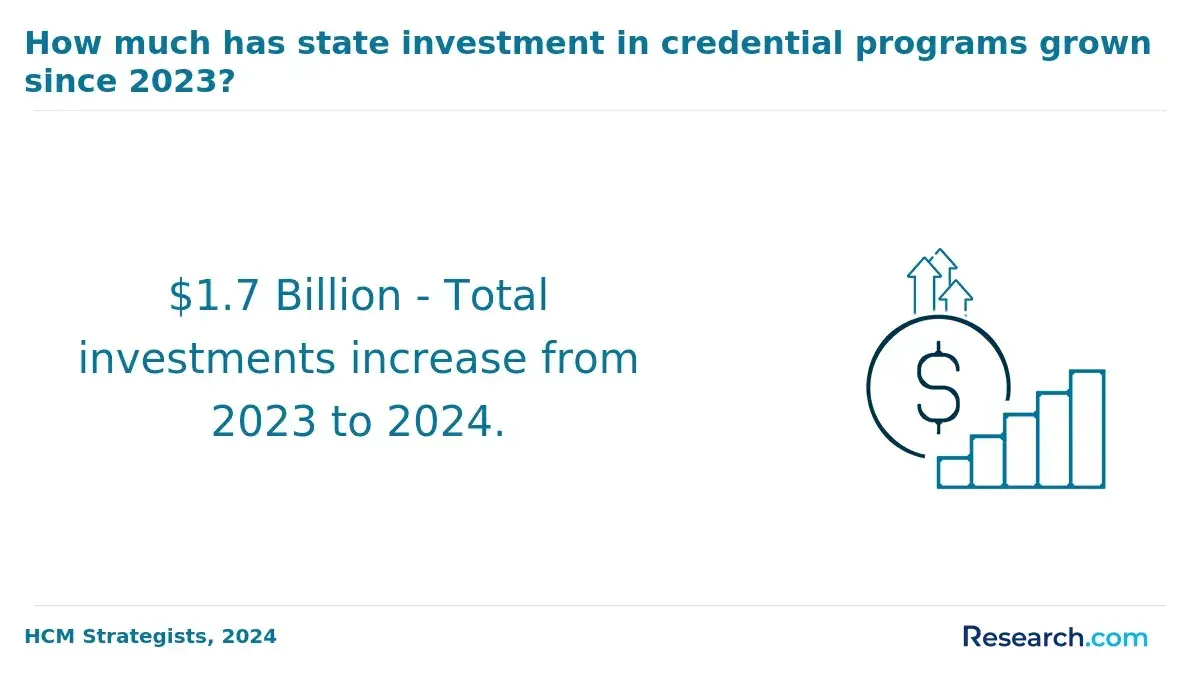
- Cost matters, but it should be compared against internship access: College Board's 2024 pricing data shows published tuition and fees averaging $11,610 for in-state public four-year colleges and $43,350 for private nonprofit four-year colleges, before aid and living costs.
How do online food industry management degrees compare with campus programs for internships?
Online food industry management degrees can compete with campus programs when they intentionally build internships into the degree rather than treating them as optional add-ons. The strongest online programs usually let students complete supervised fieldwork near their home, while weaker programs may only provide a job board and expect students to find every opportunity independently.
The main difference is not whether the class lectures are online or in person. The real difference is how the school handles employer matching, site approval, liability paperwork, faculty supervision, and performance evaluation. Students comparing hospitality management courses online should look for the same applied-learning features when food industry internships are part of the goal.
The table below summarizes the practical internship trade-offs between online and campus-based formats. Use it to identify which format fits your schedule, location, and need for hands-on employer exposure.
| Comparison point | Online food industry management degree | Campus food industry management degree | Best fit |
| Internship location | Often completed locally with an approved restaurant, hotel, food distributor, grocery chain, manufacturer, or institutional food service employer | Often tied to regional employers near campus | Online works well for working adults or students outside major college towns |
| Employer access | Depends heavily on the school's remote placement process and alumni network | May include campus recruiting, faculty connections, and local employer events | Campus may help students who want structured networking in one market |
| Flexibility | Higher flexibility for coursework; internships still require scheduled hours on site | Less flexible class schedule but sometimes easier access to in-person career services | Online is better for students already employed in food or hospitality |
| Hands-on learning | Strong if the program requires approved fieldwork, practicum hours, or employer-reviewed projects | Strong if the program includes labs, culinary operations, events, or campus dining partnerships | Choose based on the type of hands-on work you need, not format alone |
| Risk factor | A program may advertise flexibility but offer limited internship support | A program may have strong local internships but limited geographic reach | Ask for recent internship sites before enrolling |
Online is usually the better choice if you already work in a food service, grocery, hospitality, or supply chain environment and can convert your workplace into an approved internship site. Campus can be stronger if you are new to the field, need structured networking, or want access to food labs, test kitchens, student-run dining operations, or employer showcases.
What internship opportunities should you expect in a quality food industry management program?
A quality food industry management program should expose students to more than restaurant supervision. Food industry management covers the business side of food systems, including purchasing, labor scheduling, menu profitability, sanitation, customer experience, inventory control, food safety, marketing, and supply chain coordination.
Internships can vary widely, so students should look for roles that match their target career path. The strongest programs usually support several types of applied placements rather than sending every student into the same general food service role.
| Internship setting | Typical experience | Career direction it supports |
| Restaurant or multi-unit food service | Shift leadership, labor planning, guest service recovery, inventory, and point-of-sale reporting | Restaurant manager, assistant general manager, district manager trainee |
| Hotel, resort, or event food and beverage | Banquet operations, catering logistics, beverage controls, event staffing, and customer experience | Food and beverage manager, catering manager, events operations coordinator |
| Grocery, retail food, or convenience food operations | Merchandising, perishables management, shrink control, vendor coordination, and department supervision | Retail food manager, category assistant, store leadership trainee |
| Food manufacturing or distribution | Production scheduling, quality checks, warehouse coordination, procurement, and compliance support | Operations coordinator, supply chain assistant, quality assurance technician |
| Institutional food service | School, healthcare, corporate, correctional, or university dining operations with budget and compliance exposure | Dining services manager, nutrition services supervisor, contract food service manager |
When comparing programs, ask whether internships are credit-bearing, required for graduation, paid or unpaid, and supervised by both an employer and a faculty member. A program with fewer but well-supervised placements may be more valuable than one with a long list of loosely connected job postings.
Students should also look for exposure to current industry tools. Modern food operations increasingly rely on scheduling software, inventory platforms, digital ordering systems, food safety logs, customer analytics, and AI-assisted forecasting. Internships that include technology use can make classroom learning more relevant to employer expectations.
How can you evaluate the strength and quality of a program's food industry internships?
The best way to judge internship strength is to ask specific questions before applying. Marketing language such as "career-focused" or "hands-on learning" is not enough; you need evidence that the school can help online students secure meaningful supervised experience.
Use the following checklist when speaking with admissions counselors, program directors, internship coordinators, or current students. These questions help you separate strong internship systems from programs that place most of the burden on the student.
- Ask for examples of recent internship employers and confirm whether online students used those sites, not only campus students.
- Confirm whether the school helps identify placements or simply requires students to locate and negotiate their own internship.
- Ask how many hours are required, whether hours can be completed at your current workplace, and what documentation is needed.
- Request details about who evaluates the internship, including whether there is an employer evaluation, faculty reflection, project, or portfolio requirement.
- Ask whether the program supports paid internships, management trainee roles, apprenticeships, or cooperative education options.
- Confirm whether students outside the school's home state can access internship support, especially if site agreements or liability requirements vary by state.
- Ask how the program handles students who cannot secure a placement by the required term.
Common mistakes usually come from focusing only on tuition, speed, or school name. A cheap or fast program can still be a poor investment if it leaves you without applied experience, while a more expensive program may not be worth it if its internships do not match your career goal.
Watch for these red flags when comparing schools. They do not automatically mean a program is bad, but they should prompt follow-up questions before you commit.
- The program advertises internships but cannot name recent employer categories or explain how online students are placed.
- The internship is optional and there is no alternative applied project for students who need experience.
- Career services are centralized for the entire university and do not appear to understand food industry employers.
- The curriculum lacks food safety, operations finance, purchasing, labor management, or supply chain content.
- The school cannot explain whether your existing food service job can count as supervised field experience.
A strong internship should leave you with evidence of work, not just hours completed. Look for programs that require a supervisor evaluation, operational analysis, budget or labor project, menu or purchasing review, compliance audit, or reflective portfolio that can be discussed in interviews.
Employer Confidence in Online vs. In-Person Degree Skills, Global 2024

What is food industry management and who is the ideal candidate for these degrees?
Food industry management is the study of how food businesses and food service operations are planned, staffed, financed, supplied, regulated, marketed, and improved. It sits between business administration, hospitality, operations management, food safety, and customer service.
The ideal candidate is someone who wants to manage people, processes, and customer experience in food-related environments. This degree may fit restaurant employees seeking promotion, hospitality workers moving into food and beverage leadership, grocery or retail food employees pursuing department management, military food service personnel transitioning to civilian roles, or students interested in food operations rather than culinary production alone.
This degree is usually a better fit for students who enjoy fast-moving operational decisions. It may be less suitable for someone who wants a purely office-based business role, laboratory-based food science career, registered dietitian path, or culinary arts program focused primarily on cooking techniques.
Students comparing adjacent management fields should think carefully about industry fit. For example, an MBA in healthcare may make more sense for someone drawn to hospital administration, payer systems, or healthcare compliance rather than restaurants, retail food, or hospitality operations.
The table below shows how food industry management compares with nearby academic options. This helps clarify whether the degree matches your intended work environment.
| Program type | Main focus | Best for | Less ideal for |
| Food industry management | Operations, labor, purchasing, customer experience, food safety, and profitability in food-related businesses | Students seeking management roles in restaurants, hospitality food service, retail food, or institutional dining | Students seeking clinical nutrition, culinary artistry, or laboratory science roles |
| Hospitality management | Lodging, events, tourism, guest services, and food and beverage operations | Students who want broader service-industry mobility | Students focused only on food production or supply chain |
| Culinary arts | Cooking, kitchen technique, menu execution, and chef development | Students who want hands-on culinary careers | Students primarily interested in finance, staffing, procurement, or corporate operations |
| Food science | Product development, chemistry, safety testing, and manufacturing science | Students interested in technical food production or research | Students who want customer-facing operations management |
| Business administration | General management, accounting, marketing, and organizational strategy | Students who want flexibility across industries | Students who need food-specific operations and compliance training |
How do accreditation and program reputation impact internship access and employer recognition?
Accreditation matters because it affects transfer credit, financial aid eligibility, graduate school recognition, and employer confidence. For degree-seeking students, the first checkpoint is institutional accreditation from an agency recognized by the U.S. Department of Education or the Council for Higher Education Accreditation.
Program reputation matters differently. A famous school name can help, but for internship strength, industry connections are often more important than broad prestige. A regional public university with strong relationships among restaurant groups, hotel brands, distributors, school nutrition programs, or grocery chains may offer better internship access than a better-known school with limited food industry placement support.
The table below separates accreditation and reputation signals so you can evaluate them without overvaluing either one. Both can matter, but they answer different questions.
| Quality signal | What it tells you | Why it matters for internships | What to verify |
| Institutional accreditation | The school meets recognized academic and administrative standards | Employers and graduate schools are more likely to recognize the degree | Confirm the school's current accreditation status through official accreditation listings |
| Business or hospitality-related accreditation | The program may follow field-specific quality standards | Can indicate stronger curriculum review and employer alignment | Check whether accreditation applies to the specific program, not only the college |
| Employer advisory board | Industry professionals help review curriculum and workforce needs | Can lead to better internship design and hiring pipelines | Ask who serves on the board and how often it meets |
| Documented placement network | The school has recurring relationships with employers | Recurring partners are more likely to understand student internship requirements | Ask for recent employer categories and examples |
| Alumni outcomes | Graduates are working in relevant roles | Alumni can help with referrals, mentoring, and realistic career advice | Look for role titles, industries, and regions rather than broad claims |
Avoid assuming that private, public, nonprofit, or for-profit status alone determines quality or return on investment. Institution type can affect price and support services, but internship strength depends on program design, employer access, faculty involvement, and student fit.
What are the typical admission requirements for online food industry management degrees?
Admission requirements for online food industry management degrees vary by degree level. Associate and bachelor's programs are often designed for first-time college students and working adults, while master's programs usually expect prior college coursework and may prefer professional experience.
The table below outlines common U.S. admissions expectations. Requirements differ by school, so students should confirm official criteria before applying.
| Degree level | Common admission requirements | What strengthens an application |
| Associate degree | High school diploma or GED, application form, transcripts, and placement assessment if required | Food service work experience, customer service background, or career statement |
| Bachelor's degree | High school diploma or transfer credits, transcripts, minimum GPA requirement, and sometimes prerequisite coursework | Prior college credit, supervisory experience, ServSafe or food safety training, and clear career goals |
| Bachelor's completion program | Completed associate degree or transferable credits, transcripts, and minimum GPA | Current employment in food service, hospitality, retail, or logistics that can support internship placement |
| Master's degree | Bachelor's degree, transcripts, resume, statement of purpose, and sometimes recommendations | Management experience, operations experience, leadership record, and quantitative readiness |
Before applying, students should also ask how transfer credits are reviewed. Food industry management students often enter with community college credits, military training, culinary coursework, business courses, or prior learning from workplace training. Generous transfer policies can reduce cost and time, but only if the accepted credits apply to major requirements rather than only electives.
If you plan to complete an internship at your current workplace, ask about conflict-of-interest rules. Some schools allow it if your internship duties are new, supervised, and tied to learning outcomes; others require an external site or a different department.
How do curriculum, required courses, and experiential learning prepare students for internships?
Curriculum quality has a direct effect on internship performance. A student who understands labor cost, food safety, purchasing, menu engineering, and guest experience will be better prepared to contribute during a placement than a student who has only completed broad business courses.
Strong programs usually combine management theory with applied assignments. If you are comparing programs, look for courses and projects that prepare you to solve operational problems employers actually face.
- Food safety and sanitation courses that prepare students to understand compliance, risk control, and safe service practices.
- Food and beverage operations courses that cover staffing, service flow, guest recovery, and performance metrics.
- Purchasing and inventory courses that teach vendor selection, cost control, waste reduction, and shrink management.
- Hospitality or food service finance courses that connect revenue, margins, labor cost, menu pricing, and profitability.
- Human resources or leadership courses that address scheduling, training, conflict resolution, retention, and team communication.
- Marketing and customer experience courses that cover loyalty, digital ordering, reviews, brand positioning, and local promotion.
- Supply chain or logistics courses that explain distribution, cold chain concerns, supplier risk, and continuity planning.
- Capstone, practicum, or internship courses that require students to apply coursework in a documented workplace project.
Project management is increasingly relevant because food operations often involve openings, menu rollouts, equipment changes, catering events, technology implementations, and process improvements. Students who want broader operations training may also compare an accelerated project management degree if they are less committed to the food sector specifically.
Experiential learning can include internships, practicums, simulations, case competitions, employer-sponsored projects, student-run food operations, consulting projects, or capstones. Internships are usually the strongest option for employer exposure, but a well-designed capstone can still be valuable when it uses real operational data and requires a professional deliverable.
How long do these degrees take, and how do costs relate to internship value?
Program length depends on degree level, transfer credits, enrollment intensity, and whether internships are embedded in required terms. Online flexibility can help working adults stay enrolled, but internship hours may still require predictable availability during evenings, weekends, weekdays, or seasonal peaks.
The table below gives a practical timeline comparison. Use it to decide whether speed, cost, or internship depth should be your priority.
| Program type | Typical time to complete | Internship impact | Best for |
| Associate degree | About two years full time | May include introductory practicum or work-based learning | Students seeking entry-level supervisory roles or transfer preparation |
| Bachelor's degree | About four years full time | Often provides the most room for multiple applied experiences | Students seeking management trainee, assistant manager, or operations roles |
| Bachelor's completion program | Often one to two years after transfer credits | Can be strong if the student already works in the industry | Working adults with prior credits |
| Master's degree | Often one to two years | May use executive projects, consulting assignments, or advanced internships | Professionals seeking advancement or career change |
| Certificate | Usually shorter than a degree | May offer limited or no internship access | Students needing targeted skills rather than a full credential |
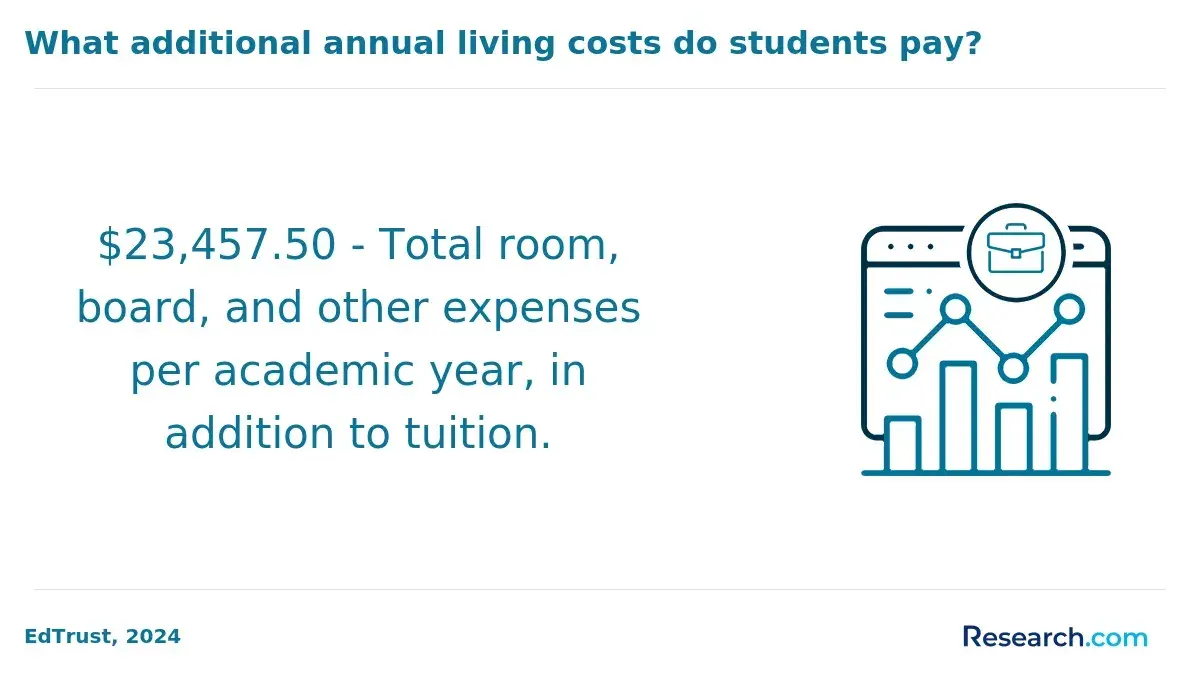
Cost should be evaluated as total cost of attendance, not tuition alone. College Board's 2024 data reported average published tuition and fees of $11,610 for in-state students at public four-year institutions and $43,350 at private nonprofit four-year institutions for the 2024-25 academic year. Online students may avoid relocation and commuting costs, but they may still pay technology fees, course fees, internship liability fees, books, certification exam fees, or travel to approved sites.
To evaluate internship value against cost, compare what the program includes. A higher-cost program may be easier to justify if it offers required fieldwork, employer matching, faculty supervision, career coaching, and strong alumni connections. A lower-cost program may be the better choice if you already have an employer willing to support your internship and the school can formally approve that site.
Students should also review financial aid carefully. Federal aid generally requires enrollment at an eligible accredited institution, while scholarships, employer tuition assistance, military benefits, and transfer credits can reduce out-of-pocket cost. Avoid borrowing based on expected salary alone because food industry management outcomes vary widely by region, employer type, work schedule, and prior experience.
What careers, salaries, and job outlook are linked to strong food industry internships?
Strong food industry internships can support careers in restaurants, hospitality, grocery, institutional dining, distribution, food manufacturing, catering, and food service technology. They are especially useful for students who need to show management readiness before they have held a formal manager title.
The U.S. Bureau of Labor Statistics reported a May 2024 median annual wage of $63,060 for food service managers. That figure is a national median, not a promise; pay can be higher or lower depending on location, company size, bonus eligibility, schedule demands, and whether the role involves single-unit or multi-unit responsibility.
The table below connects common career paths with the kind of internship experience that can make a student more competitive. Use it to align your program choice with the roles you actually want.
| Career path | Relevant internship experience | Common responsibilities |
| Assistant restaurant manager | Restaurant operations, labor scheduling, guest service, inventory | Supervising shifts, training staff, resolving customer issues, monitoring sales and costs |
| Food and beverage supervisor | Hotel, resort, event, or club food service placement | Coordinating service teams, managing banquet or dining operations, supporting revenue goals |
| Retail food department manager | Grocery, convenience, or specialty food retail internship | Managing perishables, merchandising, shrink, vendor orders, and department staffing |
| Institutional dining supervisor | School, university, healthcare, or corporate dining placement | Overseeing meal service, compliance, budgets, employee scheduling, and customer satisfaction |
| Food operations coordinator | Distribution, production, catering, or multi-unit operations project | Tracking orders, coordinating teams, analyzing process issues, supporting managers |
| Quality or food safety assistant | Manufacturing, commissary, or institutional food service compliance placement | Supporting audits, logs, sanitation practices, documentation, and corrective actions |
Job outlook should be interpreted with caution. BLS projections for food service managers show modest employment growth over the 2023-2033 period, but turnover, retirements, new concepts, and regional expansion can still create openings. Internships can help students compete because employers often prefer candidates who have already worked in high-pressure food environments.
Technology is also changing what employers value. Digital ordering, delivery platforms, inventory automation, scheduling systems, self-service kiosks, and AI-supported forecasting can reduce some routine tasks while increasing the need for managers who can interpret data, train teams, control costs, and maintain service quality. A strong internship should expose students to at least some of these tools.
How can you compare schools and choose the best food industry management program?
The best food industry management program is the one that fits your career target, budget, schedule, and need for internship support. Rankings can be useful starting points, but they should not replace direct questions about field placement, curriculum, accreditation, and outcomes.
Use a step-by-step comparison process before applying. This approach keeps you focused on evidence rather than marketing claims.
- Define your target role first, such as restaurant manager, food and beverage supervisor, retail food manager, dining services manager, or supply chain coordinator.
- Shortlist accredited schools that offer food industry, hospitality, food service, or operations management coursework online.
- Ask each school for recent internship examples that match your location and career goal.
- Compare total cost after transfer credit, scholarships, employer assistance, fees, books, and internship-related expenses.
- Review whether courses cover food safety, finance, labor, purchasing, operations technology, and leadership.
- Confirm whether the internship is required, credit-bearing, supervised, and available to online students in your state.
- Speak with current students, alumni, or program staff about how difficult it is to secure a placement.
- Choose the program that offers the strongest combination of affordability, academic credibility, and relevant employer access.
Some students may find that a related program is a better fit. If you are more interested in health data, compliance, medical coding, privacy, and information systems than food operations, a health information technology associate degree online may align better with your goals.
The table below gives you a final school-comparison framework. Fill it out for each program so you can compare options consistently.
| Comparison factor | Strong sign | Weak sign |
| Internship support | Dedicated coordinator, approved local sites, employer evaluations, and clear online-student process | Students are told to find their own placement with little guidance |
| Curriculum fit | Food safety, operations finance, labor, purchasing, supply chain, leadership, and technology courses | Mostly general business courses with few food-specific applications |
| Accreditation | Current recognized institutional accreditation and transparent program information | Unclear accreditation status or vague claims |
| Cost transparency | Clear tuition, fees, transfer policy, internship costs, and financial aid information | Tuition is advertised without explaining required fees or credit limits |
| Career services | Industry-specific advising, resume help, interview preparation, employer contacts, and alumni access | Generic university career services with no food industry specialization |
| Flexibility | Online courses with realistic internship scheduling options | Flexible coursework but rigid fieldwork that conflicts with work or family obligations |
A good final test is whether the program can explain how a student like you moves from enrollment to internship to career launch. If the answer is specific, documented, and aligned with your region and goals, the program deserves serious consideration. If the answer is vague, keep comparing.
Other Things You Should Know About Food Industry Management
When selecting an online food industry management degree, consider the program's internship opportunities, faculty qualifications, industry partnerships, and graduation success rates. Investigate whether the school assists with internship placements and how these experiences align with current industry trends in 2027. --- Below are four reformatted PAA questions and answers:
Often, yes, but it depends on the school. Many programs require the internship to include new responsibilities, formal supervision, learning objectives, and faculty approval. Ask before enrolling because some schools do not allow a current job to count unless the duties expand beyond normal work.
It depends on your goal. A food industry management degree is usually better for students who want to supervise teams, manage costs, oversee operations, or move into corporate or multi-unit roles. A culinary degree is better for students who want chef-focused training and hands-on cooking development.
Ask whether internships are required, how online students find placements, which employers have hosted recent interns, whether your state is supported, how transfer credits apply, what total program costs include, and whether graduates move into roles similar to the ones you want.
References
- Virtual Food Processing Quality Assurance Assistant Intern https://yuvaintern.com/internship/virtual-food-processing-quality-assurance-assistant-intern-67e514c041404
- Beyond Recognition: How Accreditation Impacts Career Mobility and Leadership Credibility - Acacia https://acacia.edu/blog/beyond-recognition-how-accreditation-impacts-career-mobility-and-leadership-credibility/
- Why I chose to study Food Industry Management (FIM) instead of Food Science https://www.uoguelph.ca/oac/news/why-i-chose-study-food-industry-management-fim-instead-food-science
- Sustainable Foods Career Outlook - NWF EcoLeaders https://www.nwfecoleaders.org/careercenter/sustainable-foods
- Practical Informations https://praxis.athenauni.eu/practical-information/for-the-companies/cost-benefit-appraisal/cost-of-an-internship
- Unlocking the financial value of internships: long-term and short-term gains - Making Waves Academy https://makingwavesacademy.org/career-development-unlocking-financial-value-of-internships-long-term-short-term-benefits/
- Nine Degrees For People With A Passion For Food https://www.academicinfo.net/blog/2023-06-21-nine-degrees-for-people-with-a-passion-for-food/
- Accreditation as a Strategic Driver of Alignment Across Higher Education and Industry https://acbspjournal.org/2026/05/22/accreditation-as-a-strategic-driver-of-alignment-across-higher-education-and-industry/
- Study Food Industry Management in the USA https://www.studyusa.com/en/field-of-study/395/food-industry-management
- 1Mentor blogposts https://www.1mentor.io/blog-posts-1mentor/role-internships-experiential-learning-closing-skills-gap