2027 Food Industry Management Careers That Reward Strong Leadership Skills

Co-Founder and Chief Data Scientist
Choosing a food industry management career means deciding whether you want to lead people, protect quality, control costs, and solve operational problems in a high-pressure business. The U.S. Bureau of Labor Statistics reports that food service managers had median pay of $63,060 in 2024, showing that leadership roles can move beyond entry-level food work.
This guide is for students, career changers, and working food professionals comparing degrees, training, certifications, salaries, and advancement paths so they can choose a practical route into management.
Key Things You Should Know
- Food industry management careers span restaurants, food manufacturing, grocery, distribution, school food service, hospitality, quality assurance, and supply chain operations, so the best path depends on whether you want customer-facing, production, safety, or corporate leadership work.
- According to 2024 BLS wage data, food service managers had median pay of $63,060, while industrial production managers, a category that includes many manufacturing leadership roles, had median pay of $121,440, showing how responsibilities and sector choice can strongly affect earnings.
- Employers often value supervised operations experience, food safety credentials, budgeting ability, scheduling skills, and technology fluency alongside associate, bachelor's, certificate, or graduate training.
What is food industry management and how does it develop strong leadership careers?
Food industry management is the practice of leading people, systems, budgets, safety controls, and customer or production outcomes across the food sector. It can include restaurant management, food manufacturing supervision, grocery operations, catering, institutional food service, distribution, quality assurance, procurement, and brand-level operations.
The leadership value of this field comes from its complexity. Managers often coordinate staff with different skill levels, respond to supply shortages, track inventory, maintain food safety standards, control labor costs, and use point-of-sale, enterprise resource planning, scheduling, and quality-tracking software. A strong manager is not just "in charge"; they translate business goals into daily operating decisions.
Technology is changing the work. AI-supported forecasting, automated inventory systems, digital ordering, robotics in production, and real-time quality monitoring are becoming more common. This does not remove the need for leadership, but it changes what good leadership looks like. Managers increasingly need to interpret data, train teams on new tools, and make judgment calls when automated recommendations conflict with customer service, safety, or staffing realities.
The table below shows how the field breaks into common leadership environments. Use it to identify the setting that best matches your work style before choosing a degree or certificate.
| Management setting | Typical leadership focus | Best fit for readers who want |
| Restaurant and food service | Staff scheduling, guest experience, sales, labor cost, food safety, service speed | Fast-paced, customer-facing leadership |
| Food manufacturing | Production targets, sanitation, quality systems, equipment workflows, safety compliance | Operations leadership with measurable process goals |
| Grocery and retail food | Merchandising, inventory, shrink control, department performance, team supervision | Retail leadership with food-specific product knowledge |
| Institutional food service | Menu execution, nutrition standards, procurement, budget control, regulatory compliance | Stable service environments such as schools, hospitals, or senior living |
| Food supply chain and distribution | Cold chain control, vendor coordination, logistics, purchasing, demand planning | Analytical work tied to transportation, inventory, and vendor management |
What leadership-focused careers are available in food industry management today?
Leadership-focused food industry careers are available at several levels. Some start with shift supervision and grow into general management, while others require more technical knowledge in quality assurance, food safety, supply chain, or production systems.
The following table compares common career paths by responsibility and education fit. Salary can vary widely by employer size, region, shift structure, bonus eligibility, and whether the role is in service, retail, or manufacturing.
| Career path | Common responsibilities | Typical preparation | Leadership growth potential |
| Restaurant general manager | Lead staff, control labor and food costs, manage guest satisfaction, train supervisors | Experience plus associate or bachelor's study in hospitality, business, or food service management | Multi-unit manager, district manager, franchise operator |
| Food service director | Oversee food operations in schools, hospitals, senior living, or corporate dining | Food service experience, management education, and food safety credentials | Regional director, contract food service executive |
| Food production supervisor | Manage production teams, line efficiency, sanitation schedules, and safety standards | Manufacturing experience, operations coursework, HACCP or quality training | Plant manager, operations manager, continuous improvement leader |
| Quality assurance manager | Oversee inspections, corrective actions, supplier quality, documentation, and audit readiness | Food science, quality systems, HACCP, and regulatory training | Director of quality, food safety compliance leader |
| Supply chain or procurement manager | Coordinate vendors, purchasing, distribution, inventory, and cost control | Business, logistics, analytics, or operations management training | Category manager, supply chain director |
| Grocery department or store manager | Lead departments, manage inventory, reduce shrink, supervise merchandising and customer service | Retail experience plus business or operations coursework | Store manager, regional operations leader |
Readers who enjoy coordinating projects, deadlines, vendors, and cross-functional teams may also want to compare food management with project-based leadership degrees. A useful starting point is asking is project management a good degree, especially if your long-term goal is operations improvement rather than daily food service supervision.
These careers usually reward people who can stay calm under pressure. A manager may need to handle a refrigeration failure, a staffing shortage, a supplier delay, and a customer complaint in the same shift. The stronger your communication, prioritization, and accountability skills, the more likely you are to move from task supervision into strategic leadership.
What degrees and training pathways prepare you for food management leadership roles?
There is no single required degree for all food industry management careers. The right pathway depends on whether you are targeting restaurant leadership, food manufacturing, nutrition-related food service, procurement, hospitality, or executive operations.
The table below summarizes common education options and when each one makes the most sense. Use it to match the credential level to your current experience and target role.
| Pathway | Typical length | Best for | Important trade-off |
| Short certificate | A few weeks to one year | Working adults who need food safety, supervision, or operations training quickly | May not carry the same weight as a degree for corporate roles |
| Associate degree | About two years full time | Entry-level supervisors seeking affordable management foundations | May require later bachelor's completion for advancement |
| Bachelor's degree | About four years full time, often shorter with transfer credits | Students aiming for management trainee, corporate, manufacturing, or multi-unit roles | Higher cost and time commitment than a certificate |
| Graduate certificate or master's degree | Several months to two years | Experienced managers moving into executive, analytics, supply chain, or strategic roles | Best ROI usually comes when paired with relevant work experience |
| Employer-sponsored management training | Varies by company | Employees already working for restaurant, grocery, hotel, or manufacturing employers | Training may be company-specific and less portable |
Students interested in menu planning, community nutrition, wellness programs, or institutional food service may benefit from comparing food management with an online nutrition degree. That route can be especially relevant for school food service, healthcare dining, sports food programs, and wellness-oriented food businesses, though registered dietitian eligibility has separate accreditation and graduate education requirements.
If your primary interest is executive leadership, a business administration, hospitality management, supply chain management, food science, nutrition, or operations management degree may be more useful than a narrowly titled program. Look closely at course content, internships, employer partnerships, and alumni outcomes rather than relying only on the program name.
How do online food industry management programs compare with campus-based options?
Online and campus-based food industry management programs can both prepare students for leadership, but they fit different learners. The right choice depends on your schedule, need for hands-on facilities, access to internships, and ability to stay organized without in-person structure.
The comparison below highlights the practical differences. It is especially useful for working adults who need to keep earning while studying.
| Format | Strengths | Limitations | Best fit |
| Online program | Flexible scheduling, easier access for working adults, often compatible with current food industry employment | May require students to arrange local internships, labs, or field experiences | Supervisors, shift leads, military learners, parents, and career changers with time constraints |
| Campus-based program | Direct access to kitchens, labs, faculty, campus recruiting, and structured peer interaction | Less flexible for students with rotating shifts or family responsibilities | Recent high school graduates or learners who want hands-on facilities and local employer networks |
| Hybrid program | Combines online theory with in-person labs, practicums, or weekend intensives | Travel and scheduling requirements can still be challenging | Students who need flexibility but want supervised applied learning |
Online study can be a strong option if you are already working in restaurants, grocery, institutional dining, or food production because your workplace can become a learning laboratory. For example, you can connect coursework in inventory control, team leadership, and food safety directly to daily problems on the job.
Some students comparing operations-focused fields also look at adjacent management disciplines, such as an accelerated construction management degree online. That comparison can clarify whether you prefer food systems and consumer products or broader project-based site and operations leadership.
Choose online if flexibility is your top constraint and the program has strong advising, internship support, and clear assessment standards. Choose campus-based if you need structured practice, culinary labs, food science facilities, or a local employer network that is difficult to replicate online.
What admission, length, and cost factors should you expect in these programs?
Admissions, length, and cost vary by school and credential level. Most undergraduate programs ask for a high school diploma or equivalent, transcripts, and sometimes placement testing. Bachelor's completion programs may require transfer credits, while graduate programs usually require a bachelor's degree and may prefer professional experience.
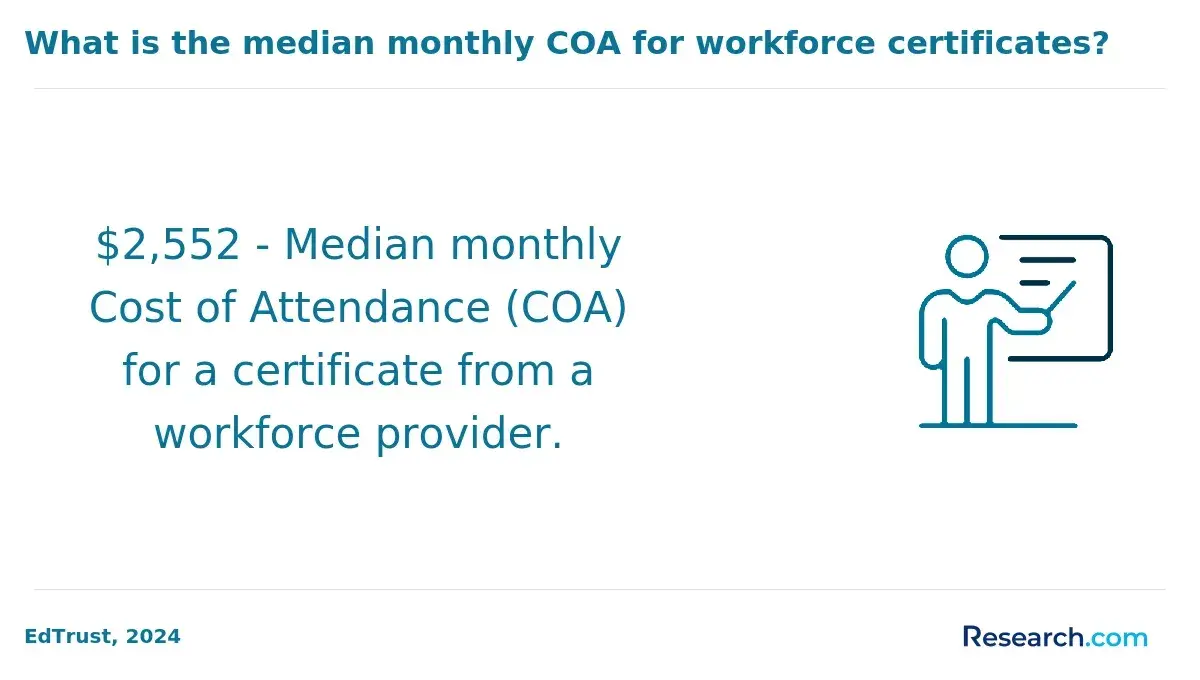
Cost deserves careful attention because the cheapest sticker price is not always the lowest total cost. The College Board's 2024 Trends in College Pricing reported average published tuition and fees of $11,610 for in-state students at public four-year institutions for 2024-25, which gives readers a useful benchmark for comparing public bachelor's options before grants, scholarships, housing, books, and fees.
The table below summarizes the main cost and time factors to compare before enrolling. It can help you avoid underestimating the full investment.
| Factor | What to check | Why it matters |
| Tuition model | Per credit, per semester, flat-rate, or competency-based pricing | Pricing structure affects total cost, especially for part-time students |
| Transfer credit | Accepted credits from community college, prior degree work, military training, or industry credentials | More accepted credits can shorten the timeline and reduce tuition |
| Required fieldwork | Internship, practicum, lab, or employer-based project requirements | Fieldwork can improve career readiness but may affect scheduling |
| Program length | Full-time, part-time, accelerated, or self-paced options | Faster programs may reduce opportunity cost but require heavier weekly workload |
| Fees and materials | Technology fees, uniforms, lab kits, certification exams, background checks, or travel | Extra charges can make two programs with similar tuition very different in total cost |
To make a realistic budget, compare net price after grants and scholarships, not only tuition. If you are considering a business-oriented route, reviewing how much does it cost to get a business degree online can help you understand the broader pricing patterns that often apply to management programs.
A practical planning sequence can keep the decision manageable. Follow these steps before committing to a program.
- Confirm the credential level required for your target role by reviewing job postings from employers you would actually consider.
- Ask the school for a total program cost estimate that includes tuition, fees, materials, fieldwork expenses, and certification exam costs.
- Request a transfer credit review before enrollment if you have previous college, military, or professional training.
- Compare full-time and part-time schedules against your work shifts, commute, family responsibilities, and study capacity.
- Check whether internships or practicums can be completed near your location if the program is online.
Which core courses build the management and leadership skills employers expect?
Food industry management programs should build both business judgment and food-specific operational knowledge. Employers generally expect managers to understand people, money, safety, service, inventory, technology, and performance metrics.
The best course mix depends on your target sector, but the following subjects are especially useful for leadership roles. They help turn workplace experience into repeatable management skill.
- Food safety and sanitation: Covers contamination prevention, time and temperature control, cleaning systems, allergen awareness, and regulatory expectations.
- Operations management: Teaches workflow design, productivity measurement, scheduling, capacity planning, and process improvement.
- Leadership and organizational behavior: Builds coaching, conflict resolution, accountability, communication, and team motivation skills.
- Accounting and cost control: Helps managers understand food cost, labor cost, budgets, profit margins, purchasing decisions, and waste reduction.
- Supply chain and procurement: Covers vendor selection, purchasing contracts, inventory systems, cold chain management, and disruption planning.
- Quality assurance and regulatory compliance: Introduces documentation, audits, corrective action, traceability, and food safety management systems.
- Data analytics and food technology: Builds comfort with dashboards, point-of-sale reports, forecasting tools, production data, and digital ordering systems.
- Human resources basics: Covers hiring, training, scheduling, performance feedback, employment law basics, and workplace safety culture.
The most valuable programs do not treat leadership as a single class. They build leadership through case studies, team projects, simulations, internships, and capstone work tied to real operational problems.
A common mistake is choosing a program with strong culinary content but weak management coursework when your goal is leadership. Culinary skills are valuable, but a manager also needs financial literacy, compliance knowledge, coaching ability, and technology confidence.
How do accreditation and program quality affect food industry management career outcomes?
Accreditation affects whether a school is recognized for federal financial aid, credit transfer, graduate admission, and employer trust. For most students, the first requirement is institutional accreditation from an agency recognized by the U.S. Department of Education or the Council for Higher Education Accreditation.
Program-level accreditation or approval may also matter, depending on your specialization. Hospitality, business, dietetics, culinary, and food science programs can be reviewed by different organizations, but not every legitimate food management program has specialized accreditation. The key is to match quality signals to your career goal.
The table below explains which quality checks matter most and how to use them. It is designed to help you separate meaningful indicators from marketing claims.
| Quality signal | What it tells you | How to verify |
| Institutional accreditation | The school meets broad academic and administrative standards | Check the school's accreditor through official recognition databases |
| Program relevance | The curriculum matches food management, safety, operations, or business leadership goals | Review course descriptions, prerequisites, and capstone or internship requirements |
| Faculty experience | Instructors understand current food operations, regulation, or industry technology | Review faculty biographies for industry, research, or professional credentials |
| Employer connections | The program may provide access to internships, management trainee roles, or local hiring networks | Ask for examples of employer partners and recent student placement support |
| Student outcomes | Graduation, retention, licensure, certification, or placement data may indicate program effectiveness | Ask admissions or program staff for outcome reports and how the data is collected |
Be cautious with programs that make vague promises about high salaries, guaranteed management jobs, or instant promotion. Career outcomes depend on prior experience, location, employer needs, schedule flexibility, and how well you perform in interviews and on the job.
If you are pursuing nutrition or dietetics-related leadership, accreditation becomes more specific. For example, eligibility for registered dietitian pathways depends on requirements that differ from general food service management, so verify those rules before enrolling in a nutrition-focused program.
What are typical salaries and advancement opportunities in food management leadership?
Salaries in food management leadership vary because the field includes both service-oriented and production-oriented roles. Restaurant managers, institutional food service directors, grocery leaders, quality managers, and plant operations managers may all work in the food industry, but their pay structures and advancement ladders differ.
BLS 2024 data places the median annual wage for food service managers at $63,060. This figure is useful as a midpoint, not a promise. Compensation can be lower in small establishments and higher in high-volume, corporate, unionized, manufacturing, or multi-unit settings.
The table below compares several leadership tracks by advancement pattern. It is not a salary guarantee, but it can help you see which paths may offer broader responsibility over time.
| Track | Entry point | Mid-career leadership | Advanced opportunity |
| Restaurant operations | Shift lead or assistant manager | General manager | District manager, franchise owner, director of operations |
| Institutional food service | Supervisor or assistant director | Food service director | Regional director, contract dining executive |
| Food manufacturing | Line lead or production supervisor | Operations manager or plant department manager | Plant manager, continuous improvement director |
| Quality and food safety | Quality technician or food safety coordinator | Quality assurance manager | Director of quality, regulatory affairs leader |
| Supply chain and procurement | Inventory coordinator or buyer assistant | Procurement manager or supply chain manager | Category director, vice president of supply chain |
Advancement usually depends on measurable results. Employers often look for managers who can reduce turnover, improve audit scores, control waste, raise customer satisfaction, meet production targets, or stabilize staffing. Documenting these outcomes can matter as much as listing job titles.
To improve mobility, build a portfolio of leadership evidence. Useful proof includes budget responsibility, training programs you created, safety results, inventory improvements, scheduling systems, successful audits, and cross-department projects.
What certifications or professional credentials strengthen a food industry management career?
Certifications can strengthen a food industry management career by proving specific knowledge in safety, quality, project execution, or operations. They are not substitutes for leadership performance, but they can help you qualify for interviews, promotions, or specialized assignments.
The following credentials are commonly relevant in U.S. food management settings. Requirements, renewal periods, and employer preferences vary, so always confirm which credentials your target employers recognize.
| Credential or training area | Best for | Career value |
| Food protection manager certification | Restaurant, catering, school food service, healthcare dining, and retail food managers | Often required or strongly preferred for supervisory roles involving food safety responsibility |
| ServSafe Manager or comparable state-accepted credential | Food service managers and shift leaders | Demonstrates knowledge of safe food handling, sanitation, allergens, and manager-level controls |
| HACCP training | Food manufacturing, seafood, juice, meat, poultry, and quality roles | Shows ability to understand hazard analysis, critical controls, monitoring, and corrective action |
| Preventive Controls Qualified Individual training | Food manufacturing and Food Safety Modernization Act-related roles | Supports work involving preventive controls and food safety plans |
| Lean Six Sigma | Production, distribution, and process improvement roles | Helps managers lead waste reduction, quality improvement, and efficiency projects |
| Project management credential | Operations leaders managing rollouts, renovations, system changes, or cross-functional initiatives | Signals ability to plan scope, timelines, resources, risk, and stakeholder communication |
Choose certifications based on your target role rather than collecting credentials randomly. A restaurant supervisor may need a food protection manager credential first, while a plant quality coordinator may get more value from HACCP or preventive controls training.
A smart credential sequence often looks like this for working professionals.
- Earn the food safety credential required for your current supervisory responsibilities.
- Add a role-specific credential tied to your next step, such as HACCP for manufacturing or Lean Six Sigma for process improvement.
- Use the credential in a workplace project so you can show measurable results, not just a certificate.
- Track renewal dates and continuing education requirements so credentials do not lapse before promotion or job applications.
How can you choose a reputable U.S. food industry management program for leadership?
Choosing a reputable U.S. food industry management program requires more than finding a familiar school name or the lowest tuition. The best program is the one that fits your target role, schedule, budget, and experience level while meeting basic quality standards.
Start by clarifying your career goal. A future restaurant district manager, food manufacturing supervisor, school food service director, and quality assurance manager may need different courses, internships, and credentials.
Use the following checklist when comparing programs. It focuses on questions that reveal whether a school can actually support your leadership goals.
- Is the institution properly accredited, and does the accreditation support financial aid, transfer, and graduate study if needed?
- Does the curriculum include management, accounting, food safety, operations, human resources, and data-based decision-making?
- Are internships, practicums, labs, or employer projects required, optional, or unavailable?
- Can online students complete fieldwork locally, and does the school help arrange placements?
- What transfer credits, military credits, prior learning credits, or industry credentials can reduce the time to completion?
- Does the program publish student outcome information, and can staff explain how it is measured?
- Are faculty members connected to food service, manufacturing, hospitality, retail food, nutrition, or supply chain practice?
- What certifications, if any, are built into the program cost or curriculum?
Watch for red flags before enrolling. These issues do not always mean a program is poor, but they should prompt more questions.
- Admissions staff cannot clearly explain total cost, transfer credit policy, or fieldwork requirements.
- The program promises specific salaries or guaranteed promotions without explaining conditions or limitations.
- Course titles sound relevant, but descriptions show little coverage of food safety, cost control, operations, or leadership practice.
- Online students are expected to find internships alone with no guidance from the program.
- The school emphasizes speed so heavily that weekly workload, support services, and learning outcomes are unclear.
The strongest choice is usually a program that connects academic learning to your current or intended workplace. If you can graduate with both a credential and documented examples of leading people, improving processes, controlling costs, or strengthening safety, you will be better positioned for management interviews.
Other Things You Should Know About Food Industry Management
Yes, it can be a strong fit if you enjoy leading teams, solving operational problems, and making decisions under pressure. It is less ideal for people who want predictable desk-only work, because many roles involve evenings, weekends, audits, staffing challenges, or production deadlines.
Not always. Many managers advance through experience, certificates, and employer training, especially in restaurants and retail food. A bachelor's degree can be more helpful for corporate roles, management trainee programs, food manufacturing leadership, supply chain, quality assurance, or faster advancement into multi-unit roles.
Succeeding in 2027 food industry management careers requires strong leadership skills, adaptability, and a focus on innovation. Managers must also possess excellent communication abilities, an understanding of technology trends, and a keen sense to handle sustainability issues, enhancing both operational efficiency and team morale.
Food safety, quality assurance, supply chain, and production operations often offer strong long-term potential because they connect directly to compliance, risk control, efficiency, and consumer trust. The best specialization still depends on your strengths: customer-focused leaders may prefer restaurant or hospitality operations, while analytical leaders may prefer manufacturing or procurement.
References
- Most Important Food Safety Certifications & Qualifications - FSNS https://fsns.com/food-qualifications-and-certifications/
- Chapter 59: Beyond Tuition: Understanding College Expenses – Blueprint for Success in College and Career https://press.rebus.community/blueprint2/chapter/59-beyond-tuition-understanding-college-expenses/
- Leadership Skills to Conquer in Corporate World https://www.learningeverest.com/leadership-skills-to-conquer-in-corporate-world/
- Become an Operations Manager (Food Production): Career Path Guide | Skills U https://skillsu.com/role/operations-manager-food-production
- Hospitality & Culinary Management Degree: Learning to Lead in Today's Restaurant Industry https://www.lci.edu/blog/hospitality-culinary-management-degree-learning-to-lead
- Average Cost of College [2025]: Yearly Tuition + Expenses https://educationdata.org/average-cost-of-college
- Begginer's Guide to Management in The Food Industry https://foodindustryhub.com/begginers-guide-to-management-in-the-food-industry/
- 7 Key Leadership and Management Skills in 2026 - Instep https://instepuk.com/article/leadership-and-management-skills/
- Foodservice Management Professional® (FMP®) https://managefirst.restaurant.org/fmp/
- How to become a production manager in food and FMCG | Reed https://www.reed.com/articles/how-to-become-a-production-manager-in-food-and-fmcg