2027 Online Food Industry Management Degrees With Leadership and Team Management Coursework

Co-Founder and Chief Data Scientist
Choosing an online food industry management degree is partly a career decision and partly a financial one. The food sector is large, competitive, and increasingly technology-driven; the National Restaurant Association projected U. S. restaurant sales would reach $1.1 trillion in 2024, which signals demand for managers who understand operations, teams, safety, customer experience, and margins. This guide is for working adults, career changers, and food service professionals comparing online programs. You will learn what these degrees cover, how online study compares with campus options, what they cost, and which career paths may fit your goals.
Key Things You Should Know
- Online food industry management programs usually combine food systems, operations, finance, food safety, marketing, and leadership coursework; they are most useful for students targeting supervisory, unit manager, food business, or operations roles rather than clinical nutrition licensure.
- Cost varies widely by institution: College Board's 2024 pricing data lists average published 2024-25 tuition and fees of $11,610 for in-state public four-year colleges and $43,350 for private nonprofit four-year colleges, before aid.
- The U.S. Bureau of Labor Statistics reported a May 2024 median annual wage of $65,310 for food service managers, but advancement depends heavily on experience, employer type, location, financial skills, and the scale of operations managed.
What is an online food industry management degree with leadership and team management coursework?
An online food industry management degree is a business-focused credential for people who want to manage food service operations, food retail, food manufacturing support functions, hospitality food and beverage teams, or food entrepreneurship projects. Unlike a culinary arts program, which emphasizes hands-on cooking technique, this degree focuses on how food businesses are planned, staffed, supplied, regulated, marketed, and financially managed.
Leadership and team management coursework matters because many food-sector roles are people-intensive. A manager may be responsible for hiring, scheduling, training, customer service recovery, vendor coordination, safety compliance, budgeting, and performance coaching. Online programs often teach these responsibilities through case studies, projects, simulations, discussion boards, and workplace-based assignments rather than traditional lab-only instruction.
This degree is usually a good fit for students who want business responsibility in the food sector. It may fit less well for someone whose main goal is becoming a registered dietitian, licensed nutrition professional, chef, or food scientist in a research laboratory. Students focused on nutrition counseling should compare this path with an online nutritionist degree, because nutrition programs typically emphasize biology, metabolism, dietary assessment, and public health more than food service operations.
The main degree levels differ in purpose, audience, and return-on-investment profile. The table below summarizes common options so readers can match the credential to their current experience and career target.
| Program type | Best fit | Typical focus | Decision point |
| Associate degree | Entry-level workers moving toward shift lead, assistant manager, or transfer pathways | Food service basics, supervision, sanitation, purchasing, customer service | Useful when affordability and transfer credit are priorities |
| Bachelor's degree | Students seeking broader management, food business, hospitality, or operations roles | Leadership, accounting, marketing, food systems, human resources, food safety, analytics | Often the strongest general-purpose credential for long-term advancement |
| Graduate certificate | Professionals who already have a degree and need targeted food safety, hospitality, or leadership coursework | Specialized skill development | Can be faster than a full degree but may not replace bachelor's-level requirements |
| Master's degree | Experienced professionals targeting senior operations, food systems, hospitality leadership, or entrepreneurship | Strategic management, finance, supply chain, innovation, organizational leadership | Best when the student already has work experience and a clear advancement goal |
How do online food industry management programs compare with on-campus options for flexibility and outcomes?
Online and on-campus food industry management programs can lead to similar academic credentials when they are offered by accredited institutions, but the learning experience is different. The key question is not whether online is automatically better or worse; it is whether the format matches your schedule, learning style, local work opportunities, and need for hands-on experiences.
The following comparison highlights practical trade-offs that matter for working adults and career changers.
| Factor | Online program | On-campus program | Best choice when |
| Schedule flexibility | Often asynchronous or evening-friendly | Usually tied to class meeting times | Online is stronger for working students, parents, and students far from campus |
| Hands-on learning | May use local internships, workplace projects, virtual simulations, or required practicums | May offer campus dining labs, hospitality facilities, or nearby employer partnerships | Campus can be better if you need structured, in-person practice and networking |
| Networking | Depends on cohort design, faculty access, and employer projects | Often easier through campus events and local recruiting | Campus may help students without existing industry contacts |
| Career outcomes | Can be comparable when accreditation, curriculum, internship support, and employer relevance are strong | Can be strong when campus has established food, hospitality, or agriculture industry connections | The better option is the one with stronger placement support for your target role |
| Cost control | May reduce relocation, commuting, and schedule disruption costs | May include more campus fees and living costs if relocation is needed | Online can be more economical if tuition is reasonable and transfer credit is generous |
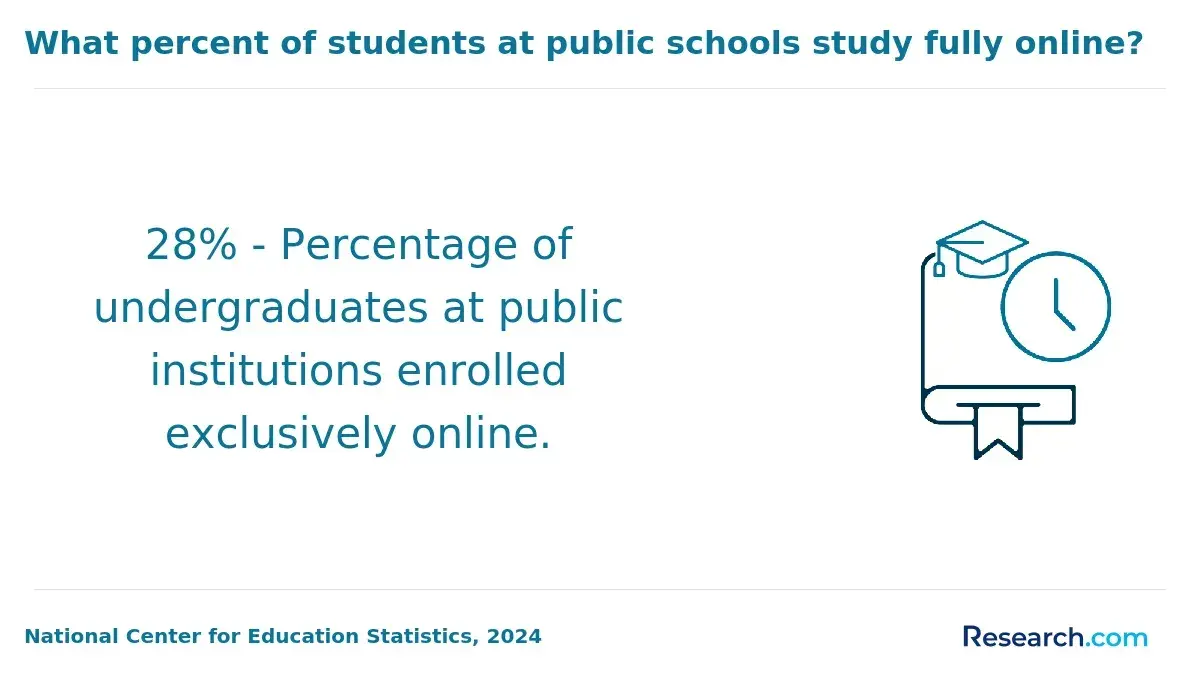
Online learning is especially practical for students already employed in restaurants, food retail, institutional dining, or food distribution because assignments can often be connected to real workplace problems. For example, a student might analyze labor scheduling, compare inventory control methods, or design a training plan for frontline staff.
However, online is not ideal for every learner. Students who need daily structure, in-person mentoring, kitchen or lab access, or a highly social campus environment should look closely at hybrid or campus-based programs. The strongest online programs reduce this gap through faculty feedback, required internships, employer partnerships, live sessions, and career coaching.
What leadership and team management courses are typically included in food industry management curricula?
Leadership and team management coursework in food industry management programs usually teaches students how to supervise diverse teams in high-pressure, safety-sensitive, customer-facing environments. The food sector has tight margins and frequent staffing challenges, so managers need both interpersonal skill and operational discipline.
Common courses vary by school, but students often see the following subjects in the leadership portion of the curriculum.
- Organizational leadership, with emphasis on motivation, communication, decision-making, and ethical management
- Human resource management, including hiring, onboarding, training, scheduling, conflict resolution, and performance evaluation
- Food service operations management, covering service flow, labor planning, quality control, guest experience, and productivity
- Food safety and sanitation leadership, including how managers build compliance systems and reinforce safe employee behavior
- Financial management for food businesses, such as menu pricing, cost control, purchasing, budgeting, and profit analysis
- Supply chain and procurement, including vendor selection, inventory controls, traceability, and disruption planning
- Marketing and customer experience, including brand positioning, digital ordering, loyalty programs, and complaint recovery
- Entrepreneurship or food business innovation, especially for students interested in catering, food trucks, packaged foods, or restaurant ownership
Students who are more interested in supply chains, productivity systems, analytics, and cross-functional business leadership may also compare these programs with an operations management MBA. That path is usually broader than food industry management and may be better for professionals who want mobility across manufacturing, logistics, retail, and service industries.
Current trends are changing what "management" means in the food sector. Employers increasingly expect managers to use scheduling software, point-of-sale dashboards, food cost analytics, inventory systems, delivery-platform data, and AI-supported forecasting tools. A strong curriculum should not treat technology as an elective afterthought; it should show how data affects staffing, ordering, waste reduction, service speed, and customer retention.
Which accredited U.S. colleges offer online food industry management or food business degrees?
Several accredited U.S. colleges offer online degrees that can support food industry management, food business, hospitality food and beverage leadership, or food systems careers. Program names differ, so students should search beyond the exact phrase "food industry management" and review curriculum details carefully.
The table below gives examples of institutions and online program areas to investigate. Availability, tuition, modality, and curriculum can change, so confirm details in the current catalog and verify institutional accreditation before applying.
| College or university | Online program area to review | Potential fit | Accreditation note |
| Arizona State University | Food and nutrition entrepreneurship or related food business coursework | Students interested in food ventures, wellness-oriented food businesses, and consumer-facing food products | Institutionally accredited by the Higher Learning Commission |
| Kansas State University | Food science and industry or food business-related online study | Students interested in food production, quality, regulatory environments, and industry operations | Institutionally accredited by the Higher Learning Commission |
| Oregon State University | Food science, sustainable food systems, or related Ecampus offerings | Students interested in food systems, sustainability, product quality, and industry context | Institutionally accredited by the Northwest Commission on Colleges and Universities |
| University of Massachusetts Amherst | Online hospitality and tourism management with food service relevance | Students targeting restaurant, hospitality, food and beverage, or service operations leadership | Institutionally accredited by the New England Commission of Higher Education |
| University of Wisconsin-Stout | Online hotel, restaurant, and tourism management | Students seeking applied hospitality operations, food service supervision, and service management preparation | Institutionally accredited by the Higher Learning Commission |
| SUNY Delhi | Online hospitality management pathways | Students seeking flexible study connected to food service, lodging, events, and hospitality leadership | Institutionally accredited by the Middle States Commission on Higher Education |
| Johnson & Wales University | Online food and beverage, hospitality, or business-focused programs | Students interested in applied hospitality, food entrepreneurship, and service leadership | Institutionally accredited by the New England Commission of Higher Education |
For quality control, prioritize institutional accreditation first. Programmatic accreditation may be relevant for hospitality, business, dietetics, or food science programs depending on the degree, but it is not always required for food industry management roles. If your target job has a licensing or certification requirement, confirm that the curriculum satisfies that requirement before enrolling.
What admission requirements and prior experience do online food industry management programs expect?
Admission requirements depend on degree level and selectivity. Online bachelor's programs often admit first-year students, transfer students, and working adults, while graduate programs usually expect a completed bachelor's degree and may prefer relevant professional experience.
Applicants should expect some combination of the following requirements. These items matter because missing prerequisites, transfer documents, or work-experience documentation can delay admission or reduce the number of credits accepted.
- High school diploma or equivalent for undergraduate admission
- Official transcripts from high school and all previously attended colleges
- Minimum GPA requirement, which varies by institution and may be different for transfer students
- College-level composition, math, science, or business prerequisites for some upper-division programs
- Resume or work history for adult, transfer, or graduate applicants
- Statement of purpose explaining career goals in food service, food systems, hospitality, operations, or entrepreneurship
- English language proficiency documentation for applicants whose prior education was not in English
- Possible background check, immunization record, or workplace clearance if the program includes internships in healthcare, schools, or institutional dining
Prior food industry experience is helpful but not always required. Students who already work as shift leads, cooks, servers, catering assistants, food retail associates, warehouse coordinators, or dining services employees can often connect coursework directly to real management problems. Students without experience should prioritize programs with internships, practicums, employer projects, or career services that help them build a credible resume before graduation.
Transfer credit can significantly affect time and cost. Before enrolling, ask for a formal transfer evaluation, not just an informal estimate. Also ask whether certifications such as ServSafe, military training, community college hospitality coursework, or prior learning assessments can count toward electives or major requirements.
How long do online food industry management degrees take, and what do they cost?
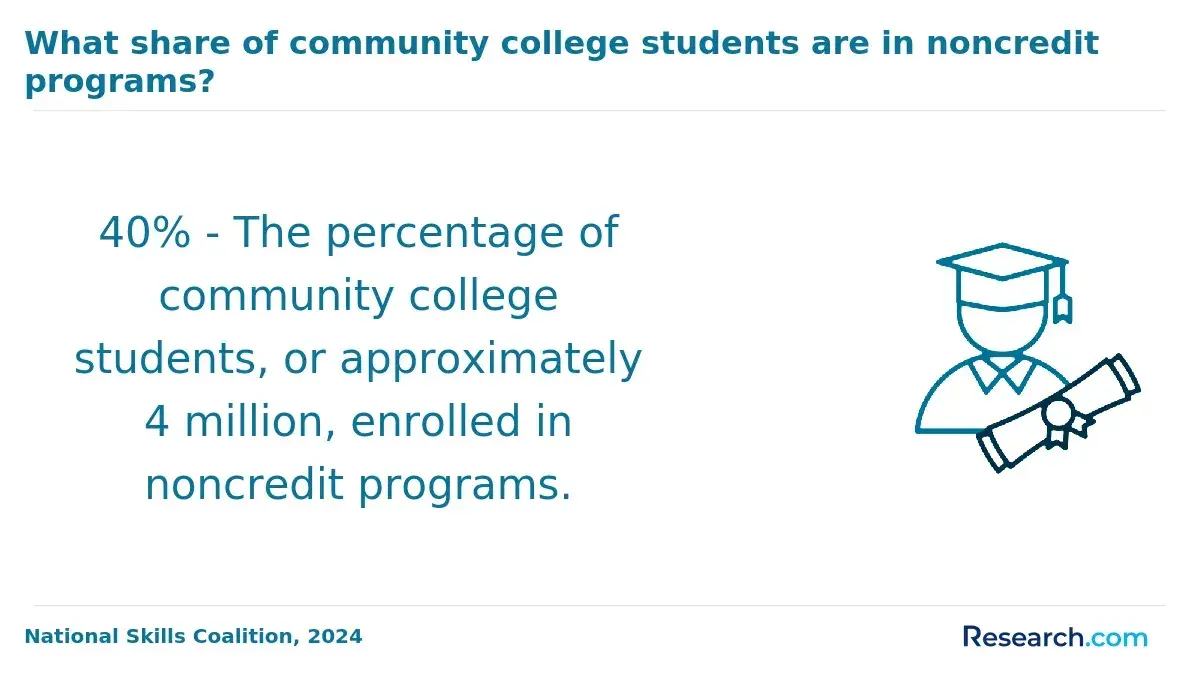
Program length depends on degree level, transfer credit, course load, and whether the school uses traditional semesters or accelerated terms. A full bachelor's degree usually requires about 120 credits, while degree-completion programs may take much less time for students who already have an associate degree or substantial transfer credit.
Cost should be evaluated as total cost, not tuition alone. College Board's 2024 pricing data provides a useful benchmark for published 2024-25 tuition and fees before financial aid:
- Public two-year in-district colleges: $4,050
- Public four-year in-state colleges: $11,610
- Public four-year out-of-state colleges: $30,780
- Private nonprofit four-year colleges: $43,350
Those figures are broad national benchmarks, not program quotes. Online students may pay per-credit tuition, technology fees, course materials, proctoring costs, internship expenses, and graduation fees. They may also save on relocation and commuting, which can make online study more practical even when tuition is not the lowest available.
The table below summarizes typical completion timelines and cost considerations by credential type. Use it to narrow the type of program before comparing individual schools.
| Credential | Typical time to finish | Cost factors to compare | Best value when |
| Certificate | A few months to 1 year | Per-credit tuition, employer reimbursement, whether credits apply to a later degree | You need targeted skills quickly and already have a degree or industry experience |
| Associate degree | About 2 years full time | Community college tuition, transfer agreements, books, fees | You want an affordable entry point or plan to transfer into a bachelor's program |
| Bachelor's degree | About 4 years full time, or shorter with transfer credit | Tuition rate, transfer credit, residency requirements, internship expenses | You want broad management preparation and long-term advancement potential |
| Master's degree | About 1 to 3 years | Graduate tuition, employer support, opportunity cost, specialization value | You already have experience and need a credential for senior leadership or strategic roles |
When comparing affordability, look for the net price after grants, scholarships, military benefits, employer tuition assistance, and transfer credit. Students comparing education costs across management fields may find it useful to review how other guides break down total program expenses, such as this overview of online construction management degree cost, then apply the same total-cost thinking to food industry programs.
What careers can graduates of online food industry management programs pursue in the food sector?
Graduates of online food industry management programs can pursue roles across restaurants, hospitality, food retail, institutional dining, contract food service, food manufacturing support, distribution, catering, and food entrepreneurship. The best opportunities usually go to candidates who combine the degree with hands-on experience, strong communication skills, and measurable operational results.
The following career paths are common targets. The table focuses on role fit and responsibilities rather than promising outcomes, because hiring requirements vary by employer, location, and business model.
| Career path | Typical responsibilities | How the degree may help | Experience that strengthens candidacy |
| Food service manager | Oversee daily operations, staffing, service quality, safety, budgeting, and customer issues | Builds management, finance, food safety, and team leadership skills | Shift leadership, restaurant operations, catering, or institutional dining experience |
| Restaurant or unit manager | Manage a single location or business unit, including labor, inventory, sales, and service standards | Connects business coursework to practical operational decisions | Front-of-house or back-of-house supervisory experience |
| Food and beverage supervisor | Coordinate service teams in hotels, resorts, clubs, events, or entertainment venues | Supports hospitality leadership, guest experience, and team training | Hospitality, banquet, bar, café, or event experience |
| Dining services manager | Lead food operations in schools, healthcare, senior living, corporate dining, or campuses | Provides grounding in compliance, staffing, purchasing, and service systems | Institutional food service or regulated-environment experience |
| Food retail or grocery department manager | Manage prepared foods, bakery, deli, meat, seafood, or specialty food departments | Develops inventory, merchandising, customer service, and team supervision skills | Retail food, merchandising, inventory, or assistant department experience |
| Food entrepreneur | Launch or manage catering, food truck, packaged food, meal prep, or specialty food ventures | Strengthens planning, pricing, marketing, compliance, and operations knowledge | Industry experience, local licensing knowledge, and financial planning ability |
Some graduates later move into adjacent fields such as supply chain, hospitality corporate operations, training and development, food safety coordination, or healthcare dining administration.
Professionals interested in senior leadership in hospitals, long-term care systems, or healthcare food operations may eventually compare food management experience with doctorate in health administration programs, especially if they want executive roles that extend beyond dining services.
What salary ranges and advancement opportunities exist for food industry and food service managers?
Salary potential in food industry management varies widely because a small café, a school district dining operation, a national restaurant chain, and a food manufacturing company have very different budgets and responsibilities. Location, bonus structure, number of employees supervised, revenue volume, and prior experience can matter as much as the degree itself.
The U.S. Bureau of Labor Statistics reported a May 2024 median annual wage of $65,310 for food service managers. This figure is useful as a national midpoint, but it should not be read as a starting salary or a guaranteed result for degree holders. Entry-level supervisors may earn less, while experienced managers in high-volume, multi-unit, corporate, or specialized operations may exceed the median.
Advancement often follows a responsibility ladder. The table below shows how roles may progress as a professional gains experience and manages larger teams, budgets, or locations.
| Career stage | Common roles | What advancement usually requires | How coursework supports the move |
| Entry level | Shift lead, assistant manager, catering coordinator, department lead | Reliable execution, service skills, basic scheduling, safety awareness | Introduces supervision, sanitation, customer service, and operations basics |
| Mid-level management | Unit manager, food service manager, restaurant manager, dining services manager | Budget ownership, hiring, training, labor control, vendor coordination | Builds finance, human resources, leadership, and food service systems knowledge |
| Multi-unit or specialized leadership | Area manager, operations manager, food retail manager, food safety or training manager | Performance metrics, coaching other managers, policy implementation, process improvement | Supports analytics, organizational behavior, quality control, and strategic planning |
| Senior leadership or ownership | Director of food and beverage, district manager, entrepreneur, corporate operations leader | Capital planning, brand strategy, compliance oversight, scalable systems, profit responsibility | Connects leadership, finance, marketing, entrepreneurship, and operations strategy |
For broader business leadership, BLS reported a May 2024 median annual wage of $101,280 for general and operations managers. Food-sector professionals do not automatically move into that category, but the figure shows why some experienced managers pursue bachelor's or graduate-level business education after proving themselves in operations.
What is the job outlook for food industry management and food and beverage leadership roles?
The job outlook for food industry management is steady but competitive. BLS projected employment for food service managers to grow 2% from 2023 to 2033, which is slower than the average for all occupations, while still producing about 44,500 openings each year from replacement needs and turnover. For students, this means the degree should be paired with experience, internships, and measurable management skills rather than treated as a stand-alone ticket to advancement.
Several trends are shaping hiring expectations in food and beverage leadership roles. Employers increasingly value managers who can control labor costs, reduce waste, retain employees, handle digital ordering channels, use data from point-of-sale systems, and maintain food safety standards across inconsistent staffing conditions.
AI and automation are also changing the work. Scheduling tools, demand forecasting, self-ordering kiosks, inventory systems, delivery analytics, and automated kitchen equipment can reduce repetitive tasks, but they do not remove the need for human leadership. In many workplaces, technology makes managers more accountable because performance data is easier to track in real time.
The most resilient candidates are not only "good with people" or "good with food." They can connect guest experience, employee retention, cost control, safety, and technology. When comparing programs, look for coursework or projects that require students to analyze real operating data, build training plans, solve staffing problems, and make decisions under budget constraints.
How can students evaluate and choose a reputable online food industry management program?
Choosing a reputable online food industry management program requires more than finding the lowest tuition or the most familiar school name. The right program should match your career target, budget, transfer history, preferred learning format, and need for hands-on experience.
Use the following steps before applying. They are designed to reduce the most common enrollment mistakes and help you compare schools on practical value.
- Verify institutional accreditation through the school's accreditor and official federal or state-recognized sources before discussing cost or enrollment.
- Match the curriculum to your target role; restaurant management, food science, hospitality leadership, food entrepreneurship, and nutrition are related but not interchangeable.
- Ask for a written transfer credit evaluation so you know how many credits remain, not just how many may transfer.
- Compare total cost, including tuition, fees, books, software, internships, travel, and the cost of reducing work hours if needed.
- Review internship, practicum, or workplace project requirements and confirm whether you can complete them locally.
- Ask how online students access career services, employer contacts, resume support, interview preparation, and alumni networks.
- Look for leadership coursework that includes staffing, conflict management, training, budgeting, analytics, and food safety accountability.
- Check whether courses are asynchronous, synchronous, hybrid, or self-paced, and choose the format you can realistically sustain.
- Ask for graduation, retention, and job placement information when available, but remember that outcomes may depend on student background and regional labor markets.
- Avoid high-pressure enrollment tactics, vague accreditation claims, unclear tuition pages, weak transfer policies, and programs that cannot explain how the curriculum supports your career goal.
Common mistakes include choosing a culinary-heavy program when the goal is business management, choosing a nutrition program when the goal is restaurant operations, or choosing a general business degree with no food-sector coursework when the goal is food service leadership. Another mistake is ignoring employer expectations: many management jobs require proven supervisory experience, so students should build that experience while studying whenever possible.
If your long-term goal is leadership beyond the food sector, compare the food-focused degree with broader business options. A food industry management program may be better for immediate sector relevance, while a general business, hospitality, supply chain, or operations degree may offer more flexibility across industries.
Other Things You Should Know About Food Industry Management
It can be worth it if you want supervisory, operations, food service, hospitality, or food business roles and you choose an accredited program with relevant coursework and reasonable cost. It is less useful if your goal requires a different credential, such as culinary training, dietetics preparation, or a specialized food science laboratory path.
Food industry management focuses on the operational and business aspects of food production and distribution, while hospitality management concentrates on customer service and the operational aspects of sectors like hotels and restaurants. Online degrees in food industry management with leadership and team coursework provide specialized knowledge applicable to the evolving food sector.
Many courses can be completed online, but some programs may require internships, practicums, labs, or workplace-based projects. Always confirm whether any in-person requirements can be completed near your home before enrolling.
References
- Beyond the Restaurant: Career Opportunities for Restaurant Managers - International Culinary Studio https://www.internationalculinarystudio.com/beyond-the-restaurant-career-opportunities-for-restaurant-managers/
- Management Continuing Education Courses - 123ce.com https://123ce.com/management-continuing-education-courses/
- Food Industry Management https://www.niagara.edu/programs/food-industry-management/
- Online Master’s in Food Business - CIA School of Graduate and Professional Studies https://masters.culinary.edu/food-business-masters-degree/
- Master in Food & Beverage Management Online | Rome Business School https://romebusinessschool.com/master-online-in-food-and-beverage-management/
- Restaurant and food service managers | WorkBC https://www.workbc.ca/career-profiles/restaurant-and-food-service-managers
- What does a Food and Beverage Manager do? Career Overview, Roles, Jobs | CACM https://careers.cacm.org/career/food-and-beverage-manager
- Food Service Manager Career Guide | 360training https://www.360training.com/blog/food-service-manager
- Food Systems and Management MSc https://www.cranfield.ac.uk/courses/taught/food-systems-and-management
- Study Food Industry Management in the USA https://www.studyusa.com/en/field-of-study/395/food-industry-management