2027 Food Operations Manager vs Category Manager vs Quality Manager: Which Pays More?

Co-Founder and Chief Data Scientist
Choosing between food operations, category management, and quality management is really a choice between production leadership, commercial strategy, and food safety risk control. Pay can differ sharply: the U. S. Bureau of Labor Statistics reported a May 2024 median wage of $140,650 for purchasing managers, the closest federal proxy for many category manager roles. This guide is for students, career changers, and food industry workers comparing income potential, degree paths, skills, and promotion routes so they can choose the role that best fits their strengths and goals.
Key Things You Should Know
- Category managers usually have the strongest pay ceiling because they influence pricing, supplier terms, margins, and product mix; BLS reported $140,650 median pay for purchasing managers in May 2024.
- Food operations managers can rival or exceed category manager pay in plant, distribution, and multi-unit leadership roles; BLS reported $121,440 median pay for industrial production managers in May 2024.
- Quality manager pay is often slightly lower at the middle-management level, but the role is resilient because food safety, FSMA compliance, traceability, audits, and recalls create nonoptional employer demand.
Which role typically pays more in the food industry: operations manager, category manager, or quality manager?
The short answer: category manager roles typically pay more at the mid-to-senior level, especially in grocery retail, foodservice distribution, consumer packaged goods, and private-label food businesses. These jobs are tied to revenue, gross margin, vendor negotiations, promotional strategy, and assortment decisions, so employers often reward strong commercial performance with higher base pay and bonuses.
Food operations managers can still be the better-paying route in the right setting. A manager responsible for a large manufacturing plant, regional distribution center, cold-chain network, or multi-site foodservice operation may earn more than a category manager at a smaller company. Quality managers usually have a lower top-end ceiling than the other two unless they advance into director-level food safety, regulatory affairs, or enterprise quality leadership.
The table below summarizes the typical pay logic behind the three roles. Use it as a decision framework rather than a salary guarantee, because pay varies by employer size, region, commodity category, union environment, shift coverage, and whether the role owns a budget or profit-and-loss target.
| Role | Typical pay position | Closest BLS benchmark to understand pay context | Why pay rises | Best fit for |
| Category manager | Often highest overall ceiling | Purchasing managers: $140,650 median annual wage in May 2024 | Revenue ownership, supplier negotiations, margin impact, assortment strategy | People who like analytics, negotiation, consumer behavior, and commercial decisions |
| Food operations manager | High and highly variable | Industrial production managers: $121,440 median annual wage in May 2024 | Plant size, labor responsibility, throughput, safety performance, cost control | People who like leading teams, improving processes, and solving daily production problems |
| Quality manager | Stable middle-to-upper management pay | No single BLS occupation isolates food quality managers; many roles overlap with production, compliance, and quality systems management | Regulatory exposure, audit responsibility, certifications, recall prevention, enterprise risk reduction | People who like science, documentation, root-cause analysis, standards, and food safety |
For a student choosing a major, the practical takeaway is simple: choose category management if you want the strongest commercial compensation path, operations if you want broad leadership and plant or logistics advancement, and quality if you want a technical, compliance-driven career with strong long-term relevance.
What does a food operations manager, category manager, and quality manager each do day to day?
Although all three roles can work for the same food company, their daily work is very different. Operations managers focus on making and moving food efficiently, category managers focus on what products the business sells and how profitably they sell, and quality managers focus on whether products meet safety, regulatory, and brand standards.
This comparison shows what a normal workweek may emphasize in each track. It can help you decide whether you prefer people-and-process leadership, commercial decision-making, or technical risk control.
| Role | Main daily responsibilities | Common decisions | Typical tools | Performance measures |
| Food operations manager | Schedules labor, manages production or service flow, monitors inventory, reduces waste, handles staffing issues, coordinates maintenance, tracks safety and productivity | How to meet demand with available labor, equipment, ingredients, warehouse space, and delivery windows | ERP systems, production dashboards, labor scheduling tools, inventory systems, warehouse management systems, lean management boards | Output, yield, waste, downtime, safety incidents, on-time delivery, labor cost, customer service levels |
| Category manager | Analyzes sales data, manages vendor relationships, plans promotions, chooses assortments, evaluates pricing, reviews product performance, negotiates terms | Which products to add, cut, promote, reprice, or source differently based on demand and profitability | Retail analytics, syndicated sales data, demand planning software, pricing tools, spreadsheets, supplier scorecards | Sales growth, gross margin, inventory turns, market share, promotion lift, vendor funding, shrink reduction |
| Quality manager | Maintains food safety plans, leads audits, investigates nonconformances, reviews sanitation, manages specifications, trains staff, oversees corrective actions | Whether a product, process, supplier, or facility meets safety, regulatory, and customer requirements | Quality management systems, HACCP documentation, environmental monitoring records, laboratory results, traceability systems, SPC charts | Audit scores, complaints, holds, recalls avoided, corrective action closure, specification compliance, food safety culture |
Technology is changing all three roles. Operations managers increasingly use automation, sensors, and predictive maintenance. Category managers use AI-supported demand forecasting and price optimization. Quality managers use digital traceability, environmental monitoring platforms, and automated documentation to reduce audit and recall risk.
What education and experience are required to become a food operations, category, or quality manager?
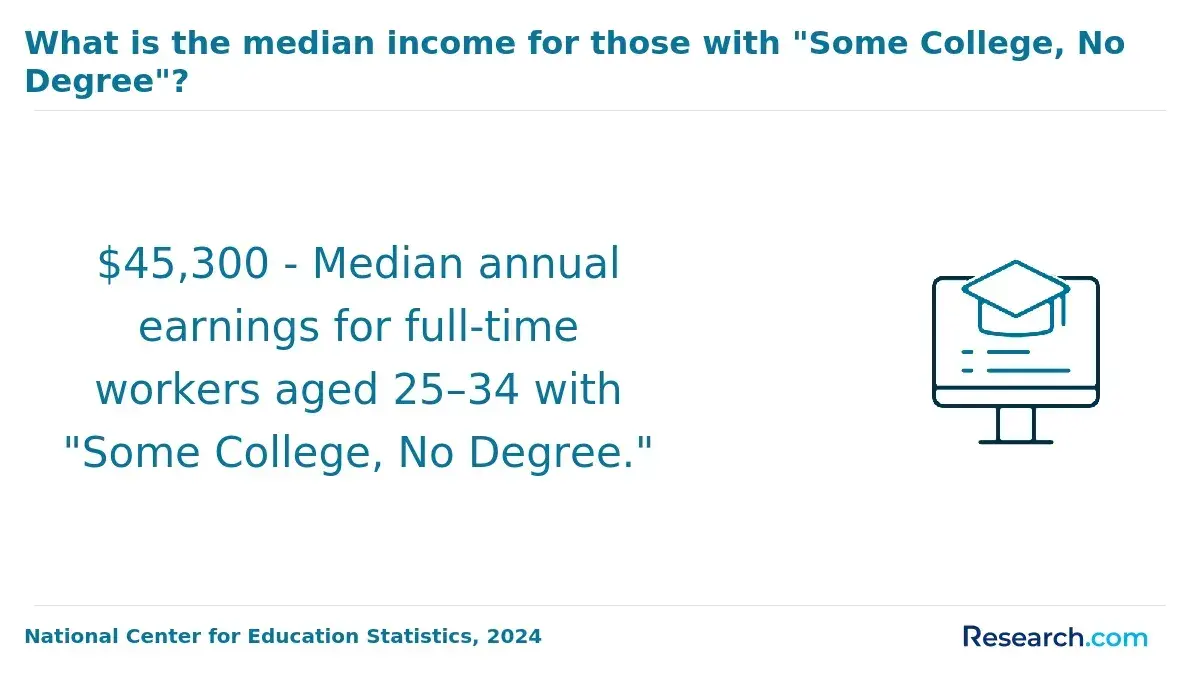
Most employers prefer a bachelor's degree for all three tracks, but the best major depends on the role. Food operations management is often open to graduates in food industry management, business, supply chain, industrial technology, agricultural business, hospitality management, or food science. Category management usually favors business, marketing, analytics, supply chain, economics, or food marketing. Quality management is more technical and often favors food science, microbiology, chemistry, biology, or agricultural sciences.
The table below compares common education and experience expectations. Requirements vary by employer, but this reflects what many U.S. food manufacturers, grocers, distributors, and foodservice organizations look for when hiring managers.
| Career path | Common bachelor's majors | Experience employers value | Helpful credentials | Typical entry point |
| Food operations manager | Food industry management, supply chain, operations management, agribusiness, business, hospitality, industrial technology | Supervisory work, production scheduling, inventory control, warehouse operations, restaurant or plant leadership, lean improvement projects | ServSafe Manager, Lean Six Sigma, OSHA safety training, APICS or supply chain credentials for some roles | Production supervisor, shift supervisor, warehouse lead, assistant manager, management trainee |
| Category manager | Food marketing, business, economics, supply chain, analytics, agricultural business, marketing | Buying, merchandising, pricing, vendor management, sales analysis, retail operations, trade promotion planning | Certified Professional in Supply Management, data analytics certificates, category management training from industry groups | Assistant buyer, category analyst, merchandising analyst, sales analyst, vendor account coordinator |
| Quality manager | Food science, microbiology, chemistry, biology, agricultural sciences, quality management | HACCP, sanitation, audits, supplier quality, lab testing, environmental monitoring, corrective actions, regulatory documentation | HACCP, Preventive Controls Qualified Individual, SQF practitioner, BRCGS training, ASQ quality credentials | Quality assurance technician, food safety coordinator, lab technician, regulatory assistant, sanitation supervisor |
Students should not assume that one degree works equally well for all three roles. A business-heavy program can be excellent for category management but may not provide enough microbiology or food safety depth for quality leadership. A food science program can be excellent for quality, but students targeting category management should add coursework in marketing analytics, finance, and negotiation.
How do degree programs in food industry management prepare you for these three career paths?
Food industry management programs are valuable because they combine food-specific context with business and operations training. A strong program helps students understand how ingredients, suppliers, processing, packaging, logistics, retailers, restaurants, regulations, and consumers all connect in one value chain.
For these three careers, the best programs do more than teach general management. They build role-specific readiness in the following ways:
- For operations: Look for courses in supply chain, production planning, lean operations, inventory management, foodservice systems, logistics, occupational safety, and cost control.
- For category management: Prioritize marketing analytics, consumer behavior, sales forecasting, pricing, retailing, procurement, negotiation, data visualization, and food marketing projects.
- For quality: Choose programs with food microbiology, food chemistry, HACCP, sanitation, regulatory compliance, quality assurance, sensory science, and laboratory or plant-based experiences.
Some students start with nutrition or food science because they want a stronger product, health, or consumer education foundation. If that describes you, an online nutritionist degree may be worth comparing with food business programs, especially if you are interested in product development, wellness brands, regulatory labeling, or consumer-facing food careers.
The best education path is usually the one that gives you both classroom knowledge and proof of applied skill. Internships, co-ops, case competitions, plant tours, capstone projects, retail analytics projects, and audit simulations can matter as much as the degree title when employers compare entry-level candidates.
Are online food industry management programs as respected as campus-based options for these roles?
Online food industry management programs can be respected when they come from accredited institutions, use qualified faculty, and include applied assignments tied to real food industry problems. Employers generally care less about whether every course was online and more about whether the program is credible, relevant, and connected to measurable skills.
The main limitation is hands-on exposure. Quality and operations roles often benefit from labs, plant visits, equipment familiarity, sanitation walkthroughs, and supervised work experiences. Online students can close that gap by choosing programs with internships, local field placements, virtual simulations, employer projects, or credit for approved workplace learning.
Use this table to compare online and campus formats based on the role you want. The right answer depends on your schedule, location, work experience, and need for hands-on practice.
| Format | Strengths | Trade-offs | Best for |
| Online program | Flexible schedule, easier for working adults, may reduce relocation and commuting costs, can support career changers already employed in food businesses | May offer fewer labs, plant experiences, or in-person recruiting events unless the school builds them into the program | Working students, military learners, parents, rural students, current food employees seeking promotion |
| Campus-based program | More access to labs, faculty, career fairs, student clubs, research facilities, food pilot plants, and peer networking | Less flexible, may require relocation, commuting, or full-time attendance | Traditional undergraduates, students targeting technical quality roles, and learners who benefit from structured in-person support |
| Hybrid program | Combines online flexibility with selected in-person labs, intensives, internships, or fieldwork | May require travel on specific dates and careful scheduling with work responsibilities | Students who want flexibility but still need applied food science, operations, or quality experience |
Students comparing flexible food-related options can also review a best online nutrition degree guide to understand how accelerated formats, transfer credits, and online science coursework are commonly structured. The same questions about accreditation, faculty support, and applied learning should be asked of any food management program.
Which accredited U.S. colleges and universities offer strong food industry management majors?
Several accredited U.S. colleges and universities have strong programs connected to food science, food business, agribusiness, hospitality, retailing, supply chain, or food industry management. The best choice depends on whether you want to work in manufacturing, grocery, restaurants, distribution, quality assurance, or product management.
The table below highlights examples of institutions with relevant food industry pathways. Always verify current accreditation, curriculum, internship access, transfer policies, and program availability directly with the school before applying.
| Institution | Relevant strengths | Best aligned career paths | What to check before applying |
| Michigan State University | Food industry management, supply chain, agribusiness, packaging, and business connections | Category management, operations, food retail, supply chain leadership | Internship placement, business analytics electives, food retail partnerships |
| Cornell University | Food science, applied economics and management, hospitality, agriculture, and strong industry networks | Quality, category strategy, operations leadership, product-focused management | Major fit, selectivity, cost, experiential learning options |
| University of California, Davis | Food science, agricultural economics, fermentation, processing, and California food industry access | Quality, operations, product development, supply chain | Lab access, internship geography, research or industry pathways |
| Penn State | Food science, agribusiness management, supply chain, and industry engagement | Quality, operations, category analysis, manufacturing leadership | Course sequencing, co-op options, online or campus availability |
| Kansas State University | Food science and industry, bakery science and management, grain science, and processing strengths | Operations, quality, bakery and grain sector management | Specialized facilities, employer relationships, technical electives |
| California Polytechnic State University, San Luis Obispo | Learn-by-doing approach in food science, agribusiness, packaging, and operations-related fields | Operations, quality, product management, food entrepreneurship | Hands-on project access, internship fit, concentration options |
| Purdue University | Food science, agricultural economics, supply chain, and data-oriented coursework | Quality, category analytics, operations, food manufacturing | Analytics electives, undergraduate research, employer recruiting |
| Texas A&M University | Food science, agribusiness, agricultural economics, and large alumni network | Operations, quality, category management, food supply chain | Internship access, specialization options, regional employer fit |
Accreditation should be nonnegotiable. At minimum, confirm institutional accreditation recognized by the U.S. Department of Education or the Council for Higher Education Accreditation. For business-heavy paths, AACSB accreditation can be a plus; for food science-heavy paths, look for strong lab resources, faculty expertise, and food industry partnerships.
What courses and skills are most important for careers in food operations, category management, and quality?
The most important courses and skills depend on the target role, but all three careers reward people who can use data, communicate clearly, manage risk, and make decisions under pressure. Food companies operate on thin margins, strict safety expectations, and complex supply chains, so managers need both technical competence and business judgment.
The table below connects coursework to career value. It is useful when comparing degree plans, minors, certificates, or electives.
| Course or skill area | Why it matters | Most useful for |
| Food safety and HACCP | Builds understanding of hazard analysis, preventive controls, sanitation, and documentation | Quality, operations |
| Supply chain and logistics | Helps managers understand sourcing, inventory, transportation, warehousing, and service levels | Operations, category management |
| Managerial accounting and finance | Supports decisions about labor cost, margin, waste, capital investments, pricing, and profitability | Operations, category management |
| Data analytics and forecasting | Improves demand planning, sales analysis, process improvement, and performance reporting | Category management, operations, quality |
| Food microbiology and chemistry | Explains spoilage, pathogens, shelf life, processing effects, and product stability | Quality, product-focused operations |
| Procurement and negotiation | Prepares students to manage suppliers, costs, contracts, and trade-offs between price and reliability | Category management, operations |
| Leadership and labor management | Develops coaching, conflict resolution, scheduling, safety culture, and performance management skills | Operations, quality, category leadership |
| Regulatory compliance | Builds awareness of FDA, USDA, labeling, traceability, and customer audit expectations | Quality, operations, category management |
Students can improve their employability by building a targeted skill portfolio before graduation. These steps are especially useful because they show employers you can apply classroom learning in real food business situations:
- Complete at least one internship, co-op, or supervised workplace project in a food manufacturing, grocery, foodservice, distribution, or quality assurance setting.
- Build a spreadsheet or analytics portfolio using sales, inventory, production, or quality data, with clear explanations of business recommendations.
- Earn role-relevant credentials such as ServSafe Manager, HACCP, Preventive Controls Qualified Individual, Lean Six Sigma, or a beginner analytics certificate.
- Join student or professional groups connected to food science, supply chain, agribusiness, retailing, or hospitality to expand employer contacts.
- Practice explaining trade-offs, such as lower cost versus supplier reliability, faster throughput versus quality risk, or broader assortment versus inventory complexity.
One common mistake is choosing electives only because they seem easy. A student targeting category management should not skip analytics and finance; a student targeting quality should not avoid microbiology or documentation-heavy courses; and a student targeting operations should not graduate without exposure to labor, safety, scheduling, and process improvement.
If you're looking for a broader career option, consider taking business degrees online.
What are the typical salary ranges, bonuses, and benefits for each manager role in the U.S.?
Salary varies widely because these roles sit in different parts of the food economy. A category manager for a national retailer may have a larger bonus opportunity than a quality manager at a small plant, while an operations manager running a high-volume facility may out-earn both. Location, company revenue, shift responsibility, travel, union environment, commodity complexity, and direct budget ownership all matter.
Federal wage data does not perfectly isolate these exact food job titles, so the best approach is to combine BLS benchmarks with role-specific employer research. The May 2024 BLS median wage for purchasing managers was $140,650, which supports the view that category management can be one of the higher-paid business tracks in food and retail.
The table below provides practical U.S. planning ranges for base salary and common compensation features. Treat them as comparison bands, not promised outcomes.
| Role | Early management planning range | Mid-career planning range | Senior or large-employer potential | Common bonus and benefits patterns |
| Food operations manager | $65,000 to $90,000 | $90,000 to $130,000 | $130,000+ for large plants, distribution centers, regional operations, or multi-site leadership | Performance bonus tied to safety, labor, yield, waste, throughput, service levels, and cost targets; benefits often include health insurance, retirement plan, paid time off, shift differentials, and sometimes relocation support |
| Category manager | $75,000 to $100,000 | $100,000 to $150,000 | $150,000+ for high-volume categories, national accounts, senior merchandising, private label, or director roles | Bonus may be tied to sales, margin, vendor funding, category growth, inventory turns, and promotion results; benefits may include travel reimbursement, hybrid work options, retirement plan, and performance incentives |
| Quality manager | $70,000 to $95,000 | $90,000 to $125,000 | $125,000+ for multi-plant quality, food safety director, regulatory affairs, or enterprise quality systems roles | Bonus may be tied to audit performance, complaint reduction, corrective action closure, recall prevention, and compliance goals; benefits often include health insurance, retirement plan, certification support, and professional development funding |
Bonuses are usually most substantial where the role directly affects revenue or measurable financial performance. That is one reason category managers often pull ahead. However, quality managers may receive strong total compensation in regulated, high-risk, or brand-sensitive categories such as meat, dairy, seafood, infant products, ready-to-eat foods, and allergen-sensitive manufacturing.
Before accepting an offer, compare total compensation rather than base salary alone. Ask about bonus formulas, overtime expectations, weekend or night coverage, relocation support, professional certification reimbursement, travel requirements, and whether the role is responsible for one site, one category, one region, or multiple locations.
What is the job outlook and promotion potential for food operations, category, and quality managers?
The job outlook is steady but not identical across the three paths. Food is a mature industry, but companies still need managers who can control cost, reduce waste, manage labor shortages, protect food safety, and respond to changing consumer demand. BLS projected employment for industrial production managers to grow 3% from 2023 to 2033, which is modest but meaningful for operations-focused students because retirements, automation projects, and reshoring discussions continue to create replacement and advancement opportunities.
Promotion potential depends on whether you build leadership depth, technical credibility, and financial fluency. The strongest candidates learn how their function affects the entire business, not just their department.
The table below shows common advancement routes. It can help you choose internships and electives that align with the level you eventually want to reach.
| Starting point | Common next step | Long-term advancement | What accelerates promotion |
| Production supervisor or operations analyst | Operations manager | Plant manager, distribution center manager, regional operations director, vice president of operations | Lean results, safety record, labor leadership, cross-functional problem solving, budget ownership |
| Category analyst or assistant buyer | Category manager | Senior category manager, merchandising director, private-label director, commercial strategy leader | Sales growth, margin improvement, negotiation results, analytics, vendor management, consumer insight |
| Quality assurance technician or food safety coordinator | Quality manager | Senior quality manager, food safety director, regulatory affairs director, enterprise quality leader | Audit success, recall prevention, certifications, root-cause analysis, regulatory expertise, supplier quality leadership |
Current trends favor managers who can work across functions. FSMA traceability expectations, digital lot tracking, automation, AI-supported forecasting, retailer scorecards, and sustainability reporting all require operations, category, and quality teams to share better data. A manager who understands both the numbers and the food safety implications will be more valuable than someone who operates in a narrow silo.
How can prospective students choose the best program for their target food management career?
The best program is the one that aligns with your target role, provides credible applied experience, and fits your budget without forcing unnecessary debt. Do not choose a school only because the major title sounds close to "food management." Read the actual curriculum and compare it with the skills employers request for the job you want.
Use this step-by-step process to compare programs before applying or enrolling:
- Choose a target role first: operations, category management, quality, or a flexible path that keeps two options open.
- Check institutional accreditation and, when relevant, business, food science, hospitality, or agriculture program quality indicators.
- Map required courses to your target role, making sure the program includes enough analytics, operations, food safety, finance, or science depth.
- Review internship, co-op, capstone, plant visit, retail analytics, lab, or employer project opportunities.
- Ask for career outcome information by major, not just broad university-wide employment statistics.
- Compare total cost, including tuition, fees, books, housing, commuting, technology, travel, lost work time, and internship relocation needs.
- Ask how transfer credits, prior learning, military credit, or employer tuition assistance may reduce cost and time to completion.
- Speak with current students, alumni, faculty, and career services staff before making a final decision.
Common red flags include vague career promises, no clear internship support, limited food-specific coursework, weak advising for transfer students, no explanation of online lab alternatives, and pressure to enroll before you understand the full cost. Also be cautious of assuming that a higher tuition price automatically means a better return on investment.
Students comparing applied management degrees outside the food field can learn from how an accelerated construction management degree is evaluated: pacing, accreditation, work-based learning, and employer relevance matter more than speed alone.
Similarly, reviewing an online construction management bachelors degree can help you think about affordability, online delivery, transfer credits, and career alignment. The industry is different, but the program-selection logic is similar for operations-heavy management careers.
If your goal is maximum pay, favor programs with analytics, finance, negotiation, and supplier management that support category management. If your goal is broad leadership, prioritize operations, supply chain, labor management, and process improvement. If your goal is technical stability and regulatory impact, prioritize food science, microbiology, HACCP, audits, and quality systems.
Other Things You Should Know About Food Industry Management
It depends on your strengths. Category management is often better for people who like analytics, negotiation, pricing, suppliers, and consumer demand. Food operations management is better for people who enjoy leading teams, improving processes, and solving production or logistics problems in real time.
Not always, but it helps. Many quality manager roles prefer food science, microbiology, chemistry, biology, or related technical training because the work involves food safety, sanitation, audits, specifications, and regulatory documentation. Experience plus HACCP, PCQI, or GFSI-related training can also be important.
Operations and category management often provide strong executive pathways because they connect directly to cost, revenue, people leadership, and business strategy. Quality can also lead to executive roles, especially in companies where food safety, regulatory risk, brand protection, and supplier quality are central to the business.
Yes, professionals can transition between food operations, category management, and quality management roles. Each role involves unique skills, and transferable skills such as leadership, analytical abilities, and industry knowledge are crucial. Networking, additional certifications, and gaining broader experience in current roles also facilitate such transitions.
References
- Key Compensation Package Elements Every Manager Needs https://www.compport.com/blog/unveiling-the-key-components-of-compensation-packages-for-managers-aligning-rewards-with-leadership-responsibilites
- Salary Operations Manager - Poland https://www.pensjometr.pl/en/salaryinfo/top-management/operations-manager
- What Skills Does a Quality Manager Need? - Food Safety Experts https://www.foodsafety-experts.com/what-skills-does-a-quality-manager-need/
- How to Choose the Best Career to Study: A Practical Guide for Future Students https://urbeuniversity.edu/blog/how-to-choose-the-best-career-to-study-a-practical-guide-for-future-students
- Food Industry Management https://www.niagara.edu/programs/food-industry-management/
- Why I chose to study Food Industry Management (FIM) instead of Food Science https://www.uoguelph.ca/oac/news/why-i-chose-study-food-industry-management-fim-instead-food-science
- Study Food Industry Management in the USA https://www.studyusa.com/en/field-of-study/395/food-industry-management
- The American Women’s College at Bay Path University Launches Food Industry Management Degree https://www.baypath.edu/news/press-releases/details/the-american-women-s-college-at-bay-path-university-launches-food-industry-management-degree/
- Category Operations Manager - Area in Austin, Texas, 78681 | Marketing & Merchandising at US Foods https://careers.usfoods.com/us/en/job/R280374/Category-Operations-Manager-Area
- operations manager https://www.randstad.ch/en/talents/jobs/operations-manager/