2027 How to Choose an Online Food Industry Management Degree for Food Safety and Quality Careers

Co-Founder and Chief Data Scientist
Choosing an online food industry management degree means balancing cost, credibility, science content, and career payoff. The decision matters because the U. S. Bureau of Labor Statistics projects employment for agricultural and food scientists to grow 8% from 2023 to 2033, faster than average. This guide is for working adults, food plant employees, quality technicians, and career changers who want roles in food safety, quality assurance, compliance, or operations. You will learn how to compare programs, avoid weak credentials, estimate costs, and choose a degree that fits your target job.
Key Things You Should Know
- An online food industry management degree is most useful when it combines business operations, food science, HACCP, regulatory compliance, sanitation, and quality systems rather than offering only general management courses.
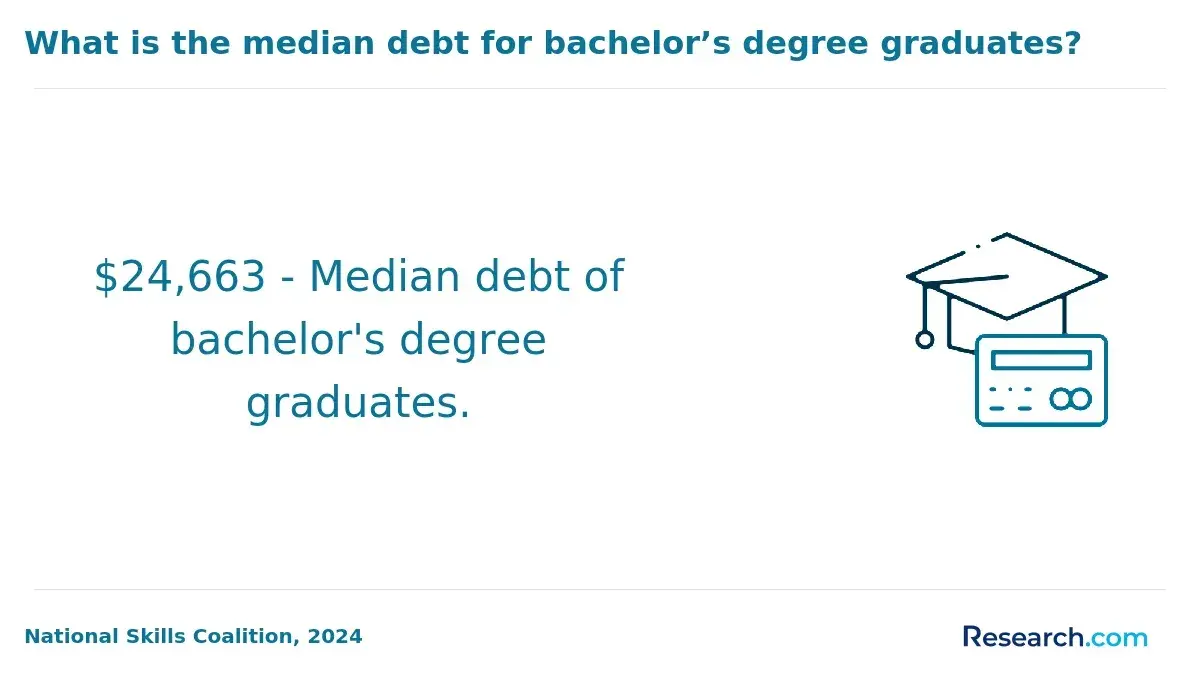
- Cost varies widely: College Board data for 2024-25 shows average published tuition and fees of $11,610 for in-state public four-year colleges and $43,350 for private nonprofit four-year colleges, so transfer credit and employer tuition benefits can materially change ROI.
- Salary outcomes depend on role and experience; BLS May 2024 data reports a $78,420 median annual wage for compliance officers, while higher-level production management roles can pay more but usually require substantial operations experience.
What is an online food industry management degree, and how does it support food safety and quality careers?
An online food industry management degree is an applied business and operations program focused on how food is produced, processed, transported, regulated, inspected, and sold safely. It usually blends management coursework with food safety, quality assurance, supply chain, sanitation, regulatory compliance, and production systems. The degree can support careers in food manufacturing, retail food safety, distribution, auditing, product quality, and plant operations.
The best fit is usually someone who wants to move from hands-on food production, lab work, hospitality, agriculture, or retail into supervisory or compliance-focused roles. It can also work for business students who want a specialized industry path; those comparing broader management options may also look at a bachelor of business administration online and add food safety certificates or internships if they are not ready to commit to a food-focused major.
The table below compares common education paths so you can match the credential to your career goal instead of choosing based on title alone.
| Path | Best for | Main strengths | Limitations to check |
| Associate degree in food industry, food safety, or applied science | Entry-level technicians, production leads, or workers seeking promotion | Shorter timeline, lower cost, practical foundation | May not meet requirements for management, auditing, or corporate compliance roles |
| Bachelor's degree in food industry management | Students targeting QA supervisor, compliance coordinator, production management, or supply chain roles | Balances business, science, regulation, and operations | Program quality varies; some degrees may be too light on food science or regulatory coursework |
| Food science or nutrition degree | Students who want stronger lab, product development, or technical food science preparation | More science-intensive and often preferred for technical R&D or lab roles | May include less management, finance, logistics, or leadership coursework |
| Graduate certificate or master's degree | Experienced professionals seeking compliance, executive, auditing, or specialized leadership roles | Can deepen regulatory, quality systems, or leadership expertise | Usually assumes prior degree or industry experience |
A food industry management degree is worth considering if the curriculum clearly maps to food safety and quality work. It is less compelling if the program is only a generic management degree with one or two food electives, unless you already have strong industry experience or separate technical training.
How do online food industry management programs compare with campus-based options for flexibility and outcomes?
Online programs can be a strong option for food industry employees because many learners already work shifts, manage family obligations, or live far from campuses with specialized food programs. The main trade-off is that online study works best when the program intentionally supports applied learning through projects, virtual labs, local field experiences, simulations, or employer-based assignments.
The comparison below shows where online and campus-based programs tend to differ. Use it to identify which format fits your schedule, learning style, and career target.
| Factor | Online program | Campus-based program | Decision point |
| Schedule | Often asynchronous or low-residency, which helps working adults | More fixed class times and in-person labs | Choose online if your work schedule is unpredictable; choose campus if you need daily structure |
| Applied learning | May use workplace projects, remote case studies, or local internships | May offer campus labs, pilot plants, and direct faculty supervision | Ask exactly how sanitation, HACCP, auditing, and quality systems are practiced |
| Networking | Often includes virtual cohorts and discussion boards | More spontaneous in-person networking | Online students should look for employer partnerships, alumni access, and industry events |
| Cost | May reduce relocation, commuting, and lost wages | May include campus fees, housing, or transportation costs | Compare total cost, not only tuition per credit |
| Career outcomes | Can be comparable when the institution is accredited and the curriculum is industry-aligned | Can be stronger for lab-heavy or research-intensive pathways | Match the format to the job: QA operations may work well online; technical R&D may need more lab exposure |
Online learning is now common across applied management fields, but each discipline handles hands-on training differently. If you are comparing formats across career areas, reviewing how another applied program such as an online construction management degree structures internships, simulations, and employer-based projects can help you ask better questions about food industry programs too.
The strongest online food industry programs do not simply upload lectures. They require students to analyze real food safety plans, interpret inspection findings, evaluate supplier risks, and build quality improvement projects that can be discussed with instructors or industry mentors.
What accreditation and institutional quality standards should you look for in an online food industry management degree?
Accreditation is the first quality screen. For U.S. students, the institution should be accredited by an accreditor recognized by the U.S. Department of Education or the Council for Higher Education Accreditation. This affects transfer credit, graduate school eligibility, employer recognition, and access to federal financial aid.
Program-specific accreditation for food industry management is not as standardized as accreditation in nursing, dietetics, or engineering. That means you need to look beyond the accreditation badge and evaluate curriculum depth, faculty qualifications, applied learning, and employer relevance.
The table below summarizes the quality checks that matter most before you apply.
| Quality area | What to verify | Why it matters |
| Institutional accreditation | The school appears in recognized accreditation databases | Supports financial aid eligibility, transferability, and employer acceptance |
| Curriculum alignment | Courses cover HACCP, FSMA, sanitation, quality systems, food law, supply chain, and operations | Prevents enrolling in a degree that is too general for food safety and quality careers |
| Faculty background | Instructors have food manufacturing, regulatory, QA, auditing, food science, or operations experience | Applied fields require practical judgment, not only textbook knowledge |
| Experiential learning | The program includes capstones, internships, workplace projects, audits, or case-based assessments | Employers value evidence that you can solve real safety and quality problems |
| Student outcomes | The school can discuss completion rates, job support, employer partners, and alumni roles | Outcomes help you judge whether the program supports your target career path |
Watch for red flags that can undermine the value of an online degree. These issues are especially important in regulated fields where employers expect documentation, technical accuracy, and sound judgment.
- The school is vague about accreditation or uses confusing language that does not identify a recognized institutional accreditor.
- The program title sounds food-specific, but the course list includes mostly generic business classes with little food safety, quality, or regulatory content.
- Admissions staff cannot explain how online students complete applied projects, internships, or capstone work.
- The program advertises guaranteed jobs or guaranteed salaries, which reputable schools should avoid.
- Tuition is quoted without clear information on fees, textbooks, technology costs, transfer credit, or withdrawal policies.
Employer Confidence Share in Online vs. In-Person Degree Skills, Global 2024

What food safety, quality assurance, and regulatory compliance courses are typically included in these programs?
Food safety and quality careers require more than general leadership ability. You need to understand how hazards are identified, how controls are documented, how suppliers are managed, how audits work, and how regulations affect everyday production decisions.
The table below outlines common course areas and the workplace problems they prepare you to handle.
| Course area | What you learn | Career relevance |
| Food safety systems and HACCP | Hazard analysis, critical control points, monitoring, corrective actions, and verification | Core preparation for QA, production, sanitation, and auditing roles |
| Food microbiology and sanitation | Microbial hazards, cleaning validation, environmental monitoring, and contamination control | Important for manufacturing, processing, and ready-to-eat food environments |
| Food law and regulatory compliance | FDA and USDA oversight, labeling, documentation, inspections, recalls, and preventive controls | Useful for compliance coordinators, regulatory specialists, and quality managers |
| Quality assurance and quality management | Specifications, statistical process control, root-cause analysis, corrective action, and continuous improvement | Supports roles in quality control, supplier quality, and plant operations |
| Supply chain and traceability | Supplier approval, lot tracking, recall readiness, cold chain risk, and documentation systems | Increasingly important as companies digitize records and manage complex supplier networks |
| Operations and production management | Scheduling, labor planning, productivity, safety culture, and process improvement | Helps bridge technical food safety work with supervisory and plant leadership responsibilities |
| Data analytics and food industry technology | Dashboards, audit data, quality metrics, automation, and decision support | Useful as employers adopt digital quality management systems and AI-assisted monitoring tools |
Current trends make data and documentation skills more important. Food companies increasingly use digital traceability systems, automated monitoring, supplier portals, and quality dashboards. A strong program should teach you how to interpret data, identify process drift, document corrective actions, and communicate risk clearly to operations teams.
Before enrolling, review syllabi if available. A program that teaches food law only as a broad overview may be less useful for compliance roles than one that requires students to build mock preventive control plans, respond to inspection scenarios, and analyze recall case studies.
What admission requirements and prior experience do online food industry management degrees usually expect?
Admission requirements vary by degree level and institution, but online food industry management programs often serve a mix of traditional students and working adults. Schools may value prior experience in food manufacturing, restaurants, agriculture, logistics, retail, military food service, quality control, or laboratory work, even when it is not strictly required.
The table below summarizes common expectations by credential level so you can estimate whether you are ready now or should start with a shorter pathway.
| Program level | Typical admission requirements | Helpful prior experience | Best next step if you are not ready |
| Certificate | High school diploma or some college; some programs prefer industry experience | Food handling, production, sanitation, QA support, or supervisory work | Use the certificate to test the field before committing to a full degree |
| Associate degree | High school diploma or GED, placement requirements, and basic math or science readiness | Entry-level food service, plant, warehouse, or retail experience | Ask whether credits transfer into a bachelor's degree |
| Bachelor's degree | High school diploma or transfer credits; some programs require college algebra, biology, or chemistry | Shift lead, production, QA technician, lab assistant, or food service management experience | Complete prerequisites at a community college if cost is a concern |
| Master's degree | Bachelor's degree, transcripts, resume, statement of purpose, and sometimes professional experience | Quality, operations, regulatory, supply chain, or supervisory experience | Consider a graduate certificate if you need a lower-risk entry point |
Applicants with work experience should ask whether the school awards credit for prior learning, industry certifications, military training, or completed college coursework. This can reduce both time and cost, but policies vary widely and should be confirmed in writing before enrollment.
If your academic background is weak in science, do not automatically rule yourself out. Many programs build in introductory biology, chemistry, food science, or statistics. However, if your target role is highly technical, such as laboratory food scientist or product development specialist, you may need more science coursework than a management-focused degree provides.
How long do online food industry management degrees take, and what do they cost to complete?
Completion time depends on credential level, transfer credits, enrollment intensity, and whether you choose a standard or accelerated format. A working adult with prior college credit may finish much faster than a first-time student starting a full bachelor's degree from scratch.
The table below gives realistic timeline ranges to help you compare programs without assuming that "online" always means faster.
| Credential | Common length | Who it fits | Trade-off |
| Undergraduate certificate | Several months to 1 year | Workers seeking targeted food safety or QA knowledge | Fast and practical, but may not qualify you for degree-preferred roles |
| Associate degree | About 2 years full time | Entry-level students or workers seeking a stepping-stone credential | Lower cost, but may limit advancement compared with a bachelor's degree |
| Bachelor's degree | About 4 years full time, often less with transfer credit | Students targeting supervisory, compliance, QA, or operations roles | Stronger career signal, but higher total cost and time commitment |
| Graduate certificate | About 6 months to 1 year | Professionals who already hold a degree | Focused upskilling, but not a substitute for a full graduate degree |
| Master's degree | About 1 to 2 years | Experienced professionals pursuing leadership, regulatory, or specialized roles | Can support advancement, but ROI depends heavily on current experience |
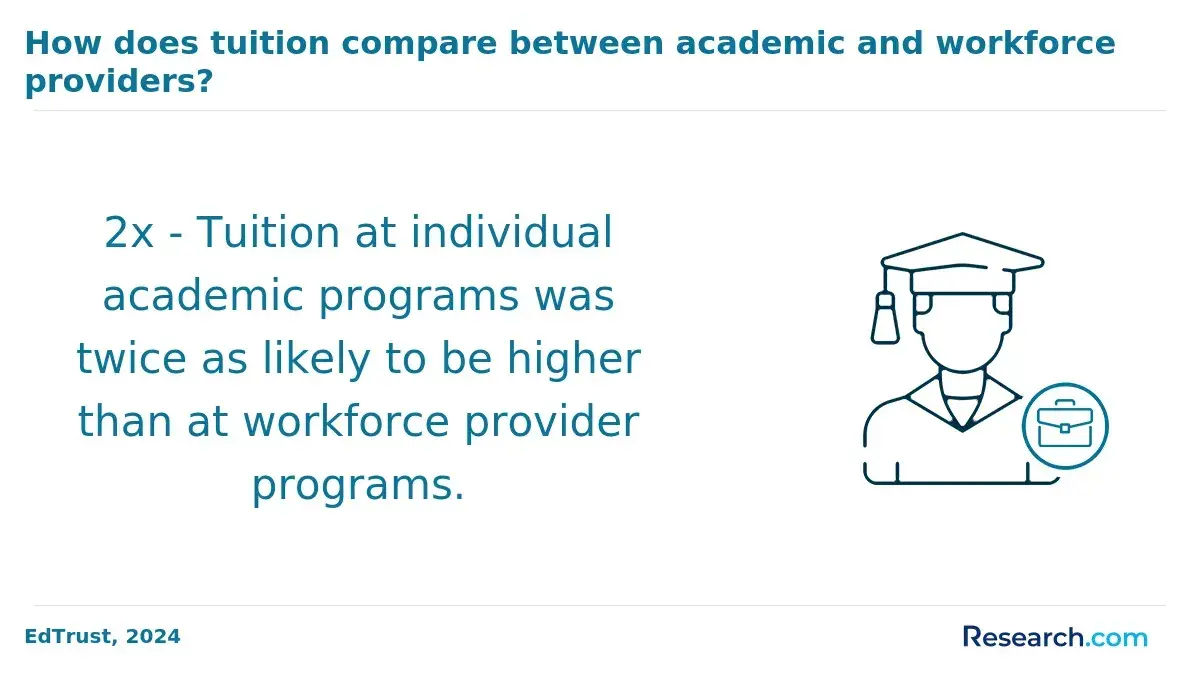
Cost should be evaluated as total net cost, not sticker price. College Board data for 2024-25 shows that published tuition and fees vary sharply by institution type, which is why transfer credit, public university options, and employer support can change the value calculation.
- Average published tuition and fees at public four-year in-state colleges: $11,610 for 2024-25.
- Average published tuition and fees at public four-year out-of-state colleges: $30,780 for 2024-25.
- Average published tuition and fees at private nonprofit four-year colleges: $43,350 for 2024-25.
Online students should also budget for technology fees, textbooks, lab kits if required, proctored exams, travel for optional residencies, certification exam fees, and lost income if course loads become too heavy. A cheaper program is not always the better choice if it lacks applied food safety coursework, but an expensive program is not automatically better either.
To reduce cost, ask admissions and financial aid staff about transfer evaluations, competency-based options, employer tuition reimbursement, payment plans, scholarships for agriculture or food industry students, and whether certificate coursework can stack into a degree later.
What careers in food safety, quality management, and compliance can you pursue with this degree?
An online food industry management degree can support several career paths, but the right role depends on your experience, technical coursework, certifications, and the industry segment you enter. Food manufacturing, processing, distribution, grocery, restaurants, institutional food service, and supplier management all need safety and quality expertise.
The table below connects common roles with typical responsibilities and the preparation employers may look for.
| Career path | Typical responsibilities | Degree relevance | Additional preparation that may help |
| Food safety coordinator | Maintain safety plans, support inspections, track corrective actions, and train staff | Strong fit when coursework includes HACCP, sanitation, and regulatory compliance | PCQI, HACCP, and food handler or manager certification |
| Quality assurance technician or specialist | Check specifications, review records, investigate deviations, and monitor processes | Good fit for graduates with quality systems and statistics coursework | Experience with audits, lab methods, and root-cause analysis |
| Regulatory compliance specialist | Interpret rules, prepare documentation, review labels, and respond to inspections | Best fit when the program has food law and documentation-heavy assignments | Internship or work experience with regulated food products |
| Sanitation supervisor | Oversee cleaning schedules, verification, employee training, and environmental controls | Useful when paired with microbiology and sanitation coursework | Plant experience and sanitation standard operating procedure training |
| Supplier quality coordinator | Approve suppliers, review certificates, manage nonconformances, and track risk | Strong fit when coursework includes supply chain and auditing | Audit training and familiarity with GFSI-benchmarked schemes |
| Production supervisor or operations manager | Manage labor, production schedules, safety culture, yield, and quality performance | Strong fit for students combining food safety knowledge with leadership and operations coursework | Several years of plant or production experience |
Students interested in nutrition counseling, clinical dietetics, or becoming a registered dietitian should be careful: a food industry management degree is usually not the same pathway. Those goals often require accredited dietetics preparation, so compare options such as the best online registered dietitian programs before choosing a food industry management major.
This degree is most career-relevant when you can show both knowledge and applied evidence. Capstone projects, internship reports, audit simulations, mock recall plans, and quality improvement projects can become portfolio examples during interviews.
What salary ranges and advancement opportunities exist for food safety and quality professionals with this degree?
Salary depends on job title, region, industry, shift demands, union environment, plant size, supervisory scope, and years of experience. A degree can improve your competitiveness for some roles, but it should not be treated as a salary guarantee.
The table below uses U.S. Bureau of Labor Statistics May 2024 wage data for roles that overlap with food safety, quality, compliance, and operations. Use these figures as labor-market context, not as promises for new graduates.
| Related occupation | Median annual wage | How it relates to food safety and quality careers |
| Compliance officers | $78,420 | Relevant to regulatory, documentation, inspection readiness, and corporate compliance roles |
| Industrial production managers | $122,860 | Relevant to experienced professionals overseeing production, quality, staffing, and plant performance |
| Inspectors, testers, sorters, samplers, and weighers | $47,580 | Relevant to entry-level and mid-level quality inspection roles, including sampling and specification checks |
The key takeaway is that advancement usually comes from combining education with measurable workplace responsibility. Moving from QA technician to QA supervisor, for example, often requires experience handling corrective actions, audits, training, supplier issues, and cross-functional communication.
Common advancement pathways include QA technician to QA specialist, food safety coordinator to compliance manager, sanitation lead to sanitation supervisor, and production lead to operations manager. Professionals who move into hospitals, long-term care, or large food service systems may eventually compare broader leadership options such as an online masters healthcare management if their goals shift toward healthcare food service administration or organizational leadership.
AI and automation may also shape advancement. Employers are adopting sensor-based monitoring, digital batch records, predictive maintenance, and automated inspection tools. These technologies do not remove the need for food safety judgment, but they reward professionals who can interpret data, identify exceptions, and explain risk to operations teams.
Which industry certifications and professional credentials align with food safety and quality management roles?
Industry certifications can strengthen a food industry management degree by proving targeted knowledge in safety systems, auditing, sanitation, quality management, or regulatory compliance. They are especially valuable when your degree is broad or when you want to move into a specialized role.
The table below summarizes credentials commonly aligned with food safety and quality careers. Requirements change, so verify eligibility, renewal rules, exam formats, and employer preferences before paying for a certification.
| Credential or training | Best for | Why it matters |
| HACCP training or certification | Food safety coordinators, QA staff, production supervisors, and auditors | Shows knowledge of hazard analysis, critical control points, monitoring, and corrective actions |
| Preventive Controls Qualified Individual training | Professionals working with FDA-regulated food facilities | Supports understanding of preventive controls requirements and food safety plan responsibilities |
| ServSafe Food Protection Manager | Retail, restaurant, institutional food service, and supervisory roles | Demonstrates baseline food safety management knowledge for many food service settings |
| ASQ Certified Quality Auditor | Quality auditors, supplier quality staff, and compliance professionals | Signals auditing knowledge beyond food-specific rules |
| ASQ Certified Manager of Quality/Organizational Excellence | Experienced quality leaders | Supports advancement into broader quality management and continuous improvement roles |
| SQF, BRCGS, or other GFSI-related training | Employees in plants or supplier networks using benchmarked food safety schemes | Useful for audit readiness and supplier quality roles in many manufacturing environments |
A smart sequence is to earn credentials that match your immediate job target. For example, an entry-level QA technician may benefit first from HACCP and food safety manager training, while a compliance specialist may prioritize preventive controls and auditing. More advanced quality certifications usually make more sense after you have enough experience to apply the concepts.
Do not assume a certification can replace a degree or that a degree can replace certification. Employers often value the combination: the degree shows broader education, while certifications show practical readiness for specific systems or responsibilities.
How can you systematically evaluate and choose a reputable online food industry management program?
The best program is the one that fits your target role, budget, schedule, academic background, and need for applied food safety training. A systematic comparison prevents you from being swayed by a program name, a ranking, or a low tuition quote that does not reflect total value.
Use the steps below to evaluate programs in a practical order. This sequence starts with career fit because even an accredited, affordable degree is a poor investment if it does not prepare you for the work you want.
- Define your target role first, such as QA specialist, food safety coordinator, compliance analyst, sanitation supervisor, supplier quality coordinator, or operations manager.
- Check institutional accreditation through recognized databases and confirm that credits are eligible for transfer or graduate study if that matters to you.
- Map the curriculum against your target role and look for HACCP, FSMA, sanitation, food law, quality systems, supply chain, operations, and data coursework.
- Ask how online students complete applied work, including capstones, internships, workplace projects, audit simulations, or case studies.
- Request a written transfer credit estimate before enrolling, especially if you have prior college, military training, or industry certifications.
- Calculate total net cost, including tuition, fees, books, technology, certification exams, and any travel or residency requirements.
- Ask about career services, employer relationships, alumni roles, internship support, and whether faculty have current food industry experience.
- Compare the program's pace with your work schedule and choose a realistic course load instead of assuming you can accelerate without trade-offs.
The table below highlights common selection mistakes and better alternatives. Use it as a final screen before submitting an application or deposit.
| Common mistake | Why it can hurt you | Better approach |
| Choosing based only on the lowest tuition | The program may lack applied coursework, support, or transfer value | Compare total cost against curriculum depth and career fit |
| Assuming all online programs are equally credible | Accreditation and employer recognition vary | Verify institutional accreditation and ask employers or mentors how they view the school |
| Ignoring science and regulatory content | Food safety and QA roles require technical judgment | Prioritize programs with food microbiology, sanitation, HACCP, food law, and quality systems |
| Overlooking transfer credit policies | You may pay for courses you do not need | Get a written transfer evaluation before enrolling |
| Expecting the degree alone to secure advancement | Many roles require experience, certifications, and evidence of applied skills | Build a portfolio with audits, corrective action projects, capstones, and certifications |
| Choosing a program that does not match licensure or credential goals | Some food, dietetics, or public health pathways have separate requirements | Confirm requirements with employers, credentialing bodies, or state agencies before enrolling |
If you are undecided between a degree and a certificate, choose the certificate first when you need quick upskilling, are testing the field, or already have a degree. Choose the full degree when your target jobs commonly require a bachelor's credential, when you need broader management preparation, or when you want long-term advancement into supervisory or compliance leadership.
Other Things You Should Know About Food Industry Management
It can be respected if the institution is properly accredited and the curriculum includes applied food safety, quality, compliance, and operations work. Employers will also look at your experience, certifications, internships, and ability to discuss real food safety problems.
Choose a certificate if you need targeted skills quickly or already have relevant education. Choose a degree if you need a broader credential for supervisory, compliance, or management roles and can justify the time and cost.
Ask about accreditation, transfer credit, total cost, food safety coursework, applied projects, internship support, faculty industry experience, certification alignment, career services, and whether graduates have moved into roles similar to the one you want.
References
- Food Business Management https://www.ciachef.edu/cia-new-york-food-business-management-bachelors-degree-program/
- Master in Food & Beverage Management Online | Rome Business School https://romebusinessschool.com/master-online-in-food-and-beverage-management/
- Regulatory Compliance in Food Quality Management: What You Need to Know https://www.tekmon.com/resources/blog/quality-frameworks-food-quality-management
- Food Safety and Quality Management e-learning, PGCert/PGDip/MSc https://www.gre.ac.uk/postgraduate-courses/engsci/food-safety-and-quality-management-distance-learning
- Top Careers in Food Safety and Hygiene: Job Roles, Salaries, and Responsibilities https://uk.hfonline.org/top-careers-in-food-safety-and-hygiene-job-roles-salaries-and-responsibilities/
- Food Safety and Quality Assurance Diploma (FSQA) https://oxfordnow.ca/food-safety-and-quality-assurance-diploma-fsqa/
- How to choose a culinary and restaurant management course? https://insights.ehl.edu/choosing-culinary-and-restaurant-management-course
- Food Science Degree Careers and Salary in Europe - StudyinEurope.eu https://www.studyineurope.eu/food-science/food-science-degree-careers-salary-europe/
- Become an Quality Assurance Manager (Food): Career Path Guide | Skills U https://skillsu.com/role/quality-assurance-manager-food
- Food Safety and Quality Assurance https://www.oxfordedu.ca/programs/food-safety-and-quality-assurance/