2027 Food Industry Management Career Paths That Move Fastest Into Leadership

Co-Founder and Chief Data Scientist
Choosing a food industry management path is really a choice about how quickly you want to move from doing the work to leading teams, systems, and profit centers. The U. S. Bureau of Labor Statistics reported a May 2024 median wage of $63,060 for food service managers, while industrial production managers earned a much higher median of $121,440. This guide is for students, career changers, and food workers comparing degrees, certificates, and leadership routes so they can choose the path with the best fit, cost, timeline, and advancement potential.
Key Things You Should Know
- The fastest leadership routes usually combine food experience with business, operations, or food safety training; common accelerators include assistant restaurant manager, production supervisor, quality assurance coordinator, and supply chain analyst roles.
- May 2024 BLS wage data shows wide earnings variation by leadership track: food service managers had a median wage of $63,060, while industrial production managers had a median wage of $121,440.
- College Board 2024-25 pricing shows why program choice matters: average published tuition and fees were $4,050 at public two-year colleges, $11,610 for in-state public four-year colleges, and $43,350 at private nonprofit four-year colleges.
What is food industry management?
Food industry management is the business and operations side of getting food safely produced, distributed, sold, and served. It can cover restaurants, institutional dining, grocery and retail food, food manufacturing, beverage operations, agricultural supply chains, food safety, quality assurance, procurement, logistics, and product development.
The key difference between "working in food" and "managing in food" is accountability. Managers are responsible for people, safety systems, budgets, inventory, compliance, customer experience, production targets, and continuous improvement. A shift lead may focus on today's service, while a plant operations manager may oversee labor planning, equipment uptime, sanitation, supplier issues, and regulatory documentation across an entire facility.
Leadership paths move fastest when a person can translate frontline knowledge into measurable results. Employers often promote candidates who can reduce waste, improve labor scheduling, pass inspections, train teams, use production or point-of-sale data, and communicate clearly with finance, HR, vendors, and regulators.
The table below compares major food industry management tracks by the kind of leadership they lead to and the kind of person they fit best. Use it to identify which route matches your strengths before choosing a degree or certificate.
| Management track | Common leadership destination | Best fit | Typical early-career entry point |
| Foodservice and hospitality operations | Restaurant general manager, district manager, dining services director | People-focused leaders who enjoy fast daily decision-making | Shift lead, assistant manager, catering coordinator |
| Food manufacturing operations | Production manager, plant manager, continuous improvement manager | Process-minded leaders comfortable with metrics, equipment, and safety rules | Production supervisor, line lead, operations trainee |
| Food safety and quality assurance | QA manager, food safety manager, regulatory compliance manager | Detail-oriented professionals who like documentation, audits, and science-based decisions | QA technician, food safety coordinator, sanitation supervisor |
| Supply chain and procurement | Purchasing manager, supply chain manager, category manager | Analytical planners who enjoy vendor, cost, and inventory decisions | Buyer assistant, inventory analyst, logistics coordinator |
| Product and project management | Product commercialization manager, innovation manager, project manager | Cross-functional communicators who can connect R&D, operations, marketing, and finance | Project coordinator, product development assistant, operations analyst |
Current hiring expectations are also changing. Food employers increasingly value managers who can work with digital inventory tools, labor analytics, traceability systems, automated production equipment, and AI-assisted forecasting. That does not replace food judgment, but it does make data literacy a leadership skill rather than a technical extra.
An associate degree can be a smart starting point if you want a fast, lower-cost path into supervisory work. Students who need flexibility may compare an accelerated online associates business degree with hospitality or operations electives, then transfer into a bachelor's program later if corporate advancement becomes the goal.
What degrees lead fastest to food management leadership roles?
The degrees that lead fastest to food management leadership roles are usually the ones that combine practical business training with food-sector exposure. A degree does not automatically create a promotion, but it can shorten the learning curve when paired with internships, supervisory work, certifications, and measurable performance.
If your goal is speed, think in terms of the first leadership role you want, not just the degree title. The table below compares common education routes by timeline, leadership fit, and trade-offs.
| Degree or credential path | Typical time to complete | Fastest leadership fit | Best choice when | Main trade-off |
| Associate degree in business, hospitality, culinary management, or supply chain | About 2 years; shorter with transfer or accelerated formats | Shift supervisor, assistant manager, inventory coordinator | You need a lower-cost route into supervision while working | May not be enough for corporate, plant, or multi-unit roles without experience |
| Bachelor's in food industry management, food business, hospitality management, operations, supply chain, or food science | About 4 years | Management trainee, QA coordinator, production supervisor, category analyst | You want stronger access to structured leadership programs | Higher cost and longer time before full-time earnings |
| Bachelor's in nutrition, food science, or dietetics | About 4 years | Food safety, wellness program, product quality, institutional food leadership | You want science-based credibility in food, health, or compliance settings | Clinical nutrition roles may require separate accredited pathways and supervised practice |
| MBA or master's in operations, supply chain, food systems, or hospitality | About 1 to 3 years | Operations manager, corporate strategy, supply chain leadership, plant leadership | You already have experience and need executive-level business training | Usually not the fastest option for someone with no food industry background |
| Certificate plus experience | Several weeks to 1 year | Food safety lead, sanitation lead, assistant manager | You already work in food and need a targeted promotion credential | Less portable than a degree for employers requiring college education |
For leadership beyond the first promotion, the strongest degrees usually include accounting, operations, supply chain, leadership, food safety, and analytics. A food science degree can be powerful for quality and product roles, while a business or operations degree can be faster for multi-unit management, procurement, or manufacturing supervision.
Choose a different path if your target is clinical nutrition or registered dietitian work. In that case, a general food management degree may not meet credentialing expectations, and a dedicated nutritionist degree or dietetics pathway may be more appropriate depending on state rules and career goals.
What accreditation should a food industry management program have?
Accreditation matters because it affects transfer credit, graduate school eligibility, employer trust, financial aid access, and in some cases professional credentialing. At a minimum, students should choose an institution accredited by an agency recognized by the U.S. Department of Education or the Council for Higher Education Accreditation.
Programmatic accreditation is not always required for food industry management, but it can strengthen fit when your target role is specialized. The table below shows which accreditation signals matter for different goals.
| Career goal | Accreditation or recognition to look for | Why it matters |
| Business, operations, or supply chain management | AACSB, ACBSP, or IACBE business accreditation | Signals that the business curriculum has been externally reviewed |
| Food science, product development, or food manufacturing quality | Institute of Food Technologists approval or strong food science department review | Helps indicate alignment with food chemistry, microbiology, processing, and safety expectations |
| Registered dietitian or clinical nutrition pathway | ACEND-accredited dietetics education pathway | Required for many dietetics credentialing routes; general nutrition programs may not qualify |
| Hospitality and foodservice management | Institutional accreditation plus industry-aligned internships or employer partnerships | Hospitality employers often value work-based learning and supervisory experience |
| Food safety leadership | Institutional accreditation plus recognized certification preparation such as HACCP, PCQI, or food protection manager training | Food safety leadership depends heavily on applied compliance skills |
Before enrolling, verify accreditation on the school's official accreditation page and through the accreditor's directory. Do not rely only on marketing language such as "industry recognized," "career focused," or "approved curriculum" unless the school identifies the accreditor, approval body, and program status clearly.
A common mistake is assuming every food-related program supports every food career. For example, a hospitality management degree may be excellent for restaurant leadership but weak for food microbiology roles, while a food science program may be strong for quality assurance but less focused on multi-unit labor management. Match accreditation and curriculum to the leadership role you actually want.
How do online and campus food management programs compare?
Online and campus food management programs can both lead to leadership roles, but they serve different students. The better format depends on your schedule, work experience, need for labs, internship access, and preferred learning style.
The comparison below shows where each format tends to be strongest. Use it to decide whether convenience or hands-on access matters more for your target role.
| Factor | Online program | Campus program | Better fit when |
| Schedule flexibility | Usually stronger for working adults and shift workers | Less flexible, especially with daytime labs or fixed classes | Online fits students already employed in food operations |
| Hands-on food labs | May require local labs, residencies, or limited lab substitutes | Often stronger for food science, culinary, and production labs | Campus fits students needing intensive lab or culinary practice |
| Internships | Can be local or employer-based if the program supports placement | May offer stronger campus recruiting and employer events | Either works if the school has food industry partnerships |
| Networking | Depends on online cohorts, faculty access, and employer projects | Often easier through clubs, events, and local employer visits | Campus may help traditional students building their first network |
| Cost control | Can reduce commuting, relocation, and lost work time | May offer facilities, labs, and structured experiences worth the cost | Online often fits students prioritizing work continuity |
Online programs are especially practical for people already working in restaurants, grocery, distribution, or production facilities because assignments can often connect directly to workplace problems. A student might analyze waste, labor scheduling, procurement delays, or food safety documentation in a real operation instead of relying only on classroom examples.
Campus programs can be stronger for students who need structured internships, food laboratories, culinary facilities, pilot plants, or in-person recruiting. This matters most for food science, product development, culinary innovation, and manufacturing roles where physical process experience is hard to replicate fully online.
Before choosing an online program, ask the school these questions so you do not discover limitations after enrolling:
- Are labs, internships, practicums, or field experiences required, and can they be completed near where I live?
- Does the program accept transfer credits, prior learning, military training, or employer-sponsored training?
- Which employers have hired graduates into food operations, quality, supply chain, or management roles?
- Are courses asynchronous, live, or hybrid, and how will that work with evening, weekend, or rotating food industry shifts?
- Does the curriculum include software, analytics, food safety systems, or operations projects used by current employers?
What courses are in a food industry management curriculum?
A strong food industry management curriculum should teach both food-specific risk and general management discipline. The fastest leadership candidates are often the ones who can understand a profit-and-loss statement in the morning, solve a staffing issue at lunch, and respond correctly to a food safety deviation before the day ends.
Course names vary by school, but most useful programs include a blend of business, operations, food systems, and leadership topics. The table below explains what each course area helps you do on the job.
| Curriculum area | Common courses | Leadership value |
| Food safety and sanitation | Food microbiology, sanitation management, HACCP principles, regulatory compliance | Prepares managers to reduce risk, document controls, and respond to inspections |
| Operations management | Process improvement, production planning, lean systems, capacity management | Builds skills for plant, kitchen, warehouse, and service efficiency |
| Business and finance | Accounting, managerial finance, food cost control, budgeting | Helps leaders connect daily decisions to margins and profitability |
| Supply chain and procurement | Purchasing, logistics, inventory systems, supplier management | Supports decisions about vendors, shortages, cost volatility, and traceability |
| Marketing and consumer behavior | Food marketing, retail strategy, menu strategy, category management | Useful for brand, grocery, restaurant, and product leadership roles |
| Leadership and HR | Supervision, labor relations, training, organizational behavior | Builds the people-management skills needed for retention and performance |
| Data and technology | Business analytics, spreadsheet modeling, enterprise systems, forecasting | Prepares managers for AI-assisted planning, inventory tools, and automated reporting |
Students aiming for operations leadership should look for projects that require real analysis, not just theory. Strong assignments include labor scheduling models, food cost variance analysis, mock recall documentation, supplier scorecards, sanitation audits, throughput analysis, and improvement plans based on actual performance data.
For mid-career professionals moving toward plant, supply chain, or corporate operations leadership, graduate study can make sense when it adds strategic depth. A best MBA in operations management comparison can help experienced food workers evaluate programs that emphasize process improvement, analytics, leadership, and supply chain strategy.
What admission requirements do food industry management programs require?
Admission requirements depend on degree level, school selectivity, and whether the program includes food science labs, business accreditation, or graduate-level management courses. Most programs look for academic readiness, but the best leadership-focused programs also value work experience, internships, or evidence of responsibility.
The table below summarizes common requirements by credential level. Always confirm details with the school because admissions standards can change by campus, program, and applicant type.
| Program level | Common admission requirements | What strengthens an application |
| Certificate | High school diploma or equivalent; sometimes current food employment | Foodservice, grocery, production, sanitation, or inventory experience |
| Associate degree | High school diploma or equivalent; placement tests or college readiness review | Transfer credits, strong math preparation, work experience, clear career goal |
| Bachelor's degree | High school transcript, GPA review, possible test-optional materials, prerequisite math or science for some majors | Internships, leadership roles, culinary or food production experience, strong science preparation for food science tracks |
| Master's degree or MBA | Bachelor's degree, transcripts, resume, statement of purpose; some programs request recommendations or test scores | Supervisory experience, operations projects, measurable workplace results, employer support |
Applicants who want to move quickly into leadership should use the admissions process to test program fit. Ask whether the school offers credit for prior learning, accepts transfer credits, has employer partnerships, supports internships for online students, and publishes outcomes for food-related careers.
Here is a practical sequence for comparing programs before you apply:
- Define the first leadership role you want, such as assistant manager, production supervisor, QA lead, buyer, or operations analyst.
- Check whether the curriculum includes the technical areas that role requires, such as sanitation, cost control, supply chain, analytics, or food microbiology.
- Verify institutional accreditation and any programmatic accreditation relevant to your goal.
- Estimate total cost, including fees, books, travel, lab requirements, lost work time, and whether credits will transfer.
- Ask admissions or career services which employers recruit from the program and what roles recent students pursued.
A red flag is a program that promises rapid management outcomes without explaining internships, employer partnerships, curriculum depth, accreditation, or career support. Promotions in food management are earned through performance, so the program should show how it helps you build credible evidence of readiness.
How long does a food industry management degree take and cost?
Food industry management education can take a few months for a focused certificate or several years for a full degree. Cost varies widely by institution type, residency status, online fees, transfer credits, and whether the program requires labs, travel, uniforms, equipment, or unpaid fieldwork.
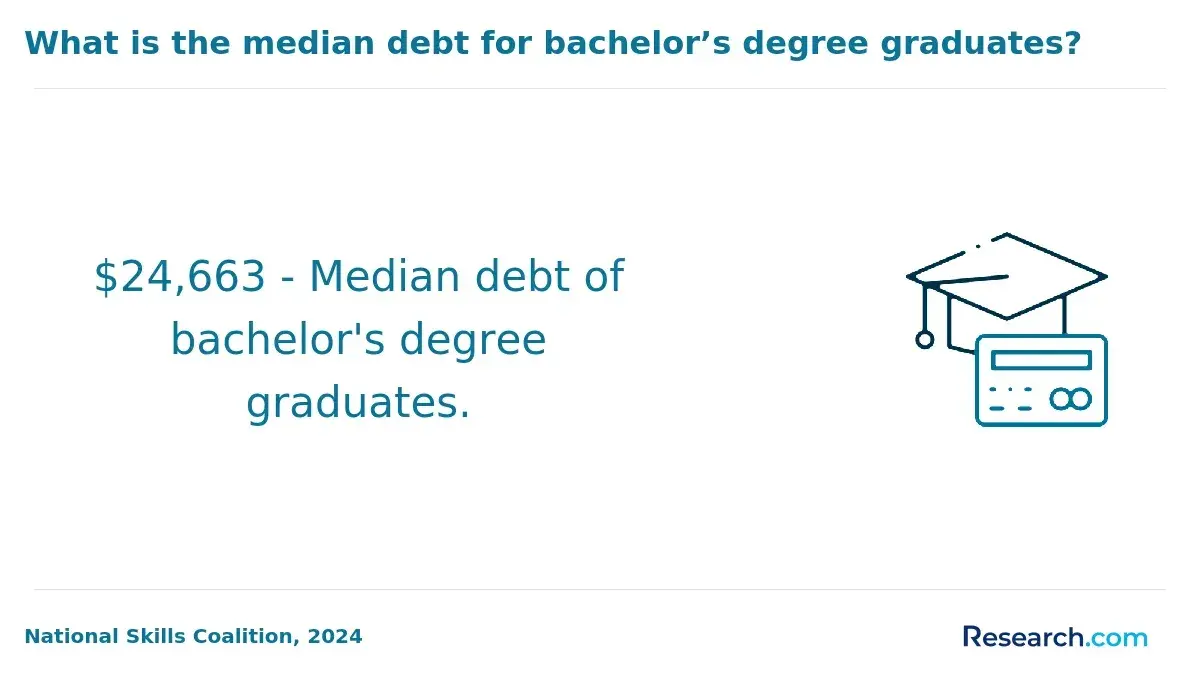
College Board 2024-25 figures show the tuition gap students should consider before choosing a pathway. Average published tuition and fees were $4,050 at public two-year colleges, $11,610 for in-state students at public four-year colleges, $30,780 for out-of-state students at public four-year colleges, and $43,350 at private nonprofit four-year colleges. These are sticker prices, not final net prices, but they show why starting at a community college or transferring credits can materially change ROI.
The table below compares common timelines and cost considerations. Use it to estimate how long you may be out of higher earnings and where hidden costs may appear.
| Path | Typical timeline | Cost factors to check | Best ROI situation |
| Food safety or management certificate | Weeks to 1 year | Course fee, exam fee, renewal fee, employer reimbursement | You already work in food and need a credential for a specific promotion |
| Associate degree | About 2 years; less with transfer or accelerated credits | Community college tuition, online fees, books, transferability | You want a lower-cost entry into supervision or a transfer path |
| Bachelor's degree | About 4 years; less with transfer credits | Tuition, housing, lab fees, internships, lost work time | You want management trainee, corporate, QA, supply chain, or production leadership access |
| Master's degree or MBA | About 1 to 3 years | Graduate tuition, employer tuition assistance, schedule flexibility | You already have experience and need advancement into senior operations or corporate leadership |
To reduce cost without weakening your career path, prioritize transfer-friendly programs, employer tuition assistance, competency-based options where appropriate, and certificates that stack into a degree. Avoid choosing only by tuition; a cheaper program can become expensive if credits do not transfer, internships are unavailable, or the curriculum does not match your target role.
A common mistake is ignoring opportunity cost. A full-time campus program may offer stronger networking, but a working adult might lose income or advancement time by leaving a food industry job. Conversely, a fully online option may be convenient but weaker if your goal requires labs or structured employer placement. The best value is the program that gets you credible experience, recognized education, and a realistic promotion path at the lowest total cost.
Which leadership jobs can food industry management graduates pursue?
Food industry management graduates can pursue leadership in restaurants, hotels, school and hospital dining, food manufacturing, grocery, distribution, food technology, beverage companies, agriculture-linked businesses, and corporate food brands. The fastest paths often start close to operations because that is where employers can see leadership performance quickly.
The table below ranks common leadership routes by how quickly they may move into supervision, assuming the candidate also has relevant work experience. Timelines vary by employer, location, labor market, and performance, so treat them as planning ranges rather than promises.
| Career path | Common first leadership role | Why it can move quickly | Typical next step |
| Restaurant or foodservice operations | Shift lead or assistant manager | High turnover and daily performance visibility can create rapid openings for reliable leaders | General manager, district manager, dining services director |
| Food manufacturing production | Line lead or production supervisor | Plants need supervisors who can manage labor, safety, output, and downtime | Operations manager, plant manager, continuous improvement manager |
| Quality assurance and food safety | QA coordinator or food safety lead | Compliance pressure makes trained, detail-oriented employees valuable | QA manager, regulatory affairs manager, food safety director |
| Supply chain and procurement | Inventory analyst, assistant buyer, logistics coordinator | Cost control and disruption planning are visible to leadership | Purchasing manager, supply chain manager, category manager |
| Project and product commercialization | Project coordinator or product development associate | Cross-functional launches need people who can coordinate timelines, vendors, quality, and operations | Project manager, commercialization manager, innovation manager |
Students who want project-based leadership in food operations, facility improvements, menu launches, packaging changes, or supply chain upgrades may benefit from a project management degree online or a project-focused business program, especially when paired with food industry experience.
To move faster into leadership, build evidence that you can manage outcomes, not just tasks. Strong examples include reducing waste, improving inspection readiness, training new employees, lowering inventory variance, improving service speed, documenting a corrective action process, or leading a small scheduling or procurement project.
A practical early-career plan looks like this:
- Start in a role close to operations, such as shift lead, QA technician, line lead, inventory coordinator, or catering supervisor.
- Earn one role-relevant credential, such as food protection manager, HACCP, PCQI, or a project management certificate.
- Ask for measurable responsibility, such as labor scheduling, ordering, sanitation logs, supplier follow-up, or production reporting.
- Document results using numbers available from your workplace, such as reduced waste, fewer errors, faster closing, improved audit readiness, or better on-time completion.
- Apply for internal leadership openings before switching employers, because internal promotions often reward proven reliability and institutional knowledge.
What salaries do food industry management careers offer?
Salaries in food industry management vary by track. Foodservice leadership can move quickly but may start lower, while manufacturing, operations, supply chain, and corporate management often require more technical or analytical skill and can pay more as responsibility grows.
BLS May 2024 wage data provides a useful benchmark for comparing management-adjacent roles. These figures are medians for occupational categories, not guaranteed outcomes for a specific degree or school.
| Occupation | May 2024 median annual wage | How to interpret it |
| Food service managers | $63,060 | Relevant to restaurants, dining services, catering, hospitality, and institutional food operations |
| First-line supervisors of production and operating workers | $68,130 | Relevant to early manufacturing leadership, including food production environments |
| General and operations managers | $101,280 | Relevant to broader business leadership roles where managers oversee people, budgets, and operations |
| Industrial production managers | $121,440 | Relevant to plant and manufacturing leadership, including food and beverage production facilities |
| Dietitians and nutritionists | $73,850 | Relevant for nutrition-linked foodservice, wellness, and health-focused food roles, though credentialing may apply |
The main salary lesson is that "food management" is not one labor market. A restaurant assistant manager, a hospital dining services manager, a QA supervisor, and a plant production manager may all work in food, but their pay is shaped by different risks, schedules, technical requirements, and profit responsibilities.
When evaluating salary potential, compare the role's demands against your lifestyle and risk tolerance. Foodservice management can involve nights, weekends, guest issues, and staffing emergencies. Manufacturing leadership may involve shift work, safety accountability, equipment downtime, and regulatory documentation. Corporate roles may pay well but can be more competitive and may require stronger analytics, supply chain, finance, or graduate-level business training.
Use salary data carefully when comparing schools. A program should not imply that a degree alone leads to a specific wage. Ask for role-specific outcomes, employer examples, internship placement information, and whether graduates entered supervisory, technical, or hourly roles after completion.
Which certifications and licenses matter in food industry management?
Certifications and licenses matter because food employers must manage safety, sanitation, allergens, traceability, and regulatory risk. The right credential can make a candidate more credible for supervision, especially when it aligns with the job's actual responsibilities.
The table below summarizes common credentials that food industry managers may encounter. Requirements vary by state, employer, facility type, and role, so confirm what your target employers request.
| Credential | Best for | Why it matters |
| Food Protection Manager certification | Restaurant, retail food, catering, and institutional foodservice leaders | Many jurisdictions require at least one certified manager or person in charge for food establishments |
| ServSafe Manager or equivalent ANSI-accredited food manager exam | Foodservice supervisors and managers | Common employer-recognized way to document food safety knowledge |
| HACCP training | Food manufacturing, seafood, juice, meat, poultry, and QA roles | Shows understanding of hazard analysis and preventive control thinking |
| Preventive Controls Qualified Individual training | FDA-regulated food manufacturing and food safety teams | Supports compliance work under preventive controls expectations |
| Certified Professional in Food Safety | Inspection, regulatory, and advanced food safety roles | Can strengthen credibility for professionals specializing in food protection systems |
| Project Management Professional or CAPM | Food operations projects, product launches, facility changes, and supply chain improvements | Useful when leadership work involves cross-functional project execution |
| Lean Six Sigma | Manufacturing, logistics, and continuous improvement roles | Signals process improvement skills valued in production and operations leadership |
Choose certifications strategically rather than collecting credentials randomly. A restaurant supervisor usually benefits first from food protection manager certification, while a QA technician aiming for manufacturing leadership may get more value from HACCP or PCQI training. A supply chain or operations professional may benefit more from analytics, project management, or Lean Six Sigma.
State and local rules can be especially important for foodservice. Some jurisdictions specify the required food manager credential, renewal period, or on-site coverage rules. Before paying for a course, check the requirements for the city, county, or state where you plan to work.
Common certification mistakes include choosing a credential not recognized by local regulators, letting a required food safety certificate expire, assuming a short certificate replaces a degree for corporate roles, and failing to connect certification learning to workplace results. The best credential is one you can use immediately to take on more responsibility.
Other Things You Should Know About Food Industry Management
Food industry management can be a rewarding career path in 2027 due to the industry's constant growth and innovation. Leadership roles in food management often provide competitive salaries, advancement opportunities, and the chance to influence food trends and sustainability practices. The fast-paced environment also offers varied experiences and expansive career growth.
Not always. Many foodservice and frontline supervisory roles value experience and certifications, but bachelor's degrees are more commonly preferred for corporate, manufacturing, quality assurance, supply chain, and management trainee roles.
Manufacturing, plant operations, general operations, and corporate supply chain roles often have higher median pay than entry-level foodservice management. Pay still depends on employer size, region, shift responsibility, experience, and technical skill.
References
- How to choose a culinary and restaurant management course? https://insights.ehl.edu/choosing-culinary-and-restaurant-management-course
- Restaurant and food service managers | WorkBC https://www.workbc.ca/career-profiles/restaurant-and-food-service-managers
- The Most Demanded Certificates in the Food Industry https://keyqualityglobal.com/en/blog/the-most-demanded-certificates-in-the-food-industry
- 20 High-Paying Careers in the Food Industry | CIA https://www.ciachef.edu/blog/top-careers-in-food/
- Hospitality & Culinary Management Degree: Learning to Lead in Today's Restaurant Industry https://www.lci.edu/blog/hospitality-culinary-management-degree-learning-to-lead
- New Grad Jobs program | Maple Leaf Foods https://www.mapleleaffoods.com/careers/career-development/new-grad-jobs/
- MSc in Food Industry Management - UNISG - University of Gastronomic Sciences https://www.unisg.it/en/course/msc-in-food-industry-management/
- Food Industry Certificates: ISO 22000, FSSC, BRC & IFS - BTSA https://www.btsa.com/en/main-food-certificates/
- Most Important Food Safety Certifications & Qualifications - FSNS https://fsns.com/food-qualifications-and-certifications/
- Food Industry Management https://www.niagara.edu/programs/food-industry-management/