What Can You Do With a Food Industry Management Degree in 2027?

Co-Founder and Chief Data Scientist
A food industry management degree is for students who want to turn food knowledge into business, operations, supply chain, or quality leadership. The decision matters because the U.S. food system is a major employer. USDA Economic Research Service data shows agriculture, food, and related industries supported 22.1 million U. S. jobs, or 10.4% of employment.
This guide explains what the degree covers, where graduates work, salary and outlook factors, costs, online options, accreditation, and how to choose a program that fits your career goals.
Key Things You Should Know
- A food industry management degree can lead to roles in food service management, food production, quality assurance, procurement, supply chain, sales, and food marketing rather than one single job title.
- Recent BLS wage data shows food service managers had a May 2024 median annual wage of $67,130, while logistics-focused roles often pay more when they require analytics, inventory, and distribution expertise.
- The degree is usually worth considering if you want food-sector business roles, but students aiming for dietetics, food science research, or culinary arts should compare specialized programs before enrolling.
What is a food industry management degree and how does it prepare you for the food sector?
A food industry management degree is typically a bachelor's-level business program focused on the food sector. It combines management, accounting, marketing, operations, supply chain, food safety, food law, consumer behavior, and sometimes nutrition or food science. The goal is to prepare students to help food companies operate safely, profitably, and efficiently from sourcing and production to retail and hospitality.
This degree differs from culinary arts, nutrition, and food science. Culinary programs emphasize cooking and kitchen technique. Nutrition programs focus on diet, health, and human physiology; students more interested in food and health may want to compare an online bachelor's degree in nutrition. Food science programs emphasize chemistry, microbiology, product development, and lab work. Food industry management sits between food knowledge and business leadership.
The degree is a strong fit for students who like food systems but want a career in management, operations, merchandising, compliance, logistics, or sales. It may be less ideal for students who want to become registered dietitians, chefs, laboratory food scientists, or agricultural researchers unless the program includes the exact prerequisites for those paths.
The table below compares common food-related degree paths so you can see where food industry management fits and when another option may be more practical.
| Program type | Main focus | Best fit | When to consider another path |
| Food industry management | Business, operations, food supply chain, safety, marketing | Students who want food-sector management or commercial roles | If your goal requires lab-heavy science or clinical nutrition credentials |
| Food science | Food chemistry, microbiology, processing, product development | Students interested in R&D, quality science, or technical food manufacturing | If you prefer business strategy, sales, or operations over lab work |
| Nutrition | Diet, health, metabolism, public health nutrition | Students interested in wellness, nutrition education, or dietetics preparation | If you want supply chain, production, or retail food management |
| Hospitality or culinary management | Restaurants, lodging, events, customer service, kitchen operations | Students targeting restaurants, hotels, catering, or food service leadership | If you want manufacturing, procurement, logistics, or packaged-food careers |
What jobs can you get with a food industry management degree across the food supply chain?
Food industry management graduates can work across the food supply chain, not only in restaurants or grocery stores. Employers may include food manufacturers, distributors, wholesalers, supermarkets, restaurants, hospitality groups, agricultural cooperatives, ingredient suppliers, logistics firms, and food technology companies.
The table below summarizes common job paths and the kind of work each path usually involves. Job titles vary by employer, so focus on responsibilities as much as titles when reviewing postings.
| Career area | Common job titles | Typical responsibilities | Good fit if you like |
| Food service and hospitality | Food service manager, restaurant manager, catering manager | Staffing, budgeting, customer experience, purchasing, safety procedures | People leadership and fast-paced operations |
| Food manufacturing operations | Production supervisor, operations coordinator, plant management trainee | Production scheduling, process improvement, labor coordination, sanitation compliance | Systems, efficiency, and hands-on problem solving |
| Quality and food safety | Quality assurance technician, food safety coordinator, compliance associate | Audits, documentation, inspections, HACCP support, supplier quality checks | Detail-oriented work and regulatory standards |
| Supply chain and logistics | Inventory analyst, procurement specialist, distribution coordinator, logistics associate | Vendor management, forecasting, warehousing, transportation, inventory control | Data, planning, and cross-functional coordination |
| Retail and merchandising | Grocery category assistant, buyer trainee, retail operations manager | Product mix, promotions, vendor relationships, store execution, margin analysis | Consumer behavior and retail strategy |
| Sales and account management | Food sales representative, broker assistant, account coordinator | Customer relationships, product presentations, pricing, contract support | Communication, negotiation, and market growth |
Entry-level roles often start with coordination, supervisory, analyst, or trainee titles. Advancement usually depends on measurable results, such as reducing waste, improving service metrics, passing audits, controlling labor costs, or improving forecast accuracy.
Students can strengthen their early job options by building experience before graduation. The most useful steps are practical and employer-focused:
- Complete an internship with a food manufacturer, distributor, grocery chain, restaurant group, or food safety team.
- Learn common food safety systems such as HACCP principles, sanitation documentation, allergen controls, and traceability procedures.
- Build spreadsheet, inventory, and basic data-analysis skills because many roles involve demand planning, purchasing, cost control, or performance reporting.
- Use class projects to create portfolio examples, such as a mock product launch, supplier scorecard, restaurant cost analysis, or food waste reduction plan.
How much can you earn with a food industry management degree and what are typical salaries?
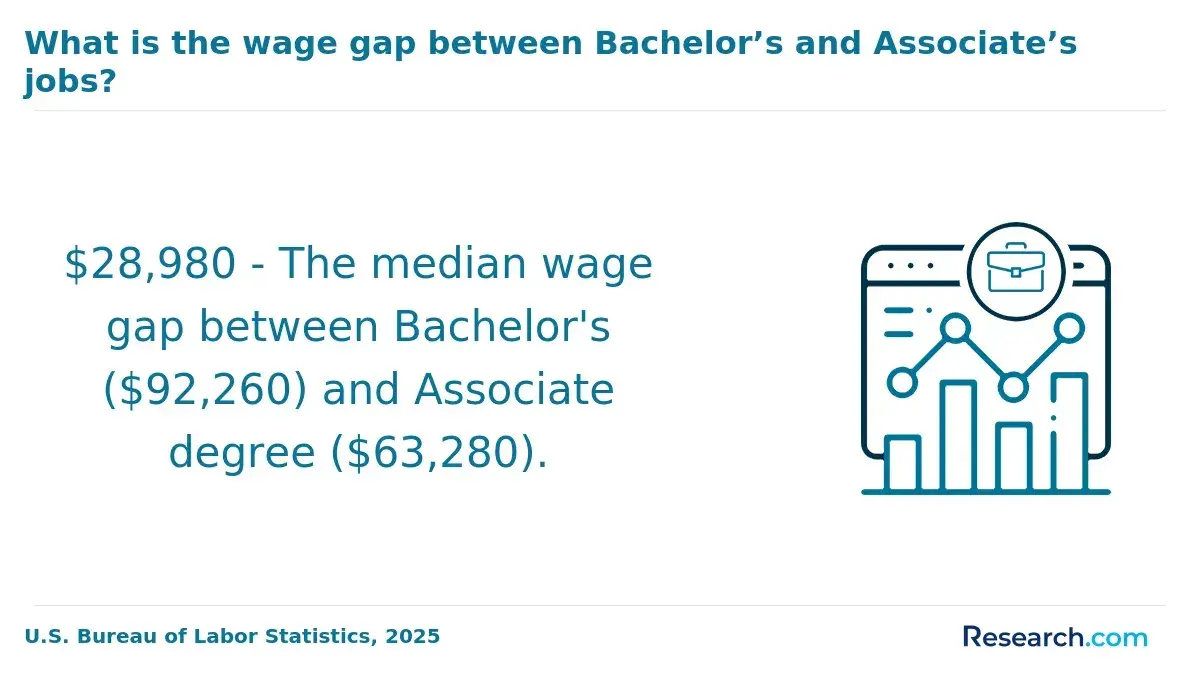
Salaries with a food industry management degree vary widely because the degree can lead to restaurant operations, manufacturing, logistics, sales, procurement, or quality roles. Location, employer size, shift requirements, union environments, technical skills, and supervisory responsibility all affect pay. No degree can guarantee a specific salary, but federal wage data can help you set realistic expectations.
The table below uses recent U.S. Bureau of Labor Statistics wage data for occupations that commonly overlap with food industry management career paths. These figures are occupation-level medians, not promises for new graduates.
| Occupation or related role | Relevant food-sector path | Recent U.S. median annual wage | How to interpret it |
| Food service managers | Restaurants, hospitality, institutional dining, catering | $67,130 | Often accessible with operations experience; hours may include nights, weekends, or holidays. |
| Logisticians | Food distribution, cold chain, inventory, transportation | $80,880 | Usually rewards analytics, planning, ERP systems, and supply chain experience. |
| Market research analysts | Consumer insights, food marketing, category management support | $76,950 | More likely to require data analysis, survey tools, and marketing research skills. |
| Industrial production managers | Food manufacturing and plant operations leadership | $121,440 | Typically reflects experienced management roles rather than entry-level positions. |
The most important salary takeaway is that management responsibility and technical specialization usually matter more than the degree title alone. A graduate who combines food-sector knowledge with supply chain analytics, quality systems, or production leadership may have more paths than someone who relies only on general business coursework.
When estimating return on investment, compare likely starting roles against total program cost, not just advertised tuition. Also consider whether the program gives you access to internships, employer projects, alumni networks, and industry-recognized certifications, because those can influence your first job search.
What is the job outlook for food industry management graduates and demand in the food industry?
The job outlook for food industry management graduates is mixed but generally stable because food is essential, highly regulated, and operationally complex. Demand is not limited to restaurants. Employers also need people who understand food safety, labor scheduling, procurement, distribution, inventory, automation, and consumer trends.
Recent BLS projections show especially strong demand for logistics talent, with logistician employment projected to grow 18% from 2024 to 2034. For food industry management students, that means supply chain, cold-chain distribution, forecasting, and inventory skills can be a smart way to increase career flexibility.
Several current trends are shaping demand in the U.S. food sector:
- Automation and AI: Food manufacturers, retailers, and distributors are using forecasting software, robotics, route optimization, and inventory tools, so graduates need to be comfortable working with data rather than only supervising people.
- Food safety and traceability: Companies continue to invest in documentation, supplier controls, allergen management, and recall readiness because mistakes can damage public trust and create legal exposure.
- Cost pressure: Food businesses operate on tight margins, making labor planning, waste reduction, purchasing strategy, and process improvement valuable skills.
- Changing consumer demand: Health-focused, convenient, sustainable, private-label, and specialty food products create opportunities in marketing, category management, product commercialization, and retail strategy.
Graduates who want the broadest outlook should avoid preparing for only one narrow setting. A restaurant-focused student, for example, may benefit from also learning inventory systems and food safety compliance, while a supply-chain-focused student may benefit from understanding consumer behavior and food product categories.
What courses and skills are taught in a typical food industry management bachelor's program?
A typical food industry management bachelor's program blends business fundamentals with food-sector applications. The strongest programs do not treat food as an afterthought; they connect accounting, operations, marketing, and management decisions to real food businesses and supply chain problems.
Common courses often include the following areas. These subjects matter because they map directly to the decisions food managers make every day.
- Food industry overview, food systems, and food supply chain management.
- Principles of management, organizational behavior, and leadership.
- Accounting, managerial finance, budgeting, and cost control.
- Food marketing, consumer behavior, retailing, and category management.
- Operations management, production planning, inventory control, and quality improvement.
- Food safety, sanitation, food law, regulatory compliance, and risk management.
- Procurement, supplier management, logistics, and distribution.
- Business analytics, spreadsheet modeling, data visualization, and decision support.
- Internship, capstone, consulting project, or industry practicum.
Project management is increasingly useful in food operations because product launches, facility changes, supplier transitions, and compliance improvements all require timelines, budgets, and cross-functional coordination. Students who want a broader management path can compare a bachelor's in project management with a food-focused program, especially if they want skills that transfer outside the food sector.
By graduation, students should aim to demonstrate both technical and soft skills. Employers often look for evidence that candidates can communicate with frontline teams, vendors, quality staff, finance teams, and executives.
| Skill area | Why it matters in food industry management | How students can show it |
| Cost control | Food businesses must manage waste, labor, spoilage, and margins | Budget analysis, food cost project, purchasing simulation |
| Food safety awareness | Managers are often responsible for safe procedures and documentation | HACCP assignment, sanitation plan, audit checklist project |
| Data analysis | Forecasting, inventory, sales trends, and scheduling depend on data | Spreadsheet model, dashboard, demand planning case |
| Communication | Food operations involve hourly staff, suppliers, regulators, and customers | Presentations, team projects, internship supervisor feedback |
| Process improvement | Small efficiency gains can improve quality, service, and profitability | Waste reduction proposal, workflow map, capstone project |
What are the admission requirements for food industry management programs at U.S. colleges?
Admission requirements vary by college, but most U.S. bachelor's programs in food industry management or closely related fields use standard undergraduate admissions criteria. Some programs are housed in business schools, agriculture colleges, hospitality schools, or food science departments, so prerequisites can differ.
Applicants should review each school's requirements carefully. Common admissions materials include:
- High school diploma, GED, or equivalent credential.
- Official high school transcripts and, for transfer students, college transcripts.
- Minimum GPA requirement or recommended academic profile.
- Completion of core high school courses such as English, math, science, and social science.
- Optional or required SAT or ACT scores, depending on the institution's testing policy.
- Application essay, personal statement, or short-answer questions.
- Letters of recommendation, when required.
- Resume or activities list, especially for students with food service, retail, agriculture, or hospitality experience.
Transfer applicants should pay close attention to credit evaluation. A student with prior business, culinary, hospitality, agriculture, or community college credits may shorten the degree timeline, but only if those courses apply to major, general education, or elective requirements.
If you are comparing programs, ask admissions advisors specific questions before applying:
- Which college or department awards the degree, and how does that affect required courses?
- Are internships required, optional, or competitively assigned?
- Can transfer credits apply to major requirements, or only to electives?
- Are food safety, analytics, and supply chain courses built into the curriculum?
- What employers have recently hosted interns or hired graduates?
How do online food industry management programs compare to on-campus options?
Online food industry management programs can work well for students who need flexibility, already work in food service or retail, or live far from a campus with a specialized food business major. On-campus programs may be better for students who want frequent lab access, campus recruiting, food product facilities, or close relationships with local employers.
The table below compares online and on-campus formats from a decision-making perspective. The best choice depends less on prestige and more on fit, support, hands-on opportunities, and your schedule.
| Factor | Online program | On-campus program | Best choice if |
| Schedule | More flexible; often asynchronous or evening-friendly | Structured class times and campus activities | Online is stronger if you work or have caregiving responsibilities. |
| Hands-on learning | May use local internships, simulations, case studies, or employer projects | May offer labs, test kitchens, campus dining operations, or nearby site visits | Campus may be stronger if facilities are central to your goals. |
| Networking | Depends on virtual advising, alumni access, and employer partnerships | Easier informal access to faculty, peers, and career fairs | Either can work if the program has active career support. |
| Cost | May reduce housing, relocation, and commuting costs | May offer campus-based scholarships, jobs, and local recruiting | Compare total cost, not tuition alone. |
| Self-direction | Requires strong time management and independent study habits | Provides more in-person structure and accountability | Campus may be better if you need frequent face-to-face support. |
Students who are considering online study should look beyond convenience. Ask whether the program includes a required internship, whether you can complete that internship near your home, how group projects work, and whether faculty have food-sector experience.
Accelerated formats can be attractive if you already have transfer credits or significant work experience, but speed can reduce time for internships and networking. If your main goal is fast completion, comparing structures used in online accelerated project management degree programs can help you understand common trade-offs such as compressed terms, heavier weekly workload, and less schedule slack.
How long does a food industry management degree take and what does it cost to complete?
A bachelor's degree in food industry management usually takes four years of full-time study for first-time college students. Transfer students, adult learners, and students in year-round or accelerated formats may finish sooner, while part-time students may take longer. Internships, co-ops, prerequisite sequencing, and course availability can also affect the timeline.
Cost depends on institution type, residency, transfer credits, financial aid, housing, and whether the program is online or campus-based. College Board's 2024 pricing data shows average published tuition and fees of $11,610 for in-state students at public four-year colleges, $30,780 for out-of-state students at public four-year colleges, and $43,350 at private nonprofit four-year colleges. These are published prices, so your net cost may be lower after grants and scholarships.
The table below outlines common cost factors to include when comparing programs. This helps prevent the common mistake of choosing a school based only on tuition.
| Cost factor | Why it matters | What to ask the school |
| Tuition and mandatory fees | Main direct academic cost | Is tuition charged per credit, per term, or flat rate? |
| Residency status | Public universities may charge different rates for in-state and out-of-state students | Can online students qualify for a different tuition rate? |
| Transfer credits | Accepted credits can reduce both time and cost | Will prior courses count toward the major or only electives? |
| Housing and transportation | Campus programs may involve room, board, commuting, or relocation costs | What is the estimated total cost of attendance? |
| Internship expenses | Some internships require travel, uniforms, equipment, or reduced work hours | Are paid internships common, and where are placements located? |
| Course materials and technology | Online and analytics courses may require software, devices, or proctoring fees | Are software subscriptions included in tuition? |
To reduce costs, students should complete the FAFSA, compare net price rather than sticker price, ask about departmental scholarships, maximize applicable transfer credits, and consider starting at a community college if credits transfer cleanly into the bachelor's program.
Are food industry management degrees accredited and do they lead to any licenses or certifications?
Food industry management degrees are usually not licensed degrees in the way nursing, teaching, or dietetics may be. The most important baseline is institutional accreditation from an accreditor recognized by the U.S. Department of Education or the Council for Higher Education Accreditation. Institutional accreditation affects transfer credit, federal financial aid eligibility, and how employers or graduate schools view the degree.
Programmatic accreditation is less standardized for food industry management than for fields such as dietetics, engineering, or business. Some programs may be connected to accredited business schools, hospitality programs, agriculture colleges, or food science departments. If your goal is a regulated profession, verify the exact requirements before enrolling.
Certifications can strengthen a food industry management resume, especially for safety, quality, production, and project roles. Common options include:
- Food protection manager certification for restaurant, retail, and institutional food settings.
- HACCP training for hazard analysis, preventive controls, and food safety documentation.
- Preventive Controls Qualified Individual training for certain Food Safety Modernization Act compliance roles.
- Lean Six Sigma or continuous improvement credentials for production and process improvement roles.
- Supply chain, procurement, or inventory credentials for logistics and purchasing careers.
- Project management credentials for students moving toward operations leadership or cross-functional implementation roles.
Students who want to become registered dietitians or move into advanced clinical nutrition should be especially careful. That path generally requires specific accredited coursework and graduate-level preparation, so a food business degree may not be enough by itself. If nutrition leadership is the goal, compare whether a nutrition masters degree better matches the credential requirements for your intended role.
How can you choose a reputable food industry management program that fits your career goals?
Choosing a reputable food industry management program starts with your target job. A program designed around restaurant leadership may not be the best fit for food manufacturing, and a food science-heavy program may not be ideal if you want sales, procurement, or retail category management. Start with outcomes, then evaluate curriculum, cost, accreditation, and employer access.
Use the following steps to compare programs in a practical way:
- Define your primary career direction, such as food service management, food manufacturing, supply chain, quality assurance, retail, or sales.
- Check institutional accreditation and confirm that the school is eligible for federal financial aid if you plan to use it.
- Review the curriculum for food-specific business courses rather than only general management classes.
- Look for required internships, employer-sponsored projects, site visits, or capstones tied to food companies.
- Ask for career outcome information, including common job titles, internship employers, and graduate school placements.
- Compare net price, transfer credit policies, time to completion, and scholarship options.
- Evaluate faculty experience in food business, food safety, supply chain, hospitality, retail, or manufacturing.
- Talk with current students or alumni about advising quality, course availability, and career support.
Several red flags should make you slow down before enrolling. These issues do not always mean a program is bad, but they require follow-up questions.
- No clear food-sector curriculum: If the program is mostly generic business courses with one food elective, it may not provide the specialized preparation you expect.
- Unclear accreditation status: Avoid programs that make accreditation hard to verify or use vague language about recognition.
- Weak internship support: A food management degree is much stronger when it connects you to real employers and operational settings.
- Salary promises: Schools should provide context, not guaranteed earnings claims.
- Poor transfer transparency: If you have prior credits, get a written transfer evaluation before committing.
- Mismatch with licensure goals: If you want dietetics, teaching, or another regulated path, confirm requirements with the relevant board or accreditor.
The best program is not automatically the cheapest, fastest, or most famous. It is the one that gives you credible credentials, relevant food-sector experience, manageable debt, and a realistic path into the roles you actually want.
Other Things You Should Know About Food Industry Management
It can be worth it if you want business, operations, supply chain, quality, retail, or management roles in the food sector. It is less useful if your goal is a licensed nutrition role, culinary career, or food science research position unless the program includes the right prerequisites.
Yes, especially in entry-level quality assurance, compliance, sanitation, or food safety coordinator roles. For stronger prospects, choose courses or certifications in HACCP, preventive controls, audits, and regulatory documentation.
No. Hospitality management often focuses on restaurants, hotels, events, and guest service. Food industry management is usually broader and may include manufacturing, supply chain, retail, procurement, marketing, and food safety.
In 2027, a Food Industry Management degree opens doors to careers such as supply chain manager, marketing director, production supervisor, and sales strategist in the food sector. The degree prepares graduates to tackle challenges like sustainability and digital innovation, reflecting the industry's evolving landscape.
References
- Why I chose to study Food Industry Management (FIM) instead of Food Science https://www.uoguelph.ca/oac/news/why-i-chose-study-food-industry-management-fim-instead-food-science
- 20 High-Paying Careers in the Food Industry | CIA https://www.ciachef.edu/blog/top-careers-in-food/
- Food Industry Certificates: ISO 22000, FSSC, BRC & IFS - BTSA https://www.btsa.com/en/main-food-certificates/
- Restaurant Supply Chain – Degrees for Jobs in Restaurant SCM https://supplychainmanagementedu.org/industry-specialties/restaurant/
- Food Science Jobs And Career Paths: Everything to Know | Innopharma Education https://www.innopharmaeducation.com/blog/food-science-jobs-and-career-paths-everything-to-know
- Hospitality & Culinary Management Degree: Learning to Lead in Today's Restaurant Industry https://www.lci.edu/blog/hospitality-culinary-management-degree-learning-to-lead
- Careers In the Food Industry https://tastycareers.org.uk/careers-in-the-food-industry
- Food Industry Careers & Jobs | General Mills Careers https://careers.generalmills.com/career-areas
- How to Choose the Right MBA Program for Your Career Goals https://lsmt.org.uk/blog/how-to-choose-the-right-mba-program-for-your-career-goals
- The Most Demanded Certificates in the Food Industry https://keyqualityglobal.com/en/blog/the-most-demanded-certificates-in-the-food-industry